

The Human Experience · Episode
Episode 62 – Maia Szalavitz – Unbroken Brain
A conversation with Maia Szalavitz
Maia Szalavitz is one of the premier American journalists covering addiction and drugs. She writes for TIME.com, VICE, the New York Times, Scientific American Mind, Elle, Psychology Today and Marie Claire among others.She has written for the New York Times, the Washington Post, Elle, Newsday, New York Magazine, New…
Stay with the full conversation.
Episode field notes
Show notes
Maia Szalavitz is one of the premier American journalists covering addiction and drugs. She writes for TIME.com, VICE, the New York Times, Scientific American Mind, Elle, Psychology Today and Marie Claire among others.She has written for the New York Times, the Washington Post, Elle, Newsday, New York Magazine, New Scientist, Newsweek, Salon, Redbook, O: the Oprah Magazine, the New York Daily News, the Village Voice,Brill’s Content, Cerebrum and other major publications. She has appeared on Oprah, CNN, MSNBC and NPR.
Maia Szalavitz has also worked in television– first as Associate Producer and then Segment Producer for PBS’s “Charlie Rose”, then on several documentaries including a Barbara Walters’ AIDS special for ABC and as Series Researcher and Associate Producer for the PBS documentary series, “Moyers on Addiction: Close to Home”.
She was the 2004 recipient of the American Psychological Association’s Addiction Division Award for “Outstanding Contributions to Advancing the Understanding of Addictions” and the 2005 recipient of the Drug Policy Alliance’s Edward M. Brecher Award for Achievement in Journalism.
She studied as an undergraduate at Columbia University and received her B.A., cum laude, in psychology from Brooklyn College.
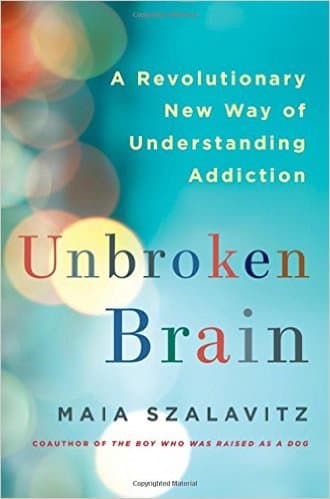
One of her best selling books, co-written with leading child trauma expert Bruce D. Perry, MD, PhD, is The Boy Who Was Raised as a Dog and Other Stories from a Child Psychiatrist’s Notebook: What Traumatized Children Can Teach Us About Loss, Love, and Healing (Basic, 2007). The book explores how trauma affects the developing brain and why love is the most important ingredient in recovery.
She is also the author of Help at Any Cost: How the Troubled-Teen Industry Cons Parents and Hurts Kids (Riverhead, 2006). It serves as the first book-length expose of widespread abuse in largely unregulated teen “tough love” programs and boot camps. Szalavitz’s work has helped spur increased activism and legislative attention to the plight of thousands of teens held in these programs.
She is co-author, with Dr. Joseph Volpicelli, M.D., Ph.D. of the University of Pennsylvania, of Recovery Options: The Complete Guide: How You and Your Loved Ones Can Understand and Treat Alcohol and Other Drug Problems (John S. Wiley, 2000). This is the first evidence-based consumer guide to addiction treatment; most other books on this subject press a particular approach to addiction and recovery (usually 12-step programs like Alcoholics Anonymous) rather than looking at the data. It also includes both positive and negative perspectives from addicts on treatment.

click to purchase
In this episode we spoke to Maia about addiction, some of it’s misconceptions and more.
Editorial Reviews on “Unbroken Brain”:
“Maia Szalavitz is one of the bravest, smartest writers about addiction anywhere. Everything she writes should be read carefully – I guarantee you’ll have a lot to think about, and you’ll know far more than at the start.”
– Johann Hari, New York Times bestselling author of Chasing the Scream
“Maia Szalavitz is one of our most incisive thinkers about neuroscience in general and addiction in particular and her writing is astonishingly clear and compelling. In the timely, important, and insightful Unbroken Brain, Szalavitz seamlessly interweaves her moving personal story with her investigation into what addiction is (and isn’t) and how we can most effectively prevent and treat it.” –David Sheff, New York Times bestselling author of Clean and Beautiful Boy
“Through the lens of her own gripping story of addiction – supported with empirical evidence – Szalavitz persuasively shows that addiction is a disorder of learning, not one characterized by progressive brain dysfunction.” –Carl Hart, Ph.D., author of the Pen/Faulkner award-winning High Price: A Neuroscientist’s Journey of Self-Discovery That Challenges Everything You Know About Drugs and Society
“Of the countless writers out there who’s focus is addiction, no one can begin to touch the brilliance of Maia Szalavitz. She is by far my favorite addiction writer, perhaps one of my favorite writers ever. Her passion and exceptional writing talent combined with her exhaustive research, create a book that will inspire, educate, enrage, and entertain. I can only promise one thing: if you read this book, you will never be the same again.”
–Kristen Johnston, actress, author of the New York Times bestselling memoir Guts, addiction advocate, founder of SLAM, NYC
“As more professionals realize that addiction isn’t really a disease, our challenge is to determine exactly what it is. Szalavitz catalogs the latest scientific knowledge of the biological, environmental and social causes of addiction and explains precisely how they interact over development. The theory is articulate and tight, yet made accessible and compelling through the author’s harrowing autobiography. Unbroken Brain provides the most comprehensive and readable explanation of addiction I’ve yet to see.” –Marc Lewis, author of The Biology of Desire
“… a new way of looking at drug addiction that offers a fresh approach to managing it. [Salavitz] writes frankly about her background …. In a heartfelt manner, she exposes her own fears and pain … A dense blending of self-exposure, surprising statistics, and solid science reporting that presents addiction as a misunderstood coping mechanism, a problem whose true nature is not yet recognized by policymakers or the public.” –Kirkus
“Journalist Szalavitz offers a multifaceted, ground-up renovation of the concept of addiction–both its causes and its cures.”-PW
Find Maia and her work Visit maiasz.com.
Check maia out on TIME magazine HERE.
Help keep HXP ad free! If you value our content help sustain and grow our show. Become a supporter for 5$/mo (the price of a cup of coffee) or DONATE : 
Huge thanks to Maia for being on the show
Read the conversation
Transcript
that’s designed to fuse your left and right brain hemispheres and feed it the most entertaining and mentally engaging topics on the planet as we approach our ascent please make sure your frontal temporal and occipital lobes are in their full upright position as you take your seat consciousness relax your senses and allow us to take you on a journey we are the intimate strangers thank you for listening the human experience is traversing the realms of
addiction and unbreaking your mind as we welcome my guest Maya Sullivan’s Maya it’s a pleasure welcome to hxb thank you so much for having me Maya you have to be one of the most brave people I’ve I’ve read about encountered I mean your story is quite compelling why don’t you lay the foundation for that for us and kind of tell us about who you are and what you’re doing please oh sure uh so basically in my 20s I had a very severe
cocaine and heroin addiction I was shooting up dozens of times a day I ended up facing a 15 to life sentence for selling coke and I was basically miserable Wow okay and and you’ve shifted that from writing writing at least seven books and I mean you write for Time magazine what happened how did you go from you know using these these substances and to being addicted to them and to you know where you are now sure well just to get there we have to
go back a little bit before I became addicted I was at Columbia College I had been a straight-a student I was a very driven person and that you know was sort of from birth from the time I was really really little I was always sort of obsessive and that I think gave me both the ability to succeed and the ability to be horribly addicted when I be came addicted and for me what the addiction was mostly about was that I couldn’t connect socially I was very
intellectual I was very alienated I felt unlovable and when I found drugs it was sort of the first obsession that I was going on and on about that other people actually wanted to listen to and so that made me very favorable towards drugs also when I got to college I was sort of terrified of the whole new social scene that I had to once again deal with I had finally made a few friends in high school and so then College I’m thrown into this
whole thing and I was just terrified and I discovered very rapidly that if I had cocaine people wanted me around and I didn’t need to worry about oh they hate me they think I shouldn’t be here because when you were bringing the coke people are very happy to see you yeah I mean that that sounds like quite the situation I mean there’s there are certain hallmarks of addiction and kind of pattern recognitions where you can I
mean there’s there’s genetic traits and personality disorders I mean what did you what did you discover as while you were writing this book as some of the misconceptions that we have regarding addiction a lot of people think that there’s a single addictive personality and that is one of the biggest myths about addiction that’s this idea that if you have sort of one kind of addictive obsession you won’t be able to control
your use of any other substances and if you’re addicted to gambling you’ll also be addicted to food and sex and drugs and all different types of drugs and alcohol while it’s certainly the case that addictions do tend to run together it’s not the case that everybody with addiction is susceptible to all addictions the other myth about the addictive personality is that all people with addiction are liars are compulsively antisocial are you know
just basically nasty horrible people and in fact the things that predispose people to addiction can range incredibly widely so if you’re a really anxious and nervous person who is oversensitive and who really is quite a caring person you might be very high-risk but you also if you’re on the other extreme of that if you’re really bold and actually somewhat callous you’re also at higher risk and most people don’t have both of those
characteristics at least not at the same time so and certainly not most people with addiction so addiction is sort of you know there’s there’s a sort of joke addicts are like everybody else only more so and that kind of captures the fact that it is extremes that predispose you but some of these extremes are opposite to each other and the idea that all people with addiction are compulsive liars or are dishonest or are
fundamentally bad people is just false are you saying that it’s not solely based on physiology and it can be based on other things well and this depends on if you want to get into the mind-body problem but the my point is really that addiction is a complex multifactorial thing and so genes do play into it absolutely but so does the environment and the environment plays into it in an incredibly complex way over the course
of development so that things that happen very early on can have an outsized effect and even the way you interpret your experience is important in addiction because for example you can’t be addicted to something if you don’t know that the drug causes the effect that you like hmmm let’s let’s explore that further what do you mean by that so like there are people who will go into the hospital they will have surgery they will be on opioids long
enough to develop physical dependence on the drug and then they go home and they basically go into withdrawal but since they have no idea that they have developed physical dependence on the drug they don’t have any craving for it since they don’t know what to crave and they are actually in that instance they are not a they are simply physically independent but in order to be addicted you have to know that it’s the drug that solves your
problem interesting so it’s it’s more of a mental psychological thing yeah absolutely and when people talk about you know the horrors of opioid withdrawal the physical stuff really isn’t that bad anybody who has had any serious medical problem as well as an opioid withdrawal experience can tell you that most serious medical problems are most are way worse I once had hepatitis A and that was definitely way worse than withdrawals but the the point
is that what really is horrible and causes suffering and withdrawal is not that physical things not the puking and the sweating and the shaking I mean those aren’t fun but it’s the mental agony it’s the sense that you will never ever have a sense of safety or comfort or pleasure again and it’s like breaking up with you know the love of your life and that’s where the pain comes in um I personally kicked heroin about six or
seven times it was I never relapse during the withdrawal part when I was sick and feeling lousy I always relapse like a couple of weeks or months later when I was like oh I’m fine I can do this on weekends hmm interesting I mean how do you how do you feel about the role of policy and where legislation is in regards to addiction and like how how our society and the stigma of being addicted being an addict I mean it’s it’s absolutely ridiculous the way we
deal with this there is no science whatsoever to our drug laws there is no rational way you could make a case to have marijuana illegal and tobacco legal that is just not anything that can actually be based on anything other than racism and colonialism which is what it is actually based on until we recognize this we’re going to be struggling with these really lousy absurd drug laws if we want to say addiction is a medical
problem which I believe it is it is absolutely absurd to think that criminalization is going to help and in fact addiction is actually defined by the DSM psychiatry’s diagnostic manual as compulsive behavior despite negative consequences negative consequences is another word for punishment so therefore if punishment were to fix addiction addiction wouldn’t actually exist so we’re really dumb in terms of our drug policy yeah agreed
I mean it feels like the war on drugs has been an abject failure if you look at it from the stance of helping people if you look at it from the stance of enslaving the humanity well yeah the war on drugs is a gleaming success yes I mean it’s it’s a success at racism and it’s a success at creating mass incarceration and I suppose there’s some employment involved with that like it is absolutely not a success at controlling
demand at controlling supply or it dealing with drug related harms in fact it tends to make them worse so so Mya let’s let’s get them at the root of this I mean it I mean if if you’re just a normal person I mean if there is such a thing but if you’re just kind of operating on you know a regular schedule you have a nine-to-five job and yet you use cocaine on the weekends I mean what what’s wrong with that picture I don’t think there’s anything wrong
with that picture unless you are harming yourself or others addiction is not using on weekends generally although you you can have certain addictive patterns where you binge and you know spend all your money on coke every weekend and then can’t pay the rent but if you are in a situation where your drug use is not causing harm to you is not messing up your career is not messing up your relationships you know is basically
pleasurable that’s not addiction and to my mind that isn’t anything the state should care about I mean what in your opinion is is an addict looking for I mean it seems like people who are drug seeking and look they’re they’re searching for a way to escape this sort of pain this turn internal soul pain that they have do you agree with that yeah I think that addiction is very often a search for escape on there is there are so many different ways you can
get into addiction but the vast majority of them do involve some sort of self medication about two-thirds of people in addiction and an even larger number for women have severe childhood trauma and there’s enormous ly high rates of sexual abuse amongst women with addiction so you know a lot of people are trying to self-medicate that there are also there’s also a really high prevalence of mental illness pre-existing mental
illness among people with addictions so the same genetics that predisposes you to say depression can also predispose you to addiction either because it makes you more vulnerable to the drugs themselves or because you want to feel better so you start taking them so you’re saying that having a mental condition kind of amplifies your either need your need for that that certain drug that kind of alleviates those symptoms yeah well I mean if you have
any type of mental illness or personality disorder you know you’re different from other people you’re different from other people in different ways depending on what your actual problem is but the you know you know that you stand out you don’t feel comfortable you are not happy I mean mental illnesses are defined by you know causing significant impairment and disability so who wants to feel awful all the time um yeah people are generally seeking ways
to you know feel okay and to connect with other people and drugs often offer a way into that for a lot of people I mean one of the things I think is really sad is that you know if you look at a high school if you want to be in any clique it’s hard but the drug users pretty much accept anybody as long as they take drugs and that’s a very admirable thing in some sense but it is sad that that is the group where that acceptance is there yeah I mean we’re
probably gonna jump around in this conversation but going back to genetics I mean if you look at sort of the studies on adoption and like twin studies and twins reared apart I mean what have you seen in your research in regards to that as far as most of the research on that is on alcoholism and basically that shows that about half the risk is accounted for by genetic factors and it’s probably the same with other drugs but the data is not you know
there’s just there’s not as many people with addiction to the other drugs so there’s not you know as much data on it certainly not going back generations the way there is with alcoholism but it is absolutely the case that you know genetic factors play into it and there’s a huge range of genetic factors that can have an influence for example there is a gene that is common in Asia that makes you quite uncomfortable when you drink
like your skin turns red and you feel like warm and it’s not pleasant at all and so those people with that gene are like 10 times or some really high number they’re really less at risk however in Japan where that gene is quite prevalent during the I guess 80s and 90s there was this whole there developed this whole really heavy drinking culture among business people and what you saw then was that even with the presence of this
gene the number of people with the gene that developed alcoholism was like 3 times higher during that time period so you know people’s choices and people’s cultural pressures also play a big role I mean where are you at with the whole 12-step you talk about the kind of the concept of kind of hitting rock bottom and I mean is that a false idea it’s a very very very destructive myth the idea that if you just make things bad enough
for people with addiction they’ll get better has caused a lot of abuse a lot of death a lot of psychological damage a lot of making a lot of people’s lives worse for a really long time in the name of something that simply is not the case if you look at when people recover people are actually more likely to recover if they still have a job if they still have their family if they still have resources I mean if you just think
about it logically who would you pick as most likely to recover a doctor or a homeless person yeah so true I mean have you found that addicts move into other forms of sort of addiction like a person who is addicted to cocaine going into kind of addiction towards sex yeah I mean people can certainly do that it just you know that happens to about half of people with addiction they will develop more than one but it’s you know
is it Universal no are there people who can have addictions to say alcohol but not marijuana absolutely are there people who are addicted to cocaine but not pot yes um so you know it’s not always the case that everybody needs to be totally abstinence forever obviously that’s the safest route to take but the this idea that you know you must be perfectly abstinent from everything if you’ve ever had an addiction to anything just is unrealistic and also
incorrect yeah I mean um and we’re I mean where is your research as far as the harm reduction and the bringing I mean what what is that we can do to kind of help people who are struggling with this sure so um as with helping anybody else compassion love affection support treating people with dignity and respect all matter tremendously in addiction what basically happens is that the system that allows you to fall in love
with people or you know care for your baby gets misdirected towards the drug and so in order to help that system heal relationships are critical and so what people with addiction need they don’t have any lack of pain what they are missing is often hope and love and support and so tough-love is exactly the opposite thing that they need now that’s not to say that you should you know tolerate an addicted family member beating you up or stealing from you or
doing any kinds of nasty things it’s just if you throw them out of the house that will help you not them and it is by the way perfectly acceptable to do that to help you or your own family because you can’t help anybody if you are being abused so you know it is sometimes necessary for people to cut people with addiction out of their lives for that reason um it just doesn’t work to save their lives it may actually do the
opposite Wow yeah you know I was reading I was reading the story prior to this interview about this this woman this girl who was struggling with with heroin usage and her parents found her needles kicked her out of the house she ended up becoming homeless I mean the story got much much much worse and like what is I mean what is your opinion about just throwing someone into a kind of really AB facility well it usually doesn’t work
um the thing with opioids in particular is that the only treatment that we know that reduces mortality and it reduces it by 50 to 70 percent or more is indefinite potentially lifelong maintenance with either methadone or buprenorphine which is better known as suboxone so throwing somebody into an abstinence rehab on will actually just put them at risk of overdose that is way more severe than when you started with 30 days after that you know a lot one of
the incredible things that has happened in the last few years is Hazelden which is the model for the 28-day rehab in which you know is very strongly into 12 steps and complete abstinence from everything they were finding that many of their patients who had opioid addictions unlike their alcohol patients the opioid addiction patients would go out and they’d be dead in a week and so they now have decided that they will be
doing buprenorphine maintenance for some of their patients the because otherwise they die so it is really important to know a that the best treatment for opioid addiction is not residential abstinence treatment and it’s also important to know that coercion is usually not the best way to go treatment in this country has suffered an enormous amount because it basically gets people that are forced to be there if you are making cars and your
customers are forced to buy them you don’t have to make very good cars if your customers are forced to go into treatment you can do absolutely awful things to people which treatment unfortunately sometimes does you know a lot of treatment in the past and some still to this day is based on the idea that we will make you hit bottom we will make you feel powerless we will attack and humiliate and try to break your personality into pieces you know who
would voluntarily choose that you know the reason people with addiction avoid treatment is not generally that they’re having so much fun getting high it’s that most treatment they know doesn’t work and treats them awfully Wow I mean it’s horrifying it seems like the culture that we’ve established in regards to you know the stigma behind behind drug use and the criminalization aspect of it is just it’s so completely backwards it really is and what’s what’s
very odd about it is that you know the 12-step treatment providers have gone around saying addiction is a disease but the treatment is a self-help group that teaches you prayer confession and restitution and so people quite logically react to that by saying you don’t really think it’s a disease you think it’s a sin and that’s not to say that many many people don’t find help from 12-step programs but it is to say that they are not modern medicine hmm
interesting you know again it for the research for this episode I was I saw ended up seeing an a sign in Amsterdam on the internet that said the cocaine that is being sold on the street has cut is actually white heroin please be careful and for tourists have died using this and what an amazing approach you know if we just kind of looked at this as a health disorder rather than a criminal disorder maybe we would make some some
progress but we absolutely would because we’re throwing away money and people’s lives right now I mean why does anybody think that putting someone in a cage is going to fix any kind of psychological problem it makes absolutely no sense the idea that locking people up for possession would be helpful for anything is ridiculous the you know the idea of that is to make it so stigmatized that people won’t do the drugs but obviously that has failed
to work and it is ridiculous that we are saying we must do we must distinguish I as addiction but we criminalize it which is the opposite thing like if it’s just you know counterproductive I mean do you find that most addicts want to get clean and they’re just there there’s they’re so compelled the the compulsion is so high that I mean they just can’t well I mean I think it’s complicated first of all I would urge you to avoid the word
clean because that implies the people who are still using are dirty and it’s you know we just use this horribly stigmatizing language though and I have to catch myself I try to use people with addiction as opposed to addict because we don’t like in news coverage we don’t say that person is a schizophrenic we say that’s a person with schizophrenia but we say that person is an addict so anyway but yeah we just we do so many
things backwards and yes people with addiction often are ambivalent about quitting they feel you know again imagine giving up the love of your life imagine feeling like you know you’ve been loved this way only this one time and now you are giving that up like if you heard a song that was your song or if you you know saw like that person on the street you would probably want to talk to them you know it’s not surprising that it is hard to
get over addiction but what I think I think love is the best comparison to it and yes like breaking up totally sucks and some people actually do suffer physical withdrawal in breaking up with people you know it you know the basically in the brain love is the template that gets captured by addiction but the good thing about that and the thing that I think is important to stress is that falling in love isn’t breaking your brain falling in love is a
deep emotional form of learning that is very hard to undo as anybody who’s ever been dumped can tell you but the you know but it’s not impossible and it’s not brain damage it is simply a state of maladaptive learning interesting I mean is there a point and this is I mean this is just kind of a rhetorical and for the audience question is there a point where you think it’s too late to help someone no um I think that there may well be
people whose lives are so traumatic and so compromised by a mental illness that they may not be able to maintain abstinence but there’s lots of things you can do to help people in that state first of all you can help them have a home second of all you can help them have access to drugs that are safe and not you know impure you can be kind to them you know there are there are many many different ways of dealing with people
but we just have to get rid of this idea that the only acceptable State for a human being with a with addiction is like hat being absolutely drug free all the time now that can and absolutely does happen for some people but it is just you know we we just have this idea I mean it’s almost it’s like a form of prejudice that if you have this substance in your blood you are a bad person yeah I mean you’ve you’ve done some work on suicide as well
what’s your what’s your stance on that well I mean what I I think what you’re referring to I did some articles about overdose and suicide and one of the things that I think we really really need better data on is that we really don’t know on what percentage of overdoses are actually suicides or are these kind of weird like the person doesn’t care if they live or die and I think it’s really important to know that because when we want to
prevent overdose we want to tell people hey don’t mix alcohol with like heroin and benzodiazepines because that’s a really deadly combination but if somebody doesn’t care they made or if they’re actively suicidal they may be like okay good there’s the recipe so this doesn’t mean we don’t provide that information but it also means that we need to find out like you know how much of this is despair and we need to try to
address that kind of despair man it seems like 2016 has been a year of celebrity deaths and a lot of these celebrities are dying from overdoses we’re finding out you know through tox up toxicology reports we’re finding out that they you know prince was on fentanyl and you know others it what’s your what’s your stance on this how I mean how do you think these these a list type people are being affected by addiction well I mean I think that if
you look at addiction rates there are clearly occupations that are especially high risk and celebrities tend to be really high risk as well as really really poor people so what do those have in common one of the things that they have in common is that they have sort of structure less time a lot of the time but the other and I think more important thing is that like when you have everything that you want it can become
as meaningless as having nothing that you want and so you know I also think that celebrities are at high risk because the drive and the compulsiveness and the obsessiveness and the persistence that allows you to get through all the rejection and all the hard work and all the stuff that you have to deal with to get there is exactly the kind of thing that people do in terms of addiction and what is what is your research show on using
iboga to treat heroin addiction you ask things like that I mean I think that clearly some people find those things helpful I think that ibogaine there is there have been some deaths associated with it and it’s certainly the case that a one-shot treatment is rarely going to fix something as complex and long-lived as addiction howard lotsof who discovered that ibogaine relieves opioid withdrawal told me this story once that
I’ve never forgotten and he said that you know he gave it to a couple of his friends who were also heroin addicts and you know he got up and he was like wow I’m not in withdrawal I don’t have to get high I’m free yay and the others was like we’re like wow I’m not a myth draw let me go score so you know it’s like you really have to understand you know if people don’t have anything else in their lives or if people’s like identity
is really wrapped up in you know being an active drug user um you know unless you come up with things that are going to deal with that you know simply with relieving the withdrawal or simply having the insight that wow this is like a huge problem for me which a lot of people can get during the psychedelic experiences and they can get insight into trauma and all kinds of other things but that insight alone is often not enough if you don’t have support if
you don’t have you know something else to live for it can be really really difficult so I think you know again we want to have as many tools as we possibly can have to help people recover and I think we definitely need more research on all of that kind of stuff but I think it’s equally dangerous to call those things cures and to make to over-promised because that’s the history of addiction treatment it’s like people are go around proclaiming this is a cure
and very quickly they find out that it isn’t yeah that’s a safe perspective I mean my what what is the single you know first thing that perhaps someone that is listening to our voices right now can do that is struggling from for from addiction and wants to not suffer anymore um I always suggest that people start with a complete psychiatric evaluation by somebody who is not affiliated with any rehab or any addiction program at all
because so many people with addiction have trauma and have other psychiatric disorders it’s really good to know what’s going on from the start so that you can find the kind of help that’s best for you so that I certainly recommend I definitely also recommend if you have an opioid addiction the safest treatment options are methadone and buprenorphine and don’t worry about oh oh I’m replacing one addiction with another that is absolutely not the case
because when you use methadone or buprenorphine in an appropriate way when you take it in a steady regular dose you are not high you are not impaired you can drive you can love your partner you can take care of your kids you can do everything that anybody else can do and so you are not addicted you may still be physically dependent but you know I’m physically dependent on Prozac because if I stopped taking Prozac I will
probably get depressed again does that mean I’m addicted to Prozac no so I think it’s really important to look at maintenance medications in that light and to not fall for the stigma that we have associated with them I think we really need to fight that I also think that you know people with addiction should read other stories of addiction talk to other people with addiction realize that there are many many different paths and that if one doesn’t
work for you you can try another one realize that even though you can’t feel it right now there are almost certainly people in your life that totally love you and really care about you and are not trying to control you or take away your fun but they can from their outside perspective that what you’re doing isn’t working so those are I think some of the key bits of advice I would give is there a point that you find with people who are suffering from
this disease that they are just kind of Numb to everything well yeah that’s what you want um you know um I think you know when people are in that state that they’re trying to achieve they’re really tuned out from the world but you know if you could stay like that it wouldn’t be addiction it would be Nirvana right but you can’t and you don’t and that doesn’t work on this world so what you have to do if somebody does seem really tuned
out is approach them at a different time mm-hmm interesting I mean my I really appreciate you know everything what you’re doing you know dese – dese TIG mitai zing this is I think so huge and so important and really discussing this as much as possible I think is is crucial your story is is huge and I mean I congratulations for you know kind of beating this and and coming forward and talking about it thanks yeah no I mean it’s been really
an amazing journey and you know I it’s funny because I you know get asked to give advice at journalism schools and stuff like this and I don’t want to say well go shoot up for a few years you know that would be a bad plan and I certainly don’t recommend that but because of having had the experience that I have had unfortunate to that experience maybe I have been able to give a lot that I wouldn’t have otherwise been able to do and I have
been able to understand situations that I might not have otherwise been able to do so so you know I guess you can make lemonade right yeah so Maya where can people find your work where can people kind of get to your website give us that oh sure so I am at just Maya a Z so it’s ma I a s like Sam Z like zebra comm you I also have a bi-monthly column at vice and I write for a bunch of different places and the book can be found it
you know Barnes and Noble Amazon hopefully independent bookstores and yeah so those are a few ways thank you so much Maya this is the human experience we will see you guys next week you
Ideas worth returning to
Quotes
Five substantial excerpts from the published transcript, lightly edited for clarity without changing their meaning.
“Sweating and shaking during heroin withdrawal are miserable, but the deepest pain is mental: the conviction that safety, comfort, and pleasure will never return. It resembles losing the love of your life. I never relapsed while acutely sick; relapse came weeks or months later, when the physical crisis had passed but the emotional and social conditions remained.”
From the conversation“If addiction is a medical problem, criminalization is an irrational treatment. The diagnostic definition includes compulsive behavior despite negative consequences, and negative consequences are a form of punishment. If punishment reliably cured addiction, the condition described by that definition would not persist in the first place.”
From the conversation“Love is a useful comparison for addiction because the brain systems involved in attachment can be captured by a drug. Losing the drug can resemble a devastating breakup, even producing physical symptoms. The hopeful implication is that the capacity for powerful attachment is not inherently pathological; it can be redirected toward people, purpose, and life.”
From the conversation“Helping a person with addiction can mean providing housing, access to a safer drug supply, medical care, and ordinary kindness. Absolute abstinence is possible and right for some people, but it should not be treated as the only state in which a person deserves support. Reducing death and harm is meaningful even before complete recovery.”
From the conversation“Medication that ends withdrawal can feel like freedom to one person and an opportunity to resume using to another. If someone has nothing else in life or an identity organized around active drug use, relieving physical symptoms alone will not create recovery. Treatment must address belonging, meaning, environment, and the life that will replace the addiction.”
From the conversation
About the guest
Maia Szalavitz
Maia Szalavitz is one of the premier American journalists covering addiction and drugs. She writes for TIME.com, VICE, the New York Times, Scientific American Mind, Elle, Psychology Today and Marie Claire among others.She has written for the New York Times, the Washington Post, Elle, Newsday, New York Magazine, New Scientist, Newsweek, Salon, Redbook, O: the Oprah Magazine, the New York Daily News, the Village Voice,Brill’s Content, Cerebrum and other major publications. She has appeared on Oprah, CNN, MSNBC and NPR.
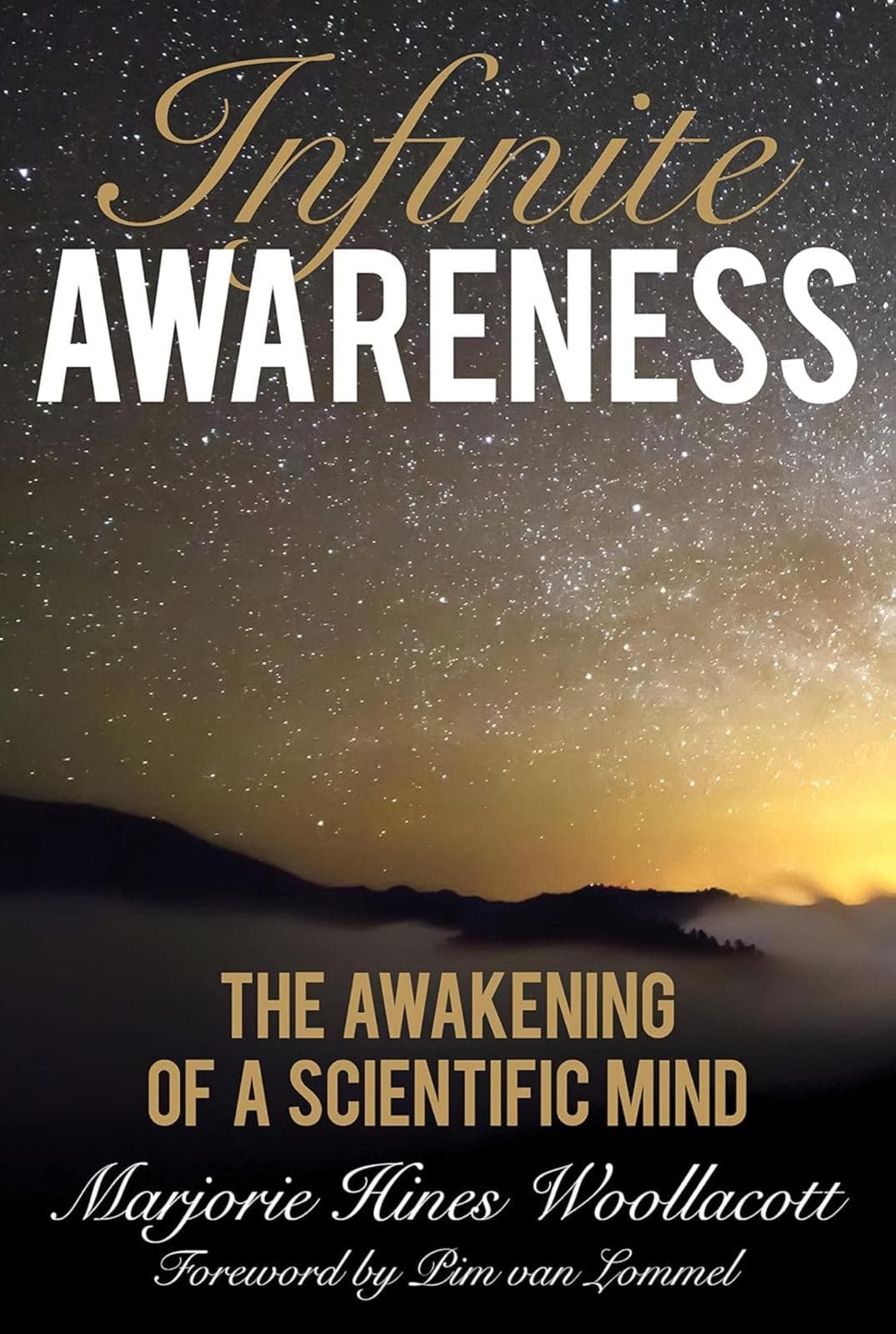
Episode 191 – Marjorie Woollacott – Infinite Awareness – Consciousness Beyond Biology
August 28, 2025
Episode 157 – Conquering Fear, Addiction & Alcoholism, w/ Karla Juvonen
January 24, 2020 · 1:11:16
Episode 101 – Grant Cardone on Mastering the Close, the 10x Formula, Obsession and more
August 7, 2017 · 30:03
EPISODE 198: Cindy Gallop — Make Love Not Porn: Rethinking Sex, Consent & Connection
October 13, 2026 · 58:43
Independent conversations
Help make the next one possible.
Membership sustains ambitious, unhurried interviews and keeps the complete archive open to curious listeners everywhere.
Become a member