

The Human Experience · Episode
Episode 157 – Conquering Fear, Addiction & Alcoholism, w/ Karla Juvonen
A conversation with Karla Juvonen
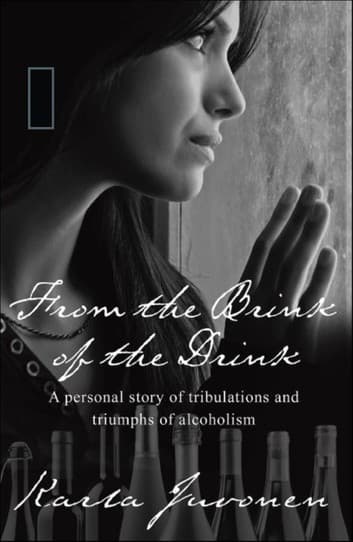
Karla is an author and works as a Physician Assistant, Karla has written her first book, titled “From the Brink of the Drink”. Which we’re going to be covering this evening. In the book, Karla bares it all. From the toll that addiction can have on a person’s life and finally her victory.
Stay with the full conversation.
Episode field notes
Show notes
Karla Juvonen is a Physician Assistant practicing in the state of Minnesota, where she lives with her three children, three cats, two dog, and one ex-husband. She enjoys reading, baking, playing the piano, and above all, spending time with her family.
She previously enjoyed copious amounts of cheap liquor, which she has now replaced with Diet Coke by the liter. She is very active in her recovery community, leading meetings, working with other addicts and alcoholics, and speaking at treatment centers with regularity. She has learned how precious life is and has become incredibly grateful for second chances.
Karla has written her first book, titled “From the Brink of the Drink”. Which we’re going to be covering this evening. In the book, Karla bares it all. From the toll that addiction can have on a person’s life and finally her victory. Karla’s mission is to HELP OTHERS especially those who find themselves in situations such as the one she lived.

To Find Karla Juvonen Visit fromthebrink.org.
You will love this episode!
Read the conversation
Transcript
[Music]
welcome to the human experience podcast
the only podcast designed to fuse your
left and right brain hemispheres and
feed it the most entertaining and
mentally engaging topics on the planet
as we approach our ascent please make
sure your frontal temporal and occipital
lobes are in their full upright position
as you take your seat of consciousness
relax your senses and allow us to take
you on a journey we are the intimate
strangers thank you for listening
[Music]
boy this conversation the human
experiences in session
my name is Xavier katana my guest for
tonight is Karla Juve onin divine Karla
is an author and works as a physician’s
assistant Karla has written her first
book titled from the brink of the drink
which we’re gonna be covering this
evening in the book Karla bears it all
from the toll that addiction can have on
a person’s life and finally her victory
Karla’s mission is to help others
especially those who find themselves in
situations such as the one she’s lived
and survived
Karla it’s truly a pleasure welcome to
hxp
oh thank you so much Xavier for having
me I’m so excited I just it’s just such
a big problem and there’s just so much
stigma and so much hiding within
alcoholism and I think some major
misunderstanding regarding who can be an
alcoholic who looks like an alcoholic
and I assumed that most people who knew
me would never in a million years think
that I was an alcoholic and I was right
so putting my story out there that you
know what an educated successful woman
can indeed become a raging alcoholic and
lose almost everything but the most
important thing is that you can get it
all back and then some with entering
into a recovery and it’s just really
remarkable and I’m so happy to share my
I share in it all the time for this very
reason to try to inspire people to keep
trying to kick it because you can yeah
yeah I absolutely love that so much
and you know in the time that I’ve known
you you are you are one of the most
tenacious people that I’ve encountered
and you’re kind of like the little
Phoenix that could you know the rise
from the ashes and so you know let’s
talk this is your first book and you
know I love giving first-time authors a
chance to tell their story and we mean
we do cherry-pick this and what I
thought when I was looking at his book
was wow this woman has survived you know
every possible direction that you could
kind of cringe and hang on and wonder
what is gonna happen next
that’s what I was thinking when I when I
read this book so you know it being a
first-time author how what made you want
to write the book tell us a little bit
about your your writing process as well
sure so I had never really contemplating
writing a book I thought it would
probably be an undertaking that was far
too challenging for what I was skilled
with I have not done a lot of writing
other than the required writing and
coursework in undergrad and graduate
school but I had told my story at
nauseam really at many different places
and someone actually my first ex-husband
said you know you really should write
this because it really could help some
people and I just was like oh yeah yeah
well I don’t know about that that’s haha
and I started thinking about it some
more and I figured you know what Carla
if you can figure out a way to start the
book that would be interesting and and
kind of a hook to be like okay this
isn’t just gonna be your run-of-the-mill
this is what alcoholism is and this is
what you need to do and you have to jump
on this but it’s just more of a mmm okay
this is a story that I might be able to
relate to and so once I came up with the
big way to begin it then it was just a
matter of my jotted down and
line filled in the blanks and it was
written in three weeks I just came
pouring out very cathartic and actually
even if it had never gotten to anyone
else it was actually a great exercise
for myself yeah I mean it has to be that
it has to be a type of catharsis to
write that all down and look back at it
and you know just a self actualize in a
way this this sort of journey that
you’ve taken and I mean as it turns out
you’ve art you’ve already you’ve almost
captured lightning in a bottle here and
your publisher is giving you you know
you’re working on your second book now
yes it’s in editing already as we speak
actually so Wow okay okay so let’s let’s
get into from the brink of the drink you
know there’s we were talking about this
a little bit in the pre-show you know
there’s such a stigma to people who
suffer from this disease and you know
where do you think that comes from that
that’s Digman that society labels us as
I think it started simply from being
ingrained that it’s a choice that the
first that the the first drink you take
is a choice and that is true so I think
it’s just that people look at it as if
you know there’s a problem and we I
don’t know it’s a problem that was
choice be initiated so it should be a
problem that they just can just fix
right like it’s seen I don’t know it’s
hard to put into words why the stigma is
such but I really think it comes down to
the idea that it’s a moral failing that
people drink they couldn’t stop drinking
because there is somehow less then they
were a bad person
they were the grungy old guy under the
bridge with a paper bag around his
bottle you know they got on Skid Row
because of their own life choices and so
let’s cast them away we certainly don’t
want to catch what they have we don’t
want them a part of our society we
certainly wouldn’t want them practicing
medicine and I think that it just
becomes a situation where because of
that
my professionals particularly medical
professionals and pilots really are
reluctant to even seek treatment or help
because it can be career-ending
absolutely and I mean a lot of this I
think what you’re hinting at is also is
a lot of people are functional
alcoholics and you know they’re they’re
kind of taking a drink and living life
and you know they’re they’re functioning
you know every day so it’s such a
strange thing you know and I and I think
another reason that we connected was you
know of dr. Gabor Montez work and he’s
been on the show and a lot of this you
know stems from childhood which kind of
segues me into the book you know you
started this process of sort of running
away from your problems and you know
using using alcohol and very early on in
your childhood how did that start from
you for you and you know where did this
where did this process begin of using
alcohol in a destructive way for me it
was destructive from the get-go I
remember my first taste of alcohol I was
a little girl and I had the chickenpox
and I had them everywhere including in
my mouth and throat and my parents made
me and my sister
grasshoppers with you creme de menthe
the whole thing and it did help soothe
my throat but more importantly I was
able to sleep and from the get-go in my
life as an infant as a toddler and
really through till today sleep has been
a real challenge for me and so I noticed
but that really helped fast for just a
couple of years and I had really been
watching my parents they drank but they
only drank socially here and there
they’d get friends all the kids would be
involved we’d play games and have a good
time and I could totally see something
change something switching the adults
where they got a little sillier they
laughed a little loud everyone was less
uptight and I told
I noticed that because I wanted some of
that I wanted some of that piece or that
relaxed or that decreased
self-consciousness that I could see even
from a very young age that was helpful
for them and so I I kind of made a plan
and and thought well I wonder if this
will be helpful for me and it certainly
was the the first night that I decided
this is what I’m going to try I was 12
years old and my parents had a liquor
cabinet in my dad’s office and it was
actually a closet a small closet but you
could walk into it turn on the light
shut the door that kind of thing and I
had had a particularly stressful day at
school
trying to be perfect and getting
straight A’s and doing everything I was
supposed to be doing and that was my
first high school year and in my little
town seventh through twelfth grade was
high school and high school was a hard
transition I think it is for almost
every church but I was feeling pressure
and stress and so I snuck in there with
a little tiny juice glass and gin was
what they had the most of so I just
poured two ounces into my little juice
glass then I went into the kitchen and
grabbed what I could find that was sweet
and it happened to be ironically ginger
snaps and I took my my my medicine I
guess my gin and my ginger snaps down to
my room and sipped and snacked until I
fell blissfully asleep and that was how
it started the beginning of the end yes
I mean for me it isn’t for everyone some
some have issues with blackout drinking
and things you know first time they used
that wasn’t the trajectory for me uh-huh
you know it’s amazing that you know this
this compound this drug is available on
any street corner that you go to you can
go and find find this substance and you
know so it’s interesting and you know
with with prohibition that happened it
it’s I mean it’s they’ve tried to
regulate this but you know it it seems
like people use this as as a way to you
know loosen up sometimes if they’re
feeling nervous and they don’t really
recognize
you know the harm that they’re doing the
conditioning that they’re setting you
know this this substance sort of
conditioning where they need a substance
to you know function at some point and
you know when did you go from drinking I
mean you started as a kid in high school
and and that’s when and that’s when you
took that first you know drink but as
you progressed into college how how does
that work you were doing your master’s
program and you know were you drinking
by yourself again or how did it work
yeah I always drink by myself because I
found it to be safer I didn’t want the
headaches of the party at the you know
University of Minnesota with bunch of
people he didn’t know and potentially
drugs and trouble and cops and I just
know so the risk of getting a mine or
the risk of getting in trouble in one
way or another either with the police or
with my parents or with the school that
was enough of a deterrent for me to
decide this one I loved but there’s what
I’m gonna do for the most part by myself
and it was very very functional for me
for a long time
in college I I would get all my studies
done I carried two part-time jobs I go
do what I needed to do but then at night
when it was finally time to go to sleep
I had my bottle of brandy right next to
my bed kind of tucked underneath it and
I would take a few pulls off of that and
that would would do it and I would get
up get up the next morning not hungover
or anything because I hadn’t gotten
drunk
I had just relaxed and and then that’s
an insidious pattern because with
alcohol just like almost every substance
eventually you need more of it to get
that same effect and then it’s also easy
to kind of overshoot because I want to
get that relaxed and not feeling I’m
getting it fast enough and so I’ll drink
more than I did before and then tomorrow
night I might eat even a few drops more
and over year years and years that just
progresses in some people like me into a
really serious serious problem hmm yeah
I I definitely you know can understand
that but it’s it’s odd to me because
it’s
it’s kind of like a parallel you know of
other people I would think that they
start drinking socially and then move to
drinking alone when they’re trying to
cover up their problems or the way they
feel about something but you know it’s
it’s funny to me that you had this
thought well I don’t want to get in
trouble
with these other things so I’ll just
kind of drink by myself oh yeah sneaky
and sort of manipulative from the from
the get-go
it wasn’t that I really didn’t want to
be social but I just didn’t want to get
in trouble huh but I mean it did lead to
that and so just just moving forward in
the timeline a bit you you got into a
relationship and you know I want to talk
about this because I think when we are
in these types of relationships that are
mutually destructive I think it can be
hard to recognize that really so tell us
about a little bit about you know this
this relationship you were in and the
marriage and how that worked how that
dynamic works yeah yeah absolutely well
I met Jim in our graduate studies for a
physician assistant master’s degrees in
Iowa’s Iowa City and my undergrad had
been at a Christian college they were
all studying to be parochial school
teachers or pastors or whomever and who
I was the only one there that seemingly
the drink I was the only one there that
wasn’t a virgin I was the only one there
that was less than in my own mind and so
that’s another reason I kind of kept my
drinking to myself during undergrad and
I wouldn’t have chosen such a
conservative school I had I not been
given a scholarship to go there so that
sort of made the decision an easy one
but it wasn’t an easy three years of
time in fact I say three years because I
powered through it as fast as I could
because I really didn’t care for it it
wasn’t an environment that worked for me
for me I certainly couldn’t be myself
and so I was hiding for a number of
reasons but that’s but that was one of
them but when I got to the University of
Iowa that’s a big ten you know big
school
Iowa City’s college town so much fun
restaurants and bars and nightlife and
everything catering to the graduate
students and older undergraduate
students and I was struggling with our
first summer we had a really really
tricky biochemistry course and we were
going through the Krebs cycle and
diabetes and glucose and insulin and how
this all works and it was really hard
for me but I met Jim and Jim was also a
Minnesota native and at that point there
weren’t very many PA programs in the
country so people were from all over the
country so he and I sort of met and
became friends just simply because we
were both Minnesotans but then he had
recently graduated from about from a
biochemistry program so this biochem
class was his cake for him and he was
also a fantastic teacher and loved to
sit down and go through it and and share
and he teach and so that’s how it began
he agreed to kind of tutor me and we
studied hard and I got it I passed it
that type of thing but we also begin to
realize eli’s how much we had in common
we laughed a lot we studied hard and
then we drank hard and I could tell
right away that Jim was just as heavy of
a drinker as I was if not even heavier
and that was so refreshing to me it
should have been it enough but instead
it was refreshing because I felt like oh
thank god I can drink how I want it out
in the open with him and normalized it
and yes it normalized it because he was
using just as much more and people with
substance disorders tend to do that you
know that you’ll see the the ones on
Skid Row are kind of congregated
together in a drug house or whatever
like likes like it just simply does you
know a smoker will typically seek out
another smoker to be in their
relationship within their romantic
relationship with anyway because it’s
pretty challenging to have one with it
and one without
and so for for me it did it gave me sort
of a license to ha drink how I wanted to
and it gave him the same license in
Reverse and because it sort of
normalized it for us it just kept
insidiously getting to be more more
frequent we went from just in the
evenings to okay we’ll do evenings and
and Saturdays during the days because we
lived on the lake and people would come
over and go boating and whatever we
could use for an excuse to drink we’d do
it and then pretty soon it was as soon
as we walked in the door door at night
and it was all weekend long and it’s
over over time that just kind of became
this gradual march to death by alcohol
and and I just didn’t see it and I
certainly didn’t want to see it because
as as the book shows later on that
marriage fells fell apart which will
happen if there are three entities
within a union it just doesn’t work very
well Princess Diana used to say that
about Prince Charles and her marriage
that there were three of us in this
marriage because of his involvement
continuously with Camilla and I feel
like that was the case with with our
marriage there were three of us from the
get-go and really the God in our
relationship was was spoo’s and it’s
just not a very solid foundation to base
your relationship on absolutely not I
mean what a dangerous mix of different
elements that you could lead to you know
such an explosive state which it kind of
did you know moving along in the story
but you know I just want to pause here
for a second and you know see if we can
give the crowd
different ways you know to recognize
this I mean maybe there is someone out
there listening to this and perhaps
they’re in a relationship where this is
going on you know and you know I think
what you said rings so true that you
know you weren’t just in a relationship
with Jim you were also also in a
relationship with alcohol and it was
like you know
you guys had this love triangle with you
know drinking together and each other
and you know I’m just wondering was is
there anything in your mind that maybe
if you could go back and talk to your
younger self that you would tell
yourself like you know this is this is
what you need to watch out for well
absolutely
the first thing there is if you’re in a
relationship or contemplating getting
into a relationship and one of the main
reasons is that you feel relief that you
won’t have to hide something that you
otherwise do I mean that’s a giant red
flag right there but for me and anyone I
think who’s already abusing substances
you also feel pretty crappy about
yourself you feel pretty lonely and so
it’s very easy to glom on and settle for
something that isn’t necessarily right
and I ignored so many red flags Jim was
actually married to someone else when I
met him in Iowa City and we proceeded to
become friends and then more than
friends and he ultimately divorced her
and married me him being married should
have been a giant red flag right yeah
you know and and in him having
tendencies even early in our
relationship to become the angry drop
the explosive drunk the punch holes in
doors drunk I should have mmm no way but
I married him and even on our honeymoon
we we were drinking the whole time of
course many people do on their
honeymoons but for us we used it as a
reason that we should be hammered every
single day for the two weeks that we
were there and the first night very
first night we drank way too much and we
ordered room service late at night and I
passed out before the room service
showed up and he was so furious fueled
by alcohol theory this wasn’t how he
really was but you know that he ended up
waking me up by throwing all of the food
and the everything the bottles
everything all around the room so I I
took a blanket and pillow and barricaded
myself in the bathroom on the first
night of my honeymoon but instead of
yeah instead of eating crow tucking my
tail between my legs telling my folks
that yeah yeah you just spent 12 grand
for nothing
I want out which is what I should have
done I didn’t want to embarrass myself I
didn’t want them to know that I had made
a bad choice even though they already
knew it and and I mean we just kept
doing our thing and kept covering it and
kept plodding along and if it sounds
like Jim is a bad man he is not he’s
funny and he’s charismatic he’s scary
smart he can speak and he’s a professor
and he’s such a great teacher and he’s
so talented and a lot of things so I
don’t I guess I don’t regret that I know
him and that I knew him what I regret is
us not getting ourselves together before
we contemplated actually moving forward
any further in our relationship because
had we quit drinking either we would
have decided we didn’t have that much in
common or I think our relationship would
have been much better in the long run
you know we have two beautiful kids
together and now Jim has just celebrated
just about to celebrate two years of
sobriety which is fantastic and so you
know it has really come full circle and
we’re able to co-parent the kids and I
gave him his one-year chip I’ve invited
him to my meetings and talk about what
sobriety can bring if you’re out there
wondering if you’ll be better or worse
if you get sober it might take some time
to figure out what your new normal is
but it’s so possible and anything can
happen Jim and I are friends we
practically tried to kill each other
when we were getting divorce and now we
are friends because we’re both sober hmm
yeah I mean wow that’s it’s such a
powerful thing to hear about because I
think most of the time we don’t realize
like when we are when we are
subjectively in a situation that is Oh
in overall negative for us we don’t we
don’t immediately recognize that it is
that you know or if we don’t if we do we
don’t want to acknowledge that you know
we don’t want to admit it to ourselves
and so adding adding alcohol to that I
think is a very dangerous mix of you
know a very already toxic sort of
situation you know Carla I want to talk
about someone someone mentioned this in
the chat and I I want to I want to talk
about the neural chemistry of this you
know I think when when you’re in love
you know your neuro chemistry is already
sort of going you know in all directions
but you know when you add alcohol to
this what is alcohol doing to the brain
when we’re more drinking you know kind
of in this way right well exactly it’s
in most simple terms when you drink or
use any kind of substance certain
neurotransmitters in your brain are
fired up so everyone’s heard about
dopamine and serotonin and there’s also
gaba and glutamine and all these
different pathways and different
neurotransmitters that help to their
messengers so they send one message in
to another neurotransmitter in the brain
dopamine helps you with your your mood
and it helps with learning and it helps
with movement and pleasure and serotonin
increases people’s mood increases their
appetite helps with sleep all those
things and when you’re in love you’re
getting some natural surges of those
hormones or killer chemicals I should
say when you’re when you’re drinking
you’re also releasing massive amounts of
dopamine and serotonin and then of
course there’s the inevitable when you
win it you starts to wear off you have
this awful crash
we’re either you have to get through
some time without your drink or you just
say forget it and go ahead and start
drinking and decrease your standard a
little bit more okay I was gonna start
drinking only at 5:00 now I’m gonna
start at 4:00 or 55 because I just can’t
take it anymore
and you kind of change the change your
own rules based on that so basically
when you get a relationship let’s say
that’s the fire so Jim and I are earth
fire and and alcohols obviously that the
fuel when you put that on you’ll get
that surge of flame at the beginning
that is just so addictive and so amazing
and oh my god do you want more and then
when you crash it’s just like and
there’s not even embers anymore fire
just goes out it’s done it’s dead it’s
awful
so the highs and lows in a relationship
like that are addictive in themselves
but when you add alcohol to it the
swings are even greater and it’s just
nearly impossible to find a time in a
relationship like that to actually have
coherent logical conversations or to
make decisions wisely it’s just sort of
crashing through life hoping that there
isn’t an explosion at some point but
inevitably there usually is unless you
can get a hold on it Wow
I mean yeah it seems like just a series
of near escapes and you know you’re
you’re avoiding sort of inevitable
tragedy and I mean wow it’s it’s a it’s
amazing to hear about this from you know
perspective like yours in in February of
2012 there was an event in your life
that you know for most people it’s gonna
be hard to deal with an event like this
what what happened in your life in
February 2012 and how did you know the
drinking aspect of things come into play
with with what happened yeah absolutely
I’ll apologize up front if I get a
little choked up with this one it’s a
tough one for me my cousin she was four
years older than me so at the time she
was 43 I had been in her wedding you
know we we grew up together
she owned a bar and struggled with her
own alcohol use although I’m not sure to
what extent because she had sort of
begun to isolate away from the family
and had had a failed marriage and just
some things I think she was possibly
embarrassed about her anyway she just
wasn’t around much anymore which is
something something that I’ll I’ll
always regret having not taken the time
to reach out to her a little bit more
than I did not sure if she would have
taken the calls anyway but um she shot
herself in the head in her bathtub fully
closed with the curtains shut and
everything because you didn’t want to
make a mess left to left a note just
basically saying she knew she wasn’t
living the lifestyle that she should be
and sorry that she let everyone down and
that type of thing and it was
devastating I mean when I saw my aunt
draped over her casket when they were
trying to lower her into the grip you
know that’s just it should never happen
where parents have to bury their child
and when it was a self-inflicted gunshot
wound
he just had to know what pain was
involved there and I did really work
hard to help my aunt through it because
they were doing a lot of what everyone
does when there’s a suicide what if what
if I did why didn’t I you know you
should have a blame and guilt and shame
and just all of these horrible emotions
that would come into play and it’s just
it was just awful and I I could see I
could I knew that there was a lot to do
with alcohol with her and and so you’d
think huh she got so depressed because
of her alcoholism that she resorted to
to suicide and and that could be my fate
if I don’t get a hold of this but at
that time I was already kind of in
survival mode at that point I was I was
within the year of going to my first
treatment myself and so for me it
actually just increased my drinking
because I needed to mask that pain and
that loss and that sadness and that fear
that all comes with something like that
I just wanted it to go away but the
problem is is if you don’t deal with
grief you know you know the stages of
grief denial and anger and acceptance
finally if you don’t deal with with
though those and in my case has numbed
it then again every day I’d wake up and
I’d have to relive the pain because I
had numbed it enough to forget the day
before but it was still there the next
day
and I think it was much more intense
each day because I hadn’t started even
to deal with with actually grieving it’s
it’s impossible to fully accept or
griever or understand anything if you’re
drunk it just doesn’t work it’s just
impossible yeah I mean um Wow
first of all my condolences I mean what
a what a story and it you know it and
you as you said it should have scared
you straight you know it should have
woke you up in a way and it didn’t you
know and I and why I mean why do you
think you know is obviously the drinking
is directly related to this and perhaps
you know the level of the pain the
intensity of the pain want you wanted to
mask this as much as you could and so
yeah absolutely you turn to you know
alcohol to do this right and and alcohol
going back just a little bit to can the
neurobiology it rewards us in two ways
there’s a the positive reinforcement of
drinking is what you would think you
know relaxed or forget the pain or or
whatever but at that stage in my life I
was already definitely a ELCA holic
so there’s also negative reinforcement
and what that means is if I if I don’t
drink I’ll feel terrible but if I drink
I’ll feel not so bad and and so you know
that if you don’t drink that’s going to
be negative so that that that is a
reinforcement to drink more and so when
there’s a physical dependence that has
started and it had definitely started
with me by that point wait I’m so sorry
to bumpy there I there’s just there’s
just some clipping happening with Skype
and I just want to restart the call
really quick guys just hang tight for me
really fast
all right guys sorry about that we are
back Carla are you there Carla I am ok
let’s see if that fixes it hopefully it
does okay so we were talking about the
neural chemistry of the effect of this
on your brain and we were talking about
the death of your cousin in and she took
her life in the hardest way I mean it
was a suicide and this and I and the
last thing I said was that this should
have been a wake-up call for you but it
wasn’t it wasn’t and then you started to
go into the the neural chemistry of this
why you know why it didn’t happen
way for you yeah well for those of you
who already heard this I’m sorry but
there’s there’s just a couple of ways
that alcohol provides reward and if a
person like me was already into a
physical dependence that’s pretty
intense and the first is that of course
alcohol does what we’d expect it to the
reason that many people drink is to
relax is to forget and for me he at that
point it was to numb the pain of having
lost her in such a horrific way a but by
that point there’s also the negative
reinforcement and what that means is
that if I don’t drink I’ll feel like
crap and so you know that hey I’m gonna
get this crappy feeling to go away or
I’m gonna ward it off if I just drink
and and I’m also gonna have the benefit
of being able to forget this pain but
then like I mentioned earlier the
problem is is that when you wake up the
next morning here we go again the pain
is still there right I mean you have to
deal with this at some point or it’s
just going to it’s gonna haunt you until
you do it’s gonna haunt you until you
eventually do that you know I want to I
want to move forward a little bit in the
story and you you started drinking at
work right and it’s it got worse and
worse um you know what brought you to
the point where you felt like you needed
to drink at work how did you get away
with it because you know I mean wasn’t
what wasn’t there someone around that
would have seen you working and drinking
and noticed that you were doing that
tell us about that please yeah well I’m
a physician assistant and at the time I
was working family practice I had done
that for 17 years and so in family
practice I wasn’t working with a team of
because surgeons and scrub texts in the
whole deal it was just me and I had a
nurse but the nurse and I as most people
will know when you go to see the doctor
you don’t see the nurse and the doc at
the same time the nurse checks Iain and
does all that stuff and then
you kind of our two ships passing so my
nurse and I would just sort of dance
around each others so that wasn’t an
issue I had an office mate but she and I
only overlapped one day per week so I
had my personal office to myself most of
the time well but how it got started for
a long time it had been where I got home
from work and I never even took my coat
off or my shoes off and I went straight
to the liquor cabinet and I wouldn’t
even bother with that first pull with a
glass just right out of the bottle and
then I could barely wait till I got home
so I started keeping a traveller or a
flask in my car my house was two miles
from my work but I did not think I could
make it from work to home after a
stressful day without having that so I I
would start drinking in the car on the
way home and right I mean two miles
can’t make it two miles usually can wait
two miles if you gotta pee I mean this
is crazy
right but that’s the way it was and as
you can imagine the story going and the
ball rolling
pretty soon at home at night wasn’t
enough and I started going home for
quote lunch and at that point I would
take a few slugs of vodka I wouldn’t eat
anything but I’d take a few slugs of
vodka to get myself a little bit less
shaky kind of ward off the nausea and
the sweats that I’d been feeling and
that would give me the boost to get
through the afternoon and and I’d start
drinking as soon as I hit the car and as
soon as I was at home until I passed out
whether that was in my bed or on the
floor who knows it was it was always
drink to pass out that was always the
purpose but even that was not enough
after a while and I think we addicts and
alcoholics
we make little rules for ourselves like
okay I’m only gonna drink on the
weekends okay I’m only gonna drink at
the bar okay I’m only gonna drink at
home okay I’m only gonna drink beer and
not anything hard and it tends to be
that when we make these little rules
with ourselves if we’re truly an
alcoholic we blow right through you just
you just can’t it just gets worse it’s a
progressive and chronic primary brain
disease it doesn’t get better if you’re
continuing to use a substance and so my
lunchtime trips were not enough and I
just decided you know what nobody has
picked up on this I have not had a
single patient complaint I have had
nobody in the office ask me anything I
had I’m getting by with it I’m getting
away with it so I started filling my
water bottle with vodka and that way in
between each patient I could go back to
my office and take some sips and do a
note or write some orders or whatever I
needed to do and then go back and see
the next patient and so then I wasn’t in
this giant rush to get out of work
anymore cuz I was there I was I was able
to have my drink and do my work at the
same time which is crazy and took way
more effort on my part than it should
have
I could run circles around myself six
years sober now comparatively as far as
my energy levels and but I still got it
done
my uphill battle but sorry I didn’t mean
to bump you there go why do you think we
have this persistence to go back to
these things that are essentially bad
for us we know we know this is bad for
us but we continue to go back into it
and do it over and over well it kind of
depends on what exactly you’re talking
about but with substances it goes back
to the brain and we know so little about
how about the brain but we redo some of
these neurotransmitters in some of these
pathways and and it truly is your in
your brain and it’s got the compulsion
and your body’s physically addicted to
whatever it oh it’s really hard to kick
that and
so I think we keep coming back to it
because the effort required to either
avoid it or stay away from it or go cold
turkey or whatever is worse and harder
and more challenging than just staying
with the status quo and against that
adapting that you referred to earlier
when we were talking about my marriage
and in that when you’re in it you don’t
necessarily realize how bad it is you’ve
probably heard the story the boiling
frog thing but it goes that you know if
you put out a little dish of cold water
for your pet frog
she’ll frolic and she’ll play in it and
she’ll jump around it she loves frogs
love water tomorrow you make it a little
warmer
she still Daleks she still messes around
a little bit in the water but you can
tell it’s not quite as enjoyable but she
still gets used to it because she wants
to swim and she wants to drink
keep fast-forwarding every day heating
the water and that frog will jump into
that boiling water and boil herself
because she has adapted and that’s true
it’s a real real deal
but it’s a great representation
although somewhat cryptic I guess of
what we do it’s it’s we’re used to it
and even though it’s a completely messed
up normal it is still our normal and it
still feels normal and it still feels
like it’s easier than the alternative
because with the alternative there’s
also a lot of unknowns which creates
giant amount of fear Who am I going to
be without the drink will I have any fun
without the drink what am I gonna have
to lose all my friends if I quit
drinking and is my marriage gonna fail
if I drink and he doesn’t or vice versa
and what if I go get treatment and I
have to tell them at work why I’m gone
for 12 weeks or what if you know will
they take me back or I won’t be able to
pay my bills for three months QED TSA’s
for not doing something about it
our miles long hmm yeah I mean that’s so
true and I mean you nailed it I mean you
you enter the state of you know
substance dependence where you feel like
you need that to behave a certain way
and you know I think I think with all
the alcohol specifically there you know
just Nero chemically you know it’s it’s
psychologically as bad as it is
physically and that’s what’s the most
scary about being the availability of it
you know being able to go down the
street and acquire this stuff you so you
know moving forward moving along here
you you hit a point where you know you
eventually got to detox you your first
trip to detox and I mean your your
father took you to detox right yes he
did so okay so I mean there’s there’s a
few things here you you felt like it was
a jail um why why do you feel like you
had that reaction I find I find that
when I read stories about this that
people people don’t respond to you know
their first treatment well it seems like
traditional detox seems ineffective in
relationship to you know curbing these
types of addiction so you know what was
your experience like in this in the
center you call it a prison how did it
work yes lucky for me to even think
about it but first of all and we can get
into this much more as the call
progresses but detox is not a solution
it is not fixing it is very different
than rehab or a program that whatever
program you might decide to do that
whatever it is detox is getting you
stopped that’s it but you eluded to that
it’s both of psychological compulsion
and a physical one well detox gets you
out of the scary withdrawal of the
physical addiction but it does
absolutely nothing to curb that
psychological addiction that needs
months weeks years of work at least in
my experience but yeah so I went to
detox and I was going on my own accord
it wasn’t that I didn’t think I need
but once you get in there and say okay I
want I need detox and then I was very
honest with the counselors and everyone
because I thought okay here I go I’m
gonna get the help and it was really it
was really shocking what it felt like to
have my a bunch of my rights taken away
and they take away your rights as a new
detox or any detox participant because
your risk of suicide your risk of
eloping your risk of doing something
stupid is really high when you’re in a
withdrawal period as is your risk of
especially if you’re addicted to alcohol
or benzos the actual withdrawal part can
be fatal if not medically managed
because of the risk of seizures but yes
so I went in and I told him what I
needed and he told him my whole truth
and nothing but the truth and so then
what happens is you get stripped and
strip searched and they take all of your
belongings I couldn’t have makeup
because it was in a glass bottle and I
couldn’t have a compact because it had a
mirror that could be sharp we didn’t
have mirrors over our sinks or anywhere
the bathroom doors were kind of these
weird kiddy Korner with cutout on on the
top and the bottom so that you could
never lock yourself in there anything
there the water was all run on little on
those little ones you have to push a
button to get like ten-second spray they
were all like that so you couldn’t drown
yourself there were no plastic bags
allowed every the garbage cans and
things were lined with paper sacks there
was just all these things that door
handles are real weird because then you
can’t tie something to it they cut out
the strings of my sweat shirts and my
sweat pants and everything and I
couldn’t have any shoes and they take
away your phone and take away your
person take away everything and I felt
like that was overkill I felt like I
should just get in there they give me
some valium I get over it and I could
play on my phone while I got through it
nope wasn’t like that at all
mmm Wow I mean it seems like the system
is almost you know designed to kind of
push people
a from wanting to go into you know
processes like dis couple like recovery
I I want to know you know what for you
was the bottom you know something common
that we hear is you know you okay you’ll
recognize this when you hit you know
your bottom was there a bottom for you
yes there was but it was a low bottom
for me personally I had to lose my
relationships I had to lose my job and
then my medical license and then my
National Board Certification and my Drug
Enforcement Agency license sure none of
which are easy to obtain and certainly
not easy to get back if you’ve lost them
I had to go on state medical I and then
ultimately I lost the ability to even
see my children because I drank through
a paid parenting supervising time visit
and so I lost them and so the only
person who was still taking my phone
calls was my mom and even she was pretty
wary because I had manipulated and lied
and worn her out caused a rift between
her and my dad at them and my sister and
it was it was just a mess and I had to I
had to lose all of that before I
realized okay now what am I going to do
about this and that is where I got to on
one February morning where I had already
been in detox twice and Rehab twice in
that ten month period of time and I had
continued to drink through it and I had
continued to just lose more and more and
there I was in my walk-in closet I had a
mansion really at the time 6000 square
feet and Thera was in my closet you know
they joke about closet drinkers that was
me I really
was a closet drinker because I had begun
to hide it in there for so long and so
there I was me and every pill in the
house that I had left over from years
and years of you know how you keep
leftover prescriptions and I had all
that and my laptop and my phone and my
vodka and I was in my closet and I was
researching online how do you kill
yourself with pills what concoction of
what I had would do it because I was
done I knew that it was over and of all
things one of those annoying pop-ups I
usually hate and ignore came up on my
computer screen I’m sorry this is hard
and it said do you need help and for
some reason I called the number Wow and
the guy on the other other guy on the
other end was his name was Phil I never
knew his last name I wish I did Phil if
you’re out there I owe you in my life
and here he’s a rehab broker he’s just
trying to find placement for people at
rehabs and Phil rehabs and get a
commission right but he spent two hours
on the phone with me really turned into
a suicide mission for suicide prevention
mission and before the phone call was
out he had got me hooked up with a rehab
in Florida that would accept the crappy
insurance I had at the time a plane
ticket a cab ride coming and he kept on
the phone with me until all of this was
in place I think partially so I wouldn’t
back out but partially I think I scared
him and he wanted to stay on there with
me until you knew I was safe it’s pretty
remarkable good samaritan duty there I
wonder if he quit the job the next day I
don’t know it sounds like you have your
own angel that day and you know it’s
like the pop up that saved your life
basically oh for sure I smile every time
I see pop ups now because you just never
know oh my god Wow you know Carla we’re
running out of time here quickly but I I
want to
– you know the twelve-step say there’s a
bunch of stuff that I didn’t cover here
I
what is your regard to the the 12 steps
because I know that you you know you
you’ve connected with that and you write
about this and so you know what is your
experience with this and and the
experience of other alcoholics I mean do
you do you feel like the twelve steps
work did they work for you
they absolutely 100% worked and work for
me it’s not something that much to my
chagrin as a list writer and checker
offer of busses it’s not something that
you do the twelve steps and then you’re
done and you graduate you get your
little card – putting your wallet and
your good to go that’s not at all the
case it’s a lifelong thing but that is
not to say that a 12-step program is the
only way that people get to drinking
under control there’s smart recovery
there’s harms reduction there’s
medication assisted treatment there’s oh
a plethora of other ways and and I
honestly am of the school of thought
that I do not care how you get sober if
just do whatever you can to get there
but for me that the 12 steps really
resonated probably again because I am a
list keeper and Anna in a box checker
and I like that kind of structure it’s
really good for me and I had lost a
great deal structure during my
alcoholism as all substance abusers do
structure becomes a thing of the past
but it was really really good for me the
first step is the most important one and
the only one that you need to do
perfectly and basically that’s admitting
I got a major problem here and and it’s
wrecking my life and that’s it with any
addiction if you can fill in the blank
there with you know I’m eating too much
and it’s ruining my life I’m gambling
too much I’m watching porn or whatever
it is you just fill in the blank and so
any of these 12-step programs that you
attend kind of use the same premise so
I’m not ascribing to a specific program
by any means nor should i if I if I were
because I I think that that’s not
helpful to say there’s only one way I
think that everybody’s recovery is a
little bit different but for me getting
step one right was perf was really
important and by doing that
my counselor had me write out an
exhaustive list of what happens to me
when I drink and and on the flip side
you know he also had me write a letter
like a like a longing goodbye letter
what is it you love about alcohol what
is it that you can miss about alcohol
and I really wrote it as if I was
writing to a lover because honestly at
the end that was my lover it was my best
friend my lover my partner it slept in
my bed with me you know it was really
all I had left so step one was
incredibly important except for is when
they typically ask you to search through
your past what kind of things did you do
that hurt people what kind of things
were done to you that hurt you what kind
of resentments do you hold what kind of
sexual indiscretions have you been
involved with in your life and basically
writing it all down and for me a person
who always thought that I’m a really
good person I’m a really nice person in
that hundred and six pages that I wrote
of my fourth step I really couldn’t find
a whole lot of evidence to support that
I was a good person
not not much at all and I it was really
helpful for me to look at all that
because I was like God good god I do not
want a sequel to this I don’t want to
have to write this all out again in
another 20 years that oh look at all the
crap I’ve done now so that was really
helpful but the letter was also helpful
to me because I hadn’t realized how much
I loved it
and that was I had to grieve even though
it was killing me I had to grieve that
loss yeah I actually bookmarked the list
and the letter just because it’s so
cringy you know to be honest just
reading it it made me feel like oh my
god you know wow you know I’m never
drinking again
so you know I just moving along here
right you know what I think this is
important I think the spirituality part
of this is crucial and how did that take
place for you how did that come into
play for you
that’s a great question and it was
pretty easy for me personally because I
had been raised Lutheran Christian and I
believed I had a God that I believed in
and I was pretty solid in my faith so
much so that I had really distanced
myself from anything God anything church
I had even stopped praying unless it was
a really particularly bad bender and I
was praying to die because I didn’t feel
like I was the I didn’t feel like God
would want me I was a piece of crap and
I knew it he knew it everyone knew it
and so I had really veered away from
that but the 12-step program step two in
Step three do get into spirituality and
and this actually hangs up a lot of
people it’s like I’m not joining 12-step
program I don’t believe in God I’m an
atheist I’m agnostic I don’t there’s no
way I can get any spiritual and that’s
okay you still can totally do the
program even a 12-step program if that’s
not your thing what spirituality is is
getting to is that connectedness that
being whole in bond body and mind and
most importantly realizing that we are
but a speck each one of us in this great
universe and that we don’t have control
over very much and that we don’t have
control over this either and we need
some help and that is so hard especially
for professionals I think with
alcoholism to ask for help because we’ve
been independent and we’ve been well
educated and we’ve cared for ourselves
and others for as long as we can
remember and now all of a sudden we’re
supposed to be asking for help we’re
supposed to be reaching out to others
when we have a craving to drink we’re
supposed to be sharing that hundred and
six page fourth step with another human
being are you kidding me but that all
ties in to the spiritual component I’ve
got a lot of friends in my health care
recovery meeting who just they’re just
that group is their higher power they
know that if they need help if they need
to run something by people bring it to
the group and we’re all in their corner
and if anyone has a crisis there’d be
half a dozen people like at least
showing up to help them
that is a that’s a pretty spiritual
experience in itself of feeling that
sense of belonging that a lot of times
many of us started drinking to try to
belong or to try to feel better about
ourselves socially and so that find that
type of connection with people a real
genuine authentic connection that
doesn’t have anything to do with alcohol
that’s new for a lot of us and it’s just
an incredible it I cannot say enough for
the fellowship of any type of support
group because nobody’s going to be able
to help a person the same way that
someone can who’s been there who’s done
it and gotten through it is more
important you know we share these
stories I go to treatment centers and
the jail and meet with these women who
are kind of brand-new and gosh that’s so
important for me to look back and see oh
yeah that’s where I don’t wanna be again
I remember that I remember that but then
on the flip side they can hopefully look
at me and my story and what I was able
to get through and how I’m able to do
good now and find that inspirational
that even if someone is bottom barrel as
me made it that they can too and and
your listeners out there I know it can
seem awful and you’ve got an intelligent
base that listens to you and that
actually is a detriment because we tend
to think this is 12-step thing that’s
way too simple or we can outsmart it we
we got master’s degrees PhDs or whatever
right and we should be able to be
smarter than this but it has nothing to
do with brain power it’s it’s it’s not
that at all so making those little deals
with yourself or trying to figure out
how you can use parts of what’s
recommended to you in rehab and not
other parts that’s a recipe for disaster
I know this because I did it I lived it
and I know it yeah you know I think the
most powerful aspect of this book was
that I felt like I was with you through
the journey of it you know and as I was
reading it I felt like I was connected
to your struggle with it and I think the
first time that I felt like as a reader
reading it I felt you
the first time that you kind of there
was a light at the end of the tunnel so
to speak was the moment where you you
know sort of recognized that you’re in
fact blessed that you know you you
started to have gratitude for you know
your life and who you are and I think I
think that was the first time unless I’m
mistaken that you know there was this
positive acknowledgment from from you
you know about yourself and I think that
that’s so important yes and I think that
that removing the substance and starting
to get a hold of what it had done to me
how it hurt me and realizing that again
that step one work just admitting holy
cow this has caused this and then doing
something about it and feeling like as I
was learning from these people who had a
couple years or eight years or however
many years of sobriety and looking at
them and be like oh oh I I think I can
do this I think I want what she has or
he has and they’re not drinking and that
gave me inspiration and my sponsor and
my counselors and anyone in the program
continually stress gratitude and so at
first you know my gratitude list was
fairly small
I had my health back I had plenty to eat
I was warm I you know those those basics
so already out of the gate fresh in
rehab I was better off than half of the
world’s population and so it was really
important for me to look at it that way
and then as time passed I start adding
to that gratitude list and little things
that I had taken for granted before I
got to add back on that list I tell you
that’s a pretty cool thing when amazing
relationship with your kids gets to be
added back to a list that it had
previously disappeared from that’s
that’s what this is all about is
regaining some things and and and
getting a life that’s authentic genuine
real and meaningful that that I never
imagined
as possible so am i grateful recovering
alcoholic
absolutely when people used to say that
my first meetings I would be so upset
like seriously grateful recovering
alcoholic there there is nothing to be
grateful about here this sucks I don’t
want it I don’t want to be it I don’t
want to be in this group but eventually
over time you start to see that oh wait
a minute I’ve gotten some pretty cool
things happen because because of my
alcoholism not in spite of but because
of and I am indeed grateful every single
day that I get to wake up and get to be
sober and get to do it another day I’m
not cured I’ll never be cured and every
day’s but a reprieve from the addiction
and if I were to pick up today I’d be
worse off than I was the last time I
drank in that airport toilet stall back
before I got sober because it progresses
even if you’re not actively drinking it
gets worse it’s just waiting for you and
a lot of us including myself had to test
out that theory there’s no way this
disease gets worse if I’ve been away
from booze for three months it should be
much easier for me to control it now
right not at all it does those those
neurotransmitters start doing the exact
same thing they were doing before and
it’s you need more you need it more
often it’s it’s confounding I mean ahead
I think another reason that this story
is so resounding is that it’s just it’s
just real you know it’s it’s just raw
and real and that’s the way life is you
know it’s not it’s not pretty it’s
actually quite ugly and it that’s
sometimes that’s that’s exactly how life
is you know and yeah but you know I I
want to give you a chance to address you
know the the audience and if if anyone’s
out there and they’re hearing this
message and you know here you are you
are you know in every way a success
story you’re still alive and you have
this opportunity to you know write about
write about this experience that you’ve
that you’ve in a way you conquered you
know you didn’t let it conquer you you
conquered it and you know here you are
on this show writing a book about it
what about you know what about the
people that are alone out there and
they’re struggling what what can you say
to them what can how can we reach them
yeah well it’s so hard because often
when you’re in the throes of the
addiction you you don’t want to be
reached and and usually there’s very
little that anyone else out there can
say to make someone want to get better
or to fix their problem for them or to
push them into rehab I know for me I
couldn’t truly get better until it was
my idea but I would encourage
particularly you chronic relapsing out
there who think you’re lost cause
you’ve been in 30 treatment centers and
it you just can’t can’t get it you keep
trying I’ve seen that I’ve seen people
go through that many rehabs and detoxes
and centers and finally finally
something happens and they get it but
that’s because they kept trying and they
didn’t give up and let it kill them
because that is what’s gonna happen you
end up if you’re a chronic serious
alcoholic it just leads to jails
institutions and death it’s a very grim
prospect that starts from a few sips of
alcohol so it’s very dangerous and I
would implore you to keep trying to read
everything you can get to join some
online support groups to find websites
and blogs where you connect with
somebody go on Twitter there’s recovery
Posse there’s all these different groups
on on Twitter where it’s you don’t have
to even tell who you really are but you
can get some major support that way and
that can help you feel not so alone but
yet in somewhat of a safe anonymous way
get out there somebody has gone through
what you’re going through and they can
be able to tell you their story
how they got there and how they got
better it’s all about experience
strength and hope in this program it’s
why it works that you know no matter
what your program is the people who’ve
been in it for a while helps newcomers
and that’s the way it should be in life
don’t you think for sure
I mean Karla this is I mean I’m so glad
that you are here still with us today
and that you’ve written this story and
done this and it’s such a as I said it’s
such a resounding just realness to this
where can people go to pick up this book
is there a website that they can go to
to find this book yep absolutely of
course you can get it on Amazon and
Goodreads and Barnes & Noble Target
anyplace books are sold as far as
reaching me which I invite and love you
can reach me at from the brink at
yahoo.com that’s my personal email and
also I have a website of the same title
from the brink org and there you’ll find
some blog posts and some connections and
a link to the book there are two but
hopefully with those types of not just
my links with all of the different
supports available up there your
listeners have a lot to choose from and
and you can do it guys you really can
Wow guys I mean what a story
and Carla I just thank you so much for
being here guys we’re gonna get out of
here the book is called from the brink
of the drink
Kylee recommend this read my guest
Carla Giovanni they’ll get that
eventually but you guys can find this
book from the brink of the drink online
as Carla said and you may have this far
thank you so much for listening we will
be back next week with another episode
have a good night
Ideas worth returning to
Quotes
Five substantial excerpts from the published transcript, lightly edited for clarity without changing their meaning.
“If the main reason you want a relationship is the relief of no longer having to hide something, that is a major red flag. People who are already abusing substances often feel terrible about themselves and deeply lonely. In that state, it becomes very easy to cling to someone and settle for a relationship that is not truly right.”
From the conversation“For a long time, I would come home from work without taking off my coat or shoes and go straight to the liquor cabinet. I stopped bothering with a glass and drank from the bottle. Eventually, I could barely wait to get home, so I kept a flask in my car even though my house was only two miles from work.”
From the conversation“The man on the other end of the phone was named Phil. I never learned his last name, but I owe him my life. He was a rehabilitation broker trying to place people in treatment, yet he spent two hours speaking with me. What began as a placement call became suicide prevention, and before it ended he had connected me with a rehabilitation program.”
From the conversation“The one step you need to do perfectly is admit that you have a major problem and that it is wrecking your life. The addiction could involve alcohol, food, gambling, pornography, or something else; you fill in the blank. Different twelve-step programs use the same basic premise.”
From the conversation“For some people, the recovery group itself becomes a higher power. They know that when they need help or need to talk something through, they can bring it to the group and everyone will stand in their corner. If someone faces a crisis, several people will show up. Experiencing that kind of support is spiritual in itself.”
From the conversation
About the guest
Karla Juvonen
Karla Juvonen is a Physician Assistant practicing in the state of Minnesota, where she lives with her three children, three cats, two dog, and one ex-husband. She enjoys reading, baking, playing the piano, and above all, spending time with her family.

Episode 170 – Unlock your Superhuman Memory & Learning w/ Mattias Ribbing
June 9, 2020 · 1:08:44
Ep#162 – Willpower, Focus, Attention, Optimizing Your Life & Becoming Indistractable w/ Nir Eyal
February 28, 2020 · 1:06:39
Episode 158 – Synchronicity, Serendipity, Meaningful Coincidence w/ Dr. Bernard Beitman
January 30, 2020 · 1:11:40
Episode 169 – Near Death Experiences, Is there an afterlife? What happens when we die? w/ Lynn Russell
April 27, 2020 · 58:20
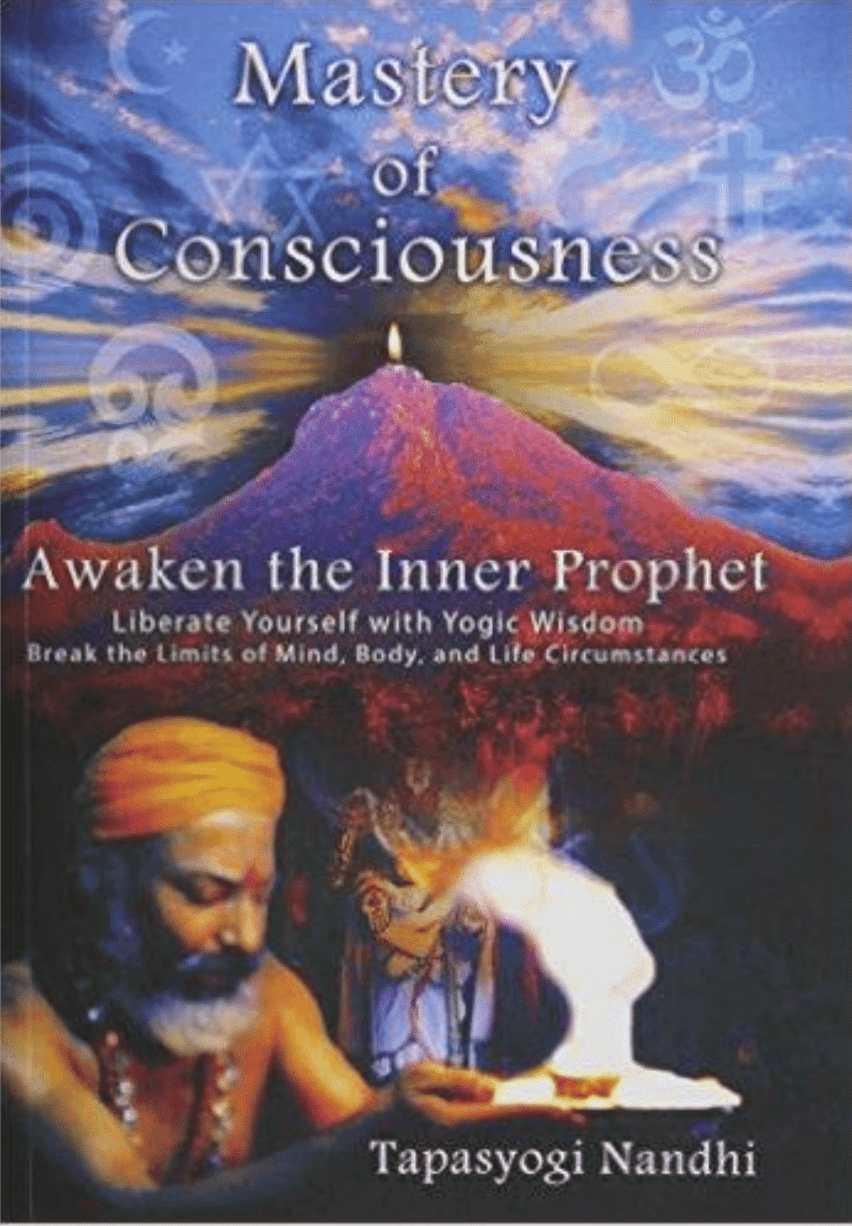
Episode 159 – Expanding Consciousness, Embracing Divinity, The way of the Yogi w/ Nandhiji
February 7, 2020 · 1:28:39

Episode 156 – Mantak Chia – How to Find Inner Balance, Connecting with your Purpose, Chi, Energy, Prana
January 17, 2020 · 59:08
Independent conversations
Help make the next one possible.
Membership sustains ambitious, unhurried interviews and keeps the complete archive open to curious listeners everywhere.
Become a member