

The Human Experience · Episode
Ep#162 – Willpower, Focus, Attention, Optimizing Your Life & Becoming Indistractable w/ Nir Eyal
A conversation with Nir Eyal
Nir Eyal is a best selling author, entrepreneur and expert in behavioural design. He received his MBA from the Stanford Graduate School of Business. Nir’s focus is the intersection of psychology technology and business his work has been featured in Forbes, time, Harvard business review psychology today and now The…
Stay with the full conversation.
Episode field notes
Show notes
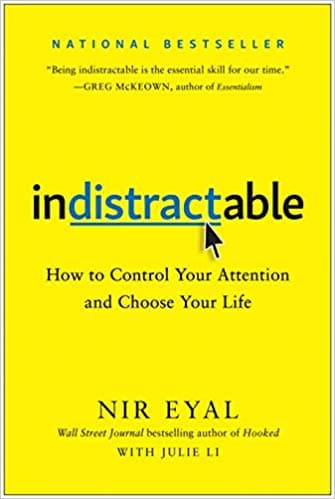
Nir Eyal is an international bestselling author of “Hooked: How to Build Habit-Forming Products” and “Indistractable: How to Control Your Attention and Choose Your Life.”Nir’s writing on technology, psychology, and business appears in the Harvard Business Review, The Atlantic, TechCrunch, and Psychology Today.
He has taught at the Stanford Graduate School of Business and Hasso Plattner Institute of Design.

“Indistractableprovides a framework that will deliver the focus you need to get results.”
—James Clear, author ofAtomic Habits
“If you value your time, your focus, or your relationships, this book is essential reading. I’m putting these ideas into practice.”
—Jonathan Haidt, author ofThe Righteous Mind
AWARDS FOR THE BOOK:
- National Bestseller
- Winner of the Outstanding Works of Literature (OWL) Award
- Included in the Top 5 Best Personal Development Books of the Year by Audible
- Included in the Top 20 Best Business and Leadership Books of the Year by Amazon
- Featured in The Amazon Book Review Newsletter, January 2020
- Goodreads Best Science & Technology of 2019 Finalist
You sit down at your desk to work on an important project, but a notification on your phone interrupts your morning. Later, as you’re about to get back to work, a colleague taps you on the shoulder to chat. At home, screens get in the way of quality time with your family. Another day goes by, and once again, your most important personal and professional goals are put on hold.
What would be possible if you followed through on your best intentions? What could you accomplish if you could stay focused? What if you had the power to become “indistractable?”
International bestselling author, former Stanford lecturer, and behavioral design expert, Nir Eyal, wrote Silicon Valley’s handbook for making technology habit-forming. Five years after publishing Hooked, Eyal reveals distraction’s Achilles’ heel in his groundbreaking new book.
In Indistractable, Eyal reveals the hidden psychology driving us to distraction. He describes why solving the problem is not as simple as swearing off our devices: Abstinence is impractical and often makes us want more.
Eyal lays bare the secret of finally doing what you say you will do with a four-step, research-backed model. Indistractable reveals the key to getting the best out of technology, without letting it get the best of us.
Inside, Eyal overturns conventional wisdom and reveals:
- Why distraction at work is a symptom of a dysfunctional company culture—and how to fix it
- What really drives human behavior and why “time management is pain management”
- Why your relationships (and your sex life) depend on you becoming indistractable
- How to raise indistractable children in an increasingly distracting world
Empowering and optimistic, Indistractable provides practical, novel techniques to control your time and attention—helping you live the life you really want.
In 2010, he spent a month lecturing in India as the National Visiting Professor of the Indian Council of Philosophical Research, a program within the Indian government’s Ministry of Human Resource Development. In 2013 and 2014, he gave invited lectures in Kuala Lumpur at the INTERNATIONAL CENTER FOR LEADERSHIP AND GOVERNANCE, an organization supported by the Central Bank of Malaysia. In 2015 he spoke at the AUSTRALIAN LEADERSHIP RETREAT, a confidential program of briefings and discussions for Australian government, business, education, and military leaders.
Find Nir Here: www.indistractable.com
Huge thanks to NIR for making the time to be on the show!
Has our show helped change your life? DONATE :
Find our full network: www.allmylinks.com/thehumanxp
Read the complete recording
Transcript
Existing transcript, with its original wording and timestamps. Automated transcripts may contain errors.
topics on the planet as we approach our scent please make sure your frontal temporal and occipital loes are in their full upright position as you take your seat of Consciousness relax your senses and allow us to take you on a journey we are the intimate strangers thank you for listening the human experiences in session my name is Xavier Katana my guest for tonight is near AAL near is a bestselling author entrepreneur and expert in behavioral design he received his MBA from the Stanford Graduate School of Business n's focus is the intersection of psychology technology and business his work has been featured in Forbes Time Magazine Harvard Business Review Psychology today and now the Human Experience near it's such a pleasure to have you on the show sir thank you for being here welcome to hxp oh my pleasure Xavier thank you much for having me so I mean I think more than ever this book is so important um but you know for people who haven't encountered your work yet let's just set a little bit of groundwork uh you know tell us who you are and what you do please sure so I'm what you call a behavioral designer I help companies build the kind of products and services that people use because they want to not because they have to so I help companies design products that are used out of habit uh so I work with companies in the uh medical device space so getting people to remember to take their medicine or to use a medical device uh I've worked with companies in the health and fitness space uh such as fitbod is an app that gets people to exercise in the gym more uh I've worked with and invested in in education companies like cahoot that uh get kids to uh to be more engaged in classroom learning I've worked with the New York Times to uh get people hooked on their on their app so there's all kinds of ways that we can use behavioral design to help uh people form good habits and then the the flip side and the reason I wrote my second book my first book was called hooked and it was about how to build habit forming products my second book indistractable is about the other side it's about how do we break bad habits particularly these habits that have to do with distraction yeah I noticed that right away I I thought you know it's it's a bit bipolar you know you're connecting these two completely opposite dots and it's interesting you know because in the first book you which went to into bestseller you are teaching people how to kind of get build products that that hook you know customers and then in in this book indistractable you're teaching people how to disconnect from those products well they're not the same products let's be very clear so nobody's getting addicted to Enterprise software kids are not getting addicted to uh educational software uh people aren't exercising too much because of their fit fitness apps uh that that's not the problem the the problem is when we overuse a different type of of product the ones that distract us right we uh watch too much news we drink too much booze we Arn Facebook too much we spend too much time on email when we intend to do something else so it's really two sides of the same coin and I think we can actually have our cake and eat it too we can build products and services that are more engaging right again nobody has a problem with overusing educational software to learn a new language or to exercise more and guess what technology can help us do these wonderful things and help us build good new habits in an amazing new way uh but then of course the other side of the equation is what about the products that we overuse uh what about you know the the various things that sometimes can entertain us but for many of us lead to distraction and so that's why I think I'm I'm I'm particularly well qualified for this uh subject matter because you know given the the the decade of experience that I have in this area I know the Achilles heel of how these Technologies are designed to hook you I wrote the book about how these products get you hooked and so I can tell you exactly how to stop getting distracted from whatever it is that takes you off track yeah I mean I I really truly resonate with it and I love the idea and you know I and some something that you talk about in the first part of your book is detoxing digitally you know just that process of disconnecting from the internet I mean in a world where it seems like everything is connected all the time you know we Facebook Twitter all these social media places that we can kind of figure out figure out exactly what everyone is doing you know and then when we actually meet up with them we have nothing to talk about anymore you know it it's changed so much the the sort of fabric of society why you know why do you think it's like that and you know why is dig digital detox so important well I'm actually not a fan of digital detox I talk about in the book how I I I don't uh advise people to do that uh and I don't advise people to do that for the same reason that uh uh any kind of temporary diet doesn't work so my my personal story is the reason I got into this field of Behavioral design started from a very young age was always fascinated by how various products and services can change our Behavior starting with food uh I used to be clinically obese starting as a child for a good chunk of my life I was clinically obese and I noticed that that Foods seem to have control over me and so one of the things that I did uh was I would go on a on a diet and uh typically they were these 30-day plans you know the these 30-day uh don't eat any carbs for 30 days or don't eat any fat for 30 days or no fast food for 30 days and then guess what would happen on day 31 you know I'd make up for lost time I need everything I could possibly find right and that's why diets temporary diets don't work because you just balloon back to what you were previously and the reason they don't work is because you haven't figured out why you're overeating in the first place I wasn't overeating because I was hungry I wasn't even overe eting because the big bad food manufacturers McDonald's and Burger King were doing it to me I wanted to blame those guys but that's not true I was overeating because I was eating my feelings I was eating when I was bored I was eating when I was lonely I was eating when I felt guilty about overeating and guess what folks this is why we get distracted so we need to stop blaming the tech companies and I know people don't want to hear this everybody wants to blame the tech companies because it's so easy it's so convenient we have a readymade scapegoat in some big bad tech company in Silicon Valley and I'm here to tell you it's BS it's not true we do that and it's disempowering it actually funny enough makes it so this is called learned helplessness when we blame something outside of ourselves what happens is when most people say oh I'm addicted to technology or they're hijacking my brain guess what they stopped trying to do anything about it now it's outside of their control and that's what I'm trying to fight I want to empower people to do something about the problem instead of just complaining about the problem because here's the thing one of the first things I learned over the past 5 years of research writing this book is that distraction is nothing new you know people love to talk about how oh these days man technology this and society that and things have never been worse and it's all rubbish it's always been this way always been this way Socrates and Plato talked about the nature of Acasia the tendency that we have to do things against our better interest 2500 years before the iPhone distraction is nothing new it has always been here it will always be here if you are looking for it and so while technology is more pervasive and persuasive than ever before we are still much much more powerful than the technology companies or any distraction for that matter if we know how to put distraction in its place for sure yes to completely I mean I think it was a conversation that you had with your daughter where you realized okay these distractions are robbing your life of this meaning that is essential to it right right right so that's where that was really my turning point where I I realized I had to reassess my relationship with distraction I was with my daughter one afternoon and we had this beautiful day planned uh and and we just wanted to spend some time together you just have some quality father daughter time and I remember we had this book of activities that daddies and da go do together and one of the activities in this book book was to ask each other this question the question was if you could have any superpower what superpower would you want and I remember the question verbatim but I can't tell you what my daughter said because in that moment I decided that there was something on my cell phone that I just had to respond to I don't even remember what it was but my daughter clearly got the message that whatever was on my phone was more important than she was and she left the room to go play with some other you know some toy outside and by the time I looked up for my phone to see where she was uh she was gone and I blew it I missed this perfect moment with my daughter and that's when I realized I I really had to do something about this problem because if I was experiencing this problem knowing as much as I do uh a and the fact that it wasn't just occurring with my daughter it was occurring when I would sit down at my desk and instead of working on a big project or writing that blog post or you know focusing in on something I knew I had to do I would procrastinate and I would check the news or check Google or or or scroll Facebook or who knows what instead of doing what I said I would do uh it would happen when I would say I was going to exercise and I wouldn't I would say I was going to eat right and I didn't and I kept getting distracted from one thing or another all the damn time and I didn't know why and so that's when I came up with this term indestructible sounds like indestructible right and I really do believe that becoming indestructible is the skill of the century this is what is going to separate who lives the kind of Life they know they are capable of and deserve and everyone else it's the difference between people who let their time and attention and minds and lives be controlled by others versus though that those that say to themselves no I will choose how I spend my time and my attention and my life I am indestructible that's amazing I mean there's so much of it that is empowering and I guess that's where the psychology aspect of all this comes in because I mean as you said you're no longer seeing yourself as a victim of you know this app this evil app company or this evil technology company you're taking your power back and realizing okay well I have the power the control to turn this off if I want to you know and right so near I'm curious there's there's distraction right so what would be the opposite of distraction would that be distraction right right so this is this is a a really important Concept in the book If you ask most people what is the opposite of distraction I mean the best way to understand something is to understand what it is not and so let's try to understand what distraction is and is not so most people if you have ask them what is the opposite of distraction they'll tell you it's Focus but that's not actually true the opposite of distraction is not focus the opposite of distraction is traction if you look at the origin of both words they both both come from the same Latin root trahar which means to pull and they both end in the same six letters a c t i n that spells action so traction is any action that pulls you towards what you want to do things that you do with intent now the opposite of traction is distraction anything that pulls you away from something you want to do anything that is not what you are doing with intent so this is a really important d for a few reasons number one anything can be a distraction okay uh how many times have you sat down at your desk and said okay now I'm going to work on that big project I'm G to focus I'm G to do the thing that I said I'm G to do but first let me check email right and you say to yourself well email is a work rated task that's still productive I got to do that anyway right wrong that's what we call pseudo work and it's much more dangerous you know when people think of distraction they think about YouTube or the news or uh a colleague tapping on them on the shoulder you know something that that takes you off track and they don't realize that that's not the most dangerous form of distraction because if you're you know if you're playing Candy Crush or watching a YouTube video at work it's pretty obvious you're slacking off right everybody knows including you that that is not what you intend to do with your time however the much more dangerous form of distraction is the one that tricks you into prioritizing the Urgent at the expense of the important so when you sit at down at your desk and you say I'm going to work on that big project but let me just check email real quick you have a low distraction to fool you and that is much more dangerous than playing a video game or checking Facebook because it's hidden it's lying to you and making you think you should be checking email when that's not what you plan to do so anything that is not what you intended to do is a distraction even if it's worky even if it feels productive because that's not what you intended to do with your time so conversely just like anything can become a distraction anything can be traction so this is where I really differ with uh with some authors out there that tell you to go in a digital detox or digital minimalism or throughout your Tech and I tried that stuff I I I really did I went on a digital detox and I I stopped using these Technologies and said okay now I'm going to be super productive I got rid of my cell phone and got a flip phone I got rid of my laptop and and just used every time I wanted to write used a word processor with no internet connection and I still got distracted because I would say oh there's that book on the bookshelf or let me just clean my desk off or let me just take out the trash and I kept getting distracted again and again so distraction is not about the technology itself it's about what it pulls you away from and I would argue that there is absolutely nothing wrong with any of these Technologies if you want to check Facebook go for it if you want to watch a YouTube video why not if you want to enjoy a night of watching Netflix there's nothing wrong with it as long as you do it on your schedule not the tech companies and yeah I mean that is the most important distinction out of all of this you know is that you're managing it on your time and not something else and and I think you know you start to in the book you start to introduce that idea of psychologically recognizing you know the the internal triggers of what causes our Behavior to change in certain ways that kind of you know get us to do certain things and and why we do them so you know why why would a person have a need to you know be checking Facebook constantly is it is it validation that they're looking for is it that dopamine hit of you know just recognition you know or you know maybe they're on Twitter and they they're measure measuring their value by how many retweets they get how many likes they get I mean where does where does let's dive into it sure so we've got traction the things that we say we want to do things that we do with intent the opposite of traction is distraction so now we have to ask ourselves what drives us to these actions either traction or distraction well there are two types of triggers we have external triggers external triggers prompt us to action with some kind of information in our environment and this is kind of The Usual Suspects it's the pings the dings the Rings anything that prompts you to either traction or distraction so the external triggers are not necessarily bad right if you get a notification on your phone that it's time to go exercise or it's time for that important meeting and that's what you plan to do wonderful there's nothing wrong with those external triggers it's when those pings and dings take us off track away from what we plan to do that they lead towards distraction and we can get back to this in a minute about how we can hack back those external triggers I can tell you exactly how to put all of these external triggers in their place but the reason I don't want to focus on that right now is because it turns out that the most common cause of distraction are not these external triggers but rather it's about the internal triggers so external triggers is about what's happening outside of us but it turns out that most distraction does not begin from outside of us but rather it begins from within us that most distraction is prompted by one of these internal triggers what are internal triggers internal triggers are uncomfortable emotional states that we seek to escape from so this is really important this is the first step to becoming indestructible is learning to master these internal triggers so let's talk about this for a minute if we are going to understand distraction right Plato's 2500 year old question of why do we do things against our better interest we have to take this question and go a layer deeper we have to understand a more basic fundamental answer to a question which is why do we do anything and everything what is the nature of human motivation most people will tell you that human motivation is about carrots and sticks right we've all heard this in one form or another uh Freud called it the pleasure princip it's about everything that we do is about the pursuit of pleasure and the avoidance of pain turns out that's actually not right it's not really true that's an abstraction if you actually look at what's happening in the brain neurologically speaking what motivates us is not the pursuit of pleasure and the avoidance of pain it rather what motivates us is one thing one thing only everything you do everything you do is spurred by the desire to escape discomfort everything you do is about a desire to escape discomfort even even the pursuit of a pleasurable sensation wanting craving lusting there's a reason we say love hurts because neurologically that is exactly what is going on any desire any wanting any craving that you want that you desire is psychologically destabilizing even if it is for the pursuit of pleasure what really prompts you to act is this uncomfortable psychological response now this is common sense when we think about this in the body right the physiological response to some kind of discomfort is action to relieve that discomfort this is called the homeostatic response I'll give you some examples if you go outside and it's cold you the brain says oh this is uncomfortable so it tells you to put on a jacket if you uh are hungry you feel hunger pains the brain says oh this is uncomfortable so it makes you eat if you are stuffed you ate too much now the brain says this is uncomfortable so you stop eating so physiologically everything you do is about this homeostatic response restoring this discomfort imbalance uh to get you by doing some kind of Action Now what is true for the body is also true for the emotions so when you think about what prompts us to act from a psychological basis think about it for a minute when you're l check Facebook when you're uncertain Google when you're bored well you check sports scores you check uh Pinterest and Reddit and oh the thing that everybody's doing right now the news oh my God how much time do we spend watching the goddamn news because we don't want to deal with our own problems let me worry about somebody else's problems somewhere halfway around the world that I can't do anything about right it's it's this fear industrial complex that allows us to take our mind off of our problemss by thinking about somebody else's problems even though nine times out of 10 we can't do anything about what the news is making us scared about it's just an escape mechanism from something we don't want to feel we don't want to feel and deal with our own problems so we can avoid that by watching the news letting the news get us frightened and and and terrified about what's going on so at least thank goodness we don't have to think about what's happening in our own lives so everything we do is about a desire to escape discomfort and once we realize this fact we can do something about it and that starts by understanding the root cause is always the root cause of distraction procrastination delay is always the same thing it's not a a character flaw it's not even a a dysfunction of self-control it's nothing more than an inability to deal with discomfort and so if there's one thing I want everyone listening to the sound of my voice to remember is that is if all human behavior is prompted by a desire to escape discomfort that means therefore that time management is pain management let me say that again incredibly important time management is pain management if you can't deal with these uncomfortable Sensations then you will always be distracted by something today today it's too much Facebook tomorrow it's too much TV the next day it's too much news too much booze too much whatever when I was overeating it was about my inability to deal with discomfort it wasn't the food for God's sakes it's not the technology it's about our inability to cope with these uncomfortable Sensations the good news is we can learn how to deal with this discomfort in a healthier manner so it leads us towards traction rather than distraction and thank goodness the techniques are actually not that difficult anyone can learn them in in in just a few minutes about how to uh Master these internal triggers so that they don't constantly lead us towards distraction yeah I mean it's near it's crucial I think if if there's anything that I took away from this book it was that you know it was that I'm I'm using these distractions in my life not because you know I'm addicted to whatever these things are I mean that might be true as well but the main reason that this is that I'm doing this that I'm attached to this is because internally somewhere deep inside I'm just trying to you know run away from something that I feel that makes me uncomfortable and it makes me it it kind of reminds me of you know a swinging pendulum like you know it just swings back and forth and each time it gets to an uncomfortable place you know it swings again and you know so I mean it's amazing that you know you you've sort of diagnosed this and it makes so much sense I mean it's almost like common sense but you as they say you common sense is not so common these days but um you know and you talk about you talk you start to talk about uh the four factors that that make uh this satisfaction temporary right so um you you talk about how it it rarely lasts like this satisfaction that we get out of using these these things that we run away these that we use to to run away from what we feel the the satisfaction that they give us it's temporary it doesn't last so what do we let's talk about that what are those four factors and how do we apply those things you know and and into our learning yeah so there's a few things that we are hardwired for uh that lead us to distraction that that that made make us uh predisposed to never being satisfied for very long and and the more in concept here is to face this fact that our species is not designed for satisfaction we are not designed to be perpetually happy right and this is part of my beef with the self-help industry these days is that people will tell you oh you know you if you're not happy all the time if you're not satisfied with your life all the time well then something must be wrong with you right you probably need some kind of medication you need to buy my program you need to buy my course you need to buy my book I'm going to teach you how to be happy all the time that is rubbish if you think about it with some common sense from an evolutionary perspective it would not make sense for a species to be happy and satisfied all the time if there was ever a group of homo sapiens that was happy and satisfied well our ancestors probably killed and ate them right that that would not be an evolutionarily beneficial trait to be satisfied in fact our species is designed through evolution this is an evolutionary adaptation to be perpetually perturbed if you think about it it's that dissatisfaction that keeps us hunting and searching and inventing and creating this is what a huge part of why our species survived is because we always wanted better for our children for our lot in life for our species and so it's unrealistic to expect us to always be happy all the time and I think that's part of the problem is that people are so uncomfortable with being uncomfortable and that's a big problem because what we do as soon as we feel the slightest emotional pin prick I'm bored I'm lonely I'm uncertain I'm I'm scared we reach for something we look for something to take our mind off that discomfort and sometimes the right answer is not to reach for something to medicate ourselves to take our mind off of our problems sometimes the solution is either to deal with the problem where we can or find methods to cope with that discomfort in a healthier manner so it's not reaching for something to take our mind off of our problem so that we can escape them but rather something that helps us deal with that discomfort in a way that leads to traction rather than distraction yeah I mean it's so pressing and I think it's so important everything you're saying and I I think you nailed it you know I think it's it's so well said and you know in my own life I have to say that you know when I read your book it was embarrassing to me because I think I would probably be a case study of everything not to do when you know you're you're trying to you know live meaningful M moments because my habits are you know I wake up and I am a staunch workaholic that's all it's all I do and I I know you know I I'm aware I'm well aware that the reason that I'm using work is to run away from whatever is going on in my life but I and it even gets me high near I mean I I love working I just love it and you know most of the time I just I'll wake up brush my teeth make coffee and I'm I'm off to the races and by the time I look up I mean I'm I'm so immersed in what I'm doing that I haven't eaten all day and and I haven't you know I haven't contacted anyone that I care about and it it's just it's I think I think that our society has so become about output and you know like what you produce is your measure of value that that you know it's it's sort of disjointed you know some perceptions even my own but you know what would you recommend for a person that you know is constantly sort of running away from these even though you know they're aware of it you maybe they're maybe they're just maybe it's even in a functional way right like like being a work AOL you know it it makes you feel productive but it like you said it's that pseudo sort of fulfillment it's it's not it's not meaning it's not in it's not real right so what do you suggest to someone like me I'm sure there are other people out there listening to this that you know feel the same way think the same way the same way yeah so I think the first thing is to is to understand our mindset that most people tend to fall into one of two categories when it comes to this this topic of of distraction we have what we call the blamers and the shamers the blamers when they get distracted they blame something outside of themselves ah it's my iPhone that distracted me it was my boss it was uh you know I hear this a lot it's the world these days Society is doing this to me they blame something outside themselves that's not a very effective tactic because you can't do anything about that you can't change society you know with one fail swoop these Technologies are not going away we can't roll back the the hands of time so that's that's a feudal strategy The Other Extreme is what we call the shamer takes it on the inside right they say there's something wrong with me I have a short attention span look how lazy I am again you see I I never get anything done they shame themselves and of course that strategy doesn't work because when the the worse we the more we shame ourselves the worse we feel about ourselves the more we elicit these internal triggers which make us feel even worse which makes us even more likely to do what seek distraction to take our minds off of that discomfort so that strategy doesn't work either so we don't want to be blamers we don't want to be shamers we want to be claimers claim responsibility not for the the the the the internal trigger not for how they feel this stuff isn't your fault you didn't invent Facebook you didn't invent email you didn't invent the Nightly News you didn't invent any of those things they're not your fault but they are your responsibility so what you have responsibility over is not the internal trigger itself you cannot control how you feel that is outside of your control what you can control is how you respond to those Sensations hence the word responsibility and so when it comes to these the these uh actions that proceed the the internal triggers that's where you do have control that's where you do have agency and it starts with and this is the second step we talked about the first step of mastering the internal trigger the second step is to make time for traction so I'm not going to tell you what you should do with your time nor should anybody else if you want to play video games all day do it if you want to work all day go for it if you want to take walks on the beach and that's how you want to live your life no problem I'm not going to tell you what you should do with your time what I want to help you do is to spend your time according to your values values are defined as the attribute of the person you want to become so I would argue if you sat down and turned your values into time this is how you would get more traction in your day and if what you want to do with your day is work all day because that's incredibly fulfilling for you I'm not going to stop you nobody should stop you that's exactly what you should do but you should do it with intent now how do you do that how do we turn our values into time the best way to do this is to use what's called a Time booxed calendar here's the thing you know when it comes to our stuff we protect it like crazy right the material possessions we have security systems on our homes we have alarms on our cars we put money in the bank behind vaults so nobody can steal it but when it comes to our time anybody can come by and steal as much as they want right and so this is what most people don't realize is that you cannot call something a distraction unless you know what it distracted you from let me say that again very important you cannot call something a distraction unless you know what it distracted you from if your calendar is full of white space well everything's a distraction right you didn't plan what you wanted to do with your time so as long as you decide in advance what it is you want to do go for it enjoy it right there's nothing wrong with it so I have time in my day to go on Facebook to enjoy social media just like I have time for email and time for meting I schedule the important tasks in my life so that finally I know the difference between what is traction whatever it is I plan to do and distraction anything that is not that thing I plan to do so if what you plan to do all day is to work that's wonderful but make sure you plan that time in advance now you have to also realize that it comes at a cost right there's an opportunity cost of what else you could be doing with your time so for example if spending time with with family and friends is important to you well is that time on your calendar it's not just going to happen if time uh W with prayer or meditation is important to you is that time scheduled if if focused work time is important time away from email and meeting is important to you is that time on your calendar if not it's not going to happen but anything that that is what you plan to do with your time is by definition traction and you shouldn't feel guilty about it I think this is one of the problems we have is that for many people even when we have Leisure Time right this is this is what I call the tyranny of the to-do list this is one of the myths I bust in this book The the book is full of myth busting you know there's this myth that to-do lists are how we get things done and it turns out that for the vast majority of people to-do lists are a big mistake and here's why to-do lists reinforce an identity that doesn't serve you what does a to-do list tell you now if you're like most people most people have a to-do list and about half of the things on that to-do list if you're anything like I used to be get recycled from one day to the next to the next to the next and what you're doing day in and day out is reinforcing oh another day went by and I didn't do what I said I was going to do again loser and that identity becomes part of how you see yourself as opposed to when you keep a time box calendar you reinforce your identity as being indistractable at the end of every time block and so what changes is that you're not measuring yourself based on all the things you finished because let's face it you have very little control about how long it takes you to finish any particular task I'm GNA write this this presentation how long is it going to take me I don't know it takes you a long time you don't know exactly how long it's going to take you instead of of of reinforcing this identity that you still didn't finish something what I want you to do instead with a time box calendar is to not plan to finish anything what what did I just say not plan to finish anything that doesn't make any sense right here's the thing the goal should instead be one thing to work on a task for as long as you said you would without distraction that is the only way you're going to measure yourself not did I finish did I did I not finish that's not important what's important is did I work on what I said I would work on for as long as I said I would without distraction why because then when you do that when you say I'm going to work on this big project for one hour without distraction do nothing else you're not only reinforcing your identity as someone who is IND distractible who does what they say they're going to do more importantly studies find that type of person is more productive at finishing their work than the person who keeps the to-do list isn't that amazing that if you don't just focus on the finishing just focusing on the focus on the on working without distraction you will end up being more productive I love it I love it so much I mean it's perfect it's almost counterintuitive but it makes so much sense and it fits perfectly if you you know plan I mean I think I think just having a to-do list as you said it's it's almost tyrannical and it it it boxes you in so much I mean it it's it's almost oppressive you know it feels like there's so much pressure to get this done and you end up stressing out about it so much that it never nothing ever happens like you know stays exactly yeah you say oh god I've got 16 things to do on my to-do list uh let me just check email real quick because you're looking to escape it and here's the thing you get to the end of your day and you say oh man I had such a productive day I just want to watch Netflix I just want to relax for a little bit I want just want to spend some time with my family but if you're the kind of person who keeps a to-do list like I used to you still feel guilty oh my gosh I still have all those things I haven't accomplished I shouldn't be enjoying myself right now because I should be doing something else and you don't even enjoy the Leisure Time you deserve as opposed to when you keep a time box schedule you plan that time to be with your kid time to to relax with some buddies time to watch a video on Netflix there's nothing wrong with that stuff because you plan for it and doing anything else becomes a distraction right that's exactly what you plan to do and you can do it without guilt it's perfect I love love it it's seamless I mean it fits so much and I think that if if I had to rank these in in order of importance that would be the second one you know just free yourself from that tyranny of you know having to do all these different things that you just end up stressing out about anyway um you you talk you talk you're still going to get them done I I want to be very clear I'm not telling you to be a slouch you're you're going to be more productive at getting done all those things but you're going to do it in a different way you're going to use a time box calendar and plan when you want to work on these things as opposed to just having a to-do list I'm glad that you that you re reiterated that uh I think that's important as well you know really putting down the things that you want to make time for you know like spending time with family I absolutely want to do that and I always find that I'm just so busy I'm planning so much of working that I never I've never planned you know okay spend time with family I don't think I've ever put that down anywhere you know it's always just in my head and I intend for it but it it never goes into you know a list that I have so that's that's crucial as well I mean there's so much gold in this book um you talk I want to get into you talk about I didn't I don't I'm not sure if I understood this you know as much as I wanted to you talk about how fun doesn't have to include enjoyment right so there's there's a you know in the distraction puzzle as it were you you talk about the definition of fun and you write about some insights from a professor and and I'm not sure if I really got you know this part of the book if you could I'm sure you know what I'm talking about sure sure so this goes back to Step One in terms of mastering the internal triggers there's a few different techniques in the book about how to uh how to master these internal triggers one of them is to reimagine the task itself and so I I I quote from the work of of Dr Ian bogos who's a professor at Georgia Tech and and he wrote this great book called play anything and the idea behind the book is that we've we've misinterpreted this idea of how to uh how how to the role of fun and enjoyment in in a task so we've all heard the marry Poppin method of adding a spoonful of sugar to something right if you if you add a spoonful of sugar uh then then you can make it a task more enjoyable and therefore you can get it done and I think it misses the point a bit according to to bogos that in order for us to to do a task and to play that task it doesn't actually have to be enjoyable it just has to focus our attention and so bogos tells us that the way you know if we if we if we always need it to be enjoyable that's a very very high bar but what we can actually find is that we can get into this almost state of flow that we can we can learn how to have how to play a task with without it actually being enjoyable so bogos gives the example of cutting his grass uh which is something that he hated to do he hated to cut his grass it always was such a big chore and so he wanted to learn and so he kept procrastinating right he kept getting distracted he would say okay I'm going to cut the grass this Saturday and he wouldn't he would constantly procrastinate because of how uh how he how unfun that task was until he learned how to play the task and what he tells us is that what we want to do is to not try and disassociate right not to uh H uh Heap on a spoonful of sugar to cut the bitter taste of the task but rather to focus more intensely on the task so he tells us that he uh he he went to the hardware store and he learned everything he could about his grass right a boring subject that he didn't know anything about but then the more he learned about it all the different types of grass and seed and fertilizer he became more interested in it so he focused more intensely on the task and then the second step is to add variability add some kind of mystery and interestingly Enough by the way this variability is at the heart of what makes all kinds of things interesting it's what makes a book fun to read it's what makes spectator sports fun to watch it's what makes the news interesting the first three letters of news is NE W right what's new what's different and so if you can add variability if you can add uncertainty to finishing a task that can hold hold our attention and help us do that test so he talks about how when he learned to cut his grass he uh he he would challenge himself to see how quickly he could cut the grass you know what was the most efficient shape to cut the grass now this is just one silly example of cutting the grass but it turns out that people do this for all kinds of things that would otherwise be quite mundane uh so you know if you think about how is it that somebody out there finds the thing that you dread doing to be very engaging right if you think about uh you know you know think about the the the car buff that just loves to Tinker on their car now you would have to pay me a lot of money to fix a car that is not something that sounds interesting at all to me and yet for my buddy who loves tinkering on his car he does it with pleasure uh I have another friend who loves to knit you you would have to pay me serious money it looks so boring to knit and yet my friend loves knitting now I'm sure if I followed BOGO advice of focusing more intently on the task finding the variability I would also find the fun and I too could learn how to enjoy fixing a car or learning to knit even though today I I don't find those things fun I could learn how to play those tasks at well and so that's where he gives us this advice on how we can reimagine all sorts of tasks so that they're not so uh not so boring not so full of drudgery okay so n i mean just to make you aware we've got about 17 minutes so I want to start to wrap this together in a nice so okay so I I've got a couple questions left and a couple topics I want to hit before we do that though but um okay so you talk about outcome Independence you know I I hear this a lot I hear this verbage a lot about you know detaching from the outcome not thinking about the outcome and just sort of being in the moment and going with the flow of things and just allowing things to unfold as they do naturally and you know just being sort of mindful and in the moment you know so so why is outcome Independence important you know as a traction Builder well it's really about deciding what it is that you want to do with that time so when we when we go back to step two around making time for traction it's about being fully present whatever that thing is you want to do so if you want to spend time with your kid spend time with your kid without worrying about what's on your phone if it's if it's doing a particular task focus on just that task anything that you're working on even if you're watching a movie or you know enjoying playing a video game that's great there's nothing wrong with that stuff as long as that's what you plan to do with intent as long as you plan to do that task in advance so that goes back to turning our our values into time uh by by making time for Traction in our day okay and relationships you know uh I mean this is so important because there was there was a friend of mine and you know he's very very successful and and you know there was there was a point even where you know like I looked up to him so much because of how much success that he had in his work life but you know behind the scenes it wasn't so good you know his he was you know suffering a lot in his personal relationships with his his wife and you know it so it can be so detrimental when we're not you know focused on how much these distractions can affect you know the people closest to us in our lives so you know how can we be more aware of of how we connect with other people and you know building building that up more so that we're making time to do that yeah so there there's uh I met my wife uh 18 years ago uh sorry we've been married for 18 years I met her 22 years ago but we met in a uh in an economics class in college and uh there was this term that we learned in this this freshman economics class uh called residual beneficiary a residual beneficiary is the person uh or entity that gets what's left over when a company is liquidated so when a company goes out of business the debt holders get their share first then the equity holders then last comes the residual beneficiary they get whatever change is left over and I remember my my wife told me a few years ago before I embarked on on learning how had to become indistractable in this 5 years of research I put into this book she she told me one day you know look you have made me into the residual beneficiary right I get whatever scraps of time are left over and she was right it wasn't fair because I wasn't planning that time for her and if she is the most important person in my life I need to make time for that relationship and I I think this goes not only for our our relationships with our with our domestic partners with our significant others I think this rule also applies to our relationships to our friendship um this is why we are suffering from a loneliness epidemic in this country we know that loneliness is as detrimental to our health as obesity and smoking it is a serious public health problem yes and the reason this is happening it's not because of Technology this is a problem that Robert putam talked about in his book bowling alone uh in the 1990s he wrote that book in the early 90s and what he noticed was is that there was a decline in Civic organizations these organizations the bowling League the church group uh the Key Club these groups that would meet on a regular basis and what was important is not the the the subject matter it didn't matter if you went bowling or if you went to church What mattered was that you had something on your calendar that held time for you to be with other people that's the important element that so many people don't have in their life they don't have that regularly scheduled appointment with their loved on with their friends and that I think is a big mistake and so this is the cure is to to make that time to hold that time so what we do is we we sit down once a week and we look at our calendar there's a a free tool that I built online anybody can access it I I'll give you the link in the show notes it's on my blog nearandfar.com it's a schedu maker tool okay and it's this free tool anybody can use it uh it doesn't cost anything you don't have to sign up for anything all it is is basically a template for the next seven days so instead of making a five-year Vision or a a a a vision board or a plan for you know what you're going to regret on your deathbed H how about we just start with next week right how about we just start with the next seven days what would this next seven days look like for you to live out your values your values around taking care of yourself taking care of your relationships and taking care of your work how would you divide up that time and when you do that now you can look at that calendar you'll have a a physical manifestation of what you want how you want to live out your values and so that's that's a very very important uh step to becoming IND distractible for sure I mean it it is so crucial and I love that you know I love reducing the time frame down to just seven days I mean look at the next seven days of your life and see what you're going to do I mean sometimes it's hard to see what's going to happen tomorrow you know and and life turns tends to turn on a dime and so you know yeah I I love that you introduce prod so much of a perceptual shift in the way that we are perceiving you know not only technology but you know just our understanding of how the role that technology plays in our lives and and you know what these apps are actually doing and and it and also just bringing your willpower you know back and and giving it back to you I think that's important I think that's crucial to you know being effective in all of this is realizing that you have you have the power to change this and you know in in the first moment that you realize that it's going to free up you know this this oppressive sense that you know big bad technology is taking and controlling your life um I want to get into some of the hacks there's one there's one thing I wanted to to mention real quick though with when it comes to willpower the the research shows us that self-control and willpower don't work that in the moment it's too late to require us to to uh rely upon willpower and self-control that most people most of the time if they have to rely on Willpower and self-control will fail that what we what we want to do is to not need willpower and self-control in the moment because you know if there's one Mantra I want people to remember from this book is that the antidote to impulsiveness is forethought let me say that again the antidote to impulsiveness is forethought so if we wait until we require self-control we will fail if you wait until the chocolate cake is on the fork you're going to eat it if you wait till the cigarette is lit you're going to smoke it if you wait and put your cell phone on your nightstand of course it's going to be the first thing you reach for in the morning before you even say hello to your loved one because it's too late these companies are going to win they're going to get you because you've waited until the last minute instead of willpower instead of self-control you need a system you need to plan in advance right the antidote to impulsiveness is forethought and once you have that system in place you don't need willpower and self-control anymore yeah I love it I love it so much I mean there's there's so many takeaways from everything we've talked about tonight and I mean I think even the book I I highly recommend anyone listening to this to 100% pick up this book and check it out because there's I mean we were limited on time and we didn't cover everything um yeah we got to step two or four I know right so I mean why don't we attempt to cover those since we you know open that door let's commit to that yeah sounds good happy to so the the two steps we didn't cover so step number one to review is Master the internal triggers and there's three big tactics that you can use to master the internal triggers uh there is Step number two which is about making time for traction we talked about that one a lot around making sure that we turn our values into time the step three that we didn't get to is about hacking back the external triggers so the external triggers we talked about a bit this is about the pings dings and Rings all of these things in our environment that can lead us towards distraction and it turns out that we can hack back those external triggers you know we all know that these technology companies are in business to hack our attention I use the word hack in the in the in the way that a you think about a computer hacker uh to hack in computer hacker par Lance means to gain unauthorized access to something no doubt about it every media company out there whether it's the news uh on on on cable Media or the newspaper or the internet or a social media all of them are hacking your attention they make money by turning your attention into dollars they monetize your eyeballs does anybody not know that does anybody not know that Facebook and CNN and ABC all make money and the New York Times And The Wall Street Journal they all make money by selling ads of course we do we all know that here's the thing we can hack back we can do things to thwart their attempt to sell our attention and so I give people these tools many of them are absolutely free that there are all these technology tools out there that we can change our devices our computers our machines in a way that serves us as opposed to us serving them and so I tell you how to hack back your phone hack back your computer hack back other things that have nothing to do with technology for example meetings oh my God how much time do we spend in pointless meetings in Corporate America it's such a huge waste of time how do we hack back those meetings so that they don't waste all our entire day how do we hack back the open floor plan office the number one source of distraction in the modern American Workforce is not the cell phone 80% of survey respondents said the number one source of distraction was their colleagues somebody tapping you on the shoulder and say hey can I just talk to you for a quick sec that turned out to be the number one source of distraction I tell you how to hack back those external triggers so that's step number two I sorry step number three that's hacking back the external trigger step number three step number four is about preventing distraction with packs now packed are these what we call a pre-commitment device this is where we make some kind of commitment now to prevent us from getting distracted later uh and so there's all kinds of things we can do there's three types of pcts there's an effort Packa a price Packa and an identity pack uh these are promises we make to ourselves or to others to prevent us from going off track and so I tell you exactly how to do that that's the last uh and final step after we've used the other three steps in the model yeah I I love this book man and you know and I think I maybe misinterpreted at the beginning the digital detox you know I thought you were for that I mean I must have just mistaken that I apologize um but I I wanted to you know it's I I wanted to you know give you a chance to kind of wrap this all together you know for you know people who are I I think you know sometimes I I'll be on Twitter or something and I will see you know someone post you know they they will ironically they will post about taking a digital detox you know they will you they will make a post saying that they're not going to be making any any posts you know this weird so you know I mean so let's let's wrap this all together let's say that you know we want to create these more meaningful moments with the people that we care about the people that we love I mean this is this is what life is truly about you know it's it's not about being on your phone all the time and I find I find often that it's people you because of because of the way they treat technology or allow technology to treat them they have become uh sort of like zombies you know and it's it's difficult to even have a conversation or look a person in the eye they they don't do that anymore and you know they're so used to texting that that when you try to have a conversation you don't know what's going on you know and so I'm just you know and for particularly when it comes to social engagements right have you seen how people go out to lunch or dinner together and you're with a bunch of friends and somehow hey I thought we were all going to you know spend time together why why is everyone checking their phones right yeah yeah I actually give an antidote to that there's a very simple technique you can use maybe maybe I could share that real quick of of what do you do when you go out to some kind of social Gathering and everyone's on their phone or some people are on their phone and you're like hey aren't we supposed to be spending time you know socializing here so there's a simple technique you can use the good news is most people are getting the message that this is rude right most people know that that if you go out to lunch with somebody to check your phone is is not a very polite thing to do and so one of the ways that we can we can prevent this antisocial behavior is by asking one question and this question uh needs to be sincere and it also needs to be humble enough to recognize that we may not re we may not know what's happening on the other side of that screen you you don't know if somebody's checking their phone because there's some kind of emergency in their life uh there's something you know their kids sick from school who knows there could be all kinds of things happening so there is one question that I think can help people reassess why they're on their device which and this question sounds like this and you have to ask it very sincerely the question is I see you're on your phone is everything okay yeah and when you ask that simple question hey I see you're on your phone is everything okay two things will happen either they'll say oh you know what I I'm so sorry there's this emergency I have to take care of and hopefully they'll do that and come back to the conversation as soon as they're done or and this is what happens nine times out of 10 they'll say oh I'm so sorry and they'll put it away they're realizing what you're implying and they'll put it away now what you know this this takes a bit of guts okay I I I will acknowledge that it requires people to to step up and sometimes be out outside of their comfort zone in asking people this question but here's the thing we've been here before so in the 1980s when about 40% of the US population smoked uh I remember as a child uh you know I some of my first memories were in the 1980s I was born in the 1970s but I I can remember the 1980s and I remember in the mid1 1980s we had ashtrays in our living room my parents didn't smoke and yet we had ashtrays in our living room why because back in the 80s if somebody came over to your house they just expected to smoke in your living room they didn't care they smoked wherever they wanted to that's I mean it's hard for people to understand this if you were born after like 1985 you never saw this world that's the way the world used to be well what changed was was there ever a law that says you can't smoke in someone's private residence no there's never been a law that says you can't smoke in someone's home and yet today if someone came over to your house and just lit up a cigarette you would throw them out right that would be totally unacceptable that would be completely rude so what happened what happened is we started spreading what's called social antibodies I remember when my mom threw away the asay and when someone came over one of her friends came over and lit up a cigarette she said oh I'm sorry we are nonsmokers if you'd like to smoke please go outside and this was so rude to ask someone to go smoke outside this was so different and she had to go on a limb and and be a little uncomfortable but of course today every no nobody would dream of smoking in your living room and that's exactly the same thing we have to do I'm looking for those people who are willing to help me with this Crusade of helping the world become indistractable by going out an a limb by maybe at times doing things that are a little different from the norm right by by by using some of these practices to become indistractable ourselves to set a good example but also to hold others to account too when we use technology inappropriately we need to spread these social antibodies so that other people learn the right time place to use their devices just as my mom spread those social antibodies around the wrong uh time and place to smoke 100% absolutely I agree so much I mean it it couldn't be more accurate and it is rude it is incredibly rude and and I have something it's it's a little bit funny near I have something that's a bit of the opposite of that have you ever tried I call it the cell phone on where you you'll be in like a group of people and you just as a test you just take out your phone and pretend to look at it and then observe and see it's like a chain reaction everyone around you will start to also look at their phone yes it's amazing I mean we that's I think that's why it's so important books like this and the work that you're doing so crucial um near where can people go to pick up the book um I know it came out last year in September but it's probably available Amazon your website give us all that please yeah so my website is at nearandfar.com and it's uh the book is available at indistractable.com and if you go to indistractable.com there's actually a uh free uh video and guide that you can all get there if you keep your order number from wherever you buy the book whether you buy it on Amazon or your local book seller it doesn't matter uh if you enter in that order number you can get this free video that I have there as well as an 80 page workbook and all of that is at indistractable.com perfect guys we are going to get out of here I mean what an amazing episode with my guest near AAL and I mean it's it's so press it I mean this is what we need to know more than ever now um you know as as things evolve and we start to you get to a point where technology I mean it's going to be VR everyone's going to be on VR soon right so hopefully you guys enjoyed this episode as much as I did thank you guys so much for listening if you're on our YouTube channel make sure you click like And subscribe and if you can get over to iTunes if you're listening to the podcast version of this leave us a review thank you so much for your time and my guest the book is called in indistractable how to control your attention and choose your life near AAL thank you guys you guys so much you'll hear from us next week
About the guest
Nir Eyal
“If you value your time, your focus, or your relationships, this book is essential reading. I’m putting these ideas into practice.”

Episode 196: Waqas Ahmed — Polymathy, AI & the Future of Human Creativity
September 28, 2026 · 1:04:41
Episode 194 Dr. James Fadiman – You Are Not One Self: Microdosing, Multiplicity and the Mind
September 4, 2026 · 1:14:38
Episode 169 – Near Death Experiences, Is there an afterlife? What happens when we die? w/ Lynn Russell
April 27, 2020 · 58:20
Episode 158 – Synchronicity, Serendipity, Meaningful Coincidence w/ Dr. Bernard Beitman
January 30, 2020 · 1:11:40

Episode 157 – Conquering Fear, Addiction & Alcoholism, w/ Karla Juvonen
January 24, 2020 · 1:11:16
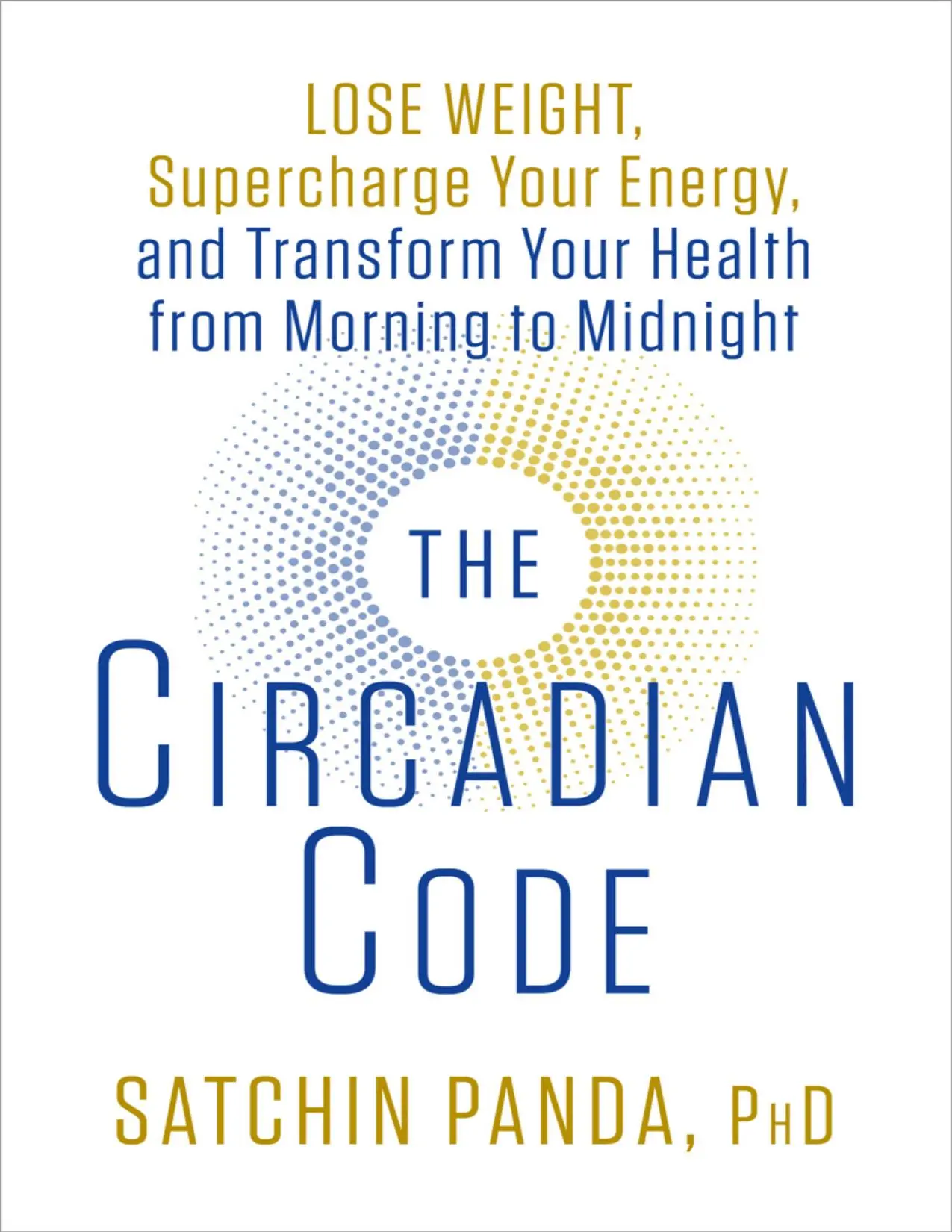
Episode 195: Dr. Satchin Panda — Circadian Rhythm, Sleep & Meal Timing
September 21, 2026 · 1:09:04
Independent conversations
Help make the next one possible.
Membership sustains ambitious, unhurried interviews and keeps the complete archive open to curious listeners everywhere.
Become a member