

The Human Experience · Episode
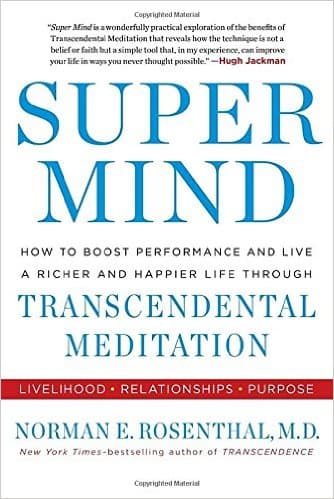
Episode 60 – Norman Rosenthal M.D. – Super Mind
A conversation with Norman Rosenthal M.D.
Norman E. Rosenthal is a world-renowned psychiatrist, public speaker, and best-selling author who is known for his innovative and ground breaking research. He is currently Clinical Professor of Psychiatry at Georgetown University School of Medicine and is listed as one of the Best Doctors in America. Dr.
Stay with the full conversation.
Episode field notes
Show notes
Norman E. Rosenthal is a world-renowned psychiatrist, public speaker, and best-selling author who is known for his innovative and ground breaking research. He is currently Clinical Professor of Psychiatry at Georgetown University School of Medicine and is listed as one of the Best Doctors in America. Dr. Rosenthal has practiced psychiatry for over three decades, treating people with all manner of psychiatric and emotional health issues. He is also a motivational speaker and a personal and professional coach, working with people from all walks of life including CEOs, top athletes, and performing artists.
 Rosenthal was born and raised in South Africa and did his medical training at theUniversity of Witwatersrand, where he graduated with high honors. He immigrated to the US and did his psychiatric residency at Columbia in NYC before going to the National Institute of Health in Bethesda, Maryland, where he began his research career in earnest. His first major research contribution was to describe and nameSeasonal Affective Disorder (SAD) and to develop light therapy as a treatment for this novel condition. SAD – and its milder variant, the Winter Blues – are now known to affect millions of people worldwide, many of whom have benefited from the light therapy that Dr. Rosenthal pioneered.
Dr. Rosenthal is a highly cited researcher who has written over 200 scholarly articles, and authored or co-authored eight popular books. These include Winter Blues, the New York Times bestseller Transcendence, and the Los Angeles Times bestseller The Gift of Adversity. Rosenthal has conducted numerous clinical trials of medications and alternative treatments, such as Transcendental Meditation for psychiatric disorders, and the treatment of depression with Botox. He and his work have been featured on Good Morning America, The Today Show, NPR and other national media.

click here to purchase the book
In this episode we spoke to Dr. Rosenthal about Transcendental Meditation and its wide ranging benefits.
Editorial Reviews on “Super Mind”:
“Super Mind is a wonderfully practical exploration of the benefits of Transcendental Meditation that reveals how the technique is not a belief or faith but a simple tool that, in my experience, can improve your life in ways you never thought possible.” —Hugh Jackman
“In Super Mind, Norman E. Rosenthal has written a vibrant, practical, and persuasive guide to all the ways in which mediation can profoundly affect every aspect of our lives – from our emotional and spiritual well-being to our intellectual and creative abilities.” —Arianna Huffington
“Super Mind opens new doors to thinking about consciousness, and new possibilities about how consciousness can grow and change a person’s life forever. Transcendental Meditation has been found to improve physical and psychological health in hundreds of published studies and Norman E. Rosenthal weaves this evidence together with powerful stories of transformation — a must-read for anyone wanting to develop a Super Mind. —Maria Shriver
“Dr. Rosenthal’s Super Mind is a thoroughly engaging, scientifically sound testament to the immediate and long-term benefits of Transcendental Meditation—a technique I have been practicing for nearly two years. TM has made me more mentally and physically energetic, sharper, less stressed and more positive. If I could write a prescription for TM to all my patients, I would.” —Dr. Jennifer Ashton, ABC News Chief Women’s Health Correspondent, Ob-Gyn
“Norman E. Rosenthal, renowned scientist and researcher, reveals the powerful, life-enhancing effects of Transcendental Meditation in this acutely observed and poetic book. In Transcendence, Rosenthal gave us the science behind TM; in Super Mind he does that and more, showing us the broad applications and transformative stories of real people using this simple technique.” —Richard A. Friedman, M.D., contributing Op-Ed writer for The New York Times and Professor of Clinical Psychiatry at Weill Cornell Medical College
Find Norm and his work here: www.normanrosenthal.com
Help keep HXP ad free! If you value our content help sustain and grow our show. Become a supporter for 5$/mo (the price of a cup of coffee) or DONATE : 
My most humble regards to Dr. Rosenthal for being on the show
Read the conversation
Transcript
welcome to the human experience podcast the only podcast designed to fuse your left and right brain hemispheres and feed it the most entertaining and mentally engaging topics on the planet as we approach our Center please make sure your frontal temporal and occipital lobes are in their full upright position as you take your seats consciousness relax your senses and allow us to take you on a dip we are the intimate strangers thank you for listening norm
my good sir welcome to hxp well thank you so norm you have quite an interesting story can you just kind of tell us a little bit about who you are where you come from you were born in South Africa isn’t that right born and raised and I came to the United States when I was 26 years old I had done my MD in Johannesburg and I moved to New York City to do my psychiatry residency at Columbia which I did and I always wanted
to understand the workings of the human mind so that led me to the National Institute of Mental Health in Bethesda Maryland where I did a fellowship studied how to become a researcher and I was there for 20 years and during my 20 years I would say my biggest contribution was identifying and describing and naming a condition called seasonal affective disorder the recognition that some people suffer when is not enough light around and that that
can be treated actually with light therapy so that was really the work that I innovated there in Bethesda Maryland that’s groundbreaking then I mean you you kind of defined this disorder well yeah I think my the heights my crowning achievement was when I became a Jeopardy question oh so you know they said do you know what condition you know I said something but what do people then they say people suffer from this condition in the in the
winter that was described by a Norman Rosenthal and then they said what is seasonal affective disorder I’m gonna put that on my bucket list to be a Jeopardy question that’s my crowning did anyway yes there was there was a very fun time of my life then I ran my own clinical trials organization so I sort of understand about research and research design it involved a lot of medicines but it also involved alternative treatments and
complementary treatments has always been a kind of special interest of mine you know light therapy was an out-of-the-box complementary treatment and it’s always been interesting to me to see how much can we do without medications hmm and I’ve had a practice now in Maryland for 37 years and then I became fascinated by Transcendental Meditation that’s the last eight years meditated myself I’ve done research on veterans from
Afghanistan and Iraq with post-traumatic stress disorder with the TM which is the short way of saying Transcendental Meditation and then of course I’ve written two books on that subject the most recent one of which is the one we are excited to be discussing which is super mind it’s a fantastic read actually you’ve been covered by all these major stations for this book ABC Oprah Fox News Wall Street Journal PBS NBC why would you say TM is so much
different than other forms of meditation well I think it’s it’s a little bit like exercise you know if somebody says well I’m exercising that person could be running they could be swimming they could be cycling they could be climbing a mountain exercise sounds like a common thing but each kind of exercise is very different and that’s similar thing with meditation you know we started off with a visualization that’s one kind of meditation but TM is
a very different kind of meditation which involves learning from somebody who is a qualified teacher how to take a mantra that they give you and mantras just a word sound but you use it in a very special way that becomes quite effortless and automatic so it’s not a question of focusing it’s not a question of being mindful it’s a question of just letting this thing very automatically occupy your mind in such a way that you
go into a different state of consciousness what do you mean what do you mean by that so you mean you mean that I just kind of let whatever happen happen well to some extent yes but there is this use of the mantra so in other words I could say close your mind close your eyes and let whatever happens happen in your mind that would not be TIA somehow the use of the mantra is very central to how the TM works and one thing we know is that when you’re doing
it right it shifts you into a state of transcendence is the word you would use to describe it what that is is you’re very relaxed that your mind is very alert and then you feel a disappearance of boundaries you know where my body begins and ends what day and time of day it is these things become sort of irrelevant as you slip into this blissful unbounded state of consciousness is what has been called and when you’ve been there you realize
that that is in fact not an exaggeration that’s an actual accurate description now it’s fascinating I you know I spend a lot of time meditating I try to do my best to meditate every day I I don’t have any specific practice I just am in the moment as it were and i mean i but i but i find this interesting about the mantra can you tell us more about is there a specific mantra that you would use during your practice you know people are
given different mantras they basically are word sounds that don’t have a meaning to the westerner who is learning maybe they once upon a time did have a meaning but they don’t currently and it’s not only what the mantra is but how people are taught to use it this effortless accessing this automatic accessing of the mantra and you know if if you’re somebody who really loves meditation and loves to understand the different kinds you may want to just try
it i mean you may want to just consult with the TM teacher and see if it if it offers anything to you that maybe isn’t happening already but maybe you’re already more than delighted with what you’re doing and well then your day is more than occupied already well i’m speaking to one of the foremost experts on Transcendental Meditation so you should tell me I like to know I mean how okay so let’s let’s back up a little bit
what what would you say is happening in inside the brain as felt as far as brain waves alpha beta data where where are we in our brain while we’re using TM well that’s great question what what is happening is that a special kind of brainwave alpha waves begin to sweep across the brain especially the frontal areas of the brain these are soothing self reflective waves and the frontal part of the brain is the part that has the decision-making
function the executive function for the mind so all your decision-making areas are being bathed in these soothing alpha waves in addition is something or coherence and with coherence what that really means is that different regions of the brain are operating at the same wavelength and that means that when that happens in people there is an association with increased competency so it may be that your brain is being put
at its most efficient you see that’s another possibility interesting and I found what you said a little bit earlier interesting as well it doesn’t have to be necessarily that I’m sitting down somewhere I can be exercising I can be climbing a mountain while I’m practising TM is that correct no let me straighten that out that was just to give you an analogy between different kinds of exercise and different kinds of meditation when you
do TM you definitely are encouraged to sit in a comfortable place close your eyes and then they encourage you to get you a calm place in your head and then begin to think your mantra and they say you should do it effortlessly and innocently now what do I mean by innocently by innocently I mean with no expectation as to what this experience is going to be so you know no expectation as to how this experience will be that is what they
mean by innocently and effortlessly of course this sort of self-explanatory yeah and how would you say that this affects the building blocks of of making our brains better would you say that this heightens creativity heightens intelligence tightens a sensory perception I would say all of the above and I think the key is really to start by thinking about consciousness you know the description I gave you of transcendental consciousness that is
what happens once you have just done a little bit of practice of the tea and that’s what happens in the session itself then what happens is once you meditate regularly they encourage you to do it twice a day that feeling of calmness stillness in the in the side-by-side with activity and vibrancy that extends into your daily life so in one’s daily life one is simultaneously alert awake vibrant and still and peaceful at the same time it’s a
fascinating combination you know and when you are like that you are more creative you are more effective you understand people better you listen to others better everything seems to become better so that’s why when I try to assess what do I call this state of mind that develops when you do your TM over time what am I going to call this the word super mind came to me because that’s really what it is it’s the mind in its full flowering in its maximum
capacity and joyfulness and that’s what I describe and I describe it and not only through you know the kind of scientific explanations we’ve been looking at and I did a survey of more than 600 people but also in the terms of vivid stories about people who have actually you know undertaken this journey and how well it’s turned out for and these some of these people are people you would never never know their you know anonymous people or you know
people are just not well-known and some are household names so yeah I mean it’s funny I was just about to ask you why you called it supermind but um you know I I want to know there’s you know there’s a there’s a sense of progression when you’re meditating right when when you first start meditating me perhaps you don’t really feel anything and as as you progress you you start to move forward further and further and then as
you said you reach this state of transcendence can you can you describe the state of of transcendence some more please yes well you know back to when you’re meditating itself and I I think I did mention it but let me just repeat it because it’s so important it’s a stage you know normally when you’re alert you’re not calm and when you calm you’re not alert but here you are those two things together you’re alert and calm at
the same time and but the big deal with a super mind is that when you practice this for a while it moves into everyday life so you have this benefit going through the whole day and it’s very very delightful and very very constructive that’s what I’ve called the super mind when you’re transcendent consciousness filters into your daily life and huh I mean how would you say that I mean as a practitioner of TM how would you say it
affected your everyday life oh well firstly other people notice it tremendously it’s made me more creative the creativity’s just doesn’t stop I’m thinking of new angles at every turn and you know very effective but also very capable of settling down and relaxing capable of sleeping capable of enjoying myself when I’m with people like you know people I care about or just anybody really I love people and it’s kind of just strengthened my
connections with people and my connections with the natural world you know if I’m things can seem very vivid I mean I’ll give you really a silly example the other day my bathroom is tiled with some rather old tiles it’s like an old design that if you went into a bathroom store now and you wanted to get a new bathroom that said oh you’re not going to use those they’re so 1970s or something you know that’s a you got to use this kind of tile or whatever but
all of a sudden the tiles they looked so interesting and so intricate and fascinating and somebody said to me yesterday everything old is new again and that’s how it felt you know it felt beautiful whoever laid those tiles they were very clever they were very intricate so you know the the way in which I think a lot of people live is that things soon get boring you know this car it’s two years old I have to turn it in for a new model or this I
have to change all the furniture in my house or all these paintings they’re so boring I need to get a whole new set of art it’s it’s a sense of getting jaded with the world and getting bored and having to get something new and I would say at the sensory level the world just becomes more intricate more intriguing and more rich and beautiful and even ordinary things take on a quality of being rather special and ideas flow and
you’re very effective so you become more productive you become more effective you become more creative but at the same time you’re just having fun I’m having fun talking to you right now do you know I can’t see you because my skype is just locked I mean okay so you know let’s let’s let’s go a little broader here a little broader scope here and and talk about how meditation is affecting the West I mean why do you think people are attaching or moving
towards meditation as a practice here in the West well I think that people are beginning to discover how much it can accomplish you know I think that for a long time cultures were separate and then we now have this cultural mix you know Chinese restaurants have been around for a while but then we got Thai restaurants and we got Korean restaurants and then we got Asian fusion where the fusion between the west and the east you can see in the food well I
think we’re having this fusion of cultures in our regular life in the life of our minds we’re understanding that there’s a lot of wisdom that’s been developed in other countries and in other cultures for thousands of years and now that we’ve been able to break down barriers we say wow let’s let’s enjoy this let’s access this let’s use it and they’re doing the same with the Western ideas yeah it’s really amazing how how prevalent meditation has become
would you say that TM is is easier to learn than other forms of meditation well it’s certainly easier for me I can’t speak to somebody else but I really tried mindfulness I tried to focus people told me concentrate on this concentrate on that and firstly I’m not a very good concentrator and secondly I’m not good when people tell me what to do you know what I mean I’m much better if I’m left to my own devices and that’s more or less what
happens with a mantra because once you’ve been taught and I don’t want to make it really clear the book is not a how-to book if you get super mind you will not come out knowing how to do TM so then somebody has said to me maybe well why should I even get the book then if I’m not going to learn how to do TM from the book and I say you know it’s not a how-to book it’s a y2 book because TM takes 20 minutes twice a day if you
want to get the full benefit from it and our most valuable asset is our time it’s finite it’s precious and before we go to spend 40 minutes a day doing something we’d better have a jolly good sense of what that thing is gonna do for us so that’s why it’s an explanation for why this investment of time and money is warranted you’re a Segway artist you you seem to have all my questions there with you how did you go from being the first
psychiatrist to diagnose seasonal affective affective disorder to being a person who writes a book called super mind okay I think that’s a terrific question and I would say that there are two things about me that have been the key to whatever it is that I’ve done and the first is the capacity to look at the world in a fresh way and in the Buddhist tradition they call that the beginner’s mind I look at things as though I’m
seeing them for the first time so I look at I looked at the the dark days and I saw how they affected me after I came from South Africa where I had had so much sunlight and I came to New York and I saw the New York winters I felt down and and then spring came and I felt better again and I thought wow this is this is wild I never had this before and it happened after a couple of years and then I got to the NIH and they
were studying light and Bing Bing Bing the pieces all fell into place let’s let’s look at this let’s look at this let’s let’s bring some of these people in I called around our Hospital doctors where are these people have you seen them no no nobody’s seen any people like this so I thought well you know maybe you know if you don’t know what to look for and if you’re not open your eyes aren’t open you’re not going to see
anything so I thought let me go to the media so we ran an article wonderful journalist ran an article in The Washington Post and I thought you know it’s a big area that GC metro area maybe I’ll get a half a dozen of these curious people who get trouble in the winter well we got thousands of people and that became the first group of seasonal affective disorder people and then I brought them in in the summer they came into our ward on the inpatient surface
and we watched them as the autumn proceeded I mean they didn’t stay in the ward all the time they brought them in for a week did some tests sent him home watched them every couple of weeks and one of my colleagues said what if they don’t get depressed in the winter won’t you feel like a fool and I thought you know feeling like a fool it’s not the worst thing that can happen to anybody this is a good shot this is a good bit
let’s give it a shot so whatever feel like I looked like a fool so anyway they did they all got depressed just on schedule so it was it was two things it was being willing to look at the world in a new way keeping an open mind is our Western Way of saying it or the beginner’s mind would be the Japanese way of saying it and so that’s the first thing and the second is the willingness to be amazed to say wow this is in red
I am so fascinated by it I’ve got to understand it better I’ve got to research it I’ve got to write about it I’ve got to tell everybody about it and that been those were the same principles that came into play with Transcendental Meditation I you know I’m fascinated by by this idea you know I’ve heard about TM through and throughout my life and I I can’t say I’ve ever sat down and and tried it so I mean what you’re telling
me is that it’s not you’re not contemplating on anything so you’re not thinking about a specific any specific thing but you’re not you’re not completely empty minded either that’s right yeah the mind resists any instruction to be emptied you know it’s like they say don’t you think of the color red right and the only thing you can think of yeah so when I say clear your mind your mind becomes full of the instruction to be
cleared and I see I see a rag over my mind with Windex on it sort of clearing my mind you know you can’t clear the mind but if you think the mantra automatically it takes you to a different place in the mind it’s been said you know that the mind is like an ocean with huge waves on the top and if you’re on the top of the ocean you’ll think it’s so turbulent full of waves but if you go down a mile into the ocean or a half a mile into the ocean you’ll
be in the calmest most peaceful place that’s what the mind is when you dive down as you do your TM you go into this very very peaceful silent place and whatever’s going on on the surface of the ocean is no concern of yours is it a part of this sort of self-actualization that happens within yourself are you starting are you beginning to kind of realize who you are what you are or is it more of a detach state where your your kind of
above it and you you see yourself for what you are you know that’s a really great question and in one of the chapters in super mind I talked about engagement and detachment a delicate dance and you know when I studied psychiatry I learned what Freud said about what the purpose of life is to love and to work that’s what we had to do we have to know how to engage with people and build relationships and then we know how to know how to do our work
and be very engaged in our work and that was all good things to do and it still is those are very very important things but what if a relationship isn’t working what about withdrawing if a relationship isn’t working or or disconnecting from a relationship or if a job isn’t serving you finding something else that will work better for you you know as Kenny Rogers said you’ve got to know when to hold him and when to folder you know
when to when to get engaged and when to disengage and so it’s a balance so I think that when I did my and not on Owen I did the questionnaire I asked people since you started doing TM have you become more engaged they said yes yeah huge percentage said yes and I said have you become less overly attached to things and again they said yes they were more engaged but they were less overly attached you know when we get overly
attached to something and we won’t let it go that’s also not good so it’s kind of this balance in the Buddhist tradition they say they’d say that maybe they use the description of how you hold the reins of a horse not too tight not too loose so then that’s what brings us back to the word transcendence you are transcending this sort of material realm well I think I think yes I think that you know I’m very engaged with my
material realm I I you know I work out I work out with free rape free weights this morning as that Pilates yesterday you know there’s wonderful things to do with the material world I can go out with friends and have a meal and it’s very joyful so it’s not like I’m some kind of ascetic monk but at the same time I try not to get over-involved it’s in something if if something doesn’t work out my way I did my best and it doesn’t quite come out the way I
want you know I have to accept you know the the bhagavad-gita says you have control over action alone never the fruits so you can only control what you can do you can’t control the outcome because many times that relies on other variables that are outside of your control so I would say yes I feel more self actualized I feel more engaged and I feel less over attached how would you say this affects your focus your concentration the things that you know
would you say that you are more focused you have a better concentration you are better at in your everyday I mean through meditation I mean and to alter my question a little bit there are different types of meditation right so right there’s there are there is you know there is mindfulness how would you rate TM versus other meditations is there a scale of meditation or is it just a kind of variable like what suits one person better to another person
better well I think I think that there are definite differences that can be enumerated you know the tasks that you’re asking the meditator to do in one case you’re asking the person to focus usually on something that’s going on here and now in the other case you’re asking them to automatically access a mantra so in the first case what you gain is the exquisite moment-to-moment understanding of the present of and now in the other case you’re moving
into a different state of consciousness that’s going to reward you in in a variety of ways and the one instance you’re getting a sense of life as it really is with its moment to moment changes in the other case you’re getting a shift in consciousness that pervades your daily life and infuses your actions and your perception so they’re two very different journeys and I’ve got in my book I’ve got a chapter on contrasts
between these two different types of meditation but I’ve also featured a couple of people who do both kinds and say I got different things from my two different kinds of meditation and I can even it’s quite short I can even see if I can read one description it’s just about two paragraphs shallower yes please entertainment marketing consultant Chuck Lizzie Otis writes I practice both TM and mindfulness meditation they each serve unique
purposes I begin and end each day with TM with it I’m able to still my mind de-stress and start the day open and relaxed my profession is entertainment marketing a remarkable aspect of TM is that some of my best ideas come right off to practice while sitting quiet and calm allowing my mind to drift it is in the strip that I’m able to see the connectivity of what I’m working on and possible solutions or outcomes it’s still exciting each time it happens I
end each day with TM practice it helps to let the day wash out letting go drifting off to a deeper sleep and a more rested morning I believe that TM is directly responsible for sharpening my mind and intellectual memory-recall and creativity it is part of my foundation okay so that’s the first paragraph at describe TM let me just summarize you see in distress you see shifts in consciousness they’re drifting off you see increased creates
you’re seeing a growth of the mind the super mind you know it’s in this drift I’m able to see the connectivity my best ideas come right after practice so I mean you will say you would say that there is a dramatic shift in a person’s character who they are after after using this type of medication meditation definitely yes I mean you’ve gotta do it for a while but but it certainly happened to me that’s why I wrote the
book I mean writing a book is a lot of work you don’t do it frivolously you only do it if you’re convinced that this is a process worth explaining and worth communicating okay so let me go on to his second paragraph which is about mindfulness he says mindfulness works to facilitate clarity focus compassion and truth as humans we have the tendency to create narratives I more than most and mindfulness allows me to examine clearly
exactly what is going on what is being said and noticed my reaction to it all done by breathing slowly rhythmically and being aware of what is happening inside this practice allows me to take a step back listen to what is being said and respond with compassion that goes to the heart of the issue at hand it is difficult at times not to get caught up in the heat of the moment as well as to face what we truly fear mindfulness takes courage to look at the
world as it is so there you see a very very different practice a very different outcome he does both so he finds both useful the one that Superman couldn’t concerns is TM because that’s the one that grows the mind in the way that I have described in the book and so norm I mean what let’s get into the origins of Transcendental Meditation where where I mean the vedas came up with this right such a vedic tradition yes it’s it’s
3,000 years old it was developed in the Himalayas it’s the Vedic tradition that is before Buddhism in Hinduism split off that is the Vedic tradition and they’ve been doing it for thousands of years and then somewhere in the 1950s a monk who had studied under his master named Mary she Mahesh Yogi the monk decided to take this wisdom and training and take it to the rest of the world from the Himalayas so he began to understand how did the Western world
work and he packaged this meditation into a way of fitting it into a busy western day then he figured 20 minutes twice a day should be manageable and he distilled it down to that duration and indeed it seems to be a very successful formula you know at the beginning of this conversation we took you mentioned that as psychiatrist you looked at methods that avoided using medication to treat symptoms illnesses mental illnesses would you say that you would
recommend TM to your patients oh I have probably 20 to 25 percent of my practice meditates regularly and what would you say is is the difference in you know these conditions after the meditation occurs well let’s take anxiety disorders and some of them I’ve been able to lower the medications people have loved it like I think of one young man very smart young guy with anxiety problems he introduced to his wife who’s a very very
busy professional and she meditates now he does she does his father in another city does because they have found it to be so valuable so it’s just a way of spreading it but you know here’s one reason why I write books because if I’m with one patient I’m teaching people one at a time the things that I’ve learned that are going to help them but when I’m on a podcast like this one then hopefully I can get this message out to lots of
people and I can scale up the impact that I have on doing good in the world which is what I believe I’m here to do so thank you for helping me to do that and that also explains why I write books and why I love being on shows such as yours oh yeah you’re quite welcome and I mean today is your birthday so it’s it’s kind of a special day to be doing a show like this a happy birthday thank you thank you yes I mean normal where can
where can people find your website your work and pick up a a copy of this book oh sure yes my website is Norman Rosenthal that’s just my first and last name Norman Rosenthal comm and of course on my website it’s got all my social media but just for the record dr. Norman Rosenthal is my Facebook page that’s dr for dr. norman Rosenthal and then my twitter is dr. now that just to make it
complicated that’s do ctor Norman of course all of this is is defined by what was available at the time when you applied for your Facebook or Twitter and so we’ll make that available to everyone who finds the show we’ll make sure that your twitter and facebook are linked also in the show episode visit me on my website my facebook my Twitter I love engaging with people and I’m I’m really so grateful to be on your show on my
birthday yeah thank you so much for doing that and a big happy howl you sir well I’m 66 and before I forget I should just tell people the name of the book once again it’s supermind how to boost performance and live a richer and happier life through Transcendental Meditation I’m 66 and the the dominant feeling of the day is gratitude and I’m just so grateful to be alive one more year and well and happy and just have wonderful people in my
life that that I just feel the luckiest man and their gratitude extends to you for having me on your show and for engaging me in this really wonderful conversation well thank you sir I think that’s a perfect note to close on guys this is the human experience my guest is dr. Norman Rosenthal his book is called super mind thank you guys so much for listening
Ideas worth returning to
Quotes
Five substantial excerpts from the published transcript, lightly edited for clarity without changing their meaning.
“With sustained Transcendental Meditation practice, people often report becoming more creative, effective, attentive, and able to understand others. I used the phrase ‘super mind’ for the gradual flowering of those capacities—not a supernatural mind, but the ordinary mind functioning with greater integration, range, and joy.”
From the conversation“Cultures are increasingly exchanging practices and ideas. The West is recognizing wisdom developed elsewhere over thousands of years, while other societies make use of Western discoveries. Breaking down barriers allows traditions to learn from one another without requiring either side to surrender everything distinctive about its history.”
From the conversation“The mind resists an instruction to become empty. Tell yourself not to think of red and red becomes unavoidable; command the mind to clear itself and it fills with the effort of clearing. A mantra works differently because it gives attention a simple object that can carry the mind toward a quieter state without demanding blankness.”
From the conversation“Love and work are central purposes of life: learning to build relationships and engage meaningfully in what we do. But maturity also requires knowing when a relationship or job no longer serves life. Engagement is not endless attachment; sometimes withdrawal, separation, or redirection is the responsible form of care.”
From the conversation“Mindfulness takes courage because it asks us to see the world as it is and face what we actually fear rather than becoming lost in the heat of reaction. Transcendental Meditation is a different practice with a different intended outcome. Both may be useful, but clarity requires not treating distinct methods as though they do the same thing.”
From the conversation
About the guest
Norman Rosenthal M.D.
Norman E. Rosenthal is a world-renowned psychiatrist, public speaker, and best-selling author who is known for his innovative and ground breaking research. He is currently Clinical Professor of Psychiatry at Georgetown University School of Medicine and is listed as one of the Best Doctors in America. Dr. Rosenthal has practiced psychiatry for over three decades, treating people with all manner of psychiatric and emotional health issues. He is also a motivational speaker and a personal and professional coach, working with people from all walks of life including CEOs, top athletes, and performing artists.
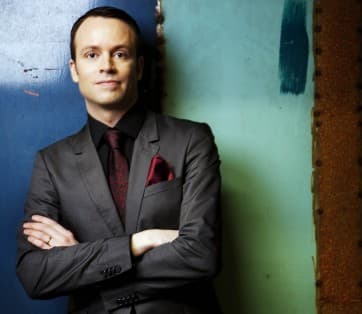
Episode 170 – Unlock your Superhuman Memory & Learning w/ Mattias Ribbing
June 9, 2020 · 1:08:44
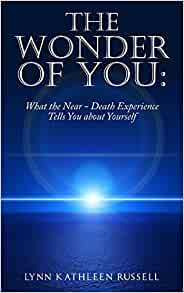
Episode 169 – Near Death Experiences, Is there an afterlife? What happens when we die? w/ Lynn Russell
April 27, 2020 · 58:20

Episode 157 – Conquering Fear, Addiction & Alcoholism, w/ Karla Juvonen
January 24, 2020 · 1:11:16
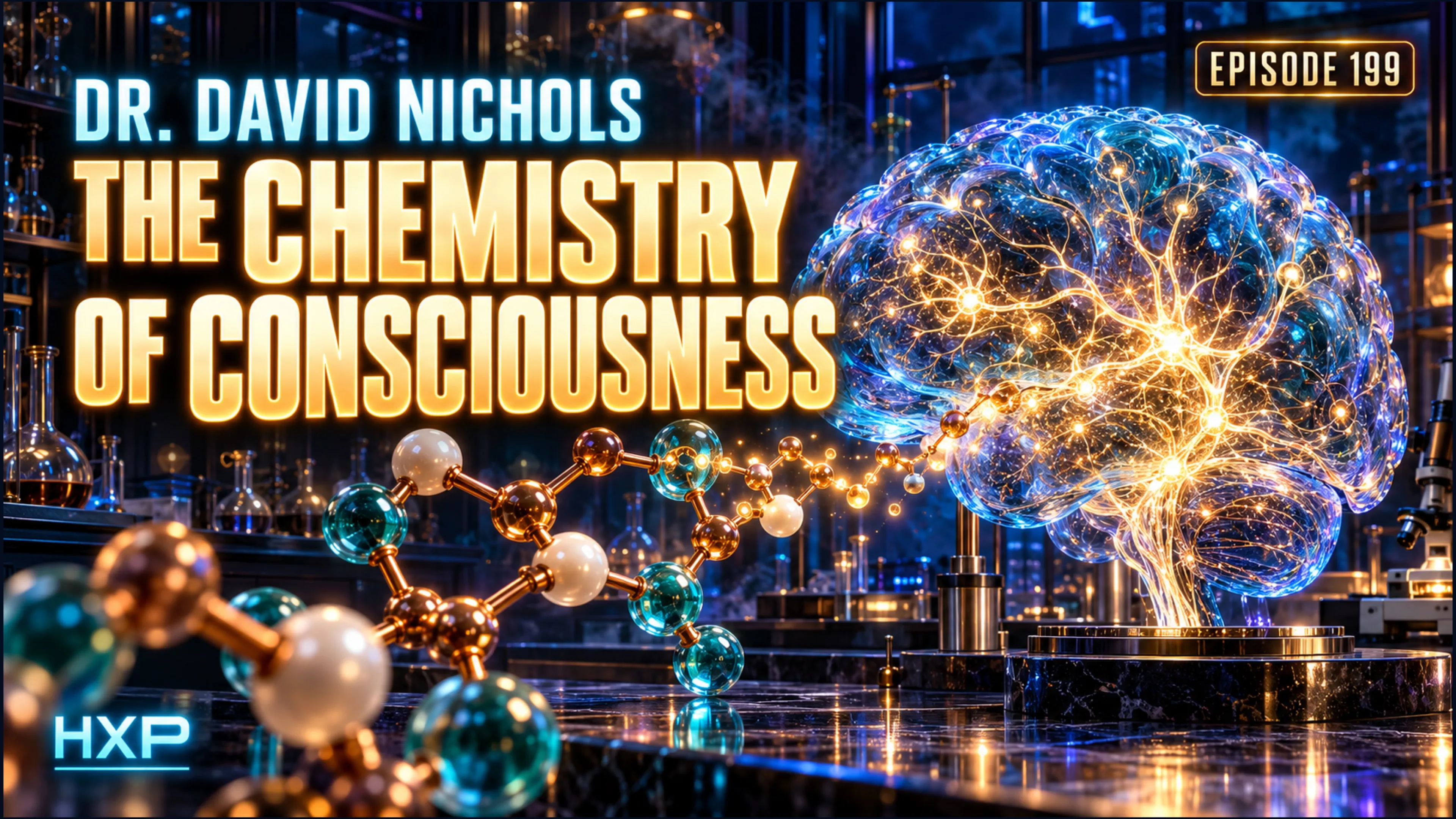
EPISODE 199: Dr. David Nichols — Psychedelics, Consciousness & the Chemistry of the Mind
October 20, 2026 · 1:12:11

EPISODE 198: Cindy Gallop — Make Love Not Porn: Rethinking Sex, Consent & Connection
October 13, 2026 · 58:43

Episode 196: Waqas Ahmed — Polymathy, AI & the Future of Human Creativity
September 28, 2026 · 1:04:41
Independent conversations
Help make the next one possible.
Membership sustains ambitious, unhurried interviews and keeps the complete archive open to curious listeners everywhere.
Become a member