

The Human Experience · Episode
Episode 142 – Dr. Daniel Amen – Diet, Nutrition, Brain Imaging, Defeating Depression
A conversation with Dr. Daniel Amen
Dr. Daniel Amen. is an expert on brain health who has made his life’s work merging the DISCIPLINES of psychiatry and neuroscience to better understand how our brains work. Dr. Amen is a double board certified psychiatrist, he is a TEN TIME New York Times best selling author.
Stay with the full conversation.
Episode field notes
Show notes

Find Dr. Amen and all of his work just click Visit amenclinics.com:
You will love this episode!
Read the conversation
Transcript
welcome to the human experience podcast the only podcast designed to fuse your left and right brain hemispheres and feed it the most entertaining and mentally engaging topics on the planet as we approach our ascent please make sure your frontal temporal and occipital lobes are in their full upright position as you take your seat of consciousness relax your senses and allow us to take you on a journey we are the intimate
strangers thank you for listening ladies and gentlemen welcome we have got an incredible program planned for this evening tonight we’re gonna be speaking to dr. daniel amon and his work is world-renowned he has been working in the study of healing the brain scanning the brain for many years yesterday we looked at the psychology of anxiety panic attacks and depression so today we’ll look at the neuroscience of this and see what we can unwrap this is gonna
be a show that you want to hear until the very end so sit back grab a drink and enjoy this conversation the human experiences in session my name is Xavier katana my guest for today is dr. Daniel almond dr. Amin is an expert on brain health who has made his life’s work merging the disciplines of psychiatry and neuroscience to better understand how our brains work dr. Ayman is a
double board certified psychiatrist he is a 10 time New York Times bestselling author he’s widely regarded as the foremost expert in brain scanning he’s scanned roughly a hundred thousand brains in his career Discover Magazine named his brain imaging work as one of the top 20 stories in science in 2015 Washington Post calls him the most popular psychiatrist in America he has been featured on media outlets such as dr. Phil Larry King
Time magazine Newsweek the BBC and now we were welcoming him onto the human experience dr. Raymond it’s such a pleasure thank you so much for making the time sir welcome to hxp thank you so much for having me I am grateful to have you help me spread the message of brain health yes sir that’s that’s what it’s all about that’s why we’re here right so you know I really want to get into your book and I want to talk about the brain but
let’s let’s start let’s preface this conversation with a little bit of an introduction about you know who you are and what you do for anyone that might not know that already so I am oh my goodness when you go I am what does that mean I’m a father I’m a grandfather I’m a psychiatrist I look at people’s brains I fell in love with my own brain almost 30 years ago and since then we’ve scanned we’ve done 160,000 scans on people from 121 countries and it just
completely blew my mind that you know I need to take care of the three pounds of fat between my ears because if I don’t my life won’t be as good as it could be mm-hmm yes and you know I I wanted to change this up a little bit because I you know I think people go right into your work in what you do but I kind of want to talk a little bit about your writing process and how that works for you because I mean when I read that
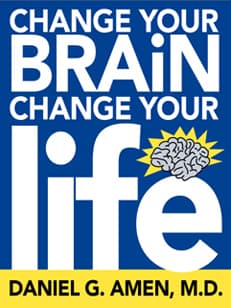
you’ve written ten you know ten times you’ve gotten this New York Times bestselling author list you know how does that process work how do you get into you know writing so I was turned down about by about the d publishers early in my career and but when I graduated from medical school I had a book in me that I wanted to write it’s actually being re-released in two weeks called changer brain changer grades and when I graduated from medical school
I wanted to be a really good psychiatrist and a writer because I found that I loved the process of writing and even though it took me a while to get started my first national book was published in 1992 you know it’s a matter of doing it and I write with a pretty clear structure I always start with you know so what’s the big idea and then a table of contents and then I just sort of build out the table of contents with stories and important points to
make hmm it’s all wrapped around stories because people don’t remember facts they remember stories sure sure so you know what is your story like how did you decide to pursue this I mean there was there was an early part of your life where you were exposed to the two disciplines that would later become you know your career that of medical imaging and psychiatry so how did that merge together for you so I’m one of seven
children I have five sisters pray for me oh it’s interesting growing up in my family it’s a Lebanese family and I’m the second son in a Lebanese family which is a very interesting place to be because the oldest son goes into the family business the second son gets to do whatever he wants so actually it was a blessed place for me or today I might be a grocer 1972 I turned 18 and the Vietnam War was still going on and I had a very low draft
number which meant I was likely to be drafted so I ended up joining so I could pick my job I became an infantry medic where my love of medicine was born but about a year into it I realized two important things about myself one is I don’t like being shot at it’s just I’m not okay with that and when you’re an infant traumatic you’re a shot at a lot and oh I didn’t like that and I didn’t like sleeping in the mud so I got myself retrained as an
x-ray technician and that was pivotal for me because our professors used to say how do you know unless you look how do you know unless you look and I got out of the Army in 1975 and went finished college went to medical school and when I was a second-year medical student someone I loved tried to kill herself and I took her to see a wonderful psychiatrist and I came to realize if he helped her which he did it wouldn’t just help her that ultimately
it would help her children and even her grandchildren as they would be shaped by someone who was happier and more stable so I fell in love with psychiatry because I realized it has the potential to change generations of people but I fell in love with the only medical specialty that virtually never looks at the organ it treats and that’s insane and so it’s funny you know growing up my dad had two favorite word’s one was this Kent one was know
I found out you know as I became a psychiatrist and people go well you shouldn’t look at the brain it’s not part of our training it’s not part of our tradition we don’t do that well I just felt myself going like that’s crazy I mean obviously is this Khayat rest’ the brain is my organ and in the late 1980s I started looking at the brain with a study called quantitative EEG looking electrical activity in the brain and then
in 91 I went to my first lecture on brain SPECT image SP ECT and SPECT looks at blood flow and activity it looks at how the brain works and from my first scan I was hooked it’s like this gives me more information to help my patients it makes me a better doctor it decreased stigma increased compliance and opened up a whole world of brain health have a book coming out next year in March called the end of mental illness and I’m
originally excited about the book because these things aren’t mental their brain and if you don’t understand that you hurt people get your brain right and your mind will follow mm-hmm okay I love everything that you said let’s let’s rewind a little bit you mentioned SPECT imaging what is brain SPECT imaging how does it differ from other scanning methods I mean there’s MRI fMRI PET scans so how to suspect imaging different from these other methods
suspect is a nuclear medicine study litepad that looks at blood flow and activity in the brain PET scans look at glucose metabolism spec looks at blood flow MRI and CT or structural scans they look at what the physical structure of the brain looks like so think of a car engine analogy that an MRI is like looking at what the engine actually looks like SPECT or pet is looking at the engine when it’s turned on and so MRI of a dead person a brain MRI it’ll
just show the structure of the dead brain but SPECT scan of a dead person will show a big hole because there’s no blood flow and no activity it’s different than an fMRI fMRI also looks at blood flow but the resolution of fMRI is not very good where we’re actually getting an inside outlook rather than an fMRI is sort of an outside-in look hmm okay it’s fascinating I mean so so you’re able to you know put someone in in this machine
and then have a real-time look at what’s going on in their brain as they’re thinking it you know as it’s happening right and spec basically tells us three things about every area of the brain is it healthy is it under active or is it over active and if you don’t have that information I mean how do you really treat people who have mental health issues if you don’t know and so unfortunately you know most mental health professionals fly blind and and
I’m not okay with that mm-hmm okay so so let’s get into the details then I mean you know so what is a healthy person’s brain look like under this imaging versus someone with anxiety disorder or melton mental illness or depression so healthy is full even symmetrical activity with the highest activity in an area of the brain called the cerebellum so the cerebellum is in the back bottom part of your brain it’s about 10% of the
brain’s volume but it has about half of the brains neurons and so we typically see that is the most active part of the brain on SPECT and for example people have cerebellar problems or might not think as quickly or process information as quickly they may have more language problems or more emotional problems obviously every area of your brain is healthy but the cerebellum is particularly helped important and it’s particularly important which is why
sports are such a good idea for children because it helps them develop the err cerebellum okay and not sports that put them at risk for concussions that we sort of have it backwards in this society where we let children play for tackle football or hit soccer balls with their head or ride big horses we we need to be more thoughtful in protecting children’s brains yeah for sure so you know I mean you’ve done over a hundred
and fifty thousand scans I think you said that’s a tremendous amount of just looking at the brain I mean was there a feature that you noticed that was the most common you know as far as deficiency or ill health well I guess if you asked me the single most important lesson I learned sure and is that mild traumatic brain injury ruins people’s lives and nobody knows about it that that car accident the fall off the roof the concussion playing football
falling off a swing the damage it potentially can do to the brain that then starts a cascade of negative events that really erode a person’s sense of happiness and who they are it’s it’s just something that stands out your brain is soft about the consistency of soft butter your skull is really hard and has multiple sharp bony ridges anything that damages your brain basically damages your life your ability to be a good dad or a good mom or to be
married to manage your money to be good at school or good at work you know all of those are brain functions and when you heard it you hurt your ability to be successful hmm yeah I mean um I wasn’t gonna bring this up but you know just in my personal life there is someone very important to me that you know she was walking at work she fell she tripped she didn’t put her hands out suffered a concussion and that was about eight years ago and it it it
completely changed everything you know that for her that she knew and she struggled quite a lot you know through that time of recovery but something I noticed as well as that Western medicine doesn’t seem to be up on concussions and how to treat them do you agree absolutely that we can do such a better job and and we need to because if we don’t so many people will continue to suffer so okay so let’s let’s move around a little bit let’s talk about you
know there was a TED talk that you did and you talked about you know the most important lessons from 83,000 brain scans at the time that you thought you had taken and you know you were looking at illnesses such as a HD anxiety depression and you were talking about how you know there are multiple types of this that 2-page patients with the same diagnosis could have radically different brain activity how does this work I mean
how is what does it look like how does this manifest in the structures of the brain yeah I love doing that TED talk and it has almost 10 million views now and you know one of the lessons is that things like ad D and anxiety and depression we’re just it’s it’s so funny if you go to the pediatrician and you say my child can’t concentrate they’re distracted they’re disorganized they end up on adderall or Ritalin and no one’s
ever looked at their brain and it’s sort of a crapshoot on whether it’s going to help them or not and what our imaging work taught us was oh a T DS seven different things you need to know what type of a TD you have or what type of anxiety or what type of depression or what type of addiction or even I wrote a book on obesity you need to know what your brain type is so that you can target the treatment not to a group of symptoms but
to your brain mm-hmm I mean when we’re talking about something you know as wide-ranging as depression like when someone is diagnosed with depression and it seems like in modern Western medicine the the sort of you know blanket thing to do is throw a bunch of medications at this person until one sort of lands right so you know what are we seeing in the brain happening when when you see when you’re when you’re looking at
someone’s brain that is depressed or suffers from depression what are we seeing happening there well it’s not one thing so often we’ll see they have low activity in the left front side of the brain so the left front side is the happy side and if you damage it either with trauma or there’s just low blood flow to that side of the brain you’re gonna struggle more with depression but sometimes there’s too much activity in
that part of the brain and so to just give everybody an SSRI serotonin drugs calm down activity in the brain but what if you’re starting with low activity that’s just not a good idea so we believe we should look at your brain before we just start medicating give you this give you that because we can often make people worse hmm okay so you know I mean what is something practical that we can do that we can apply for you know
someone suffering from anxiety from panic disorder from depression from depression you know what is something that they can do actively in your experience so many things I mean they’re just so many things head-to-head against antidepressants exercise has been shown to be equally effective the first thing you should do if you’re depressed is go for a long walk and Hippocrates said this 400bc and if you’re still depressed go for another
walk so people who look like they’re late 45 minutes four times a week have the same response as people who take Prozac over 12 weeks so exercise learn not to believe every stupid thing you think we call it killing the ants the automatic negative thoughts then still your happiness cognitive behavior therapy and studies head-to-head against antidepressants have been shown to be equally effective omega-3 fatty acids in
a study from New Zealand was actually found to be more effective than Prozac so if you’re struggling with your mood exercise cognitive therapy don’t believe every stupid thing you think and omega-3 fatty acids well that’s sort of a simple place to start you also want to make sure to get your important health numbers checked because low thyroid low testosterone high C reactive protein a measure of inflammation low omega-3
index all of those can be associated with depression and so that’s why in the end of mental illness I talked about get your brain right your mind will follow but that’s the first thing to do and think of it like hardware and software hmm is that you you wouldn’t want to fix the software on a computer that has hardware problems it first thing you want to fix is the hardware to make sure the CPU works right that there’s enough RAM and if you
don’t fix the actual physical functioning of the brain there’s no amount of software programming that’s going to make it work and so too often people go to psychotherapy or marital therapy or group therapy and it doesn’t work for them and they and they get demoralized because it’s like well it’s helping other people why isn’t and helping me and it’s because we’re starting in the wrong place is that we should start by
optimizing the physical functioning of you know I I love what you’re saying I love the note on exercise that seems so poignant you know just go for a walk it’s so simple to you know just do that but you know I’ve I’ve struggled from from anxiety in my life and and panic attacks and I mean I don’t think I know anyone that hasn’t struggled with that in some way or some regards so I mean let’s let’s say you know let’s just put
ourselves in that moment you know if we go back in our memories what would you what would your diagnosis be dr. Ayman like I’m having a panic attack what is the first thing that I should do in the middle of a panic attack so let me give you six things to do before you do medication okay the first thing if you’re starting to have anxiety somebody should check your thyroid someone should also check your blood sugar because
hypoglycemia or high thyroid can clearly trigger anxiety issues so we need to make sure it’s not a physical thing and those things are easy to have your family doctor do the second thing is don’t leave a situation where you’re anxious because if you leave the anxiety will start to control you instead breathe and breathe in a very specific pattern three seconds and six seconds out do that ten times I mean it’ll take you like a minute but if you can take
twice as long to breathe out as you breathe in and really slow your breathing down it triggers an automatic parasympathetic relaxation response in your body the fourth thing is write down what you’re thinking just to evaluate whether or not it’s true so I had an interview on CNN it was my first one on national television was 1989 and I’m sitting in the greenroom in LA and I had a panic attack my heart started beating out of my chest I
couldn’t catch my breath I desperately just wanted to leave the the situation and then you know thankfully you know I’m a double board certified psychiatrist I started laughing and I’m like you treat people I have this problem what do you tell them to leave breathe write down your thoughts and so I wrote down my automatic thoughts my first one is you’re going to forget your name now I’ve been on television my shows on public television run a hundred
and ten thousand times across North America and Everett them on TV nobody ever asked me my name they always know it because you know they can put the little Chiron under Neath my picture but that’s just such a horrible thought the next thought I had is you’re gonna stutter and then I wrote down two million people are gonna think you’re an idiot panic attack I mean these are thoughts that make anybody anxious and so I
corrected those thoughts you know I’m not gonna forget my name and if I do I have my driver’s license in my wallet so that isn’t gonna happen I probably won’t stutter but if I do they’ll be stutterers listening to me they will have a doctor they can relate to and with the two million people think you’re an idiot I wrote probably so but right next to it I wrote these three letters are these three numbers eighteen forty
sixty which is a rule I teach my patients that says when you’re 18 you worry about what everybody’s thinking of you when you’re 40 you don’t give a damn what anybody thinks about you and when you’re 60 you realize no one’s been thinking about you at all people spend their days worrying and thinking about themselves not you and so you know I was able to calm myself down and then do okay intelligence since then I become
pretty good at it hypnosis and meditation are so helpful for anxiety disorders when I was hypnotized the first time in medical school it just was like this warm peaceful feeling washed over me and so I became a master hypnotist which you know I often don’t talk about now cuz you know I’m more famous for my brain imaging work and but I love it I think it’s so powerful to hypnosis self hypnosis meditation to calm your anxiety
centers down since the scale they should teach in second grade and if all of those things don’t work magnesium gap theame all can work to calm your anxiety and you’re never gonna be addicted to him so all six of these things will never hurt you there’s science that shows they will help you and we can’t say that about medication which unfortunately people go to their family doctor and in a seven minute office visit end up with a
sleeping pill something for depression and something for anxiety and they don’t know once you start them they actually may be hard to stop yeah and I’m not opposed to medication and I prescribe it what I’m opposed to is that’s the first and only thing you do yeah I love the practical tips I mean I those are so usable I love you know the aspect of when in the middle of an anxiety attack don’t leave because you know then as you
said the anxiety tends to control your behavior and then you then whenever you have an anxiety attack you’re running out of the room you know it’s just not practical so you know focusing on the breath and writing things down you know I never really thought of that you know just just sitting down and writing down you know what I’m thinking in that moment they think that’s really helpful um I want to ask you know what your thoughts
are about the I mean I run a media company and so we we study this you know we study the attention span of human beings you know like that’s what we’re looking at and what I’ve noticed is that the attention span of most people has I don’t know what to call it really other than like the evolution or just decreased or you know because we’re so hooked on to our devices and the next thing and the next thing and the next thing and you know what’s going on in
the brain there’s that’s something with the prefrontal cortex I mean is this something that could be considered a disability so a DD has more than quadrupled in our society since I graduated from medical school and I mean a DD is real it’s a genetic disorder you got it from your mom or dad but but it doesn’t skyrocket like that unless something is going on in our society and it’s the nonstop fast information that is wearing out our pleasure centers
together with the gadgets in the video games for kids that is really driving them to require more and more excitement in order to pay attention to anything at all and that is really problematic for our society we need to decrease the amount of screen time that children have along with feeding them better since the 1980s sugar has gone way up in our society which decreases your attention span because you got a sugar burst and
then your pancreas sees it and produces insulin and it’ll drop you’ll become hypoglycemic which your brain then turns to mine hmm so so decreasing screen time just flat out you know like I have this own process for myself where I mean I’m in front of most of us I think are in front of computers you know most of the day I think for our jobs I you know I’m in front of a computer screen most of the time and so one day a week I will just
have an O screen day where you know I’m not in front of a computer and I have a very minimal attachment to my phone so you recommend this this is you know something that you you suggest that we do yeah the more you do it the better it is for your brain otherwise you know every time your phone buzzes you get a little dopamine hit and your basal ganglia and it’s like oh I’m paying attention but but the more that happens
the more it actually wears out your pleasure centers so pretty soon you’re not gonna be feeling anything at all and you know I think the more time children spend with screens the harder it is for them to pay attention okay dr. Amy I’m moving a little bit quick I hope you don’t mind this you know I I want to talk about relationships I want to talk about what’s happening in the brain when you know you you diagnose someone with
like love you know I’ve heard heard this old rumor about how there was a brain imaging scan done on someone in love and then someone with I don’t know like schizophrenia and the imaging results were very similar is is there any basis or truth to that Helen Fisher at Rutgers actually did a number of studies and I’ve done some individual people who just fell in love and it looks like a new head of cocaine it lights up their
basal ganglia just where their pleasure centers are and people if you remember the last time you were in love for your you fell in love so new love is cocaine that you know you became a little bit obsessed you couldn’t sleep all you thought about was the other person that this would loop in your brain and that’s the sort of thing that happens when people are on cocaine but then over time love changes to heroin and where
whenever you you know when I’m with my wife I get this warm pleasurable feeling and I just I feel comfortable and so love is a drug and that’s why kids who have a Dede their attention span is just fine in classes or teachers they love but for regular routine everyday things homework school school or paperwork chores they can’t pay attention at all you know there was a question that came in and we were asked quite a bit about
this yeah while we were talking about when we were promoting the show before you came on you know what is in spiritual communities and people talk a lot about the pineal gland and I mean I want to know more you know what have you discovered about the pineal gland is it the source of anything that you can determine spiritually it’s about the pineal gland yes so yes it’s really important and is also it’s involved with your circadian rhythm
and melatonin and it’s a very important part of the brain that you don’t want to damage and head trauma actually condemning it which can really upset someone’s rhythm and sleep is calcification of the pineal gland and actual thing or is that just a rumor you know I didn’t hear you say that a gall cific ation people talk about you know fluoride and this calcification process that happens with the pineal gland rendering it less active
notification sure tio X I see sure yeah you know it’s a problem with every part of your brain and fluorides an interesting discussion because some of my colleagues think it’s toxic you know that it becomes at and the whole population is loaded with fluoride okay can you go on please I mean so should we be avoiding fluoride it seems like there are two different you know spectrums of thought on this completely and and it seems like you
know most people are deciding to avoid it yeah I don’t think it’s been proven safe and in my mind if something’s not been proven safe you should avoid it as opposed to what a lot of companies will say it’s not been proven to be toxic and i know joe mercola writes about that a lot in my work especially in my book memory rescue I came up with a mnemonic I love called bright minds so if you want to keep your brain healthy or
rescue it if it’s headed to the dark place you have to prevent or treat the 11 major risk factors that steal your mind and we know what they are and so I created a mnemonic called bright minds and the T in bright mine stands for toxins and it’s just critical we live in a toxic society and it’s not just gadgets and toxic news its lead and mercury and fluoride and cadmium and arsenic and did you know 60% of the lipstick sold in the United States has
led in it so you just imagine what’s happening to these women as they absorb because whatever you put on your skin goes in your skin right your skin is a porous organ and it’s just horrifying to me there’s an app that people can download for free called think dirty and it’ll let you scan all of your personal products to see you know is what’s in him helping you were hurting you and so for example soft soap on a scale of one to ten ten
being bad was it ten and that was the bath soap I was using the body wash I was using before I got smart and now use something called Alafia that I get off of Amazon he made four code that’s it – and people go but that’s more expensive and I’m like one totally worth it do you think being sick is expensive being sick is expensive or the Barbasol I used to shave with was a ten from the time I was you know 15 to 60 and now I get
something called kiss my face which is actually cheaper because it lasts ten times longer and it’s a – mm-hmm so why do I that I do it because I love myself and I pay attention to the toxic world that we’re living in and I grew up in LA in the San Fernando Valley and I remember we couldn’t go play outside because of smog days that when you breathe you get particulate matter in your lungs and it would hurt and you know so that meant I spent the first 18
years of my life around air pollution and that’s a bad thing in there studies showing air pollution is associated with dementia and with accelerated aging and I’m not okay with well if you’re concerned about toxicity mm-hmm it’s my five-point plan decrease your exposure as much as possible so I live in Newport Beach the air quality here is so much better and then support the four organs of detoxification your kidneys drink
more water but be careful of plastic water your god eat more fiber because fiber helps to detoxify your system liver stop drinking alcohol alcohol is not a health food and it’s just not good for you it actually increases the risk of seven different kinds of cancer and can upset your microbiome the bugs in your gut and then sweat with either exercise or infrared saunas there’s research that shows people who take the most saunas
have the lowest incidence of both depression and Alzheimer’s disease hmm so I mean there was a chapter in your book where there was a patient you know there was a relationship and the person was very aggressive in that relationship and there was a question that you posed that perhaps you know he was just being poisoned and the aggression symptoms that he was showing was just a reaction to these chemicals that were in his diet
so I mean you know what kind of diet do you recommend there seems to be so many different lines veins of thought you know regarding this like meat is bad for you some people think and so how do we find a balance with our diet and what we’re eating well just think two words real food something that we’s either grown and healthy soil or was raised to eat from healthy soil so I think of healthy food as calories smart calories really do
matter people don’t want to believe it but it’s true that is both nutritious and delicious so think of colorful fruits and vegetables healthy protein and do not scrimp on fat now you want to make it healthy fat avocados nuts and seeds fish sustainably raised fish if you make your diet think of a plate 70% of it plant-based foods 30% high-quality protein mixed in that a lot of healthy fat that’s how we should be eating at every meal sugar cereals in
the morning seriously I mean it’s a weapon of mass destruction and you found the cereal aisle so a whole aisle dedicated to death look at the soda aisle it’s a whole nother aisle dedicated to death you know I mean when you understand and I think 50% of the mental health issues I see are related to the bad food we then happy meals aren’t happy but we are brainwashed as this society coke comes out what’s cokes slogan open happiness seriously not you
understand the science the science is that is open illness or McDonald’s you deserve a break today well is that really what you’re gonna get when you eat it McDonald’s it’s like no you deserve illness it’s like no I don’t I don’t want illness and I want us to be thinking about what we what goes in our body becomes our body and there’s a study from Australia fascinating where they looked at two outer islands one of them had fast-food restaurants the other
one didn’t and what they did is they looked at the omega-3 fatty acid levels in the population and they looked at the the amount of depression and what they found the island with fast-food restaurants had dramatically lower omega-3 fatty acids in their blood and five times the level of depression I times the level of depression it’s the food yeah wow it’s incredible I mean it seems obvious but you know it hearing you say it I think is is that you know
much more hitting I think it’s important here you know someone of your authority you know talking about this and there was a question that came in in the chat here Alisha asks you know what supplements that can use that what do you what supplements do you recommend for you know healthy brain so I recommend everybody take a multiple vitamin just because we have vitamin deficiencies in this country that are outrageous everybody should take omega-3
fatty acids because we’re deficient in them you should get your vitamin D level checked and supplement with vitamin D if it’s low and then I have a brain health assessment for free people can take online brain health assessment calm and it’ll tell you which of your sixteen brain types you have and then we recommend supplements based on your type so if you’re a spontaneous type you need more dopamine and so we have supplements
to naturally raise dopamine if you’re a persistent type you need more serotonin and we have supplements that can help that if you’re cautious or sensitive type we have supplements targeted to your brain rather than take this or take that but I’m a huge believer multiple vitamin fish oil vitamin D if you need it and then directed toward your type what about nootropics smart drugs it’s interesting because if you have a TD
that something like adderall can actually be really helpful for you and I’m not opposed to it I’m opposed to that’s the only thing you do but if you don’t have a TD in fact it will actually make you worse and it will disrupt brain function there are other ones like piracetam Jim and a drew afternoon [Music] and and I would rather people really work on getting their diet exercise sleep right rather than rely on a substance unless they’ve been able to
look at their brain and then oh it’s like you have sleepy frontal lobes let’s pop those up try first with supplements and if those don’t work we’ll use medication yeah and I agree with you um let’s talk about the mystical experience doctor even if if we can you know the the good drugs psychedelic drugs ayahuasca has been used in their therapy therapeutic sessions maps is using MDMA with PTSD assisted therapy what’s your position on
those types of compounds and people well it’s certainly getting a lot of attention and what really concerns me is the two big advances in psychiatry in the last couple of years is legalizing marijuana and using hallucinogens in psychotherapy and there’s no mention of looking at people’s brains and getting their brains healthy so in my mind those are way lower options so you know I think of them as 12 to 20th options and
it’s like well let’s just do the simple things first because we have evidence that ketamine will hurt you if it’s not the right thing for you that marijuana increases the risk of anxiety depression and suicide if you start using it as a teenager that it disrupts white-matter development in the brain and I did before and after study on ibogaine which is a hallucinogen used sometimes for addiction and it completely made the
guy’s brain look worse was and I was pretty irritated because he was doing it for a documentary and I had scanned him five times and his brain was terrible when I first met him and then it was better and then it was better and then it was just freakin perfect and but he wanted to do it for the documentary and when I scanned him as follow-up after ibogaine it disrupted the progress that we had made so you know I know a lot of people there’s a
book Michael Pollan wrote a book about it and and and it’s like would you really want to go there before you got there diet right does that really make any like logical sense to you it certainly doesn’t to me so there’s I mean there’s no magic bullet there’s no magic pill that you can take it’s not gonna be this instant process and jumping into you know taking psychedelic drugs to treat these underlying issues and in your experience with the brain
scans they’re actually showing that that the brain is worse food is sort of a magic bullet in that my wife and I did course so we have a university a manned university if you like this stuff we love teaching it and together she and I did a 26-hour course over six months called the brain warriors way based on a book we wrote and we had 25,000 people sign up the first week and the stories of transformation throughout those six
months we taught the class we’re so special from people not only losing a lot of weight their anxiety brought 30 percent their pain levels dropped their moods improved their sleep improved when you learn to get your habits right in that bright minds way that I discussed your life changes for the better and you know my new book coming out next year called the end of mental illness begins with a revolution in brain health and so the
Magic Bullet habit if you will I worked with a group at Stanford BJ Fogg and he ran the persuasive tech lab at Stanford he’s gone how people change and he said generally they don’t make all the changes at once they start with little tiny habits and so he and I worked together for six months on the tiny habit for brain help and it’s so simple and here it is whenever you come to a decision point in your day so I’m gonna
go eat dinner soon whenever you come to a decision point in your day all you have to do is ask yourself this question is it good for my brain or bad for it mm-hmm it’s good for my brain or bad for it and if you can answer that question not out of habit but out of intelligence and love you’ll do the right thing and and I say love because you shouldn’t do things right I’m not a fan of should and must and ought to and have to I’m a fan
of I do the right thing because I love myself I love my mission I love my wife I love my four kids I love my five grandkids I love the people I work with I want to be here and I know the statistics and they’re horrifying 50% of people 85 and older will be diagnosed with Alzheimer’s disease or another form of dementia so if you’re blessed to live to 85 you have a one in two chance you have a 50% chance of having lost your
mind and that about you Xavier but I’m not okay with that and can’t be thinking about that when I’m 83 I need to be thinking about it when I’m 40 when I’m 50 when I’m 60 I need to love my brain because when I love my brain I love my life and so the little tiny habit the smallest thing you can do today that’ll give you the biggest bang is go throughout your day just ask yourself it’s my behavior what of this decision good for my brain or bad for it mm-hmm
it’s very simple it’s a very simple question to ask yourself and then you should get a very direct answer and then if you’re still if you’re still fighting that then you know that is something you need to work on great so you know dr. Damon I wanted to I want to ask you about something that I learned about a long time ago I’m wondering if I’m sure you know about this what about binaural beats or hemispheric synchronization
have you heard of this you know I didn’t hear I’m sorry I know beats or hemispheric synchronization yes Hemi yeah like it I’ve been a fan of it for almost 30 years on a concept called entrainment yeah her brain picks up the rhythm in the environment and when you introduced me and you didn’t say that I have three albums out uh-huh music albums in warriors way bright minds for memory rescue and feel better fast and make it last and they have all been on
the billboards new-age charts our music for bright minds forty four weeks in fact in it was 2018 I was the number six Billboard artist of the year in the new age category and we have been creating music to optimize brain function for years and we use rhythm to help your brain be happier less anxious more focused to help you sleep so there’s tracks on all of our albums for those kinds of things because the music you listen to matters you know can
directly impact your brain mm-hmm and just to answer you with the introduction I want I had to shorten it down and you’re sure so highly-acclaimed I think I had to had to trim out some of it that was there okay so Alicia has another question as far as binaural beats go and hemispheric synchronization can you apply this if it’s only going into one ear if you’re deaf in the other ear and I mean it does it work with both ears well it’s not
going to work with both ears but the rhythm you listen to is also impacting your brain and so certain music will make you happier will make you more anxious will help you sleep or keep you awake and so the quality and rhythm of the music really does matter binaural beats though need to go on both sides mmm okay so it would not be effective if it was just going on to one side correct okay you know I want to get into I know
time is running short here but I want to get into addictive behaviors addiction and what that looks like under a brain imaging scan and what your experience with that is I mean can you talk about different forms different levels of addiction and and how we can you know be better at recognizing that in our behavior so I wrote a book with David Smith who’s the founder of the haight-ashbury free clinic called unchain your brain wrecking the
addictions that steal your life and I’m very proud of that book and what we argue so you know you’re an addict when you engage in behavior that gets you into trouble and you do it again it’s like you don’t learn that these behaviors get you in trouble and your relationships your money the law or your health and what we discovered through imaging is all addicts are not the same they’re impulsive addicts often have a TD they’re compulsive addicts
they’re sad addicts anxious pattex addicts that occurred after a traumatic brain injury and then all sorts of combinations with that basic type and the brain type tests that I talked about it brain health assessment calm brain health assessment calm you can actually know what’s your type so that you can target the treatment to the type you know I just saw Brad Pitt came out and said he went to AAA so that’s public knowledge and and I was really proud of
them because I’m a huge fan of they eggs as long as you don’t go to a meeting where they’re poisoning you with donuts and cake and you know bad coffee and so on but it’s more complicated than that it’s like well what’s the brain of an addict look like and how can you heal their brain to ultimately heal their life yeah so much there it’s so much to unpack with this this episode covered so much I I’ve got a couple more questions
for you if you’re up for it doctor a man dead I I want to ask you you know what were what was some of the biggest lessons I mean I know that you did one of the world’s largest brain imaging databases so I mean what were the main things that you were seeing in in those imaging scans well we talked about one how mild traumatic brain injury ruins people’s lives and nobody knows about it protect your head you know I think the
biggest lesson and you know the most important lesson that I talked about in my TED talk is that you’re not stuck with the brain you have that you can make it better I can prove it and that’s what drives me every day and I know if my behavior is Right today my brain will be better tomorrow and if my behavior is not right today my brain will not be as healthy tomorrow and I just find that to be so hopeful uplifting exciting
is that I can make this batter and even if I’ve been bad to my brain so we didn’t talk much about the work I do with the NFL and I’ve scanned and treated 300 NFL players and the level of damage is really high so stop lying about it it’s a brain damaging profession don’t let your kids play football I’m not kidding it increases the risk of damage to their life but 80% of my players get better in as little as two months just by doing
the right things the right brain healthy things the right supplements and so on and and that’s the story I will talk about and until I’m not around anymore is you’re not stuck with the brain you have you can make it better choose to do the right thing because everything else in your life will be better mm-hmm yeah I love that you know doctor I just want to give you a chance you know to address the people while we’re here if
there’s anything that you want to tell people maybe that are struggling with depression anxiety panic just different disorders you know what would you say to someone that’s listening to the show and in looking for you know something direct so I would tell them go get my new book feel better fast and make it last and I know I talk about a lot of books but there’s not one person who ever came to me that wanted to feel better slowly and
so I went well what are the quickest ways you can feel better while you’re putting brain healthy habits into your life and they’re just there’s so many things but you know if you’re feeling depressed I want you to start every day when your feet hit the floor in the morning go today is going to be a great day and then your unconscious mind will find why it’s going to be a great day and it just sets you up for more success
and at the end of every day what I do is when my head hits the pillow I say a prayer and then I just go through my day with this question what went well today and it’s amazing every night and I’ve been doing this for years every night I’m surprised by the awesome things that happened during my day that I didn’t know about that I didn’t remember consciously and what that does is it actually sets your dreams up to be more positive and
if you get more positive dreams it also generally means more REM sleep your brain’s gonna be cleaner and healthier the next day which means when you say to yourself today is going to be a great day you’re actually going to be able to make that happen absolutely dr. Amy net I’m so happy to have had you here on the show we’d love to have you back you’re welcome back anytime where can people go to you know find your work your website so they can
listen to our podcast we’ve done 450 of them is nexi called the brain Warriors Way podcast brain warriors way podcast calm or it can find it on Apple and stitcher go to Amen Clinics comm to learn about our clinical work or brainmd dot-com to learn about our supplements and our educational programs also Eamon University I’m so grateful Xavier for the opportunity that you offered so that I could share my work with your audience
no that’s the pleasure’s all mine sir um guys that’s gonna do it for us here dr. demian hang tight while I just do this close really quick guys thank you so much for listening to this episode what a phenomenal listen I mean so much information that we covered and so much for you to think about I mean I would even recommend going back and listening to this twice definitely check out you know dr. Raymond’s work and and you know
find out for yourself you know what’s going on with your your brain and what you can do and need to do for yourself to to make it better we will be back next week with another episode thank you so much for listening [Music]
Ideas worth returning to
Quotes
Five substantial excerpts from the published transcript, lightly edited for clarity without changing their meaning.
“Once I saw a brain scan, I was hooked. It gave me more information to help patients, made me a better doctor, reduced stigma, increased treatment compliance, and opened an entire field of brain health. These problems are not merely “mental”; they involve the brain. When we improve the brain, the mind often follows.”
From the conversation“Hippocrates advised a depressed person to take a long walk, and to walk again if the depression remained. Regular exercise can produce meaningful improvement. It also helps to question automatic negative thoughts rather than believing everything the mind says. Cognitive behavioral therapy teaches that skill and has performed strongly in studies comparing it with antidepressant treatment.”
From the conversation“Helen Fisher and colleagues studied the brain in people who had recently fallen in love. The scans activated the basal ganglia and pleasure centers in patterns resembling a response to cocaine. Anyone who remembers the intensity of new love can recognize why the comparison is made: infatuation powerfully engages the brain’s reward system.”
From the conversation“In Memory Rescue, I use the mnemonic “BRIGHT MINDS” to organize eleven major risk factors that can damage the brain. If you want to preserve brain health—or recover it when it is moving in the wrong direction—you need to identify, prevent, or treat those risks. The letter T stands for toxins.”
From the conversation“Make healthy choices from intelligence and love rather than habit or coercion. I am not motivated by “should,” “must,” “ought to,” or “have to.” I want to do the right thing because I love myself, my mission, my wife, my children, my grandchildren, and the people with whom I work. I want to remain present for them.”
From the conversation
About the guest
Dr. Daniel Amen
A dedicated biography is being prepared from the original episode archive.
View the complete guest profile
HXP SHORTS: #001 – Deconstructing Death: What Happens When We Die?
September 14, 2026 · 11:37
Episode 130 – Dr. Steve Stewart-Williams, The Ape That Understood The Universe
May 30, 2019 · 54:37
EPISODE 199: Dr. David Nichols — Psychedelics, Consciousness & the Chemistry of the Mind
October 20, 2026 · 1:12:11
Episode 194 Dr. James Fadiman – You Are Not One Self: Microdosing, Multiplicity and the Mind
September 4, 2026 · 1:14:38
Episode 191 – Marjorie Woollacott – Infinite Awareness – Consciousness Beyond Biology
August 28, 2025
Independent conversations
Help make the next one possible.
Membership sustains ambitious, unhurried interviews and keeps the complete archive open to curious listeners everywhere.
Become a member