

The Human Experience · Episode
Episode 141 – Dr. Steven C. Hayes – Psychology, Tools for controlling Anxiety, Panic, Negativity
A conversation with Dr. Steven C. Hayes
Dr. Steven C. Hayes is a psychologist who has spent his career analyzing human language and cognition. He achieved his Ph.D in Clinical Psychology at West Virginia University, and he is currently Nevada Foundation Professor in the Behavior Analysis program at the University of Nevada. Dr.
Stay with the full conversation.
Episode field notes
Show notes

Find Dr. Hayes and all of his work just click Visit stevenchayes.com:
You will love this episode!
We rely on listener support to keep this show AD FREE – If you value even one of our shows, help us sustain and scale the show up; Become a member for 5$/mo (a cup of coffee) or Donate.
Read the conversation
Transcript
The only podcast designed to fuse your left and right brain hemispheres and feed it the most entertaining and mentally engaging topics on the planet as we approach our ascent please make sure a your frontal-temporal and occipital lobes are in their full upright position as you take your scenes consciousness relax your senses and allow us to take you on a chip we are the intimate strangers thank you for listening ladies and gentlemen
welcome we’ve got a phenomenal show planned for you guys this evening we’re gonna be speaking with dr. Steven C Hayes so if you struggle with anxiety panic attacks self-defeating thought patterns or if you’re looking for ways to actively improve the relationship to your thinking and your mind this is gonna be a show that you want to hear so sit back grab a drink and enjoy this conversation the human experiences in session my name is Xavier katana my
guest for today is dr. Steven C Hayes dr. Hayes is a psychologist who has spent his career analyzing human language and cognition he achieved his PhD in clinical psychology at West Virginia University and he is currently a Nevada foundation professor in the behavior analysis program at the University of Nevada dr. Hayes is the
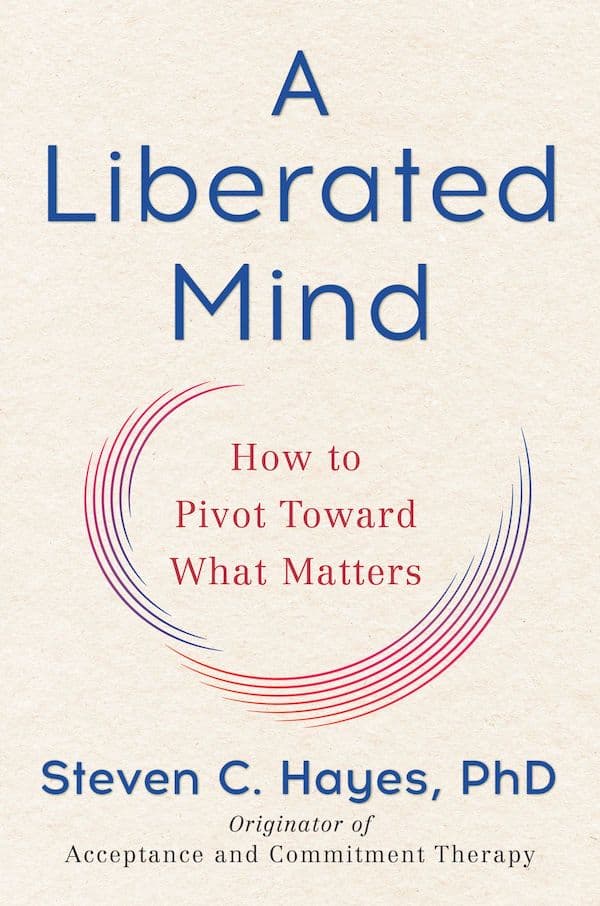
author of 44 books and over 600 scientific papers he’s ranked by Google Scholar as among the top 1,500 most most cited scholars in all areas of study dr. Hayes it’s a pleasure welcome to hxp really happy to be here with you saver so I’m I’m really amazed by this book dr. Hayes I mean you’ve outdone yourself I ripped through it I thought I thought it would take me some time to read this book because it’s about 300 pages or so
but I really really enjoyed the reads so before we get there though let’s let’s start with a little bit of your history who you are how you got into this line of work tell us that give us a little brief you know introduction about who you are and what you do please well if you’d asked me that early in my career I’d say you know I’m a clinical psychologist I’m interested in cognition and trying to help people but early on
in my academic career I developed the panic disorder which gradually took away almost everything over about a two or three year period and in that experience it really challenged me in terms of what am I here for what am i up to and I had to have that sense of almost losing everything before I could find an answer to that question and what I found was on the other side of the panic and maybe we can talk a little bit in the
conversation about a liberated mind as to kind of how that turn was made but what I found when I turned towards the anxiety itself was a person who had watched domestic violence in his home and had made an early decision that I’m gonna do something about it and felt that eight-years-old completely inadequate to that that kind of suppressed those memories I kind of knew them I could have said them and so you know I think at the beginning of my
career I would have answered that question in the way I said but really what I was up to was trying to build my Vita and get grants and be famous and and I think really the person that you’re talking to right now you know what I’m up to is trying to make a difference in the lives of those who suffer and empower people to turn towards what brings meaning and purpose in their life and the thing that’s different maybe the one thing is
different as enough of a geek scientist when I really walked through that transformational process myself mm-hmm I did a couple randomized trials I quit early on I mean the idea that you’d turn towards you know Eastern ideas in the early 80s mmm there wasn’t the Jon kabat-zinn it’s out there to hold your hand to kind of walk you through it you know there wasn’t Lenna hands there wasn’t you know it was a very different
world and I was enough of a hippie from California to know I was now in the strange land of you know Eastern traditions and the kind of things my entire generation explored right and so what I did is spent almost 20 years really in almost invisible trying to get down to the processes that lead to these life expansion type moments and we came up with this core we call psychological flexibility and then finally I wrote it
up right around the turn of the century and it’s now I was 310 randomized trials 303,000 and 500 Studies on it and an entire community around the world tens of thousands of people millions of copies of act books that are out there and so and what’s out there is this simple story of the 20% that maybe can do the 80% then that’s what I try to put in the book I tell that personal story the science story but then I also try to
reach out other people were reading it and lift them up you don’t have to get there through anxiety depression it’s after all you need to do is show up as a human being and these processes are relevant to you and to the people you love and that’s what’s in the book yeah I mean I I love that there’s so much that you went through in that little introduction that was supposed to be brief but I mean I I loved your story and I loved how much how committed you
are to this research and it really does seem like you are you know devoted to helping other people with their struggles in it it kind of began with your your own you know your own challenge with this I mean a your own personal challenge with this and and it started but with your own anxiety attack would you or yeah I think the real gut-check was when I started having panic attacks my first one was in a department meeting
watching full professors fight as I say in a way that only wild animals and full professors are capable of but it touched something I didn’t know it was touching but it you know I I raised my hand to just ask them to stop and by the time they turned to me three or four minutes of fighting later I literally couldn’t make sound come out of mouth I said they’re like a you know like a goldfish going bad you know you know I’m an untenured assistant
professor sitting in this room and just humiliated so my first panic attack was you know terrifying to me and humiliating and and I did if you actually know people have had panic histories when you visit it and you realize how far anxiety can take you down in terms of your ability even to do the simplest thing functionally like make a sound come out of your mouth you know the natural human thing to do just to watch out for it scan for it
fight it hide it try to minimize it all of which just feed it and then you it’s just like you had a baby tiger and you’re feeding it chunks of meat and you’re waiting for it to go away and it gets bigger and bigger and bigger and eventually it wants to eat you and that’s what happened to me over a three-year period I got down to the point where I couldn’t get in front of five undergraduates and give a lecture I mean I’d have to show them films if
somebody called me and asked me to give a talk my graduate students gave that talk and I’d tell a story about what a wonderful mentor I am then promoting their career and yeah that’s the ticket but it turns out you can’t run fast enough to run away from your own history yeah thankfully I didn’t find a way out but it would find a way in and it’s an ancient way I mean it’s in all her wisdom traditions or spiritual traditions but what Western science can
do not have to disrespect but it can pull it at its joints and do things that you can do in minutes that can put on the factory floor things that maybe are a bit of what’s inside even what you know monks and meditators and folks have been doing for thousands of years now that it’s a substitute for it I’m not saying that I’m just saying we need to be there for people in many different ways and maybe Western science is an
important way to mmm-hmm I mean there’s there’s many places that I could start here but let’s start with something that you mentioned you you mentioned act and that that stands for acceptance and commitment therapy so I mean this is and and then also our of T which is a relational frame theory so what is what is difference I mean first it was rft that you coined first and then act and what it was a difference in where those
mean please well our F T is the basic science of cognition act which also means acceptance and commitment training so because you can do it with sports and business and things like that and you can put it inside the healthcare system with the word therapy but really what we’re dealing with is just how the mind works and that’s relevant everywhere it’s relevant right now between you and I it’s relevant to the people listening
to this so you don’t have to have the t Werribee therapy it’s also training but act as a set of methods that use acceptance and mindfulness processes and commitment and change processes together to produce what we call psychological flexibility but underneath it in that 15 16 year gap where we did the early studies and then we went silent as far as outcomes mm-hm because I didn’t think I should just kind of rush out the door and say
hey you know some of the stuff monks have been doing for thousands of years is probably a good idea I wanted to pull it at its joints and put it out into the world in a different way and part of what I wanted to do is understand why is the mind like that sure why does it work like that sure and we’ve tried I’m out of the behavioral tradition I’m kind of a probably some ears will close when I say this but I’m kind of a Neos canarian
and I really respected what he did BF Skinner if you know but from rats to Walden to is what I respected you know this kind of visionary can we get tight principles that would take you all the way up to being able to organize communes okay do an old hippie and you know Walden 2 was so exciting utopian novel he wrote but he didn’t figure out language and cognition and within the behavioral wing we’ve tried for 300 years to make Association work
and if you understand what that is like it into the II think of it like chalk on one hand you put it on your other hand and knowledge chalks on the other hand Association has to do a time and place bringing things together or they’re similar in form they’ve the same color of the same shape the same smells something is similar physically that’s it ok you can’t build a model of mine that way and we’ve tried and tried and
tried and what I instead I could proposed and I might even use the word discover so if there’s anything you’ll get me to say that self aggrandizing is probably that sentence is that no the mind is organized why your family has organized hmm it’s organized by relationships mm-hmm what difference does that make well here’s the difference if I imagine let’s say your right hand is a toxic thought or a memory or an emotion I
could imagine that you know if I could just cordon it off and it wouldn’t rub off on my left hand which might be my work my relationships you know my sexuality my peace of mind I could imagine I could manage that well but what if it’s like this imagine a picture of a big family and they’re all related but you don’t know who this new person walking in the door is related to okay okay and I tell you that’s Suzy’s second cousin on the mother on her
mother’s side you now know the relationship between everybody okay and that person okay and if you do the math on it you have things like you start getting pages of zeros as to how many possible relationships come with the tiniest little input if you think of your mind more like you’d think of a picture of your family and you’re gonna clean that mess up really you know if you come in let’s say with oh don’t that think this you now have created
hundreds of thousands of new relationships and you can’t manage that you take anything that anything it’s important to you and let’s just take this one one that you like a bit you can find things about that that you don’t like sure yeah of course so you’re of two lines and about everything and it’s vast and it’s moving and it’s even happening in your dreams I mean even when you’re not thinking about it these things are moving around or
like you know it’s active families of spiders all weaving their web so what we brought to the vision is a we can use that to increase intelligence to work with kids who don’t have a sense of self to do really wonderful things when you understand how the mind works but the other thing is instead of trying to clean it up which in the behavioral and cognitive behavioral tradition that’s what we’ve tried to do you know detect
the irrational thought dispute it challenge it change it instead we better learn the tools to put your mind on a leash to notice your thoughts without getting entangled with them do not have them dominate and dictate to you so that you have some flexibility as to which kind thoughts are worth your next life’s moments attention mm-hmm behavior and that turns out is vastly safer and more effective than detecting challenging
disputing and changing that gets you to focus on things that are already hard you know goofy thoughts you have scary memories you have etc I’m not saying don’t think about it I’m saying think about it learn from it and then attend to what’s of importance and that formula is a powerful one and it turns out deliberates people and every domain in which they apply it so okay let me let me try to unpack this I mean that was
quite a lot so I mean your brain is at any given moment creating these relationships at all times two things both good and bad that are happening within your cognition within your active mind at all times like so it’s so whether you think something bad or good it’s it’s kind of copying itself and you’re moving through this sort of process that is is always creating this these relationships am i close to this right now so yeah so the better way to
kind of get using your analogy a leash around how we’re going to control this is not to affect the thoughts themselves but affect our relationship to how we’re gonna let that thought determine the next thing that we do or how it’s going to affect the next thing that we choose to think about yes although little asterisk once that is possible then it is safe I mean you can push into creative new thoughts it’s such a we want new thoughts it’s not
like the form of a thought doesn’t matter but it’s it’s almost like for example if somebody’s afraid of a territory let’s take take me as an example when I’m struggling with panic you know I was doing relaxation tapes of course what I do I was doing cognitive therapy of course that’s the way I was trained well yeah but there’s this phenomenon called relaxation induced panic and here’s here’s the way it works from the inside out oh I’m doing a lot
better yeah yeah that tape must have really worked I’m feeling really calm I was nervous last week in the same situation but now what was that is that a little did my heart just good yeah now I’m feeling a look Oh God but now I’m with how far away is the door boom right you know so I actually got to the point literally I was understand I’m a clinical psychologist I’m trying to do therapy where if somebody said the word we had axed I
would get anxious and then if they said the word in motion that would remind me of the different kinds of emotion and then I’d get anxious and then if they’d started talking about their body I’d get anxious and they know eventually all roads lead to Rome you know we can do it right here right now you want to play just do it a little oh my god okay yeah put me on the spot me let’s go for it okay okay so let’s just take a common
phrase mary had a little lamb yeah sure okay so I’m gonna say it again but this savor it’s really important that you come up with something that doesn’t have anything to do with lamb at all this isn’t related to it in any possible way okay okay and everybody listening give it a shot okay we have a little podcast awesome okay now here’s the problem I’m gonna say some words hot cold right sure sure black yeah we’re going to the opposite
white right podcast just sitting at home a little yeah yeah it’s a lamp yeah it’s interesting yeah I like that what we only did it once I should have done it twice that cemented and I’m guarantee as some of your listeners got to lamb and you know you look at OCD or things like that you know when you try to suppress and push out you’ve created a new relationship now it’s a relationship of is nada or is different from or is
opposite – mm-hmm but it’s still a relation and it’ll remind you so that’s the difference between association and relation and it gives us an appreciation of how to program the mind we’ve done wonderful things with that inside the research community that we built but also men how hard this thing this is this is like a fractal you know just kind of drawing pictures on its own with this little formulas being repeated repeated repeated and it has a life of
its own you literally will see it in your dreams you’ll see connections emerge in your dreams and you didn’t do that just you noticed it so it’s good it’s wonderful it’s a lot of where our creativity comes from but it’s hellacious when you start applying logic to a process that’s psycho logic mmm-hmm wow it’s incredible um yeah it really reflects in the stuff that you’ve written about and it I mean it really is resounding it I’m not sure you know how
much Western medicine or Western peuta Commodus n’ western psychology is really adapting you know this model that you’ve created or you discovered but there’s you know there’s one thing one of the main things that you talk about in your book which is something like that you call pivoting you know so what is the the process of pivoting and you know like give us the example of that and the definition of that sure well i
pivoting as this concept its recent inside the act work but that inside our struggles is a yearning there’s something we deeply want we may not even know what it is but you can do the research to find out what it is and a lot of that research has been done and so part of the message is you know when you’re doing the most screwed up thing that you can think of it’s not because you’re a bad person it’s not because you’re broken it’s not because you’re
damaged is because you’re a human being and you’re doing the logical reasonable sensible pathological thing and and you’re the problem isn’t what you want isn’t what you yearn for deeply not superficially on unpack that okay but it’s the solution itself that’s the problem and the metaphor of a pivot the pivot is you know the pin and the hinge is the French word for it is that you actually are able to move in a positive
direction more readily if you have movement in a negative direction you know that from dancing if your partner’s moving this way you can swing them around that way if they’re standing dead still you know it’s like get moving you know because you know we can’t play together unless you’re moving right well your oving when you’re suffering right you’re moving it’s just you have the wrong solution for the right problem and
if we can take that energy and and note it and see what it is and then learn this counterintuitive kind of twisty flexibility alternative that’s inside the research and that I walk through in a liberated mind you swing that energy in a new direction and very quickly I’m in minutes you know what I went through my panic attack my bottom one where I think I’m having a heart attack and it’s 2:00 and 3:00 in the morning and I’m
sitting there I’m should I call the emergency room you know I have to call you know I have that voice with an saying you’ve got Drive in this condition make the call you’re dying and I had all that you know the weight of my chest I’m that other and somewhere in there I realize I’m not having a heart attack I’m having another panic attack and in that horror that I couldn’t even trust my own freaking body anymore Wow you know I’m sitting there literally the
tears coming down that face you know I caught that there was a voice telling me to to run and fight and hide I think it’s always we all have it’s that critical I call it the dictator within right the goal finger wagging you’re not doing it right you’re not level you have to earn your way in what’s the matter with you you’ll be okay if but you’re not there yet because that voice and I said out loud I don’t know who you are but
apparently you can make me hurt you can make me suffer mm-hmm but I’ll tell you one thing you cannot do you can’t make me turn from my own experience you can’t do it and I stood up inside a promise that said never again I’m not gonna run from me well the reason I tell that story is there’s a pivot and I’ll unpack it in terms of quickly in terms of what it is it’s a simple kind of on pivot okay but within I mean really this sounds kind of weird
but I’d say within 60 seconds as I stand up I know my life is different I just know it’s different because I saw something that was a hundred and eighty degrees from what it’s been three years chasing and so here’s what was the yearning what was that trying to do well I think one of the yearnings there was I was trying to feel and I tell the story in there of you I mentioned earlier you know the domestic abuse in the home and
of course a kid would try to run away from that there’s nothing you can do with it you can’t step in between your parents when they’re hitting each other or threatening to or when dad’s drunk or and so I just hid under my bed and cried but I’m not eight anymore I’m 28 or 38 or you know as different points in my life where this has been relevant that night on the carpet and in my thirties and you know running and hiding under
the bed isn’t needed anymore but what is the yearning I would say it was the yearning to feel and what I’ve been trying to do is feel only good stuff but eventually that means you can’t feel at all and you just sort of try to live life with you let’s be like if you made your fingertips numb so that you wouldn’t feel the sandpaper mm-hmm then you can’t feel the silk sheets you can’t feel your lover’s face you know you you
lose so much right by that move right and so if we take that yearning to feel and instead doing what the mind says which is I got a solution only feel the good stuff feelings don’t come packaged that way because right inside your love for your child is the fear that maybe something harmful would happen to them you know right inside your love for your parents is knowing that they’re gonna die I mean if you walk through anything
that it brings joy to you you know now where your vulnerability is where your wound ability is that’s what that word means in other words where you can be hurt so if you don’t want to be hurt and you got to be numb the happy numb is not happy so what we do instead with that pivot of acceptance that’s the one of the six we take that energy that you’re going to feel and you spin it around to instead of doing what the mind says you
can only feel the good stuff how about if we do this other form of feeling good feeling good I’m not feeling good feeling good means eventually don’t feel at all we’ve actually seen this in the research it’s pathetic you start running from sadness you’re sweating from anxiety you have to run from joy do you know that people who run from anxiety cannot feel joy and sit inside it very quickly it has to be detuned because
it’s a threat the bigger you are the harder you fall maybe we’ll be betrayed maybe they didn’t really mean it maybe you’ll feel later yeah it’s a success now but you know your mind tells you that and so the concept of pivoting for one thing is just to validate that we’re doing our best but we’re trying to manage this evolutionary mismatch with our problem solving symbolic mind and could be instead fine what the energy is
what the earning is and move towards a way of satisfying that that’s real and science there is helpful as heck because you can just do the studies and there’s some ways that trick you into a little bit now and less later and as others were a little harder now but a lot more later let’s do the second one Wow I mean there’s there’s so much to go through and just that as you were speaking you know there’s so much in myself that I’m processing about the way
that I handle my own you know scenarios of anxiety of panic and you know when I feel nervous or you know and something that I’ve been reading lately is I wonder what you would think about this is this method that sort of talks about facing the fear you know like accepting accepting it and moving into it moving through it and really allowing yourself to feel the entirety of it what do you think about that I think that’s awesome
however we have some pretty good data on this that in order to do that you need a set of additional flexibility pivots why because I’ll give you an example I bet you some people and I bet you you’re not once a Rabb I know you know this heard what you just said to say okay if my face might fear my fear will go away and when my fear goes away then I’ll be able to live a more flexible and useful in a vital life no that’s not what that means it means
if you because and it’s right in our language we have to get through it we have to get beyond it we have to get over it no you don’t you have to get with it it’s in your history it’ll show up at other times maybe or maybe not let’s find out let’s let the future decide that but meanwhile can we open up and feel fully and without needless defense and then have the skills when your mind says oh I can’t you can thank your mind
for the help notice that the language organ inside your head is doing its job you probably don’t need that help from them because it doesn’t know how to feel and it just knows how to problem-solve so thank you I’ve got this covered I’ll do the feeling part you do the taxes part and the fix the car part you know if you do the you know deciding on the investment part I’m gonna do the feeling part the same way you know what are you
opening up to the world of emotion for what’s the purpose of it and my guess is is that your yearning for some sort of self-directed meaning you sense that in those emotions you have is a history that might really be useful to you and knowing how to Nagant navigate your relationships your challenges your job and enrich it and kind of ground it well then we better get that in what is this what is this in the service of if you
don’t do that the mind will say I know what’s in the service of getting rid of fear well now you’ve got two messages let’s get with the fear in order to not get with a fear no it’s yours with yourself right so what’s in the book is yeah we walk through and I resonate to the one you raise very much we walk through it but because we’ve done the science geeky stuff as to how they all fit together we have a pretty complete
set I mean there’s other things you can add for sure but this set works and we’ve done the studies to show if you pull out any of the elements of the set it doesn’t work as well it’s like six sides of a box if you started just taking sides of the box away by the time you got one or two out of the box you barely have a box anymore and it’s all floppy and soggy like so could we gradually assemble what we need to be able to do what you said
in a healthy way and the book would walk through that if you’re into what you just said it’s awesome the book the written mind will help you in that because I don’t care about whether you call it Act or not I mean that’s not the point it’ll all be forgotten but can’t we put processes in people’s lives that matter put it in the culture in a way that your children’s children will have it even if they don’t know you had anything to do
with it that would be cool okay okay so dr. Hayes let me let me pause you a little bit let’s let’s let’s change gears a little bit I want to talk about you know something that you mentioned and I mean I want to talk about the previous understandings of like psychology through Freud’s work and Jung’s work yeah and you know Maslow like what were those people doing right and what were those people doing wrong well the ones you mentioned we’re what
they were doing right is they would not accept minimization they would not say oh it’s only you know only one I don’t want to hear the rest of the sentence if you want to talk to me about human complexity and say it’s only stop at those words because I know what’s coming is is reductionistic and minimizing and you know my hero my original hero in psychology as high school student when I decided I was going to be a psychologist
with Maslow and what I loved about him was the peak experiences is the idea that psychology could be about something more than like you know solving mental health problems it could be about oriented towards a life worth living and you know but but or an Maslow said yeah but to do that we can’t just use the normal methods of Western experimental science I think that was a mistake I know I he said it I even agree with him
for the era but we didn’t have a good way of thinking about and studying the mind at the time so what people were doing is treating everything simply as over behavior like non-human animals period end of story and that’s actually my tradition as a Neos canarian that and that was wrong that was just wrong and so his pushback on Western science methods of a traditional sort and wanted to go more into qualitative methods and things like
that I don’t think was enough of a good science filter for knowing what works and what doesn’t Freud the same way and you know Freud made the decision early on if so much what he wrote about was just awesome I mean it’s really cool and it and it has held up some of it some of it but but he made the decision early on we’re gonna vet my methods by the clinical case study method you know so you know little Hans said to his mum would you touch my
wiggler and that meant that he had a secret no you know and and the glasses he was afraid of reminded him or that was on the horse the blinders on the horse reminded him of the glasses of his father because his father would have gone after his you know what if he knew he was interested in having mom touches would learn you know oh please it could be right but you’re not gonna get so the concern I had with those is that they’re just they don’t give you
tight processes they Orientis human experiences that require analysis and they’re they’re cool sometimes and they’re misdirect sometimes so you can’t get to the 20% that does the 80% you end up with lots of things that turn out to be not that important and so they’ve had a hard time standing up to the modern era of show me with data almost too much I mean I really kind of weep for what’s happened is or humanistic traditions
that I feel so attached to and appreciative of because they were helpful to me when I needed it but what I so we’ll have tried to do not just me you’ll know from the book that I’m telling a science story that’s about a whole community and I’ve spent a lot of years trying to empower other people to step forward and to try to kind of lead from behind and that community has dug down and some of these issues of human complexity
in a way that if you get a freudian or you know somebody out of the Maslow tradition to come and do some act training they leave smiling because they feel as though yeah this is the real deal this is human complexity these folks are really trying hard to do it without any this is just or that’s only sentences and so I I think Western science at its best can simplify without reducing and minimizing and that’s the game I want to play hmm yeah it’s I mean
it’s really fascinating to hear your perspective about you know what’s what history is said and you know how that’s transformed now to where we are now you know so for someone who’s struggling with with something like this like what what would you give them as an example to do like what would be what would be something that you would do to give someone you know a practical way to move through or out of you know an anxious
place well let me give an example of one of the other pivots which is that we come in I think just even before human language wanting to understand but once you get language going by the time you’re 3 you know that do you know the data this with children on the schoolyard preschool and kindergarten errs what do they fight about the most and you might think of beagle who gets the favorite toy no no it’s who’s right you know who is Jonah Doug I mean and if
you don’t know what I’m talking about just go to your staff room and listen or go to you know we’re still doing it we just grew up but that DOM and that’s once language gets going and it’s so important we need to teach ourselves to think consistently you kind of know if you do a multiple-choice test and you don’t know anything about the area good test takers can get above chance levels on anything because they can see if I
answer it this way the next question has to be answered that way and you can kind of you know look for the coherence this is make sense hmm yeah well here’s the thing if it’s like a big spider web you’re not gonna get coherence that way so could I take I wrote over a little bit that nice there is no it’s okay please keep going well if you take something like somebody who’s suffering with anxiety and they have a thought like I’ll never be able
to function normally hmm you know and their heart sinks and it fits so much of the data look I’ve struggled for years and it simplifies things it’s coherent as soon as you do that your cognitive world starts changing do you know you start filtering out even what your sensory system gives you so wait a minute so what exactly are you doing in that moment you’re buying into a particular thought that organizes thousands and thousands of bits of data
into a coherent set in it so now you’ve got a confirmatory bias it’s going to be easier to see data that suggests that you’re never gonna be able to okay you’re gonna be buying into that story and you want to be right after all you’re smart you should know your own life and you start actually defending it so know what cognitive bias that proves exactly what you’re thinking yes like a mindset or concept of iesson that and
and then once that happens it becomes almost self-perpetuating as a life of its own becomes like a little core schema and it’s sort of sucking things like a black hole of other thoughts get pulled in and okay so what we’re gonna do instead is we’re gonna do diffusion and what that is is taking the yearning for coherence finding a way to take that language monster that metaphorically is like the words you know I’ll never be
able to live a life worthwhile if you wrote it on your hand and put it right in front of your eyes so that that’s all you could see metaphorically that’s the situation we’re in and what we’ll do is use methods that will take your hand and kind of push it out two feet out in front of you it doesn’t go away it’s still there it’s in your history mary had a little podcast right and there it is sure sure but so right yeah so it
gives me a different perspective on yeah well change your relationship to it so let me give you a practical example I know it sounds goofy but just try it sure if somebody’s struggling with a thought like that distill it down to a short sentence think it again on purpose notice how it punches you normally and then let’s do this deliberately to the tune of happy birthday oh no sing it just sing it just trust me on this okay
mentally okay unless you’re a good singer not there but okay yeah I understand what you’re saying the end of that song this hand that’s right in front of your face will be at least several inches out hmm okay and no you can’t walk around singing off your goofy thoughts but one of 300 methods that have been written about and many of them studied word repetition distill it down to a single word say that word over and over again for at least 30 seconds at
about rate of one per second that fast in 30 seconds that thought will have significantly left less believability and it’ll produce less distress takes you 30 seconds to try it yeah and be careful on or here’s another one um say the thought in a funny voice mm-hmm you know I’ll never be able to live maybe Donald Duck could say oh man that’s awesome well and when I do this with clients than Monday even I talked about this in
one of my TEDx talks I finished with picture how young you were when you suffered with thoughts like that really take the time to picture what you look like from those school pictures etc mentally put that little kid in front of you take this scary thought you have that you’re really being punched hard by whatever it is and listen as that child says that in his or her little voice as young as you can go when you still had
thoughts kinda like that and listen and then look at what does that pull from you and my guess is it doesn’t pull wanting to slap the kid or tell him to shut up I mean things you would do to the person in the mirror and an instant you would never do and so do you deserve less you know bring so this these things are not ridicule methods these diffusion methods they’re pry the monster off your face put the dictator within on a leash
so that we can have this wonderful symbolic tool without letting it have us I love it love it love it I mean it’s it’s such a great just simple way to reframe what’s going on in your brain and I think it creates enough and of an interrupt like a pattern interrupt that it will you know change your thinking or at least the way your brain is processing all of all of that sort of neurological yeah you know chaos in your mind there’s a really cool
neurobiological studies coming on this like for example there’s one with chronic pain where you can look at the kind of how sensory motor information comes up into the brain and this kind of these heavy cognitive structures about how much pain I’m in that’s never going to go away I’m not going to be able to live my life again I’m never going to be a you know whole again you know my life is ruined but all that kind of stuff or
this kind of conceptualized self you know I’m only half of who I used to be and you can show that pain actually you know projects out into parts of the brain that involved in sense of self judgment predicting the future you have this very active default mode network you’re looking you’re scanning you start doing an act stuff and it looks a little bit like very quickly like what you see in contemporary practice with the early
data on psychedelics you know the careful data the more recent ones not though woohoo sure a sixties a version okay and and what happens is these needless connectivities start settling down and people start feeling pain even experimental pain there’s a study like this with chronic pain patients who then they have thumb screws put on them and the pain goes up but it doesn’t produce this thing in your brain it kind of just
you have access to it you notice it but it doesn’t overwhelm you know the or your capacity to orient your attention towards what else is present and to the whole of your experience I mean even the thumbscrew is only one part of your experience there’s other things happening around you so I think we’re on the verge of really walking this thing out nor biologically not just psychologically I love it I love everything you’re saying dr. Hayes you
mentioned something that perked my attention it got my attention which was you know using psychedelics in a controlled setting we’ve had dr. Denis McKenna on we’ve had Rodolfo on the show so you know I I really want to know what your perspective is on this and using tools medicines like you asked for you know PTSD when would you recommend a person or a patient go into you know that realm of addressing a problem and you know would you recommend it for
everyone or is it for just some people how do you address that you know I think a science a careful cautious scientist and I hope I can put that on a Don would look at their early trials and say hey these are exciting be they’re not yet fully determinative see we need more research and D please let’s let revisit the seventies and sixties we did that you know I mean some of my best friends didn’t make it out alive yeah
you know I just don’t want to do that again because unguided it’s just not and it’s not in any of our indigenous cultures unguided none of them do it that way so that’s not Western folks just think whoohoo you know that there’s magic and the chemicals and it will speak to me no that’s not really how the brain works it’s not how psychology works and so act is being adopted by a number of the big centers NYU’s some other ones as part of
their randomized trials because they’ve made the determination I think wisely almost universally that it’s not wise to study these chemicals in this new era just by here’s the chemical put on the behind hold period you know know you need some sort of preparation guidance etc you don’t have to dominate you know you can let the person go where they go but you have to have a guide a roadmap for that that is a kind of a psychological and scientific
roadmap and act really helps you with that because these six flexibility processes if I can spin around and name them sure of this kind of witnessing and observing sense of self instead of the storied ego based evaluated sense of self that then allows you to notice your thoughts in flight without having them write up on your face dictating to you you don’t even notice that you’re thinking to open up to your feelings your memories your bodily sensations in
a in a flexible way in an open way that’s not needlessly squeezing down limiting information that your history and the current situation is giving you and then to come into the present moment in a way that’s flexible fluid and voluntary in terms of what you attend to we’re always in the now what parts of the now should we be attending to should be broaden our view a narrower view shifter view or stayed focused and let’s
let go of that tendency with a mind to say you can only be in the now and you can ruminate enough that you can predict what’s going to happen and worried enough that you can avoid some bad future let’s show up here on the now and then connect what brings meaning and purpose to us by choice not wagging fingers of shame and blame or mama wanted me to do do it or otherwise I’d feel guilty or know that none of those things predict progress in
life but I mean the kind where it’s a leap of faith that I hold this dear and this is the kind of qualities I want to put into my behavior and then good old-fashioned behavior therapy build habits of values based action take what we know about how to build behavior change in small increments sometimes in large leaps some things like changing a job getting married is a large leap thing but you can well you know step up
to that by learning how to develop competence in the way that you knew perfectly well how to do before a language getting a got involved when you as an infinite for example spent hours and hours and hours and hours just trying to open a box or to reach a toy or stand up on your two legs and now with the mind going you want to suddenly spring forth and the head of Zeus and know things without any trial and error well competency doesn’t come that way
and so those are the six processes and if you can kind of bring them in you know life starts opening up and going back into this psychedelic piece I think if we can use that as a guide then we can look for and we see it in the literature and early literature on psychedelics that when you help people in that way about things that they might view of important as importance trips make a little more sense because people do find experiences of oneness in
oceanic awareness this sort of sense of self that connects us in consciousness to others they notice they’re thinking they’re more open to their emotions that are flexible in their attention and values sometimes lifelong values are coming out where people realize that they do care about the environment are living things or relationships in love or you know taking care of people who are suffering or whatever it is and the
willingness to persist and to walk through what you need to do to build habits that are organized around that so I you know I’m not here to sing the song of psychedelic therapy but I’m really kind of pleased that some of the early trials that have going in that direction are using the flexibility skills that I walked through and liberated mine deliberately and they’re at least saying that they find that the model really
fits well to what the data show are the transformational qualities of those experiences when they do work well I mean well I mean there’s there’s certainly something to Speas ed about Western psychology and it’s felt Western medicine and its failure to really cure its patients I mean I’ve talked to people who have been on you know a litany of different medications for anxiety and other problems and and you know like I don’t you know they end up
you know buying a ticket to go over the jungle for you know seven thousand dollars because they’re just you know they’ve tried everything and nothing works and they end up going and seeing the shaman and it it really does you know help them it’s it’s amazing that organizations like maps and people like Dennis McKenna are you know studying this and putting out the research that we need to to make it you know a legal thing that we can do aided by a doctor
that’s trained in it instead of you know in your kitchen or in your living room by yourself which they’re not advising whatsoever yeah well a lot of what we’re doing with the biomedical ization of human suffering and human pain of selling this vision that really if you suffer it’s a disease if you’re in pain it’s a disease if you’re sad it’s a disease if you’re actually it’s it’s it’s bull it’s not true there’s not a single not one
syndromes collections of signs and symptoms that has turned into a disease the last one was general paresis which is untreated syphilis and and and good academic psychiatrists will absolutely say yes to what the sentence I just said and you can look at the dsm-5 work group document could for at all what walks through it and says that in so many words what I just said and so and and people like Alan Francis the dsm-4 guy who’s an endorser uber of
a liberated mind and you know good academics are conscious well because what we’re gonna do instead I think what we need to do is yes take Western science but walk into the processes of change that liberate human lives or on the negative side that walk lives into restricted and a pathological space and when you do that you don’t need the labels and the cubbyholes and the five of the nines and you know I I worry a little bit about you know kind
of some of the hype around some of the early psychedelic ones and you know if you look at you know people like Baba Ram Dass and so forth you know they’ll late news so the dick Alpert people from that era who are saying you know they’ve walked down this kind of contemplative practice road well that’s cool but that’s not the only way to get to some of these processes and you know the person on the factory floor is probably
not doing a 10-day silent retreat this has not happening I mean even in the Eastern cultures where that happened people were giving alms to the mumps to do it the normal folks weren’t doing it they were working well can we take when out of respect not out of disrespect I’m not saying it’s the same thing or it’s substitutes but can we take something that we know scientifically is kind of a safe guide to being able to create a
more open and flexible way of being that walks your life forward in all these different areas and what’s exciting about the the a quirk and psychological flexibility work is that if you learn the skills let’s say with anxiety if you learn them with depression if you learn from a substance abuse you’re gonna find it’s relevant to losing weight or it’s relevant to keep into your exercise program what’s relevant when you have a
diagnosis of cancer what’s relevant when you’re running your business or when you’re trying to engage in high performance at competitive sports and you know in the book I walk through this I mean I literally have watched people win gold medals that coaches at the Olympics and so we have it’s not that one-size-fits-all because the techniques are different and every person is different but the human mind is not that complicated in the
sense of what we need to do to at least get it bumped in the right direction once you understand how it works and so I want to bring something into the culture that’s why I wrote this book it’s the first one that you comprehensive act book you can kind of give to people without feeling as though you’re either tell them they need a shrink or should be one where you just walk through and say holy beans you know everywhere I all these areas that are of
importance to me the science of sand there’s some cool things I can do and in the book I try to walk through some learning exercises so people don’t feel as though it’s just that here’s the theory blah blah there’s the data sure no you try it try it here’s an exercise here’s another exercise there’s no chance and on the websites that support it and so forth if it’s okay I mention mine later but no you can get those tools and supports and
stuff and then all those other self-help books I mean there’s 150 Act books and several million copies floating around the world you know you can dial into it once you get what the game is and that I don’t want to say that that substitutes for what we’re trying to do with some of these more innovative things including what we’re doing now finally I think properly but taking a serious look at psychedelics but I would say hold your
horses be cautious you know don’t drink the kool-aid too quickly you know let’s let’s let the science move along and if you do do it at least look at well some of it you’ll find some of the folks who are doing that kind of thing or themselves adopting act as a method for their studies and they must be doing it for some kind of reason maybe you should read about it and see if it’s relevant to what you really want to have happen
by that trip to the jungle and that might be useful to you I can’t say there’s a piece of research on that but I can that the underlying processes have changed and even what your neurobiology does I’m writing a paper on this right now on psychedelics and what did have they work and how they relate to what we know about how psychological flexibility works really echoes it looks really resonant it looks like yeah there’s
something in here that’s worth chasing so dr. Hayes I’ve got a couple different directions left to take this conversation but since we’re talking about act right now there’s a question from Kate and she asks well she says I’m loving the conversation how do you see act growing in the next decade or how do you hope to see it expand well I’m really actively trying to do some things there I’m really excited about where it’s going one is that we’re you know
we’ve never been about just act act as even our main scientific society that has about 8,500 members and 27 chapters around the world it’s called the Association for contextual behavioral science it isn’t the Association for act you know act can come and go the names come and go everything dies everything passes away you know I wear a little bracelet this is in Hebrew this too shall pass you know and can we dig down to the processes so that’s one thing
that I try to do in this book but what has that what is that allowed well now at our conferences we’ve got the compassion focus therapy people we’ve got the mindfulness based cognitive therapy people we’ve got the metacognitive therapists in a dialectical behavior therapists and the behavior analysts and all these you know this the social workers and the biologists and the other thing I’m trying to put it inside an evolutionary
frame because I really think here’s what’s going on I mean if you look at all of the life sciences all of them except one if you take any phenomena and you say why is that like that and then whatever answer the expert gives you you say well why is that like that and then whatever answer they give you you say well why is that like that by on average three questions out they’re going to say the e word they’re gonna say it evolved
and they’re gonna talk about why it evolved except one the behavioral sciences you can ask that question for now till next Tuesday nobody ever said that you were and I get that evolution sounds like the jeans made me do it it sounds reductionistic and well that’s just only but modern evolutionary thinking is looking at how variation selection retention in context at the right dimension level moves systems forward businesses of all cultures
evolve people evolve I mean there’s studies it’s so exciting that like a learning process like classical conditioning you know here’s a smell there’s a shock here’s a smell there’s a shock let’s say in a mouse model right the pups of the pups of the mom that was exposed to that with really good controls startle to the smell yeah so Lamarque is back you know there are things going on and I mean literally whether or not you know how you relate
to things might be based on the fact that your grandmother went through the Holocaust or that you know your mother was part of the Dutch winter cohort and at the end of the Second World War or your grandmother and almost starved to death and so what I’m trying to do is to take processes and then link them to a larger knowledge development journey that has been powerful in every area from economics I mentioned Lynn Ostrom
we’ve she won the Nobel Prize in Economics 2009 and she David Sloan Wilson a major evolutionary biologist myself and a psychologist in Australia named Paul Atkins have created this method called pro-social where we combine act with what Lynn won the Nobel for which is showing that indigenous peoples can protect their forests their lakes the rivers their streams if you’re hearing the climate crisis you should can do that without any government
regulation and without private ownership without an invisible hand and without command and control but only if they organize their groups in a way that promote human cooperation so where are we going I and it’s in the last chapter the book I want to put these flexibility processes now scaled into the social processes and downwards to the biological processes that lift up human beings connect them to others and that empower us to step into the challenges
of the modern world instead of shrinking and running away and fighting and hiding and you know you can’t turn on your television or so you can’t look at your cell phone without feeling like there’s something really wrong in the world you know and you know I think these psychological journeys people are interested in can be scaled into a social and cultural journey if we focus on processes and don’t be so prideful about the names of methods and
trademarking things and tithing to founders and all this nonsense that is a grasp a tent or tality instead let’s put processes of change and into the world and it you know from reading the book Xavier I really try to simplify it and put it out there in so many areas that you can come away and say by golly these processes are important and maybe I should work on them and maybe I should that’s what my kids are doing and maybe
I should think about my church group and maybe I should look at my business and how am I actually fostering the values based group inside my business or whatever it is that you’re doing and so that’s the two things of joining and community with all the process oriented kind of New Wave therapies out there and then leveraging that over into not just psychotherapy don’t put it in a little cul-de-sac like that but into human
transformation behavior change growth that we can scale even to the social problems that we either face or we’re not going to have a world worth living in yeah yeah I agree with so much of everything you’ve said and you know like I said in the pre-interview and the conversation that we had briefly before the show started I loved the book I ripped through it I mean it’s I mean it usually if I am struggling with moving
through a book it’s because it’s it’s a difficult read and I didn’t find that to be the case whatsoever with this book and and like I said it’s you know it’s it’s like 300 pages so you know just getting the book and holding it I was just huh but you know I couldn’t put it down and I grabbed a pen and I was just underlying and you know that’s a testament to how much work there’s such an immense work that you put into this research putting
it together into this book it you know and and offering it to people in a useable practical way that can affect you know their lives in in a measurable sense so you know I think people want science but they don’t want to be talked down to they don’t want to be lectured to they don’t want to have that finger wagging you know you I would remind people you know that psychologists their divorce rates you’re just about as bad
as anybody else out there their suicide rates are actually a little higher you know be careful about all those experts and so forth and well the one reason I wanted to write a really evidence-based book but I think you’d agree it doesn’t land that way it doesn’t really it is Evans’s though it’s based that’s that scientific heft to it but I hope it doesn’t ever feel like and here’s another study where 124 people randomized that fall you know like yeah
yeah you know I’ll let my textbooks do that I’ve written some books that are a cure for insomnia I mean even I can’t read them even though they’re elegantly written but it’s so arcane you know you’re just painful almost to read the sentences and I I think sometimes we have a responsibility as the science folks to step forward in a way that to be frank could I just say something it sounds a little critical of other human
beings I understand the heart of it but there’s a whole lot of people out there saying things that they’ve learned by their personal experience and all of that and there’s basically no science behind it and the problem with it is just too many voices and how do you pick them right how do you know yeah next thing you know the voices were listening to other commercial voices and the other ones are trying to sell stuff yeah you
know if I can sell that you’ve got a latent disease man you got to be on medications you got to be listen you look at the long current follow-ups and a side-effects and you’re saying wait a minute I didn’t used to hear the commercial frienda depressants with a warning that it could increase suicidality I didn’t remember that no because as the data has rolled along you know we find things out and so I’m not saying there’s not a role for
antidepressants sometimes so-called that’s a marketing term but those you know it properly done at a particular time but be careful because people who are talking just about their own experience don’t know how to simplify necessarily and the people who are talking out of science that’s contaminated by commercialism sometimes there’s other agendas and so can we put something in there that’s evidence-based and we’re consumers themselves you can
make the decision and here’s what I tell folks at the beginning of the book I say here’s what you want does this help is a good evidence that it helps second do you know why it works and if the answer is no to either one of those this is not a method for you and this book I hope you’d agree really walks through that we know something about how to create transformational change and it’s not the only thing that’s going on but man’s psychological
flexibility is a pretty powerful set the 20% that does 80% so I hope I’m doing this in a way that is scientifically responsible in one hand at the same time as a good read and really empowers people so I think so and I mean there’s many people in the chat that we have that have mentioned about you know because of this conversation they’re going to go and buy the book and I highly recommend that you go and do that dr. Hayes I have one more question it’s
kind of bugging me if I don’t ask you then I’m gonna think later you know why didn’t I ask him and then you’ll probably end up getting an email for me like six months from now like dr. Hayes I didn’t ask you this so you know I’m wondering about a little bit of a paradox that you know we’re in as far as the larger picture the macrocosm of humanity and our connection to technology I mean you yourself and your book you talk about how we are
social beings and you know what and you know there’s this comparison belonging aspect to how we relate to other people so you know with social media and technology and things like Facebook and Twitter and when human beings are yes social animals were social creatures and you know to quote you even you say that just having a word for something is is a social act right so so if you know if it’s the cooperative nature that that
drives us then and that can be useful then you know like when I’m looking through my Instagram for example just not off tonight but it happens but you know and and I see let’s say you know someone that I’m comparing myself to yeah like let’s see let’s say that I see another podcaster and they’re you know they have millions of followers and and I have this thought process that happens in my mind that is creating this comparison between me and this other
persons I have no idea of like I don’t know this person in real life whatsoever so yeah I think that this happens often and with other people in normal situations where you know they’re just on their Instagram I mean maybe they’re younger maybe they’re in school and you know they’re just flipping through social media and they experience this where it becomes this internalized judgement or their self-reflection that is highly negative like what do you say
about this what do you think about this boy you’re just right on and one of the things I’d say is if we don’t understand the processes we’re moving around by this technology then we don’t know how to put in our children’s lives or in the lies or in the things that we’ve created like you know our school system or you know kind of our learning we don’t know how to put things there you know yet and some of the folks that we need to reach
or people yeah the podcasters yeah the the Nam Reiter’s the the cartoon makers the songwriters the you know we have many allies here and you know there are spiritual religious traditions that know a lot and so if we can take the science to focus on what needs to happen and put it out there you know if you google my son that as favorite cartoon is called the Stephens universe and Google that here comes a thought and it’s this
wonderful song that has been viewed on YouTube or whatever by the different versions something like 2025 million times and and it was a powerful land well in the wiki site they even say this was based on that concepts and actually in they tell me actually that might even be so that Steven wore a bald wig on bald you can’t see it but I am in the so you know somebody forgetting her name and sugar or something something that
songwriter saw something and put it into kids lives so we have allies here we can work together perhaps and I you know I see that in the attempts to put things in our movies for children and things like that so the the media you know that little computer in your pockets it’s 120 million times more powerful and what landed Rock you know people on the moon right and we’re just looking at it to see what the Instagram post is you know
you can do wonderful things and if I can finish and just you know you said the last question do you have enough time to put a little bit of roundabouts this okay you know what what lynn ostrom won the Nobel for was showing that indigenous peoples can cooperate to protect their environment the tragedy of the Commons doesn’t have to happen but what David Sloan Wilson did in an article with Lynn before she died my colleague David and I’ve written a
couple books she’s a very close colleague of evolutionary biologist at Binghamton as he showed that this follows the same principles of what’s called multi-level selection which is that higher levels of organization can be themselves selected as long as the lower levels or taken care of but are not allowed to be selfish so for example you got 37 trillion cells in your body right mm-hmm not counting the gut biome which is you
weigh more than that if any one of them says hey I just would like more of me yeah well you’ve got the c-word and your body will detect the early transcription errors it’ll try to repair it if it still won’t behave it’ll try to kill the cell while functioning immune system right so the basic message there is we’ll all work together I’ll cooperate you’ll do pretty well cell because I’m gonna feed you you do a lot better than
you would out on your own but you can’t be selfish if you’re selfish I’m gonna rain you back in a little transcription correction and if that’s not adequate I’m gonna kill you I’m gonna set up a job well we have the same thing going on culturally right and we have the same thing going on inside us not just with cells but when you talked about comparison mm-hmm that’s like a little part of you you have that capability
right and you want it you want that part of you that can compare because if you’re thinking through how should I do theirs next podcast you got to be able to imagine a future that’s never been you haven’t done the podcast and weigh it in your mind and pick a good route forward right so you want that capacity but you don’t want to feed that to the point that it starts eating the whole of you now you’ve got a psychological
cancer and so can you allow it to succeed to be used where it’s useful all of these things ego you know pushing away emotions there are some circumstances let me give you one from the research literature I was a little surprised when I first saw it because being open to your emotions is more helpful in almost every area of life and then here comes this study I mean thirty hundreds of studies they probably now we’re headed close to a thousand on
experience avoidance our name for running away from emotions sensations and memories needlessly and here comes this anomaly ambulance drivers while they’re out on their drive do better if when they get out of that ambulance they can suppress their emotions well of course mm-hmm I don’t want some my ambulance driver crying those are the brains on the street over here when this person over here might be saved so all of these little parts of us have
a role can we treat them with kind of kindness and and use them and they’re useful and let them go when they’re not which is kind of like finding a way to help produce healthy cooperation and then can we scale that same sense between you and your spouse you and your spouse and your kids your family and your neighborhood your neighborhood in your city your city in your state your state in your country your country in the world
you start thinking this way and everything gets global and don’t we know that if there’s a climate crisis dude you can’t sort of like draw some little imaginary thing and go say well this is a US of A I mean come on you know your sky is darkening from what happened in the windstorm and in the Middle East yeah and and the same thing with what we’re seeing with violence and immigration and you know the clash between us religious traditions and so
here’s my message is that let’s take Western science to focus on these individual psychological processes but then that are healthy that that essentially are like rules of engagement how we can have a cacophony within how we can have multiple cells how we can have different parts of us and integrate them in a way that they all get to succeed but only by cooperating that voice that wags its finger I want sometimes but I don’t want it dominate
in my life I did that I know what happens it’s a train wreck everybody listening to be knows it because when you’ve let that run you’ve got like the psychological equipment of cancer but it’s the same thing with your relationships your family or community your business can you find a way for your success to be embedded in the success of small groups and then in groups of groups and then the group’s of groups of groups where
the same rules apply and that’s the last chapter of the book but it’s sort of the spirit of the whole of the book make those reeds make and know how it works man we have so many more tools than just a lecture or you know something that our priest Minister rabbi might say to us or my mom as important as that is Western science has a role in producing and disseminating wisdom – and we’re gonna do it one little study at a time and I
hope people find something in the book that his powerful uplifting in that way I really think they will dr. Hayes we held this interview to the wall I mean I can’t believe how much we got out of this conversation in just a little over an hour and just you know from my personal recommendation I would highly recommend that you go and pick up this book it’s called a liberated mind how to pivot toward what matters my guest is
dr. Steven C Hayes and dr. Hayes why don’t you also give your website where people can find your work how can they reach you are you are you on tour are you giving a big book tour or doing lectures or any of those things I’m not yet on a book tour but I’m talking with people who want me to talk but I’m you know if they go to Steven C Hayes comm they can find things of use I’ll send them a little seven item kind of a freebie thing of an act if they
don’t you want that they can go and go over to /a – liberated – mind all lowercase and there’s tools there’s things that give away there’s freebies and you don’t have to go in if you don’t want to go into a you know like me capturing or email and blah blah blah I don’t spam people but if you don’t want to just go there and I’ll give you the freebies and including an awesome I mean an awesome book drawn by my 28 year old daughter man you got to see her
depiction of the dictator within I mean you will you will not forget it it’s an awesome image and so you know but but how do I also say it’s not all about me act is out there if you just put in psychological flexibility experience avoidance Act you’re gonna find a vast network of people who are trying to put transformational processes into humans lives one little database step at a time and the reason we have a lot to say is
we’ve been doing it for 40 years mostly under the radar screen mm-hmm but times up it’s too important and there’s too many things happening in our culture and so you know I’m stepping forward and its best way I can to let people know that there’s something of use here not out of some arrogant you know mimimi way but in a way that it’s just a little flashlight on here’s something that might be useful check it out try it
out and very quickly you may sense there’s something in there for me and if so there’s a lot of supports out there from my website on down perfect dr. Hayes stick with me while I do this close for me for a second guys thank you so much for listening to this episode once again the book is called a liberated mind my guest dr. Steven C Hayes this was such a phenomenal opposite Wow usually what we do after the episodes is we have a discord server
it’s just a community server that we run and so if you’re if you’re listening to this and you made it through the end and you’re listening to my voice right now you can find that link in the description of this video and you can get over to that area of our community and I will be in there we’ll discuss how the episode went but uh guys that’s gonna do it for us here at a check back for you next week or sorry not next mate
we actually haven’t have an interview tomorrow night we have a double-header this week we’ll have dr. Daniel Amen on the show tomorrow night so hopefully you tune in for that and if you’re listening to this via the podcast version please get over negative it really helps us stay relevant one of the things that I hear a lot is people when they hear the show they have no idea they that we just did and they’re just wondering how we have
such amazing guests and such amazing content and they’re only just finding out about it now so that’s probably the biggest compliment that you can give us is just by sharing our work with your friends and your family thank you guys so much for listening and being here without your presence, this would not be possible we are going to get out of here see you tomorrow night 8 p.m. Eastern Time thank you so much
Ideas worth returning to
Quotes
Five substantial excerpts from the published transcript, lightly edited for clarity without changing their meaning.
“Facing fear does not guarantee that fear will disappear before you begin living a flexible, useful, and vital life. We often say we must get through, beyond, or over fear, but the task is to get with it. It belongs to your history and may return. Can you feel it fully, without needless defense, while still choosing how to live?”
From the conversation“We are always in the present, but we can choose which parts of it deserve attention—broadening, narrowing, shifting, or sustaining our focus. Rumination cannot perfectly predict the future, and worry cannot eliminate every danger. Show up in the present and connect by choice with what gives life meaning and purpose, rather than acting from shame, blame, or guilt.”
From the conversation“Psychological flexibility is an open way of being that moves life forward across many domains. Skills learned while working with anxiety, depression, or substance abuse can also help with weight loss, exercise, serious illness, and other challenges. The content changes, but the capacity to respond flexibly remains relevant.”
From the conversation“I want to scale psychological flexibility into social processes and down into biological processes that support human beings, connect them with others, and empower them to face modern challenges. It is difficult to look at a television or phone without feeling that something is wrong in the world. We need skills that help us step toward those problems instead of shrinking, fighting, hiding, or running away.”
From the conversation“My mind creates comparisons between me and people I do not know in real life. Social media makes this common: someone scrolls through carefully selected images and begins measuring an ordinary life against a stranger’s presentation. Recognizing that thought process creates space between the comparison and the conclusions we draw from it.”
From the conversation
About the guest
Dr. Steven C. Hayes
A dedicated biography is being prepared from the original episode archive.
View the complete guest profile
Episode 191 – Marjorie Woollacott – Infinite Awareness – Consciousness Beyond Biology
August 28, 2025
Episode 68 – Moran Cerf Ph.D. – The Razor’s Edge of Neuroscience
August 7, 2016 · 1:00:38

EPISODE 199: Dr. David Nichols — Psychedelics, Consciousness & the Chemistry of the Mind
October 20, 2026 · 1:12:11

EPISODE 198: Cindy Gallop — Make Love Not Porn: Rethinking Sex, Consent & Connection
October 13, 2026 · 58:43
Independent conversations
Help make the next one possible.
Membership sustains ambitious, unhurried interviews and keeps the complete archive open to curious listeners everywhere.
Become a member