

The Human Experience · Episode
Episode 54 – Zane Claes
A conversation with Zane Claes
Called by some a “productivity machine,” Zane refuses to accept his destiny a code-writing robot. He balances these tendencies with an appreciation for the artistic and creative by traveling and connecting with others. This led him to study foreign languages and human learning.
Stay with the full conversation.
Episode field notes
Show notes
Called by some a “productivity machine,” Zane refuses to accept his destiny a code-writing robot. He balances these tendencies with an appreciation for the artistic and creative by traveling and connecting with others.
This led him to study foreign languages and human learning. In his quest to find a heart, he dedicates his time to helping others become more effective with his blog “Skill Cookbook.”
Formally trained in video game design and neuroscience, Zane enjoys building games for social good. He has worked on a variety of such projects, including games to battle depression and teach new skills.
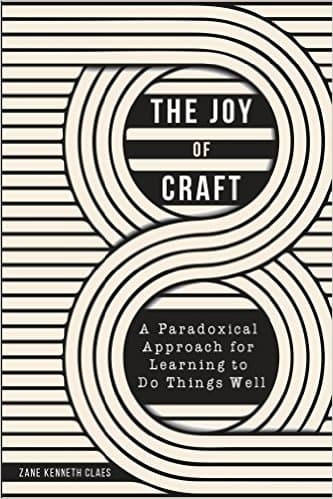
Zane Claes is a programmer and author. In this episode we discuss his book, The Joy of Craft: A Paradoxical Approach for Learning to Do Things Well.

click to purchase
“Money equals happiness. Success means satisfaction. Or so the world tells us. Creativity, achievement, and rewards will leave us empty if we don’t find joy in the pursuit of these things. And many of us don’t, despite our hopeful expectations.
Is joy some mystical state that real-world people can’t find in today’s workplace? Is it a personal attribute that some of us are just born with and others aren’t? Or is it something we can all pursue, if we know what we’re looking for and how to get there?”
From Zane’s Blog:
There is an essential skill which many of us have lost.
This loss is a symptom of how easy it is to publish. Or tweet. Blog. Snap. Broadcast. Record.
Our filters have dropped. We say what is on our minds and hope for a “like.” Really, our ancestors were no different. They wanted the same social approval. But the medium they had to work with was different.
Writing a letter requires an entirely different method of communication. The author must keep in mind the long round-trip-time of the letter. This delay shifted necessitated a different set of goals for the message. Limited space plus long delays meant that every word had to be well-chosen.
As one of my favorite (perhaps apocryphal) quotations has it:
I would have written a shorter letter, but I did not have enough time.
These constraints forced our ancestors to learn the skill of compilation. Today, to “compile” is a word used almost exclusively by computer programmers describing the jobs of computers. But it was once something we did by hand.
Two years ago, I decided to undertake writing a book. I knew I had a message to share, and that I wanted to make a strong case supported by research. But I, like many, had forgotten (or never learned) how to compile my ideas. It took me lots of experimentation and failure to find a process that worked. I learned to refine and cut.
Read More and Find Zane here: http://inzania.com/
Value our content? Want More Shows? Become a member by clicking here:

Read the conversation
Transcript
welcome to the human experience podcast the only podcast designed to fuse your left and right brain hemispheres and feed it the most entertaining and mentally engaging topics on the planet as we approach our scent please make sure your frontal temporal and occipital lobes are in their full upright position as you take your senior consciousness relax your senses and allow us to take you on a chip we are the intimate strangers thank you for listening the
human experience is in session my guest tonight is mr. Zane clays Zane welcome to hxp thank you very much I’m glad to be here so Zane um I mean your book is called the joy of craft can you just walk us through a little bit of your background how you got to writing this book sure I studied video game design and a little bit of neuroscience in college because I was very interested in attempting to essentially bring entertainment and education together and
really create products that and that made you know just an enjoyable experience for people but I found that the more and more I worked on these things the more I enjoyed the process rather than the outcome I wasn’t so concerned with how many people downloaded or played my games or used my software but I just really enjoyed actually building them and even one person was enough to make it worthwhile for me and I was really fascinated by
that concept like why was that process so interesting and so valuable for me and I started diving into the psychology and neuroscience of how that works and what the what the scientists to tell us about how we engage in dec the arts of creativity the craftsmanship behind building things and found that ultimately a focus on outcome is somewhat detrimental to the process itself and paradoxically can actually hurt the results
yeah that seems like a really wise standpoint to kind of approach your your career and what you’re doing so I mean video games are often viewed as kind of time wasters by mainstream media but you you developed a game called or you created a game called forever maze which is designed to help people battle depression how I mean can you tell us about forever amazed and how you feel it it counteracts depression sure it’s just
one of many different little experiments I do with video game design for social good I’ve mostly focused on games around learning but this was a little bit into a different realm as you said it’s about battling depression I somewhat got the idea from Jane McGonigle’s work who has written books like reality is broken and she’s talked about this sort of using video games for unexpected and unusual ways of improving the human experience
so there’s lots of different examples that we studied in my university at USC of for example the US government using games to help soldiers that are going to or coming back from the battlefield such as with PTSD and things of that nature right but there’s there’s many different ways that you can apply video games to elicit response responses and people that kind of go deeper than any sort of explicit training program so forever
maze while not I wasn’t trying to create any sort of clinical treatment for fit for depression but rather kind of create an allegory for what it feels like to be depressed having you know met friends and met people who have gone through that experience in the game you are in this endless world where each of the four tiles in the world are an emotion they are they form a maze and as you explore you have to keep these four
emotions in balance and you’re being chased by depression at the same time the antagonist and your objection or judge objective i should say is to reach one of your friends so your friends who play the game or actually scattered around the map and when you reach one of them you progress to the next level so the whole thing is just essentially a note the notion of building a bridge bridge to your friends through the emotions that you have and
keeping them in check and keeping an eye on them because we know that when you have a mind for your emotional state mindfulness as we would say right that you are able to essentially keep them keep them balanced you’re able to maintain healthy emotional state yeah it’s fascinating I mean there’s so there’s an aspect of forever maze where you kind of show the benefit of social community in this way by finding your friends how how did you use this came to
rely on community well I’m very fascinated by the notion of communities in games in general I started myself playing online games like MMORPGs the predecessors to World of Warcraft in my youth and I found them too they really changed the direction of my life in a very positive way I found there to be a community waiting for me in this online world that broke me out of my shell as a rather introverted young child and ultimately helped me developed into a
much more you know socially aware of socially adept person as an adult and forever maze is as I said a small experiment into this it’s not the the large rich world that you would see in an MMORPG but it’s trying to tap into that same idea of using games and using the online space to make you realize that there are other people out there and get you out of the room if only in a sort of projected way hmm intriguing one
of the elements that seems to cross over from your games to your book joy of craft is the need for people to enjoy what they are spending their time doing rather than being solely focused on achievement I guess enjoying the journey and the process and in your book you talk about hedonic treadmill yeah how I mean how does that affect the way you see modern society and I know can you define hedonic treadmill for us please sure yeah the
hedonic treadmill is you might think of it as keeping up with the Joneses it’s this psychological experience that a lot of us have of wanting something more than what we get whenever you get something you want the next thing and the next thing in the next thing there’s never an end to it you get that fast car and you want a faster car you get whatever you get never actually satisfies you and what’s fascinating to me too is that there’s a interesting
parallel here with video games where some of the worser games i would say have what players call a level treadmill a grind where you just do the same thing over and over and over and sure you level up you get further but ultimately those games are unsatisfying and that’s what the crossover taught me from video games to real life is that you might get completely wrapped up in this process at the moment it might feel good to get the
next level to get the next car to get the next paycheck but ultimately you’re just going to look for the next one and the next one and if you if you keep thinking that the next one is going to solve your problems if you believe that there’s some answer that exists beyond the horizon and if you don’t stop to actually enjoy where you’re at then you’re never actually going to be satisfied yeah I find that so important I mean even for myself like my my own
ego is always like you know what the next guest the next guest was the next thing for me so yeah I mean I appreciate that you cover that in your book you’re the first part of your book talks about motivation and why science kind of says we do what we do I mean what what have you found are the processes in the brain that are going on when someone is enjoying activity versus not there’s a lot of talk of implicit or internal versus external motivation this
notion that you know you’re either motivated by something that you find implicitly enjoyable or motivated by some extrinsic factor like money or rewards now it’s pretty easy to create a you know a line and say like Oh internal motivation is good and external motivations bad like that’s our initial reaction but once you start diving deeper into it you start realizing that it’s not quite that clear-cut so the study that I actually opened the book
with is one of my favorites about the process of drawing what the study does is to start by having children just draw and essentially see how long they do it and how much they enjoy it and then in the other groups of the study they actually start introducing rewards so might give chocolate to that child for drawing again this doesn’t seem to change much like chocolate great kids love chocolate they’re going to keep drawing they’re going to keep enjoying
it so now we’ve got the implicit reward or the intrinsic reward of enjoying the drawing and the extrinsic reward of the chocolate but here’s where it gets interesting if you tell the person how much extrinsic reward you’re going to give them beforehand then they actually end up drawing for shorter periods of time and producing worse work as judged by you know external judges so you know it’s the same people it’s the same
enjoyable process and yet once you start conflating those two once you start mixing the internal and external then you end up in this weird state where it seems to detract from the overall process and that that really stuck with me when I read that study that was kind of the the genesis of the book right there was you know if how can you enjoy something if the very act of being monetarily or extrinsically rewarded from it starts to detract from your
intrinsic enjoyment Thanks what I try to get at the heart of in the book yeah i mean it’s it’s amazing that you are kind of touching on this this is i mean this is the first book that you’ve written right it is yeah yeah it’s amazing that you I mean who would you say are your influences I mean how how did you how did you get to writing a book like this oh well I’ve always wanted to to write a book it’s been I’ve written many US diff
it was the first book I’ve written it’s the first book that I’ve finished qualified to show the world I think you know every every authors got a few of them at least a few sitting in a shelf somewhere that hopefully will never see the light of day 48 but that that said you know I I certainly appreciated the style of malcolm gladwell for example simply because he was able to bring science to the masses and I really appreciate that because I I love science
i love the fact that it can tell us so much about the world but frequently it’s daunting to people and all of these studies are you know not something people are going to dive into so I wanted to kind of mimic the that that style that he had and that some of the other writers in that genre had as well as folks like Daniel Kahneman Danna rarely at the behavioral economic economic spokes it all just kind of delve into the these stranger aspects of
psychology and show you how they might be used to improve the quality of life so the book has something like 200 citations in it from a wide variety of different sources but I try to keep it very readable very keep it afloat moving and not not linger on any particular you know science except this to say yeah there’s data to support this right and I mean you really do you really talk about money in this book and how happiness is
not the possession of money let’s let’s get into that let’s talk about that a little bit i mean what would you do if you had a million dollars right the office space question or that’s how i think of it if you’ve seen the movie office space or any any guidance counselor really yes that in in high school you know for me I realized that the answer to that question is that I would just keep building things I might you know I might
approach it slightly differently I might live somewhat somewhere slightly more exotic than I do but I would very much just keep building the things I’m interested in building namely video games and software that are meant to impact social good and keep writing as well hmm yeah I mean why do you why do you think it’s so important that we separate this sort of end result which is money which is what everyone seems to focus on versus what a person is doing
and how the quality of what they’re doing there’s one study that I find pretty interesting that some readers mirror or some listeners may have heard of it’s about lotteries and one of the key findings of this study just to summarize very briefly is that about a year after winning a library most people’s happiness returns to a baseline level about the same point that they were at before winning the lottery so what that seems to say to me is that
money is something of a multiplier it might you know it might make you go someplace faster it might give you the resources to get there but it’s nothing more than a resource it doesn’t change your internal emotional state so if you think of money as something that is actually going to impact or have any sort of the change on your internal state then you’re really ascribing values to it that it doesn’t have you have to you have to change that yourself
mm-hmm and money you know I’m not saying that money is an evil thing in fact there’s that you know the quotation about money being the root of all evil well that’s actually a partial quotation it’s the pursuit of money to the exclusion of all else is the root of all evil so it’s not the fact that money is something that is by itself intrinsically bad it’s simply the fact that it’s a tool it’s something that we can use to get somewhere and as long as
you respect it for that value that it does have but don’t give it powers or you know they inflate it with something that it can’t do Oregon it’s still useful I mean how important do you think time management is to all this it seems like discipline is a really huge thing for you so do you have any time management tricks that you could share with us yeah I certainly I would certainly agree with that statement that I’m very much a
disciplined or regimented person I think my friends would would say as much as well but I actually might the first thing I would say is don’t get too stressed about it I am that’s actually something that I struggle with is kind of fighting the opposite end of the spectrum like being so obsessed with doing things and accomplishing things that I have to remind myself to slow down and you know stop and smell the roses sometimes but you you know you ask
for tips and tricks so I think that simply having a routine is a really good start knowing the things that make you happy not the things that other people tell you make you happy but the things that you actually genuinely enjoy I think of things like you know going out to the bar getting drunk stuff like that and if you for some people those may be enjoyable but I think for a lot of us a drink with friends is pleasant seven
drinks and waking up hungover is really not a very pleasant experience so if you can if you can keep your eye on the big picture there and think about you know what is it that ultimately I want then it becomes much easier to you know to keep yourself focused on the things that really do make you happy and I think it you have to acknowledge first that a lot of the times what other people I’m not saying people explicitly tell you this
will make you happy but society kind of implies it to us that oh you’re supposed to be out drinking you’re supposed to be you know doing these things that it’s okay to say the that’s not what you want it’s okay to pursue something different in your life and you know I’d certainly tack on other things like meditation and exercise there’s so much science to back up all of these different practices and support the notion that they can actually just
improve your overall quality of life I mean the the adrenaline and endorphins from exercise can actually end up giving you more energy throughout the day kind of paradoxically despite the fact that it seems like you know exercise where you out or meditation is is I like to think of it like a weight training for your brain it’s a mental bicep curl to help improve your focus and improve perhaps other things too like empathy or
happiness so that all of these things can just contribute to an overall more enjoyable life yeah man and that kind of leads into my next question I was going to ask you know there’s a party in your book which is an intrinsic part I thought in your book which was how the reader can kind of adjust course and direct themselves two or more more joyful life you explain this by a way of a number of character archetypes and
various virtues and vices that a person might however the characters might have what are some of these dark types and what is the sort of core message that you’re trying to get across in this section of the book sure yeah the first half of the book is much more analytical and much more scientific but as you pointed out the second half is each chapter is an archetype of some some persona so what I was trying to do there
was understand the the different approaches that different people take towards life or the different directions that the world can lead us and kind of put myself in the shoes of that sort of person so one that jumps to mind is the rock star it’s one of the archetypes in the book and I once I thought about it like what I really have wanted to be a child star like a you know a child actor or a someone who had that sort of early
success very early on and the more I thought about it the more the answer was no because it creates this kind of distorted sense of the world when your very first attempt at anything was a wild success but how do you know that anything you do after that is good like everybody could be a second to you have no idea yes so like I I had to sit down ask myself honestly what I want that no so that that’s kind of what I do go through each of these
character types i mean i also look at stuff like the scientist that’s one or the engineer is one that i personally relate with a lot being a computer programmer myself and you know there’s there’s a certain virtue and a certain vice to each of these the engineer is very analytical but sometimes exceedingly so sometimes to the exclusion of some of the kind of more human and beautiful sides of the world you you talk about the pursuit of novel
experiences at the heart of living an enjoyable life and you talk a lot about sort of novelty and I mean it you do this on your blog why why do you think that this type of learning is so important why is it so significant to sort of learn in this way on it on your own scientific level sure yeah so neuroscience has to tell us about learning is that there’s when you practice the introduction of novel stimuli is extraordinarily important now
the reason for this is that let’s imagine that you’re different memories are like say different cities and you are a planner of highways now one approach to connect the different cities would be to build one highway from city to city B then another highway from city to city see and you know one connection between each like that and that would work people would be able to get between every city however you would be constrained by each of those roads and
you’d have to keep you keep building bigger and bigger roads but if you wanted to get from City see back the city a it actually kind of difficult much more like it imagine if the three of them are in a triangle will be much easier if you just had a road from city to city a so imagine now that each of those cities are neurons in your brain and each of those neurons represents a memory so the point being that the more connections
there are in different directions from the different ideas to each other the easier it is to get from any one place to another so that’s kind of a simplified way of thinking about it but the point is that in learning theory we talk a lot about transfer which is the ability to take what you’re learning from the context in which you learn it into another context well the more tightly bound what you’re learning is to the context namely by only studying in
one way over and over and over and over again mm-hmm the harder it is to transfer outside because those there’s not a rich assortment of different connections so you’re kind of tight to that scenario in which you learned it you can only apply the formula in a very if we’re talking about math wrote sort of plug-and-play approach as opposed to learning the underlying theory and understanding the basis of the formula in which case you can use it in in any
which way you can you can derive it on the fly you can apply two scenarios that you wouldn’t have considered before because you understand it on a much deeper and more well connected way path to mastery seems like straight long arduous lifetime kind of achievement award frode I mean um why when I found your book I it seemed like such a relief kind of reading it as opposed to you know some of the other books that I but
I’ve read but is there is there any specific one thing that you would kind of relay to the people listening or some of your readers something that you use that has benefited you thank you very much for that I appreciate you saying that it’s that the one takeaway for the book for me is that there’s wisdom in that statement that the you know the journey is more important than the destination but the way you approach that is going to be
different for every person and what that means is that each of our roads throughout life are going to vary wildly and you can’t use somebody else’s path as your is your signposts like you can’t compare yourself to another person and say that is what’s good and that is what’s bad the only person you can compare yourself to is yourself and is if you’re doing that not a self-critical not an a you know I need to push myself
harder faster stronger sort of way but just in a you know am I being honest am I being true to my own experience am i doing the things that make the world what I want it to be and as long as long as you’re being honest to that then who’s anybody else to say whether your life is good or bad yeah and it’s so important to kind of self actualize all this and you’ve you’ve online you have a skill cookbook can you can you tell us
about that and kind of how you how you curated the idea for that sure so skill cookbook started as just a blog about different learning theory so as I mentioned I studied video games and also a little bit of neuroscience in college and I started by wanting to create educational video games and when I started getting deeper and deeper into that research I found that I started exploring different products that were out there different learning software
different approaches that other companies had taken and I wasn’t ready to go start my own company that was going to you know create a learning game just yet but I was really interested in sharing what I found with other people good strategies for learning new things so it touches on everything from the science of learning to product reviews of different software games and apps that might help people learn anything from the guitar to the periodic table
really anything that you might want to memorize or internal hmm okay I mean just to touch back on the book here and how important do you think failure is to the process of learning and growing failure is one of those words that all of a sudden in Silicon Valley at least or you know in the in the different lexicon here it’s it’s getting a lot of press and people talk about you know the need to fail and failing fast and the lean startup and
all different ideas like that these are all certainly very important but I think something kind of gets lost in the message which is that in failure it’s not about failing for the sake of failure it’s about finding the boundaries it’s about conducting experiments and learning you know where where the point of breakage is or what you can or cannot do and to that end you know if anything that you want to get better at needs to be defined by what
you cannot yet do so if you if you push yourself to that point and you fail then you learn what you need to improve in but if you just you know if you just fail and say oh look I’m happy because I failed that’s that’s not a productive experience it has to be in surface of understanding where you’re trying to go wow it’s I mean it’s really important and I really do recommend this book the joy of crap Zane I really appreciate
your time and where can people find your work thank you very much the joy of craft is at the joy of crafts com and of course the blog is skilled cookbook and all my stuff is over in xenia com ing a and I a calm awesome I really appreciate your time and thank you so much for being here thank you
Ideas worth returning to
Quotes
Five substantial excerpts from the published transcript, lightly edited for clarity without changing their meaning.
“An online world changed the direction of my life by giving me a community that was waiting when the physical world felt isolating. As an introverted child, that space drew me out of my shell and helped me become more socially aware and capable. Virtual communities can develop human skills rather than merely replace face-to-face life.”
From the conversation“The hedonic treadmill resembles keeping up with the Joneses: we want something, obtain it, adapt to it, and immediately want the next thing. Satisfaction recedes because the standard moves with every achievement. Recognizing the pattern helps separate genuine needs from desires produced by comparison and habituation.”
From the conversation“I admire writers such as Malcolm Gladwell for bringing science to a broad audience. Research can reveal extraordinary things about the world, but journals and technical studies are daunting to many people. Accessible writing should not flatten the science; it should build a bridge that makes readers willing and able to enter it.”
From the conversation“The scientist or programmer archetype values analysis, a quality I recognize in myself. That precision is a virtue, but it can become excessive when it excludes the human, emotional, and beautiful parts of the world. A good life needs both the ability to examine systems and the willingness to encounter experiences that cannot be reduced to a system.”
From the conversation“The right path varies from person to person, so another life cannot supply a complete set of signposts for yours. Comparison easily turns someone else’s achievement into a false definition of what is good. The only useful comparison is with your own earlier self, and even that should guide growth rather than feed self-criticism.”
From the conversation
About the guest
Zane Claes
Called by some a “productivity machine,” Zane refuses to accept his destiny a code-writing robot. He balances these tendencies with an appreciation for the artistic and creative by traveling and connecting with others.
Episode 112 – Sevan Bomar on Timing & Flow, Mind+Body+Soul, Blockchain Technology, and MORE
May 4, 2018 · 1:13:38


Episode 196: Waqas Ahmed — Polymathy, AI & the Future of Human Creativity
September 28, 2026 · 1:04:41
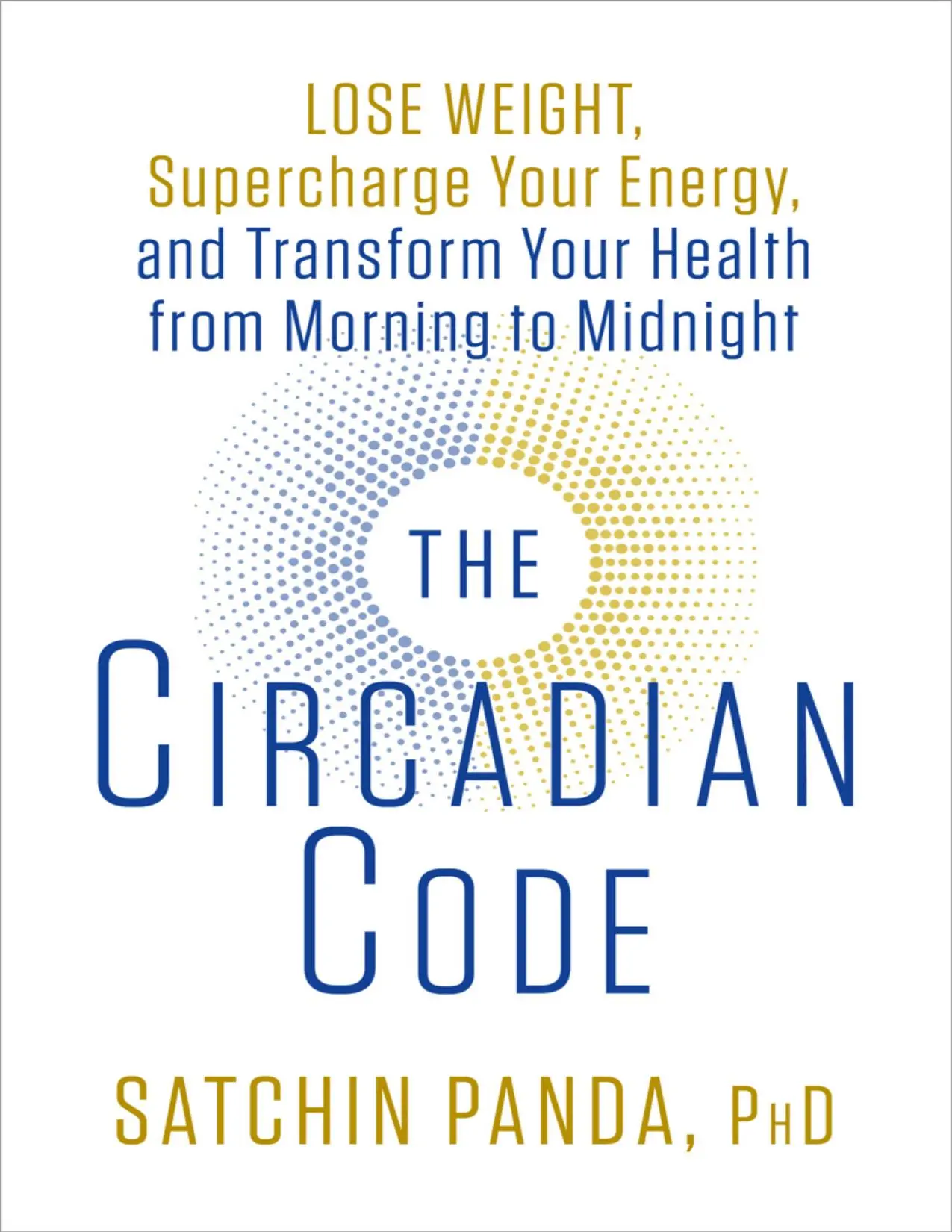
Episode 195: Dr. Satchin Panda — Circadian Rhythm, Sleep & Meal Timing
September 21, 2026 · 1:09:04
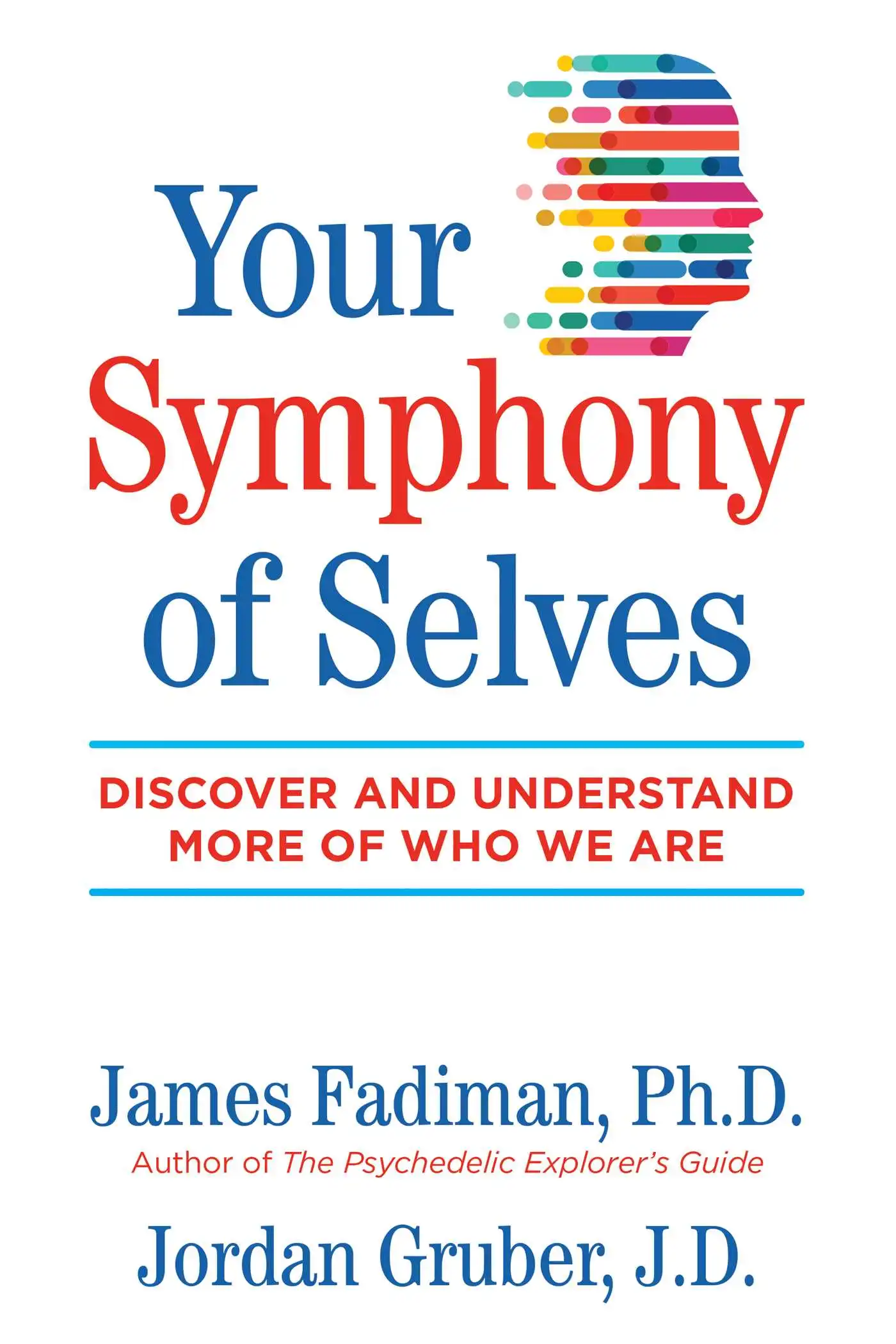
Episode 194 Dr. James Fadiman – You Are Not One Self: Microdosing, Multiplicity and the Mind
September 4, 2026 · 1:14:38
Episode #189 – Dr. Bernard Beitman – The Science of Synchronicity and Meaningful Coincidence
January 6, 2023 · 1:14:27
Independent conversations
Help make the next one possible.
Membership sustains ambitious, unhurried interviews and keeps the complete archive open to curious listeners everywhere.
Become a member