

The Human Experience · Episode
Episode #189 – Dr. Bernard Beitman – The Science of Synchronicity and Meaningful Coincidence
A conversation with Dr. Bernard Beitman
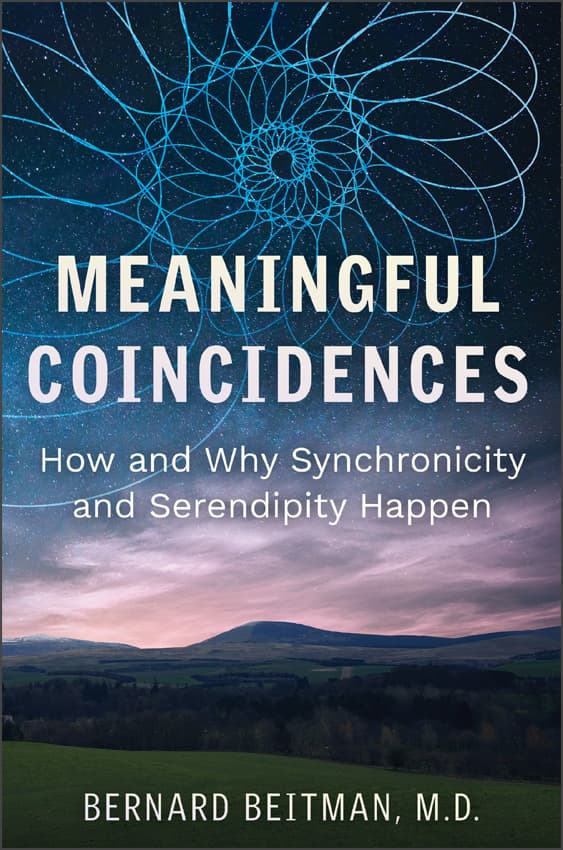
Bernard Beitman, M.D., is the first psychiatrist since Carl Jung to systematize the study of coincidences. He is a former chair of Psychiatry at the University of Missouri-Columbia , where he became a world leader in the study of chest pain and panic disorder.
Stay with the full conversation.
Episode field notes
Show notes
Bernard Beitman, M.D., is the first psychiatrist since Carl Jung to systematize the study of coincidences. He is a former chair of Psychiatry at the University of Missouri-Columbia , where he became a world leader in the study of chest pain and panic disorder. He writes a blog for Psychology Today on coincidence and is the coauthor of the award-winning book Learning Psychotherapy. He has written several books; his latest book, Meaningful Coincidences: How and Why Synchronicity and Serendipity Happen, serves as a personal guide to using synchronicities and serendipities to inspire psychological, interpersonal, and spiritual growth. Dr. Bernard Beitman is Founding Director of The Coincidence Project, which encourages people to share their stories of meaningful coincidences, serendipity and synchronicity.


You can find Dr. Bernard Beitman on YouTube, Twitter, and Facebook. Visit Visit coincider.com for more information on his research, books, and The Coincidence Project.
Read the complete recording
Transcript
Existing transcript, with its original wording and timestamps. Automated transcripts may contain errors.
thank you foreign thank you thank you ladies and gentlemen welcome to the show we have a phenomenal broadcast set up for you tonight my name is Xavier katana you're listening to The Human Experience podcast tonight I'm gonna be exploring the idea of meaningful coincidence synchronicities have you ever had one of those moments where you just feel like there's something deeper going on there's something else going on when everything falls into place in this perfect sort of way so we're just gonna explore that with my guests The Human Experience is giving your life a deeper sense of meaning as we welcome my guest Dr Bernard Bateman onto the show Bernard is Dr Dr Bateman is the first psychiatrist since Carl Jung to systemize the study of Consciousness he's a graduate of Yale medical school he did his psychiatric residency at Stanford University he is the co-author of an award-winning book the founder of The Coincidence project Bernard it's a pleasure welcome back to hxp Professor X yeah yeah I've missed you man it's it's been a few years since we've talked um you know why don't why don't we just kick this off I think I think most of the people that are going to be listening to this episode they have an understanding or an idea of what synchronicity is but but as a synchronicity scientist what do you I mean what do you say what is synchronicity okay um paraphrasing uh Thoreau who said build your Castles in the Air but then ground them bring them connected to Earth and I'm the connector between those Castles in the Air and Earth and that's what science attempts to do come up with the good ideas I mean our audience knows that synchronicities happen um and they have all kinds of ideas about how it happens and they hear different reasons and explanations and uses and I've tried to bring a systematic View and what's a systematic view well a good science begins with description and a good description usually involves categories so I have developed in the book meaningful coincidences a bunch of different categories for Meaningful coincidences so that's the beginning of a science yeah so so what's the first category then well the first category is Meaningful coincidence and underneath meaningful coincidences there are four categories okay um one is synchronicity one is Serendipity another is the lesser-known seriality and the fourth is an interesting one that happens a lot more than people recognize that I have named simopathity which is the experience of the pain or distress of a loved one who is at a distance from where you are experiencing that distress it's an important it's an important idea uh that people can feel the pain of a loved one who isn't in the same room it's more than empathy or not the same as empathy it's empathy at a distance if you will and so it's fun to try to figure out because I'm ever curious about how that works and maybe we'll get to uh my model for how uh simopathity works but that's a fourth category the ones people are most interested in are synchronicity and Serendipity and what is synchronicity and Serendipity but let's stop start off with what is a coincidence because part of this again is being as clear as we can about definitions a coincidence is the coming together of two events in a surprising and unexpected way that somehow seemed to have an explanation and may somehow be meaningful to the person experience seeing it I will say somehow and maybe because a coincidence is still a coincidence when we don't know how to explain it once we know how to explain it it's no longer a coincidence it's a connection between two events and that's just cause and effect of some of another so so that's a coincidence meaningful coincidence uh is a is one that has various emotional elements in it a meaningful coincidence adds that the the two events it's usually two events uh but it can be um many many events at the same time or over a period of time the the Primary Emotion of a meaningful coincidence is surprise they're like what like what was that uh what are the odds of that is something people commonly say now for those of you who experience a lot of them you're probably no longer surprised you kind of expect them and that's a nice thing to be able to talk about is the people who have meaningful coincidences as an everyday part of their life but what I'm talking about is the beginning part of this for beginners and for the beginning of a science is just make it simple which is the the the primary response to two events coming together is surprise and for me the one of the events that made me very surprised and very unexpected uh took place in San Francisco in 1972 I was um 1973. it was February 26th it was 11 p.m on February 26 1973 and I was standing in front of a sink in a Victorian house in the Fillmore District and choking hmm uncontrollably I couldn't stop I couldn't stop I couldn't stop choking well I stopped finally it was a long time I never choked choke like that before or since so it was pretty outstanding the next day my brother called me and said that our father who was in the hospital and seemed to be recovering well our father had died and he died by bleeding into his throat I was experiencing something like what my father was experiencing as he Lay Dying that was a surprise because uh I'm a psychiatrist I went to medical school we weren't told about anything like this before so I said hmm I kind of like uh look into this so that was the surprise amazing what's the probability of this a second part of meaning is that the two events have overlapping meaning they have meaning in common and clearly in this situation my choking my father's choking were very similar not the same but very similar so the two events are analogs of each other the similarity is variable across coincidences and people stretch the similarity sometimes and that's part of the fun of trying to help people figure them out but this is pretty close both people choking so then comes the question another question of meaning what is the significance to the person experiencing The Coincidence my father I couldn't ask obviously but indirectly he was talking to me so the meaning to me was that my father died on February 27th 1973. February 27th which was the next day I was in I was February 26 in San Francisco he was 3000 miles away in Wilmington Delaware that was February 27th that's my birthday my father died on my birthday wow so yeah so I said that's you know that wow was what I did I was like what so the meaning of that coincidence coupled with the choking was my father saying remember Carl biteman remember me by telling you and our audience this story I am remembering him and honoring his memory so I I that was the personal meaning to me the explanation meaning was something that I pursued uh over the many years the first thing I had to do was saying say is well if it happened to me did it happen to other people too and one of the lessons of coincidence studies is if it happened to you even how however weird you think it is it's happening to someone else it happened to someone else it will happen to someone else we are all part of a great mind I call it the psychosphere our mental atmosphere I'm not going out in the universe I'm just staying with our mental atmosphere here on Earth and we are sharing ideas with each other so if I had this happen to me it probably happened to other people but I didn't know that so I went ahead and did some research I have created a a survey that was valid and reliable doing all the right things to make it a reliable valid good survey that's called the weird coincidence survey and if any of our audience wants to take this survey to measure their coincidence sensitivity they can go to my website coinsider.com and it's called coinsider c-o-i-n-c-i-d-e-r because a co-insider is someone who experiences coincidences so you go to coinsider.com take the weird coincidence survey so I asked in that survey do you how often do you experience the pain or distress of a loved one at a distance and the answer was sometimes well I hope it doesn't happen all the time or regularly it happens with twins sometimes pretty regularly but most people not that regularly so that confirmed what I thought might be true is that other people experience things like this choking that I experienced about my father and more more research that I found also corroborates uh that finding so Bernard was it was it the the context of the experience that connected it together or was there some sort of genetic because you are your your father's child that you would have this connection with your dad and feel what he was feeling well I I glad you asked that Xavier because um connection is the key part of this genes play a role in that uh research by Ian Stevenson here in Charlottesville Virginia uh where I am uh showed that in his book telepathic Impressions that these kinds of experiences take place between people who are emotionally connected it's often a parent and a child but it can be people who are very good friends I was on a podcast yesterday and the podcaster told me a story of her own in which she got woken up in the middle of the night in great distress and found out soon after from her one of her best friends that this best friend's father had been killed in a severe automobile accident so this was the first time I've heard a kind of not feeling the pain of someone who's in relationship to you but someone who is in a relationship with someone who's in a relationship uh and it's the same idea she experienced the pain of her friends loved one she almost experienced it for her friend and these kinds of experiences demand I think an explanation and connection is a critical part of explaining okay so I mean how how do you how do you think um cause and effect um relate to synchronicity well you may know that uh the word synchronicity was coined by Carl Jung and he didn't use the term for Meaningful coincidences at all the word synchronicity for young meant an a causal connecting principle meaning that he was getting kind of into quantum physics and entanglement right and try and trying to say um we're entangled and that's why it happened that's where I was going that's right well that's a really popular explanation these days okay a lot of people like Quantum what I call Quantum mysticism because we don't really know how you can make an analog between small things like uh like photons and electrons that they're doing it with bigger molecules now showing that they can be entangled it's a lot it's a lot of work to make that happen but it happens and they can make they can separate them far away and change the spin in one and immediately the spin changes in the other one and that's really attempting metaphor for what I just described with the simopathity experiences however there's a big leap between the quantum world and our Newtonian three-dimensional world and I try to make explanations that fit our three-dimensional world because there's a lot of stuff we don't know about what's right in front of us what's going on around us so I have explanations that have to do with our our higher self and the psychosphere that we communicate with people we're connected to through our higher selves which are kind of like balloons in the psychosphere which is our mental atmosphere floating around above us and because we have a new a good connection with somebody down here there's a good connection between the higher cells in the psychosphere so if something happens to one person it goes up to the higher self which connects connects it the information over the other one and then the information goes down to the receiver that's my simple explanation of it there's a couple assumptions there do you have a higher self and is it is it located in three-dimensional space and is there such a thing as a psychosphere those are the basic assumptions if you can make those assumptions it becomes the beginning of an explanatory model so what I'm what I'm gathering is you don't you're not connected to Jung's definition you have your you've created your own definition for how these events occur yeah you the Young's synchronicity principle like so many other interesting principles including entanglement are placeholders for further investigation they're not really the final explanation you needed another word because he knew that regular causation is not the best explanation for a lot of this stuff there's more to it and he was right but whether it's his friend um the quantum the the the quantum physicist that helped him think about quantum mechanics um whether it's that or not I don't think so because I'd rather make an explanation that is more in tuned with the reality that we're living here and when I can't do that then I'll go to something else I mean there's there are certain moments where someone will say oh I had a synchronicity and I'm like dude what are you what are you talking about like you know it just it just it was two things that that seemed like they're related but they have nothing to do with each other and it's something that's in their own minds that they're feeling but there are some times where it's kind of like a shock you know and you're like oh my God you know how what is going like it makes you kind of question are we in a simulation or what what's going on here that this can happen that because the two the two events as they connect together are so seemingly astronomical astronomically impossible that when they connect you you're you're in this you know what you said surprise or for me shock foreign well I like to hear examples because uh what you might think is uh very weird chances are good I've heard that story before because I hear a lot of stories well a really basic really basic example would be you randomly think about a friend that you haven't talked to in a long time your phone rings and it's them calling you that is one of the four most common meaningful coincidences according to our survey it's common I I I I had a another person tell me about um making a phone call to a chiropractor named Robin uh and instead of getting the chiropractor uh she got another Robin she said is this Robin and it wasn't the chiropractor she could tell it was her friend Robin who was in a deep meditation and was thinking about having the person telling me the story contact her so when you're in a deep meditation you can send a telepathic message in the manner that I was trying to describe this kind of rectangle thing and because the the person who made the call wanted to call a robin and Robin was kind of asking her to call her this Robin and not the chiropractor she unconsciously subconsciously called the robin who wanted to be called and that's we do that all we do that we make mistakes that really aren't mistakes okay so then how are synchronicity and the idea of manifestation related like manifesting your own reality how are those two things related well I let's just let's just go back a little bit to you're saying that the the the re that that you were giving an example of a very low probability coincidence yeah and and there's pretty pretty good data from Rupert sheldrick uh yeah regarding telephone telepathy that suggests that happens especially between people who know each other well uh it's it's a real thing so what we're talking about is telepathy and I'm trying to be able to give an explanation for telepathy and that's what I just try to be able to suggest you so the example you gave me you thought was a very low weird probability it's not Xavier it's one of the most common coincidences that people report what do you make out of that so so there could be some type of morphogenic field that connects all of us together and you know science just hasn't gotten up to the point of defining it just yet and that's what we're experiencing yeah uh Rupert's kind of narrow in his morphogenic field definition but it's the same general idea so then back to my last question which was manifestation because there is this idea of of creating your Reality by by putting energy into certain thoughts so how does that can how does that relate to synchronicity this the simplest definition of a meaningful coincidence is a an odd surprising uh hard to explain connection between a mental event and an external event something in the environment so if you are thinking of something like wanting it to manifest then and it happens that's a meaningful coincidence until if we find an explanation for it so that's a basic most common kind of coincidence mind environment coincidence when you're doing it on purpose it gets a little interesting um because it's not just you manifesting um you have to be able to manifest something that's reasonably possible to happen for example if you're an Eskimo somewhere north of Fairbanks Alaska and it's winter and you still happen to be living in an igloo if it still happens out there and you want to manifest something you won't be able to manifest a camel with a a guy riding the camel who wants to sell you some rugs it's not going to happen right that's that's too hard so the probability of things being able to happen is a key part of manifestation you've gotta it's got to be reasonable and something that's possible in the environment that you're in so probability plays a key role in meaningful coincidences and and in manifestation as well so if you want to manifest something for example um a woman had a dream that her son got into uh Duke she wanted her son to get into Duke well she was that's what she wanted and then she had a dream that he got into Duke did she manifest his getting into Duke well he had to apply first he had to have enough uh credentials to be able to be considered all of which she knew she thought of it as precognition as well as manifestation but there's also an ability of our minds to process information and estimate the probabilities of something happening so she could also estimate the probability and there might have been an element of just precognition in there too so manifestation that it was very possible and that uh that he he was there to be able to do it are all the variables that have to be considered in some manifestations you've manifested things before haven't you Xavier yeah for sure I mean they're definitely there are definitely been moments where I've felt like what I was thinking came true and I you know it's it I kind of think of it as Consciousness is a type of lens right and you can you can focus that lens as much as you want the more energy that you put into that Focus the more real it can become the more real meaning more something that you experience through the movement of time the more energy you put into it the more real it becomes yeah I agree with that uh it depends on what you're picking let me let me tell you what I'm I don't know if I'm manifesting or I'm like discovering this I can't tell but uh this life that we're living here has three-dimensional creatures on this Earth could be a lot more fun is my opinion um I think we don't have to be so nasty to each other and we could uh see Earth as a playground for us a work playground a place where we can work do work learn stuff and playing while we're doing work and play that's my thing so I'm developing this this kind of image that while you and I are talking there's another reality um that's going on in the psychosphere I'm going to say for lack of a better idea and it's a movie and the movie that I'm imagining started starting with imagine and so important the quote Einstein here and and to quote other people and quote me too imagination is one of the most powerful things human beings have and what we have on this planet is a battle for people's imagination all this all this the stimuli coming at people is to take them away from their own potential to imagine out into buying something or being caught up in someone else's world and not being able to learn to imagine yourself so it's a it's something you have to practice being able to do to learn how to man to learn how to imagine well I've I've practiced this for a long time without knowing what I was that other people were doing it and I love doing it um on the on the athletic field I liked imagining um running the opening kickoff for a touchdown uh I did that twice I even have a film of my doing 97-yard kickoff return uh on my website coinsider.com where you can see me running 97 and being very scared all these big guys were trying to beat me up but I managed to elude them and went 97 and it was a wonderful thing and I'm glad I I've got I know I'm here to tell you that it happened and there's the film and my number 23s on the back and you could anyway there's it's enough proof that uh that this like respect the speckled the spectacles I'm not having my glasses on uh nerd psychiatrist in high school I was like uh you know fifth of my class and a good student and I go out in the baseball and football field and do weird stuff like when the batting title in 11th grade uh and and make a conference to be scouted by the Oakland Raiders from football and stuff like that so it was like I could I had my imagination going because I could see other people doing it so I thought maybe I could imagine myself also hitting the first pitch for a home run which I did in a playoff game and it it it's it's surprising to be able to do it but what I learned from that is you can't be like with the secret you can't just lie on your bed and look at the ceiling yeah where there's a thousand dollar bill and it's gonna happen I agree I agree there has to be some movement motion effort on your part you can't just sit around um you know you're it's not gonna just appear in front of you by itself there has to be some almost reciprocal energy that you're putting into what you want to manifest right yeah yeah yeah yeah yeah yeah so so then Bernard can can synchronicity and as it occurs do you think we could use it as a tool to learn I mean a lot of the times when I have a synchronicity I can't think of a synchronicity right now so don't ask but a lot of the times I'll be careful you know I would ask it I I wonder I wonder if there is some deeper meaning that I'm supposed to be absorbing or some sort of lesson I'm supposed to be learning or maybe it's a warning you know like depending on the circumstance of the of the synchronicity itself Amen brother it's all those things I give you a simple example that that there are symbols running around I I like to go for walks in the woods um near here um I've got a couple of trees three trees that I like to communicate with and it was getting dark and I came back to the parking lot um late I mean it was it was dusk a little past past what might be called Dusk and there was my car and then there was a car circling my car and I knew it was a cop um trying to see what I was doing so I nothing happened I just got in my car and got going after listening to some good music and then going so he he followed me out and that that was that was that but I took that as um a warning I was late the police were there it was like it was a lightweight warning but I need to be careful about being late about boundary Crossing about maybe night and day and dusk it was mostly it's about boundaries and being careful is what I took away from them so that that's one that is simple I mean I've been late coming out of the woods and there's never been a cop there before uh it's it's it happened then so that's in your warning Direction but then there are others that uh I like to think that you and I have waited this long to get together again that you are potentially helping me help you and our audience with the higher purpose of meaningful coincidences I like to think that yeah and the higher good and the higher purpose is to help each of us find our own personal purpose in being here on Earth and find others who perp whose Purpose overlaps with yours I have done that in forming The Coincidence project we have 10 board members including me and each of them comes to the board with different sets of talents like one person is great with marketing another person is great with storytelling and it's it's a lot like um one of my favorite Marvel Comics The Avengers yeah oh no no not the Avengers I think they're boring I think they're boring some people like the avenge I know I know I know you do you like the adventures but of course Professor X who am I talking about exactly okay the X-Men I'm talking about the X-Men Professor X I like the X-Men I mean it's a school thing I think I like school so they have a school for weird smart kids and I like weird smart kids it's just like who have special talents so Bernard let me let me get this back on track a little bit please so okay so you're going to a point you're getting a new Point okay I wanting to be able to tell you that this group that is I'm part of okay are people that share a purpose with me which is to make meaningful coincidences more out there for people to pay attention to and to tell each other coincidence stories so I'm trying to say we got together or to sh with shared purposes with different capacities and the re the reason for that is to help other people do the same thing find their purpose and people who are doing something similar but have different talents and why and I'll end it with this we are in a difficult circumstance here on Earth we human beings are destroying our Nest we are committing suicide very slowly and it's accelerating and we need to recognize that we are each part of a collective human organism and we need to find our personal purpose and then find the purpose of our clan or group our tribe and then have our tribe gathered together with other tribes and find connections so that we can act together to stop our own suicide foreign that's that's some deep stuff and I agree I think it's really important to have a tribe and that is connected um in whichever way you feel that that benefits the Earth and and is doing something proactively to change their circumstances that we're in and or on because you know I've had other researchers scientists on the show and and when I asked them how much time do we have uh that there and they say well we had time 20 years ago you know 20 years ago it was too late so so just moving on I've got a little bit of a sort of a sideways question okay I don't know let me respond to what you just said very quickly Xavier so just a little quickly that you talk about manifestation I talk about manifestation so we would have the collective human organism manifest in the ways we were just talking about a better Earth for all yeah I mean that's the whole point isn't it that's I mean that's why I do this show so that people can learn about this stuff and apply it to their lives so their lives are better and and therefore you know it's affecting the Earth in a positive way right and we need to do it collectively there's a little bit of a problem and I'm gonna I'll get off this back to your side question but we don't get along with each other very well with we fight too much we hate too much we need more people call it love but more connections and coincidences help us see the the help us see the hidden currents that connect and unify us yeah I like that I mean that that these types of events could be indicating or pointing or leading us to the understanding that there's more than just uh this physical thing you know in front of us yes sir so okay I sideways question that I've been waiting to ask you this um have you in your research or in your science have you recorded other cultures other past cultures like the Egyptians or The Vedas have they talked do they have any understanding of of synchronicity is there a is there anything that relates to that in in those ancient cultures uh the the ancient culture that is kind of still around are the aboriginals in uh Australia and and if you you I've read about uh the walkabouts where they don't have much and they're walking about and they find stuff that they need uh and it seems like they're thirsty and they find something under a rock where they could drink and they know what's going to happen uh that's an example of expecting uh meaningful coincidences and being able to have them happen manifestation uh feeling the environment but yes I think they're an example of what uh of what probably other cultures in the past have been able to do I don't I can't tell you specifically but uh I'll just give you a very simple example we haven't talked about um Serendipity particularly I was going there next you're like a Segway artist you just do it for me hey right here Professor X man I'm one of your students what am I talking about I was I was gonna get to Serendipity but go ahead go ahead and finish your point well the point is that meaningful coincidences have served as clues for how reality Works uh for much of human history now I don't have the data for that I just have like let's tell a story and maybe it makes sense to you but let's say you and I are are out there hunting in some forest or jungle or something uh and we would like to get a little meat for the for the people back uh at the fire at the fire in the at the huts and where their lists living outside some place yeah okay at the camp so let's yeah so what we're doing and you two you and me are the good Hunters so we're out there and we see this mark on a tree and it's a strange mark and then we tried along a little further and then we see a particular animal that maybe we've seen before but haven't really known very well and so we begin to make a connection between the mark on the tree and the animal and the more we go out there the more we see there's a mark and then nearby there's the same animal so what seemed to be things that were not unrelated to each other because we're human beings trying to figure out what's going on around here we make connections we look for patterns we love patterns so the tree Mark and the animal became connected so there was a causal relationship that we didn't know before between the tree Mark and the animal that we found right so so then that leads me to think are there are synchronous synchronicities happening all the time and are we just reaching a frequency at which we can recognize these events occurring could it be that oh yeah yeah and by we I think currently there are many people who never see a coincidence at all or a synchronicity they may be happening but they don't see them and in order to be able to see a meaningful coincidence like Serendipity as well as synchronicity you have to be tuned into the possibility that they exist let's play with words I think you like words love words love all right words let's look at the word recognition is recognize right it's it's a thought but you have to think it again so when you recognize something you've already seen it before and now like with that Mark on the tree you recognize the mark where before you just cognized the mark so in order to see a coincidence you have to first have seen a coincidence or at least heard about them and hopefully some people who haven't paid much attention will hear our conversation and say well maybe I look around for some of those maybe there will be connections between my mind events and my environmental events and maybe I'll see if some of those are happening like some of the fun ones for me are like coming up with a word I forget it happens all the time but there's a word that I start paying attention to and then uh that same word shows up in a book I'm reading and it's a kind of weird weird word yeah those are those are like those are like our laughers I enjoy them but they are just kind of fun and maybe I try to think about them but if you don't pay attention you don't remember what you thought and you don't notice what you thought is also what you just read you're not going to see a coincidence hmm I mean yeah I wonder about that I wonder if if a person that's not in tune as you say could correlate two events and then become someone that was in tune yeah yeah yeah oh yeah and one of the ways that happens is it gets smashed in the face with a coincidence uh something like my father and the joking he's like what he's like what was that I mean it was really weird for my level of understanding of such things at the time and that made me pay yet more attention to coincidences and that happens to people sometimes but other people where they get a boy that was really low probability it could be even the telephone thing you just talked about if it strikes the person as really weird you might start looking for him again yeah I mean I definitely think there could be some sort of event that occurs and when it does it it could spark something spark something in you that leads you to understanding it better later maybe in that moment in that moment you only understand a part of it but then but then later on as things progress time moves then you get it absolutely I could didn't understand that choking thing for quite a long time yeah you need time to absorb some of this and it's very helpful to tell other people who are interested in coincidences your own coincidence and so we have this this thing called The Coincidence Cafe which meets uh every the third Saturday of every month on Zoom between 11 and 12 30 where we tell each other coincidence stories I love that and if anybody wants to if they're good maybe you'll join us if anybody wants to be invited to the cafe uh you can email me from my website uh and I and say I would like to be uh on uh I'd like to be in get the invitation the link to the coincidence Cafe and I'll send it to you yeah man I'm down let's let's talk about coincidences but beginning I mean look man like I I wonder about you know I don't I don't question if this is real or not like to me when when one of these events occur it occurs but I I sometimes think about perhaps maybe it could be a type of language maybe God you know just for lack of a better word or another word could God be speaking to us through synchronicities that are so tremendous that it stops everything that we're doing and we're like we ha you have to think about it you don't have a choice not to think about it uh well if you want to do uh one of those uh look up in the sky uh the Sun and the Moon there are 93 million miles apart from but from where we stand they look to be the same size what how did that happen if I think about that all the time actually well good that's a that's a wonder and there are many wonders like that and my favorite really is chlorophyll without chlorophyll we'd had no plants and we wouldn't be eating anything and chlorophyll is far out groovy man but there are all kinds of constants that without which uh this planet would not be habitable for human beings a lot of people like to think about that but it looks like it's a setup so so basically so are we in a computer simulation and is is that simulation speaking to us in some way through these the these synchronicities that are seemingly implausible but but then become very real I I am most interested in what the symbols mean and finding a language or defining the language sometimes the cigar is just just a cigar thank you Sigmund Freud thank you Sigmund I you got some ashes on your cigar you better put the ashtray sometimes they are some coincidences are just coincidences absolutely so being able to figure out which ones to pay attention to is part of the problem I mean you have a near-death experience and you feel ought at one with everything and don't worry about being dead I mean that's pretty far out and groovy and that's pretty straightforward really coincidences are Messier hey some of them are just like elusive things that don't really mean much they're tricky the the The Joker Is around running running around making like I I like I like the Road Runner uh messing up Wiley Coyote I mean uh the road runners is like um like the coyotes usually are trying to be like uh jesters and making us Wonder uh tricksters and so there's some coincidences that are really trick us and you and there's sometimes messages in those so it's it's a whole panoply of potential but getting to what your heart is trying to speak to with your mind savior I think a subset of meaningful coincidences is a potential language a symbolic language for us to try to decode to see what we're being instructed about or told about or hinted about so so once we get that kind of thing going yes I think there what we need to do is study them and figure out which ones are the ones we should pay attention to you think that there could be um how can I describe a sort of social synchronicity where a group of people could all experience a synchronicity all at once yeah because synchronicities to me seem very individual you know it's it's it's the meaning that relates to you it's it's something that you are connected to so deeply so how could how could it happen on a scale that's larger than just one person um one example is um the sinking of the Titanic um there are reports of of a bunch of people having premonitions of not going on the Titanic there a group is sharing a meaningful coincidence because Titanic went down that's a simple example but your question is a really good one and I'm having to think because I I know there's a better answer than the Titanic than what you're talking about um are we gonna like is it a meaningful coincidence that January 6th is tomorrow and the House of Representative is having trouble um being able to find a speaker all right because some of the guys who were involved with January and January 6th two years ago are also against the speaker being elected now is that a coincidence that we're running through that now okay I don't think so I I'm I'm talking about something more it would be it would have to be more ephemeral it would have to be I don't I don't know I mean you're that keeps going I want to hear your ears it would have to be it would have to be something that that relates to people perhaps they're seeing the same thing right they're seeing objectively they're sharing some an experience or or a connection but then it translates on an individual level translate how it translates into their Consciousness on a on an individual level like they're together they're all together in a group but but when the synchronicity occurs it it permeates the whole the entire group uh maybe you can remember with me and for me but uh there was uh I'm not going to say this very well but several kids saw something happen on a mountain in Spain that had to do with the Virgin Mary I think um and it was a collective experience of um yeah it's a famous one I just can't come up with it um but there was a collective experience of a strange thing so and there's the statues statues that bleed down the front of their faces that some people are able to see is that so sort of what you're talking about no no I mean it is sort of sort of what I'm talking about sort of keep going because I'm very interested in this question because I I don't like I haven't flushed it out enough to talk about it on a level where I I think you know I I don't know how to describe it but I I understand the theory of it but I but I don't know how to relate it to you in any other way than you know there's a group of people together they all understand that synchronicities exist and maybe there's five or six people together they're having coffee and someone's on a bike and they ride by and as the person rides by the the the synchronicity kind of permeates on an individual level but each of them find some significant meaning in this person riding by on a bicycle whether they own the same helmet or you know they own the same bike or you know whatever well I I think I have uh something in that direction okay my wife and two children uh my two boys and I were in San Francisco at a uh coffee place uh and my younger son was talking about um a a duck a duck boat in Chicago a boat that could go both on land uh and on sea and how the the person who was steering the duck boat uh the captain had made some kind of mistake and he was laughing about that and then as he was telling the story we look outside uh and then a duck boat goes driving down the street going quack quack so as he was talking the three of us got to see what he was thinking what he was describing happened so each of us had a different reaction to Carlin uh having that experience but is that's more in the direction I think you're talking about it's okay I mean it we don't have to flush we don't have to figure out what I'm talking about I think we should keep going um I I think it's a wonderful question so yeah I agree with you but I think it's very it's very complex and you know I I think the answer may be not something completely direct but I mean you meet with these you know coincidence coincidences every week perhaps you could share a synchronicity together one day I mean do you think um coincidences do happen between people in our Cafe and sometimes there's a couple of them experiencing some of the same ideas but I still think you're going further than that I mean I understand that it's a type of energy right like there there is this sort of etheric Realm you know as above so below and and the more that we can connect to it the more that we can harness the energy of it the more that we can be in involved in our in the manifestation of our own lives involved in seeing these synchronicities I I think that everything I think synchronicities are everywhere and there's this neurochemical process in your brain and when it occurs you see that thing and in your mind you connect all of those dots and you're like oh wow so I think I think it's occurring all the time I think we're reaching into we're going up into a vibratory frequency that allows us to understand the meaning of it yeah I I I caution a little bit of that because um I think some people are doing just what you're saying uh there's a kind of spiritual elevation uh people who've had the near-death experiences and lots of parapsychological experiences tend to see a lot of coincidences every day and lots of them and is it that they're there and nobody has seen nobody sees them if they're not it's more spiritually aware or are they having something to do with creating them which is the second which is what I think their vibrational level gets to a place where they're seeing more and some people who are very restricted and have a narrow view of themselves and what's around them don't see it but mostly there is a subset of humanity that is seeing more and more coincidences as their energy level rises in their vibratory frequency gets higher and stronger and that helps them see and maybe experience and create more coincidences so so then Bernard how can how can we use these meaningful events to make our lives better they help us synchronicity helps us that version of meaningful coincidence uh grows spiritually uh interpersonally and psychologically and young was very much into all three of those things as using uh meaningful coincidences for that purpose Serendipity helps with happy accidents it helps us find things that we need without knowing how we found them but we recognize them they are the happy accidents that occur a lot and if you read about Nobel Prize winners they kind of stumble across stuff and then make up a story about systematically looking for it so these are very helpful parts of our Lives both of them yeah um have you ever had a synchronicity change your decision making process have you had two events coincide that that that affect you on a level where you've changed the direction of where you're going or in your life many times so what is how can that how can we explain that one of the way one of the situation which increases meaningful coincidences is when your life is getting less and less structured when there's a stress uh and you are in a needful environment where you're trying to look around for something that might help you with the problem you're in but transitions of all kinds particularly big transitions but even smaller ones like vacations are associated with an increase in coincidences we're looking around for them so that's one circumstance that tends to increase uh the number of coincidences people have yeah it's it's very interesting I I like talking about this because it seems like more and more people are are talking or understanding the idea of synchronicity and it's almost like the the Gateway into other higher levels of of understanding and consciousness Xavier you speak in my language I call it uh I call it like there's a rocket ship going up and it's a portal coincidence is our portal to that rocket ship that we all can get on and have a great time uh increasing our vibrational capacities yes have you noted any historical examples of synchronicity oh yeah um the way the word uh coincidence I'll use the word coincidence because that came first I mean Jung came up with synchronicity maybe in in the 1900s uh really popularized it or tried to with his book synchronicity in like the mid 1950s 1960s Serendipity came up in um 18 in the 1700s but before Serendipity we had to get the word coincidence into our language and the mo in the word and the event the coincidence that brought coincidence into American English was the deaths of Thomas Jefferson and John Adams 50 years after they each signed the Declaration of Independence on the July 4th 1826 which 50 years after 1776 these two men instrumental in what happened with the United States died the same day that was a big surprise to everyone that brought the word coincidence into common use in at least America yeah yeah now that I think about it it's a silly question happens all the time you can see this more and more if you if you just look deep enough well you want no it's a good question because you want to see historical records that confirm what you're just said no it's a very important question we want to be able to see that it's happened before and not and and point to events there's lots of them um this there are lots of them Dr B is is there a way for us to increase the amount of synchronous like how can I bring myself to a point where I'm experiencing more synchronicity in my life first and foremost is to think they might be useful you've got to pay attention whatever other whatever else I say if you're not looking for them are open to seeing them open's a key idea kind of open to seeing them you're not going to see them that's the way that's the way human beings are so the way to increase them is to be open to the possibility that they might be happening to you and then identify them and another way to to increase them is to tell people who are interested in coincidences tell them your coincidence story and have them tell you your coincidence story then you begin to form a little tribe which a friend of mine in Boulder Colorado has uh we The Coincidence Cafe is an example of that and we're forming coincidence cafes in three dimensions not just on zoom and you'll find people who are sharing the interest in coincidences and that will increase your experience of coincidences another way to do it is read my book meaningful coincidences because for some reason or another I'm like Tinkerbell spreading the fairy dust of meaningful coincidence awareness to people who might be interested in it so just having it in your mind the idea is one way to it's another way to increase them other ways is to look for them more carefully during times of transition and that includes when you need something when you have high emotion and when you're in a stressful circumstance each of those variables increase the likelihood that coincidences will happen it's very profound I liked a lot I mean um I think I I think and I agree with you I think it uh it's kind synchronously is kind of like the gateway drug into these higher Realms of Consciousness where we're experiencing more and I and I wish you know I I wish more people were open about their experiences regarding the phenomena itself sometimes it's kind of just swept under the rug or oh well people are going to think I'm crazy why should I even talk about this people I think I'm crazy yeah that's what made Jung uh careful about bringing it to modern science he thought they would think he was crazy that the the main reason people don't talk about them is for the same reason people don't talk about dreams they're hard to remember synchronicities are hard to remember unless you get slapped in the face you got to write them down just like dreams and synchronicities are like dreams in the the following way row row row your boat gently down the stream merrily merrily merrily life is but a dream and synchronicities are aversion of the dream life of this reality that we're all running through yeah so write them down yeah I think there's something profound about taking a thought and then putting it onto something physical like a piece of paper yep it really changes it I agree but Dr B you know something I think about a lot is the concept of like fate or destiny so you know and this might be too complex for it might be another show that we need to use to do this on but if we TR if we have free will and you know how does how does fate and destiny tie into synchronicity uh that's a wonderful question it's a very important question and it's you ask it the way a lot of people ask it which is the which to me is the wrong way to ask it it's not either or we have fate we have free will we have a limited amount of free will we have some that we can use but there are a lot of things that's we're affected by that we have not much control over and that is part of Fate but fate begins to suggest that what's happening to you is inscribed in some kind of code or or book about your future and there may be something to it and you've been alluding to um the simulation thing and I love the simulation idea I mean I I like the idea sometimes that the synchronicities are like uh glitches in The Matrix and they're hints to how the Matrix is operating which is why your question about decoding the symbols is so important I think but we don't know what's going on here is what I'm saying I don't know I'm I'm a smart guy I went to like like ivy league places and like blah blah blah and I like uh I don't know what's going on here which is why I'm into this meaningful coincidence is because they help us with clues about how reality works and they show us how it's not just we're all connected it shows us how we're connected and I want to look at how we're connected but your question about fate or or simulation are very important questions but I'm just working from the bottom up and saying I don't know we got some free will looks like some stuff seems predetermined but there may be ways to like maybe get around some of that but I think we've got to do this together now it's getting a little complicated hmm for sure I mean Dr B we're running out we went overtime actually I was going to keep this at an hour but you know let's let's wrap this all together for the people how do you think we can sort of put it in a a box and and and have people understand everything that we're talking about the box is the book that we could talk about and you know that's one of the reasons I'm here is to say I think my book can help people with this but you want a a simpler uh a simpler box for that and it I think what I can what I can say to our listeners and our viewers that meaningful coincidences are common that weird stuff happens and pay attention to the weird stuff because there may be messages to you and those you love that can be helpful to you but you have to be careful you have to shut you have to hone your intuition with your rationality to come up with which ones should you pay more attention to but if you keep looking if you keep observing if you write them down you're going to learn stuff about yourself and your environment that you don't know right now yeah for sure doctor B where can people where can people find your work where can they get to your website um how can people buy the book I highly recommend the book by the way so it was a great read and and it's right in the vein of everything we do here at hxp but but tell us where people can go to find you well thanks Xavier for having me on and uh I there's a lot of talk about um ideas of the way reality works this is practical this is like I'm a doctor I want to help people actually do something for themselves and for their planet and they can get in touch with me at coinsider.com c-o-i-n-c-i-d-e-r.com where you can you can join The Coincidence project by emailing me and I'll tell you uh I'll send you the invitation you can buy the book any place you buy books I hope you buy them in your local bookstore or at least order them through your local bookstore you can join our coincidence cafes on Saturdays at uh 12 o'clock to 11 o'clock to 12 30 with that invitation and you can get our newsletter and see what we're up to and you I have a podcast called connecting with coincidence uh where I interviewed people about synchronicity Serendipity and related ideas and I have a psychology day blog that where I get to write crazy stuff like feeling the pain of a loved one at a distance the name of that one is name the title of that one is knowing someone has died that we have ways of doing it doing that and lots of others like one of my other favorites is interpersonal energy it's that's such a great subject interpersonal energy I mean it's feeling someone's energy like feeling yeah yeah it happens all the time to me well you're open and you can feel it and and playing with interpersonal energy is so important being aware of it and being able to love each other by being able to resonate with each other good good relationships are good resonance with interpersonal energy sure man that's a great way to wrap it up guys um it's been a really great episode Dr Dr Bateman has a lot of information to to share highly do recommend picking up a copy of meaningful coincidences especially if you're interested in this this subject but we're going to be here again next week Thursday night 7 P.M Eastern I'll see you guys then good night foreign thank you
Ideas worth returning to
Quotes
Five substantial excerpts from the published transcript, lightly edited for clarity without changing their meaning.
“The stories suggest that meaningful coincidences between two people definitely happen. The problem is deciding what to do once they happen. Some people rely on those coincidences to keep a relationship together, but that will not work by itself. Marriage takes work, and it requires learning tolerance for one another.”
From the conversation“When you ask why people are brought into your life, consider what they teach you about yourself and about how the world works. One person made it clear to me that, when you become angry, you can look for the possibility that a boundary has been violated between you and the other person.”
From the conversation“After reading many stories, I describe the correlation this way: tear the web of ordinary reality, and coincidences fly in. It is an image worth paying attention to because it opens doors. The conditions associated with tearing that web include need, life stress, life change, and high emotion.”
From the conversation“We often understand events only when we look back at how they unfolded. While we are living through them, the subjective experience makes them very difficult to understand. That raises a question about free will: if life keeps placing different walls and possibilities in front of me, where does my freedom to choose enter the picture?”
From the conversation“Asking what a coincidence means is an attempt to understand its implications for a person’s future and its personal significance. The coincidence may imply something about a decision, whether to take a course of action, or whether to consider a new possibility.”
From the conversation
About the guest
Dr. Bernard Beitman
Bernard Beitman, M.D., is the first psychiatrist since Carl Jung to systematize the study of coincidences. He is a former chair of Psychiatry at the University of Missouri-Columbia , where he became a world leader in the study of chest pain and panic disorder. He writes a blog for Psychology Today on coincidence and is the coauthor of the award-winning book Learning Psychotherapy. He has written several books; his latest book, Meaningful Coincidences: How and Why Synchronicity and Serendipity Happen, serves as a personal guide to using synchronicities and serendipities to inspire psychological, interpersonal, and spiritual growth. Dr. Bernard Beitman is Founding Director of The Coincidence Project, which encourages people to share their stories of meaningful coincidences, serendipity and synchronicity.

Episode 196: Waqas Ahmed — Polymathy, AI & the Future of Human Creativity
September 28, 2026 · 1:04:41
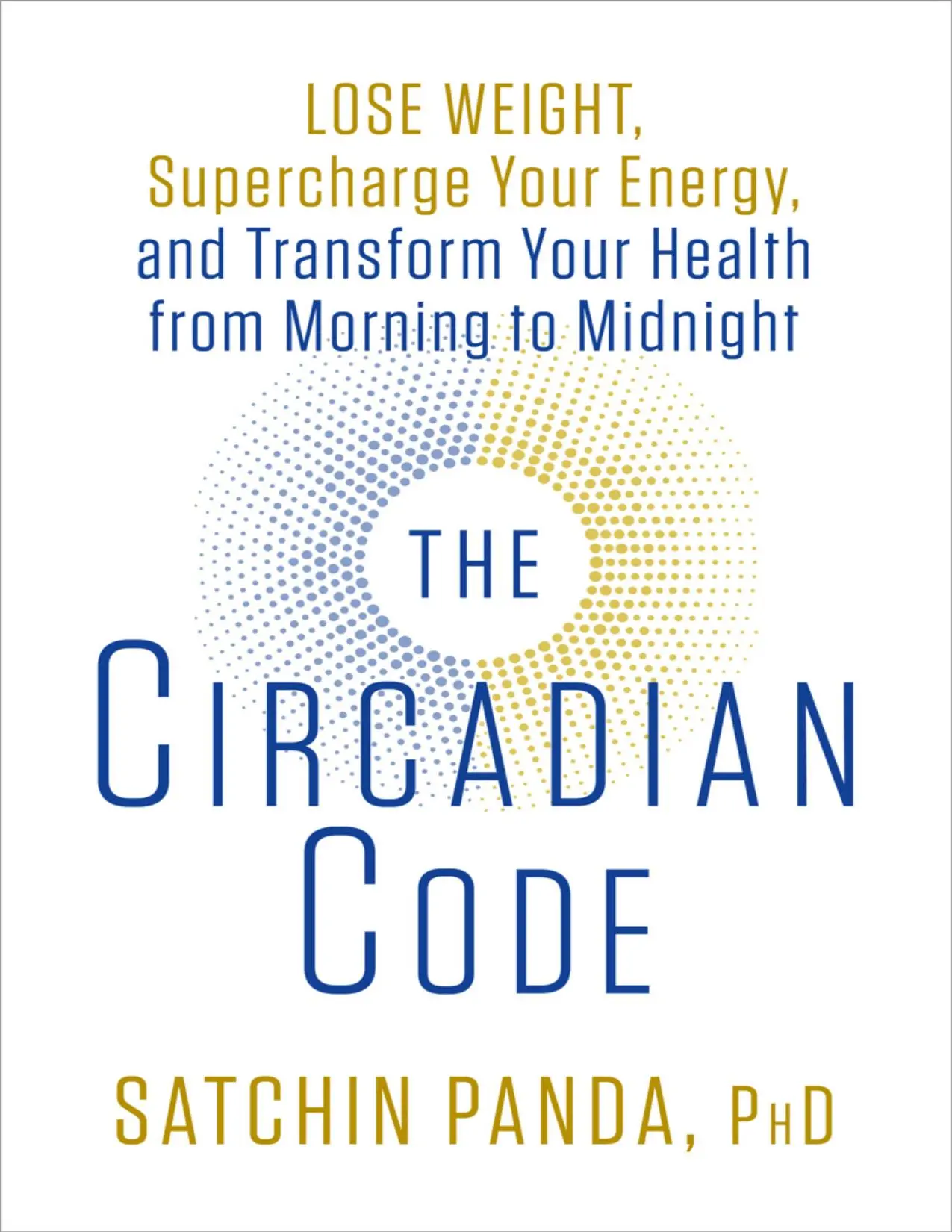
Episode 195: Dr. Satchin Panda — Circadian Rhythm, Sleep & Meal Timing
September 21, 2026 · 1:09:04
HXP SHORTS: #001 – Deconstructing Death: What Happens When We Die?
September 14, 2026 · 11:37
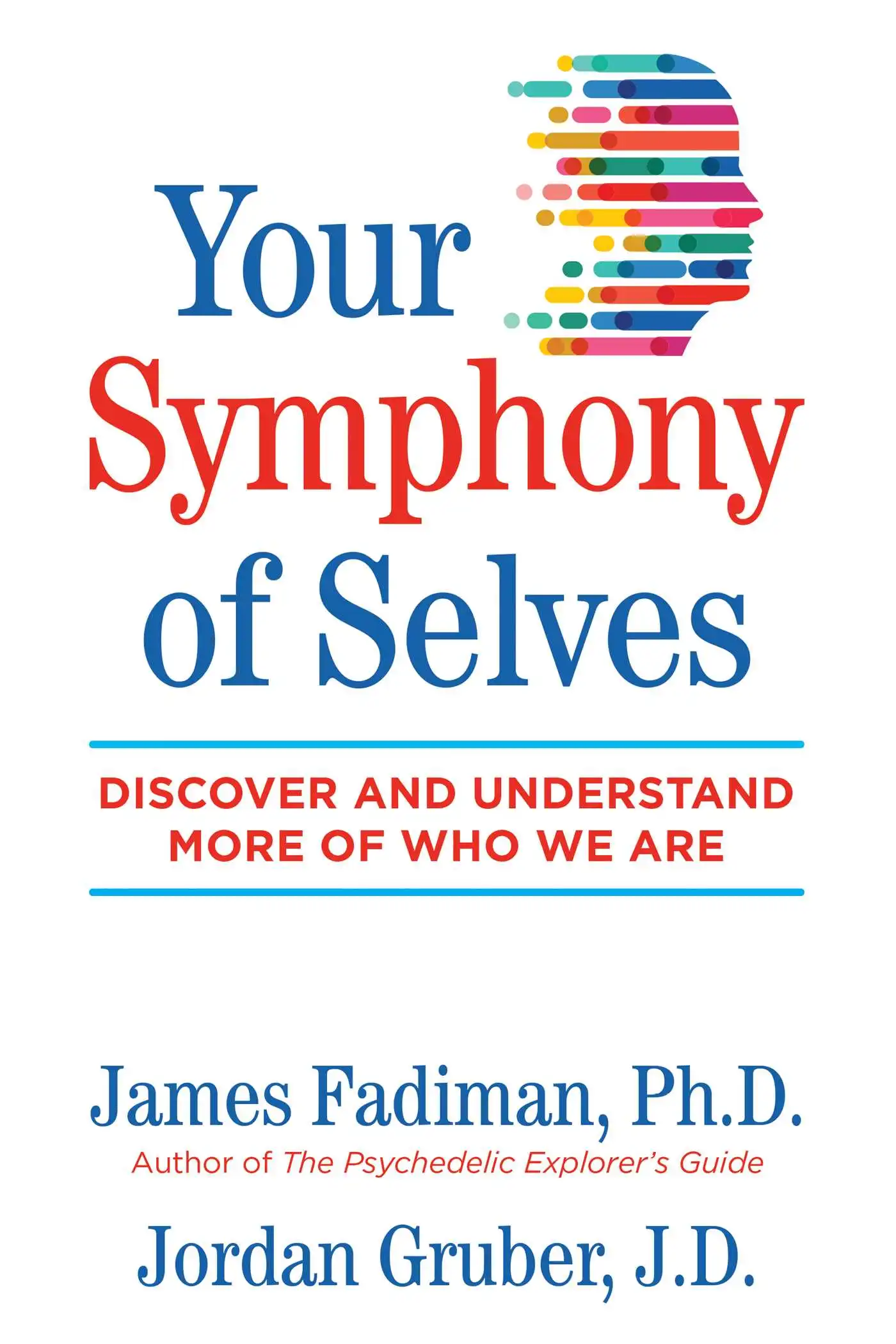
Episode 194 Dr. James Fadiman – You Are Not One Self: Microdosing, Multiplicity and the Mind
September 4, 2026 · 1:14:38
EPISODE 199: Dr. David Nichols — Psychedelics, Consciousness & the Chemistry of the Mind
October 20, 2026 · 1:12:11

EPISODE 198: Cindy Gallop — Make Love Not Porn: Rethinking Sex, Consent & Connection
October 13, 2026 · 58:43
Independent conversations
Help make the next one possible.
Membership sustains ambitious, unhurried interviews and keeps the complete archive open to curious listeners everywhere.
Become a member