

The Human Experience · Episode
Episode 53 – Adrian Van Deusen
A conversation with Adrian Van Deusen
Adrian Van Deusen is a researcher, explorer and published author. He has worked in the fields of applied psychophysiology and neurotherapy for over 20 years. Adrian has worked in the field of applied psychophysiology and neurotherapies since 1995; first as an educational professional, then as a clinical supervisor and…
Stay with the full conversation.
Episode field notes
Show notes
Adrian Van Deusen is a researcher, explorer and published author. He has worked in the fields of applied psychophysiology and neurotherapy for over 20 years.
Adrian has worked in the field of applied psychophysiology and neurotherapies since 1995; first as an educational professional, then as a clinical supervisor and since 2001 as a business owner as well as content creator.
Adrian works to create test and commercialize physiological interfaces as applied by healthcare, education and
artistic/athletic professionals through neurofeedback and biofeedback paradigms.
He is a published scientific author from his experience in experiment design with doctoral candidates. His product focus is in digital signal processing applied to, game theory and thus in quantifying “the human experience”. His 20 year career has thus far been a productive one in terms fomenting growth and critical thinking in the fields of experimental and applied psychophysiology.
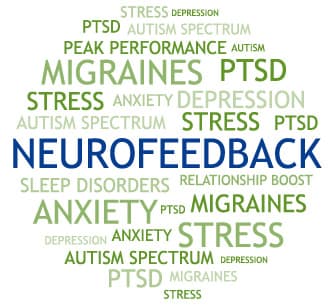
In this episode we discuss the wide ranging benefits of neurofeedback; it’s mechanisms and how neurofeedback can bring the brain into harmony with the mind.
WEARABLES AND GAME DESIGN: BUILDING ON THE HEART TO PHONE CONNECTION
Find Adrian’s company, more about neurofeedback and pick up a device here: http://www.itallis.com/
Value our content? Want more shows? Become a member:
Read the conversation
Transcript
welcome to the human experience podcast the only podcast designed to fuse your left and right brain hemispheres and feed it the most entertaining and mentally engaging topics on the planet as we approach our scent please make sure your frontal temporal and occipital lobes are in their full upright position as you take your seat of consciousness relax your senses and allow us to take you on a chip we are the intimate strangers thank you for listening the
human experience is traveling like a vortex through the top of your cerebral cortex as we speak to my guests mr. adrian van dusen adrian my good sir welcome to hxp well thanks to Xavier thanks so much for having me on so Adrian um I mean let’s let’s start with the basics man I I love the the work that you’re doing but why don’t you just kind of tell us about your background and let’s let’s set the foundation for this this conversation okay yeah I think
its first important to just clarify I’m the self-taught because in this field who I mostly work with our mental health professionals and dr. types with degrees and my approach to this has been as a learning person someone who teaches and so I got into neurofeedback which is we’ll talk about in a minute in 1995 my father in fact he had a training center which was looking to help people with a DD or attention deficit disorder but
without medication and that was in at that time and still is sort of shocking to think that one could overcome a such a difficult problem without having to take any pill I know this is the model that we’re in these days so I was sort of a literally you could say grandfathered in or fathered in to the field and began studying with some of the brightest minds of the area that was 1995 so it was really intensive from 95
to 1999 where I ran one of his attention development centers in Atlanta Georgia mm-hmm basically you could say really also did all of the necessary tests on myself I was a person who was skeptical at first and by applying the technology and the techniques to myself I learned so much about myself that it helped me heal my body when I had a terrible orthopedic accident it helped me work in health physical health and mental health
through the power of visualization that was quantified a lot of us work with quantum with with visualization but do you know the signature of that in your body and if you know that signature in your body and you can feel it in your body you become very effective in that process of visualization and materialization so it seems like this is something that you were incredibly passionate about you got into you started learning about and you moved
forward with because you really thought it could help you and other people well it’s one of those things in life it your work comes to meet you so actually in 1999 after having worked with well over 200 children and having seen some amazing results of course and in myself as well I decided that I would step away from that work and go back to more natural practices gardening and farming and whatnot and so when I did lo and
behold my neighbor her daughter was a person who had autism and another fellow had was a 12 year old boy who had cerebral paralysis and was sort of locked into his body and I just happened to have a biofeedback unit and we just happened you see what I’m saying we I carried the track forward organically even though I tried maybe to go away from it the work followed me and so I’ve come to accept that really the past decade and a half that this is my life’s
work and from that I’ve been able to study more I’ve been able to have more in-depth conversations with people who understand the brain better than I rain and physiology body physiology better than I and I guess you might say establish a position for myself as a teacher in the field now so let’s let’s just define neurofeedback I mean how would you define what near feedback is okay I’m up I’ll let you know right up front I’m a person who uses analogies so
I’m not going to use a lot of big words I will call it a mirror or the inside of your brain we can see ourselves in a glass mirror we can see our not ourselves but our physical appearance in a glass mirror we can arrange our hair anyone who’s ever had to shave or put on makeup knows how important a glass mirror can be or for that matter any athlete or choreographer and dancer would would also say how important a glass mirror can be to perfect your art
whatever that may be and so when we put sensors on to the scalp it picks up that micro electrical pulse pattern and with the neural feedback does is it is it turns the screen towards the individual who’s being measured that’s all it creates an electronic mirror of what’s going on inside the individual so you’re able to see a sort of reflection of what’s happening within the brain the the brain waves of the person that
you’re you’re studying or you’re trying to help you’re able to see your brains functioning and it may be brain waves but it may also be blood flow there’s a number of different measures but you’re able to see your brains functioning yes in real time and continuously so that’s very different from what a doctor might do to take us test and then two weeks later you get the results back but you’re not in that same State anymore as
a matter of fact what we most know to save yer is that states will change anywhere between 15 seconds and 45 seconds we constantly shifting between states and if you can perceive that and this is that this goes to that old adage that knowledge is power because if you can have knowledge of yourself shortly thereafter comes self-control or self-regulation yeah I mean I’m completely fascinated by this this technology in this topic and you know
I’ve been interested in neurofeedback for I don’t know at least a decade and if I mean we for the pre-show when we were preparing for the show you kind of had me pick up a I mean I was shocked that the technology of this had become sort of cheap I mean it’s something that you can plug into your phone now and you know your your smartphone has this capacity you just open this application and like the Apple watch is measuring your heartbeat and
all these other things so I mean how how has technology changed for the realm of neurofeedback and you know through the last 10 or 15 years would you say yeah well i started in 1995 and the computer was about the size of a large computer of those days I’m sorry the device not the computer but actually just the amplifier with it could only pick up one channel of EEG whereas today we can pick up 19 channels with a much smaller
device the operating system the windows existed we used Doss now it can run on an Android because the power of a cup of a cell phone with it’s much more than us a smartphone let’s say it is the processing power of that device is far greater than the computers we were using at that time and Linden let’s talk about how do you get the signal in with a smartphone model what what is I think the really genius obvious let’s say
existing technology response was people saw engineer saw that the microphone jack the line in from the microphone was listening and so instead of her voice they had it transmitted body signal in the case where in the pre-show where we did that demo with a galvanic skin response my friend this is measuring that deep inside of you that deep sensation of excitement fear butterflies in my stomach these are all languages words that we have in our language for a
simple electro thermal response that can be measured also I’m not trying to minimize it please understand that I myself am subject to my own emotions also Maria but how much how much more Oh calm can I be about that if I know that it there’s a phenomenon that it’s measurable its quantifiable I can have a number value to that it’s like playing tennis with an I know when I got it right and I know when I’m just shy of my mark so I mean
it’s again this is this is so intriguing to me because they’re such a there can be such a disconnection between a person and they’re sort of connection with themselves so this type of technology and you mentioned GSR galvanic skin response can you get into that a little bit more right well it’s named after the guy who discovered it Luigi Galvani in the late 1700s discovered electricity running through the nervous system of a
dead frog right he could make the frog’s leg twitch and so that’s how old this is this is so old that Carl Jung was using it in his psychotherapy when he was a psychiatrist in the early 1900’s these days the same physiology still applies I mean we haven’t changed the technology has changed to catch up let’s say but we haven’t changed it’s basically measuring ok I’ll give you an example in real world you know when you shake someone’s
hand and they’ve got the kind of clammy sweaty palm and you say that person’s nervous immediately you make a quality judgment about their emotional state well it actually is kind of true and what the galvanic skin response does is it’s basically tool to metal any kind of metal will do we usually use silver chloride electrodes because of the conductance value and we’re measuring how much resistance there is between one
electrode and the other one sensor pad and the other right what happens when a person’s hands gets a little bit sweaty that reduces the impedance it makes the signal pass better and so we just were able to gauge this this line graph that goes up and down over time we’re able to gauge the present state of the person and and also be able to not not us not the professional but the person him or herself can see his own emotional state
on the screen we don’t know the quality we don’t know what the person is thinking or if they’re happy or if they’re angry that can’t be quantified but we do know that the quantity we know how intensely they’re feeling it right it’s just measuring sweaty palms yeah sounds funny but it’s using the simple biological fun common on and by measuring it over time we start to see that there’s a fluctuation there’s not been a damn that
relates to my thoughts and emotions but it’s a simple simple technology so we need I mean you you make it sound so easy I mean like so it’s just an electrical signal that your skin is kind of sending out based on emotional factors yeah yeah okay I’ll give you I’ll give you even more down-home example this is you know this is for the do-it-yourselfers out there go to well you can’t go to radioshack anymore but you can buy a vu meter you can buy an
impedance meter then turn it to 10,000 right Millie right ten thousand or ten thousand you’re gonna be amplifying the signal then hold on to each one of those little metal rods and you will see that the needle will go up and down or that number will change it’s simple electrical impedance it’s basic laws of electronics or electrical laws that we’re able to perceive in our own bioelectrical body and that like you said Xavier that tells us about
ourselves okay okay I’m starting to get the picture here about what this is so I mean how long would you say a typical neurofeedback session could last and I mean what are some of the type of effects that that I’m going to be experiencing while i’m in a session okay yeah a single session will basically be as good as looking at yourself in a mirror one time but if you want to get good at something you have to practice
over and over again right practice makes perfect so a single session will last anywhere between a half an hour to an hour and you’ll spent time in front of your mirror with usually with a goal since you have a since you have a moving line on the graph that represents you we can also have a top of end of the graph in the low end of the graph and you can start to gauge yourself in space and maybe set a goal for yourself i’m going
to make that line stay towards the top of the graph that you’ll have a you’ll have some practice in that half hour session but you’re going to want to come back to that another time let’s say another time in that week and and through the principle of learning principles you know repeat observe adjust and perfect right so that it becomes earned it becomes a second nature that protocol which is different from a session you see a session is a 30 minute
time period a protocol will oftentimes me to be between 10 to 20 sessions when someone is just trying to let’s say get to understand themselves and get better control over their somatic or psychosomatic processes and if they’re we’re talking about a person with autism or let’s say a person who has epilepsy that is organic in some in some senses and so it will take 40 hours or 40 visits right a person doing it at home
will get a bit you know you get what you pay for in that regard there are some really high and 19 channel or raise that you know a person can go to a professional and even have insurance pay for to overcome some major issues like I spoke of a moment ago autism and epilepsy and a DD and depression and then there’s also a simple device that you can buy for two hundred dollars and it’ll talk to your smartphone and that’ll give you a general sense of your
state of calm and how to hold your attention longer without any let’s say overcoming problems it’s personal enhancement in any case you’re going to want to as they say rinse and repeat right do the session take some time off get a feel for how you are implementing it in your own life without any sensors you know it’s like training wheel model you put the training wheels on you keep you get a sense of internal balance then
you take it off and see if you can stay balanced on the bicycle anyway so you train then take a couple days off and practice on your own just mentally and then you go back and train and see if you improve and over time you have little data points that will show you a genuinely measurable acceptable by every neurologist in the world it’s the same technology measurable output of how you have changed or dynamite made yourself
more self regulated self-controlled if we can just get into the science of this little bit i mean are you are you measuring is this the amygdala that you guys are sort of calculating and and and measuring the emotions that no we’re processing is the prefrontal cortex mean where is all this electrical activity or occurring in the brain wonderful okay it’s occurring all over the brain and it’s it’s well the first term that I should give you in the
scientific approach to this is electroencephalograph II that’s graphy is the writing so the writing the electrical writing of the encephalon of the brain it’s just measuring basically amplitude and frequency of the brains electrical signal ok now the because of the nature of this capturing there’s a there’s a lot to it but you know neurons on a globe our head is a globe it’s kind of ramp right so the electrode is sitting on the court on the on the at
the cortex itself but actually on the scalp right right so the electrode sitting on the scalp and it is going to only picture pick up the field potential the electrical output of a neuron that’s perpendicular to it it won’t even see the ones that are parallel to it right and and also it only picks up those neurons that are non myelinated we call it gray matter the cortex it’s it’s about a millimeter or not who have five
in a very smart person but the thickness of the cortex is very very small okay it’s a very thin film that that follows those convolutions of the of the brain so that you have a lot of network in a little bit of space when you asked about the amygdala you are asking about what we call a subcortical or a substructure right and there’s no doubt that these structures like the limbic system and all of its different parts amygdala
participates in that or the hippocampus and and how it’s related to memory those we cannot see with a single electrode but we know from anatomical science where they dissect the brain we know that there are strong nerve tracts that go from these sub generators these subcortical generators to the cortex and so you make a bit of an inference you know you make you make an informed guess that you probably are working with
the amygdala if your electrode is placed around the temporal lobe of the cortex okay it’s it’s it’s one step away from the source but we know that the source is feeding where you’re reading so so you can start to have a two-way interaction with the deeper structures of the brain that’s the base level with a single electrode but again going to analogy Xavier if you were a geologist you would want to have at least 30 seismologists would want to have at
least three measuring points to be able to discover the epicenter of an earthquake Marine just to localize the source you need to have a triangulation and so when we use a 19 channel array it’s like a elastic captain just kind of slip on to the head and with a little bit of preparation that can pick up 19 channels all at the same time so you’re not only triangulating your 19 angulated if it’s a technology it’s a mathematical
technology called Loretta low-resolution electroencephalographic tomographic analysis and it’s coming up to par with what we think is the gold standard is fMRI so we can see these deeper structures but you definitely have to go to a clinic or research center to do that understand them because that’s the free which is a question of degree but it’s the same basic science amplitude and frequency of the cortex so I mean I’m intrigued but if you know let’s say
that I’m wearing one of these caps and I you know I’m inside of a sort of session I mean what are you kind of saying to me how are you directing me to lower the feedback well well yeah and I get this question a lot I think that’s why I always about to jump in because this is really where my strengths in the field has been part of me is my ability to turn it into a game right to create that that signals coming in and it’s and and
I can my company my original company at least would create gaming mechanics or game a design around that so that it was fun to win I’ll give you an example we had this one series of games that we produced called the bio play series that what all we did was we bought the rights to some simple flash games remember back about a decade ago you would log into a flash games online or whatever you could play all kinds of games yeah so we bought the
code to that and wherever there was a click command in the code i triggered to a catalog that we created for the brain or for any physiology does that make sense we we turn it into a racing game so that let’s say you’ve decided you want to increase your attention span we plot that attention wave you know which is the relationship between a couple of waves it’s a ratio its a math simple mathematical 11 goes down the other goes
up and you get to drive your car faster and it says it’s really it is it’s like you’re in a game you’re its point of view you’re driving a car down a road and as soon as you go below your own average as soon as you go below your own norm the car basically goes to idle and as soon as you cross that it starts to the starts to go and as you pay more attention over time your accelerate further and further so you can start to
win the race interesting so there’s a there’s a very interactive quality to you know this this game and the device you’re wearing on your head so your your mind your brain is controlling this game right and you said interactive and i’m going to add to that intuitive i can all this talk that we’re having right now will give you context perhaps but it is nothing compared to putting a sensor on yourself like the GSR sensor putting a
sensor on yourself and noticing oh my goodness this is look this thing is showing me my thoughts I didn’t I thought I was over her you know kind of thing and all of a sudden all of a sudden my skin goes all wacky just as soon as I think of my daughter you know before or whatever right so so that is very telling and it is intuitive it cannot be taught as a matter of fact children do better than adults because children don’t have all the rule sets
they just simply play okay okay okay so I mean could you say that the body stores emotion stores trauma and maybe perhaps there’s a kind of disconnect between the conscious mind and the your body and and when you’re in this sort of session and you have this thought about perhaps an ex-girlfriend you have this emotional response and an emotional trigger and you see that through you know either GSR or one of the brave way brainwave kind of signals
right there’s different tools for different jobs and if we’re talking about the emotional i would say the GSR is the most directly clear measure of emotional content whereas cognitive processes or listening or creative thought different states of mind those are more of it they’re better served by an electroencephalogram so it depends on neurofeedback so it depends on what you’re trying to get at and then to your point of does the body store trauma not
only trauma but it’s door in my point of view and and there’s a lot of evidence that points to this I immediately think of David Burke Shelley’s work right but there’s a number of other other people that also work on how the fascia the connective tissue will hold on to memories right and so what is pleasure if we’re talking about a negative sensation kind of locking up areas of the body of being stored in the body maybe it’s pleasurable to release those
right yeah right and that that the pleasure is the unlocking of that in a physical sense and and that can be had through gross motor it can be had through refined sophisticated feedback mechanisms as well I will stay say though that in neither of those cases a medication was necessary or you understand what I’m saying the XO genic model i think is starting to be called into question where there’s some outside influence on me and instead we’re moving
towards the end o genic model where the person has all that they need within them to enhance advanced heal you see right they need to be put into contact with that in which this is the power of the feedback is that suddenly they have a really enhanced awareness it’s self awareness on the cellular level the neuron level right and so that awareness then with practice becomes control that’s beautiful I mean that’s that’s the most
amazing thing I’ve ever heard really it’s really simple it’s almost too simple I remember I talked in analogies there’s a lot of science to back this up I’m trying to make it understandable you know and enjoyable for that matter I mean why do you think it seems like neurofeedback is kind of under the radar and not many people know about it not many people really talk about your feedback I mean is this because of our sort of Western pharmaceutical kind of
society where it’s easier to take a pill versus kind of go into an ear feedback clinic yet exactly and that’s why I say the XO genetic model is starting to fall by at wayside I don’t know if you know but there are now I can’t quantify it at least three major international pharmaceutical laboratories who will who are to have pulled all development funding from mental health disorder medications they just find that it creates too many side effects that it
doesn’t have the positive effect durable positive effect that they’ve wanted and so they’re getting out of this field and so yes they don’t know about it we don’t know about it right now because um ciba-geigy in the 1990s had a 1 billion dollar per year marketing budget and and so if we want to talk grassroots power it happens on the transformation of every single individual who puts a sensor on measures and learns about
themselves gain some self agency and starts to talk with friends whereas if you know then you’re going up against its Goliath you know it’s it’s a billion dollar per year marketing budget is very hard to overcome that directly and but yes over time that is shifting people are moving away people who took medications are moving away from the medication because they don’t want to be dependent on all their lives so they start having liver issues or I you know
I’m not can’t speak exactly this and certainly I don’t have the you know the academic degree to make any blanket statements but I see more and more people coming in and saying my daughter tried or my son tried ritalin and it made them nay anxious or nervous or couldn’t sleep or angry and is there something we can do when look here’s an amazing one this oh my goodness this was this this dick smith me after what that was 2012 I’m working with a young he’s a
four year old autistic boy the lower level of our age range where we want to work but he was nonverbal at four years old he still was in diapers and his mother was doing everything she could you know so so she brought him in and we were doing blood flow we’re doing blood flow to the pre frontal region you know the decision the executive brain we were asking him to increased blood flow very much you can’t tell an autistic kid you
know make the bar go he just can’t do it we found out hey mom what kind of movies does he like oh he likes the train show okay we’ll put the train show on and he’ll make it brighter and and louder when he’s more in the state it was very intuitive so third session he walks out into the waiting room and he his mom’s there waiting for me says mommy that I mean this is like nothing you know but she just started bawling crying and
hugged her baby and was shuddering there and you know there’s the first time in his life that he’d set her knee and you know that he’s building a foundation that he will grow from from that one word to will come sentences will come I haven’t seen him for four years so I don’t know where he is now I know that he was in a normal school when he left he was potty trained and you had yet a vocabulary well over a hundred words
because that the brain is looking to be flex it’s looking for the opportunity to interact me that’s the essence of neuroplasticity the body teaches the brain how it should act right but if there’s no link there in that case there wasn’t a sort of a cause effectual Lake between what’s going on in my body and how my brain will adjust to that but we help that link happen well he can take it from there you see that’s durable
that’s an end and she cried she thanked us she’s I haven’t gotten a Christmas card last year but she did it for a couple years it feels really good it feels really good and when they say you saved our family or whatever I can I have the joy of being able to say well your child did it all all I did was it put the sensors on and I got out of the way you know and that’s that’s that very empowering sense that can be gained by an endo genic
model of healing or learning yeah I mean it really seems like that’s quite a dramatic you know story about this autistic child and you know I I really feel like this this should be given more attention which is why you’re here I mean I really feel like now your feedback is something that people should know about as a tool to use to help themselves I will say this this is not a polemic issue this is not something that
people disagree about its it is something that certain vested interests try to keep quiet but they cannot question the data we were able to use EEG signal and we’re able to show changes over time and we can have wait lists that show that they don’t and that we can do sham false feedback and show that they don’t yeah there’s no question to the validity of this stuff it’s just more of a question of how many people ask for an interview how many people you
know it it is what you’re doing is so powerful because the podcast lives a long time and the internet it hopefully sometime maybe today maybe a year from now someone will listen to this and say oh my gosh that’s me I have epilepsy and I really want to stop taking medication I really want to drive a car sometime in my life you know brewing and so this voice may it may it carry forth well beyond my life that’s why I hope is that
the work can live on in practice let’s let’s switch back let’s switch gears back to kind of the research and I mean what it’s teaching us about the brain I mean you mentioned your plasticity and can you can you get into sort of what that means I mean is this the ability of the brain’s ability to learn and what how do we define IRA plasticity yeah well the word is good one because it does define it for you plastic is flexible or malleable and so that’s the
term way before the material was invented by some chemical company the term plastic it means malleable and so it’s the malleability of the neuron let’s look at a single neuron think of it like a tree as I use analogies where the nucleus is the root of the tree the axon where the chemical where the electrical similar signal good crosses is the trunk of the tree it’s a you know a larger body and then you have all these branches right and those are
called the dendrites those the number of dendrites of any neuron are going to change what a newborn baby has way millions more neurons than a 20 year old adult however each neuron has very few dendrites and so neuroplasticity or the malleability of the neuron is based upon what that shot now we get into spiritual stuff now based upon what that self is wanting to do be it a crawl roll from your belly over to your back whatever it
is that body is going to create a demand and the neuron will start to make a new bud and it will branch off to reach another neuron in this case a motor neuron and they will form a synapse they will they will not touch but they will come close enough to each other that the electrical signal will be able to reach across and almost like forest who you can hardly see the sky because it’s so dense that that the branches are almost
there not touching but they’re covering up the sky right that’s that’s a similar analogy that’s a el mature forest will close out the greater part of the light of the sky whereas a new for us as just some saplings with a few little branches going off but they don’t communicate with the forest right yeah so in Iran a neuron is a tree and in that analogy and as it grows it specializes to fill in those spaces to try and make the most
dense network possible now that applies in both directions so they say neuroplasticity one of the one of the favorites that I think Candace purchase is famous for is neurons that fire together wire together that’s known plasticity and also that neurons that don’t fire together they break their connections if that’s like you learn the language when you were 16 but then you didn’t use it for 10 years then when you go to that country it’s like oh my gosh
I can’t remember anything I learned in height that’s that’s the other side of neuroplasticity it’s more like the atrophy mind atrophy model where if I don’t use it there’s no blood flow to those neurons those those dendrites will sort of help us say well they kind of decay or they will kind of weekend and break their connections but wherever there is a message passing that neuron Network will stay strong that’s the principle of neuroplasticity I say it’s
a lesson that our body gives to a brain be caught and this is there’s a reason I’m saying this Savior so the lesson that our body gives our brain is oh I need to touch the tip of my finger to my nose well when I tried it the first time it didn’t work I probably poke my ear he felt I mean it just didn’t work but over time repetition repetition I started to get it so I could do with my eyes closed I could do it at any time right that’s a
body telling the brain that it needs to have a network that connects no sensation with fingertip sensation and once that established becomes easy it becomes second nature now but it always has to have the body in the middle now what we do with neurofeedback is something entirely new for the brain we are creating a well the brain has no proprioception I don’t know if you know this but most brain surgeries the person is actually awake under local anesthesia
because they need the person to respond to say well did you feel that now not fielding me poking your brain but can you feel that in your whatever did eyes twitch or whatever so they can start to see that in the waking person but the brain can’t feel itself that’s what I’m getting it the brain can not be lit so so the brain does not know itself it knows inputs and outputs it’s receiving from the body it’s sending out as
signals of action to the butt but when we put a sensor on the on the scalp we amplify the brains own signal and we feed it right back into the eyes and the ears as light and sound suddenly the brain has its own proprioceptive device and very quickly neuroplasticity can take effect in the way that you want it to very very specifically you’ve created a program that’s asking the brain to move in such in such a direction and you can just sit
in the chair and and do that that will make changes in the brain it’s been shown with fMRI it’s been shown with cat-scans do you understand the important that I mean I’m trying to address yes I mean that’s I mean it’s really a profound profound thing that you’re discussing here I mean it it opens the door to so many new possibilities I mean we’re I mean if we’re able to give the brain the ability to kind of see itself through these
signals that were attaching to your head then I mean it’s suddenly our capacity to learn our capacity took a heel has exponentiated I mean we’re we’re now doing that we’re now healing okay so okay so you mentioned I don’t I don’t mean to jump around too much here but time is limited let me know you mentioned spiritual experiences I mean I I’m kind of curious if you’ve ever you know if you’ve ever been wearing a cap and kind of went into a meditative state
and had a spiritual type experience wearing one of these machines oh yeah yeah and there’s a whole school of thought as perfectly just got a flyer for a new book about to come out Alpha Theta training in the 21st century it’s going to come out a little while and that’s the field is called alpha theta tree and it has has had a great impact in terms of that’s a spiritual spiritualization or enhancing awareness of the non physical aspects of our
consciousness and so I think it’s important that I site Carl pedram and David Bohm you do both in their in their studies have not localized Conda or in other words they found that conscious this is a non local phenomenon so a person may look in the brain and think oh here I’m going to find consciousness here is where I disagree they’re not going to find consciousness they’re going to find the effect of consciousness like I said it’s not the
cause it’s a matter of fact there’s it neuroplasticity speaks to it you have this in my view spirit that entered a body of a newborn child and that spirit is trying to figure out how to drive that body like we’re trying to figure out how to drive a car or a pair plane or something you know that that but it is you know intuitive and it’s you know a trial and error or error and trial and keep going until you get it but but when
a person is doing neurofeedback and they have this internal and enhanced awareness I will not say that they’re seeing just their brain how can I make or clear there there there there observer is waking up the I the big I the self is a slightly elevated no outside and slightly elevated so you ever been in this everyone has but I’m gonna say it this way have you ever been in an experienced we’re in a discussion and you can you can almost see yourself
speaking with the person and it might be a difficult discussion you say if I say this I’m going to get the wrong response right when you’re able to hold back that’s the observer who’s actually commenting on the real moment that your physical body is it right so we’re doing that all the time this is enhancing our awareness of that voice that observer that self right so one time I when I was very young in this process I might have
been 24 years old maybe something like that and um and I had a new puppy dog and he had parvo virus and he was either gonna die or live that day was one of those you know one of those things and so I was after my regular work day I put the sensors on myself I turned on and alpha theta protocol where I was trying to go from an awake state not to a sleep state but right at that line between wake and sleep something like standing
on the bridge so I could call from the subconscious into the conscious and I was holding in my mind you know these techniques I were on the human experience but the the hope I find an image of my dog healthy ring right and uh and so over and over and over again I was imagining my dog running up to me as I walk in the door and trying and going up on two legs and trying to lick me right that was the image that I had well
um I had a 20-minute session I had that experience of kind of like okay I’m thinking thinking thing all this i’m not thinking we’re you know I’m out of it I’m not in the room anymore you know and then I came back because the session ended but I had held every time I kind of came back the feedback will go boom whenever I was going crossing over though Wow yes that the sound fireman was telling me where I was into the in
that space between awake and asleep I and I had to sort of ignore the the little dong sound because that would actually call me back to an awake state so i could hear it as a background noise disappeared but every time i came back to awake i put that image of my dog don’t you know and this is a beautiful thing about this and this is only one of many examples but when i got back home that evening my dog who was either going
to be dead or alive and sick was neither my dog ran up to me jumped on that hind leg went up on his hind legs and tried to lick me I mean exactly as I imagined it was oh so I don’t know if I created that reality if I tapped into that potential or if I was able to hold a space there’s a lot of language there’s a lot of language we could use for this but I do know that the technology of the feedback gave me a an efficiency to that
process so that in a 20-minute session I was able to very efficiently go to that place and stay in that place much longer than I normally would yeah I mean it seems like such a powerful tool okay so I mean I as this sort of technology becomes more advanced I mean can you can you see this becoming I mean how do you see this technology advancing mmm mm-hmm we’ve talked a lot about the brain and let’s remember that a very
very unique and i would say influential organ in our body is also the heart and your phone can actually pick up your heart right now just using the camera and the flash feature it just lights up the fingertip you put your finger over the camera it’s optically it’s reading the light quality and as it gets darker that means more Bloods pulling through the blowing by the camera lens so so you can pick up your heartbeat that gives
you a channel in to pick up a simple signal but a very powerful signal profound self-awareness can come from heart awareness and so what I see happening is because your phone is also a commute international communication device right suddenly we have the potential to have a network of hearts that’s what I see happening it become quite quite simple to do not very expensive low barrier to entry as they would say in a markets and but that does
offer that interface to people so they can first and foremost get a sense for their own heart and then connect with a network of hearts head build a global empathy network that’s where I see us you just like this and obviously andale is and let me let me let me complete this thought because we cannot be dependent on our technologies right we come before our technologies our technologies serve us so we cannot be finding ourselves serving our
technologies so in the model that with the gaming mechanic that we’ve putting it in place there’s an inherent instability the signal drops out every once in a while and so the person who’s there trying to connect with other hearts around the planet has to know that even if the signal goes out they’re not disconnected they have to know how to connect how can i connect and house will also disconnect it’s very important
yeah like it’s profoundly important to know that how to disconnect as well how to close that off which we were almost forced to do at one time in our history but that’s in that that’s in the past maybe with this technology we can safely go about this opening of our hearts in a planetary level using the technology to kind of help us feel safe or grounded in that experience and then move the technology out of the way and still have
the skill set within us yeah yeah well I mean Adrian I mean this is this is amazing amazing conversation I’m just I’m pretty blown away by everything that you’re sharing here with us tonight I mean in closing here and we’ve we’ve gone from sort of discussing what neurofeedback is to talking about global empathy so it’s kind of like the microcosm to the the macro but I mean what I mean if there’s one last sort of thing that you could kind of kind of
give our listeners to I mean what would I mean what would you say to anyone listening that might need this tool might not know they need this tool I mean what do you have to say to that person okay um that’s aw yeah you what you’re what you’re asking is I think so much that we’ve said today here’s why I’m having a little bit of a hard time coming up with a single like a sound bite because we’ve said so much of what I think is important within the talk but
so those who let’s say they don’t even have a dime to spend on this they can still draw a bath and sit in a bin in a bath of still water and what I would say go take a warm bath put yourself face up with your ears underwater and listen to your heart listen to your breathe I think the water will amplify that because your ears will be in that same meeting and listen to that and notice how your heart will speed up as you
breathe in and it will slow down as you breathe out feel the sensation of the water around your abdomen and notice you let the water show you how to breathe effortlessly and deeply okay that’s a form of biofeedback right another example take these examples before you buy your first device and do it in real life let’s say you’ve you’re a man and and you well let’s say you’re a woman and you use lipstick put lipstick on
with a mirror one time and then wipe it off then put lipstick on without a mirror and then go back to the mirror and look how you do this ability to put lipstick on without a mirror is learned because of the mirror so so that’s what I want us to be left with is this sense of personal power that you main use neurofeedback where you may use electrocardiographic feedback or galvanic skin response feedback for a period of time and it’s on each of us to
learn what we can from that and carry that into our daily lives yeah wow so blown away man I really really appreciate your time Adrian I mean where where can people find more about you like your work and when you’re the company that you work for working people pick up in a device I mean just add information okay well I think all of those can be found the conversation can be had devices can be found and you know even professional services if they need
that I have a company called it all is communication and the site is it all is calm ati T ALL is calm that goes there then we can start a conversation in that sense and they can kind of kick around the shop if they want to and find some of these more simple devices learn a little bit more from a web the terms on the web would also be you know neurofeedback and biofeedback and my name is adrian van deusen if you just look up adrian van doos and as you can
see on the podcast my name is spelled there then then there’s a fairly good online bibliography that that will get us together the conversation go further awesome can I ask thank you for having called me to do this this is this was a real nice surprise and it feels very much in line with my mission so sync thank you for having invited me to speak today oh it’s my pleasure man thank you so much for being here this is the human
experience we are going to get out of here and we will see you guys next week
Ideas worth returning to
Quotes
Five substantial excerpts from the published transcript, lightly edited for clarity without changing their meaning.
“Emotional states can change within fifteen to forty-five seconds. Learning to notice those transitions turns the slogan ‘knowledge is power’ into a practical skill: knowledge of your own state creates the possibility of self-regulation. You cannot reliably influence a change you never learn to perceive.”
From the conversation“Engineers realized that a microphone input could receive a body signal instead of a voice. Galvanic skin response translates the bodily sensation we call excitement, fear, or butterflies into an electrodermal measurement. Technology gives a visible signal to an internal change that language describes only approximately.”
From the conversation“Biofeedback can provide a measurable record of whether a person has become more self-regulated. The goal is not merely to assign an emotion to one region of the brain, but to observe changes in physiological activity while a person practices attention and control. Measurement turns an invisible claim into something that can be tested.”
From the conversation“Low-resolution electromagnetic tomography uses mathematical analysis of EEG signals to estimate activity in deeper brain structures. It is not identical to fMRI, but it applies the same basic science of cortical amplitude and frequency in a setting that does not require a full clinical imaging center.”
From the conversation“We turned attention training into a racing game. A chosen brainwave relationship controls the car, so as the relevant ratio changes, the vehicle moves differently. The player is not just watching a measurement; attention becomes part of the game’s control system, making self-regulation immediate and experiential.”
From the conversation
About the guest
Adrian Van Deusen
Adrian Van Deusen is a researcher, explorer and published author. He has worked in the fields of applied psychophysiology and neurotherapy for over 20 years.
Episode 142 – Dr. Daniel Amen – Diet, Nutrition, Brain Imaging, Defeating Depression
September 5, 2019 · 1:04:49

HXP SHORTS: #001 – Deconstructing Death: What Happens When We Die?
September 14, 2026 · 11:37

Episode 145 – Dr. Will Cole – Inflammation, Sleep, Living Healthy
October 3, 2019 · 1:00:24

EPISODE 199: Dr. David Nichols — Psychedelics, Consciousness & the Chemistry of the Mind
October 20, 2026 · 1:12:11

Episode 196: Waqas Ahmed — Polymathy, AI & the Future of Human Creativity
September 28, 2026 · 1:04:41
Episode 195: Dr. Satchin Panda — Circadian Rhythm, Sleep & Meal Timing
September 21, 2026 · 1:09:04
Independent conversations
Help make the next one possible.
Membership sustains ambitious, unhurried interviews and keeps the complete archive open to curious listeners everywhere.
Become a member