

The Human Experience · Episode
Episode 23 – Payal Khurana & Elliot Larkin
A conversation with Payal Khurana & Elliot Larkin
MINDFULNESS Mindfulness is “the intentional, accepting and non-judgemental focus of one’s attention on the emotions, thoughts and sensations occurring in the present moment”, which can be trained by meditational practice derived from Buddhist anapanasati.

Stay with the full conversation.
Episode field notes
Show notes
MINDFULNESS
Mindfulness is “the intentional, accepting and non-judgemental focus of one’s attention on the emotions, thoughts and sensations occurring in the present moment”, which can be trained by meditational practice derived from Buddhist anapanasati.
The term “mindfulness” is derived from the Pali-term sati, “mindfulness”, which is an essential element of Buddhist practice, including vipassana, satipaṭṭhāna and anapanasati.
Mindfulness practice is being employed in psychology to alleviate a variety of mental and physical conditions, including obsessive-compulsive disorder, anxiety, and in the prevention of relapse in depression and drug addiction. It has gained worldwide popularity as a distinctive method to handle emotions.
Sati and smṛti
The Buddhist term translated into English as “mindfulness” originates in the Pali term sati and in its Sanskrit counterpart smṛti. The Abhidhammattha-sangaha, a keyabhidharma text from the Theravada tradition, defines sati as follows:
The word sati derives from a root meaning ‘to remember,’ but as a mental factor it signifies presence of mind, attentiveness to the present, rather than the faculty of memory regarding the past. It has the characteristic of not wobbling, i.e. not floating away from the object. Its function is absence of confusion or non-forgetfulness. It is manifested as guardianship, or as the state of confronting an objective field. Its proximate cause is strong perception (thirasaññā) or the four foundations of mindfulness.
Sati means not only, “moment to moment awareness of present events,” but also, “remembering to be aware of something or to do something at a designated time in the future”. In fact, “the primary connotation of this Sanskrit term [smrti] (and its corresponding Pali term sati) is recollection”.
Translation
The Pali-language scholar Thomas William Rhys Davids (1843–1922) first translated sati in 1881 as English mindfulness in sammā-sati “Right Mindfulness; the active, watchful mind”. Noting that Daniel John Gogerly (1845) initially rendered sammā-sati as “Correct meditation”,[ Davids explained, sati is literally ‘memory’ but is used with reference to the constantly repeated phrase ‘mindful and thoughtful’ (sato sampajâno); and means that activity of mind and constant presence of mind which is one of the duties most frequently inculcated on the good Buddhist.”[
Clinical psychology and psychiatry since the 1970s have developed a number of therapeutic applications based on mindfulness for helping people who are experiencing a variety of psychological conditions. Clinical studies have documented the physical and mental health benefits of mindfulness in general, and MBSR in particular. Programs based on MBSR and similar models have been widely adapted in schools, prisons, hospitals, veterans centers, and other environments.Find Minndfulness is a 30 day self-exploration course.
This program is designed to awaken joy and offer tools to help guide you to the realization that you are in charge of your wellbeing. The course features an intimate setting and fosters a supportive community.
Mindfulness is focusing your awareness on the present moment, while calmly acknowledging and accepting your feelings, thoughts, and senses.
Mindfulness has been proven to increase your focus by increasing your capacity to resist distracting urges. The many benefits of mindfulness include improved relationships and concentration, a sense of empowerment, joy from within, and relaxation in the midst of life’s challenges.
It’s about waking up, connecting with yourself, and appreciating the fullness of each moment of your life.
Find Mindfulness here: http://www.findmindfulness.com/
Such a great episode with Payal and Elliot, a big thanks for the team over and Find Mindfulness for spending their time with us at HXP to do this episode.
Find the raw unedited transcript here: https://thehumanxp.com/mindfulness-transcript/
Read the conversation
Transcript
welcome to the human experience podcast the only podcast designed to fuse your left and right brain hemispheres and feed it the most entertaining and mentally engaging topics on the planet as we approach our scent please make sure your frontal temporal and occipital lobes are in their full upright position as you take your seat of consciousness relax your senses and allow us to take you on a gym we are the intimate strangers thank you for listening the
human experience is putting the mindfulness back into your everyday with my guests pile Corona and Elliot Larkin of find mindfulness pile Elliot welcome to hxp Thank You Xavier so before we get into what fine mindfulness is if you could both just give us a short synopsis of your backgrounds what are your respective stories the question I’m asking is who are you pile why don’t you start us off okay so a little bit about
me I came to America when I was two years old my parents brought me over here they shipped me over here when I was two years old from India um so you know I was raised in an American society but with an Indian Eastern background I was taught a lot of the Eastern traditions and I was also at the same time told to live a very quote-unquote successful monetarily monetarily life so you know I followed my parents direction
then they kind of gave me a become a lawyer doctor or an engineer and I chose to become an engineer and so to keep this a little shorter I lived in corporate America for about eight years of my life and I kind of realized there wasn’t my heart wasn’t happy so I left it all behind I left behind a six-figure salary and decided to try something of my own and started a a startup incubator with a good college friend of mine and throughout all of
that I’ve really just tried to stay aware of myself and I think within that journey likely have found the path of focusing on awareness so right now that’s where we’re at is doing the incubator and working on fine mindfulness very cool and Elliot what about yourself so I came from a background very wealthy family in South Florida and growing up ahead essentially everything I could have ever wanted and you know I graduated you from the
University of Florida with a degree in art history and management and while I was in college I kind of had a really difficult time assimilating to the lifestyle I was in and everyone around me seemed to be having a good time with in the things that they were doing but I felt kind of out of place and having everything I could have ever wanted I was wondering what was going to bring me happiness and I stumbled upon a couple
books that began to change my life and look inward and go into mindfulness and I ended a meeting pile and working on fine mine with fullness with her very cool okay so moving on right into your mindfulness project pile if you could just give us a brief introduction of what you guys are doing at fine mindfulness and maybe a history of how you got into doing what you’re doing sharp definitely thanks for that question because I you know telling my
story it’s so hard to leave out such big parts of mindfulness but in without saying Who I am but the way this all kind of came about was you know oats starting that journey of wanting to look with and when I was I would say in my early 20s maybe even late teens and you know constantly trying to look externally but realizing that it was really about looking within and um you know honing my practice throughout the years and as I
started ass incubator one of the things that I noticed working with all these entrepreneurs is you know they’re constantly overwhelmed by the external they were you know always stressed out about what was the next thing they had to do for their startup focusing on family focusing on friends like there was all these things that they’re constantly juggling and they never took the time to step inside themselves and so you know for me in that moment I kind
of looked at it as an opportunity I’m always helping a lot of friends with you know discovering mindfulness and and it was kind of like wool I’m already doing this so why not you know share this gift and it actually can’t comes down to kind of one moment so I’m hanging out with a bunch of my friends one of them being an entrepreneur who is the CEO of 100 hundred person company and he’s pitching a new idea to us and he’s all over the
place he’s kind of like um you know really not in himself not confident and another friend of mine who knows that I’ve been passionate about meditation and she suggested she say hey why don’t you two go in a corner and meditate for about three minutes and come back so we did you know I took him to a corner let him through a quick meditation grounded him and we came back and he met it to AB he pitched again and he was a whole
nother person you know he was confident he was clear he was concise he was you know he believed what he was saying and we could see it and we could feel it was just a whole different person and this was a five minute difference and in that moment was when I was like okay you know all these tools they can be helpful to these entrepreneurs so I created a shell of a four-week program and I sat on it for for about 6-7 months you know
I was doing all these other things and one day we held a kind of a job fair at starter space the incubator that i co-founded and in walks Elliot and we’re just you know talking and you know he didn’t seem to be that interested in what was happening at starter space so I just asked him was like hey so what are you passionate about and the first thing out of his mouth was meditation and it is just so interesting to me that how
kind of life happens and things line up because in that moment you know it was so quick for me to say hey well I have this program that have been working on would you be interested in helping me and it was a very quick yes and you know we got together and we poured hours and days and our hearts into this program and I will let you I’ll let him give a little bit of his perspective as well but that was that was how it all came
together hmm so it sounds like you had a very serendipitous moment there with finding Elliot very cool so if we could just get let’s just get right into it let’s dig into it what is the DNA of mindfulness how does it work let’s puzzle this together for our listeners so I feel like mindfulness first and foremost is about awareness being aware of your body or wherever your thoughts your emotions and aware of what’s going
on around you in the external environment and so you have to be able to have a desire to change the status quo because so often we find ourselves and habit patterns of waking up you know brushing our teeth going to work coming back and doing the same pattern it it almost makes it easy to be on autopilot and not challenge ourselves and mindfulness is in essence being aware of what you’re doing when you’re doing it and there’s another
aspect of it that I’d like pile to speak about right now definitely um so you know when when I think of the DNA it is this awareness right and it’s this awareness of being present and also looking within so you know I truly believe that we’re all born with a compass an inner compass and that if we were we were thrown into we’re thrown into a forest without our digital phones that we carry around with us without an actual physical compass we would know
which way to go I truly was every cell in my body believe that but the thing is is we all get socialized we all you know we have our families we have our friends we we have everyone constantly all these external things kind of telling us what we want what what to do and you know they’re constantly influencing our compass and we kind of lose touch with that so you know I think one of the biggest parts the DNA of mindfulness is
being able to get back to that to be able to be able to tap back into that inner compass to a way back to our our true selves unlike that I mean do you do you guys feel like mindfulness is becoming or meditation even is becoming more and more commonplace I mean why do you think there’s there’s such big paradigm shift towards being more mindful I mean the East has been doing this for thousands of years what makes you think the West is finally and
catching up that’s so such a beautiful question because mindfulness is trending in America and around the world right now because of how our society is progressing people now have access to way more than they did a hundred years ago and they have constant stimulation there are so many choices one would think that our quality of life would be at an all-time high but if you look at statistics they’re showing higher rates
of depression so severe that it drives many Americans to suicide she take one of American America’s idols Robin Williams for example someone who everyone thought was just a happy person and someone that everyone looked at with such reverence and how he was not able to handle his depression and how that his whole life you know all the stimulation and everything ended up ending his life I I i agree with Elliot you know it’s it’s if you think about it
like like you said the East has been doing this for years and I personally think the West was possibly naturally doing it before before the iphone kind of got thrown in into our lives and now if you notice like more and more Americans are constantly tapped out of themselves and into their phones on the internet you know it’s just constantly having to be turned on like you can you can be reached at any time now then how
often are people actually present you know in a line in a grocery store and not looking at their phone how often are they having I you know I don’t know if you you guys pay attention to this but when you go to restaurants now is people are just looking down at their phones so there’s a group of five people and they’re looking at their phones and that all being said it just it brings this need for mindfulness now because
people are like how do i turn it off and mindfulness is such a great tool to turn it off hmm you know I really find your answers very to the point and I like that so but I think there needs to be a distinction between made between mindfulness and meditation I mean okay because they’re not the same thing or are they no they’re not I meditation is a tool to allow us to be more mindful and that’s the the biggest thing is
mindfulness is something that we practice during our you know entire day we don’t you know this idea that meditation is you know it it’s this thing that we do to get us to be more aware right yeah so what do you guys I mean what is the practical what do you guys think the impact can be like what do you what what have you seen in your own lives from practicing mindfulness do you want to go for a celly yeah so I guess I can take my own example you know
before when i would get home I would feel like I would want to turn on the TV and distract myself just to to relax and I felt like so so much heaviness and fatigue coming home from work and this just desire just to get home and just waiting for the weekend and I guess once i started practicing more mindfulness i started to see a space in where I had a decision so instead of maybe going directly to that TV and to the free
refrigerator to kind of numb myself I had a moment of clarity where I could be like hey this is one option but this doesn’t have to be how it is and i was able to make a decision okay maybe I could go for a walk or repair a nice dinner for a friend or you know maybe I’m recognizing hey I’m feeling really unclear right now I’m going to go take a few minutes to be by myself and just relaxed and meditate and then come back
out and interact with the world and all the things that are unfolding and I just I see that as an incredible change and it also has made me a lot more efficient in my work a lot less wasting time don’t need to follow through go through facebook all the time anymore and things like that definitely i agree with a lot of what Elliott sang impact why’s it just it allows us to recognize these patterns that we have you know it’s it’s
sometimes it’s hard to see these patterns because we’re do what we’ve been doing them for years and mindfulness gives us that that awareness so you’ll hear awareness a lot in this conversation and to me like one of the the biggest impacts that it’s have had on my life is is stepping out of stories that you know we we can create like our minds can be so crazy at times you know it’s it’s kind of like one thing happens and we turn it into like a tornado is
going to show up in two minutes you know it and the best way I can describe that is you know I send a text message to a friend and they don’t respond right away and I’m used to them responding right away and for some reason all of a sudden i create the story that this person is mad at me and i don’t know why they’re not responding and oh my gosh i’m a horrible person and I don’t deserve friends and you know it’s this chatter
that this mind creates and and so I feel like mindfulness allows it comes back to this awareness to be like oh you know you know that same story again it would be I send a text to a friend she doesn’t reply and if i start the pattern of the story of o she’s mad at me I’m able to recognize oh wait I’m creating a story I don’t know if she’s mad at me like how about I pick up the phone in collar or how about I just patiently wait so it’s that recognition
of this story that we’re creating versus diving deep into that story hmm I really like that and you know that there seems to be a sort of Buddhist tangent to what you guys are doing it Buddha had this quote that said something like you know do not dwell in the past do not dream of the future concentrate the mind on the present moment and it really seems that you guys are doing that with with your program so I guess my next question is
you know what what can people expect from signing up I mean why should a person like me I meditate and I’d liked I’d like to think I’m mindful but why should I sign up for your course and why what what do you guys what exactly are people to expect for from signing up well I personally think it’s it’s easy um well sorry it’s hard sometimes to start and you have it on your own you know to get the biggest benefit it’s to
do things consistently and if we want to change our lives in any way we have to be willing to do things we haven’t done before so you know doing a program like find mindfulness it’s we have a community you know you’ve multiple people doing this at the same time as you so there’s an energy there and there’s a support there so I think that’s one of the number one things and they’re all doing it at the same time as you in the sense of we’re all on the
same flow together and it’s you know it’s committing to the space the space of an exploration and the space to examine like what you think about most what you feel the most you know we’ve created for weeks that each week has a theme and we send over some pretty unbiased but pretty amazing meditations Elliot as you can tell has an amazing voice so you know I think they they get to experience this four-week program that we’ve spent a lot
of time on content with that with people that are on their same level okay who who are in this goes to Elliott who are your influences I mean both of you can answer this but Elliott first who are your influences entrepreneurs may leaders some of the people who have changed changed your perspective on your thinking and evolved the way you see the world yeah absolutely well the first person who I was introduced to in terms
of mindfulness was a man named Dan Millman with his book the way of the peaceful warrior and the reason this related to me so much was because I was in college at the time and this story is about a college student who gets to see what his life would be like if he continues on the path that he was on and I really resonated with that and it’s it scared me and so I started reading other books like by authors like Eckhart Tolle
the power of now and Michael singers the untethered soul and these people were all talking about the same thing and it’s they’re talking about that awareness and that you have the power to to make your own future and by being present right now and that you don’t have to just go along with the status quo all the time and it makes me think of more recent people who have taken up the cause for mindfulness like Russell Brand who’s literally just reading pages
of these authors on his podcast and Oprah who’s having them in for interviews and it’s just really neat for me to see people with such power using it to help others to gain those did take take control of their own lives yeah and I I want to echo Eliot’s Eckhart Tolle a new earth was a huge influence on me and the way he calls out the ego and you know explains how our ego takes over at times I think is beautiful and it’s you know
it’s mindfulness that gives you that awareness to when your ego is speaking or when it’s truly you and then another person that was a huge influence on me was Elizabeth Gilbert and I think that’s kind of controversial because she’s not you know a quote-unquote mindful leader but she was super vulnerable and eat pray love and she shared her experience on experimenting with meditation you know she flew to India and lived in an
ashram and shared how difficult it can be to watch her thoughts and I just I loved you know her openness and her her willingness to get curious and I think mindfulness does a lot in that in that respect very cool so what are some of the personal mindful hacks that you can use or teach a person someone like me or even someone listening to the podcast right now that they can maybe implement into their life right away awesome um I
think so a couple things we had what we did kind of a mindful lab a couple weeks ago and one of the questions we were asking people is what was your first thought this morning and I think it’s a great tool to ask yourself you know some people couldn’t answer what their first thought was and that is an insight in itself is you’re not paying attention to that is sometimes we’re just jumping up grabbing our phone getting on our email
it’s not allowing that space so what I’d say is hey give it a shot you know for the next week you know pay attention to what is your first thought and see how it affects you know just pay attention to how it affects the rest of your day another one I would say is to use triggers something like opening a door so when you turn the knob to take it take a breath and take that that little moment that you have to take a breath and come back into your body and
you know wherever your mind is wandering you know to ask yourself where is my mind right now is it in this room that I’m actually in or is it in the past is it in the future is it you know in a whole different country that I’m actually existing in right now so it’s asking that question where is my mind right now at different parts of the day i love that trigger i’ve been working with the trigger of every time i turn on
my car I just paused for a moment and take a deep breath to come back because it just helps so much and I’ve also found another trigger that’s been very helpful is using an online meditation timer which is you can find that as an online meditation timer com or an insight meditation phone app where you can set a timer for two hours or an hour with intervals of five minutes or 10 minutes or 15 minutes and I each interval there is a gong that goes off
just one time and whenever I hear that gong I evaluate how I work how it how’s everything going am I being efficient with my time am I needing a break or to just take a glass of water or doing some stretches or whatever and just taking a moment to breathe every time I have that that interval so that’s very effective and then most importantly which is not really a hack but it’s something that everyone can do starting today
is committing to spending five minutes in the morning to just observe the breath just observing the inhale and the exhale without looking at the phone just setting a timer for five minutes in the morning and just doing it each day whether you want to or not this is the thing that I’ll make the biggest change and in our lives very cool so I just want to shift a little bit just to find out more about you guys so people can
learn about who you are and so why all this goes to you if you could go back in time and tell yourself one thing that would change the direction of your life what would it be um I love this question thanks I would go back and tell myself to experiment experiment experiment experiment um when I look at the way you know in my early 20s you know even late you know teens the way I kind of took the approach to life is I i took the
here’s the map here this is where you go now go and I didn’t ask any questions I was told to go to college and either be a lawyer doctor or an engineer so I chose one of those I didn’t explore I didn’t even see that there were other majors I didn’t see that I could study other things I just I did an experiment and then you know after college it was go straight into working for a corporation I didn’t even try anything
else so I think if experimenting would be a huge thing and I think that’s something that I bring into my daily life now and Elliot same same question well this reminds me of a quote from American Buddhist her name is Emma children and she talked about approaching everything with these three qualities the quality of gentleness the quality patients and the quality of laughter and I racine myself that for so long I didn’t I approach life with too
much seriousness with too much and just being able to to relax and smile and appreciate the smaller things has made it such an impact in my life and helped me to have more compassion for other people now when I see them coming from a place of yeah you know maybe being judgmental of themselves and I appreciate that hmm excellent i like both of those so pile and but this goes to both of you um what would you say is your biggest fear and your greatest
source of strength mmm I think my biggest fear right now is fear of failure um it scares me on a daily basis that you know all of this that I’m doing is going to just implode in my face and I will fail but I think my biggest source of strength is being able to continue to act even in that fear you know is still showing up and doing the work and regardless of what the outcome will be just doing what I love Elliott and firing it back at you man okay so my
biggest fear yes just getting to the root of it is is that failure as well it’s it’s needing to to fulfill the expectations that I feel like I’ve been placed on me and it’s funny that I’ve placed them on myself as well so at first they were to you know have a job that my parents always wanted me to have and after letting that go I see in myself I’ve created this expectation of myself to find peace and I have a fear of of not achieving that piece and I
recognize the irony in that but it’s a you know just a funny thing I notice inside of myself and then I think the biggest strength I have is my determination and my drive to always try my best no matter what I’m doing excellent I love both of those so where can people find your website and sign up for your course and so it’s just at WWF I in mindfulness calm and we’re on twitter it’s seek mindfully and we’d love to you know have some conversations
with people on what their thoughts are on mindfulness and the different experiences they’ve had and you know we’d love to start the conversation so please reach out awesome well I just want to thank you guys so much for being on the human experience and I really dig what you guys are doing I think it’s great and I suggest that people go and sign up for your course thank you guys both so much for being here thank you thank you thanks guys this is the human
experience and we are signing out
Ideas worth returning to
Quotes
Five substantial excerpts from the published transcript, lightly edited for clarity without changing their meaning.
“Presence includes looking inward and learning to notice an inner compass. I believe people begin with more intuitive orientation than modern life allows them to use. Socialization, constant devices, and external expectations can drown that signal, so awareness is partly the practice of hearing it again.”
From the conversation“Books such as The Power of Now and The Untethered Soul frightened and inspired me because they suggested I did not have to accept the status quo. By becoming present, I could participate in shaping the future rather than move automatically along a path inherited from others.”
From the conversation“Ask repeatedly, ‘Where is my mind right now?’ It may be in the past, future, or an imagined place while the body is here. I use ordinary triggers—such as starting the car—to pause and breathe. Tying awareness to a repeated action helps presence become part of the day rather than a separate exercise.”
From the conversation“If I could advise my younger self, I would say: experiment. In my teens and early twenties, I treated life as a map with one correct route. Experimentation reveals who you are by replacing abstract expectations with direct feedback about what energizes, teaches, and fits you.”
From the conversation“Pema Chödrön advises approaching life with gentleness, patience, and laughter. I spent years treating everything with excessive seriousness. Relaxing enough to smile and appreciate small things did not make life less meaningful; it made me more available to the meaning already present.”
From the conversation
About the guest
Payal Khurana & Elliot Larkin
Mindfulness is “the intentional, accepting and non-judgemental focus of one’s attention on the emotions, thoughts and sensations occurring in the present moment”, which can be trained by meditational practice derived from Buddhist anapanasati.

Episode 196: Waqas Ahmed — Polymathy, AI & the Future of Human Creativity
September 28, 2026 · 1:04:41
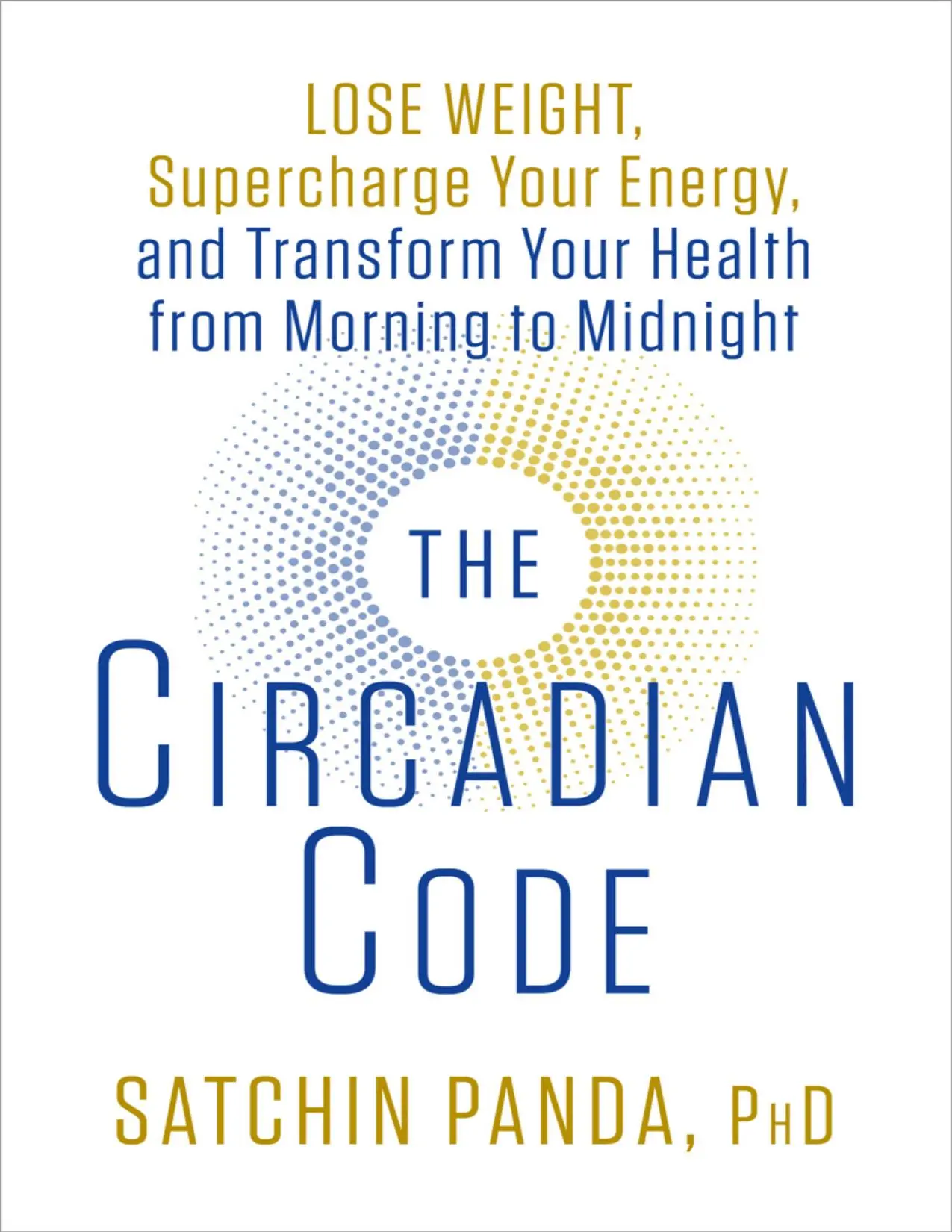
Episode 195: Dr. Satchin Panda — Circadian Rhythm, Sleep & Meal Timing
September 21, 2026 · 1:09:04
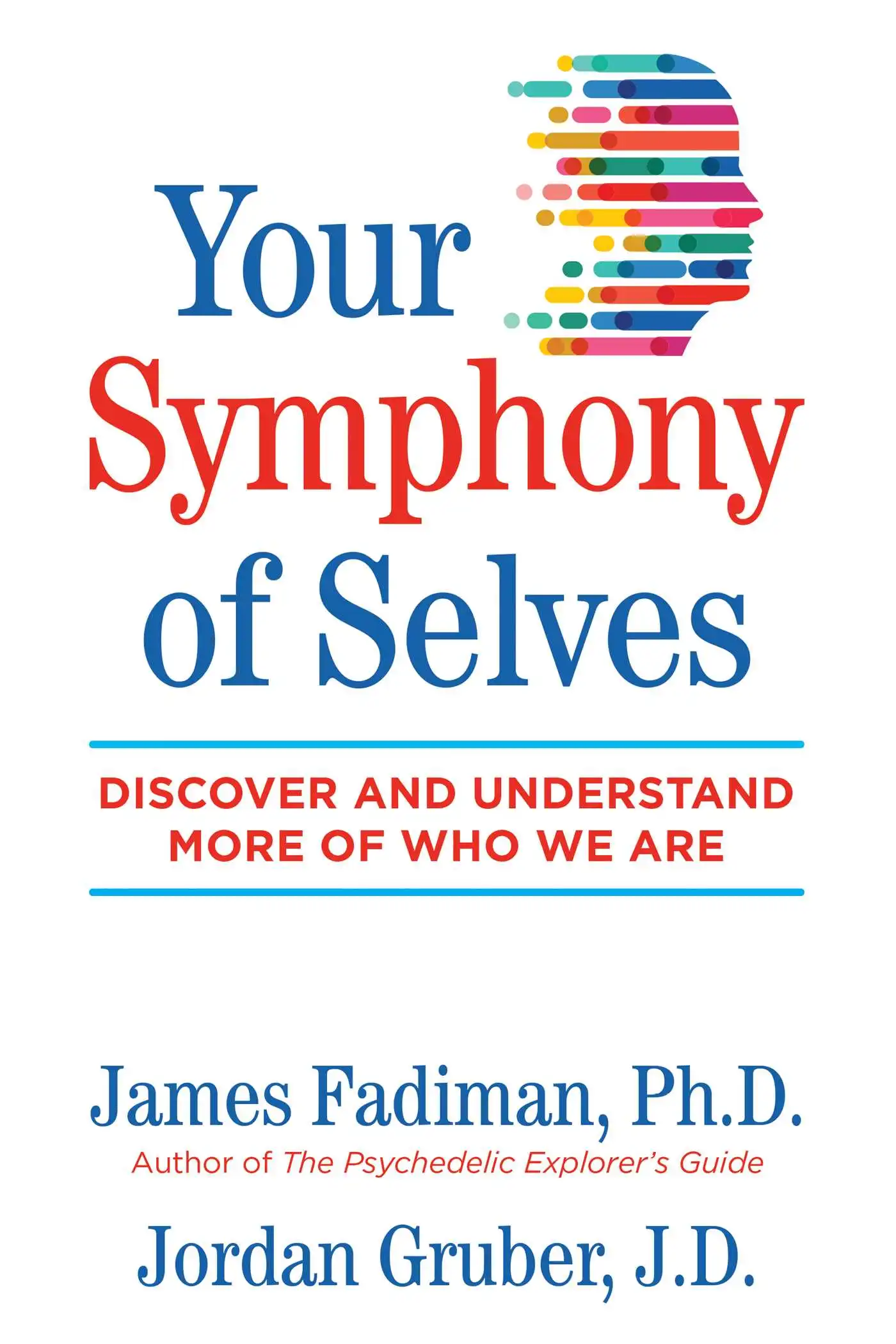
Episode 194 Dr. James Fadiman – You Are Not One Self: Microdosing, Multiplicity and the Mind
September 4, 2026 · 1:14:38
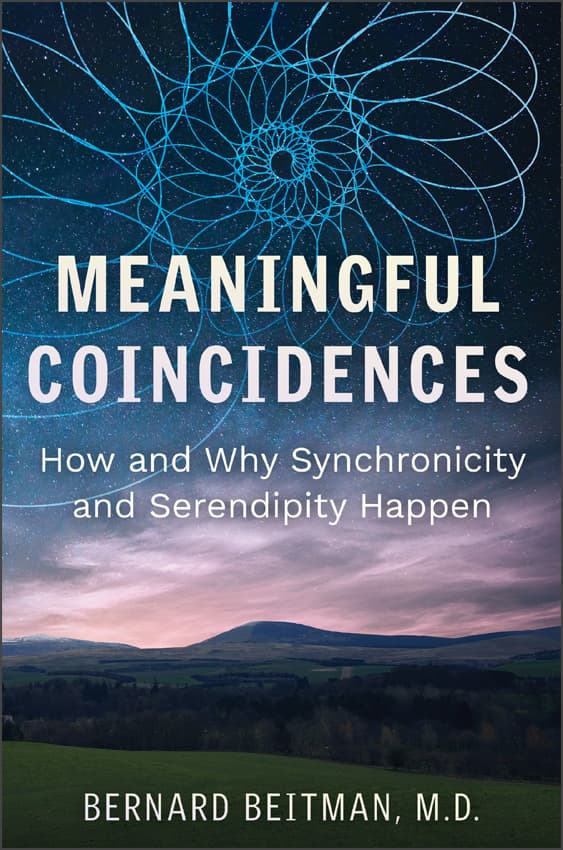
Episode #189 – Dr. Bernard Beitman – The Science of Synchronicity and Meaningful Coincidence
January 6, 2023 · 1:14:27

Episode 171 – Surfing Monster Waves, Mastering Fear & Flow State w/ Laird Hamilton
July 6, 2020 · 46:18
Independent conversations
Help make the next one possible.
Membership sustains ambitious, unhurried interviews and keeps the complete archive open to curious listeners everywhere.
Become a member