

The Human Experience · Episode
Episode 160 – Plant Medicine, Ayahuasca, Healing Trauma/PTSD From Shock to Awe w/ Matt Kahl
A conversation with Matt Kahl
Matt is a US Military Combat veteran, PTSD survivor, and Founder Matt has been on the front lines of drug policy advocacy and reform in regards to plant medicine and using unorthodox treatment methods to treat PTSD and trauma since 2013.
Stay with the full conversation.
Episode field notes
Show notes
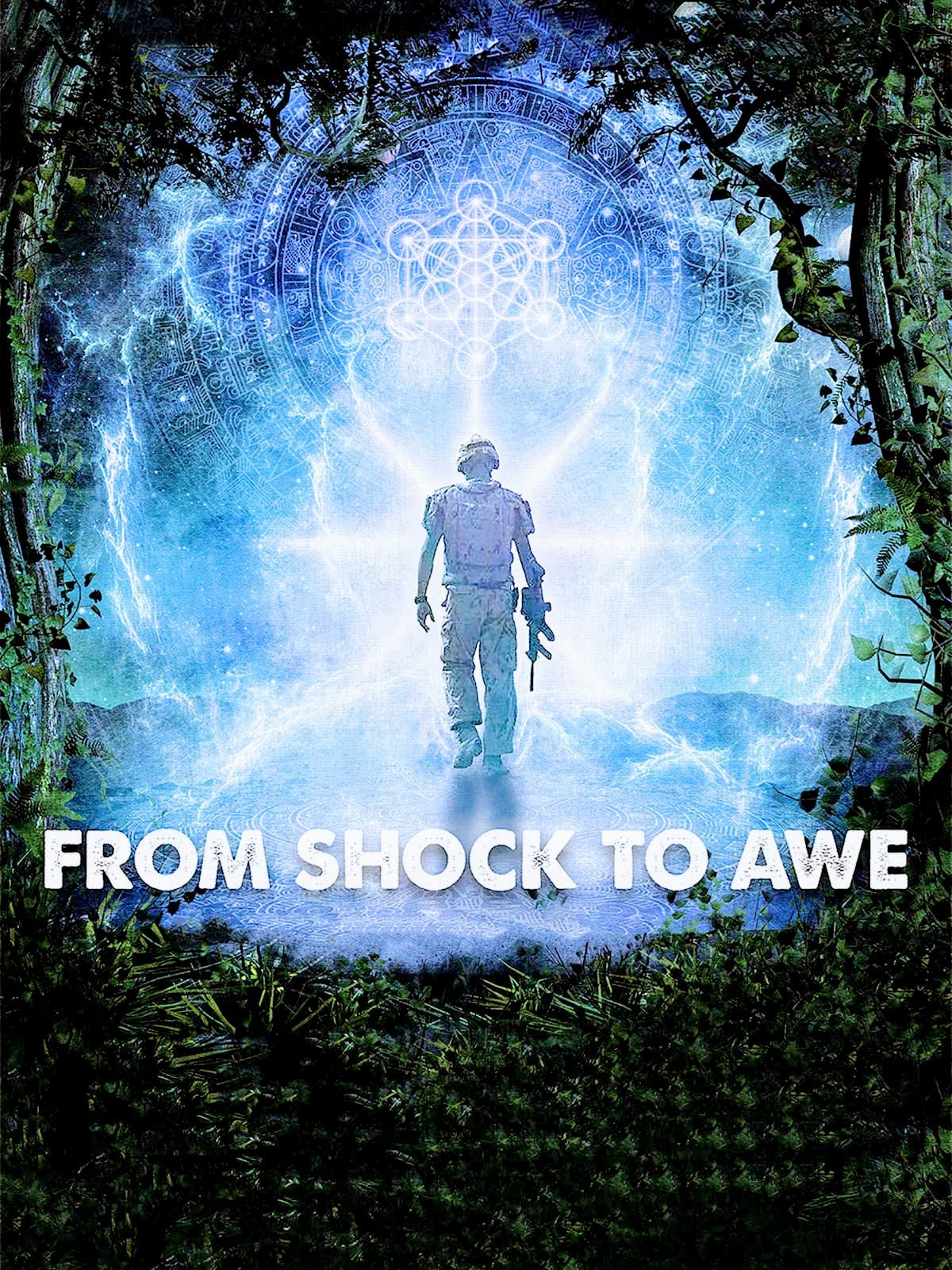
From Shock to Awe asks, ‘how do we heal our deepest wounds?’ An intimate and raw look at the transformational journey of two combat veterans suffering from severe trauma as they abandon pharmaceuticals to seek relief through the mind-expanding world of psychedelics. Recent scientific research coupled with a psychedelic renaissance reveals that these substances can be used to heal PTSD (Post-Traumatic Stress Disorder) for individuals and their families. Beyond the personal stories, From Shock to Awe also raises fundamental questions about war, the pharmaceutical industry, and the US legal system.
The documentary centers on veterans, Matt Kahl and Mike Cooley, and their challenging post-war lives, lives shattered by the trauma of war. The vets personally struggle with anxiety, fear, depression, anger, and an overall inability to find an equilibrium in society and with their families. In order to deal with their erratic emotions and haunted state-of-mind, doctors prescribe intense pharmaceuticals with various side effects that bring them face-to-face with death. In response to the negative impact of traditional Western medicine, both vets begin to use cannabis as an alternative. Although beneficial on many levels, our heroes yearn for deeper healing.
Mike and Matt decide to take ayahuasca, an Amazonian brew traditionally used for healing and spiritual insights. These warriors attend a weekend ceremony filled with hope…and fear of the unknown. Rattles shake, bells ring, flutes play, and a campfire crackles…a ceremony is underway. As images of battle consume their minds, the vets reverently drink the bitter brew several times over a weekend, bringing about profound revelations for our weary soldiers.
Upon returning to home, they quickly learn that their families are not prepared for the rapid change. Aimee, Matt’s wife, is overwhelmed by his exuberance and feels threatened that he might leave her. Brooke, Mike’s wife, sees the healing but finds her own demons rising to the surface. Mike feels the ‘reset’, and describes the experience like a roller coaster and the challenges associated with integrating the life-changing ceremonies. Unexpected twists and turns, and a desire to understand their husbands’ journeys, Aimee and Brooke embark on their own psychedelic healing journey with ayahuasca and MDMA respectively.

Click the image to get to the documentary
To Find Matt & Veterans of Natural Rights Visit veteransfornaturalrights.org.
You will love this episode!
Find the transcript Visit thehumanxp.com
Read the conversation
Transcript
us the only podcast designed to fuse
your left and right brain hemispheres
and feed it the most entertaining and
mentally engaging topics on the planet
as we approach our ascent please make
sure your frontal temporal and occipital
lobes are in their full upright position
as you take your seat consciousness
relax your senses and allow us to take
you on a journey we are the intimate
strangers thank you for listening the
human experiences in session my name is
Xavier katana my guest for tonight is
Matthew Cale matt is a US military
combat veteran PTSD survivor and founder
matt has been on the frontlines of drug
policy advocacy and reform in regards to
plant medicine and using unorthodox
treatment methods to treat PTSD and
trauma since 2013
Matt served in the hundred and first
Airborne Division in Afghanistan where
an accident sent him home sent him sent
him home injured traumatized and
suffering from crippling PTSD Matt is
the founder of veterans for natural
rights and organization that aims to
build community support and resources
for veterans that are suffering with
PTSD and trauma he is also the president
of we the weed for warriors project in
Colorado and host of the 1620 show on
the veterans Channel he is one of the
people featured in the documentary we’re
gonna be talking about tonight from
shock to aw Matt it’s such a pleasure
welcome to hxp thank you for having me
so Matt I mean where do we begin
let’s let’s tie mean I love the
documentary I watched I got a chance to
watch it a couple times and I mean let’s
let’s start with a little bit of your
background what what led you to choose
military service why did you decide to
do that with your life oh wow
that is a whole can of worms right there
it’s actually not clear at what drove me
to military service I grew up with a
father who was
colonel in the Marine Corps and he’s
pretty authoritarian and his parenting
style and we just didn’t really get
along so I kind of swore off military
service early on in my life but by the
time I had a son of my own I was working
in I was working in a music recording
studio as an audio engineer and the
money was good but it was intermittent
I’d get a contract and it’d be great for
a little while and then you know there’d
be a month or two where I didn’t have
any work and that that kind of lifestyle
works well for a single guy but not so
well for people with dependents so I
started examining other options and one
of the things that has been constant in
my life is pushing my own boundaries and
doing things that I never thought that I
would do and one of those things was
kicking down doors blowing stuff up and
and unfortunately part of the job is
killing people and I really didn’t know
if I was up to the task but I was
willing to challenge myself to see if I
was so I signed on the dotted line and I
raised my hand and I swore to support
and defend the Constitution of the
United States and was deployed shortly
after but unfortunately it turns out
that not many military people are really
charged with supporting and defending
the Constitution of the United States
and the oath of enlistment is all but
bankrupt in its meaning these days so
there’s a definite sense of moral injury
when someone who signs up for all the
right reasons ends up being a
stormtrooper for the empire essentially
yeah you know and so moral injury actual
trauma and then survivor’s guilt
I really characterizes three separate
things but they’re all very comorbid and
they have a lot of the same symptoms but
the three are very different but I have
all three definitely from both of my
deployments
it’s incredible and you know let me just
thank you for your service because it’s
important I think to cover you know this
and it led you to exploring plant
medicine because Western medicine had
failed you
you know you had tried to commit suicide
and you you were you lost all hope right
absolutely I was completely at below
rock bottom
there was no bottom to this this whole
that what I was in it just kept going
down and I was completely hopeless
bereft of any kind of idea of a normal
life that there was there was not even
the the inkling of a normal life in in
my head I believed that I was a murderer
and that I deserved die
you know I don’t I don’t think that the
human brain and psychologically I don’t
think the human brain is wired to take
another life you know and so when when
soldiers come back from combat they’re
they’re mostly forgotten about you know
we forget about you know our combat
veterans and and there’s so many
suicides that happen and it’s horrifying
you know what happens to these people
that serve our country and like you said
I mean it’s it’s morally bankrupt
so eventually you came to a point where
I mean how did you hear about ayahuasca
how did you find out about this
believe it or not I actually studied all
of the Indo alkyl amine hallucinogens
slash entheogens in college back in the
late 90s I was a behavioral neuroscience
student at Appalachian State University
and I did a lot of my work on the
anatomy and how it corresponds to the
function of the brain but I spent all of
my spare time researching the
psychopharmacology of endo kill amines
and cannabinoids so I was kind of well
prepared for my life after the service
but but I had to overcome my hasn’t my
hesitancy to re-engage these substances
again
I mean a when you first get out of the
military its transition is very
difficult for almost everyone they spend
so much time teaching you to be a killer
but they don’t spend any time to
deprogram that killer and so when I got
back to the civilian arena you know I
was still trying to be the good soldier
and still trying to do everything that I
was told everything I was ordered to
which included taking this massive and
debilitating regimen of pharmaceutical
pills so this this constant stuffing my
face full of pills really kept me in a
sort of psychological stasis and I
wasn’t able to address the trauma or
even recognize the trauma that I had
undergone not just in the military but
in my childhood too believe it or not
that the common thread for all of this
stuff whether it’s PTSD suicide or
addiction is childhood trauma dr. Gabor
Monta does an amazing piece about how
the the roots of addiction are based in
childhood trauma and people are trying
to medicate the pain away and they use
all of the the tools that are readily
available but extremely harmful you know
things like cocaine heroin
methamphetamine or in my case it was the
opiate pills and the benzodiazepine
pills and all of these other substances
that kind of numbed me to the pain but
it also numbed me to the variations and
the goods and Bad’s in life so I was
just completely destroyed I mean my body
was starting to fall apart
I gained massive amounts of weight I was
a zombie in every sense of the word I
would fall asleep in the middle of my
sentences I wasn’t able to carry a
conversation it was it was horrible the
the quality of life was absolutely
terrible and eventually I had to
start looking for other options and
that’s really when I stepped outside the
VA system and their method of trying to
treat these illnesses which falls far
short but that the plant medicines are
particularly good at treating yeah yeah
I mean we’ve had dr. Korb or amante on
the show several times and I mean I’ve
I’ve been such a huge proponent of of
this research for so long you know Rick
Doblin has been on the show Rick
Strassman Dennis McKenna so I mean this
is right down our alley and everything
you’re doing with from shock to odd and
like I said I’d love the documentary
because in the beginning it really kind
of showcases the the I mean the the pure
pain of coming back and trying to
reassimilate and being unable to and and
then you know it changes its shifts I
mean you can feel this perceptual shift
when you get to a point where you drink
the tea and I mean I want to get into
that you know there you know Western
medicine has failed you you’ve tried to
commit suicide nothing is working for
you whatsoever you get to this place and
you’re about to drink this
hallucinogenic tea which you’ve
researched
I mean neurologically tell me about that
first session how did it go for you oh
wow
it was absolutely revelatory I mean it
changed everything the first session
just in itself and it seemed actually
pretty simple at the time but in
actuality I I was sitting there and you
know that he kept coming around with the
cups of tea and I kept drinking every
booster that was offered and I think I
got up two to four cups and I was
sitting there and my I keep you know
making these faces he’s trying to like
kind of contain my stomach because my
stomach started acting up and it was
just like okay shut up stomach that we
got this hold it together and so you
know I was kind of like you know just
making faces in an attempt to kind of
keep it down
and the the facilitator there came by
and he said hey how you doing man
and I said well you know I’m a little
bit uncomfortable but I’m not really
entirely sure I don’t know what I’m
supposed to be feeling really I don’t
know what’s supposed to be different and
and he said okay we’ll try a few more
things and he came around with these
little kichaka’s they’re they’re like
palm fronds sort of rattles and he would
he spread this like flowery water onto
the the kichaka’s and shake them around
your head and um there was something
about that sound that set me off and I
just couldn’t contain it anymore it just
started coming up and I grabbed the the
bucket really quickly and I just started
hurling as hard as I could into that
bucket and I puked up everything it was
not just the contents of my stomach
it was the contents of my soul for the
previous couple years and what I found
is is I I was I was purging out a kind
of a demon almost it I looked at the
bottom I could see through my white
plastic bucket I could see the the vomit
at the bottom of the bucket and it was
dark black and it just looked like demon
to me so I kind of personified it that
way and I realized oh man I just I just
expelled a demon out of me how the hell
did that demon get in there and then I
realized oh wait a second you put that
demon in there so you have wronged
yourself by putting this demon in there
and then your entire struggle over the
previous couple years has all been an
attempt to control this thing that is
now imprisoned inside of you and I keep
pushing it back down and pushing it back
down and pushing it back down and
holding on to it
trying to control it but it kept
bothering me it kept screwing up my life
and getting in the way of a true
experience of existence and once I let
it out and into the bucket then I
realized oh my god you didn’t just do
this to yourself
you did that to the demon – you took
this thing that was just like flying out
here in the ether and you imprison it in
your own body you have violated not just
your body but you have violated the
demons freedom also and I had to
apologize to the demon and I I I did I
cried and I said god I’m so sorry how
could I have done this and and what do I
have to do what what how can i how can I
make this up to you and the demon just
said just let it go just let it go and I
said it’s not that easy
I can’t just let it go I can’t just do
that and he said back to me yeah it is
just let go and at that moment it just
made a lot of sense to me and I let go
and at that moment is where you see me
stand up and raise my arms to the sky
and I’ve had never felt freer man Wow
it’s incredible I mean that there is a
compound on this planet that you know
possibly hypothetically theoretically
that you know indigenous populations
have been using for thousands of years
you know these shamans drink this herbal
tea and you know maybe the they have
these vision quests and and go and they
can you know diagnose like what’s going
on with with these people spiritually
and then you know somehow it infiltrates
you know Western culture there’s this
psychedelic Renaissance that’s happening
with plant medicine ayahuasca namely
ayahuasca maps the multiple in area
Association for psychedelic studies were
at doblin I mean they’re there at the
forefront of this and I mean this is why
I love the documentary from shock to all
so much is because
you know we’ve like I said we’ve had so
many of these these shows now over the
six years that we’ve been doing this
this this broadcast and I remember there
was a service woman that emailed me once
and she said and she said Xavier you
know I’ve I’ve never really considered
this ever you know but after listening
to the show you know I’m changing my
mind about this and it really struck me
you know it really struck me that you
know it it it is possible for this this
plant to help people right and you know
I want to talk to you about
neurologically you know I’m sure you
know what neurogenesis is and there are
only three four or five compounds
handful of compounds that do this in the
brain – tell us about neurogenesis and
what’s going on in the brain when a
person drinks this tea are you Oscar
well both the beta-carboline switch
inhibit monoamine oxidase and also DMT
they both stimulate neurogenesis in the
brain and it’s actually true of most of
the Indo alkyl amines almost every
entheogen out there will stimulate new
connections and new neuron growth in the
brain so these substances are really
taking advantage of a route of healing
that has kind of been known to
psychology for some time there’s a
reason why the SSRIs and the SNRIs they
say that you have to take them for 30
days before you start to feel the
effects of it and that’s because it
takes about 30 days for those substances
to generate new neurons and new neuronal
connections mm-hmm so these substances
especially the tryptamines
they tend to jumpstart the process and
you start having massive amounts of
neural connection between areas of the
brain that are formerly unconnected and
neurogenesis between all of these
disparate sections of the brain all
almost immediately so ayahuasca having
the dual components of the
beta-carbolines that inhibit Mao and the
DMT which is a straight tryptamine that
stimulates your brain to connect in all
kinds of different ways it normally
doesn’t these two substances together
probably with a number of other
substances that are also in the plants
they serve together in order to create a
one-two punch to your brain to really
kick it out of all of those bad and
negative thought loops that you have
become so accustomed to that your ego
continually beats you up with so these
things can really change your mind about
how you are in relation to your trauma
how your trauma defines you most people
when they’re really deep in that dark
hole their trauma completely defines
them but when you step outside of
yourself with this ego reduction that
the tryptamines bring you can finally
see that your trauma doesn’t really have
much to do with you it made you who you
are but it does not have to determine
who you will be and you can heal from
these things that’s my lesson from the
use of all things and Thea genic is that
PTSD trauma it’s curable mmm yeah I mean
it’s so powerful and I think I think
probably your you know your first
session with the tea could probably be
branded the I Love You session do you
know in all regards and I think that’s a
huge part of it is just remembering that
we you know there’s there’s love it is
love and it’s it’s capable you know it’s
it’s there we’re capable of reaching it
within ourselves and you know so so
ayahuasca is made of two plants that
it’s the vine and the leaf right and the
the the vine is the mo I and the leaf is
it has the DMT
uh-huh but there are all kinds of
alkaloids that are that are in the plant
themselves yeah correct especially in
the vine the vine itself is the maoi so
there’s all kinds of beta-carboline in
there there is harming there’s harm main
there’s harm of law
there’s tetrahydroharmine there’s
tetrahedra harm of all there are dozens
of different entourage elements in this
plant and they all add up to some kind
of mono amine urge ik inhibition and
they just they simply take your enzyme
that normally breaks down things like
serotonin or anything that looks like it
and it inhibits that enzyme then in the
chacruna chacruna is the leaf and it’s
from a different bush in the Amazon and
chacruna has dimethyltryptamine in it it
also has n methyl tryptamine and a
number of other entourage elements in
there with it that are similar to DMT it
but DMT is the primary alkaloid DMT is
possibly one of the most visual
hallucinogens on the face of the planet
it is an extremely potent experience
especially by itself too but it’s very
short-lived because of the monoamine
oxidase enzyme if some people have been
known to extract DMT from either
chacruna or mimosa hostilius there’s
several other plants acacia confuse a
that all have high levels of DMT so this
this is everywhere in nature DMT is one
of the most ubiquitous chemical
substances on the face of planet Earth
it’s present in so many species hundreds
and hundreds of plants in in at least
dozens of animals so we take these two
substances that shook the the chacruna
the bush in the Amazon and then the vine
the ayahuasca vine and right yeah
Banat been a stereoscopic yeah so you
you could combine these two ingredients
and the copy inhibits your enzymes of
the
dmt can actually reach your bloodstream
and then you have a relatively
long-lasting DMT experience so the DMT
whereas normally if smoked can go to
your brain and disappear in a matter of
15 20 minutes the MA Aoi allows it to
persist in your bloodstream for two to
three hours so you have a lot more time
to sort of interface with the chemical
and go to this place where you
renegotiate your relationship to your
ego and renegotiate your relationship to
your trauma and then bring something
back that you can apply to your everyday
life that will then change you forever
more it’s so incredible to me Matt like
this that this exists and we have access
to it you know the only problem is it
seems like you know these pharmaceutical
companies and drug policy is completely
backwards I mean this is illegal by law
and you know most people are you know
flying to down to South America just to
access this they’re you know struggling
to find it
what’s going on with drug policy right
now is it just you know this corporate
banker thing or they’re just trying to
farm humans farm are suffering keep us
sort of addicted to these pharmaceutical
drugs what you know what’s going on with
with drug policy and it’s reforming
we’re starting to see a bit of reform
very slowly but it seems to me the drug
war is an abject failure would you agree
absolutely
I mean it does nothing but criminalize
the population in the United States and
indeed the population of the entire
world I mean if you are guilty of using
the substance it doesn’t happen to be on
the approved list in order to improve
your life then you’re a criminal
period so it’s not really a war on drugs
it’s a war on people it’s a war on the
citizens of the United States and of the
world yeah and I mean I think it was the
Controlled Substances Act 1971 Richard
Nixon and then the Reagan administration
and and their campaign just say no you
know it’s it’s amazing where we have
sort of ended up and you know I’m so
glad there are organizations such as
yours and what you guys are doing
especially for veterans because I mean
here are people that go you know to
serve our country and you know perhaps
they don’t know what they’re getting
into
you know perhaps they’re going over
there because out of necessity perhaps
you know they they just can’t afford to
do anything else they can’t afford to go
to college you know yet unless until
they serve and they come back and
they’re broken in pieces and you know it
doesn’t just have to be veterans it many
people go through this many people are
walking around with trauma and as you
said absolutely the work of dr. Gabor
Monta you know we carry around this
childhood you know trauma for our whole
lives and you know it seems like we’re
just searching for something anything
and I you ask a plant medicine seems to
be that thing right now I think that
especially you hit on an amazing point
there the fact that trauma is the one
thing that really ties us all together
it doesn’t really matter who you are
there’s some kind of traumatic
experience in your past that you could
benefit from facing feeling and then
moving through so combat veterans
universally they tend to also have a
little bit of childhood trauma that’s
usually the predictor for what adult
PTSD is so if you have a little bit of
childhood trauma and then you have the
military trauma on top of it the
military trauma is really just the thing
that cracks the egg open and then once
the egg is open the yogic flying it all
back inside so that’s what I found with
my own trauma is the fact that the
military trauma just really I found that
the the the veins and the roots of it
went so deep into my being that they
didn’t just stop with the military it
went all the way back to early childhood
I think that that’s something that we
all feel to some degree or another we
have 22 veterans at the upper end that
are committing suicide every day and
maybe about 39 who are overdosing every
day
and dying from as a result of the
overdose but if you look at the larger
numbers it’s about a hundred and twenty
one individuals in America today that
are committing suicide every day 22 is a
my normal ready give that and granted
veterans are a tiny minority the
population we definitely have an
outsized influence on that number but
the fact is is the vast majority of
trauma is in the civilian population and
with addiction and overdose you’re
talking about a hundred and ninety-eight
people dying
that’s ridiculous every single day 121
from suicide and 198 from addiction and
overdose so that total you’re getting
about 320 people a day who are dying
from untreated trauma that’s it that’s
the bottom line
untreated trauma is what is causing this
massive not only human toll but societal
toll an economic toll how many days are
lost because somebody just can’t pull it
together enough in order to go to work
how many days are lost how many how much
productivity is lost because somebody
loses a job because they keep screwing
it up because they just can’t handle it
because of their trauma how much of the
crime in America is actually caused by
criminals who are simply acting out the
trauma that was done to them at a very
early age what kind of economic and
social impact could we have if we
started opening these medicines up to
all people regardless of what their
background is veterans you know we’re
the poster boys for PTSD right now but
it’s our job to call attention the fact
that the main repository of trauma in
our society is in the civilian side and
we all deserve recognition for our pain
and nobody’s pain is
any more important than anybody else’s
Wow such a powerful statement you know I
think you mentioned it a little bit
earlier when you were talking about your
journey and you you know you said there
was there was something about using the
opiates that numbed the pain for you and
you know I’ve been there I’ve you know
I’ve I remember after my first session
and I I never drank again you know but
in a world where alcohol is available on
every street corner you know and it just
seems like it’s it’s resistant to this
healing aspect of things and you know I
think it’s so important that we we
recognize we change the perception of
these compounds because I think some
people you know they hear ayahuasca or
psychedelics which I’m not really fond
of that word but you know they hear
about this and they just they just do
they turn off you know it’s like a
switch but I mean it’s it’s obvious that
this is helping people and you know like
you said this this comes to it’s not
just your service that that you looked
back at and and you know saw that
there’s trauma here it went back all the
way to your childhood and it affected
something deep down in in your soul yeah
and I really think that that’s sort of
the the crux of it veterans you know
like I said we are the poster boys with
PTSD right now and love us or hate us
we’re natural leaders so we get back to
civilian life and if we find something
that works for us there’s not many
veterans that are gonna just shut up and
like go melt away into a corner we’re
gonna start speaking up about it because
hey this works guys I don’t want another
one of my brothers or sisters to die so
please please please listen and take
advantage of these methods of healing so
that is really where the veteran kind of
fits into the whole drug war agenda is
the fact that we have a unique voice and
we can speak to a certain segment of the
population that normally is completely
unfazed by any sort of
argument Pro psychedelics namely the the
it’s it’s the conservative side of the
spectrum the fact remains is that
veterans we yes we have raised our hand
and we have pledged our life to the
support and defense of the Constitution
of the United States and also to the
people of America and there are not many
conservatives out there who will deny
that and they will even if they disagree
they’re at least gonna listen they’re
gonna give us a chance to say our piece
and I’ve really taken advantage of that
by going into the capitals of state
governments and also national
governments I actually held a
congressional brief in the US Capitol in
DC on December 12th where I talked about
psychedelics as treatment for PTSD
myself and another veteran – his name is
Jonathan lieu Becky and he was part of
the MDMA trials so you know there is
some small change happening but I really
believe that veterans are going to be
the linchpin we’re really the tip of the
spear on this we are pushing the idea of
plant medicine right up into the centers
of power in Washington DC and every
State Capitol across the nation yeah
it’s it’s amazing and and I applaud you
for your work and doing this and
bringing it to the mainstream as it were
you know can you imagine can you imagine
if there were you know ayahuasca centers
on every street corner instead of
alcohol just available freely I mean and
and people could access this and maybe
treat you know some of that that
struggle and find you know healing true
healing and it wasn’t just you know you
found you found healing in the family
aspect as well can you talk a little bit
about you know how it helped you in your
connection to your family and your your
sort of everyday life and your your
connection to your wife and your kids
yeah absolutely
um so when you have a psychedelic
experience or an
anthea genex experience however you want
to term it um you are basically shown an
open door which leads you to a vision of
how things could be but psychedelics
themselves aren’t the answer
psychedelics can show you the way but
really the work has to be done in your
everyday life you have to start making
changes in the way you actually live
your life the way you think from moments
a moment the way you react to certain
triggers and stimuli you have to change
that on a basic fundamental level in
order for you to get better and that’s
what they talk about quote doing the
work you know there’s a lot of people
that go to the psychedelics and then
afterwards they have to do the work and
doing the work involves changing the way
you interact with your experience
interact with reality interact with life
so I had to immediately start reviewing
almost everything that I did in life and
and believe it or not it wasn’t just
ayahuasca that I pursued as soon as I
tried ayahuasca I realized that these
things can really work and I determined
that I need to know everything there is
to know about all of the indle alkyl
amine entheogens and so a month after I
took ayahuasca on from Choctaw I went
down to Peru and I recorded a movie
called soldiers of the vine which is
available for free on YouTube and then a
month after that I went down to Mexico
and I took ibogaine and also toad which
is five methoxy DMT a month after that I
was exploring peyote here in the States
and a month after that I was trying
mushrooms under the guidance of a gringo
so uhm 2016 was a bit of a crazy year
for me but I emerged from 2016 a
completely different person with a
completely different relationship to my
trauma my trauma no longer determined
who I was as a person it was simply
something that was a part
of the greater whole yeah so yeah anyway
so the the point being is is that these
these substances can can really catalyze
profound changes in your life but you
have to be willing to do the work in
between you can’t just go back to your
old habits and your old ways of
interacting with with the universe
around you you have to actually change
and one of the ways that I started
changing is I started rien gauging my
family in a huge way my son was born
just before military service and then
when I got in the military I was never
there I was gone from sunup sundown
training and then a few months after
that I was deployed for almost you know
a year and a quarter and then I was home
for a few months and then I deployed
again for another year except that time
I got medevac’d and when I got medevac’d
it was even worse because I was home but
I was on all these medications so I was
really truly absent I was completely
messed up in the head and I was a zombie
I was drooling on myself I couldn’t hold
a conversation there was no way that I
could actually father my children you
know I couldn’t be there for them so I
was absent for their entire childhood
and it really really messed with me and
I talked about it a lot in in the film
but what the medicine led me back to is
the fact that I needed to rebuild my
relationship with them and I needed to
start from ground one like the ground
level you know and so the first thing I
started to do was re-engage with my wife
and even though I was reengaged my wife
I was still doing all of these other
things that had been important to my
healing up to that point which is like
helping other veterans and it’s really
just recently just within the past year
that I decided that I needed to really
start fixing all the lack of attention
that my kids had gotten from me so in
August of last year I
actually pulled my oldest son out of
school and I started homeschooling him
and I have actually I’ve believe it or
not I have complete completely
rearranged our relationship and I have a
completely new understanding and
appreciation for who he is as a human
being I don’t yell at him anymore we
just talk and we talk about everything
we talk about school and we talk about
friends and we talk about girls and we
talk about hopes and dreams and we talk
about the future we talk about College
we talk about life and it’s wonderful
it’s completely changed my own feeling
about myself
and my feeling about myself in
relationship to my family – yeah I mean
that’s so powerful man I love your words
I love that I love what you said about
not you can’t be lazy about this you
know it’s not like it’s not like this
cure-all there is no magic pill you
don’t show up to a session and suddenly
you’re just sort of healed and you know
you kind of move around and that’s it
it you have to as you said you have to
do the work you have to take it very
seriously I mean it is very serious and
and I think for me you know the tea
showed me so much and I would classify
my life as you know pre ayahuasca and
post ayahuasca just flat-out and you
know it took me a long time just to be
able to talk about some of the things
and I I don’t remember you know when I
cried the last time that I had cried and
my first session it was like I was my
face was you know wet sloppy mess and
you know and what you said about purging
I think is so on point you know there’s
something about it that is almost
spiritual you know I think maybe it does
go in there you know if your cells store
memory Faced or trauma maybe it kind of
finds those things those attachments
those demons and and then it’s it’s out
its out of you you know and as such it’s
such a powerful experience you know in
every angle and every facet
but you know as you said you know I I
think we have to be ready to do the work
within ourselves and and I’m so glad for
you that the relationship between you
and your son has evolved and you know I
think it’s about the collective it’s
it’s about the network that we create
around us it’s not just about the the
just individually us and our own
evolution but it’s also the evolution of
you know our family and the people that
we care about and our friends and and
the reason that I do this show to be
honest yeah it’s the evolution of
everyone that you come into contact with
because each time that you take a step
forward you’re kind of pulling along
everyone that is on the ride with you
there’s there’s no other way to really
describe it but you know the fact that I
have found this way out of a deep dark
hole this horrible horrific trauma has
basically created a roadmap by which
hundreds maybe thousands of other people
are now first starting to take their own
steps on that path I love it man and
there’s a quote there’s a quote that of
yours that I’ve really liked that I
found it no one in no one is free in
America so long as nature is illegal and
it’s so true you know absolutely because
if nature is illegal then what what the
heck is read them to us like if I can’t
plant a seed in the ground watch it grow
and then use it in order to feed clothe
or medicate myself then I am NOT free
period there is no no kind of reality in
which a person is free who can’t simply
put a seed into the ground that’s we are
under a completely backward and
totalitarian and tyrannical edict and
regime that creates these restrictions
upon us we are living in a jail in which
were not allowed to touch certain parts
of nature and I cannot abide by that
period I was I swore to support and
defend
the United States Constitution and when
I read through the United States
Constitution what it tells me is that it
was created to restrict powers of
government and not the people it was
designed to protect the rights of the
people to do anything they want so long
as they hurt no one else so if I decide
to drink a tea from an Amazonian jungle
plant so be it that should be completely
within our rights and priorities as
individual human beings and there is
nothing in the world that should come
between us and nature I love it I had
loved it so much and I couldn’t agree
more I think it the the current system
is absolutely archaic and I can’t see a
reason for it to exist the way it does
other than to enslave humanity and you
know it’s it’s time for us to do
something about that you know Matt we’ve
got about 15 minutes left and you know I
really want to reach out to you know the
people that maybe there’s a veteran
that’s gonna hear this and maybe they’re
on the fence about this you know or
there’s a person that is struggling from
this internal pain what’s your what’s
your sort of take away from this whole
journey that you’ve been on and what do
you do I mean what do you say to that
that veteran your brother or sister you
know whatever it may be what do you save
these people that are suffering out
there and they they just can’t seem to
find you know that thing that works for
them I think I would say you need to
live for yourself and not for other
people because so many of us are stuck
within the prison bars that society and
other people have created around us in
our own minds and you need to step
outside that box that box it was made by
other people for you but it’s not your
box you need to find out where you
actually live where you can actually go
as a human being not just bodily but
mentally – if cognitive freed
is not a right guaranteed by the
Constitution then I think Terence
Mckenna
said it that it’s not worth the hip that
it was written on its right the
Constitution is not worth the hemp it
was written on so I think that if you
were on the fence about these treatments
you don’t need to be I know
Green Berets I know SEAL Team six
members who are using endo alkyl amine
entheogens to improve their lives and to
get over trauma that they have incurred
as a result of service and as a result
of their childhood I know people in
Delta Force people in CAG who are
actually exploring their own minds and
their own souls with the help of these
plants and these substances so if you’re
on the fence about it don’t be these
things are very well proven with
thousands of years of use and the fact
is is Western medicine it’s like a child
it’s like a screaming baby and it has no
idea how to use all of these appendages
that are given to it there is so much
more that your mind is capable of and
there’s so much more that your body is
capable of there’s so much more that you
are capable of and these plants they’re
simply the beginning of it they will
show you the way but you have to walk
that path yourself indeed indeed my
friend um you know and what about what
about the people who you know haven’t
served at all the the you know people
who haven’t served in the military and
perhaps they’re they’re suffering you
know as he as you noted in your story
you know this this goes back to
childhood and youth you know dr. Gabor
motty’s work which i think is
revolutionary and he he talks about how
we carry around these traumas for our
whole lives and we never truly face them
you know whether they’re abandonment
issues or something else we never really
addressed them no one really
asks us what happened to you as a child
what happened to you you know and so
let’s let’s talk about that a little bit
and then we’ll wrap up but you know what
do you what do you say to someone who
hasn’t served at all yeah I mean we we
spend our whole lives of voiding these
topics I mean if something bad happened
to you when you’re a kid and somebody
asks you about it when you’re adult are
you totally gloss over it you’re like
yeah man it was a messed up thing and
you know my dad was totally absent or
angry and he hit me or my uncle touched
me wrong it there’s all these different
things that happen to us but that we
don’t really incorporate we don’t we
don’t actually integrate them into our
personality we push them away and we
lock them into a deep dark closet
somewhere and we use all kinds of
defense mechanisms in order to avoid
talking about these things whether it’s
self-deprecating humor or it is a simple
avoidance there are so many different
tactics that we use to try to erase
these things out of our history but the
only way to really truly reconcile these
things and reintegrate them into the
whole of your being is to truly sit
there and delve into them experience
them fully and then just like the rain
clouds come and go so will these
memories and so will these traumas so
the the clouds may come and obscure the
Sun for a brief moment but you know that
eventually the clouds will go away and
the Sun will shine again I’m sorry dude
sorry too bumpy there go ahead
no but another thing I would like to
tell the people who have never been to
combat listen I have when I first got
out of the military I had a very common
prejudice that is present in a lot of
infantryman I mean our job is a kick
down doors blow stuff up and kill people
straight up this is like trauma 101 and
I started realizing I got out of the sir
and I was really mad at the people who
claim to have PTSD but never really did
any of the stuff that I did and I had a
prejudice against them but gradually in
the process of my advocacy I would sit
down with some of these people and I
would say all right man like what what
really happened to you and they would
say things like listen nothing I didn’t
really do anything like you did I can’t
even imagine what it’s like being you
let me tell you what happened to me
and then they would tell me this story
and half the time my job would hit the
floor and I would come out of that
conversation thinking to myself how the
heck did you deal with that I have no
experience in being able to try to pull
myself together after an experience like
that some of these are horrific horrific
trauma it could be being kidnapped and
systematically tortured it could be a
ace a rape or a number of rapes over a
long period of time this betrayal by
authority figures and people that you’re
supposed to trust I have no idea how
some of these people pull themselves
together after this and so I still have
to tell people yeah you may not have
kicked down some doors and blowing stuff
up and killed people but your trauma is
just as important as mine is and don’t
ever ever ever let anyone tell you
anything different yeah for sure
Matt there’s there’s a question that I
really really like and it’s from cosmos
of compassion and they asked if one has
a rough mental history psychotic breaks
is there ever ever a chance for such
people to use plant medicine having such
a bad history
will I ever be approved plant medicine
if you have genuine psychosis in your
background like psychotic breaks I think
that the chances that you would
experience a a psychotic break under the
influence of some of these substances
might be slightly higher
so definitely proceed with caution
I think that there are a lot of people
who advise those with histories with
psychosis to never engage in any of
these substances but personally I have
had a psychotic break I there was a
period of time where I didn’t sleep for
over a week in Fort Campbell Kentucky
and I was imagining Taliban outside my
window flitting around in the shadows
and I would routinely go and clear my
house with a firearm and then clear the
outside of my house with that same
firearm and I was I was not right in the
head I was imagining things
I was I was legitimate
I think psychotic I it felt like I was
going crazy so the fact that I have been
able to at least come to a different
portion of my life
all of those incidences are way far in
the past I have been able to use these
medicines to help fix myself so that
that kind of thing never happens again I
think it depends on the person really
and you really have to proceed with
caution if you are prone to psychotic
breaks and there are no substances
involved like let’s say you turned 18
and you just had a schizophrenic attack
and you weren’t on any sort of
medications or drugs or anything like
that you are at risk for being for
undergoing a psychotic rape while
underneath the influence of these
substances but if you had some kind of
incident in your past in which you may
have imagined things or heard voices or
something like that especially it under
the influence of medication then if you
eliminate the medication then more than
likely you’re going to be able to
eliminate the psychotic symptoms and you
can then re-engage with some of these
tryptamine substances in a safe manner
yeah I mean I I like that answer and in
a proceed with caution I think is that
the general rule and you know we we are
not medical professionals and we’re not
pretending to be so you know constitutes
medical advice here so this is for
entertainment purposes only and your
information so please you know proceed
with caution and make sure that you know
you’re making wise choices and decisions
with your mental health and and what you
decide to do with with your body you
know Matt I I think one of the most
important things also is to have someone
around that you trust that can monitor
you for these kinds of symptoms so if
you are undergoing a psychedelic
experience having someone that you know
love and trust that is close to you that
can help you through these things and
then also tell you if you’re starting to
slip and having them available is
extremely important yeah yeah and you
know if these compounds weren’t illegal
people wouldn’t you know be trying to
order them on the internet and cooking
them in their kitchens and then you know
maybe jumping out of windows or
something because they’re you know like
they’re not guided by a shaman or you
know someone trained to do this do not
do this by yourself you know I think
people ask me you know they they they
think you know it’s something that they
can do just sitting alone in their
living room I do not recommend this
whatsoever do not order it on the
internet go to someone that is trained
in guiding you through a session because
there there is an an integration period
that that you need you need to be able
to talk about your experience is so
important a friend of mine tried to cook
it in his kitchen and he was like
burning incense like drawing like war
paint on his body he it was not it was
not a healthy thing for him to go
through that yeah I think um the vast
majority of people could benefit from
having either a trip sitter or a trusted
friend together or both honestly I think
that these things can work in concert
and provide layers of protection for you
there’s another thing that you really
need to do when undergoing any sort of
psychedelic experience to sort of
develop a spiritual practice of your own
it doesn’t need to be
anything from any major religion it can
just be stuff that you pull from several
different religions things that resonate
with you things that make sense and they
make you feel good and they ground you
so having this sort of ritualized
approach to entheogenic exploration can
be extremely valuable but I also want to
say that there is so much focus these
days on integration and having a proper
shaman and all this stuff and you know
believe it or not all of the best
shamans that I have ever come across
have said I don’t do anything the
medicine does it in concert with you and
actually they’re just providing the safe
space they’re just they’re just simply
containing the area and letting whatever
comes out come out and I think that
there is intrinsic value to these
substances whether it’s ayahuasca or
even just plain DNT or v methoxy DMT
toad Bufo mescaline with a San Pedro and
peyote
I think there’s intrinsic value to
mushrooms and psilocybin I think there’s
intrinsic value to all kinds of
different plant medicines you can do
these things yes alone but those things
are for the advanced practitioner only
very very important I think that the
vast majority of people could benefit
from using some kind of support system
whether it’s a shaman and a trusted
friend or a shaman a trusted friend a
psychotherapist to talk about all of
your experiences with afterwards because
you’ve got to unpack everything you know
your shaman is gonna be there or your
your facilitator is gonna be there
through the experience and they’re gonna
let you talk about it a little bit
afterwards but really you’re gonna
really start unpacking everything that
just happened to you over the MA
and years after your experience not in
the 24 hours afterwards so it will
continue to develop layers of meaning as
you go on and and you experience more of
life you’ll start to realize how
different things that you learned are
more applicable to each individual
situation indeed indeed and you know I I
think I’ve heard you know something like
it’s years of therapy in one sitting one
session and I would agree with that so
you know I think there’s a there’s a lot
to unpack there Nomad I think we’re out
of time man where can people find you
know you your work where can people find
from shock to all tell us how we can get
there and and watch the documentary
please you can find a link to all of the
ancillary materials for from shock to
odd at from shock to a calm and you can
actually rent the movie itself from
Amazon Prime from Google Play and I
think you can also do it from iTunes so
you can actually watch the full hour and
a half two hour movie if you’d like for
a nominal fee and you can find me at
least online I’ve actually divorced
myself from Facebook recently but I I
still run the organization called
veterans for natural rights and it’s
it’s found on Facebook it’s found on
Instagram it’s found on a bunch of
different platforms you can follow me
and my activities there you can also go
to the website veterans for natural
rights dot org and there you’ll find
trailers for the 16:20 series which is
more about cannabis and how it helps
pull us out of the pharmaceutical health
and also you’ll find links to from
Choctaw trailers there and and soldiers
of the vine which is a full hour and
minute movie about ayahuasca as healing
for PTSD yeah Wow Matt you know I really
want to thank you for your service in on
all levels I mean there’s it’s so
important the work that you’re doing
here guys that’s gonna do it for us I
mean what a show what an amazing you
know thing to learn about ayahuasca and
plant medicine is something very close
to my heart and I truly believe if
there’s anything that’s going to turn
things around here on the planet
probably gonna be plant medicine so I
hope you guys enjoyed this in this
broadcast we will be back next week with
yet another show if you are subscribed
to us on YouTube make sure you click the
like button if you are listening to the
podcast version of this please get over
sure you share this broadcast with your
friends family people you care about
thank you so much for listening we will
be back next week
[Music]
Ideas worth returning to
Quotes
Five substantial excerpts from the published transcript, lightly edited for clarity without changing their meaning.
“I was completely destroyed. My body was falling apart, I gained a massive amount of weight, and I became a zombie in every sense of the word. I would fall asleep in the middle of a sentence and could no longer carry on a conversation. My quality of life was terrible, so I eventually began looking beyond the VA system’s approach to treatment.”
From the conversation“If you use a substance that is not on the approved list in an effort to improve your life, the law treats you as a criminal. From that perspective, it is not really a war on drugs; it is a war on people—on citizens of the United States and of the wider world.”
From the conversation“The experience changed how I interacted with reality and with life, so I had to review almost everything I did. Ayahuasca was not the only path I pursued. Once I experienced it, I realized these substances could work, and I became determined to learn everything I could about indole alkylamine entheogens.”
From the conversation“I developed a completely new understanding and appreciation of who he is as a human being. I do not yell at him anymore; we talk. We talk about school, friends, relationships, hopes, dreams, college, the future, and life. It has transformed how I feel about myself and about my place within my family.”
From the conversation“When I read the United States Constitution, I understand it as restricting government power rather than the people. It was designed to protect people’s right to act as they choose so long as they harm no one else. If I decide to drink a tea made from an Amazonian plant, I believe that choice should remain within my individual rights.”
From the conversation
About the guest
Matt Kahl
From Shock to Awe asks, ‘how do we heal our deepest wounds?’ An intimate and raw look at the transformational journey of two combat veterans suffering from severe trauma as they abandon pharmaceuticals to seek relief through the mind-expanding world of psychedelics. Recent scientific research coupled with a psychedelic renaissance reveals that these substances can be used to heal PTSD (Post-Traumatic Stress Disorder) for individuals and their families. Beyond the personal stories, From Shock to Awe also raises fundamental questions about war, the pharmaceutical industry, and the US legal system.

Episode 163 – Medicinal Mycology, Neurogenesis, Psychedelics, Kundalini Awakening w/ Clint Ginn
March 14, 2020 · 1:04:32
Episode 159 – Expanding Consciousness, Embracing Divinity, The way of the Yogi w/ Nandhiji
February 7, 2020 · 1:28:39
Episode 171 – Surfing Monster Waves, Mastering Fear & Flow State w/ Laird Hamilton
July 6, 2020 · 46:18
Episode 166 – Becoming the Architect of your Life, Building Atomic Habits w/ James Clear
April 3, 2020 · 1:05:55

Episode 165 – Coronavirus, Policy Failures, Is our Democracy in Danger? w/ Marianne Williamson
March 25, 2020 · 1:07:07
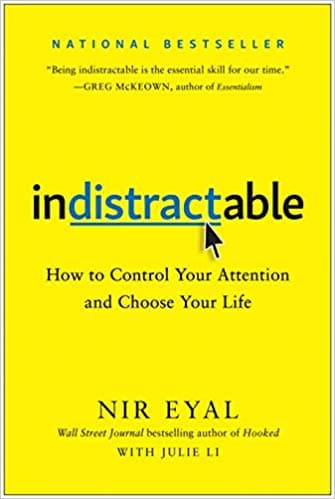
Ep#162 – Willpower, Focus, Attention, Optimizing Your Life & Becoming Indistractable w/ Nir Eyal
February 28, 2020 · 1:06:39
Independent conversations
Help make the next one possible.
Membership sustains ambitious, unhurried interviews and keeps the complete archive open to curious listeners everywhere.
Become a member