

The Human Experience · Episode
Episode 166 – Becoming the Architect of your Life, Building Atomic Habits w/ James Clear
A conversation with James Clear
James is the author of international best selling book “Atomic Habits” Where he looks for the answer to the question: “How can we live better?” His book in which he educates the reader how to, among other things, boost their motivation, break their bad habits and find ways to get better by 1% every day.
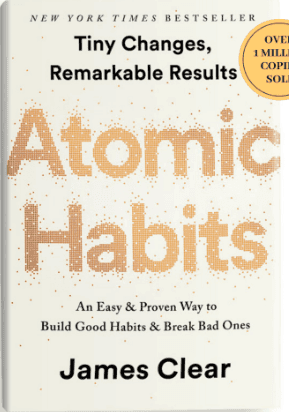
Stay with the full conversation.
Episode field notes
Show notes
James Clear is the author of international best selling book “Atomic Habits” Where he looks for the answer to the question: “How can we live better?” His book in which he educates the reader how to, among other things, boost their motivation, break their bad habits and find ways to get better by 1% every day. James has been writing about these topics on his website at Jamesclear.com since 2012,James has been a speaker to many organizations worldwide, and has previously spoken at such companies as Cisco, Honda, LinkedIn and Intel.
FIND James here: www.jamesclear.com
Huge thanks to Marianne for making the time to be on the show!
Has our show helped change your life? DONATE :
Find our full network: www.allmylinks.com/thehumanxp
Read the complete recording
Transcript
Existing transcript, with its original wording and timestamps. Automated transcripts may contain errors.
The human experience is in session. My guest for today is Mr. James Clear. James is the author of international bestselling book Atomic Habits, where he looks at for the answer to the question, how can we live better? His book it educates the reader on how to boost their motivation, break their bad habits, and find ways to get better by 1% every day. James, it's such a pleasure. Welcome to HX P. Hi, good to talk to you. Yeah, James, I've been a huge fan of of your work for a long time. So glad that you've made time to do this show today. Um you know, I really I'm really curious about your writing process. Um this is your this is your first and only book, right? Yeah, that's right. This is the only one I've done. Um so I learned a lot along the way and you know, still a lot of the process has been uh new to me and I'm kind of like stumbling through it. Uh but uh but yeah, yeah, it was it was great to be able to finish this one. I definitely [snorts] soaked up a lot of lessons uh through the experience. I mean, it's kind of a high bar that you set for yourself, right? International bestseller, more than a million copies sold. Yeah, um you know, I I obviously have been very grateful for how well the book has done and did everything I could to try to make that happen. Um, you know, I I think I kind of got lucky with it and that it really went well and um I'm feeling very fortunate about that. But uh it is a high bar. Um I'm trying not to be a victim too much of that, like letting it paralyze me or prevent me from writing another one or something like that. Um and at the same time, like that was kind of the the objective, right? Was to like try to produce at least the best work that I could make uh and and maybe hopefully uh the most comprehensive or practical book on the subject. So I was like shooting for that. Um whether I hit it or not, you know, that's up for the reader to decide. But uh but it it definitely was a great start. I mean there's there's a lot of books sort of on this in this, you know, tune, this sort of self-help market. What do you think you did differently? And what was different about your book and how did you achieve that? Yeah, there there definitely are a lot of books, you're right. Um you know, habits I and this is one of the reasons I like the topic is that it's kind of timeless and evergreen. You know, habits were relevant a thousand years ago and a hundred years ago and hopefully they'll be relevant a hundred years from now. So there have been a lot of books on the subject uh and quite a few that were, you know, already bestsellers. Seven Habits of Highly Effective People, uh Power of Habit. And so I I had the good fortune of being able to read those books when I was working on mine. So you know, some of the kudos goes to the people who have written about the subject before. Uh for the most part, I'm just synthesizing the best ideas on the subject and trying to explain them in a way that's like easy and practical. So I kind of think that is sort of the answer to your question. Um I I read a lot of what was already out there, tried to distill the need-to-know points, and then I I do think the one piece that sort of made Atomic Habits a little bit different um or uh resonated with readers is that it was intended to be a practical guide. A lot of the other books, which do a great job of explaining what habits are and how they work, they were intended to be more journalistic or more explanatory, and not as practical. And so, I kind of saw that as like a gap that maybe I could fill. Um, and then the other piece is like I tend to be real I I refer to it as idea agnostic. And what I mean is that I don't really care where an idea comes from. Like it doesn't have to be from psychology. It could be from biology, neuroscience, philosophy, history, wherever. And as long as it's a good idea, I'm interested in it and how to apply it. And so, a little bit I get to kind of draw from different domains. I'm not like as limited to a particular silo as maybe an academic would in their area of research, or a journalist would be in their like particular category. So, anyway, I think that kind of gave me a little bit of an advantage, too, where I could draw from various fields and maybe say a few things that were different or new that readers hadn't heard before. Okay. So, I mean, take me through a little bit specifically. Like, let's say that you have a writing day set in your schedule. What does that What does that look like for you? Yeah. Um, so I kind of have two different modes. So, there's like a mode where I'm in like research mode, where I'm kind of collecting ideas that may turn into an article or may turn into a book or a chapter. And then I've got like an editing mode, where I'm like refining that. So, broadly speaking, we could call those two modes like broad funnel type filter. So, when I'm in the broad funnel stage, I'm just trying to collect ideas from all sorts of sources. So, like I have really curated my Twitter feed and who I follow on there. So, I find a lot of interesting ideas there that I can sometimes use. Or books I'm reading, blogs, articles, all all that kind of stuff, podcasts, things that you would expect. I'm looking for inspiration kind of all over the place. Mhm. And I try to read fairly widely. I'm not just sticking to one vertical. And whenever I come across a good idea, I dump that into either Evernote or um if I'm working on like a book chapter or book manuscript, usually it's in a Google Doc. So, when I did that for Atomic Habits, I was doing that process for over a year and just filling out as much as I could. And I think eventually the first draft of the manuscript for Atomic Habits was like 720 pages. So, I can get quite long when I'm like in that stage. Mhm. And then I get into the editing and refinement stage. I get into that that second bucket, that second mode. And when I'm in the tight filter mode, I'm not really adding as much new. I'm just going through and rewriting and rewriting and condensing. And for the most part, the core ideas that were in that 720-page manuscript, all of those are still in the finished 250-page version of Atomic Habits. Mhm. But everything just got condensed and tightened. So, I'm trying to like retain the potency of the ideas while uh reducing the amount of effort the reader has to go through to get it, to tighten it all up. And I would say for me that both stages are critical, of course, but that second stage of the rewriting, that's actually where I feel like I'm kind of good as a writer. I don't think I'm actually that great of a writer. I'm a better editor. I'm a better like refiner and trimmer and cutter of ideas. So, it's really the condensing or the rewriting where I feel like the real work is kind of done. Um but those are roughly speaking, those are kind of my two modes and I'm usually either in Evernote or in uh Google Docs uh depending on what I'm writing. I love that. Love that. So, I mean, what do you do when you hit sort of the wall? You know, when you when you can't find inspiration or you don't know where to go with with what you're writing or what you're doing, how do you connect back into that that flow state? Yeah, that's a good question. Um I had this thing happen where I was writing at jamesclear.com for a couple years, and this is before I had I had written a book or anything. And so that was kind of where my main audience was. And when I got to 100,000 email subscribers, I had this little sort of moment where I kind of I don't know if I freaked out, but I at least thought like, "Oh, now a lot of people are paying attention. I have to make sure it's really good." And so my uh inclination was to spend more time writing. It was kind of like, "Well, if I put 10 hours into an article, now I need to put 20 hours in so that it's really great cuz all these people are paying attention." And I think actually what ended up happening is it got worse, not better. And part of the reason is now what I equate writing to it's kind of like driving a car in the sense that you need to stop at the gas station every now and then and fill the car up with gas. But and that's what like reading is. It's like filling up the tank. It's generating new ideas. It's pouring stuff in. Um but the point of having a car is not to just sit at the gas station all day long and pump gas into the tank and have it overflow. Sure. The point is to like go on a journey and and go somewhere. And that's what I kind of see writing as. And so now I'm trying to like maintain a better balance of that. So usually for me what happens when I hit a wall or when I feel like I don't have any good ideas or I'm stuck, usually the answer is you need to fill up the gas tank. You need to go back and read. And I find that if I'm reading stuff, if I'm coming at reading new information, the ideas just kind of pop out naturally. And so um usually that flow state uh well, I would say the flow state is a little bit different than what I'm talking about here, which is like where do I get that burst of inspiration? Where do I feel like I have a I'm being like pulled in to writing rather than pushing myself toward it. And that usually comes from reading. Flow state is a little bit different in the sense that I usually can't predict it as well, but I can try to kind of create the space where maybe it's more likely to happen. And for me typically that means getting a good night's sleep the night before, working out. Um, usually I have like kind of a post workout high where for like an hour or so I'm like thinking pretty clearly. So that that's usually a good strategy. And then the other one is um, I tended want a very quiet work environment. So I I don't usually listen to music while I'm writing. If I do, it doesn't have any words. Um, and I just kind of like shut everything down and lock in with the silence. And that's that's usually those three things, getting a good night's sleep, um, having a good [clears throat] workout, and uh, being in a relatively quiet or silent environment. Those are the things that sort of like set the stage for flow. Can't predict it, but the odds are better if I do that stuff. Hm, okay. I mean my impression of you is that you're a very tightly regimented person. You have, you know, a schedule that you you sort of stick to and you know, it's it's almost to, you know, the hour. You've sort of, you know, set what you're going to be doing for that day. Is that is that true? Yeah, I it's it's actually not. And um, I get that a lot. I think the natural inclination people have is like, oh, this guy's writing about habits. He must be like so uh, robotic or dialed in or scheduled. And um, I'm not I'm not really that way. Uh, I think people would be surprised by how much open space I have in my calendar. Um, my favorite thing is a blank calendar day. So I I don't I don't want to have anything scheduled. Um, but I do sort of have these big, I guess we call them like milestones or pillars or these big levers throughout my day that I I try to hit those. So, um, like I mentioned sleep is a big one for me. So I kind of have this cardinal rule where I don't cheat myself on sleep. So, usually 8 hours. If I'm training heavy in the gym, then maybe it's like more like 9 or something. Mhm. So, that's a big habit that I like I kind of want that to be there as a rock that's not moving. Um, the other one is uh exercise. I don't think I would have a business if I uh didn't have a good exercise habit. I just at this point I think I would have lost it. Like I needed that. There were so many days, especially starting a company, where I was like, "Man, you know, I didn't accomplish anything useful today, but at least I got a good workout in." So, it really that saved me a lot. So, that's another kind of big pillar. Um, and then if I can, and most days I can do it, uh either getting outside and like sitting in the sun for 10 or 15 minutes or just going for a walk. Um, and those three things, they really they really helped me a lot. Uh and I kind of like work the day around that. Um, I also should say, and anybody who's a parent listening to this probably is thinking like this guy must not have kids. And uh I don't right now. So, I think that uh that alone will change what my structure looks like once I do have children. Of course. And um I think uh one thing that I I'm thinking back on and remembering from my career as an athlete, so I played baseball all the way through college, sometimes having something like that uh is actually better than what it takes away time cuz you have to dedicate it to that craft. Like in my case, you know, it's like, "Okay, we got 3 hours for practice each day." But, it was like easier to fit stuff in because you knew that you only had a certain number of options to organize around. You need something to like anchor your day around. So, for me now, I try to make that the sleep habit and the exercise habit. Those are like what I try to anchor around. And then I kind of let the other space like flow. It's like, "What do I need to get done today?" Or what do I um yeah, what do I feel like diving into rather than dialing it uh scheduling it out by like 30-minute increments or something. Right. Right. That that's so awesome. I think I think yeah, having that that freedom it takes that weight away, you know, of when sometimes when I have something in my calendar and it's scheduled, there's so much weight around that single event, you know, and I'm I'm kind of like avoiding that. I want to avoid that that pain or that suffering from, you know, knowing that I'm going to have to work around my schedule for, you know, that single thing. Um we're going to get into Atomic Habits because I feel like you've talked about it so much, but and I'm curious to know um you know, what what is something that you struggle with the most? Is it you know, anxiety, depression, I mean, it's and if you're comfortable with sharing. Um It's a good question. I think uh all of these things that well, I won't say all these things, many of the things that I'm about to say, um they can be productive in some sense, but then when you get off balance, they're not productive. So, like one example is uh I have a home office, which means now it's a little bit easier for me cuz I've got a separate actual office, but when I was starting my business, uh I was working out of my apartment and it became very I kind of feel like you go one way or another. The first way you could go is you just get distracted all the time and you're like watching TV or wasting time on YouTube or whatever. And the other way you could go is you like overwork because it's hard to like never shut off and I went that way where it was like, is my kitchen the place where I eat dinner or is the place where I answer emails? Is my couch the place where I write the next article or where I like I'm supposed to relax and watch TV? Right. And I just like defaulted toward, oh, this is the place where I work all the time and because I was like living in the office essentially, uh it was the same place, I was it was very hard for me to shut off. So, I guess we could call that like a a workaholic tendency or overworking or something like that. So, that was one that was harder to shut off. Now, uh the first thing that came to my mind when you ask the question is saying no and directly related to that is prioritizing. And those are two things that I have tried to get better at over the last year, but I still think I could improve a lot. Um you know, you want to be helpful and so when people ask for help or they have a request like I feel this need to to try to to help whenever I can. Mhm. Um email was a big one for me because you know, I'm getting hundreds of messages a day now, which is great. Like I feel very grateful for that that readers are reaching out and people are responding to the newsletter. But the reality is if I spent the time answering all those emails, I would never create anything new. I would never write another article or a book and that's the reason they're emailing in the first place. So saying no to to that stuff um was hard for me cuz it felt like I was like severing the relationship with the reader. Um so anyway, a lot of that revolving around saying no, prioritization, overwork. I would say all of that stuff is like um things that I think I could get better at and be more balanced about. Okay, so kind of like the power of no. Just having that. Yeah. Yeah, I think that's that's true. And the the thing that's hard about it, I don't know if you've experienced this, but um it's really items that are say number like four, five, and six on your to-do list that are like the most dangerous ones because you can always justify those. You can always be like um oh, it's kind of important, right? Like I care about it a little bit. It's a good use of time, but the problem is it's not a great use of time. And so numbers four, five, and six distract you from getting numbers one, two, and three done. And um yeah, the ability to say no to good uses of time. That that's the thing that I like I struggle with a lot. Um and you know, if you really want to produce great work, you have to do that. And so that's been that's been a challenge. Yeah, it's huge. I think you know, there's there there's this idea that you know, we have in our mind sometimes and it's like pseudo work. You know, you feel like you're getting stuff done, but it's it's not. You haven't really gotten anything done. Do you you do you do you have any concepts that relate to that? Yeah, pseudo work is an interesting way to phrase it. I so I have been thinking about this more. One concept that came to my mind is um What is the question it to ask yourself is what is the work that keeps working for me once it's done? So uh as an example, uh I could give this interview on like a radio station, but as soon as I say the words and the segment has aired, it's over. It doesn't go anywhere. It's it's done. That work is no longer working for me. Mhm. But when you record it and put it on a podcast, now it can live in perpetuity and somebody can listen to it a month or 2 years from now. And so that work, that hour that you put in, it's the same hour either way, but in one uh by using this one strategy of recording it, you can let that work keep working for you. Same story for like a teacher who gives a lecture to 20 students in person versus recording that lecture and putting it on YouTube. So there are a lot of things that are like that where if you just shift your strategy a little bit, you can increase the duration with which that work is paying off for you. Um and so I'm trying to look for things like that now. And we can call that different names. You can call it leverage, you can call it multiplying yourself, um thinking more strategically, whatever. But uh anywhere you can anything that you can do to um try to create that additional leverage, that often makes it a much more effective use of time. So So that part is helpful. The other phrase that I've been thinking about recently is your effort sets your floor, your strategy sets your ceiling. And what I mean by that is uh if you don't work hard, then having the best strategy in the world doesn't matter. Everything goes to zero. It's just a theory. Mhm. And so, your effort sets your floor. It determines like, yeah, where your baseline is. But, your strategy is what sets your ceiling. And what I mean by that is, if you got a really good strategy, um then you can have a much higher upside. And we can just circle back to that example I just gave. If you had one person who put the same amount of effort in, did 100 interviews on radio segments, and so, they have spent 100 hours on it, but then after those have aired, it's over. They worked hard, their their hard work set the floor, but you've got somebody else who has a better strategy, did 100 podcast episodes, and now those 100 hours are all still out there working for them. You can see how this compounds in a very meaningful way. Right. Right. And so, um their strategy set their ceiling. Now, suddenly that hard work uh is compounding into a much greater degree. So, I think those concepts, uh what is the work that keeps working for you, and your effort sets your floor, your strategy sets your ceiling, those are maybe some useful lenses to kind of run your daily list of tasks through, and try to figure out which ones provide me additional leverage, which ones have a greater upside, and maybe I should start by focusing there. Huh. Okay. So, you know, James, let's I mean, I I know you've answered this question so many times, but how do we define a habit? I mean, let's just let's just spell that out for our listeners. Sure. So, uh probably the more like technical definition is a habit's a behavior that's been repeated enough times to be more or less automatic or mindless, and you can do it pretty much on autopilot. But, I think there are also some other useful ways to think about it or to define it. Like, one definition you don't usually hear people say is, a habit is a behavior that's tied to a particular context. So, for example, you know, this is you cannot go through life without uh you cannot have a habit outside of an environment. We we live our life all day lives all day long in different contexts and environments. And so, your behaviors start to get tied to certain places or locations. Um like your habit of watching Netflix might be tied to your couch at 7:00 p.m. in the living room. Or the habit of scrolling social media might be tied to the coffee shop across the street from your office at 10:00 a.m. And so, these behaviors kind of get linked to these places in certain ways. So, that's another way to think about a habit. And then the the third way that I like to think about it is a habit is um like this mental shortcut that your brain uses to solve the problems of life with less energy or effort than you would otherwise need. So, you know, putting your your shoe on if your shoe is untied, the first time you tie your shoe, you got to think really carefully. How do I make the knot? How do I tie it? Etc. But after you do it 100 times or 500 times or 1,000 times, well, now you're tying your shoe, you're just kind of playing that mental short or going through that mental shortcut, playing this cognitive script. You're going through the motions of doing that, but you can think about what's on your to-do list or have a conversation with somebody or whatever. So, uh habits sort of free up your attention to focus on other problems by automating the things that you've done repeatedly. Mhm. So, it's it's like you any given person has a certain amount of energy each day. And if you start to automate these, you know, specific uh processes, then you kind of have extra energy to put towards more creative endeavors. Yeah, I think that's broadly right. You know, like you we could scale it all the way down to energy and say that all living beings need energy to survive. And so, energy is precious. And anything that you can do to conserve energy should be done. And so, that's one of the core reasons, perhaps the core reason, why your brain is trying to build better habits. Now, I think it's maybe a little bit more accurate to say it's probably more about attention uh than energy in the sense that even your brain at rest, when your brain is sleeping, it still is using actually fairly close to the same amount of energy as when you're like awake and thinking. So, it's not it's not conserving that much actual energy like as far as calories burned or something by building the habit, but it is conserving your attention. You don't have to direct Attention is kind of like the bottleneck of the conscious mind. You can only direct your attention on one thing at a time. And so, by being able to automate that, you no longer have to direct your attention to tying your shoe or brushing your teeth or whatever, and now you can direct it to something else. Like, you can see how this could help us survive. If you don't have to think about it, then maybe you could spot a threat on the horizon or, you know, think about some other concerning issue. So, yeah, but generally speaking, yes, I think you're on the right track there. Okay, okay. So, in Atomic Habits, you describe three layers of behavior change and how they differ. Changing your outcomes, changing your process, and changing your identity. So, what is each level sort of representing? And if if there is one is there one that's more fruitful than the other? Is there one that's more important than the other? Yeah, that's a good good way to frame it. You know, it does it does differ based on what you're trying to achieve I guess for which one's more fruitful or which one's more important, but broadly speaking, I do sort of have a a general strategy or an inclination of my own for where we should focus. So, the the general idea, as you described, we've kind of got we've got outcomes, we've got process, and we've got identity. And you could sort of imagine them like almost like the outer layers of an onion. And so, the outermost layer of outcomes, that's what people usually focus on when they want to change. You know, they'll say something like, "Oh, I want to lose 40 lb." or "I want to double my income." or reduce stress. They've got some kind of goal, some kind of outcome. And then they come up with a plan. So, that's the process. Okay, I you know, if I want to lose weight, I need to go to the gym 4 days a week. Or if I want to reduce stress, I need to start meditating. And so, we have a goal and then we have a plan for achieving that goal. And usually, the process kind of stops there. We got the outcome, we have the process. And the I think the implicit assumption that everybody we're not stating, but everybody's kind of agreeing to this is if I follow this plan and I achieve that outcome, then the byproduct will be I'll be the kind of person I want to be. I'll have the identity I want to have. So, we kind of let the identity come as a byproduct. My argument is that we should sort of reverse that flow. So, instead, we should start with the identity. We should ask the question, who is the type of person that could achieve the thing I want to achieve? So, for example, who is the type of person that could lose weight? And then you might realize, oh, maybe it's someone who has the identity of I'm the type of person who doesn't miss workouts. And then you say, oh, okay, if that's the identity I'm trying to achieve, then my process should be making it easy for me to get in the gym 4 days a week or whatever. And so, it it removes the uh burden of trying to achieve goals at a particular milestone or hit outcomes at a particular time. It's more about showing up as that kind of person consistently. And then, you, as we're going through the reverse of this, you let the outcomes come as a natural byproduct rather than the identity. So, it's like if I build the identity of someone who doesn't miss workouts, and I show up 4 days a week, and I do this consistently, then I'm going to just going to trust that over time I'll develop the health and fitness outcomes that I want. And uh so, I think the main focus there is not that I'm not necessarily saying we're don't results don't matter, or um that none of the the typical approaches useful. It's just that I think the identity should usually lead the way. And um ultimately, that's a concept that I call identity-based habits. And linking it back to your previous question about habits and how they work, the way that I like to connect those two ideas is to say that every action you take is like a vote for the type of person you want to become. Sure. Yeah. And so, you know, your habits are how you embody that identity. So, if you're, you know, doing one push-up, no, it doesn't transform your body, but it does embody the identity of someone who doesn't miss workouts. Or writing one sentence does not finish the novel, but it does embody the identity of someone who is a writer. And I think that the more that you cast those votes, the more you build up evidence of being that kind of person. You kind of have something new to root your self-image in. And ultimately, I think that's the real reason that habits matter. You know, like we often talk about habits as the pathway to some kind of external result, like losing weight or making more money or whatever. And it's true, habits can help you do that and that's great. But I think the real reason that they matters they can sort of reshape your sense of self, reshape that identity and give you a new way to look at yourself. Hm. Okay, so I mean, the the old axiom of, you know, fake it till you make it, do you do you buy it into that that aspect of identity? Yeah, uh I push back on that a little bit. I So, I don't I think actually what I'm describing is a little bit different than fake it till you make it. Um I don't necessarily have anything wrong with it. It's asking you to believe something positive about yourself. But I think the challenge is fake it till you make it is asking you to believe something positive without having evidence for it. Right. And we have a word for beliefs that don't have evidence. We call it delusion. Right? Like at some point, your brain doesn't like this mismatch between I'm saying I'm one thing and I'm doing another. And so, you know, certainly behavior and beliefs are kind of this two-way street. What you believe influences the way you act and the way you act can influence what you believe about yourself. But my argument is that even though it goes both ways, I think we should let the behavior lead the way. That that's the more effective or authentic way to to establish behavior change or identity change in the long run. Because by letting the behavior lead the way, by starting with one push-up or meditating for 1 minute or writing one sentence, you cannot deny that in that moment you were the type of person who was a writer or was a meditator or who was a runner or whatever. And the fact that you have this kind of undeniable evidence by doing the small action, I think it makes it more likely that you're actually going to believe it in the long run. Whereas if you start with the belief and you say, um I am an athlete, but you haven't worked out at all, it's like, well, at some level you know you're trying to convince yourself. Um and so I think the having evidence is a key element um for for my sort of angle on a philosophy and that's sort of a difference between the fake it till you make it strategy. Yeah, I yeah, I love that. I mean, it There's There was an example I think that you gave um on your website or somewhere that I read this where you were trying to remember or your wife was trying to remember the names of uh a class in high school. And yeah. You know, how How does How does that How does, you know, a a mental exercise like that uh connect with identity? Yeah, that's an interesting one. I um So she told me the story, this is before I met her. She was in high school and it was like first day of school and they sat down in the class and the teacher was just like, let's go around the room and everybody introduce themselves and say their names. And then afterward, the teacher kind of jokingly was like, does anybody remember everybody's name? And she was like, I think I do. And she like raised her hand and went around and said like all, you know, 40 people's names or whatever. And um the guy who was sitting next to her, like in the just one seat over, was like, I couldn't even remember your name. And um she What happened after that was the teacher or some of her peers had said like oh my gosh you're so good at remembering people's names. And even now to this day if we go to a cocktail party or some event or something, she's excellent at remembering people's names as soon as they get introduced. Which, you know, this is something for me like I'm I feel like I'm terrible at it like she we like hi who are you? Tell me your name I shake your hand I've already forgot. And so what connecting it back to your question about identity, I think not only do we get evidence of who we are from our actions from doing one push-up or whatever, we also get it from the feedback that other people give us. And so in that way I think the social environment helps establish your identity too. And we all sort of know this like you know, you're going through your little kid you go through school or you're hanging out with your friends and you sort of discover who you are in comparison to who else is there. It's like oh okay, he's the funny guy so I must not be quite as funny. Like that's not part of my identity. Or you know, she's the pretty one so that's not quite me. And they're like oh well maybe I'm the smart one or whatever. Like you kind of triangulate your place based on the feedback that you're getting. And that feedback is coming constantly. It's coming in conversations, it's coming in whether people laugh at your joke or not, whether you say everybody's name and people compliment you on how well you remembered them. So now when I think about that story about her, I think about it's the same story which is that you need to get evidence to to believe in that identity, but that evidence can come not only from your own individual actions, but also from the social environment around you. Okay, I mean I I want to switch gears a little bit and I want to talk about goals. I mean because there was a there was an article that you wrote on your website and you talked about how you know selecting a target or objective that you want to achieve but uh, you know you you gave, uh, a more useful way of of setting goals. I mean, why why is the question, you know, what kind of pain do I want to have so important to consider when we're looking at, you know, goal setting? Yeah. Um, so I kind of have two thoughts there. So, first to your the question you just asked, why is understanding the pain important or whatever. Um, a lot of times people talk about what should you do, you should try to follow your passion, you should find the things that you're excited about. And certainly all that stuff is great. But, I think actually perhaps a better it's better to invert it, uh, to ask what you're willing to suffer for or where what areas of life, um, do does the pain of the task hurt me less than it hurts most people? And that's actually where you kind of find that you have a little bit of an advantage, uh, because you're willing to put it out all outcomes require some level of sacrifice. And if the sacrifices don't feel as great to you, uh, they don't feel as difficult to you, then you've got an advantage over everybody else. Um, there's a a story I think about Katrin Davidsdottir who's a she's uh, won the CrossFit Games a couple times. She's like very great athlete, fitness athlete. Mhm. And, um, she was doing an interview and somebody asked her like, you know, this is you're working out multiple times a day, like you put all these hours in over the year, like this is just so much sacrifice and effort. I you know, how do you feel about that or whatever? And she was like, listen, if I could design my ideal day, I would design this. I would design what I'm doing now. Like it this doesn't feel like a sacrifice to me. And I think, uh, you know, certainly not everybody feels that way all the time about their craft. I'm sure she has plenty of days that feel difficult or whatever. But generally speaking, I do think a lot of the people who end up succeeding in particular domains, their craft doesn't feel quite as painful to them. Uh, it's kind of like, no, I I I've liked this to a certain degree. What other people are finding to be suffering I'm I'm kind of finding enjoyable. So, the point with that part is you get a little bit of a competitive advantage out of it. But, to come back to your first part, the question about the like goals and is there a better way to approach it and so on. This is a a term or a dichotomy that I first heard about from Scott Adams, this idea of you want systems not goals. And I started thinking about it and riffing on it and kind of expanding on the idea. And it ended up making its way into Atomic Habits in sort of a meaningful fashion because I think it ties really well to habits. So, the the phrase that I like to root the whole concept in is you do not rise to the level of your goals, you fall to the level of your systems. And the reason I phrase it like that is, you know, if we were to change the terms just a little bit, your goal, what is that? All right, that's your desired outcome. Your system, what is that? That's actually the collection of daily habits that you're following. Right. And if there's ever a gap between your system and your goal, if there's ever a gap between your desired outcome and your daily habits, your daily habits will always win. Um and in fact, we could say like your current habits are perfectly designed to deliver your current results. So, whatever system you've been running recently, whatever collection of daily habits you've been following for say, I don't know, the last 6 months or whatever, they've been carrying you directly to this point. And I like that distinction because it helps you realize that most of your outcomes in life are sort of a lagging measure of the habits that precede them. Like your bank account is a lagging measure of your financial habits. Or your physical fitness is a lagging measure of your eating and training habits. Your knowledge is a lagging measure of your reading and learning habits. Even like the clutter on your desk at work or in your garage is a lagging measure of your cleaning habits. So, we all like so badly want our outcomes to change. You know, it's usually what we all talk about is like getting these different results. But really the thing that needs to change is the system that precedes the results, the habits that come before that. Um and so that's kind of the distinction that I have between systems and goals. It's not necessarily saying that goals don't matter. Goals can be useful for setting a sense of direction. They're also good for filtering. Like if you have a goal and somebody comes to you and they say, uh "Hey, I have this opportunity. Do you want to like partake in this or do you want to help out with this project?" You can run it through your filter and be like, "Oh, does this help me get to my goal or not?" And if no, then it's easier to to decline. So, goals are useful, but maybe we could say they're like necessary, but they're not sufficient for success. And I think if you're struggling to change, the problem usually isn't you. The problem usually isn't the goal. It's that you have the wrong system for change, right? Huh, that's that's fascinating. So, I mean is there is there an example of a system that over one the the goal that a person was looking at that you can think of? I think I've heard you talk about uh a biking coach that used different techniques to to make sure that this biking team, you know, won I guess this national championship. What was that? Yeah, so this is the the story of um the British cycling team. And for many, many years they had been very mediocre. Uh I'm not a huge cycling fan. I don't know how familiar your audience is with it, but just roughly speaking kind of like the premier race is the Tour de France. And then they're also another big huge event is the Olympics, of course. And um the British team had never won a Tour de France. It had been around for like over 100 years. And they had won a single gold medal since like 1908 or something. So, this was around 2003, 2004. They hire this new coach, this guy named Dave Brailsford. And he had this one concept that made him a little bit different than the people who had come before. And he referred to it as the aggregation of marginal gains. And so, the way he described it was the 1% improvement in nearly everything that we do. So, they started by looking at like all these things you would expect a cycling team to look at. Uh they put slightly lighter tires on the bike. They designed this more ergonomic seat. They had each rider wear this uh it's like a biofeedback sensor that they could judge, you know, how each individual was responding to training and then adjust the the practice schedule and protocol for each person. And then they did a bunch of like 1% changes that you wouldn't expect a cycling team to do. Like they they have two different types of fabrics for their suits. They got indoor racing suits and outdoor racing suits. Sure. And so, they rented out this wind tunnel. And they tested the fabrics in them. They found out that the indoor suits were lighter and more aerodynamic. So, they asked everybody to wear those suits for all the races. Um they uh split tested different types of massage gels to see which one led to the best muscle recovery for each rider. They hired a surgeon to come in and teach everybody how to wash their hands the so they could reduce the risk of catching a cold or getting the flu. Um my favorite one is that they they asked each rider to try a bunch of different pillows and see which one led to the best night sleep for them. And then they brought those pillows on the road uh to hotels for big races like the Tour de France and so on. And uh anyway, the punchline is that Brailsford said, "Okay, if we can actually do this, right? If we can execute all these little 1% improvements, I think we can win a Tour de France within 5 years." He ended up being wrong. Uh they won the Tour de France in 3 years. And then they it in the fourth year with a a rider. And then I think they had a one-year break where they didn't win and then they won the next three in a row. So, after having never won for over 100 years, they win like five out of the next six. Hm. And uh same story at the Olympics. When they went to the Olympics in London in 2012, they've got men's team, women's team, dozens of riders, dozens of events, and uh the British cycling team won 70% of the gold medals available. Um Rio 2016, similar story, they won 60% of the gold medals. So, you know, the lesson There are obviously a lot of lessons in that, but the the main one that I take away, this idea of getting 1% better each day, it's not just like a little cherry on top of your performance, you know, it's not it's not just like something that's kind of nice to have. As a philosophy, it actually can be sort of the path to unlocking elite levels of success or performance. And I think that's particularly true if you apply the idea to your habits. Because if you can build a habit that's 1% better, you're not just getting 1% better that day, you're getting that improvement every single time you repeat it. And um by layering those little 1% improvements on top of each other, by using that philosophy for multiple habits, I think that's when you start to see real behavior change and significant improvement. At the end of Atomic Habits, I say something like um the holy grail of behavior change is not a single 1% improvement, it's a thousand of them. And that I think is is kind of part of my philosophy. And and one of the reasons I chose the phrase atomic, because it has multiple meanings. Like one meaning is tiny or small like an atom, and I do think your habits should be small and easy to do like a 1% change. Mhm. But another meaning of the word atomic is the fundamental unit in a larger system. Like atoms build into molecules, molecules build into compounds, and so on. And so, if you can take those 1% changes and layer them on top of each other like units in a larger system, then you can get some really powerful results in the long run. So, that's uh that's the story of Dave Brailsford and the British cycling team. I think it's um illustrative of the importance of building small habits and making small improvements. Yeah, I love that story so much because it it really demonstrates how much uh a system of building positive habits and small ones can affect, you know, the larger picture of of of the goal of where you're trying to be and where you're trying to go. Yeah, absolutely. And I think also, you know, a lot of the time when people try to make changes, they they make one change or two changes and they're like, "Ah, I'm not getting the results that I want." And my argument is like, "It's okay. It's early. Like, you're you're building the system, right? Like, you're not you're not actually looking to just make one change." Um so, yeah, I think their example shows you that it's actually many things working in concert together that uh that gets success to happen. I recently I summarized it by saying um "Success is rarely the result of one thing, but failure can be." And so, like, as an example, you know, getting good sleep. If you get a good night's sleep, that doesn't automatically make you successful. Uh it's one piece of the puzzle, but it doesn't really do a whole lot on its own. But if you get a bad night's sleep or if you don't sleep at all, that can be enough to derail everything else that you have planned. So, you can have these different points of failure, and I think maybe because we can fail in a single way, we sometimes think I should be able to succeed in a single way, but actually it's the building of a system. It's the accumulation of many 1% improvements and good habits that often leads to success, even if, you know, derailing one of those could potentially pull you off course for a day. Okay, yeah, I love that. James, what are implementation intentions? And you know, how would you advise someone to, you know, put them these these things to use when striving for a goal? So, implementation intentions is a term that comes out of the research and academic literature. There are a lot of studies on it, well over 100, and it's a strategy that have has been used to build all sorts of habits. Uh people have used implementation intentions to stick to recycling, to quit smoking, to fall through on getting their flu shots, to build better exercise habits, all kinds of stuff. And the core idea is that Excuse me. The core idea is that you are more likely to follow through on a behavior if you have a very clear plan for when and where you're going to implement it. So, you have a plan for your intention to implement the behavior, which is where the the term comes from. So, one of the one example, um in one of these studies, they wanted to help people exercise more. And so, they had a couple different groups, a control group, and so on. But, the group that got the best results, they filled out this implementation intention, and it was just one sentence. And the sentence said something like, "I will partake in at least 20 minutes of vigorous exercise on this day at this time in this place." And they had to fill out that sentence, the time and location and date. And just by writing out that one sentence, they were three times more likely to follow through on the actual habit. And that sounds really simple, right? Like people are like, "Okay, you're just telling me to have a plan for for where I'm going to build the habit." But, I think it ends up counting for a lot because a lot of the time we wake up and we just sort of think, "Uh I hope I feel motivated to meditate today." Or I hope I feel motivated to finish that book chapter, or to work out, or whatever. And we're kind of awaiting for the right moment to strike, to act. But, if you look at a lot of people who have their habits dialed in, it's already been like pre-decided. It's already determined at that point. It's like, "Oh, no, going to the gym is what I do on Mondays at 5:00." And so, the implementation intention forces you to kind of think through that ahead of time to give your habits a time and a space to live in the world. And I think what a lot of people realize once they go through it is that you think what you lack is motivation, but in many cases what you really lack is clarity. And so, by having clarity around when and where a habit lives, you're more likely to follow through. Hm. What is synaptic pruning? Talk about this in in habit, and how does it relate to habit stacking? Yeah, so um I don't synaptic pruning is a term that's used by neuroscientists and things like that. I'm not a neuroscientist, so I'm not going to claim to be world expert on it. But the general idea is that um you know, you're born into the world and your brain is uh it's it's not a blank slate totally, but there are a lot of uh potential connections going on. And as you go through uh life, you sort of prune those synapses a little bit and tighten up things. It's the whole like neurons that fire together wire together, and so on. Right. So, certain pathways get strengthened um and other pathways get weakened. And as you go through that pruning and tightening process, you become more fluent in the behaviors that you practice and less fluent in the behaviors that you ignore. Um so, connecting this back to implementation intentions and then linking it to uh your question about habit stacking, there's a a professor at Stanford named BJ Fogg who has written about habits in many ways. He's got this like tiny habits method uh that where he recommends that you connect or anchor uh to use his term, you anchor a new habit on top of an old one. And so, my argument is you're kind of you're kind of building off of that synaptic pruning, off that like neural highway that you have. You've already got one habit built, and so we're going to try to stack this new one on top of it. So, I like the phrase habit stacking. BJ uses the phrase tiny habits uh recipe or method or whatever, but the the idea is the same. You kind of take uh your old habit that you've already built that's already strong in your mind and you tie this new habit to it. So, for example, let's say that you have a habit of uh making a cup of coffee every morning and you want to build a new habit that is like meditating, for example, or journaling. Your habit stack or your uh the BJ's little kind of method here is that you would say something like, "After I make my morning cup of coffee, I will meditate for 60 seconds." Or after I make my morning cup of coffee, I will write one sentence in my journal. And so, that stack, that tying, that connection of the behavior makes it more likely that you're going to follow through and remember when to do it. It's very similar to an implementation intention in the sense that it gives you a clear time and space for the habit to live, but this time, instead of picking like a date and a time on the calendar, you're picking a behavior to tie it to. And uh a lot of people find that very useful. So, you can use it for all kinds of stuff. You could say like um "I want to build an exercise habit. So, whenever I uh microwave my leftovers, I will do 10 air squats while I'm waiting for the microwave to finish." So, you're stacking those two habits together. Or um you know, uh say you're someone who travels a lot and you feel like you're having trouble building habits cuz you're always changing environments. You could pick a part of the travel process that stays the same. So, you could say something like, "When I check in at the hotel, uh after I check in at the hotel, I will say one thing I'm grateful for today." And so, that's like a gratitude habit. Or um after I put my luggage on the luggage rack in the room or on the bed, I will do 10 push-ups. And so, you got this exercise habit tied to your travel uh habits. So, anyway, the core idea is is very similar, whether it's implementation intentions or habit stacking or whatever. You're you're trying to give yourself a clear time and place for that new behavior to get inserted into your daily routine. For sure. You know, I think it's so interesting for anyone that's on this journey of, you know, just continuous improvement. It's It's so important to look at, you know, the different small things that we're doing in our lives that can stack up to so many other lasting changes that, you know, we're looking for. That we really want to make our lives better. So, you know, how do we do this? How do we implement this on a small scale that can affect it in the large, you know, outcome of things? How Sorry, can you rephrase it just a little bit? How do you implement the habit on a small scale that can grow to something bigger or the overall system? What are you thinking? You talk about measuring backwards and how that can be more crucial than looking forwards. Yeah. Um So, I've thought about this in a couple different ways that recently I've come across some new stuff that I don't know it's changed my thinking, but it's updated it a little bit. So, a lot of the time, whenever you set a goal, you're kind of measuring forward. It's saying, you know, I want to achieve this certain result by this particular time. It's almost like you're trying to predict the future. And we use that to back into what kind of behaviors we should be doing and so on. But, if you're trying to If you like the idea, if you embrace the idea of getting 1% better each day, I often think it's more productive to measure backward so that you can use reality, where you're actually at, rather than your imagination and your desired future, to guide your behavior in the moment. Mhm. So, as an example, you could say for your exercise habit, I want to squat 250 lb and I want to do that in the next 6 months. And so, then you start to come up with all these milestones. All right, if I want to be there in 6 months, I should be to this level in 3 months and this level 4 weeks from now and so on. And you're trying to predict this ideal future, but the truth is you have no idea what's going to happen. You could sprain your ankle in a month, you could get sick 6 weeks from now, whatever. Like all kinds of things could happen. Um and then if that does happen and throws you off course, you you sort of weirdly feel bad even if you're making progress because you like didn't hit this arbitrary goal that you set in the beginning. Mhm. Um but instead if you measure backward, what you say is, "Okay, last week I squatted 100 lb and I did that for five sets of three reps. So, next week I want to try to get 1% better." So, and again, actually this is a good important distinction to make which I didn't bring up earlier. Mhm. 1% better is not necessarily saying it has to be 1%. If you're caught up in calculating it like was that a 2.3% change or 1% change, you're missing the point. It's not It's not a mathematical equation as much as just a philosophy or an idea that I'm trying to get a little bit better each day. [laughter] Oh man, yeah. And so, in the case of the workout, uh the next week you could say, "All right, I'm trying to get 1% better each day. So, I did that for five sets of three last week. This week I'm going to try to do it for five sets of four." Um and so by measuring backward, you're actually rooting your next action in reality and where you are right now and trying to find a small way to improve that. And the other reason I like that is that it doesn't set a ceiling for you. Goals do this weird thing which is they sometimes you might undershoot. You might be capable of much more than what the goal was, but uh if you that's what you're shooting for, then sometimes you hit it and then you're like, "Oh, okay, that's good. Like I'm I'm done." Um but if you're measuring backward and you're like, "I'm just trying to perpetually get 1% better." Honestly, like who knows how far you can climb. And so, uh that's kind of my my thought for measuring for backward versus measuring forward. There are still are use cases for setting goals and measuring forward, but I do generally think most people would be served well by measuring backward a little bit more than what they do. Mhm, okay. I mean, you you talk about procrastination a bit. And we're we're running out of time, so you know, I'm going to speed up my questions a little bit, but I mean, what is what is the cross uh crossasia effect? How do I say that? Yeah, acrasia. Yeah, it's a it's an ancient Greek word that talks about, you know, procrastination and this this kind of like tendency that we all have to fall into it. But I am I've been thinking about procrastination for a little while now, and I think there are a couple different things that you could employ, but I'm going to offer a a slightly different answer maybe than what you're hinting at or thinking about. Okay. So, the first is that scaling down the behavior is a really crucial thing to do. So, in in the book, I talk about what I call the 2-minute rule, and it just says take whatever habit you're trying to build and you scale it down to something that takes 2 minutes or less to do. So, you know, do yoga 4 days a week becomes take out my yoga mat, or read 30 books a year becomes read one page. And making it really easy to do, I think is a great way to get over the procrastination or this this kind of tendency or feeling of acrasia. So, that's one one strategy. The other strategy that I've only been thinking about recently, I haven't even really written about it that much, is the power of the social environment. And the way that I'm thinking about this now is it's almost like we we all are part of multiple tribes. Some of those tribes are big, like what it means to be American or what it means to be French. And some of those tribes are small, like what it means to be a neighbor on your street, or a member of the local gym. But all of those groups, large and small, they all have a set of social expectations. And the way that you're expected to act, like your neighbor might expect you to mow your lawn and trim your hedges. And partially, you mow your lawn because it feels good to have a clean lawn, but mostly, it feels good to have a clean lawn because you don't want to be judged by the other people in the neighborhood for being sloppy. Yeah. so it's actually that social expectation that gets you to stick to that habit of mowing your lawn for the next, you know, 30 years or however long you live in the neighborhood. And most of this, man, we wish we could be that consistent with our other habits. And so the point that I'm getting to here is that procrastination is often um it's often you have this force overpowering it if it's a social expectation that you will act. And so one of the things to look for, I think maybe the practical takeaway, is to try to join a group where your desired behavior is the normal behavior. Because if it's normal in that group, it's going to be really attractive for you to do it cuz it's going to help you fit in. It's going to help you belong. It's going to get you earn you praise from the other people around you. Sure. And uh it feels good to do that stuff, to be praised. Everybody wants to fit in and belong. Um and so the more that you have that force working for you, I think the less likely it is you slide into procrastination and uh and let that overpower you. For sure. I mean, when I I find that I mean, Tim Ferriss talks about this quite a bit and just that that embarrassment, you know, socially. I mean, I find that when I declare to my social group that I'm working on a habit, I I tend to um you know, succeed at that more because I just don't want to suffer the embarrassment of fail failing, you know, in front of my friends. You do kind of like rise to the expectations of the group that you are in. So like one thing that I've done it's not always possible for those groups to like exist. Like you may not always just stumble into them. So sometimes you may have to create your own. So like um each year I put together a retreat, a little retreat with some other authors. People like myself who have, you know, started with a blog and then written a book or two or whatever. People who I consider peers or that I like I really appreciate their work or I'm aspiring to create work that's of the quality that they create. And it's usually like seven or eight people, and we all get together for three or four days, and then we go home. But just the act of doing that a couple of once or twice a year, um really forces me in the in-between times where I'm like, "Man, I got to put out something great." Like I don't want I don't want those guys to look at my work now and to be like, "Oh, it's not up to par." You know? And so you've kind of got this like subtle undercurrent that's pushing you along where I'm like, "Yeah, I do want to write another great book, or I do want to write a useful article, or even an engaging or interesting tweet." Because I know that they're paying attention, and just the fact that I know people I respect are watching is enough to to drive you to take action. Absolutely. And James, I mean, this flew by. We've got a few minutes left. You know, I want to talk about how can we wrap this together? Um you know, where do you see people failing the most? Like over and over, maybe in emails that you get, where do you see people failing at uh their habits and building, you know, these these sort of contagious uh I don't know, goals that that can work off each other? Does that make sense? Yeah. Um I'll give you I'll give you kind of maybe three or so uh different places. So, first place to intervene, I think, is what I mentioned with the two-minute rule. Scale it down, make it easy as possible. The lesson with that is that a habit must be established before it can be improved. Right? You got to make it the standard in your life before you can optimize it or scale it up. And I think a lot of the time people start too big um because they want to do something that feels great, that they would be proud to accomplish. But in reality, the first step that needs to happen is you got to master the art of showing up. You got to become the type of person that makes it the standard in their life, even if it's really simple and easy. And then, once you do that, now well now you got options. Now you can expand it, now you can optimize it, and so on. So, I think use the 2-minute rule, scale it down, start small. Um the second step is make it enjoyable. Um I think a lot of people feel like they need to follow the habits that society expects of them, or their friends say are important, or they've been told that they should build. But, the truth is like there are many variants of certain habits, like exercise for example. Not everybody has to train like a bodybuilder. Like if you don't want to lift weights, that's fine. You can go kayaking, or rowing, or rock climbing, or hiking, or you know, cycle, whatever. Like there's all kinds of options. So, choose the form of an exercise habit that brings you the most joy. Um Naval Ravikant, an entrepreneur and investor, he said something similar about reading, where he was like, "To build a habit of reading, just read whatever you love at first. If that's romance novels, or fantasy novels, or whatever, just this fine. Just read whatever you love. And then, once you fall in love with reading, then you can scale out to all kinds of stuff. You pick up something you wouldn't normally read, or whatever." So, um by picking the version of the habit that brings you joy, it associates the behavior with a positive emotion. And you really need that if you want to come back to it in the future, because your brain needs this signal that says, "Hey, that was good. That was enjoyable. I could come I should come back to this again." So, scale it down, make it small, find the version of the habit that you really enjoy, or that brings you joy, makes it pleasurable. And then, I do think in the long run, those two strategies, the first two strategies, and other stuff that we talked about in this episode, like uh implementation intentions, or habit stacking, or whatever. So, those are all great strategies for getting started on a habit, making it easy to to get going. If you really want a habit to stick, I do think social environment is a crucial piece. If you look at pretty much anybody who maintains a habit for years, not just like weeks or months, but years, they almost always are part of a community where that habit is normal. Uh you know, if you hang out with a bunch of jazz musicians, then yeah, playing instruments six nights a week is going to seem super normal cuz that's what all your friends are doing. Um if you join a local CrossFit gym, then yeah, training is going to be much more regular for you because all your friends are are doing the same thing. And it's really the friendship part, the connection, the fact that you res- respect those people or you're friends with them or you care about what they think. That's the part that really cements cements it cuz that's when you feel that pull of social expectation. That's when you feel those social norms coming in. So, I think um scale it down and make it easy, choose the version of a habit that brings you joy, and join a group where your desired behavior is the normal behavior, and become friends with those people. I think those three things can go a long way to getting habits to stick. James, I enjoyed this conversation so much. The book is great. Is Is there a second book that's coming soon? Uh hopefully there will be. Um I'm working on it. So, assuming that I follow through and and can finish it, uh yeah, I just started it recently, so it's very early on. I'm kind of as I mentioned earlier, I'm sort in that broad funnel phase where I'm collecting a bunch of ideas. Um I I don't know exactly what it's going to be about. I want something that kind of ties nicely with habits. I I've already written my book on habits, so it's not going to be directly about that, but Sure. um probably strategy or choices or decision-making or so I don't know, something kind of around that that uh sphere where it's like we've got Atomic Habits, that tells you everything you need to know about how to build good habits and stick to them, and then we've got like this book which tells you what you need to know for like how do I choose the right habits in the first place? How do I make sure I'm focusing my attention on the things that matter most? And um so, we'll see, but that's kind of what I'm exploring right now. Love it, man. Um where can people go to find find your work, find your website? Is it just jamesclear.com? Yeah, if you obviously if you want to go directly to the book or learn more about Atomic Habits, you can go to atomichabits.com. Um that'll take you straight to the book page. Um but if you just want to check out my work or poke around, I've got a bunch of you know, a couple hundred free articles on the site and uh my email newsletter if you want to check that out and sign up. All of that is at jamesclear.com. Perfect. Ladies and gentlemen, that's the show. What an amazing broadcast. My guest, James Clear. The book is called Atomic [music] Habits. Highly recommend this read. There's a reason it it has sold millions [music] of copies. Especially now as we deal with this sort of new reality that we're all [music] in. I think it's more than more than ever it's important that we build lasting habits. [music] Hope you guys enjoyed the show. We'll be back next week. Thank you so much.
About the guest
James Clear
James Clear is the author of international best selling book “Atomic Habits” Where he looks for the answer to the question: “How can we live better?” His book in which he educates the reader how to, among other things, boost their motivation, break their bad habits and find ways to get better by 1% every day. James has been writing about these topics on his website at Jamesclear.com since 2012,James has been a speaker to many organizations worldwide, and has previously spoken at such companies as Cisco, Honda, LinkedIn and Intel.
Episode 165 – Coronavirus, Policy Failures, Is our Democracy in Danger? w/ Marianne Williamson
March 25, 2020 · 1:07:07
Episode 163 – Medicinal Mycology, Neurogenesis, Psychedelics, Kundalini Awakening w/ Clint Ginn
March 14, 2020 · 1:04:32
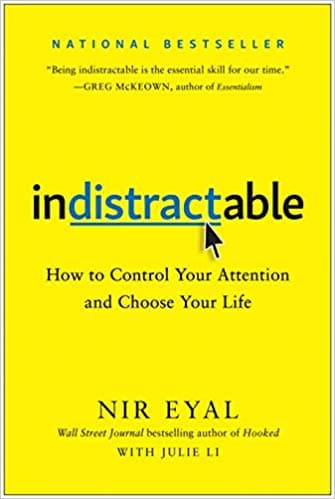
Ep#162 – Willpower, Focus, Attention, Optimizing Your Life & Becoming Indistractable w/ Nir Eyal
February 28, 2020 · 1:06:39

Episode 171 – Surfing Monster Waves, Mastering Fear & Flow State w/ Laird Hamilton
July 6, 2020 · 46:18
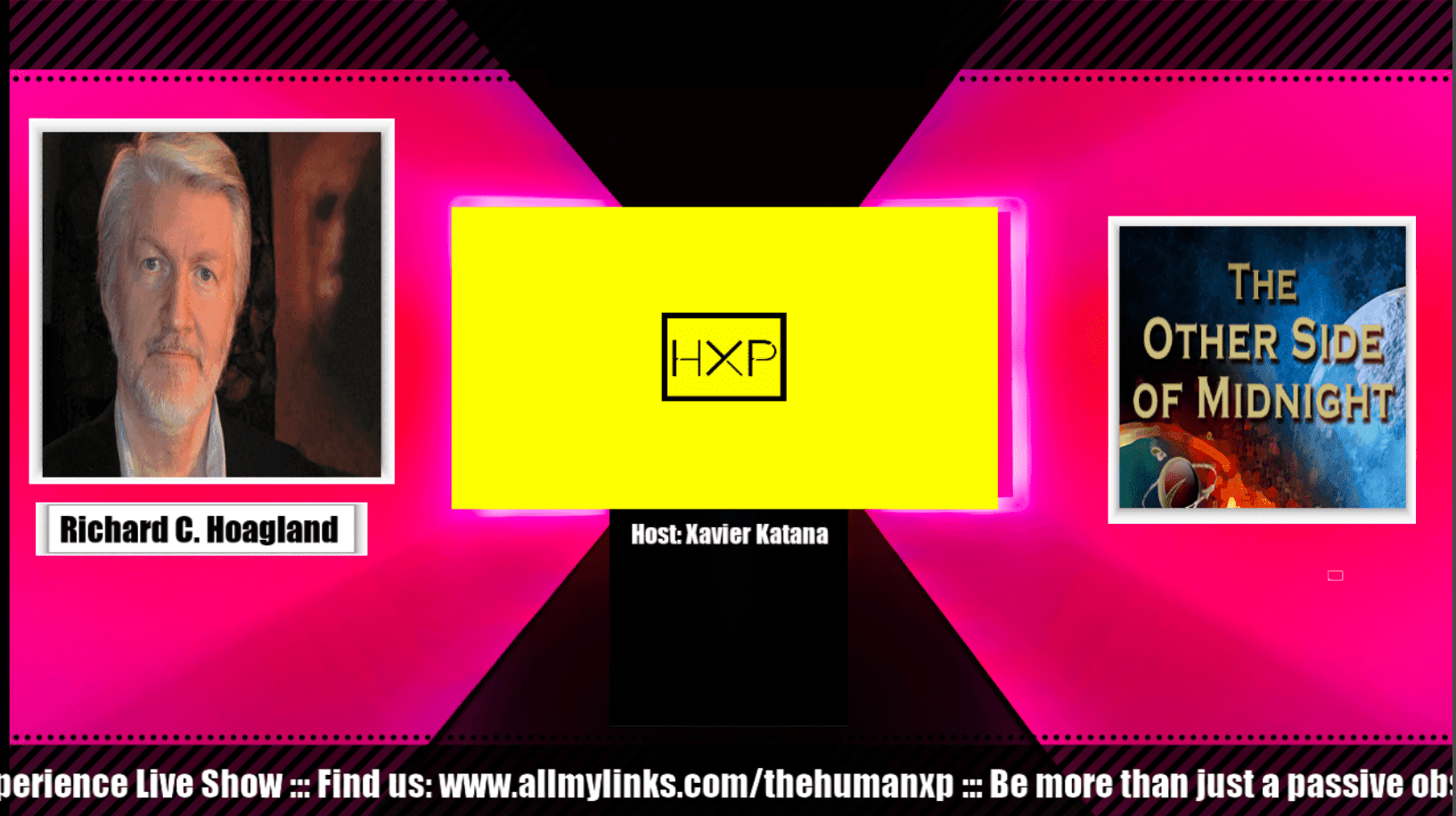
Episode 164 – COVID19, End of the Kali Yuga? Space Origins, Dimensional Physics w/ Richard C. Hoagland
March 20, 2020 · 1:30:01

Episode 157 – Conquering Fear, Addiction & Alcoholism, w/ Karla Juvonen
January 24, 2020 · 1:11:16
Independent conversations
Help make the next one possible.
Membership sustains ambitious, unhurried interviews and keeps the complete archive open to curious listeners everywhere.
Become a member