

The Human Experience · Episode
Episode 16 – Taylor Marie – Ayahuasca
A conversation with Taylor Marie
Ayahuasca , also commonly called yagé (/jɑːˈheɪ/), is a psychedelic brew made out of Banisteriopsis caapi vine in combination with various plants. It is mixed with the leaves of Chacruna or other dimethyltryptamine (DMT)-containing plant species.
Stay with the full conversation.
Episode field notes
Show notes
Ayahuasca , also commonly called yagé (jɑːˈheɪ), is a psychedelic brew made out of Banisteriopsis caapi vine in combination with various plants. It is mixed with the leaves of  Chacruna or other dimethyltryptamine (DMT)-containing plant species. The brew, first described academically in the early 1950s byHarvard ethnobotanist Richard Evans Schultes, who found it employed for divinatory and healing purposes by the native peoples of Amazonian Peru, is known by a number of different names.
It has been reported that some effects can be felt from consuming the caapi vine alone, but that DMT-containing plants (such as Psychotria) remain inactive when drunk as a brew without a source of monoamine oxidase inhibitor (MAOI) such as B. caapi. How indigenous peoples discovered the hallucinogenic properties of the plants used in the ayahuasca brew remains unclear. Many indigenous Amazonian people say they received the instructions directly from plants and plant spirits.
People who have consumed ayahuasca report having spiritual revelations regarding their purpose on Earth, the true nature of the universe as well as deep insight into how to be the best person they possibly can.[2] This is viewed by many as a spiritual awakening and what is often described as a rebirth.[3] In addition, it is often reported that individuals feel they gain access to higher spiritual dimensions and make contact with various spiritual or extra-dimensional beings who can act as guides or healers.
Author Don Jose Campos claims that people may experience profound positive life changes subsequent to consuming ayahuasca. Vomiting can follow ayahuasca ingestion; this purging is considered by many shamans and experienced users of ayahuasca to be an essential part of the experience, as it represents the release of negative energy and emotions built up over the course of one’s life.[6] Others report purging in the form of nausea, diarrhea, and hot/cold flashes.
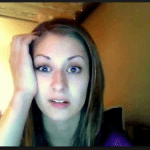
This is Taylor Marie – We discuss Ayahuasca in this episode.
From Taylor’s blog:
“I am a traveler of the Universe — physical and non. I share my journeys openly with the world on my YouTube channel.
I love psychedelic experiences and I use them to gain a deeper understanding of myself and the world around me. They have healed me in countless ways.
I think what draws people to my videos is the fact that I am raw, honest, and real. I’m not into pretending, and bullshit stinks, so why would I dish it out? So that’s kind of my trademark thing in a way I guess. Openness and honesty. Keep it real, otherwise what’s the point?”
Please show us some love on stitcher/itunes by leaving us a review!
CALL US on our new number! 586-89-HUMAN
Find Taylor’s work here: http://www.taylormarie.org/
Read the conversation
Transcript
welcome to the human experience podcast the only podcast designed to fuse your left and right brain hemispheres and feed it the most entertaining and mentally engaging topics on the planet as we approach our ascent please make sure your frontal temporal and occipital lobes are in their full upright position as you take your seniors consciousness relax your senses and allow us to take you on a journey we are the intimate
strangers thank you for listening what’s up guys just a couple information bombs and then we’ll roll this episode so we pretty much hit the phonenumber lottery and the show now has a callin number we are eventually going to move into a live format or we can take your calls live but until we make that transition how about you guys leave us a voicemail all you have to do is grab your phone and dial five eight six eight nine human
that’s right we have a vanity number that’s five eight six eight nine four eight six two six so yeah please leave us a voicemail to tell us what you think of the show the first person to do that we will put on the air so this is such a great episode with Taylor Murray such good energy throughout the conversation I think you guys will really enjoy this thank you so much for listening give us a call we have vanity number five eight
six eight nine human thanks guys the human experience is docking with the International Space Station and we have Taylor Murray with us Taylor welcome to hxp it’s a pleasure thank you it’s great to be here Taylor I really dig your rawness and your ability to be honest it’s the reason we booked you for the show why do you think people are so drawn to what you have to say oh thank you well I think people are drawn to my videos because there’s definitely
a lack of honesty and genuineness in the world and when they finally do here’s some real honest truth it resonates with them you know like we’re surrounded by lies all the time coming from the media government fake articles on the Internet in fear of rejection or judgment or even fear of offending others unintentionally so you know I hope that you know people will be inspired by my videos to be more genuine and authentic in their own lives which
in turn will inspire others to do the same and hopefully make the world a better place cool I really like that so letting let’s paint a picture for our audience I mean your life seems highly interesting from your travels around the world but especially your decision to move away from your acting career how did that happen okay well in August of 2011 when I was still involved with acting I actually listened to one of Joe
Rogan’s podcasts where Audrey Marcus was talking about his experiences with ayahuasca and Ecuador now I’ve always been fascinated by psychedelics experimented them with them in high school so naturally like I was immediately interested and then when I heard learned that ayahuasca is another sacred hallucinogen that not only puts the person into this amazing trip but it actually helps people heal from different physical and mental ailments I
knew right away that I needed to go to Ecuador to try it for myself some of the reasons for wanting to go drink ayahuasca were to heal from you know some past traumas that I had as a kid family problems I had depression anxiety really low self-esteem and confidence issues and I also just genuinely wanted to explore the medicine and to see what it was all about I kind of saw it both as a chance to heal and grow spiritually and also to have this
really amazing adventure and story to tell so yeah just a couple months after listening to that podcast I was actually offered a free trip to Ecuador with my roommate at the time and one of her friends and it was crazy because I had never told anybody about my desire to go to Ecuador so I definitely took it as a sign that I was meant to go and find the medicine there so um I brought the idea up with my roommate she loved it she
convinced her friend that we should all go and we did and yeah during my first ceremony I was given this whole new perspective on life I was shown endless beauty you know thing and people including myself I felt unconditional love for all things and then that was reflected back onto me I started a completely new relationship trees and nature in general and they learned that you know all living things are spiritual but that’s all
consciousness and every single living thing matters and actually has a purpose and you know I felt unbelievably grateful during this experience during this experience you know for the experience itself for being alive for the life that I’ve lived and will continue to live and just for everything really and yeah I mean these experiences they’re thus these lessons from ceremony and these new perspectives they stayed with me after the ceremony and just a
couple weeks after coming home from the jungle I was sitting alone in my apartment and I just suddenly had this huge epiphany which at the time felt a bit crazy to me and since nobody was home to talk to about it I just decided that I would turn my webcam on and record it and then replay it just to see if I actually was one crazy or not so like what I actually realized in that moment was that I wasn’t meant to go into acting I mean not at the time
anyway which you know acting was something I had been working on for years and it was a dream of mine but I definitely felt at that moment that I was meant to do bigger things and I felt that I just needed to go back to the jungle to learn more about plant medicines to apprentice of the shaman and eventually just teach people about the medicine and you know guide them to the amazing healing and experiences and yeah just a few weeks after that after
after I posted the video to YouTube I made plans to go back to the jungle to Peru this time for a whole month to work with the medicine and that happened in May 2012 wow that’s a really powerful story really interesting why do you think you’ve become kind the you ask a chick why do I think I’ve become the ayahuasca chick um I don’t really know why I’ve become the ayahuasca chick you know because there’s a lot of people who post their
experiences online and definitely other people who have way more experience and knowledge than I do but you know I think people gravitate towards my videos because I do speak straight from the heart and people resonate with that right on how do you think you’ve garnered such a large following kind of a the same question repeated um well like I started I think it’s because I’m genuine and I speak from my heart and I feel that people can relate to me and to
my experiences it’s probably also something to do with me being this young white western girl from Canada who you know just decided to one day up and leave to go out into the jungle seeking this mystical jungle potion from its shaman you know yeah I guess to a lot of people it was a pretty brave thing to do and you know the fenders the fact that not a lot of people are comfortable publicly speaking about their psychedelic experiences since it’s so
taboo so I think that also draws people in as well yeah that’s that’s really profound do you usually set intentions before a ceremony um sometimes I do sometimes I don’t I mean in the beginning I did because I had a lot of specific things from my past that I wanted to work on but there were times when I would set an intention and my variance would go in a totally different direction anyway and you know other times I just
asked the medicine to give me what it thought that I needed to learn or experience at that time yeah it’s interesting how the the medicine works that way so so what is it like to work with a shaman um it’s definitely a unique experience I wouldn’t have wanted to drink ayahuasca for my first time without one I’m not even sure that I would be comfortable drinking without one like ever you know shamans bring like generations
and passed down knowledge to the ceremony and to the medicine itself they have years of experience working with plant matter usually from like a really young age and you know they learned to master the craft they know the spirits they know that other worlds they know how to navigate it and then they you know they also know how to heal and they work with the spirits and the plant doctors and ceremony to heal the patient’s like a
lot of people say that they don’t believe a shaman is necessary and that they can just make the brew at home and navigate through themselves and you know while it may be true that you still will get effects from the medicine by making it yourself you’re going to be missing out on the guidance and the healing and the knowledge and the protection from the shaman yeah very true do not suggest that anyone takes and brews ayahuasca and does it by
themselves you will lose your so so I think in one of your videos you were in the jungle recording so I really just want to know what it feels like if you could describe what it feels like to be in the middle of a jungle on a hallucinogen well it’s definitely a very surreal feeling especially the first few times doing it it can be pretty frightening as well like it’s it’s very dark there’s so many strange noises that
you’ve never heard before from you know all kinds of insects and animals you know there’s bugs everywhere I heard about UFO sightings where I was and I was totally paranoid about being abducted during ceremony so that kind of threw me off of it but yeah I like it’s it’s madness but it’s also such a beautiful experience you know to be surrounded by so much nature is just absolutely so nurturing and when you look at the jungle through the eyes of
ayahuasca you really do see how much it is full of life and consciousness and you definitely feel that you kind of merge and become one with it yeah I think I I think I’m more afraid of being abducted by humans than I am of aliens so would you be comfortable with discussing one of your more difficult / challenging experience okay I can tell you about this one ceremony where after I drank the medicine and it kicked in
I was basically forced to experience pure terror like there was nothing frightening about the ceremony or the visions that I was I was seeing like what I was seeing was like a small group of spirits that were sitting in front of me but they weren’t frightening like they weren’t doing anything it was kind of just like they were watching me maybe waiting for me to stop being so scared but for some reason all I could feel was terror and it was
it was nothing like I’ve ever felt before if I had to give like an example of something that would produce that same amount of Terror I would say that it would be like being abducted by malevolent aliens taking onto theirs taken onto their spacecraft and having them do experiments and surgeries on you while being fully conscious and then watching them do the same things to your family while being completely helpless and knowing that you’re stuck there for
like all of eternity so yeah I mean that that feeling it was just it was absolutely unbearable and there were times when I thought that I was going to seriously crack and just lose my mind forever I was crying I was screaming I was shaking I was hiding under my blanket and it pretty much lasted the whole ceremony yeah I was it was horrible but you know luckily once that passed I was I was laying down and I had this vision of my higher self who came to
deliver me a message it was such an amazing vision I like never seen myself like this before I looked very angelic a little bit older than I am now with like long blonde hair this flowing blue dress and I had these like gorgeous silver and white wispy wings behind me that looked like they were made of like strands of light was really really beautiful and yeah my Higher Self communicated to me telepathically and told me that there
was no diff between her and I that I am the strong beautiful confident woman that I was seeing in the vision and that I should never feel anything less than that I was also told that no matter what situation I may find myself in no matter how difficult or how powerless I feel my Higher Self always has my back and I’m never alone and that I will always have the power to get through anything there was a bit of a mixture of a of like the
terror and then it kind of healed you after that yeah it was sort of you know put me through that terror just to show me that you know I was okay I was fine my Higher Self was there with me all the time and you know it doesn’t matter I feel like that that terror that I felt was probably the highest form of terror I could feel so now that I’ve gotten through that I can basically get through anything yeah exactly so what what’s
your advice for anyone looking to journey into the Amazon and try ayahuasca well my advice is to definitely make sure to do your research find the right center and the right shaman for you seek out people who’ve been to the centres that you’re thinking about going to ask them you know if they’re comfortable sharing their experiences with you if you don’t feel good about a certain place or shaman you know even if the reviews are amazing
it’s then it’s probably not meant for you just find what resonates with you and another piece of advice which you hear from everybody anyway because it’s so true is to not have too many expectations going into the experience I feel like if you go in with really strong expectations about how it should be you’re going to block yourself off from having a true experience because you know you’ll be waiting for one thing and completely missing out on what’s
actually trying to come through right and what’s your take on the Daiya okay well I know in the past I said that the diet doesn’t matter but I would like to correct that right now by saying that it most certainly does matter the diet prepares your body and your mind to become one with them it’s it’s not only about not eating certain foods in order for the medicine to work properly but it’s also about you know the self-discipline of sticking to
the diet and you know the respect that you have for the plants and for the process as well hmm okay there there’s a lot of information that you kind of download during an ayahuasca experience how do you personally integrate that how do you integrate the information that you receive through what you experience through ayahuasca um well a big part of it is you know just remembering what those lessons are and holding on to them
the best you can and then actually practicing them in your daily life it can be really tough though especially when you go back home to you know the real world like in my personal experience it was hard to bring the new Taylor home because you know the people I knew here had these expectations of Who I am and how I should act so I definitely caught myself falling back into old patterns and habits and acting the way that I used to around people
instead of being my newly found true self but when I did like show my newfound true self to people I definitely lost a few friends because you know there was no connection anymore we couldn’t really relate to the same things so it was it was hard but you know it’s okay because people change and you know friends come and go and luckily you know my truest friends are still by my side and that’s all that matters I guess you know it’s also important to
have people to talk to after you’ve experienced medicine people who who know the medicine or you know if you can’t find anybody who who’s actually experienced with medicine you know try to find people who understand maybe you know psychedelics or spirituality or even if you join a Facebook group for ayahuasca drinkers you know just just find people who can talk to you to kind of keep you you can keep each other motivated to to keep
those lessons alive that you’ve learned from your experiences and like another thing it’s also important to allow yourself to be with yourself and do the inner work that’s needed you know like meditate read write I mean I’ll be honest and say that I could have done a much better job integrating some of the lessons that I learned and you know allowing myself to process everything a big problem for me personally which I didn’t even realize
until literally a few days ago is that I was putting way too much of myself online during the most crucial times for like I should have been focusing inwards to process everything and just to really get those lessons in there so I was I was way too focused but the internet you know my followers emails videos I put so much of my time and effort into you know giving my followers advice through emails or you know thinking about a new
video to put out or keeping up with like oh my social media sites and I just I forgot to do that important in her work and yeah I mean I didn’t give myself enough time to myself and fully heal from some deep traumas that actually presented themselves during the last three years so one thing that I’m definitely going to do now is I’m taking a break from from the online world for a bit I’m gonna just pull myself out of
the public eye for a while and put myself into some talk therapy with people who who understand the medicine and spirituality and and yeah I just get some just got some stuff out and you know a lot of people would ask me you know why why not just go back to the Amazon and work with the medicine some more but you know I I don’t really believe that the medicine alone is enough to deal with some issues yeah it’s I definitely agree I think it’s
really important to integrate those experiences and that’s a major realization is that you’re you’re not taking the time to kind of integrate what you’re learning and for me personally I it takes a while I mean I don’t understand what’s happening after a session immediately so it definitely takes time to integrate and I think your decision to move away from the public eye is a really healthy choice and I’m glad that you’re you’re doing that we’re kind
of doing this podcast and so that that’s really cool that you are here with us and so while you are can we talk about the healing and transformative properties of ayahuasca how do you think this medicine can help people who aren’t necessarily aware of it yeah okay well well obviously it like the medicine is not gonna help anybody unless unless they’re aware of it so the first step is to bring the awareness of the medicine
to the masses and then you know I think the next thing is really getting it legalized in you know used by psychotherapists I don’t believe that everybody needs to go down to the jungle to experience it with a shaman in a hut with a bunch of strangers I believe that for this medicine to provide the best results for people who are suffering from deep-seated issues like depression past traumas or serious mental health issues I think it needs to be
administered by a trained psychotherapist you know in a safe comfortable setting you know where they know the medicine well they understand spirituality and you know perhaps they also work with a true shaman or you know perhaps the psychotherapists has actually become a shaman themselves one example of how ayahuasca can help people is it allows the person to view their life from a higher perspective it allows them to see or relive traumas from their
past in a new way so not from the perspective of a victim which is how most people view these things but rather from the perspective of an observer who understands that everything happens for a reason and this perspective provides the person with the bigger picture of you know why the incident happened what lessons they were meant to learn from it and how it can strengthen them as a person rather than being beaten down and
you know making them feel weak and powerless so yeah and then it goes on to teach the person how to take this perspective into their everyday life so that when difficult life experiences do arise they can deal with them better and not instantly label themselves as victim and slip into depression or rage or stress and even if they do happen to fall into the victim mode and become depressed they will have a better chance
of identifying it quick quickly and hopefully pulling themselves out of it just like they did when they were under the influence of the medicine yeah that’s so massive how what is what do you think what do you say to a person who’s stuck in the same way that you were doing something they don’t want and maybe don’t have the courage to pursue something else um well honestly I mean if you really don’t like where you are in your life if
you’re unhappy in any way then you’ve got to do something to change it you know a lot of people might be scared to take that first step but you know once you do you’ll you’ll find that the rest is easy well maybe not easy but I mean you find it more enjoyable because you’re actually taking the steps to doing what you love and to being happy but I mean if you’re too afraid of change then you’re always just gonna be holding
yourself back I think a big thing is to listen to your intuition I feel that Western society has become so disconnected from their intuitions which is truly a shame because I feel like that’s where all our inner knowing lies you know it’s our it’s our compass it’s our higher self leading us in the right directions and personally I mean I don’t believe that our intuitions can lead us astray so if we can really focus on that
and learn to live you know from our hearts and from our intuitions then we will we will all just lead better lives so what’s your what’s your take away I mean what have you gained from your experiences without you ask I um well ayahuasca has really opened my eyes to seeing the world as a playground you know as a place for humans to to make mistakes and to learn and to grow you know it’s taught me that everything is consciousness that everything is purpose
and meaning and at the same time it’s also taught me that life actually has no meaning at all you know life is actually let you make it you give it the meaning so if you life is about hard work and stressing to make a living then that’s going to be your truth but if you want to believe that life is a game and we’re here to have fun and experience new things then that’s going to be your truth I don’t believe that there is a right or wrong
you know there’s there’s no good or bad there just is and that’s all like that man so what are you up to these days Taylor were you what are you working on um well as I said before I decided to just take myself out of the public eye for a while focus on myself process everything that have gone through during these last crazy an amazing three years I actually just got hired full-time so I’m going to be you know working in on the job looking
for an apartment here in Toronto and I’m just gonna lay low work focus on myself and my relationship and only since I won’t be travelling again for a while I plan on becoming a regular at float Toronto which is a float center here that just opened up in the summer because that place is like a serious little getaway in the middle of the city and I encourage anybody listening if you’re from the trip from Toronto or the
GTA I highly suggest checking them out shout out to float Toronto yes so I noticed that you have some retreats planned how does that work um well currently yeah I’ve got four retreats planned for March April May and July when once those are done I don’t think I’ll be planning anymore at least not so at time being however if somebody comes to me with a group of four or more people who are like seriously ready for a retreat I will help you set one up and
if anybody is interested in doing that you can just head to my website for more information and that is Taylor Murray org okay well Taylor I know that you’re you seem to be cruising and you’re taking your tolerance tolerance break away from the internet and I think that’s a great decision and I’m so happy that you could kind of make that statement here on the human experience do you wear how can people find your work okay well there’s obviously my
youtube channel I did recently make most of my videos private I kept three of them up three of my most popular ones I’ll eventually make them all public again one day but just for this break I’m gonna keep them keep them down but anybody can find and subscribe to my channel which is youtube.com slash bombshell space frnd and I’m also on Facebook I have a Facebook page which again I won’t be using for a while but you can still like it and wait for me to
come back and that is facebook.com slash Taylor Murray ayah I’m also gonna be back on Twitter at some point which is at Taylor Murray ayah and I use Instagram which is still up I’ve made it private though so you have to be approved to see my pictures I’ll approve you though you know it’ll be okay but that is also Taylor Murray aiya cool well Taylor I don’t want to keep you here for too long I know that you’re about to get turn your computer off for
a long time so thank you so much for being here and it was really informative we will be back next week guys and this is the human experience I’m Xavier and we’re signing out
Ideas worth returning to
Quotes
Five substantial excerpts from the published transcript, lightly edited for clarity without changing their meaning.
“The experience changed my relationship with trees and nature. I felt that living things possessed spiritual significance, consciousness, and purpose. Most of all, I felt gratitude for being alive, for the life already lived, and for the time still available. That gratitude remained meaningful regardless of how the metaphysical interpretation is explained.”
From the conversation“I stepped away from public life and entered talk therapy with people who understood both spirituality and the medicine. Some asked why I did not simply return to the Amazon for more ceremonies. I had learned that medicine alone was not enough; difficult material also required integration, relationship, and sustained psychological work.”
From the conversation“Awareness is the first step, but access should not mean sending everyone to a jungle ceremony with strangers. If ayahuasca is ever used more widely for suffering, I believe it should be studied, regulated, and integrated into skilled therapeutic support. Legalization without education and safeguards would not guarantee better outcomes.”
From the conversation“A healing interpretation can help someone see an incident within a larger story—what can be learned and how resilience might develop—rather than experience it only as proof of weakness. The deeper task is carrying that perspective into ordinary life so future difficulty does not automatically become a permanent identity.”
From the conversation“The experience taught me both that everything has purpose and that life arrives without a fixed meaning. We participate in creating the meaning we live by. If life is defined only as stressful labor, experience organizes around that truth; if it is approached as exploration, play, and learning, another set of possibilities becomes visible.”
From the conversation
About the guest
Taylor Marie
Ayahuasca , also commonly called yagé (jɑːˈheɪ), is a psychedelic brew made out of Banisteriopsis caapi vine in combination with various plants. It is mixed with the leaves of Chacruna or other dimethyltryptamine (DMT)-containing plant species. The brew, first described academically in the early 1950s byHarvard ethnobotanist Richard Evans Schultes, who found it employed for divinatory and healing purposes by the native peoples of Amazonian Peru, is known by a number of different names.
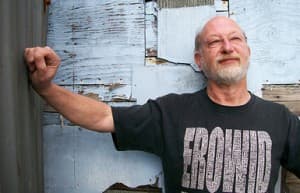
Episode 123 – A Drink With Dr. Dennis Mckenna: Plants, Ecology, Ayahusca
October 23, 2018 · 34:59
Episode 153 – Carlos Tanner – Healing Trauma/PTSD – Plant Medicine, Ayahuasca
December 26, 2019 · 1:08:44
Episode 98 – Hamilton Morris on Chemistry, obscure compounds and working with VICELAND
June 26, 2017 · 31:32
Episode 79 – Jeffrey Bronfman – União do Vegetal (Union of the Vine: Ayahuasca)
November 20, 2016 · 50:29
Independent conversations
Help make the next one possible.
Membership sustains ambitious, unhurried interviews and keeps the complete archive open to curious listeners everywhere.
Become a member