

The Human Experience · Episode
Episode 148 – Kate Rose – Relationships, Soul Connections and Twin Flames
A conversation with Kate Rose
Kate Rose is an author, thinker and relationship expert. Kate received her bachelors in visual arts education and her masters in clinical art therapy from Springfield college.
Stay with the full conversation.
Episode field notes
Show notes

Find Kate and all of her work Visit wordsofkaterose.com.
You will love this episode!
Read the conversation
Transcript
[Music] welcome to the human experience podcast the only podcast designed to fuse your left and right brain hemispheres and feed it the most entertaining and mentally engaging topics on the planet as we approach our ascent please make sure your frontal temporal and occipital lobes are in their full upright position as you take your seats consciousness relax your senses and allow us to take you on a journey we are the intimate
strangers thank you for listening ladies and gentlemen welcome we’ve got an incredible show planned for you guys this evening we’re gonna be discussing love relationships soul and karmic connection thank you so much for being here with us whether you’re listening to this on the podcast version or you’re here with us now live this is gonna be highly informative entertaining as it usually is so sit back grab a drink and
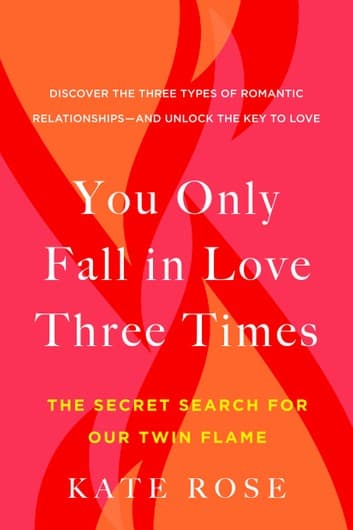
enjoy this conversation the human experiences in session my name is Xavier katana my guest for today is Kate Rose Kate is an author thinker and relationship expert Kate received her bachelor’s in visual arts education and her master’s in clinical art therapy from Springfield College kate has published widely on the topics of love and relationships but it was her article we only fall in love with three people in our lifetime which became a viral
sensation it is it has been read by more than 69 million people she has gone on to attempt to capture lightning in a bottle with her latest book of the same name as Rose uses this book to speak to those who crave both logical and spiritual answers to questions about love hate it is a pleasure welcome to hxp hi Xavier thank you so much for having me it’s truly a pleasure to be here as well so Kate and this is your first book
congratulation congratulations it’s amazing I mean we all think about maybe doing this but actually having it happen it’s a very surreal experience that’s amazing yeah let’s we’re gonna get into that how I mean how did that come about how did you you know how did you move into writing about love and relationships and then how did the how did you kind of spawn the book from that um I think when someone’s a writer you’re always a writer even if you don’t
yet have a platform and maybe that’s true perhaps for any of our passions whether or not we’re actually making money on it or doing something with it if we have it we do it that’s what we are and so I always with a writer and then as literally I I woke up one morning and I had two titles for articles in my and my brain and they were written by noon and published that first day and that really began the whirlwind of I mean I think at this
point between the astrology and all the love and relationship I’m well over a thousand articles at this point and so it really I’m I kind of gravitated towards love because I was going through a lot in the departments of love and so one of the best ways to actually work through all your emotions and feelings is to write about it and then I was retaining so much feedback the number one thing that just soul encouraged me
was you make me feel like I’m not alone and it was like wow and again like that even ties to the experience of being human that we’re all here we’re all the simultaneous they go into the same thing but yet how many of us actually go through those experiences and those moments of feeling like we’re all alone in whatever we are going through for sure you know and so like that kind of just kept me going and then you know I
started coaching and you know speaking with people all over the world and even that’s incredible because no matter who we are what continent what country what socio-economic background any of it a broken hearts a broken heart you know it’s it’s if you can’t dress it up no matter what else you have going on that that’s what it is and you know so playing through all of that and it was literally I had you know I’m a single
mom I had two amazing wild little girls and it was after dinner one night we were sitting on the couch and the idea for we only fall in love three times came to me and so I had written something out you know it was a post before it even became an article because sometimes I’ll just do little things and from there I remember checking my social media the next day and I was like what happened what happened with us and from
there it just got to be bigger and the idea of it really resonated with people because it’s something again love is universal we all go through these we have to go through lessons we go through challenges before we reach that ultimate healthy relationship that not only can you know possibly last forever or what our definition of forever is but also evolve and grow with us and as we grow we learn how to do that in relationship
okay so let’s let’s get into the dynamics of relationships I mean I think it’s I think it’s interesting that this word twin flame is is being used more and more it seems like it seems like there is this you know without any disrespect this woke movement that is kind of talking about you know twin flames and as we were talking about in the pre-interview people you know you said that people are kind of hungry to connect on deeper levels with in regards
to love so you know let’s define what a twin flame is let’s define what soul connections are you can well I mean in the book when we talk about the three types of Love’s that we have we really can’t categorize them as soulmate comic and twin flame and the soulmate love is the one that usually comes and that’s usually one of our first love’s soulmates can be our high school of sweet hearts or the people that we kind of fall in love with afterward or
perhaps even come back to I went back to mine and they’re really sweet they’re there’s nothing that’s ever really wrong in the soulmate connection it’s it can be that person that maybe sets our family’s profile or or idea of who we would end up with or even ours you know growing up that whole idea of love is a fairy tale that were fed when we’re children and so the soul me is just I mean it’s a really sweet love it’s not
one that we’re gonna have a lot of ups and downs and a lot of lessons with it’s not one that’s going to trigger growth itself other than the fact that we’re gonna have to grow as individuals to kind of move away from that but it’s a very stable love that’s one that a lot of times we do end up you know my people marry their their soul mates or their first loves because it’s very comfortable and so it’s easy for us to kind of stay there after that we usually
all move into that karmic glove and see the thing with the twin flame iconic is that there’s a lot of relationships that are actually karmic in nature that people will label as twin flame or you’ll hear the false twin out there as well or soul ties I mean there’s so many different variations on this and the deciding factor is actually the real health of the relationship are two people actually growing in the same direction because in the beginning a lot
of the principles between karmic and twin flame can be really similar usually there’s an intense physical attraction right off the bat there’s a lot of passion associated with it and if we think about a comic lesson whether it’s Karma that we have to and you know work through because we inherited in this lifetime or carried over from a previous if there’s not something really really strong between us and another person if we’re not
having that intense intellectual and physical connection and you know sex off the charts we’re not gonna stay for the lesson so those relationships are engineered as such so that we’re going to have that really passionate connection we’re going to have that but what separates that from the twin flame is that maybe you’re gonna have that comity you’re gonna have that connection maybe there’s going to be ups and downs because that’s the one thing is that
even with the twin flame and this is something you know it feels like other people have one idea or the other either they hear twin flame and they think you know disguising is going to up and the angels are gonna start singing the day they meet their twin flame and there’s gonna be no issues and no problems ever chore they’re going to excuse every single unhealthy behavior all because they’ve put that label of twin flame on it yes I mean it’s a big
label right it’s a big label and like you and I were even talking kind of that pre-interview phase there is a lot of pressure so when we’re dealing with the chronic and twin flame it kind of depends on how long we then with somebody so if we’ve been with somebody and it seems like okay every relationship has ups and downs we still have that intense connection but are we growing together are we growing towards the same point are we not repeating past
patterns are we stepping in so you know higher versions of ourselves are we acting for my higher selves are we looking to grow are we reaching that point and a lot of those comic relationships they will dissolve at one point they’ll break down there’ll be some sort of chaotic ending or it will reach that point where all of a sudden we wake up and we’re like I can’t do this anymore and that’s kind of like that pinnacle of the karmic but there’s
also a very addictive nature because of the passion because of the effect so that’s what you get the karmic really is like that roller coaster where you know you can call your friend and we’re off again and then we’re on again and off again and that’s really harmik twin flame maybe you’re gonna have some hard times maybe people aren’t gonna be on the exact same page at all time but you’re moving towards that goal together
and it’s not just a common goal in life but you’re also helping one another become your best self not by making life easy not by being the exact picture of who you know our parents want us to be not by saying or doing all the right things but by lovingly challenging that person by helping them unpack all their baggage that you know anybody out here we all have baggage to unpack a few decades and so that’s what the Twin
Flame really is and it’s this the idea the real spiritual belief behind it is that the Twin Flame originated you know and this was historically speaking each kind of cultural area has its own you know definition or story about Twin Flames you know in Egypt it’s oh sorry in Greece it was the story of how humans were born with four arms and four legs in Asia it was the red the red string of fate so in you know this is a historical
concept in which there was one source of energy in the beginning of creation and that energy was split into two yeah and over the course of many many many lifetimes we are born into different roles in different bodies only coming together in a romantic fashion in one of our last lifetimes on earth because we have learned all those lessons previously and so when we look at that and people are aligning with that the twin flame idea has to look at again
kind of even like your intro looking at that spiritual aspect but also the logical aspect because we’re not seeing millions of souls right now in their last lifetime if that’s how many are saying you know we’re in our were in our twin flame relationship but if we look at twin flame instead as this divine relationship well then it’s able to be more accepted and be able to be more widely used by people in their romantic
relationship because now we’re using twin flame not so much as this esoteric definition of this energy that was split but really the epitome of an involved healthy conscious relationship which as a society we’re moving towards yeah for sure I love that you go into sort of the history of the origins of where this term comes from I think there’s a lot to that and you know I’ve been studying this myself and you know but I but I
want to know you know we I think I think we get a lot of our ideas from mainstream culture movies television do you think that we’ve romanticized the notion of you know falling in love and and being like yes we all want to be whole you know is there a situation where a person will never encounter this other aspect of themselves perhaps they have a mission that’s that’s higher I mean I’m just throwing out you know a hypothetical well you know the thing is
too is I I do personally believe very much that we are souls in a physical body in this lifetime I believe that I was reincarnated several times I believe that I came into this life with you know a whole heap of good things and a whole heap of things that I had to work through that I had to overcome that at lessons that I had to learn and so if we’re looking at that with you know the population as a whole and whether people
are old soul whether they’ve been reincarnated several times or young souls they’re just kind of learning the game of what this life thing is that is all about not every soul does have that same purpose so not every soul has that purpose of reuniting with path you know their counterpart because if you’re looking at different people and where we’re all at in this kind of game of life if someone who is at a younger stage they wouldn’t know what to do with
that connection right there wouldn’t be because there’s the idea of the Twin Flames – that the purpose when what and this is what I think kind of draws people as well is that overall as we’ve seen romantic you know notions evolve in relation with evolve and yes Hollywood definitely had a part in that but it was being romanticized long ago I mean that kind of in the Victorian era you know well before Hollywood people were really
able to start marrying and looking at that idea of love before then marriage was the only idea of commitment there was no you know there was nothing else it was marriage or nothing and it was a business arrangement between families sure so historically there has been this shift of what what is a romantic relationship and so we’ve seen that shift from you know even like the the nuclear family being at home and even still then marriage was about social
status and you know sometimes in certain cultures marriage is a convenience because it’s just easier to share things together but as we’re moving and evolving as a group and as a culture as a humanity we’re seeing that people don’t necessarily want to be married just to have children we don’t want to be married just to have this person that we wake up with every day and we don’t even necessarily want to have to be married to be in a committed
relationship so I think as part of this as evolving what we’re seeing is that people are suddenly like I want to have a relationship that’s more than just this ring on my anger and so we’re seeing that draw for twins because with twin flames it’s not just about the love it’s not just about the passion it’s about the connection but it’s how can these two people you know there’s like there’s all these three entities when I’m looking to
people I always describe there’s three entities in any relationship there’s each of it at people individually and then there’s whatever energy they create between them and that’s not a child that’s not you know even a business that is what else is there between them so when we’re looking at the twin flames we have two entities we have two souls who are coming to the table and then we have what are they creating together and in
the case of twin flames it’s something for the betterment of the planet as we’re moving forward you know we can tie in the astrology and the Aquarian age and you know even Uranus’s new cycles and all of this as we’re moving through this we are looking at more spiritual terms of how to evolve we are looking at how many more people now are talking about their wounding are talking about triggering that was something I never
remember being around you know when I was younger so it’s something as a whole we’re looking and we’re evolving so as we’re evolving we don’t necessarily need our relationships to fulfill that financial aspect we don’t need someone to you know buy the house or take care of that working for somebody that we can combine together and make a difference in the world because now we’re looking at a much global picture we’ve kind of
shed a lot of those ego constraints those dynamics and rather than just having that you know big signing ring well let’s see how we can change the world together what’s our purpose for our relationship and that’s the part that I love that people are so attracted to because it’s like yes let’s make a difference in the world you know how is that that’s an awesome thing if we have so many people together in these relationships yes you can change the
world with your love let’s do it mm-hmm okay yeah I mean I I can follow that I can follow the part where you know you say that it’s more than just a business transaction for sure yeah I mean now you know once you have this this sense of you know economic shift and with the advent of technology I mean certainly social media has changed the landscape in which we can with other people right so I mean tinder for example I mean Oh God God your heart
you’re on tinder but you know it has you know – bringing it down to the point of you know kind of like grocery shopping for you know a connection with someone or something like you know you you just swipe left or right with your finger and that’s as much you know in the initial phases right so when we get into this sort of deeper connection that we feel with someone what are some of the I mean is it synchronicity is is it a mutual
recognition is it an energy I mean do you do you do you start to kind of think and the same things I mean how does that work how does the connection when you meet someone you would term your twin flame how does that sort of evolve so a lot of times there are synchronous ities in the beginning and when we say that term synchronicity it can be anything from seeing the number signs whether it’s repetitive number sequences or even
a mixed number sequence it can be something like a song it can be you know a time of day it can be anything that’s meaningful to us that we at one point have thought because thoughts are real thoughts are energy and thoughts our messages so anything that at one point has met meant something to us that’s like a radio wave that we send out in the universe so when the universe is trying to kind of wake us up and say okay you
know this is the time to start paying attention we’re gonna get those radio waves back to us in terms of signs and synchronicities the one thing that we do have to be wary of is that the universe is not just going to send the synchronicities for those really great moments that are coming in our life it’s gonna send us those for those that are maybe not so great for us so those comic relationships that are incredibly difficult they’ll be sending
us synchronicities too so that’s why we have to be very aware and conscious in what we’re doing and not label things in the beginning because when we label things were not so much seeing who the person is or what the connection is rather than building it around the words that we’ve already attached to it so say we meet somebody and we’re lots of synchronicities we’re seeing great number signs or angel numbers we’re hearing all the right songs on the
radio and then we start talking with them well as we’re talking with them there might be a similarity or balance in our love languages we might even know what the love languages is and might be able to share that we might have that you know a similar or shared Life Path number we might have overlapping or there might be family you know birthdays kind of sinking into it there might be similar names within families all of
that would kind of be those synchronicities again not necessarily left to enflame but just letting us know okay whoever this person is as of now is going to be significant to our lives so it’s time to start paying attention we’re also going to have an intense physical attraction for them and you know whether or not it’s right off the bat whether or not it comes through the intellectual and the mental stimulation because that is one of the absolute
hallmarks of twin flame is the intellectual connection which when you think about it when it is those shared bodies of energy of course there’s going to be really that same aspect if you know if we all are sending out our different radio waves twenty are always on the same frequency and so we’re kind of picking up each other so the conversations always amazing and a lot of times I’ve spoken with people and the twin flame maybe necessarily wasn’t
their physical type maybe they’ve never dated somebody who looked like them before but then through the conversations and the stimulation until actually that person suddenly became the most attractive person they’ve ever met so that’s definitely one of those signs as we get further into the relationship and this is where kind of that true twin flame differs from a lot of what we’re told what we’re told right now which
really perpetuates an unhealthy cycle of relationship is that twin flames run twin flames chase twin flames leave and when you really start looking at it that’s not really the basis of any of the spiritual relationships that’s something that as humans which of course you know we can’t blame anybody we’re only doing the best we can on a negative day but we’ve attached these labels and these stages to a relationship that really only perpetuate that
unhealthy cycle love that you know and so that is what it was but for Twin Flames does it mean that there’s never going to be a breakup absolutely not but there’s no running in Twin Flames there’s no chasing you’re talking about a very highly evolved relationship which means that as such only people who are at that level can actually bond and sync in with one another so when you’re at that point when you’re aware of your
wounding when you’re aware of your triggering when you know what is still holding you back when you know what you still have to work through when you are that aware about yourself even if you’re entering into connection with somebody and you’re scared say you’re you’re triggered because you’re not sure if you can be what that person needs or you’re afraid that maybe you’ll get hurt again or whatever it may be you’re aware
enough that you’re not just gonna take off running and ghosts this person now if you’re in a twin flame relationship and you get scared you you you speak for what you want so you you say that you need time you say that you need space you think about it but then you process and communicate it as the twin flame goes on the one thing that’s usually pretty kinda with twins is that they don’t actually have a strong desire to
get married even the fan that’s spending their whole lives together they prefer very untraditional types of commitment or types of arrangements I’ve talked to twins who even lived in separate houses after marrying who have lived together without being married who married themselves on top of a cliff I mean there’s so many different kind of phases of that but it pretty much looks across the board that twins as they come in to
one another it is very what we would say non-traditional at this point in our society and then they do end up kind of doing some sort of outreach to the community whether it’s something through you know a penciling I’ve seen food programs you know I’ve seen see people kind of set up and you know build a school together so there’s definitely this aspect of whether it’s on a small level whether it’s on a global level even just a
community level they do take their shared strengths together and they make something bigger than just them so that the really raishin ship is actually serving a purpose more than just just this amazingly wonderful healthy connection it’s making a difference to the people around them to the environment around them and that’s really what raising the vibration of the planet is all about the vibration of this planet is not being
raised in leaps and bounds because of all the really big events that happen that’s it’s not being raised by when we gather a million people together the vibration of the planet is becoming raised because we’re speaking truth more and more and because we have people making small differences every single day and so when we look at that and we look at the relationships of the Twin Flames every trying to flame that comes
together raises the vibration of the planet exponentially but even if you’re not with your twin flame and you’re still on that path of recognizing you’re wounding and you’re triggers and you’re doing that that’s raising the vibration and so we have all these people who through their own healing and through this relationship we’re raising the plant the vibration so hopefully hopefully by the time my daughter’s get to be teenagers tinder will be no such
thing but you know even with bringing that in you know some people nights out but it’s like in every stage of development that our planet has gone through of course there’s the easy of course there’s the test of course the other challenges that doesn’t mean that that is that speaks for where we’re at as a country it doesn’t mean that that speaks for where we’re at as as a collection of humans on this planet it just means that somebody had a great
idea to appeal to the weaknesses and the fears of us and put all of us out there on it is exactly like grocery shopping or you know the human version of Amazon and mark it that way but it doesn’t necessarily mean that that’s actually representational of where we’re at and what we want as a whole for our romantic relationship okay so you know there’s a lot to unpack with what you just said but one of the main things that I want
to touch on is that you know I’ve been researching this for a while and I had read some of the more popular articles I don’t think I got to yours yet and it you know talked about this aspect of twin flame relationship and one of the key points for me that I had a problem a big problem with was that you know these these other people were identifying this sort of run and chase phenomena and I and I thought you know that’s that’s toxic like I mean to
me it just seems like that would only perpetuate that behavior in itself when you’re giving people this sort of idea of this is how it works so this is what it should look like so maybe we should reflect that since we want it so much right and you know what but moving past that I you know is there is there a sense of I mean clearly with all these connections you know the soul karmic and then finally the twin which is I guess what everyone’s hoping for
but you know there’s I must I’m presuming that there’s a sort of gravity there’s something that pulls you into who this person is and maybe there is even some sort of psychic phenomena that’s that’s happening where you feel like you’re inhabiting the other person’s soul the other person’s being even if you’re not in the same location perhaps you can even sense and feel them um what do you think is the biggest mistake that a twin flame couple can
make okay well I mean you’ve even said a lot right there as far as you know what other articles have said and everything like that honestly one of the things that I feel like we don’t really even need to do for us this book is really about self-knowledge because the more we’re aware of what we’re doing and what we’ve been through then we can start making different choices moving forward but in relationship I think what we have to ask
ourselves is there any reason or need to label it at all so looking at that Twin Flame relationship of course could we say that one of the biggest mistakes they could do is take it for granted yes but that would be true for any connection what’s the biggest mistake that a twin flame relationship could do could they buy into the runner and chaser absolutely but they could also buy into any of the other stereotypes that we talk about relationships but
really for any sort of relationship dynamic I think it doesn’t so much matter what we label the relationship that we’re in so much as we use those terms and definitions to reflect on what we’ve been through so that when we are moving forward we’re making different choices and we’re coming from a different level of awareness because there’s actually and this and this by saying they work with clients whether or not you call somebody your soulmate your
twin flame or karmic as we’re talking about them and as you know a woman is usually describing you know her partner her ex to me it doesn’t change the connection it doesn’t change the connection just because she said this is my twin flame it doesn’t mean that that’s gonna be healthy it doesn’t mean that the toxic behaviors of the running and chasing coming in and out lacking integrity and honesty and it doesn’t mean that’s gonna make it better if she
used this old so those labels as we’re actually in a relationship what we need to do really for ourselves is instead of going into a connection I mean in saying that someone’s my soulmate or you know even telling them you know I’m one of the first dates or soon after that oh my god I think you’re my twin flame yeah just hold off like we can know that we can know that if you really think that that’s amazing but hang on Matt because
there’s actually no benefit of labeling that relationship and so many times we end up doing that and then we attach as humans we’re still working through that idea of not having expectations because expectations do ruin everything so I’ve seen I’ve worked with people we you know meet somebody new it’s amazing oh my god we like all the same music you know our moms are named the same you know we have the same life number oh my god he has to
be my twin flame and so then they say that and then their relationship lasts a month and then he starts ghosting and then it’s like well well now he’s just in his running phase so all right now I’m in a Google and I’m gonna pay somebody all this money to how to get my twin flame back to me and I’m gonna wait and I’m not gonna date anybody because I know he’s coming back no no no no no that’s the quickest way not only to have
an unhealthy relationship idea but also to be unhappy and miss out on life the thing that we have to remember is no matter what we label somebody as no matter what we label a connection as you are know you’ll know without a shadow of a doubt if somebody is your twin flame because they’re gonna come in your life with purpose you’re gonna they’re gonna know that they’re there they’re gonna come in with presents they’re not gonna be wishy-washy they’re
not gonna be all over the place you’re not gonna have to wonder how you’re feeling you’re not gonna have to wonder if this is actually something serious or meaningful you’re gonna know and that’s the thing that I think that we have to remember with these relationships is yes it’s a twin flame let’s have that spirituality component but let’s also bring it down to earth a little bit because no matter what we call something
we’re gonna know what it really is by how it acts and Hallum behaves hmm I love that it’s such a powerful note to add to the you know sort of the end of your statement there and I yeah I I connect with that a lot and you know there’s there’s a there’s a quote if you love something set it free and I think that’s so crucial I think you know being able to give someone that freedom instead of trying to sort of micromanage
and I mean as a guy if you want to scare me thoroughly and probably have me not talk to you again just tell me I’m your soul mate within you know the first couple of dates that does not work I told you my red flag please don’t tell me that yeah and so you know that leads me to sort of my next you know and I think a lot of people are navigating sort of that we want this deeper connection in our lives and we’re navigating what the things that can be
sort of illusory you know and the things that can trick us into thinking they’re deeper than maybe they are and you know I don’t I don’t think anyone enjoys being hurt or ghosted and so you know what are some red flags that we can look out for in especially in the spiritual context of things one of the things you know that we really have to get is when we’re meeting somebody we have to be really really really aware about are we
seeing this person for how they’re actually presenting or are we projecting our own ideas and our own beliefs upon somebody and seeing them differently it’s a really beautiful thing to say that we see the person we see the man maybe the woman that someone could be but if they’re not actually presenting as that’s one of the biggest red flags that actually doesn’t lie throughout the duration of the relationship so when
we’re talking in spiritual terms when we’re looking at somebody and when we’re having those beginning interactions you know one is somebody able to challenge us are they able to say no I don’t agree with that because we also when we’re when we’re dealing with these relationships and we’re having somebody constantly agree with us then that’s kind of almost that people-pleasing where we know at some point that’s gonna come in as a factor to the relationship
either between the two of you or in a greater dynamic but it’s also letting us know that if someone can actually have a conversation and agree and disagree and have suggestions and alternate viewpoints then their sense of self has already formed in terms of spirituality you know that that spirituality is kind of like that last stage of evolution that we all go through whether you know we grow up and we learn you know become
autonomous learn how to take care of ourselves we learn about money spirituality is kind of that about last phase and in order to really get to that sense of spirituality for ourselves that’s not to say that we might not go through different phases or periods or you know if we’re raised in a particular denomination as children or a particular belief but to actually choose something as an adult is one of those last stages
but in order to do that we need to have our sense of self and the biggest thing that we need to do and be aware of when we’re in relationship love somebody or or even talking about possibly being in relationship ours are you looking at two again kind of bringing in that whole people or do both people have their sense of self fully formed do they have their likes do they have their dislikes do they know themselves do they know their limitations my
favorite thing is does everybody know their non-negotiables as far as you know apart from twin flame apart from everything if you’re looking at your non-negotiables what are your absolutes for what you need or what you need from a partner and a lot of times when we first think of that date they’re more tangible they can even be something that we would see in the 3d world but as we kind of evolved on our path and we’re looking at
not negotiate your non-negotiables they do become more spiritual they do be I’m more fluid and they do become more 5g because rather than saying potentially you know we might need somebody to be able to provide for us or guide us you know financially well now we need someone who can actually need us intellectually who can stimulate us who can be open and willing to explore different venues or different aspects of spirituality whether it you know be you
know chanting or you know different centers or you know just open this you know so as as we go on that’s what we require more or that what max might be that shift from the 3d to the 5d so when we’re talking with somebody especially in the beginning you know obviously it’s that sense of self I’m the more basic level it’s are they taking responsibility for what has happened in their life previously are they owning their part because no matter who it is
no matter what what’s happened no relationship falls apart because one person’s a villain and one person that angel it just doesn’t happen and so we have to be able to be in that place to own our part in it even if maybe we at that time didn’t think we didn’t anything wrong it’s not about being wrong it’s about how did our acceptance how that our actions lead to the event that took place that ended the relationship and so when we’re looking at that and
talking of somebody if someone you know is over over agreeable if they don’t take responsibility for past relationships if their beliefs seem more dependent upon what we’re saying if they are having a hard time disagreeing with us those are red flags right there and then of course it’s that is their words are their words matching up with their actions so if they’re saying but they’re a very spiritual person are they very spiritual
for who they truly are authentically or are they only mirroring what they think very spiritual you know in quotations people do or look like we’re so that’s that you know other pieces that are they actually presenting as authentically spiritual people and so when we’re looking at this more on contouring people this is why that awareness comes in so much and you know we all hear that piece sometimes that instantly love
ourselves we’re not going to have someone else love us and that statement unto itself is untrue we cannot love ourselves and we absolutely can have someone say they love us but can we have someone love us greater than we love ourselves yeah no yeah it’s I mean it’s virtually impossible because we end up surrounding ourselves with the mirror so when we hear that term it’s basically whatever level of self love and self
acceptance because I think those two go hand-in-hand that we’re at we’re going to mirror around us so when we’re at this phase where we have our developed sense of stuff where we do have a deep love for ourselves when we accept ourselves for everything we’ve been through when we accept ourselves for everything we are our humanists are supposed flaws all of that then we’re gonna have our eyes wide open when we start interacting
with people we’re gonna say okay this person feels important in my life this feels like a connection that could be a twin flame or something that’s meaningful but I’m gonna let the universe show me what this person is to me I’m gonna let the universe show me I have a feeling but I’m not gonna decide I’m not gonna label and I’m not gonna you know have it be that set in stone that this is it I’m gonna let the universe show me because that is the one
thing is that the universe will always show us who is meant to be in our lives and who isn’t yeah I mean wow what a resounding you know thing to say it’s so true as well you know where you are how much you love yourself is what you’re going to get back and there’s no there’s never going to be anyone that can love you or replace this sense of love within yourself that you know you you have for you and and you have to kind of be
complete in that sense before you find this healthy connection through another person it’s never going to be something that you are going to be able to externalize and it’s going to fill you up completely it’s it’s always gonna kind of leave you you know half half full you’re gonna you’re gonna you’re gonna want more so you know a lot of people think a lot of people think that relationships are apart parking lot you know you get there
and you just it’s it’s lazy you know and it’s not that you know it and you even say this in your book that relationships are a vehicle for self growth I agree so much and you know it’s it’s it’s like some of these people that come into our lives whether you know their soul or karmic or twin I think they propel us in very similar ways you know they they get us to its point of the next evolution of ourselves and so in that sense to me you know
they’re they’re of equal importance you know it’s it’s not salutely yeah so you know it’s interesting but but go ahead well and I so love that you said that because that is one thing like when I’ve been talking with people is they’re like you know they have that natural assumption or belief that twin flame equals better than soulmate and that your karmic is not as good because it’s usually quite painful and you know somewhat dramatic and that’s not the
case at all because you know if you believe and I truly believe that every single thing that we go through on a day-to-day basis moment by moment is something that were meant to experience it’s something that we’re being given and shown so that we can actually learn the lessons that were meant to in this lifetime and so that we can become the people that were meant to I recently I was talking with someone and you know I
love this great term in its earth is our classroom you know for those people who do believe that we’re soul is earth is our classroom so we come here and we came here specifically to learn some of us have specific paths where we’re supposed to learn about different things but love is something that we’re all learning about even if we don’t end up spending 40 years of our lives with somebody it doesn’t mean that we didn’t
come here to learn about love and so when we’re looking at this and we’re looking at our soulmate what are we learning from our soulmate what are we learning from even if we decide to marry our soulmate what are we learning it does that mean that the next lifetime we’re gonna meet our twin flame not necessarily because maybe we’re gonna choose to marry our soulmate for five lifetimes until we can move on past that hmm you know even when we look
at that idea of people will often be like oh my god I keep dating the same person with a different name is like that’s the karmic where you know people like awhile I fell I fell in love like way more than three times and that’s a lot of times like the karmic like we we usually will only have one really sweet soulmate love our karmic love can kind of keep coming back in as different people if we’re not learning those lessons and a lot of those lessons are
those really sense of self like our worthiness you know for so many people I feel like either a man or woman a lot of what ends up coming up at some point is abandonment you know our level of confidence are we what are we deserving of what are we worthy of and so all of this all of these loves are amazing because in at the end of the day it seems like we have made this whole idea that the only reason that a love is amazing that I love it beautiful is if
it lasts forever gets down on one knee and gives you a diamond and that’s not you know love is beautiful whether it lasts forever or not I look at you know we’re back on my loves and even even those moments where I was like you know in tears are crying all of my loves have been beautiful they’ve all been absolutely amazing and they’ve all been exactly what they were meant to be because they brought me to this moment yeah I mean in in that sense I think you
know like I said it there there is a part of all of this where I think it’s important to just respect the process of it all because I think it’s very common for people to look at this sort of destination they forget about the journey they forget about what the process means and you know it’s it’s I think it’s also how important is communication would you say in its because it’s you know I think I think right now with some people you know in
my life people that I’ve encountered it’s or people that I’ve just you know bumped into that you know that we we kind of start talking it seems like people are fraid to be vulnerable afraid to express you know what’s going on with them because they just don’t want to get hurt you know I get it I understand but how important is that aspect of communicating and expressing your needs and what your the communication and you
know the vulnerability it ties right into that sense of self with self love because if we don’t love ourselves if we haven’t accepted ourselves there’s no way that we’re gonna allow ourselves to be seen by another which really is what vulnerability is vulnerability is the act of letting ourselves be seen and so when we’re looking at these relationships and we want to move forward into them and we want to you know I don’t think there’s a single
person out there who at one point in their lives or not hasn’t dreamed of being in some sort of satisfying healthy relationship in which we’re seen we can have a great time with somebody and we’re gonna have great sex so we all have at one point you know I mean let’s be honest and so when we’re looking at that in order to get to that you need to know who you are first you need to know who you are it’s just you know no matter
what if you were gonna go to a store let’s say to human Amazon and you’re gonna go shopping you need to have money to go into the store if you’re going into relationship your currency of self love and self knowledge and acceptance that’s your currency so going into that relationship with your currency of who you are and knowing about yourself that’s going to allow you to be vulnerable because we look at people you know obviously there’s that sense of
fear but if we accept ourselves for who we are then there is no fear and whether someone else is going to accept us or like us or pay us attention because our level of love and acceptance isn’t based on theirs it’s based on ours but when we lack that fear really becomes kind of that magnifying glass of how we already feel about ourselves we’re only afraid of not being liked of not having that callback of not being texted when we actually think there’s a
reason why someone wouldn’t want to text us back when we’re lacking that confidence when we’re lacking that worthiness and then of course when we have fear then that’s when we start projecting and kind of you know that false sense of self like we talked about a bit ago even though we start mirroring what we think somebody else wants instead of being our true self speak has either we don’t know who that it is or the thought and that is terrifying to
us yeah and you know it’s so important because I think I think growth in all all the senses of of the word that I know is it’s going to be uncomfortable it’s going to challenge you it’s going to demand or ask something new of you that perhaps you feel that you’re not ready to face but usually usually the timing of things and the way that life kind of unfolds and works out happens in a very interesting design you know God
works in mysterious ways so I think Trust is is crucial to the process and you know really if you’re if you’re really looking for this and you’re serious about this and you know it should be that you’re looking for yourself because until you find that aspect of yourself it’s not gonna happen for you you know other you know in other ways it might lead you back to yourself but you’re gonna learn that the hard way well in the thing that what we end up
learning on this journey because when you know it’s we set out to try to find our twin flame and what we end up finding is actually ourselves and so that’s what this journey really is and when we’re on this and when we realize this I mean I’ve worked with people there on this journey all of a sudden then they start wondering do I need a relationship at all because when you love yourself when you really feel good about yourself you’re not in LAC when
you’re not in a relationship so then there gets to be okay so what is it about relationship then if we’re no longer in LAC and the way that I feel loved is no longer depending on whether you love me then what then is that connection what then is that dynamic and so with the whole you know idea of the relationship when we do feel that way about ourselves when we know who we are then we’re looking at relationship and we’re able to show up in a different
space which means we’re not looking for that person to fill our cup we’re not looking to deplete ourselves by filling up another person’s because of how they feel about themselves now you get to people who are going to feel loved whether or not they talk on a particular day if they happen to be busy now you have two people we’re gonna feel secure in their relationship because they already have a strong sense of self you have two people
who you know are continuously pouring into each other’s cup who aren’t jealous because they feel positive about themselves and then that’s when you get those really healthy relation that’s when you do get that twin flame but the twin flame comes because we find out who we are and then that whole aspect of you know how life works out and you know God works in mysterious ways it’s interesting because the God working in mysterious ways is spirit in universe
usually tends to coincide a lot with us learning our lessons as well I’ve seen people literally kind of wake up and be like oh my god what was i doing for five years of my life like and then within a month meeting this new person who they have such a strong soul connection with who they have such a strong bond with and so so many times as soon as we learn that lesson you know I kind of think of it as like we can’t we kind of keep
leveling up and so when we learn a particular lesson we’re never gonna go down we’re never gonna go back but if we keep going up and up and that’s when more doors open that’s when all of a sudden the person that you know we’ve been helping us out there we meet me stumble into them at the grocery store or you know maybe it is someone that we previously knew in our life and they come back into it whatever it may be it’s only because we have found
ourselves we’ve learned the lessons that are necessary so that we don’t repeat the past and that’s when the future can finally come in because God’s not gonna you can’t work in those mysterious ways if we haven’t learned those lessons of honesty of worthiness of integrity of deserve a we’re only gonna keep being in those cycles that were meant to why honestly to learn them yeah and I mean you really have to be able to close the
door behind you to be able to move through the one of you and it’s so important to oh absolutely you know it’s it’s really important to understand that you know as as much as you’re willing to sort of you know let go of what you think you know you know and and you know allow this to unfold the way it’s in full that’s important and you know you said something so important there and that’s that whole idea one of being able to
close the door to your past and number two being able to let go of what you thought would be or even what you thought you wanted because I think one of the most difficult things and of course we’re during them you know we’re doing this sorta Mercury retrograde right now it’s kind of famous time for excess to come you know come a-knockin but one of the hardest things I think for people to do is they’re like I don’t want to close the door first of all I
don’t know where this door analogy came from like there’s actually no door to our past I mean we have to like pull up our big-girl pants and boy hands ourselves and be like no we’re all done with this in our lives but we always say this you know we’re gonna close the door this I think it’s a Buddhist plan yeah I don’t know I don’t know if you know they would appreciate recognizing it with this part but me but anyway so we close
this door on our past and you know what it really is no one wants to do that because they’re like well what if and so we what if ourselves into this complete state of craziness of not wanting to actually say goodbye to any exes because what if they change what if that is my twin flame what if that is my soulmate what if that’s who you know what what if any day of the week but what if that person really was meant to be with you
they would be with you now and if they’re not with you right now then there’s nothing you can do about it and if it’s gonna happen it’s regardless of whether we hang on to those strings so that’s something that’s so important for us remember when we’re moving through these love’s there’s no way that we can actually move in to say that twin flame relationship if we’re keeping the door open to our karmic and soulmate just in
case they end up being the person that we’re meant to be with yeah the universe is gonna laugh us right out of that situation and so we have to not be afraid it seems like you know because we kind of lack that sense of self and we all want a great romance we’re afraid that we’re gonna make a mistake and so we don’t you know often unless it’s those real big blowup relationships we often don’t just cut exes out of our lives we keep them around we’re we’re
friends with all of them now you know and so but that makes things sticky for moving forward because if we can’t close the door on our past and I mean as people get older to things getting things get a little more complicated so now we have we have parents of children and obviously with that we can’t just close them out of our lives so it’s transitioning their relationship from being a parent and partner to won’t now that person is a co-parent and a
friend hopefully they’re a friend mm-hmm and so looking at transitioning those relationships not because that relationship wasn’t as good as something that we’re going to have or because it was bad but because we have to have peace with our past before moving forward because there can’t be and you know we can love someone that we loved you know years ago or a high school we aren’t we can love them but we can’t still have those pangs and those
feelings and think that we’re gonna be able to move into a new relationship because we’re not going to be able to give our heart and our mind that space to focus on a new person you know there’s a very big difference of knowing that we’re gonna love say our first love for you know the rest of our lives versus you know checking our exes social media wondering if they’re still together so we have to be really mindful of that and it’s also that part of if
we’re doing something whether it’s keeping a door to the past open whether it’s checking in the social media whatever it may be if it’s not making us feel good then that’s also a really great indication that that’s something that our soul is telling us we should no longer be doing trust your gut yeah and I you know and that that checking the X on the social media oh that’s stay away from that please everybody you know there’s Nikola Tesla
talked about the universe operating the language of the universe being you know frequency vibration those things and so when you’re when you’re holding on to a past experience or your past notion or idea of something that has an energetic signature you’re holding on to that energy and you know sometimes it is the most beneficial to just let that go it’s it’s harder than you know it’s easy to say it’s a simple idea it’s harder to
put into practice but I find that when you’re in those types of situations gratitude can be a really good accelerant so moving forward moving on forgiveness you know it’s important maybe you can speak on gratitude well you’re chained in the vibration when you’re talking about the vibration of everything if we’re looking at something as someone either did us wrong so that’s right away that’s a sense of laughs that’s a sense of negativity that
we’re holding on to that we’re building our love identity around these negative things that were done to us and these things that we don’t have and then we’re looking at now somebody’s not with us so those are creating this whole idea of you know this negative low very heavy dark vibration but when we start looking at that we’re saying okay I’m so grateful that I experienced what I was meant to experience I forgive them for
what what how I was hurt even if their intention was not to hurt because that’s the thing too is you know when we’re in these relationships and they’re ending or they’re just not working out we often will put that piece of you made me feel this way and that’s not accurate because someone not setting out to make you they don’t have that power to make you feel anyway we have to own that our responsibility so even if we’re feeling
very hurt in a relationship isn’t if we’re feeling betrayed or lied to or whatever it may be that person did not make us feel that way that is our reaction to the situation so we can forgive those actions even if we don’t say it to that person and we can practice that gratitude and that gratefulness for where we’re at but what I have found is that when we’re looking at that that gratitude and that gratefulness something that we really
need to have in order to be able to really successfully do that is hope it’s really really hard to be grateful for the really horrible bad things and I’m talking about I mean I’ve worked with clients who have been every whichway lied betrayed you know husbands walk out and then after years you know unfortunately sexual assault I’ve had you know claims go through really horrendous horrible thing and so to tell these people we’ll just be grateful for
a tall brain you know can sound really shallow and hurtful and to itself so there has to be this balance of hope and when we think about this idea of hope it means that you’re looking for to what could be hope is free from expectation it’s simply the belief that something better could and will exist tomorrow or another day in whatever capacity it is hope is essentially a very high vibrational feeling and it’s light so
when you start having hope again when you start having hope that maybe you’re gonna feel healed one day when you start having hope that maybe you’re gonna love yourself maybe you’ll feel love from somebody else you start having hope that life could be what you want it to be then you can be grateful and once we can turn everything that we’ve been through and reflect it through that lens of gratitude and reflect it through that
lens of hope then that’s what our sure’s us into that pure vibrational sense of love and once we feel that love for us that’s when those doors for the Twin Flame relationship open wide Oh wide open boom yeah love that um you know my mom used to tell me that hope sustains life smart lady and Kate we’re we’re out of time we’ve got a few minutes left here I mean is there we covered a lot of stuff I think we did really well as far
as you know covett covering many of the questions people may have regarding this phenomenon is there anything that we didn’t touch on or that you maybe you wanna you want to talk about maybe wrap it together if you like go for it I just really want to emphasize people to be their own advocates and to look for the answers themselves don’t take something as truth if it doesn’t feel like your truth don’t be afraid to challenge what
other people are saying don’t be afraid to envision a love that we haven’t even come up with a label for yet you know and don’t limit yourself by what you do read or what somebody else says is possible we do fall in love with three people we fall in love three times each is for a specific reason but there’s also very many different variations within that and one of the big key ones is that love of self so if we want that
amazing healthy incredible love then we do look within and it’s not that one is attainable without the other but it’s it’s gonna be so much more worth it when we have it and it’s a journey all of this is a journey it’s one not to be rushed but enjoyed so there’s no deadline to learn how to let ourselves there’s no deadline to be in that amazing relationship all we have to do is wake up every day make the best of it and
enjoy the ride for sure I love that so much Kate Rose it’s such a I mean such an amazing this was your first interview and I think you did so amazing where can people find where can people find the book your website oh this book comes out in in 2020 next year right so yes I generate 14 20 20 it is available for pre-order now they can check me out on my website which is words of Kate Rose calm the specific book information is
kind of about backslash books but if I’m there on the center tab there’s numerous dealers that are already selling it from Amazon Apple Barnes & Noble indie books and so you can actually order the pre-order copy now or wait until after January to purchase it perfect guys you heard it here that’s gonna do it for the show my guest Kate Rose the book is called you only fall in love three times he’s a good read I really love this conversation and
and you would never know that this was Kate’s first interview first book go check out the book go pre-order it otherwise that’s gonna do it for us this week we will definitely be back next week a live broadcast your subscribes to us on YouTube great if you’re not click the subscribe button so you know when we go live every week and thank you so much for being here and listening you can get over to iTunes subscribe to
us on iTunes goodnight [Music]
Ideas worth returning to
Quotes
Five substantial excerpts from the published transcript, lightly edited for clarity without changing their meaning.
“When a relationship sheds some of its ego-driven constraints, the question can become larger than romance: how can we change the world together, and what is the purpose of our relationship? People are drawn to the possibility that love between two people can become a source of meaningful action in the wider world.”
From the conversation“It is not true that nobody can love us until we love ourselves; another person can sincerely say they love us. The harder question is whether we can receive a love greater than the love we have for ourselves. We tend to surround ourselves with mirrors of our own level of self-love and self-acceptance.”
From the conversation“For people who believe we are souls, Earth can be understood as a classroom. We come here to learn, sometimes along particular paths, and love is a lesson shared by everyone. A relationship does not have to last forty years to matter; its purpose may have been to teach us something essential about love.”
From the conversation“Self-love, self-knowledge, and acceptance are the currency you bring into a relationship. Knowing and accepting yourself makes vulnerability possible. When your sense of worth does not depend entirely on another person’s approval, the fear of whether that person will accept, like, or notice you begins to loosen.”
From the conversation“People on this journey sometimes begin asking whether they need a relationship at all. When you genuinely love yourself, being single no longer feels like a state of lack. The question then changes: if my sense of love no longer depends on whether you love me, what is a relationship actually for?”
From the conversation
About the guest
Kate Rose
A dedicated biography is being prepared from the original episode archive.
View the complete guest profile
Episode 143 – Dr. Joe Vitale – Reality Creation, Law of Attraction, Relationships, Overcoming Fear
September 12, 2019 · 1:05:46
EPISODE 198: Cindy Gallop — Make Love Not Porn: Rethinking Sex, Consent & Connection
October 13, 2026 · 58:43
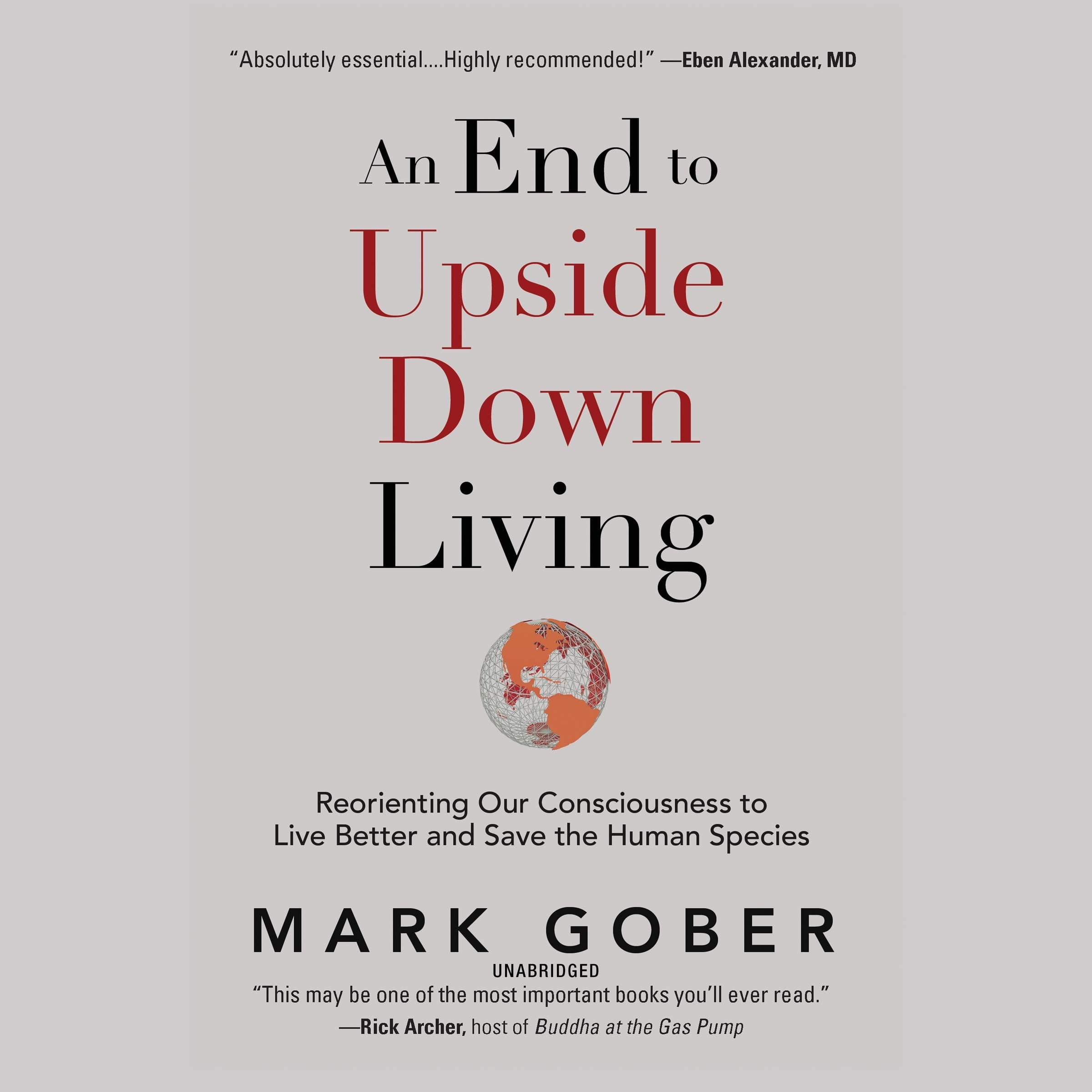
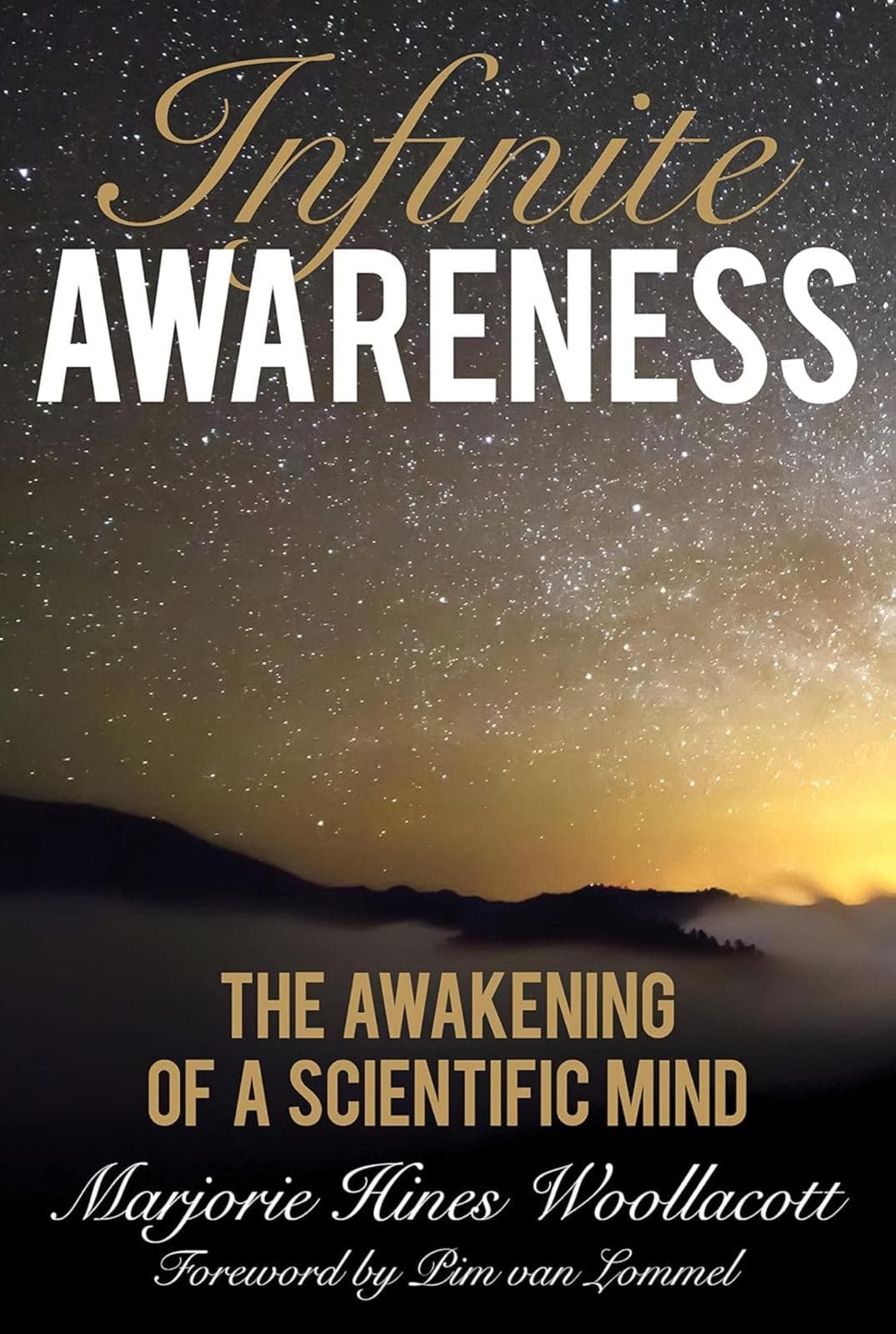
Episode 191 – Marjorie Woollacott – Infinite Awareness – Consciousness Beyond Biology
August 28, 2025

Episode 171 – Surfing Monster Waves, Mastering Fear & Flow State w/ Laird Hamilton
July 6, 2020 · 46:18
Episode 163 – Medicinal Mycology, Neurogenesis, Psychedelics, Kundalini Awakening w/ Clint Ginn
March 14, 2020 · 1:04:32
Independent conversations
Help make the next one possible.
Membership sustains ambitious, unhurried interviews and keeps the complete archive open to curious listeners everywhere.
Become a member