

The Human Experience · Episode
Episode 149 – Matt Wallaert – Succeeding as an entrepreneur, Building Products that change the world
A conversation with Matt Wallaert
Matt Wallaert is a behavioral scientist and entrepreneur. For over ten years, Matt Wallaert has been applying behavioral science to practical problems, from startup exits to the Fortune 500 to an array of pro-social side projects.
Stay with the full conversation.
Episode field notes
Show notes

Find Matt and all of his work Visit mattwallaert.com.
You will love this episode!
Read the conversation
Transcript
[Music] welcome to the human experience podcast the only podcast designed to fuse your left and right brain hemispheres and feed it the most entertaining and mentally engaging topics on the planet as we approach our ascent please make sure your frontal temporal and occipital lobes are in their full upright position as you take your seat of consciousness relax your senses and allow us to take you on a chip we are the intimate
strangers thank you for listening ladies and gentleman welcome we’ve got an incredible show planned you guys this evening we are going to be discussing behavioral psychology and building products that create change thank you so much for being here whether you’re listening to the podcast or into this or you’re here now live with us right now this is going to be a highly informative and entertaining show so sit back grab a
drink enjoy this conversation the human experiences in session my name is Xavier katana my guest for tonight is Matt Wahlert matt is a behavioral scientist and entrepreneur for over 10 years matt has been applying behavioral science to practical problems from start up exits to fortune 500 to an array of pro-social side projects he’s given hundreds of talks on the science of behavior behavior change and is currently the
healthcare industry’s first chief behavior officer at Clover health a Medicare Advantage plan changing the model of insurance by changing behavior Matt is a graduate of both the Lee Pope Sean United World College of Hong Kong and Swarthmore College he also spent time in a ph.d program at Cornell he has given hundreds of talks on sign the science of behavior of change at such places such as TEDx virgin and Microsoft Matt it’s a pleasure welcome to hxp
Xavier hecta having me yeah um thank you so much you gave me a little bit of a panic attack before the show when it’s okay we’re here we’re a little bit late but it’s good well we’re right on time my friend the one of my favorite West Wing episodes the the president Bartlet has to go out and and to a debate and his wife cuts off his tie just as he goes onstage so that they have to Curley rip his tie off and put on a new tie and it helps him sort of
stay in the moment I sometimes think you know when it doesn’t work out when I have to rush on stage sometimes those are the most fun because I come in just live totally live and since this is a live podcast this time this is kind of a fun experience yeah there’s an adrenaline rush definitely when that happens a bit of a pattern interrupt as well so tell us you know tell us how you got into this world of studying behavioral change
give us sort of the background set the stage for us a bit sure so I’m a little bit of an unusual psychologist in the sense that you know I grew up in very rural oregan I don’t think there were any psychologists anywhere near me where I certainly if there were I certainly didn’t know them and I grew up with a very sort of you know traditional American view of what psychology was you know you go to some you know guy with a
grey beard and you lay on his couch and he asked you very for he’d like questions then he tells you how you feel and you know when I got into college I really got an opportunity to discover a whole different kind of psychology and so I fell into something that we call social psychology which is not about sort of individual psychology not about sort of abnormal psychology but instead sort of about what makes us similar
across people right and how we interact in very similar ways in reaction to our environment and then one of the things that sort of comes out of that is well we then can change the environment to change how people behave and so I got very interested in sort of making the world better by improving the environments in which people behave to help them change their behaviors and you know had some really I had a wonderful
experience where I had this professor and we read a paper about something called the IAT the implicit association test okay so some of you may be familiar with it you know it the most traditional version that people know of is the racial IAT so it flashes good and bad words and black and white faces and you have to very quickly categorize them left or right left or right and what the authors proposed is that it shows
people’s implicit bias and I didn’t disagree with the data they had collected but I felt they were overreaching their interpretation and my professor this wonderful wonderful teacher named Andrew Ward said this really amazing thing to me he said look the field agrees with their interpretation but this is science means in science there is an orderly way to respond which is to run your own experiment and prove that things are
different than the way that we had understood them previously for sure and that’s just like a I mean it’s just sort of blew my mind as an undergraduate because up to that point you know I had seen you know privileged articulate you know being smart those were the things that sort of made people win arguments and gave them power and the approach to science was like no it doesn’t matter that you’re like a first generation college kid from rural Oregon
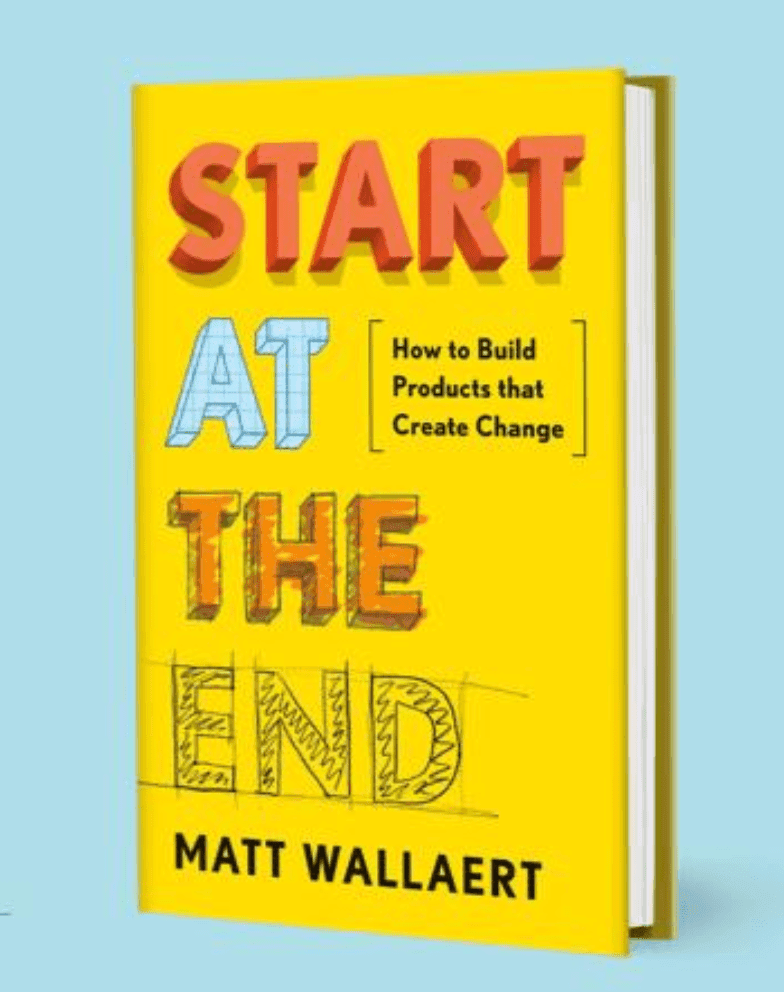
like you can be empowered by evidence and so that just got me totally hooked and I ended up you know sort of going through and getting my social psych degree and and and it’s sort of defined the rest of my career hmm yeah I mean it really does the book start at the end it really does get into the science of it all I’m not sure what I expected when I opened it I mean I I’m really not sure what I expect maybe I judged it by the
cover or something but it really does dig into the science and sort of the meat of creating these products that that can build change for us is this is this your first book it is my first and only book and and certainly it’s as far as I know and intend the last I I was not looking to be an author but but this wonderful imprint portfolio which is part of Random House came to me in and really convinced me that you know
they felt like I had something to say and wanted to help me say it and they did an amazing job of helping you know sort of get it out of me and you know it’s it’s it’s an amazing experience writing something I have a four year old and one of the things as save you know from reading the book it is in a very you know it’s it very much is in my voice there’s cursing you know it you know it sort of it’s very self referential I use
myself as an example my family is an example I make fun of myself throughout it and someone pointed out to me after it came out they said you know if something happened to you you know you’re your kid now has this amazing you know sort of artifact that is very clearly you and a summation of your life’s work to this point mm-hmm and it’s sort of a lovely thing and so I’m very glad to have written it I don’t know that I have anything more
to say but quite glad that I had this to say right now well I mean you never know I mean things might change later down the road you might find yourself you know writing another book but let’s get into this one okay so at the beginning of the book you talk about Apple I mean that’s that’s a go-to when you’re referencing products that that changed the world right so I mean you talked about how the narrow around its success doesn’t really tell
the true story of of Apple and then you get into something you call the two why’s what are the two wise and and how do they they affect the way we build products yes so Apple was chosen sort of deliberately because to your point it is sort of the canonical example and people are very often associate Apple success with its brand which I think certainly the brand is a component of it but you know the way I always sort of think of
products is to your point these two why’s so once we’re talking about designing for behavior change right once we’ve established what behavior it is we want to change which is a very important and not always easy first step but once we’ve done that then it essentially just boils down to two questions which are why would anyone ever want to do that and why aren’t people already doing it mm-hmm and so if you said you know I
want to get people to eat pistachio ice cream you know you would you need to start from the place of well why would anyone ever eat pistachio ice cream and why aren’t given that there are reasons to eat pistachio ice cream why are they not already eating pistachio ice cream and that’s what allows us to then systematically go you know start to build interventions that act on the reasons that people would ever want to do it and then remove the barriers to
acting on those motivation right right uh-huh I mean I find it fascinating to study this so then you you talk about different types of pressures promoting and inhibiting pressures and I mean this is serene the two wise are sort of at the heart of your book but it’s it’s linked to promoting pressure and then second to inhibiting pressure what do you mean by these different pressures and how they how do they affect behavioural change yeah sure so
promoting pressures are anything that makes a behavior more likely inhibiting pressures make a behavior less likely and so the canonical example I use in the book is mm who’s right you know we eat them because of taste and brand and color and all these wonderful things and then you know we things that make them less likely our you know availability cost etc and so those are you know those are sort of mapped to those two
questions right you could think of promoting pressure as what are all of the things that make what are all the reasons that one might eat M&Ms I I’m always a little I don’t love the word reasons because it leads us to this very logical place and you know identity and emotion can be some of the most powerful reasons there are but it’s not all logic but you know there are these reasons to do things which we call in hip promoting pressures and then
there are these inhibiting pressures you know the reasons not to do them things that make them more difficult and you know that we have predictable errors it turns out as creators of things so for example when you ask people to create you know to create a behavior I want Savior to go to the gym more often they gravitate towards promoting pressures so we have this bias where it turns out we are more likely to generate promoting
pressure based interventions when when it’s phrased as more and if I said you know how do you get Savior to go less to the gym right then you gravitate towards those inhibiting pressures well I’ll punish him I’ll make it harder to do and so what that implies is that there is almost always opportunity space on the opposite side we don’t think enough about the barriers that prevent people from doing things instead we just
automatically think well they just don’t want it enough and so I think by you know moving from sort of the the madmen world of just you know going with what’s natural instead mapping out these pressures and and more directly addressing them we can get to a better place you know one of the examples I often use is helping women get raises right one of the really problematic narratives has been you know sort of well women just need to want it more
than you to be more aggressive they need to lean in etc but I don’t know any women that don’t want to be paid fairly right there’s no women that I know that are like yeah I really want to be to make less than I’m worth I want to get less than my business value sure right but but because we sort of phrase it as a well they need to do X more they gravitate towards those motivations when in reality you know women face a number
of barriers a number of what we would call inhibiting pressures that make it harder and so if we want to change their behavior what we really need to do is remove those inhibiting pressures not focus on on sort of the promoting pressures huh god that’s so fascinating I I was actually watching and when I was when I was reading this book I it made me think of something that I saw of Steve Jobs and it’s like it was this video of him
explaining how to market their products and it was a phenomenal video and he was talking about I mean he brought up Nike and he brought up Apple and he was talking about selling a you know like a vision and he talked about how you know in these commercials that were do performing the the most well that nor Nike was never talking about shoes they weren’t giving these technical like examples of how their their shoes you
know make you walk better or run better or whatever it is it’s really interesting to me how we can play with these different perceptions to the success of a brand or the the failure of a Brian Brent absolutely and and I actually know the clip you’re talking about that except would send it to me earlier this week so I was very fresh in my mind the thing I think that maybe people miss in that is it’s not just the brand it’s the
connection of the brand to what they actually do so I’ll give you a Charles travail over at Interbrand and I had a conversation once and he actually made and he did an experiment once where he made something I can’t remember the name right now it was like an expectations index but basically he measured you know if we show Savior a commercial for an iPhone and then ask him you know what do you expect this iPhone will do for you
and then we give it an iPhone and let him play it play play with it how well how can grew into are those right so just the does the advertising accurately portray the experience that you will have using the thing and so he called it you know sort of the expectation gap or something where he looked at brands where you know they’re they’re advertising gave you a false perception and brands where it gave you a much more
real life expression and I think the thing about Apple that was quite magical is yes they had these very lofty commercials about you know creating things using the iPhone but then they actually delivered on it right like using an iphone to create something actually is sort of magical and they have created an amazing device for creation right and so you know it wasn’t just an empty brand promise this is where I think you know coke you know
shows you images that would make you think if you drank a coke that you would you know dance really well or look really fashionable or you know have a really great significant other or whatever and in reality drinking coke will do none of those things for you right and so I think it’s that marrying of you know the promoting pressure that is that as identity and brand etc to the actual experience of using the thing that is that creates the sort of true
magic hmm yeah that makes a lot of sense and you know I was really thinking about promoting and inhibiting pressures and I was thinking about I was trying to think of examples of ad campaigns or products that had shifted in you know the only thing that I could think of was like smoking right like there there was this whole trend of celebrity smoking that was a big thing through the 60s and then it started to change right so when you
talk about you talk about inhibiting pressure and how that is kind of your your favorite why why do you prefer that over promoting pressure well I think you know part of it is the thing we already talked about a little bit right there is this notion that the it just turns out that people ignore inhibiting most of the time when we think about changing behavior we’re trying to get people to do something more right unless you have
a kid then you’re often trying to think about them to do something less but in many you know in most professional context it’s about more of a behavior and so that means that the predictable error that they miss is not putting enough emphasis on the inhibiting pressure side but there are some other special characteristics of inhibiting pressures that make them particularly attractive to me one of them is the homogeneity it turns out that promoting
pressures are art tend to be relatively heterogeneous so if you know we talked about going to let’s go back to going to the gym we want Savior to go to the gym like Xavier goes to the gym because he wants you know six-pack ABS Matt go to the gym because of the way it makes him feel and Bob goes to the gym because you know there’s a pretty person at the who you know there’s a pretty person at the front desk right those are all different
motivations but the inhibiting pressures are the same you know distance he said the inhibiting pressure constant for all of us the cost of the gym is an inhibiting pressure for all of us right and so it turns out that in general and debating pressures are more Universal and so what that means is you know sort of pound for a pound if I can remove one in promoting pressure or one inhibiting pressure the inhibiting pressure will
pay off across more people because it turns out that the that that you know we all tend to be affected by the same inhibiting pressures hmm yeah I mean it again it’s resoundingly accurate does it does fall true I want to talk about IDP in intervention design process I mean this is the first time that I’ve actually read this word heard this word before so or this term before so I mean why don’t you explain that to us nothing I made it up
yeah we just needed a way to so so I to the horror of my publisher when they first talked to me I was like I really want to wait a handbook right like that my original title for this thing was like the handbook of applied you know behavioral science they were like you can’t call it that no one will buy it but like I wanted something that was really intensely practical you know I love pop psych books there’s a number of
really great books out there but I think that they well they stir up our interest they don’t actually tell us they don’t change our behavior I sort of at the beginning of the book point out the whole point of my book is to change your behavior right if you don’t walk away from the book more likely to actually go create behavior change then I have failed in my job and so one of the ways to reduce the inhibiting pressure to
changing your behavior is to give you a very structured process to follow and that’s what the IDP is it’s not meant to be the be-all end-all I’m sure someone will come up with a better version right and I think that’s great I hope people do but what I can do as the author is sort of say here’s a template that makes a little easier to do so that the IDP just a you know roughly eight to ten week process in which you articulate a
behavior that you want to change do something we call the behavioral statement you then go out and do quantitative and qualitative insights to try and understand by looking at data and observing humans like what the you know how to answer those two questions why would anybody ever want to do this and why are they not already doing this you then map that out into those pressures and start to design interventions and then really key
because remember this is science you go out actually pilot interventions right so you actually go try things in the world and measure whether they are effective which is I think really really key to to you know sort of the advancement of the human species and and sort of better products is the notion that we can actually go try things first see if they work iterate iterate iterate iterate before we’re like ready to actually bring things to scale right
yeah I mean this there’s so much I want to ask you Matt so there’s okay there are these few examples Facebook has it creates no content uber owns no cars whatsoever Airbnb well-honed owns no hotels there do what are they doing that is so different that has led to such a great success that they’ve they’ve sort of encountered the success of a company is never one thing right it’s timing it’s the zeitgeist of many things that
are that are going on in the world but I mean I think if you look at something like Facebook we know Facebook was tremendously effective at changing people’s behavior and and Facebook in particular you know I think often companies that are very successful are changing our behavior see something or and often stumble on it that you know maps to a very core motivation or something that we hadn’t previously realized I think Facebook’s sort of
version of that was identity I don’t think they realized I don’t think people prior to that had had really clearly articulated and understood that as disposable income goes up people will spend the dama and amount of their time and money on you know sort of trying to stand out or fit in or both and so by creating a really handy tool you know I mean Facebook has an amazing dual purpose right it both makes us feel connected to
everybody else but also gives us a chance to be unique special individuals and so that combination I think prior to Facebook was very rare you know in roomers case for example I really do think it was payment right I don’t think people realized how strong the inhibiting pressure of payment was and it’s actually interesting to me in many ways I feel like people still haven’t it is shocking to me where what you know 10
15 years out from from uber I think it’s been 10 years why are we still paying in restaurants I don’t understand it like given the complete you know people are like it’s a hard problem yes I get it’s a hard problem lots of things are hard problems it is astonishing to me that I still have to wait for a check hmm given the I think what uber is demonstrated the incredible power of just what I’ve done I get up and leave mmm I can’t
chucking to me that we have not removed that inhibiting pressure of payment across more across more sort of places in the food chain sure sure I mean it what has changed in the last you know 10 years is it information is it the way is it the way that we connect socially because of the Internet and is it a platform that we’re giving these new spaces I mean entrepreneurship has kind of exploded in last 15-20 years or so yeah
you know entrepreneurship has I think there’s two factors that have really made entrepreneurship sort of there’s a promoting pressure and there’s an inhibiting pressure on the uninhibited pressure side it is now much easier to to sort of get to a minimum version of a product quickly across almost every across almost every part of creating a product so meaning is now easier to market something than it’s ever been before it’s now easier to actually
literally build something than it’s ever been before right it’s it’s it’s easier to then measure the effectiveness of things more than it’s ever been before so I think that those sorts of things you know that reduction of inhibiting pressure around just the creation process right is so much you know I think people would be blown away you know if you transported somebody from a hundred years ago you would be blown away by how easy it is to
create right and I think a hundred years from now will experience that as well I think that you know if we could fast forward you know it’ll just be it is even to me right so I’m 37 years old right in my lifetime you know in my sort of teenage years onward there has been digital photography but it used to be really really hard right you had to like you take a picture onto a camera then you know to connect the camera to a
computer then you had to like process it in facebook and the kit and the pictures were all really bad until you have to color correct them and you had to like you know edit out all the dust and the bits and whatever you know and now write almost essentially seamlessly I can take a nearly perfect picture like automatically I don’t have to download or upload it or do anything anywhere at Liz Rabbids it on my phone it’s backed
up in the cloud I can auto share it on whatever right set up appropriately the inhibiting pressures are almost nil which is why the creation velocity has gone up so much the other thing about entrepreneurism entrepreneurism that has changed is you know I’m I’m a sort of perfect age to have watch this happen when I was younger nobody talked about entrepreneurs right it was not an identity based segment and if it was it
was sort of like you know a negative identity based statement right it was sort of a sketchy thing to do now it’s you know everybody wants to be it it’s an incredibly desirable thing to be right and so I the way that I am so often struck by this because that is not universally true globally and so as a guy who gets to travel a fair bit and do speaking engagements in other parts of the world you know I often get to be in
environments where you know being an entrepreneur is still considered a little bit sort of risky and edgy and something that you know sort of it’s like little like being a starving artist right and so watching that play out and watching the struggle of entrepreneurial people as they you know try and interact in an environment where everyone is telling them that that’s the wrong choice I think is really is really interesting yeah I mean there there is
there does seem to be a sort of feature of the entrepreneur ships or vision or role that is regarded in a very starving artist’s sense it may be culturally it is that is there is there a single thing that you see when you’re in the startup world quite a bit so I mean is there a single thing a resounding universal truth that you see founders doing that you’ve you know that you think or you regard as this is the right move this is
what you did correctly this is how you saw through a problem is anything like that yeah I mean the number one thing that I think people do correctly this is very hard to do I think is figure out how to run the right-sized pilot right meaning too small and you can falsely abandon an idea or falsely confirm something and really think it’s the right thing and too large you know you can just run out of sort of resources before you have time to pivot right and
so there’s this very interesting sort of threading the needle effect where you know you just want to hit just the right size that you still maintain enough resources to be able to pivot around and sort of you know get the right thing but that you’re not you know so small that you reach a sort of a false confirmation or a false rejection of an idea hmm okay fair enough has there have you noticed or seen like the sort of unicorns that maybe would
give a false impression of you know the range of time it takes the success of a product or launch yeah yes and I think part of the problem is narrative right like you know I feel like I’ve talked about uber a lot and given how much I sort of the sexism if their founder but like uber is a good example where I think what people tell the narrative they’re like oh overnight right it took over the world and I’m like you mean over the course of
10 years right right like that’s not quite overnight man right like it was very very long and you know it’s sort of taking you know it has had a profound change and relative to its change I can understand what people are saying right they’re saying well you know given the size of the magnitude of the behavior change it sure seems short but it out tell you’re a long time and I got a four year old and he changes every week right
like I think that people just have this this narrative where and you know it’s part of the way that you know sort of human recall works you know we have this tendency to not accurately understand time and having done start you know been successful at building and selling startups it’s long it’s a slog you know it may look like an overnight success and part of the problem is there’s a tipping point right you know there are
not all startups by the way have a hockey stick but many of them do and so there’s this tremendously long period where you’re working very hard and nobody knows who you are and then all of the sudden it seems like everybody knows who you are right and that’s true medias are really another you know we don’t have to go to startups to that media is a great example of that right there’s this artist that nobody’s heard of and
then all of a sudden it feels like everybody’s talking about right right and then you know either they have staying power they don’t books great example you know like you know it’s it takes a really long time to write a really good book and it’s not just the writing I mean it took me 10 years to figure out how to do this right the writing was the easy part for sure and so you know that journey is very very long and I think that people
misunderstand you know so many ideas people just give up too early yeah I mean I I think I think that’s there’s no question I mean I think a lot of people see the end result of whatever a product might be or you know whether it’s an artist and a new album that they’re releasing or you know the the growth of a company and sort of the mapping of a product to launch and then you know you receiving it on this this end and you
thinking oh well wow you know they they struck gold here and you know they were able to do something no one else did and that’s not often the case it’s usually a lot of failure that comes with you know true successes just failing over and over and over until you finally kind of get it right yeah 100% and I think that you know it’s like any expertise right you spend years learning how to make something look look easy right
people often sort of a comment on my speaking style right because I’m a very unusual speaker every one of my talks is different I don’t prepare at all I have no notes and no slides I just go up and talk about my thing and love that and people often sort of comment on that and they’re like you make it look so easy and I’m like yeah because I know my topic super well right I spent a really long time like getting really
good at this one thing right and so yeah if you ask me to talk about that thing I do really well I I often think about you know what if you asked a company to solve another kind of problem right so this is sort of my my way of staying humble as a founder and as a start-up executive right it’s still like you know sure but if you went to the you know Travis and you said okay Travis now solve you know medicine like yeah baby
he’ll do OK at it but you’re terrible right like no prior success when success is one is a data point of one right predicts almost nothing about the future right it’s only repeated success that does and so you know the people that are that my heroes in the entrepreneurism space are people like Dave cancel right David cancel over in Boston you know you just look at his resume of stuff and you’re like dude like you’re like 10
companies in and everything you touch turns to gold so either you’re the best company picker I’ve ever seen we’re just really good at this right and so I mean there are some people who are just sort of born to do this and to create products and solve problems and then there are others that you know go the other direction and it’s it’s a hard Road to learn that you know you’re not that guy you know you’re just not really
meant to lead a company lead the charge yeah I there’s a there’s a very formative experience for me I I often lecture Columbia Lee Columbia and they had a one of my friends that runs a summer program for for young entrepreneurs it’s you know it’s run out of business school and so you know young kids high school kids come around the world to participate in this entrepreneurs program and I remember giving a talk what summer and I said how
many of you want to be the CEO of your startup and every single one of them raised their hand and I said and I said look do you how many of you think I’m really cool and everybody raised their hand because they’re required to and you know because I’m old and they’re young and so they were like oh yeah you’re really cool and I was like I have no desire to be the start of the CEO of anything ever I’ve never been the CEO
and I never want to be the CEO and this was really challenging for a lot of them because in their minds right they had that was that was you know what it means to be an entrepreneur is to be this one thing I think it’s not that find the thing that you’re good at it hopefully you love that thing and and you know but find the thing that you’re really good at and do that startups need GMOs and they need CTOs and they need you know
heads of bizdev and they need product people and they you know they need all of these things in order to function mm-hmm and you don’t have to be good at all of them you just have to be good at one of them and and then have a broad interest in the rest you know I talk often about I have a very very very diverse team at Clover of the people that work for me you know I only have one white guy and recently added a second a white woman but everybody else
is a person of color and the everyone else is a person of color and a woman actually and so and they come from really tremendously diverse backgrounds personally professionally cetera and so the first time we ever had a team meeting you know I have a very ask me anything sort of stale style and so one of them was like why us right you’ve built this really weird-looking team and this doesn’t look like any team I’ve ever seen like why us and so I gave them
something a scale from psychology called the need for cognition scale and it’s basically a measure of like how much do you take pleasure in thinking and so and it’s a lovely scale because I think a lot of scales sort of Telegraph what the right answer is and I don’t think it does this you know it has it has items like I really hope everything in my life is a puzzle right not everybody would say yes to this lots of people would say man
that sounds really terrible I don’t want everything you might like to be a puzzle but they all of course score off the charts high on the need for cognition and so I talk about you know having a t-shaped team they all have individual expertise that they’re very good at but they have really broad interest and so we talk about you know the bottom part of the tea is their legs and the and the top part of tea is their arms and the
thing I always tell them is you know your legs help you stay grounded and your arms help you fly right so having really deep deep expertise at something gives you the ability to always be employed and employable right because you know you can always get a job in that expertise but you know having broad interests create you know being curious about the world being really engaged is what gives you the ability to really
have exponential sort of job growth is that is that ability to sort of spread your arms and sort of be interested in a little bit of everything while still maintaining that deep expertise and I think that’s one of the one of the hard parts for for the generation directly below me is I feel like people often only get one of those so they’re sort of jack-of-all-trades folks who or Jill of all trades who sort of like you know
have done a really good job of curating their curiosity but they haven’t really found something that they can have deep expertise in and vice versa there are some people who are incredibly skilled at one thing but have sort of neglected being interested in in and engaged in the rest and I think that’s a that’s a real challenge for through that generation that and you know one of my fervent hopes is that we find ways to
make it okay for them to to you know sort of both curate expertise and go go gonna be interested broadly yeah I mean it’s amazing I there I’m watching the the chat go by right now and there are people writing about you know running startups and so it’s interesting you know but I wanted to ask you about a situation I guess I mean it’s it’s it’s the the early 1900s like just the turn of the century and it’s a battle of two minds
Thomas Edison and Nikola Tesla and there was something that they did completely differently right and I guess Edison was able to take his product to market better that’s why we you know use I mean that’s why we know more about him and Nikola I mean he’s he’s not really talked about you know in in the mainstream so why why do you think that is what do they do differently there well they I mean first of all I’m gonna talk about it but I
should point out that there are people who have have thought very deeply about this and are much more to kill it that I am about it I think actually one of my so so weirdly there’s a wonderful author Graham Moore who I know very well and in during when we were doing the second startup he wrote his second book in our space and it is actually it’s he writes often sort of historical fiction and he actually writes specifically about
Westinghouse Nikola Tesla and and Edison and sort of the race to two to the lightbulb and sort of like broad lighting and electricity across the United States and you know sort of highlights the way that they ran very very very very different labs you know Edison essentially ran a factory his he he in many ways I think actually was doing what unfortunately I think were too often encouraging you know entrepreneurs to do these days which is
just endlessly iterate right so he was I’m gonna throw a thousand scientists at it and they’re all gonna try slightly different variations and then one of those variations will work which was very very different than Tesla Wright who had very few economic resources until he was very pointy right he was like you know he was chose very carefully what he was doing he pursued in a sort of very narrow way very specific theories and so you know
of those if you try to hit a target you can aid or you can get a shotgun and they’re both valid ways of doing the thing you know I tend to I think the sort of notion of the IDP is to like aim your shotgun right meaning it do need to run probably more than one pilot but you shouldn’t just be aiming like only a fool doesn’t aim right you have the opportunity to him it takes only a very short amount of time to spend some time
looking at the data you know and doing the quantitative and qualitative things that will allow you to derive insight and so why wouldn’t you do that which you know it just always seems sort of weird to me that people have have you know constructed a world where they’re not yeah I appreciate that answer and just bringing it back onto you topic here we kind of went off the rails my fault so behavioral statement you know
what you talk about this in the book how important is a behavioral statement to the the process of building a product I mean I think it’s it’s absolutely critical and and anything I think it’s hard right because when you build a process you’re like no every part of it is essential and depending on what time of day you catch me I might be like the thing people screw up the most is blank right I think even earlier in this
interview I said you know the problem is that people don’t do the the piloting the science part right but I do have to say that like certainly it all begins with with clearly articulating a behavior and so we talk in the book about writing be hero statement which has you know motivation and a population and limitations and a behavior and a way to measure it but it really is of all of that it’s articulating a behavior that
you want so so often people articulate things that are not behaviors to me right they’re like I want people to love my product I’m like what does that mean and they’re like well I want them to love it and I’m like okay well but what does that mean like how would you know a person loved it and they said yeah we’ll talk about it okay I’m like okay great so your goal is to get people to talk about your product right is it is it okay if they talk
badly about your product no well I don’t want that okay so great your behavior you want people to talk positively about your product right that’s a behavior we could go design to create something that people will talk positively about right and we can remove the inhibiting pressures you know we can make share buttons and we can make it easier for people to talk and you know all these things it’s so interesting to me many of
the things that you would even use on the promotion of this show are psychological in nature right the very notion of a share button is the removal of an inhibiting pressure sharing the share button does not make the content any more interesting at all right there’s no promoting pressure of the share button the share button is simply inhibiting pressure reduction right and so consciously articulating I want people to share it creates is what
creates the share button you can’t get there unless you are consciously articulate the behavior that you want and so I think writing a good clean behavioral statement is sort of the fundamental part of the process and you know it’s all downhill from there if you know the behavior you want to create in my experience having watched people do this a lot the rest tends to sort of fall in line right it becomes increasingly obvious how to how to make
that happen if you can get to really being really really really clear about the one thing you actually want people to do mmhmm yeah I mean the next thing that you bring up is anchoring and adjustment and you talk about how this is you know key to developing writing a behavioral statement that is in line with sort of your vision what are those two things if you could get into that please yeah sure we could talk about the
anchoring adjustment factor so this is a well-known effect in psychology the the canonical example right is if I said you know Xavier how tall is the is the is the Empire State Building taller or shorter than a hundred feet taller okay great so how tall is the Empire State Building do you think it’s like 13,000 something feet but that’s probably too much right I don’t know that’s gonna be your guest okay that’s a good guess I like it right
and so then i go to i go to bizarro xavier right I go to katana where you go right to katana I say the same thing I say okay well he’s the our state building taller or shorter than a million feet huh I just looked it up by the way it’s 1,454 feet oh my god some way off and we say you know it’s a taller or shorter than a million feet and and you would say shorter right because it’s obviously not a million feet and then I’d say well how tall is
is you know the sort of vampire State Building and you might say 10,000 feet or a hundred thousand feet right because you’re adjusting down from that piece and so in a behavioral statement one of the reasons that we always articulate the behavior as absolute so meaning I want you know people to – you know a hundred percent of the time to do this thing not fifty percent of us I’m not twenty five percent of time is because
the moment you actually you know sort of go down from the absolute it leaves wiggle room for well I you know I just don’t need to get those people or I don’t need to have that happen there right and so when we express absolutes we’re actually much more likely to hit the target if we sort of you know we’re so much more likely to get to the ninety percent you know if we say a hundred instead of fifty hmm and so that’s why
we write very concrete absolute behavioral statements right when someone wants to go somewhere they will take an uber 100% of the time now obviously that will never happen right people will walk and take buses and subways and all sorts of other things but by articulating it in that way we we don’t artificially limit ourselves from what we can achieve hmm okay you you bring you know raising your kid up in the book quite a bit and
you talked about using these different types of pressure to change his behavior so what what are pressure mapping and validation one of those two different things yeah sure so pressure mapping is is the notion after we of sort of formalizing the the insights that we have into promoting inhibiting pressures right and so if I you know want to get my son to go to sleep right what are all of the things that might make him less
likely to go to sleep like light and sound right and what are all the things that make him more likely to go to sleep like being tired right or you know being full and so you know what you’re doing when you’re when you’re writing out this sort of promoting inhibiting pressures is you know mapping giving yourself a map to to sort of formalize those pieces so that you then can build interventions against it right because if I say you know the
next step that comes after that right is if I can if I say well you know light isn’t inhibiting pressure and sound is an inhibiting pressure then it becomes fairly obvious that what I need to do is get blackout curtains and ana noise machine right and so the intervention is derived from the pressures sure sure yeah and I’m glad you brought that up that’s the that’s the next on my list of questions but you you open the chapter
with a description of how creativity and the pursue not novelty can derail the process of intervention design how how does that work yeah and so I think you know we sort of talked about this touched on it very briefly earlier right one of the hobgoblins is that we have have become vastly over anchored as a society on the sort of like sexy interesting creative approach to a thing right but often you know sort of the boring is very effective at changing
behavior right making it so that you there’s nothing particularly sexy about being able to get out of a car without paying right you know payment is not a sexy space and yet payment innovation can very powerfully change our behavior right and so I think that when people pursue the novel instead of the effective it can often lead them to sort of you know fall in love with ideas that are not very good at actually changing behavior right
no sometimes novelty changes behavior it’s not that you know novel is always bad but novelty itself is very unlikely to change behavior things don’t get different just because the solution is is you know sort of sexy and attractive right things get different because they do right that’s a beautiful thing about science is that the goal and the measure are the same right meaning if the Gorillaz behavior change and what you
measure is behavior change then you don’t have to worry how attractive something is or rather like you and I don’t have to get in intubate whether a or B is better because there’s a there’s an absolute ruler for doing that right we can measure how much better a or B is because when we’ve articulated a behavior in a way of that measuring that behavior then all we have to do is deploy a and B and observe which one creates the behavior right huh
I mean I find that fascinating I mean it that’s that’s really curious it seems like that works against the grain because you know when I think about designing something I’m thinking about how to make it attractive and sexy I’m not thinking about okay how can we make this more boring right yeah I mean but but one of the things that’s really interesting is like not everything we want attention on right we want to spend
attention very carefully and so you know when we try to make everything attractive and sexy like you know uber is a fair example here since we’re using it all night long like ubers a fair example here because like uber works really well when you don’t think about uber at all right the perfect version like let’s not run it uber killer let’s say you said to me Mac okay let’s go design the thing that’s better than uber I would go build many many many
integrations so that you never had to think about uber ever again instead of taking out the app and telling it where you are and where you want to go I would you know I don’t know build it on top of your calendar so that as soon as you were done the ubirr just pulled up right and it automatically knew where your next thing was because it had predictive AI and figured all that out for you and so you never had to think about it right
which is really in some ways what uber did right you know as a we talked about how freaking travelers right so before Ober I had to rent a car I had to have a map right you know before smartphones I don’t printed out a map right MapQuest directions right I had to think oh I just spend tremendous mental energy to the to getting from A to B and now if it’s a major city I could just kind of assume that uber can get me from A to B
and so all I really need to know is where I am and where I want to go right and so the way to then iterate on that and improve is to make it so that I don’t even have to know where I am I want to go all of that is taken care of for me wow that’s fascinating I mean it reminds me of I was reading about Steve Jobs and part of the technique that he used to create sort of more mental energy so that he could create it was just reducing the number of
decisions that he made in any given day so which is why you see him wearing sort of the same turtleneck every single day is because he’s just removing that energy expenditure you know that so his brain doesn’t have to make that decision anymore and so I mean it’s that part of the process just eliminating that inconvenience of having to think about you know doing something well it’s interesting right because sometimes
inconvenience you know causes us to have epiphanies right and so I for example at Microsoft when I worked there I was there were people who were like oh we should have free lunch like Google has free lunch and I was like no because if we do that we will never create any of the things that make lunch easier right because for other people right will never create you know automatic payment if you’ve never experienced the pain of
paying you never create automatic payment right you have to experience unpleasantness in their world but that said you know I do think and and you know Steve Jobs was was one practitioner of this but I think there been many right you know Obama got rid of blue suits right so that he didn’t have to tell the difference between black and blue which can be quite hard to do and suiting like there are many examples of people doing this I for example I don’t
wear the same thing every day I just thought I I went a step farther I just automatically on eBay that just buys like John Varvatos 40-hour Blazers below a certain price point well they just my computer buys them and puts them in my closet and presto right like I wear the same thing every day it’s not exactly the same thing but it was all bought by a computer for me right I often think about there’s a the movie training day and there’s a great
scene where Ethan Hawke’s character who you know has been sort of tricked into getting high by buttons on Washington yeah yeah so denzel sort of tricks me to getting high and they go to visit this older cop right and you know ethan hawke sort of slumped in a chair kind of and Denzel and the older copper talking kind of about the secret of the streets and sort of hi Ethan pipes like I know the streets and you know Denzel yeah shut up man and but the
older cops like an island I’m talking and and what he says is you know the secret is to control your smiles and cries control your smiles and cries and that I always think has had a lot of effect on me I was very interested in you know the sort of recipe for happiness is controlling what things you allow to make you happy or unhappy right you have some control over that right the beautiful thing I was talking to a friend of mine yesterday who happens to
run international business development for Conde Nast and therefore VOC and so he’s very fashionable and we were talking about my sort of automating my clothing I said one of the things that is beautiful about it is if the guy and we were we were sitting in a hotel bar I said if the guy next to me spills his drink all over this you know he is brightly colored drink all over this all over this jacket and stains it that’s
okay because it only cost me twenty dollars and it was already reset you know like it was reused when I got it right meaning because it was clothing yeah and so I don’t have a negative environmental impact if I literally throw it away and I have a very small I cannot make impact on myself whereas if this was I shall repay this blazer that I bought do for $1000 sure right now I have to take it to the dry cleaners which is terrible for the environment I
have to feel bad for the rest of my day I gotta get a fight with this guy in a bar he feels bad I feel bad I lost a bunch of money I gotta take it to a dragn it’s like it’s a negative experience all around right I have the ability to control those things that are brought to me and I’m not suggesting that you shouldn’t care about anything I think people sometimes hear this story and what they take from that is well no
one should care about their clothes no what I’m saying is if clothes are incredibly important to you you should make that a focal point of your life spend your time and your money and your mental energy there I think that’s important but if they’re not don’t my you know the Contra example is I built every desktop computer I’ve owned since I was you know 15 years old and I would never let someone else build my computer
I like that process I I do sweat that I do sweat it I spend way too much money it you know I do get sad when it breaks right like I I do sweat those things because it gives me pleasure the act of doing that is part of my animus and so you know I think thinking carefully about what you you know what you want to allow to have impact in your life is really critical and important I want my kid to be able to both make me incredibly happy and incredibly sad yeah
and that’s that’s a desirable end State for me I mean it makes a lot of sense it fits we’re running short on time so I apologize if I’m speeding through these priming moderation mediation you know you get into this in your book so you know what what do each of these mean you don’t have to rush but what do these mean and and what you know what is required of us to sort of understand them and that’s a really hard one to
explain these shortly so probably so mediation moderation are statistical terms for how you know sort of some mathematical relationships between variables work but basically the notion here is that what matters for behavioral change is sometimes you you will have to create new pathways right you can create a direct connection between for example and identity in a behavior and sometimes you have to go through another third
point in between right so meaning you know the identity is correlated with with you know the third point and the behavior is correlated with the third point and so there is a connection between the identity and the behavior but only as a monotheist it’s moderated through through this third point and so understanding the the causal relationships versus the correlational relationships between things can help you build better things hmm okay okay
how important is the ethical check when we’re talking about IDP okay so the ethical check is is absolutely vital right so as you noted in the book there is a chapter on ethics I believe very strongly that behavioral science behavioral science is is morally agnostic right the ability to change behaviors is not good or bad right so people use I haven’t get it getting you know sort of interviewed and people are like well
you’re manipulating people and I’m like well manipulation is about like manipulation itself like is is agnostic right for example when I say my son manipulates those Legos he’s not like morally offending the Legos right it’s just literally he’s moving them that’s what manipulation means and so behavior science itself is agnostic instead what is key is how you use it and you know as I frequently point out to people like
you don’t want to get on my bad side right like if you go to war you don’t want to be on the other side of me and so cuz I’ve been doing this a really long time and so if what you do is read my book and use it to you know sell sugar water to kids hmm I can’t stop you from doing that but I can fight you and I will and so you know the ethical to chuck is about making sure that when we change behavior we change it in a way
that someone if you made obvious the behavior you know it doesn’t require that you always make obvious the behavior change it what it requires is that if you did make obvious that behavior change the person would agree to it and if you I think if you made obvious to someone you know the devastating effects of selling sugar what are the kids they would not agree to it and thus that is not a an ethical use of behavior okay I’m not sure if you
mentioned I wanted you to cover this the the different gaps in tension action gap and the intention goal gap sure yeah so let’s use the flu shot as a really great example so the intention action gap is what we usually talk about in social psychology I mean to go to the gym I don’t go to the gym man right like you know there I have the intention of doing something but I don’t actually do it but there is another kind of gap that we
don’t often look at that is actually incredibly important which is you know sort of the the you know action outcome gap so where I don’t I never had the intention of doing things in the thing in the first place despite the fact that I wanted that outcome right so with a flu shot there’s a difference between i man I meant to get a flu shot but I just didn’t get a flu shot right I was busy or they were out of it when I got there
or I had to pay money that I wasn’t acting right those are all you know a sort of intention action gaps right intended I didn’t need you but there are also people who don’t want to get the flu but have no intention of getting the flu shot right an intention outcome Gavin and and that’s a huge problem right and too often we assume things our intention in action gaps right everyone wants to get the flu shot and they just
don’t do it though some people genuinely have no intention of doing it but they don’t want to get the flu and so that’s an opportunity to help change their behavior and help them recognize you know where the behaviors that they have aren’t gonna get them where they want to go hmm okay okay so you know after the ethical check comes the testing period where you know how can you describe what a pilot is and you know how it would
vary in size and scope yeah so so we talked about pilot testing scale right so piloting is you know running very very small and you’re just trying to see if there’s anything even there right is this a valid route to changing a behavior so you’re still measuring behavior change you’re probably not going to get statistical significance you know the the sort of rule of thumb sometimes that I always you know sort of use and it changes a lot depending what
the behavior is and so I don’t want to get people to get over lang chord on this but you know a pilot is 20 people a test is 200 people you know a scale is two million people right and the idea is you know you try lots of things on 20 people you relatively fewer on 200 people and then very few one on two million people and so but the purpose of pilot so people often are tempted to skip out on that step right because you
know they want to rush to the two million and and many things are never tested at all I just rolled out to the two million and and I think you will learn really interesting things from piloting right and I think a lot of harm could be avoided if we first make sure that things actually create the behavior we want okay so getting to the the final stages of IDP which you talked about something called the Parana effect what
is yeah what is that how does it relate to sort of the affective cognitive attention what is the Parana effect yeah so the Parana effect is this this sort of notion accorded by a psychologist I anticipated up all of the interventions often they would they would equal more than 100 percent right so imagine I have three different interventions and intervention a is about fifty percent effective at getting people to do something and intervention
P is about forty percent effective at getting people to do something the intervention C is about thirty percent effective at doing something well math you know in our minds were like a plus B plus B forty percent plus you know fifty percent plus forty percent plus thirty percent one hundred twenty percent right it should make everybody do the thing but in reality if I deploy ABC you’ll get to fifty percent and the reason is
that you know a was clear the best intervention but you know a plus B you know they cannibalize each other a little bit that’s where we get the Parana they you know sort of swim around and eat each other and so when we talk about something of like you know mental attention you know I could deploy all the anti-smoking things I want but they’re not gonna get me to 100% anti-smoking because they sort of compete with each other for your
attention and sometimes sometimes less is more that’s why pilot testing and scaling is so important right is because you know I I’m not just trying to find something that works I’ve tried to find something that works given all of the other things that are also currently working right because very often you know once you deploy it you’ll find that you know the sort of juice is worth the squeeze yeah it incrementally makes it slightly
better but not the massive thing that you saw in sort of scaling very sort of in piloting and so I think that’s why you know you really need to manage your portfolio of intervention as well because you know a company isn’t one intervention it’s thousands of interventions it’s a million tiny decisions that we make and can change and they all compete with each other and so we need to to view them and practice them in harmony even if we sort of test
them in isolation so I mean would there be one part of this process that is more important than the other or is the whole process sort of key here you know I would say I’ll answer that I’ll answer that in the framework of the book itself right so meaning if what we wanted if the intention of the book is to get people to you know create things that change behavior the all of the things in the book are important interventions towards
doing that but by far the single thing that will have the most effect is getting people to write a behavioral statement consciously articulate the behavior you are in fact trying to change you know we could take this show for a second right like have you actually really thought down sat down Savior and thought about okay when someone listens to my show what do I want them to do differently hmm right this interview will be a failure if
people walk away from it and they don’t behave differently hmm right and so you know everything else sort of falls away in comparison to the critical critical point of spending time articulating what we want people to do yeah I love that I wholly agree on that point um you know I I know Matt I know that there are you know startup founders that follow you and it you know it almost seems like some of these kids are kind of looking
for this secret code that’s hidden somewhere and it’s gonna solve this formula of how to make them their company succeed maybe but I mean do you do you have any advice for them do you any and we’re about to we’re about to end the show and is there anything that you want to touch on that we didn’t cover maybe man what would I share with them we talked a little bit about it but I think I’ll go and sort of close to where we started which is the beautiful
and powerful thing about behavior change in the focus on behavior changes that it levels the playing field right in a world where we don’t focus on behavior change basically whoever has the biggest ad budget wins right and and you can pick whatever your version of ad budget is most followers on Twitter you know knows natural beauty or biggest boobs or I don’t care read and like pick your thing right whatever raw natural resource draws
attention they win and I’m not cool I’m not particularly physically attractive you know I’m a very rural part of the country I’m a first-generation college kid power there is immense power in in and an egalitarian power in behavior change and so if I you know there was something that the young entrepreneurs of the world you know took away from this I I what I would hope it would be is that they can have power in the world
they can create change and that can be big change small change it be whatever kind of change they want to create if they are you know thoughtful about what is the impact that they want to have right and so you know I set out to write this book what I decided was that what I wanted my legacy to be was empowering people to create behavior change and so I got very very focused on doing the things I needed to do to make it
possible for other people to to create behavior change and I think whoever you are out there whoever needs to hear this you know you have the power to change behavior your own and others and I hope you use that wisely and thoughtfully and and not only ethically but also in a way that brings you a satisfactory and and sort of lovely life and hopefully in a way that makes the world a better place right yeah 100% I mean as I said you
know I think you are free to use it however you want but it is always a useful thing to say if I do this who will I put on the other side of the table from me you know there’s the old the old ethical check that everyone uses which is I would I be ashamed to tell my mother about this right I think that that you know thinking really thoughtfully about who am i aligning myself against and with particularly in this time at least in the US where you
know we are I don’t know that I think that I agree that we’re in more divided country than we’ve ever been before although people like to say that but I think we people are displaying their beliefs you know in very obvious and visible ways in a way that you know you have to be very thoughtful about about what you’re gonna create in the world now more than ever it is so important what you’re gonna create a new for and and I
hope you use that thoughtfully but but you know it’s been a lot of fun to talk to the Savior and I appreciate you taking the time and fighting me on what do you want to talk about that we didn’t get to talk about I mean I think we covered you know pretty much every want everything that I wanted to touch on in this conversation I really enjoyed it as well you know it kind of flew by how do I see your last name because you you didn’t it’s perfectly
okay wonderfully I first of all I don’t really know how to say it it’s French Belgian and you know is funny I gave a talk at the French Embassy maybe a year or so ago ironically actually the very night I found out that the the the that I was offered the book deal they like called me in the middle of the party and said you know we want to offer you this thing you should check your email amazing but it was an amazing party
because everyone said my last name perfectly and beautiful right like you know everywhere I go no one really knows how to say it including me and then there’s this room full of people who are like oh well yeah it’s so nice to meet you I’m like oh that’s amazing nobody’s asking it’s beautiful but it so you know Americans mostly say it Wohlers I’m sure it’s something beautiful in French like wow yeah or something like I
don’t know so you know that guy that guy usually worked that guy over there the behavioral science guy you know hilarious man it’s really fun to talk to you Matt where do people find your work if they don’t know about you website yeah everything is just my name it’s Matt Waller calm and I met while I on Twitter and all those sorts of things and and you know one of the things that is a little bit different about me is I
I don’t believe in double opt-in intros or any of those sorts of things which easy sort of insist on these days I try and keep an open calendar and so there is a link on my website on LinkedIn other places where if you feel like you need to talk to me you can book a 30-minute slot it’s free I’m happy to talk to you you know it sometimes it’s booked six months in advance so you may have to be a little patient but but you
know you can you can my time and I will find time whatever it is you’re struggling with whatever you know help you need please use one of those channels whether it’s booking a call or Twitter or sending me an email or whatever it is to ask for that help I think you know underrepresented folks people from backgrounds that that aren’t necessarily privileged they don’t learn to ask for help because you know it’s a you know totally rational way by the way
I don’t think it’s a rational actor problem they don’t ask for help because so often they have not gotten it or no they won’t get it but the problem is as you grow in power you necessarily need help from other people and so you know I invite you to take this opportunity that if you do need help you know as Xavier asked me ask someone for the help that you need amazing I love that Matt what a pleasure to just hang out with you and talk about
this it it was really fun and that’s such a huge service that you’re offering to people guys we’re gonna get out of here but this what an amazing interview my guest Matt Wohlers and the book is called start at the end how to build products that create change thank you guys so much for listening if you made it this far and make sure you click like and subscribe to the show if you’re listening to this on YouTube if you’re
listening on the podcast please get over we really learned from those I really learned from them as well so yeah thank you so much for being here and next week we have dr. Bruce Lipton I’ve been sending him emails for six years so it’s gonna be a really good show that’s on Tuesday next week thank you guys so much for being here good night
Ideas worth returning to
Quotes
Five substantial excerpts from the published transcript, lightly edited for clarity without changing their meaning.
“People often underestimate how much change can occur over a relatively short period. I understand why a large behavioral shift can make the elapsed time seem brief, but four years is a long time. I have a four-year-old who changes every week. Our narratives about time are shaped by the selective way human memory works.”
From the conversation“The beautiful thing about science is that the goal and the measure can be the same. If the goal is behavior change and you measure behavior change, you do not have to debate whether option A or B seems more attractive. You have an objective ruler for determining which option changes behavior more effectively.”
From the conversation“If you never experience the unpleasantness in another person’s world, you may never create the things that make that life easier. Someone who has never felt the pain of a repetitive payment process may never imagine automatic payment. Useful products often begin with direct attention to an inconvenience or frustration.”
From the conversation“You have some ability to control which concerns enter your life. That does not mean you should care about nothing. It means that if clothing, or any other subject, is genuinely important to you, make it an intentional focus. Do not let an incidental concern create conflict, expense, and unhappiness without deciding that it deserves that place.”
From the conversation“The ethical test for behavior change is whether a person would agree to the intervention if you made it fully visible. You do not necessarily have to explain every mechanism at every moment, but the change should remain acceptable when disclosed. If the person would reject it once understood, the intervention fails that ethical test.”
From the conversation
About the guest
Matt Wallaert
A dedicated biography is being prepared from the original episode archive.
View the complete guest profile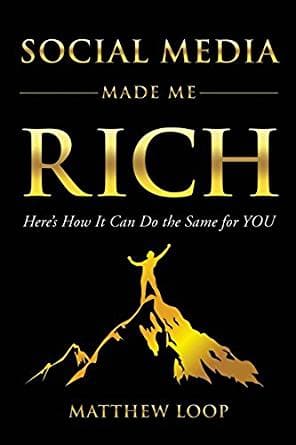
Episode 151 – Dr. Matthew Loop – Using Social Media to Brand and Build Your Business
December 12, 2019 · 1:00:42
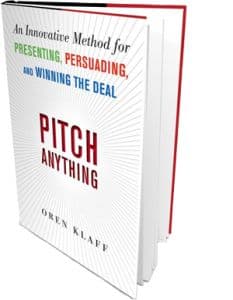
Episode 87 – Oren Klaff – Pitch Anything (Billionare Pitch-man Oren Klaff, teaches how to: Pitch Anything!)
February 13, 2017 · 38:01


EPISODE 198: Cindy Gallop — Make Love Not Porn: Rethinking Sex, Consent & Connection
October 13, 2026 · 58:43

Episode 155 – Stuart Lichtman – Mastering Emotions, Achieving the Impossible, The Art of Success
January 9, 2020 · 1:28:29
Independent conversations
Help make the next one possible.
Membership sustains ambitious, unhurried interviews and keeps the complete archive open to curious listeners everywhere.
Become a member