

The Human Experience · Episode
Episode 104 – Dr. Dan Siegel on Stress, Irrational Fears, Mindfulness and more
A conversation with Dr. Dan Siegel
A Harvard medical graduate with a postgraduate degree in medical education at UCLA, Siegel additionally served at the National Institute of Mental Health as a Research Fellow where he studied relationships and family interactions.
Stay with the full conversation.
Episode field notes
Show notes
Daniel Siegel is a clinical professor of psychiatry at the UCLA School of Medicine, with a strong interest in how social interactions, particularly attachment experiences, can influence the emotions and behavior of developing children. He is a neuropsychiatrist (relating to mental disorders attributable to diseases of the nervous system.) and interpersonal neurobiologist (a field which seeks to understand the mind and mental health, by constructing a “whole picture” view of what is going on).
He has founded and takes part in, a number of bodies that aim to help people learn about, and better cope with, their own minds/brains. He is the founding co-director of the Mindful Awareness Research Center at UCLA. He is also the Executive Director of the Mindsight Institute, an educational body that offers various courses and seminars to teach “mindsight” to individuals, and the benefits this brings. He was also given a wide range of talks and seminars in front of all manner of people, including Pope John Paul II, Google University, and His Holiness the Dalai Lama.
Mindfulness is a popular relaxation technique, used to banish the stresses of our increasingly tiring day to day lives. Practiced globally, it is the art of intentional awareness in the moment; an individual experience practiced in the presence. The importance of mindfulness is illustrated in many intersections of psychology and psychiatry; used as a useful means of establishing a healthy mindset for psychological well-being. In particular, one field where mindfulness is valued and praised as an efficient psychological tool is interpersonal neurobiology; a term coined by Dr. Daniel J. Siegel- a mindfulness expert. Based on many aligning fields of scientific research (yet not constrained by the findings), interpersonal neurobiology is a multidisciplinary subject which aims to critique and understand the mind by piecing together research from various academic disciplines into one perspective. Comparable to a jigsaw puzzle, Siegel’s research draws on many branches of psychology, neurobiology, and psychiatry; creating a rich framework in which to critique and understand the subjective and interpersonal aspects of human reality and experience.
A Harvard medical graduate with a postgraduate degree in medical education at UCLA, Siegel additionally served at the National Institute of Mental Health as a Research Fellow where he studied relationships and family interactions. An expert in how attachment and relationships influence memory, emotions, and behavior, his research integrates psychological theories of interpersonal neurobiology with mindfulness practice. Siegel asserts the importance of mindfulness in the maintenance of a healthy lifestyle; suggesting that if individuals practice it long-term, it induces a unique state of brain activation, benefiting and transforming the mind in the long-run. Specifically, he suggests that the long-term benefits of mindfulness include the reduction of stress, binge-eating and also increased optimism and self-control.
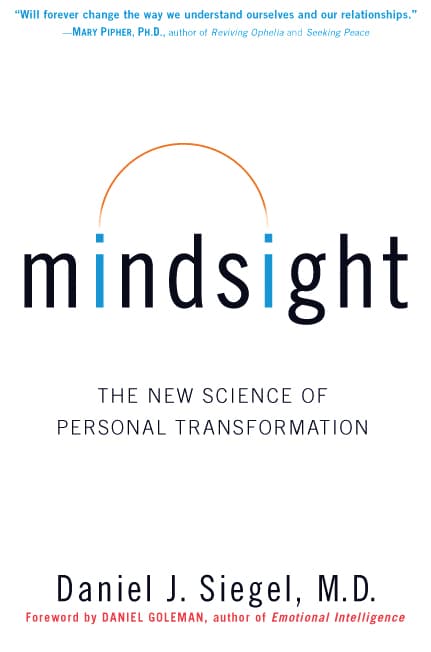
In addition to promoting the importance of mindfulness, Siegel invented the term “mindsight” which describes the human capacity to understand and perceive one’s mind and additionally other individuals’. According to Siegel, the use of mindsight not only enhances our relationships with others, but it also allows us to understand the inner workings of our brains. Specifically, he suggests that practicing mindsight helps us recognize and reflect upon the emotions we are experiencing rather than being overwhelmed by them. For Siegel, mindsight is “larger” than mindfulness, as it not only includes awareness in the moment but also encourages the individual to monitor what is happening, not only to themselves but also to other people around them. According to Siegel, this is beneficial, as there are advantages to not only being mindfully present in the environment but recognizing the importance of relationships has been shown to enhance learning and psychological growth.
Find Dr. Siegel here: www.drdansiegel.com
We need your support to keep this show ad free!
If you value even one of our shows, become a member get exclusive early access to our recordings, extra bonus content for each of our episodes a chance to request guests you want us to bring on and so much more.
Read the conversation
Transcript
this episode of the human experience is brought to you by dot yoga the Internet is a rapidly evolving place one of the recent changes that you may not be aware of are the new categories of domain names that allow individuals and industries a new choice in representing their presences online have you heard about yoga domains yoga is exactly like a.com domain except they end in yoga this gives yoga practitioners meditators
and people who enjoy having a choice in the way their online identity is displayed a new and easy way to reference their online presence use your yoga domain for your website your email set it up so that your fans can access your social media platforms through your duygu domain it’s short easy to remember and you Yogi’s out there will have an instant connection between your services and the yoga community by getting your
yoga domain today get 2ww get my yoga use code hxp 2017 for 50% off don’t be late to this party bring your web presence into harmony by upgrading to a dot yoga website and email address today welcome to the human experience podcast the only podcast designed to fuse your left and right brain hemispheres and feed it the most entertaining and mentally engaging topics on the planet as we approach our ascent please make sure your frontal
temporal and occipital lobes are in their full upright position as you take your scenes consciousness and allow us to take you on a gym we are the intimate strangers thank you for listening now I’m not saying if you’re being you know tortured that you should just try to reframe that as an opportunity you know to learn how to deal with torture although actually that’s probably a good thing to do so I’m stressed if you said how you doing I say it’s
great I’m really stressed I’m leading a meaningful life I remember this in medical school I had 27 rejections young women I was trying to answer that or what was wrong with that they had to go through that smell my breath what’s going on here you know and in the end no and what dance with me so I danced with him and when something meaningful Zepa nning you want to have stress now that’s what we’re gonna call you stress EU means good it’s good
stress so a meaningful life is absolutely going to be a stressful life everybody should have an integrated brain so they’re more regulated and how they function it can embrace differences and compassionately honor each other’s different ways of being in the world what’s up folks wow what an amazing interview here with dr. dan Siegel if you’re interested at all in the neuroscience of mindfulness and what’s going on in the brain as we have stress
responses as we experience fear or social anxiety you’re going to want to hear this interview this is a really great listen and get into all of that thank you very much for listening the human experience is in session my guest for today is dr. dan Siegel dr. Siegel welcome to hxp thanks for having me it’s a pleasure to be here so I really want to get into your books mind and mine site and everything mindfulness but I’d
like to get into your background first please can you just give our audience a little bit about your history and yourself good I can say I’m a person on the planet a little bit what about your education can you get inside a little bit oh sure you know I did my undergraduate degree in college in biochemistry I did my medical degree and then went on to pediatrics then I went from Pediatrics initial training to general adult
psychiatry training Child and Adolescent Psychiatry training that I was trained as a researcher in attachment then I became the training director in child adolescent psychiatry UCLA then I’ve been in private practice for 25 years okay then I I work in a field called interpersonal neurobiology where we combine all the fields of science together into one framework and I’m the founding editor of a series where we have over 50 textbooks for professionals
to kind of look at this way of understanding the mind and mental health and had a cultivate more well-being in the world Wow so quite a hub of experience that you have to kind of look back on when did you get into mindfulness as a practice and looking at the mind specifically and it’s it’s response to stress and behavior and those things so those are two very different timelines I only heard about mindfulness pretty recently okay
last ten years well almost by accident actually I used the word mindfulness in a book with a colleague of mine we were writing on parenting and we said you know gosh as a parent it’s important to be mindful of your kids people thought we were going to teach them to meditate and I had never meditated before so I thought it was a strange question and weird they need to ask me so I said what are you talking about and they said well mindfulness
meditation and I said what’s that and I was so out of it in terms of that field because I was trying to avoid things that weren’t too out there I was already pretty out there with what I was saying at the University so you know at that time I learned about mindfulness but the mind I became interested in in the 1970s when I was in college and I was taught to work on a suicide prevention service thought that the way you focus on the mind of another person
in a suicidal crisis would really make the difference between life or death and so for me the mind meaning our subjective inner texture lived life that part of the mind who was crucially important and so I guess my interest really started as a college student I’m glad you brought up college because when you were in medical school you found that the environment the attitudes there seemed to be less than ideal to say the least huh how did that affect
you yeah well it’s a it’s a painful story and you know written about it so people know about it but I’ll just say that when I went from college even those about chemistry major I was trained in these other things um I thought medicine would be a great place to explore the overlap between you know science the empirical study of reality including the study of the body and our subjective reality the feelings we had the meaning
of life the stories that drove us to make sense of who we are and how were connected to each other all that stuff I put in the word mind you know what was so sad and so painful was that the professor is I happened to get probably it was the majority of him anyway but really without exception told me that I shouldn’t be focusing on the feelings of my patients I shouldn’t be concerned about the meaning of an illness in their
life and I was like I thought I was gonna lose my mind and you know they because they were ignoring the mind so much that it was like a mind blind world so I dropped out of school went on a journey to try to figure out what I wasn’t doing myself and after trying out different things and thinking about different things I altom utley decided to go back and see if I could kind of use this word mine sight the way we see the mind as a kind of life preserver to
keep me from you know basically becoming insane in that world that’s such an interesting story so mine sight is a method that you created that applies the principles of interpersonal neurobiology to improve a person’s well-being right exactly yep okay so let’s get into that a little bit more can tell us more about mine site so well mine site literally is a word and it’s a word you know I made up in 1980 when I made the decision to go
back to school and couldn’t imagine the school changed after the year I was away so I realized that for me to survive I had to realize that human have two kinds of perception they can perceive the physical world and they can perceive the subjective world of the mind of others in the self so I just made up that term mind site or sites the seeing or perceiving and mind the subjective world so that’s what the word meant and then when I became a
psychiatrist I built on that experience as a medical student to say you know that mind site had three components it had the way you feel and sense another person’s inner life which is called empathy that’s the gateway toward compassion and kindness and you also have you know way of sensing your inner mental life something you might call insight or self awareness and that self awareness is a gateway to you know what later became called emotional
intelligence so mindset was the mechanism that was shared between social intelligence that gives you you know these skills of connecting with other people and understanding them as well as emotional intelligence this ability to sense your own inner state and regulated and the third component besides insight and empathy is something called integration and there’s a long line of reasoning behind that but the bottom line is if
you take a deep look at science across lots of disciplines you come up with is really strange proposal that health comes from integration I know it’s simple but it’s incredibly profound when you look at the empirical studies to support that statement the integration is the linking of differentiated parts and whether that’s in the brain or the whole body or a relationship you have with another person or a family or school or even a
nation you know how we honor each other’s differences and promote respectful compassionate communication allows a nation or a culture to thrive and when that doesn’t happen you tend to go toward chaos or rigidity which said that we’re seeing in our world today so you know you can see in global climate issues as a product of incredible disregard human beings have had for nature whether you’re looking at the global system or just your own inner life
integration is an incredible guideline for promoting well-being if it’s there or for explaining and illuminating the nature of unwell being in terms of chaos or rigidity if integration is impaired so to bring about this integration you practice and teach a technique called the wheel of awareness you know well you know it’s so funny or you’re asking about this today because my next book is called the wheel of awareness and I’m
you know at the final stages of the editing of it you know so I’m kind of obsessed with it so much you like to know about I I’ll just say this the wheel of awareness put very simply came from I mean it’s a practice and it’s an image and that’s what it is but where it came from was two scientific findings one was that if people are gonna change they need to use consciousness whether it’s a school where the teacher is trying to teach kids or a parent trying
to help kids grow well or psychotherapy you know where you’re helping someone change or even the process of you know self transformation like writing in a journal for example so that’s interesting when you find a universal pattern like consciousness is needed for change and the second thing we already mentioned is that integration the linking of different parts seems to be what’s necessary for health and well-being so and then I said well my
patients I said well what if you integrated consciousness you know what would happen if you integrated consciousness and that’s just a very very interesting approach that I would take people up from the chair or the couch and walk them around a table we had and I said okay if consciousness can be defined as the subjective experience of being aware of basically knowing like I say hello and you know I said hello that’s the knowing
of awareness right it also has the thing that you that’s the known is the word hello so at a very minimum consciousness is the knowing and the known is also a knower which is kind of the company the two so then you could say okay well how would you symbolize this on the table and I said okay well let’s put the knowing in the hub of the table and let’s put the knowns on the rim and let’s imagine a spoke and no one wanted
to call the table of awareness so we called the wheel of awareness and we said okay the knowing is in the hub the knowns are on the rim and let’s move this spoke of attention systematically around the rim so that we differentiate you know sight from hearing from smell from touch in the first segment then we go through the inner sensations of the body in the next segment and then we go to the third segment which is mental
activities like feelings and thoughts and memories and then there’s even a fourth segment of the rim which is our relational sensor sense of connectedness to each other and what was so interesting about it was people’s anxiety and depression sometimes even issues of trauma or even bodily pain started resolving with this simple practice and I was really puzzled by it so I started teaching it to my students they started feeling relief from those
issues in their own lives started doing with their clients their patients and they started reporting positive responses so then I started doing in a workshops and I did it systematically with 10,000 people face to face recorded the results and now I’m writing a book about him because it’s kind of phenomenal I mean I can tell you the results next but that’s what the wheel is of the wheel is both an idea you know how do you integrate consciousness by
differentiating the hub of knowing from the knowns on the rim and linking them systematically with the spoke of attention but it’s also you know a practice that people can do it’s about 24 minutes you can do it and we’ve had over a million people stream it from our website yeah that’s that’s absolutely fascinating I’ve never heard it quite put that way I want to talk about when a person is going through a stress response and when they’re having this
sort of flight-or-fight reaction what is happening in the brain when when this is happening well you know the word stress I remember reading about it in medical school from the work of hans selye and since that time in the 50s when he wrote about it the word stress has been misinterpreted so I want to just give a little push back on your asking the question about stress and and the threat response okay because it is a classic way people think
about it absolutely I would say 99% of people do think about that way but here’s the deal the word stress really means how your body is readying itself to deal with a meaningful situation hmm so what it means is your heart starts pumping a little faster you know your breathe a little more deeply and maybe more rapidly maybe your muscles get a little tense maybe a little sweating and if you measured in your blood you find the hormone cortisol is sometimes
called the stress hormone it’s being secreted in such a way to metabolize sugar so you can respond to this meaningful thing that’s happening so it’s actually a good thing when something meaningful is happening you want to have stress now that’s what we’re gonna call you stress EU means good it’s good stress so a meaningful life is absolutely gonna be a stressful life here’s what the research done the last few years demonstrates if you
interpret your body’s reaction to a meaningful event happening with increased heart rate and breathing and all that stuff as a negative thing the result will be negative now I’m not saying if you’re being you know tortured that you should just try to reframe that as an opportunity you know to learn how to deal with torture although actually it’s probably a good thing to do but the issue here is that our minds interpretation of the meaning of our
body’s response is incredibly important so I want your listeners to imagine that the mind is a bigger role to play in the physiological outcome of stress than we’ve ever understood so you’re saying that stresses can be or is actually a good thing it can be a good thing if you’re helpless it can become a bad thing so stress is mobilizing yourself to deal with a meaningful moment in your life it isn’t by itself good or bad okay the
stress response is a helpful response now when you’re threatened that’s a different thing than just when you’re stressed when you’re threatened and you’re bringing up a different mechanism in the brain the fight flight freeze and faint response you know then what’s happening is as Steve Porges calls it an area of the brain that’s involved in something he’s named neuro ception that’s always looking for safety or danger has assessed danger so what I
would call that and maybe reframing your question I would call that threat so we have a threat reaction which shuts off our social engagement system you know which is when we’re relaxed and open and receptive and want to connect with people and even ourselves and instead you’re turning on the reactive State I wouldn’t call it a stress state so that in the threat response the neuro ception that perceiving danger says hey this is
super bad I better fight back I better flee I better freeze this accelerating branch gets all activated even the freeze response is like a tightening of the muscles with a lot of energy you have a fourth F which is either feigning death or fainting which is when you feel completely helpless and you collapse your heart rate goes down your blood pressure goes down so these threat states when their stay for extended periods of time that’s not so
good I mean I’m turning in a book soon so I have stress it’s good stress I’m so grateful that I get to write a book and I love this particular book you know and I love all my books but I love this book and it’s really exciting to try to put it in words all the experience of having these 10,000 people so I’m stressed if you said how you doing I’d say it’s great I’m really stressed I’m leading a meeting right now do I feel threatened
no I don’t feel threatened yeah yeah that makes so much sense that I love the way that you sort of elucidate these meanings and these terms and the way you speak about them is very clear it promotes understanding which I really appreciate okay okay thank you because I sometimes I feel like I’m a little bit of a nut when it comes to just making sure the words we use have clearly shared meanings whatever meaning we want to
make of them let’s make sure we at least share yeah yeah okay so dr. Siegel so I want to throw an example out there homey Dan is I don’t I don’t know what to do when you say okay Dan you know something that I hear a lot is people who want to be more social but they aren’t or they’re having a stress response that prevents them from being as outgoing as they want to be or a guy sees a girl that he’s attracted to and he has a
stress response that prevents him from talking to her what area of stress is this in that I’m referring to you’re describing people who are having a reactive state to social situations that involves the fight like freeze and faint response in some cases so their behavior is being disabled by the state of their brain in their head basically which involves the whole body so they’re not able to engage the way they want to
engage put simply they’re entering a reactive state which makes you leave the receptive state and it’s really hard to do anything’s you’re saying like meet people or whatever when you’re reactive you may ask me you know well what can they do about it you know what’s so interesting is in the wheel of awareness practice people basically learn to distinguish reactive states that are on the rim from what ultimately for most
people comes a sanctuary in the hub and by harnessing the power of the hub to be a source of tranquility and clarity and stability and peace then what you do is you say okay here’s a person who usually when they go in a social situation they get a standard I’m scared I’m scared I’m scared but when they do the wheel of awareness practice instead of that anxiety which is a rim point flooding them and they get the way people use terminology they’ll say I get
lost on my rim they’ve developed the clarity of the hub which is not in a reactor state it’s the source of we can call presence and even though those neural pathways in the brain may still be activated as a rim point because of the wheel of awareness practice they’re now having the sanctuary of the hub to just look from a bit of a distance at the rim point of oh my god oh my god this is not gonna work out and they go
hello fear thank you for sharing with me you know I see that you’re so intense and for millions of years you’ve probably activated yourself and my ancestors and kept them safe so of course there’s a feeling of life and death about your message and I deeply deeply appreciate you I’m grateful that for all of us in the past your fear has kept us alive here’s the deal for whatever reason this reaction of fear and a life threat is being activated
when I want to meet this young woman or man or whatever I’m gonna be and you know I don’t know if that’s helpful so let me ask you fear what exactly do you think is the life-endangering situation of saying hello to this person right yeah oh oh she’s gonna reject you this is the worst thing of the world and what people learn to do is this from the hub they go I see you are realizing that in the anterior cingulate of the limbic
area of the brain the feeling of social rejection is equivalent to physical attack so you’re activating your anterior cingulate sense that if this young woman says I don’t want to dance with you then it’s like being stabbed with a knife and you’re gonna die yeah that’s it Seagal thank you for sharing and by the way we are such social creatures that social rejection does feel like it’s gonna be our death because if we don’t
belong somewhere we’re gonna be somebody’s lunch so you go I get it thank you oh I love you so much thank you and then you go out on the dance floor I remember I did this in medical school I had 27 rejections okay young women I was trying to answer it I don’t know what was roaming that they had to go smell my breath what’s going on here you know and in the end no one would dance with me so I danced with him and then we got kicked
out of the Boston thing wasn’t the thing to do there but but I thought it was hilarious you know like rejection number 10 I was just going let me see how high this number can go and I literally went up to 27 i I didn’t even know there that many women in the play that’s great like what’s gonna happen you know was I stress of course I was stressed I wanted to find a day that was lonely so it was meaningful but it didn’t have to be
threatening you see that’s the difference being the threat reaction of fight flight freeze insane vs. yeah I’m stress my heart is going faster and my blood pressure is higher and they’re fine and then you interpret I said this is fun I’m having a meaningful evening so we went a little bit through the wheel of awareness and I kind of want to go back there and teach people how to use the wheel of awareness but I also want to ask what’s going on inside the
brain are we changing the way that the pathways are firing inside the brain with the wheel of awareness you know the wheel has three major components to it that just I don’t know it’s coincidence or just by logic or scientific reasoning or I don’t know whatever but they are completely consistent with the three pillars of mind training practices called mindfulness practices that have been scientifically proven to change the
brain in ways I’ll describe so to answer your question very specifically because the wheel of awareness has these three components and because research has shown these are the three essential components of any mindfulness practice that has been proven to work then my colleagues say hey Dan your wheel of awareness practice you may have made it as an integration of consciousness practice but it meets all of our criteria for a mindfulness
practice so I go yeah if I’m beautiful and I’m talking about that as good I’m not trying to be different I just want it to be useful so based on that I would say this what the mindfulness studies show is that if you have these three pillars of practice strengthening the focus of attention cultivating the capacity for open awareness and strengthening your ability to have kind intention so kind intention open awareness and focused attention are the
three ways you train basically your training intention awareness and attention those are all you know mental functions so you’re really training the mind in very specific ways it’s incredibly exciting and what do you do number one you make the brain more integrated and what an integrated brain means is you grow areas that link differentiated areas to each other these are the corpus callosum that links the differentiated left and right side of
the brain it’s the hippocampus that links widely-separated memory areas to each other it’s the prefrontal cortex behind your forehead that links the higher areas to the middle to the lower areas of the body and to the social world and there are other studies even called the connectome connect and then letters ome the connectome studies are a new way neuroscientists are more in a more refined way able to look at like the
smaller if you know if the big areas I just mentioned are like you know how New York connects to Chicago and LA and you say well look at these highways look at those big cities that’s cool I mean that’s really cool but it connectome then would say you know let’s look at the smaller cities and the smaller towns and the villages and let’s look at the smaller roads and highways and hiking trails that connect the whole shebang
you know and that’s the connectome but the bottom line is this mindfulness makes you connect ohm or interconnect and the absolutely cool thing about the whole business of everything I just said is that a more integrated brain means a more regulated set of processes like regulating emotion like your fear of saying a little that girl like regulating attention like getting distracted easily like regulating your memory like being
flooded by an intrusive memories like regulating your behavior and your relationships and your morality you know so we want everybody in every walk of our life from our spouses you know to our principals of our schools to our presidents to young people at the UN everybody should have an integrated brain so they’re more regulated and how they function and can embrace differences and compassionately honor each other’s different ways of being in
the world that would be an integrated way being regulated you see so regulation comes from integration so the bottom line about the brain is mindfulness practices integrate the brain do I think the wheel of awareness practice does it absolutely because all those things I just mentioned change when people do the wheel of awareness practice and the things that I haven’t mentioned are likely to come out too which are you improve your immune system
functioning you improve your cardiovascular variables like heart rate and blood pressure and cholesterol levels you raise the level of an enzyme called telomerase to optimal amounts so that you can repair the ends of your chromosomes and keep yourselves healthy and you alter the non DNA molecules sitting on top of the genome called epi that means on top genetic the genes your DNA epigenetic regulators to help reduce inflammation so in all these ways
mindfulness practices have been shown to demonstrate all of those improvements making more integrative brains your more regulating your mind and your relationships and improving the molecules of the body that cultivate Medical Health really truly admire the work and the wheel of awareness seamless something I’m going to apply and use myself well you know it’s a little about it is like having the most fun writing this book I
can’t even tell you I mean my only problem this book is it’s uh I mean I have a lot to say it’s long I wanted it to be like two pages long so you know these days with the internet the way it is nobody’s reading books anymore they don’t want to read like these two paragraph blogs we have a 36 hour training program you know that it made for all sorts of people to watch and then we get these people saying no you have to do a two-minute video and I go
what and they go yeah people’s attention spans they read two paragraph blogs and they watch two minute videos yeah you can’t do a 36 hour thing and a 300 page book so that’s my only problem with I’m doing is you know I don’t think anyone’s read it because it’s got all these information we’re talking about in it people just want to hear like tell me what to do okay do this all right done goodbye yeah you know there’s also I
don’t want to jump forward a little bit that’s hilarious what you said about writing the book you have an excellent hand model of the brain that you used to you know teach people where their various regions of the brain are and just to give people the visual it’s the thumb inside the hand to kind of made into a fist right exact yeah it’s not funny you’re saying this because this morning you know I welcome really relieved continue the editing and
ahead I came to the hand model part and I said god I put this in other books I probably should take it out I said oh gosh you know someone reading this book may not have read the other books I’ve better leave it in so I left it in so I’m so glad you’re now making you feel better thank you so here’s here’s the deal I mean before I get to the details of the hand model thank you for bringing it up and let me just say this about the hand
model the reason people should know about the hand model I mean people like adults adolescents and kids is this you can use your mind to take what you’re about to learn about the anatomy of the brain and get your brain to change the way it fires based on your understanding of the brain and then as you change the way the brain fires you change the wave rewires that is it’s gonna change its structural anatomic connections based on what you
do with your minds attention and how you focus attention is shaped by your knowledge and your understanding which is why I bother writing these books no um so because when you get insights here’s the story Oliver Wendell Holmes says I start the book out with this you know a mind stretched to a new idea and never returns to its own dammit yes yeah so this is the idea of the hand model of the brain is when you start learning
that you are not passive you are actively changing the structure of your brain every day of your life so the question is why not learn about your brain so you can do it in an integrated way that’s the idea so if you take your thumb and put it in the middle of your palm just as you said and fold your fingers over the top of your thumb then my daughter says never say this so please don’t tell her I said this is a handy model of the brain she thinks this
don’t know I don’t know if she still thinks it’s dumb she said this when she was a teenager she’s not a teenager off the ass correction this year though um so it’s a handy model the brain it’s a model in your hand and if you get to know this model very well it really guides your life and a beautiful beautiful way so here’s how it works if you lift up your fingers and lift up your thumb let’s look at the parts there are four areas we’re just
going to name briefly the wrist area of your hand model is your spinal cord it also represents your tenth cranial nerve your vagus nerve but basically it’s the pathways from which signals of the body like heart signals intestinal signals muscles bone stuff like that they’re gonna stream up that area which is called the spinal cord so it reminds us this is brain is fundamentally in body you know it’s a part of a body it’s not
just a transport vehicle the body for this head the brain effect is in service of the body not the other way around as Antonio Damasio a wonderful neuroscientist tells us second part if you look in your your brain stem palm this brain stem area is the oldest part of our brain it’s 300 million years old and evolutionary terms but it also developed first in utero and essentially it’s responsible for making sure the organs of the body work well you know
digestion respiration the heart system but it’s also involved in the fight flight freeze and faint response so it’s really old it’s an old reptilian part of the brain and it’s involved in a threat response so that’s the second major function of the brain stem so bodily functions and threat response now if we then put the thumb over the top ideally you would have two thumbs to be a perfect model most of us just have one
because there’s a left and right limbic area this is the old mammalian part of the brain so it’s 200 million years old and it develops only let’s say halfway in utero so it’s half-baked if you will but by the time we’re out of the womb and this area has five major functions that are worth committing to memory because it’s fascinating how these five things work together so number one is emotion the limbic area and your thumb works with
the brain Steff pong and then your wrist body to create a motion so some people say oh emotions creating limbic area no emotion is the way the body brain stem and the big area work together and ultimately it also involves the cortex so you don’t just put emotion and Limburger that a lot of people do that is just not bread number two the limbic area works with the brainstem to motivate our behavior drives us to do certain things and it
changes a lot in adolescence so the emotional life we have and the motivations we have in adolescence compared to our child is very different that’s because the limbic areas remodeling itself that’s number two number three is the limbic area by itself has what are called a praise Allah centers or evaluative centers these are centers that are finding out what’s going on and saying hey is this thing happening now meaningful or not if
it’s meaningful you know something I’m gonna pay attention to it if it’s not meaningful I’m gonna ignore it so that’s the first layer of appraisal meaningful or not number two is it says hey you know this meaningful thing that’s happening it’s really good I want more of it like dark chocolate or something or you know it’s terrible someone’s threatening me you know so it’s still meaningful but now I have to figure out what’s called its
hedonic tone is it good or bad and if it’s good how do I get more of it if it’s bad how do I get away from it so this hedonic tone thing is really individually set up you know so some people can have a different appraisal of one event and it’s very different from other people’s so that’s appraisal number four is memory this amygdala and the hippocampus are here in limbic area and they mediate different kinds of memory we won’t get into it now but the
layers of kinds of things we can remember and then access with recall are shaped in part by these limbic memory areas and then number five is the limbic area is extremely important for something called attachment which in this case we’re using the word attachment to mean the close relationship we have with caring others the limbic area is about attachment it’s about memory it’s about you know appraisal motivation and emotion so you
can see the sensuality of it in our lives and it communicates if you put the figures on the top with the cortex and basically the cortex is more elaborated area in our mammalian history so it’s called the neomammalian cortex and the front of it which would be basically your fingernails would be just behind your forehead and so your eyes would be in front of where your fingernails are that’s to orient your soup with the
brain and the cortex overall is basically if you said what does it do it it’s making max it makes maps of stuff like if we were physically together and I was waving my hands in front of your eyes the back of your cortex maps out site effect if you’re blind and feeling what’s going on the three-dimensional world with your fingers your fingers would actually take over that same back here and really maps out 3-dimensional
world the side maps out sound areas on the side also map out parts of the body in its physical position space and the front most part where your second and last knuckles go forward is the frontal lobe and that’s where we have associations of thoughts and stuff like that but it also has the motor strip that drives our movement of our muscles ahead of that is the promoter area and then ahead of that from your last knuckles forward it’s called your
prefrontal cortex which has a very important role if you look at your hand model put your fingers back over their thumb go see it it connects cortex limbic area brainstem body and even the social world together so this prefrontal region is extremely integrative meaning there’s differentiated sources of energy and information flow social world somatic world brainstem limbic and cortical areas all are coordinated and balanced by the integration of the
prefrontal cortex such a great way to visualize and having literally in her hand brain only moment at it so something that I practice a lot is just using binaural beats hemispheric simcha synchronization have you have you found in your research that the left and right brain hemispheres operate differently over certain activities or can get into that place you know just to put a plug in for my neuroscience colleagues when it comes to left and
right side of the brain discussion for whatever reason and there’s probably many many reasons there’s a kind of war going on between classic neuroscience folks and people in my field of mental health so my friends who are neuroscientists will say to you don’t look at the differences being the left and right it’s overdone okay I actually want to honor that now I don’t agree with it like at all but it’s gonna honor it because you know they have their own
ways of studying things than their own opinions and perspectives and what’s important to know what that is and really honor it and I do write but when I look at the research literature of myself as a trained scientist and I apply that science of what’s called laterality meaning there’s a difference between the left and the right and I applied my own life I played with my friends I play it with my patients my students then here’s what I think is
going on there are different ways of studying the structure and function of the left versus the right hemisphere and classic ways we may have generalized the difference between left and right turn out not to be accurate but other ways of understanding the differences appear to be even more illuminating so there’s a great book by a colleague of mine and Ian McGill Chris called the master his emissary so the way I summarized it is a kind of alliteration
of elves which goes like this the left develops later the right developed earlier it’s the first Dale the left dominant for language of a linguistic sort the right is dominant or communication in the nonverbal realm like eye contact facial expression tone of voice gestures posture timing and intensity of response those are all nonverbal signals that the right is super great at doing the left is not good at all at doing it then you come to
the left has a way of because of the way attention works in the left it basically looks for the details of things and in doing that it has a tendency to break things down when the word for that is an a’ which means down and lies which is break it applies ‘as things into their component parts which is cool really useful and that propensity to focus on detail and look at them in linear ways makes it so the left hemisphere is great
super great at looking for cause-effect relationships like why did this happen that led to that and then a 1/2 B that lets us see the led to deep awesome fantastic can be very creative when linear thinking nothing wrong with it it’s all good in contrast the right instead of taking things down into their component parts tends to because of attention the way attention is in the right it’s different there’s a different stream of attention
that is dominant in the structural connections of the right hemisphere that make it see the big picture so if the left is looking for the literal meaning of the law the right is looking for intention of the law what’s the spirit of the law you know if the left is looking for the text the right is looking for the context you know and it does this because it’s attentional systems are quite different and that that’s been documented and so
both sides are important for creativity both sides are important for living a full life you don’t have to play favorites to understand the asymmetry so what gets me people mad in the neuroscience world is when you’ll say things like the right is creative and the left is just scientific that’s just so not true still say it it’s just wrong okay so this is the problem is that we have all generalizations that turned out not to
be true and this should be corrected but the reality is the input of the body from the heart and the intestines as an integrated map almost exclusively in the right hemisphere and what that does for the stream of information taking in signals from the body is it means intuition and you the feeling of your body is registered primarily in the right hemisphere now emotion is on both sides but since the body plays a key role in emotional
life raw emotions are felt more readily in the right hemisphere and what that means is if you want to get in touch with an internal compass within yourself or within others you got to be ready to give up what schools reinforcing us like mad that were linear thinkers were given a good grade for right and wrong answers you know I’ve heard the right answers and there’s the wrong answers whereas the right is more into poetry and the
meaning of things and the subtle things about how we feel all the things that were missing in medical school for me so you know I actually came back alive when I did a book called drawing on the right side of the brain in 1980 when I dropped out of school because my girlfriend’s neighbours teacher was Betty Edwards and she was her first assistant teacher for that book and she said what are you doing I said oh I’ve dropped out of
medical school she goes oh here I’m just starting this teaching this book that was just released why don’t you do it and I didn’t change my life because I realized you can run a medical school just from your left hemisphere and you can completely diagnose people with diseases and get your Nobel prizes for all your kind of scientific studies but you can be completely blind to the mind which airs that you feel the feelings of
others not just logically look at lab debt is this also why people say you know go with your gut because your body is connecting into that feeling in your in your brain you know you’re not gonna believe this but I was giving a lecture in London and one of my heroes of neuroscience Antonio Damasio said the most beautiful thing he said look the gut is the first brain because we evolved this head brain much later and in fact it’s all about
physiology and the brain is the servant of the body you know and it was such a beautiful way said it I wrote down the quote and you know it’s um it’s just to reinforce this notion that we’re kind of head brain arrogant when we say oh it’s all about the head bring that brain brain so what you’re saying has complete physiological backup that is is a network of neurons around the intestines and around the heart that send their
signals up to the head brain and the way we take those signals and use it as wisdom and intuition is not a matter of its absolute true or absolutely false but it’s a part of an internal compass that lets us get guided by important symptoms that were never taught in school we’re usually at home to pay attention to so the answer to your very simple question is yes talk about modern technology and where we are today the Internet’s Twitter social media do
you feel that technology has fed into this feeling of separateness even though it might be up here that you know we are being social when we’re on our email and we’re checking our email or posting on Twitter or we’re we’re checking our Facebook feed or something like that I mean do you think that technology has created this separateness within our society today you know it’s such an important question and each year I teach at a program
called wisdom 2.0 we addressed that exact question and it’s available for free you can just go to wisdom 2.0 and org and you know watch it or you know you go there you can be there in person but you don’t need to be mute all streamed live free so so it’s a really really important question we ask over a three-day conference and it’s hard to summarize the easy answer so I’ll say it in a broad way and if you actually go to
my website dr. dan Siegel com you’ll find the talk I gave at wisdom 2.0 last year what I’ll just say is this I think before there was the internet there was a lot of isolation and part of it you know is from Sciences view I think of the mind being a synonym for brain activity so we think the mind just comes from the head not just from the whole body where we’d have an intuition that there’s something more or not from our
relationships so that’s one thing as a physician I’ll say this you know Hippocrates said 2,500 years ago that the mind only comes from the brain in the head when Epocrates said that it set a tone for medicine of our separateness now those things along with all sorts of other factors that got modern culture to believe we’re separate has made for tremendous pressures on isolation now ironically you know you have the internet which supposedly is connecting
us but if you look at the work of sherry Turkle you’ll see so sadly you know even though there’s more like digital connection there’s more interpersonal isolation and her work is just fabulous and when you build on that and say look even if the intention of you know social media platforms is to connect people what people have done based on an area of the brain probably called the default mode Network which we’re learning a lot
about now is and this is just a guess but you know basically if I throw up like a bunch of photos of how great my life is and then you’re feeling normal aspects of life somes good somes not so good and you look at my social media platform page and you go whoa Dan’s life is like fantastic mine sucks already you are feeling inadequate and and what happens is this incredible comparative you versus me you versus me you versus me and once we get into the
you know you versus me or us versus them modality it draws on this really painful threat response we have that these things called mortality salience studies show that when you’re threatened you start treating people not like you and more hostility and you just make your in-group the ones you focus on so what I think is happening then ironically is yes we’re getting more isolated not because I think the people who you know
run these you know platforms have that intention but it’s one of the you know the sad downsides of these incredibly potentially useful platforms and so we shouldn’t generalize and say it’s bad I think what we need to do realize that part of the problem is we think the self is a singular noun that we call I or me but instead it’s really like a verb if you had to say it would be like a plural verb so that you and I right now
here talking to each other we’re just manifestations of the same essence yes we have bodies that make us distinct and that’s beautiful that’s the differentiated nature we are you can call that meat I haven’t made you of a meat but we also have a we and the way of an integrated life is you live as a we M W e you realize that every person you encounter maybe every living being let’s just start with people every person you encounter
just a manifestation of you and Azzam we you don’t have to say I don’t have a body of course you have a body you should feed your body exercise your body sleep your body enjoy your body all those things are me great but equally important just different is a we identity and it’s kind of like candlelight you know we we raise young children to think oh it’s all about your wax and it’s all about how cool your your candle structure is in your wax
truck hey you should be the best candle around so if someone else is light is lit blow it out so you’ll get into the good college you know and instead we need to we need to cultivate the kind of Society kind of culture which drawing on the candle analogy you know where we realized that if you see someone next to you as a candle is not lit and your flame is lit leaned over light them up and then you see someone else in your other side lean over and
light them up because what does it do to your wick to the flame on your wick if you light up someone else’s wick doesn’t take anything away from you but it makes the whole world brighter we are the light we are the light we’re not just these bodily candles we live in and that’s the kind of world we need to create the Internet can help us do it you know the Internet is our tool it’s not our tormentor we need to really
empower people to realize we are these plural verbs we are these candles we are the light that emanates from all of us and if we start living like that we can make this a healthier and more meaningful place for all of us absolutely love it dan thank you so much sir I just I’m taken aback by your words and just all the science that we’ve covered and also what you just did at the end here connecting it all together and I think
it’s it’s especially important to mention this and I mean what are we if if we aren’t helping others or at least giving something else to someone else that may be making their day a little bit brighter by doing that absolutely that’s absolutely right dan I wanted to ask you about one thing I’m so glad I remembered this I was taking a shower this morning and I thought of this I wanted to ask you about some of these other these plant medicines that exist
such as ayahuasca DMT if you want to get into like cell siphon or LSD how do you feel that connects in with the work you’re doing have you studied it at all no my heavens no there’s some interesting studies coming out I think it’s really intriguing and we should be open to it but I haven’t done those studies or I’m not that familiar with them to comment on them but it’s very interesting dan where can people find your work
where can people get a copy of mind and mind site is it dr. dan Siegel calm yeah dr da n SI e GTL calm and you can do the wheel from there you know anywhere where things are sold you can get books you know and yeah we have this great new 36 hour training program that’s available for anyone if you really want to dive into this in this super exciting way that’s just being released now we have all sorts of training programs and live
events and online things and all sorts of things so were you just over at the Omega Institute I’m gonna be at Omega the beginning of September it was just at the Esalen Institute oh cool yeah Elizabeth lesser amazing person we’ve had her on the show oh great she and I’ll be having lunch very soon cool very cool guys this is the human experience please check out dr. Dan Siegel’s work mine site mind a journey to the heart of
being human it’s such amazing reading I feel like we just scratched the surface with this interview so yeah dr. dan Siegel comm is the website a huge thank you to my guest thank you guys so much for listening this is the human experience we are going to get out of here thank you so
Ideas worth returning to
Quotes
Five substantial excerpts from the published transcript, lightly edited for clarity without changing their meaning.
“Human beings can perceive both the physical world and the subjective world of their own and other people’s minds. I coined the term ‘mindsight’ for that capacity. It includes sensing another person’s inner life, understanding one’s own internal experience, and integrating those perspectives rather than treating the mind as invisible or irrelevant.”
From the conversation“At a minimum, consciousness includes the knowing and the known. If I say hello and you are aware that I said it, the word is what is known and awareness is the knowing. We can also ask about the knower—the sense of who is having the experience. Separating these elements gives us a clearer way to investigate consciousness.”
From the conversation“Stress is not identical to threat. I can lead a meeting for ten thousand people, feel highly stressed, and still describe the experience as exciting and positive. Asking whether a person feels challenged or endangered is more useful than treating every activation of the body as evidence that something is wrong.”
From the conversation“Children, adolescents, and adults can use the mind to influence how the brain changes. Understanding the brain shapes how attention is focused; focused attention changes patterns of neural firing; repeated firing can alter structural connections. Knowledge matters because it can guide the practices through which the brain rewires itself.”
From the conversation“Both hemispheres are important to a full life, and recognizing their asymmetry does not require choosing a favorite. Popular claims that the right hemisphere is creative while the left is merely scientific are inaccurate. The real distinctions are more complex, including differences in how bodily signals and broader context are processed.”
From the conversation
About the guest
Dr. Dan Siegel
Daniel Siegel is a clinical professor of psychiatry at the UCLA School of Medicine, with a strong interest in how social interactions, particularly attachment experiences, can influence the emotions and behavior of developing children. He is a neuropsychiatrist (relating to mental disorders attributable to diseases of the nervous system.) and interpersonal neurobiologist (a field which seeks to understand the mind and mental health, by constructing a “whole picture” view of what is going on).
Episode 191 – Marjorie Woollacott – Infinite Awareness – Consciousness Beyond Biology
August 28, 2025
EPISODE 199: Dr. David Nichols — Psychedelics, Consciousness & the Chemistry of the Mind
October 20, 2026 · 1:12:11

EPISODE 198: Cindy Gallop — Make Love Not Porn: Rethinking Sex, Consent & Connection
October 13, 2026 · 58:43

Episode 196: Waqas Ahmed — Polymathy, AI & the Future of Human Creativity
September 28, 2026 · 1:04:41
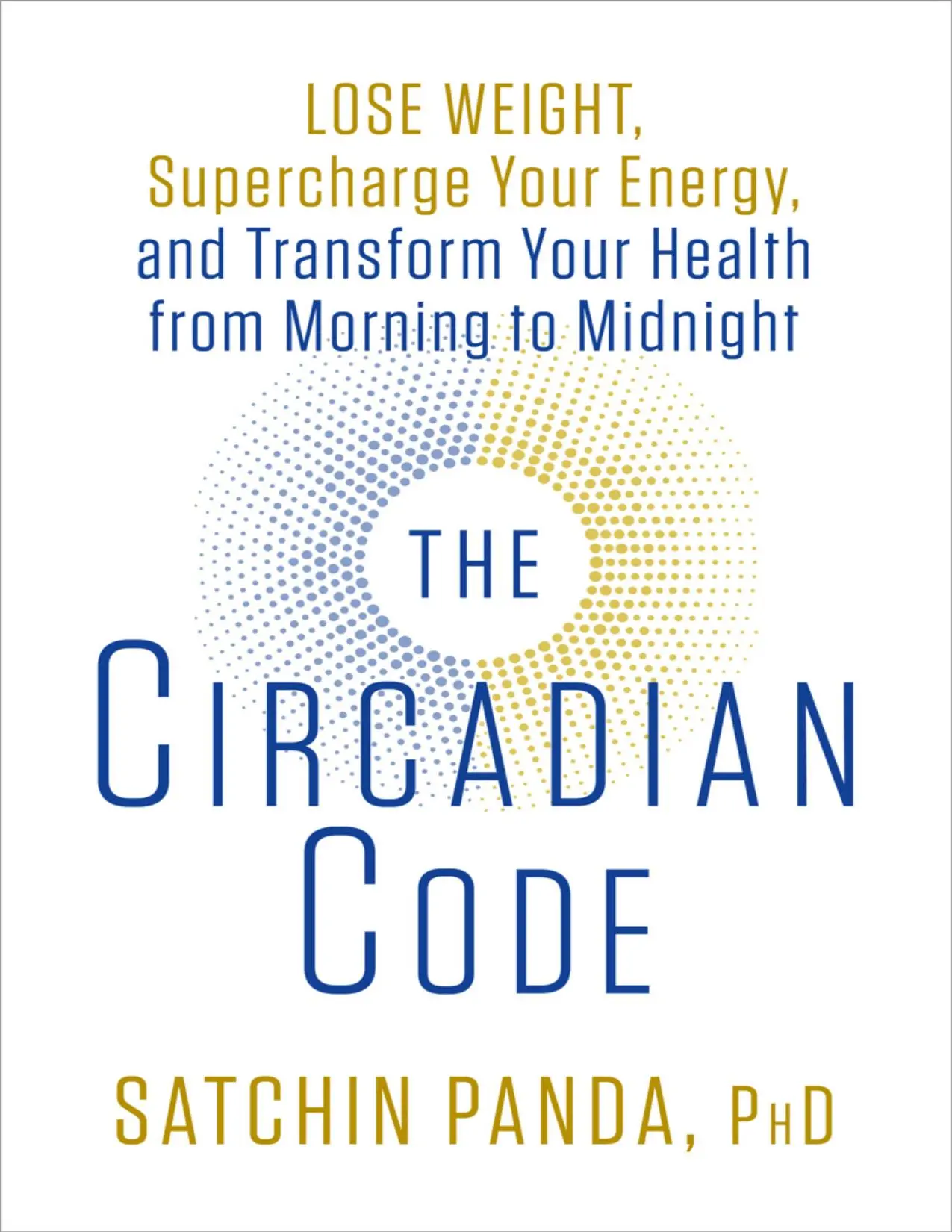
Episode 195: Dr. Satchin Panda — Circadian Rhythm, Sleep & Meal Timing
September 21, 2026 · 1:09:04
Independent conversations
Help make the next one possible.
Membership sustains ambitious, unhurried interviews and keeps the complete archive open to curious listeners everywhere.
Become a member