

The Human Experience · Episode
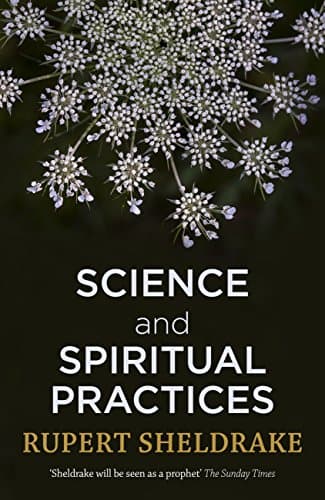
Episode 129 – Dr. Rupert Sheldrake, Science and Spiritual Practices
A conversation with Dr. Rupert Sheldrake
Rupert Sheldrake is a biologist and author of more than 85 scientific papers and 9 books, many of his books have gone bestseller worldwide. He was voted among the top 100 Global Thought Leaders in the world for 2013.
Stay with the full conversation.
Episode field notes
Show notes

In this episode we spoke to Dr. Sheldrake regarding the types of mystical experiences that affect consciousness. We discuss the benefits of meditation, plants and explore the aspects of the spiritual connection these tools have in our lives.
You will love this episode!
We rely on listener support to keep this show AD FREE – If you value even one of our shows, help us sustain and scale the show up; Become a member for 5$/mo (a cup of coffee) or Donate.
Read the conversation
Transcript
welcome to the human experience podcast the only podcast designed to fuse your left and right brain hemispheres and feed it the most entertaining and mentally engaging topics on the planet as we approach our ascent please make sure your frontal temporal and occipital lobes are in their full upright position as you take your seat of consciousness relax your senses and allow us to take you on a chip we are the intimate
strangers thank you for listening the human experience is live once again we’ve got a phenomenal show setup for you guys so sit back relax and enjoy this one my guest for today is dr. Rupert Sheldrake he is a biologist and author of more than eighty-five scientific papers and nine books many of his books have gone bestseller worldwide he was ranked among the top 100 global thought leaders in the world for 2013 he studied Natural Sciences at Cambridge
University philosophy and history of science at Harvard University and then returned to Cambridge to achieve his PhD in biochemistry his most recent book is science and spiritual practices transformative experiences and their effects on our bodies brains and health which delves into a variety of spiritual practices the scientific research that has studied them and the possible benefits that they may bring to our modern lives dr. Sheldrick it’s a
pleasure welcome to hxp good to be here dr. dr. Sheldrake I’ve been trying to get you on the show for how long it’s been how many emails have I saying you know I think it’s been five years I’ve been sending you emails probably once a month yes we’ve got you here I’m very excited I’ve got the book in my hand I I really want to bring sort of people into the framework of what you talked about so I’d like to I’d like to talk about
morphic resonance that seems to be the a body of work that people recognize the most in association with your name so you’re an India when you were coming up with morphic resonance right no it wasn’t actually I came up with the idea in Cambridge I was working in Cambridge on the development of plants plant form Andrew leaves and flowers and and roots take up their shape and I worked on plant hormones and chemical controls of
plant form but I got interested in the idea of morphic genetic fields form shaping fields which is a well-established an idea in developmental biology and I came up with the idea of morphic resonance a kind of memory in nature in Cambridge I went on developing the idea in India it was there was eight years between thinking of it and publishing my first book on it a new science of life so some of the maturation of the idea occurred in India
but basically it grew out of scientific problems in Cambridge out of Western science and Western philosophy rather than Eastern science and Eastern philosophy okay and so tell us tell us about the theory this idea that things are connected well it’s really the idea there’s a kind of memory in nature you see the standard idea that we’ve all grown up with and take for granted is that nature is governed by the laws of nature eternal laws that were all there
at the moment of the Big Bang that never change this I think is a hangover from the kind of platonic philosophy in ancient Greece the idea doesn’t completely changeless realm we live in fact in a radically evolutionary universe the Big Bang about fourteen billion years ago took place when the world was very very small very hot the universe has been expanding ever since and the idea that all the laws of nature were all fixed at the moment of the Big
Bang the standard view seems to me well first of all it’s unprovable and secondly it seems improbable what I’m suggesting instead is that the so-called laws of nature are more like habits that they evolved as the universe evolves and that there’s a kind of memory in nature and what that works out as in each species each kind of animal or plant it means that the kind of collective memory each individual draws on it and contributes
to it and this is a testable hypothesis if you train rats to learn a new trick in New York then rats all around the world should be able to learn it quicker just because those rats have learned it in New York similar kinds of rats are similar trick the same trick they should get it quicker because it’s now part of the collective memory of rats and the transfer of information based on similarity across space and time is the
process I call morphic resonance it’s a resonance on the basis of similarity and the word morphic means form or shape it’s on the basis of similar patterns of organization or activity so that’s basically the hypothesis there’s a kind of memory in nature instead of nature being a music and governed by eternal laws so so this memory it that we can connect to it and all things are connected to it animals plants nature and other humans as well
oh yes what I’m saying is that you know when you inherit say a hedgehog grows up or a squirrel as it’s an embryo it’s inheriting the form of its species by morphic resonance from previous hedgehogs or squirrels it’s it’s the usual viewers it’s all coded in the genes but actually I don’t think genes do most of the things that many people assume they do what they do do is code for the sequence of ammonium acids and proteins
it’s rather restricted role and I think the shape of animals and plants and the instincts of animals are inherited primarily by morphic resonance through a kind of collective memory of form and behavior within each species the genes play a part they play a part in enabling the organism to make the right proteins from this point of view genes have been grossly overrated and a lot of inheritance depends on collective memory
okay so I mean you say you say in your work that the the paranormal is more normal than we think I mean more people are experiencing telepathy then we kind of acknowledge why I mean do you agree that this this pair of rays oh yes I mean dude well I don’t think for the paranormal as paranormal I think it is normal own telepathy for example occurs most commonly in the modern world among humans in connection with telephone
calls people think of someone who then rings and they say oh that’s funny I was just thinking about you or they know who’s calling before they look at the caller ID or pick up the phone and the usual explanation for that it’s a very common experience more than 80% of the population of had it according to surveys in Britain Europe Germany the United States Argentina and other countries very common the usual explanation is say oh well that’s just
because people think about other people all the time and if one of them rings they falsely imagine it’s telepathy and they just forget all the times they’re wrong that’s the standard way of explaining it away but the people who say that haven’t got any evidence has been no scientific tests and when I discovered that this so-called skeptical argument was untested I devised a test so it could be tested in my tests on telephone telepathy somebody gives me or
my assistant the names of four people they might be telepathic with usually people they know well and their phone numbers they sit at home with a mobile phone over the landline phone being filmed no caller ID display and we pick one of the four callers at random and ask them to call they call the phone rings they can’t know who it is by knowing that the people’s patterns of activity because we paid call her a random and before they answer
the phone they say to the camera who’s calling I think it’s John they may sail and they pick it up hi John they’re right or they’re wrong and if it was just guessing they’d be right 25% of the time in fact in these experiments in hundreds of trials they’re right about 45 percent of the time it’s a very significant effect statistically and these tests have now been widely replicated and I think the evidence for telepathy is very good it happens to
most people it’s very common it happens all around the world and I think what’s paranormal really is the way that some kind of skeptic groups are so passionately against it and and simply won’t believe the evidence of their own senses and their inexperience and of scientific tests and persist in believing it’s make-believe its non-existence and so forth that’s puzzling until you realize they’re motivated to say what they say by a kind
of belief system that says – that is impossible but if we take the normal as what really happens in the world it’s perfectly normal most people have had this experience and it happens quite frequently for some people on a daily basis I mean do you think that people are get becoming more paranormal more paranormal thinking do you think that telekinesis is on the rise do you think that anything is changing in this regard
I mean because I can I can pick up the phone and give you a call for example whereas maybe before before the invention of telephones we were communicating telepathically more readily well yes I think it is on the rise actually the this phenomenon of telephone telepathy obviously couldn’t exist until telephones appeared and now more people have more telephones and use them more often than ever before so I think it’s increasing along with the use
of telephones and a very similar phenomenon occurs in connection with SMS messages text messages and also in connection with emails and I and my colleagues have done experiments on these as well and shown that people can telepathically anticipate who is sending them an email out of four people or who’s sending a text message it’s not just guessing they can they can pick this up well above the trance level I mean if I was just gonna
say if if I mean if this is happening more than we think then why why is your work so challenged in the mainstream and why is this regarded as pseudoscience well the thing is that what a lot of people don’t realize is how ideological a lot of science is at the moment the institutional science is working on a paradigm a model of reality which is basically the philosophy of mechanistic materialism that means the belief that
nature is the chemical machine like that matter is unconscious that human brains are just made up of unconscious matter that consciousness is just a kind of byproduct of the physical activity of the brain and minds are therefore all inside heads so the idea that a thought in your mind or mine could influence somebody a hundred miles away from this point of view is completely impossible it’s make-believe its woowoo it’s
pseudoscience it’s it’s superstition it’s credulity you know you name it the the pejorative word and it’s a taboo this shouldn’t happen because it doesn’t fit with that particular materialist philosophy therefore doesn’t attempt by so-called skeptics who are not real skeptics they’re really defenders of a kind of worldview advocacy groups ready to say that there’s no evidence for this anyone who believes it is a pseudo
scientist or foolish or they’re superstitious or this stupid or they can’t think critically or something like that an attempt to demean and dismiss this because it doesn’t fit in with their worldview now that’s exactly what happens in the history of science when Thomas Kuhn wrote his book about the structure of scientific revolutions he showed that at any given time in science there’s usually a dominant model or paradigm is the word he used anything
doesn’t fit in with that model is simply dismissed ignored ridiculed and that’s exactly the kind of behavior we see in defenders of this worldview in relation to phenomena like telepathy they’re branded paranormal supernatural woowoo and people who do research on them often attacks from their point of view you see and when I do experiments and get positive results for the telepathy they truly believe these phenomena are
impossible and that means in their eyes I must be a fraud and so most other people who get these results either I’m a fool or a fraud and they therefore feel justified in attacking through editing Wikipedia or through attacks in the media me and other people who do research on this kind of thing because it just doesn’t fit their worldview and they sincerely believe most of them that it’s therefore completely impossible but
that is the problem you see that they’re victims of a dogmatic framework of thinking and as I shown in my book sunset free the the the whole of science has got sort of boxed in with this kind of dogmatism at the moment many people outside the scientific worldview are well aware of how dogmatic scientists can be many people within that dogmatic framework of belief don’t see it that way at all they think of themselves as
as as being open to evidence even though they actually dismiss evidence that goes against what they believe in so it’s really a sociological question and it’s it’s very much to do with the dynamics of scientific paradigms and the sociology of science I mean it’s really interesting and you know in in your book the science and spiritual practices there’s there’s a portion in the introduction of your book where you you call you sort of call out these atheists
and these materialists and I mean the there you even say that they are teaching their own sort of method of spirituality but do you regard this as ironic or sort of hypocritical well there’s been a very interesting shift most atheists materialists not all of them I mean but most of the kind of common or garden atheists that you and I are likely to meet is usually a believer in scientific materialism they believe that nature is autonomous the whole
universe is like a machine made of unconscious matter governed by eternal laws mathematical laws functioning through a purposelessly evolutions happening as a result of chance there’s no design no pathos no consciousness in nature and therefore no God the idea that there’s a God out there is simply doesn’t there’s no place for God in this materialistic worldview so they’re atheists and they think that this is a scientific view until recently
old-school atheists just rejected everything to do with religion and spirituality is rubbish and we were nonsense and make-believe and superstition and so forth what’s interesting is there’s now been a lot of scientific research on spiritual and religious practices and what this research shows is that these practices are generally speaking good for people they make people happier healthier and live longer so the converse must also be
true people who don’t do these practices are likely to be unhappy err unhealthier and live shorter so it’s precisely because spiritual practices have such benefits that a number of atheists have now taken them up themselves I mean Sam Harris for example who’s an iconic atheist in the United States who know one of the so called new atheists is now giving online meditation courses and here in Britain Susan Blackmore who’s at
a prominent public atheist skeptic and materialist has written a book about Zen meditation which she practices herself so what’s interesting is that the the ground the debate has shifted it used to be atheists against everything spiritual and religious now the new generation of atheists are taking up a range of spiritual practices themselves I mean principally meditation and now what they’re saying is oh yes well spiritual
practices are good for you yes there is some point in them yes there is evidence that they work and can help people make them happier and healthier and less stressed and and and so on all that’s true but the experience people are getting through these practices is not about connecting with some kind of consciousness out there it’s all just happening inside their brains it’s all a matter of changes in the patterns of nervous activity release of dopamine or
other neurotransmitters and so forth so it’s all inside the head now I suspect that a lot of atheists who take up meditation and probably millions have done I mean this is big I mean this is not just a tiny minority it’s quite common I think that many of them take up meditation starting off with that kind of belief and I rather suspect that through the experiences they have they may change their view about reality and
based on their own experience I know some people have done if I did myself I mean I myself was an atheist and a materialist as I described in the introduction to my book science and spiritual practices and you know as education as a scientist I did research and taught at Cambridge University and at Harvard I adopted the standard sort of atheist scientific worldview my own view of reality was very much opened up first by traveling in India which
gave me a completely new perspective on the world being in a completely different culture secondly through taking LSD which in around 1971 which gave me a completely different view of the nature of consciousness and of the mind and as a result of that I got interested in exploring consciousness without drugs and started doing Transcendental Meditation this was around 1971 while I was still an atheist I didn’t I liked that you didn’t have to
believe in anything to do this you just did it and it was based on experience but my experiences through meditation and yoga which I also took on it led me gradually to move to a very different view of consciousness and and to move beyond this kind of atheist rather dogmatic Atheist worldview that I had and I think for many people direct experiences spiritual experiences through spiritual practices can and do lead them into a different kind of
worldview after all spiritual worldviews and all religions are based on the idea they’re all about consciousness they’re about the idea of the reforms of consciousness beyond the human level with which we can consciously connect that’s what spiritual and religious practices are about and these practices like meditation are ways of entering into these different realms of experience and not reading about them not thinking about them but actually
experiencing them directly and it’s experience that really has the most effect on us and that of course is something we can study scientifically and in fact the word experience in Greek is in mp rose at the word empirical is dealing with experienced scientist empirical because it’s based on experience and service spiritual practices their empirical because they’re based on experience and in fact in French the word experience means both
experience and experiment so that’s why I think there’s a kind of convergence of science when we look at spiritual practices of convergence of science and spirituality and that’s one reason I wrote this book science and spiritual practices yeah so I mean was there a single experience for you that converted you from atheism into believing in something higher I don’t think there was a single experience I mean I’ve had a
number of mystical type experiences where I felt myself connected with something higher and I think probably one of the first of those was in India in 1968 when I was up in the Himalayas I was staying with a friend in an anthropologist in a remote village we were walked went for a walk we ran into the local holy man who was sitting in his cave near a flow rapidly flowing river in the foothills of the Himalayas who invited us to settle with him in his
cave so we joined him he produced something he called a Chilam and invited me to smoke out of it I didn’t really know what it was and it turned out to be a very strong form of cannabis really so it described a Shiva’s holy plant because in India is taken as a spiritual devotion or practice by some of these Saudis these holy men in orange robes so I hadn’t taken cannabis before and this was it was very powerful and it had a
huge effect on me and I I just felt completely open to this presence of the divine and I stepped out of the cave into the sunlight let alight and there were all these snow-capped Himalayan mountains the Sun the river the greenery of the vegetation I just felt I was in a totally blessed world I was in paradise and I had this feeling of complete connection and I would say that was one of the first kind of epiphanies senses of there’s
something more than just what’s happening in my brain now of course the cannabis head shall cause changes in the brain is after all a drug that effects cannabinoid receptors and biochemical mechanisms inside the brain so obviously the brains involved but the experience went so much beyond that and you know I tried to persuade myself it’s nothing that chemical changes in the brain but the experience for the experience was so
powerful that it made me think well why would I just believe that it seems that I am in contact with a greater form of conscious that really is a greater form of consciousness in the universe and then I thought well why not I mean that’s what most people throughout most of human history have believed on the basis of experiencing it not on the basis of dogma and in fact I thought it was more dogmatic to deny my own experience than to accept it is a very
interesting story and I mean the link to the usage of these compounds these plant medicines plant teachers you would call them it there seems to be a strong link here between the the entry point of consciousness and these other experiences and these plant compounds I mean we just had just had Graham Hancock on the show and he was making a link between ayahuasca DMT and the the origins of the spread of these types of ancient civilizations so I mean would
you record regard a link here as well with your work and and what you’re doing well yes i I’ve got a new book out it’s not out yet in the US but it will be soon called ways to go beyond and why they work it’s a sequel to science and spiritual practices and in it I have a chapter on cannabis and psychedelics and I mean I agree with Graham that had a simply effect that in in a number of cultures in the world psychedelics have played a very
important part in their religious and ritual lives ayahuasca in the regions in wide regions of the Amazon in Berger in West Africa mushrooms in Mexico psychedelics have played an important part in many cultures I won’t I don’t go so far as to claim all cultures and all religions are based on psychedelics I mean I not suggesting that Jesus was taking DMT he might have done but or mushrooms or anything like that all that Muhammad was
stoned when he channeled the Quran I’m not saying that I’m I think that there are other of the whole point of my books is that there are lots of different spiritual practices I think psychedelics are one of them but there are other ways of entering altered states of consciousness including fasting meditation and a number of other spiritual practices prayer science and cultures people spend long times in darkness in Tibetan in Tibet there are
some of the Tibetan Yogi’s then weeks months in dark caves and if you’re in complete sensory deprivation in the absence of light you have visionary States almost psychedelic type visionary states according to those who’ve done it so again you don’t need actual drugs to have visionary States you can enter them from a variety of other through a variety of other practices so I’m just saying that drugs may have played a part
in some cultures and they certainly play a part in the spiritual explorations of quite a lot of people today but not everybody and it’s certainly not the only way so I mean one of the things that you bring up in this book is meditation and the importance of it I mean it seems like we live such stressful lives I mean it’s a it’s an impact that we sort of go through every day that everything seems so busy that we take this moment out to just sort of
quiet the mind silence the thoughts or at least slow them down why is meditation so important to this connection do something greater larger than us well I think there’s there’s there’s several answers to that I mean I personally do it every day I find it very helpful I do it in the mornings usually before I start work soon after getting up well the the scientific studies on meditation and there have now been literally thousands
of scientific papers on meditation in scientific journals they show first of all that sitting quietly and meditating either by using a mantra which is one way of meditating or by paying attention to breathing in sensations in the body so called mindfulness techniques another way of meditating that’s without a mantra both these forms of meditation have the effect of leading to reduction in blood pressure lower levels of stress
hormones a feeling of relaxation activation of the parasympathetic nervous system which is to do with feeling relaxed and open as opposed to the sympathetic nervous system which is not about sympathy but about fight-or-flight you know fear and responding to emergencies and danger the parasympathetic nervous system is more about feeling relaxed and calming down and meditation helps in all those ways it helps calm down the chatter of the
mind which in terms of brain scans is associated with the activity of the default mode Network a series of brain regions that are linked up together that are active when you’re ruminating or worrying or thinking or engaging in internal dialogue and what happens in meditation I’m sure many people listening to us have meditated and won’t need me to tell them but what happens is is is through having a focus for concentration on the mantra
or on the breathing or sensations in the body it sort of pulls the attention away from this chattering this thought that’s going on the activity of the default mode Network the ruminations the worries and the fantasies and so on it provides an out of focus for attention and it’s sort of drains energy away from the the catering mind and instead of being completely immersed in that that activity of the mind wants more detached
from it and and that activity can slow down become less intrusive less encompassing and where and there are moments when one can be free of it and those are often moments of great peace calm joy and people often feel connected to a greater consciousness and their own now I think that’s why people develop meditation techniques in the first place within India within the Buddhist tradition within the Sufi tradition within the Christian contemplative
tradition in monasteries starting around 450 ad there were people withdrawing to monasteries or Hermitage –es spending hours a day in spiritual practices various forms of meditation and what they were doing was going into the very basis of consciousness itself the basis of one’s own mind the consciousness within which thoughts move the thoughts as it were passed through the consciousness that we all have a bit like clouds going through the
sky the the thoughts are not the mind they’re in the mind just like the clouds are not the sky they’re in the sky and the more one becomes aware of one’s connection with the ground of consciousness like the sky as opposed to the clouds the more one’s part of something much bigger than oneself and the Hindus who were the people who probably are some of the third to develop a deep understanding of meditation the riff is the Hindu seers
who spent years in caves and the Himalayas and elsewhere in India meditating realized that the basis of our own consciousness is none other than the basis of the consciousness of the whole universe each of our minds is like a kind of fractal of the divine consciousness that underlies everything every consciousness in universe is a reflection of that one of their favourite illustrations is thinking of buckets of water which at night are
reflecting the moon and if you look in all these buckets of water you see in each of them the moon it’s a reflection of the moon hundreds of different reflections of the moon they all look as if they’re separate things but actually they’re all reflections of the one moon and their idea is that all of us all our minds all our consciousness is and the consciousness is of all other conscious beings and universe reflections of the
ultimate consciousness the one consciousness that underlies all things so the purpose of meditation is to link to that consciousness and because one of the properties of the ultimate consciousness in all religious traditions is joy the more one’s connected to it the more joyful one is which is why very often mystical or spiritual experiences are experienced as intensely joyful now I want to go back to a little bit to your experiences in
India and the Hindu concept of the Brahman can you talk a little bit more about the connection to the mystical and how ancient people were using meditation as a way to connect into the divine and how how the Hindu concept of the Brahman relates to the Holy Trinity in Christianity please yes well this is a very important point you see that they in many religions there’s the idea there’s a divine consciousness and ultimate consciousness
underlying the universe and everything within it and the but it’s not just seen as kind of some fuzzy one consciousness it has a structure there’s a pattern to the nature of the ultimate mind and it’s basically threefold and and the Hindus think of it in all sorts of different trinity models one of them is in terms of three different gods there’s Brahma they creator there’s Shiva the destroyer and the and who creates through destroying the Brahm
is the source of everything and then Vishnu is the preserver keeping things going and so vision is more dynamic more more more preserving and Shiva’s more about change and creativity but the probably the deepest model in the advaithic tradition in Hindu thought and in most Hindu philosophy is that the ultimate consciousness has the threefold nature which they call sat-chit-ananda and Sat is the ground of being the ground of consciousness itself conscious
being the ability to have ideas thoughts it’s the ground of all things the conscious ground of all things ouch it is to do with the contents of consciousness that which can be known names and forms were the Hindus call numer Rupa and names and forms so that with your mind they mean our minds affect our versions of the ultimate mind I mean right now I can look around me and I can see plants trees out of the window pens on desk chairs books all
sorts of things pictures on the wall all of those are names and forms there in my consciousness but the consciousness is greater than all the things that are within it so trich is about what can all the many forms in nature animals plants everything that can be known words can be known they have forms and structures and then the ananda is means joy and the third principle of the ultimate mind is on one hand a principle
of movement or change or flow on the other hand it’s one of joys of joyful flow and so the idea is that within the ultimate consciousness there’s an error there’s that which is known and there’s the connection between them kind of love joy or flow now there’s a very similar model of ultimate reality in the Christian conception of God I mean a lot of atheists imagine that Christians think God’s an old man with a white
beard sitting on a cloud where there’s I mean a few children may think that but that’s certainly not the traditional view the traditional view of God in Christianity is as the Holy Trinity which is the official doctrine of the nature of God in almost all churches and the Holy Trinity means God has three aspects and the Father is the Father the Son and the Holy Spirit the father is the ground of being or consciousness and
in the Old Testament first revealed when God says to Moses who encounters him in the burning bush and says who are you God says I am Who I am so that’s really a statement of God as conscious being the ground of being I am conscious being in the present the logos the Sun or the logos the word the Greek word for word is in this context his logos is all the things the forms the patterns the names it’s numer rooper it’s like the engines called name
and form and in Greek philosophy that was in Plato’s philosophy it was the world of ideas the world of forms the contents of consciousness that which can be known that’s the second person of the Trinity and the third person the Holy Spirit is breath or wind or the flow of things pictured in terms of breathing the flare of the wind the flow of water the flow of fire the flight of birds it’s a dynamical principle and the
the Christian model of God is primarily based on the metaphor of speech so when I’m speaking now I’m the speaker but my speech has two aspects on the one hand as the words which is what you’re hearing which have forms shaped structures meanings interconnections and so forth each word has a different form or shape or structure you can reveal it on us sonna graph you can see the different vibratory patterns of each word each has a form and this the flow
of words and the connection of words has meaning and at least I hope it does and but those are words but for them to be heard for them to have been manifested in the world there has to be the outward flow of my breath so as I’m speaking now I’m breathing out sure and the breath the flow of the breath out words a central part of the speech so you could you can say you can have the words without the the breath I can think the words in my mind and it’s
silent when I do that there’s no manifestation of the words I can breathe out without the words there’s a flow of air which has a kind of white noise to it but no structural form or meaning but when I’m speaking when you’re speaking when anyone speaking you have both the flow and a structural pattern of the flow and the Christian model is that the ultimate nature of divine reality is like that there’s a ground of being a
source of both the words and of the flow and then as the words and the flow which go together and these three as Effects of the ultimate reality or of our own reality as as beings in the image of God it doesn’t mean God looks like a giant man it means we share in the divine consciousness news is a kind of fractal version of the divine and the same would go for you know birds and animals and plants that each of them has
form the form of a plant the shapes of the leaves the petals they do and so on that’s a form but they have a flow of energy through them through the sunlight that they photosynthesize through the metabolism goes on within them and these have a common source so the the traditional Christian theological view which was taught in all the medieval universities in Europe was very similar in those ways to the Hindu view of the
threefold nature of the divine and even completely different thought systems like terrorism in China again have a kind of threefold model you have the polarity of the polar interplay of the yin and the yang the masculine the feminine the light and the dark but it’s not a duality it’s not just two things it’s two things within a higher unity the DAO in those diagrams of the yin-yang the dow is the circle that includes them
both the wholeness within which this polarity exists so that’s a kind of Trinitarian model as well anyway I think what happens is that when we look at these the deeper meaning of these theological doctrines we see models of consciousness and when we look at spiritual practices like meditation we see practices that tap into the nature of consciousness reveal more about our end consciousness and our connection with the divine consciousness through
doing the practices I mean would you say would you say that that ancient religions I mean they you talk about ritual and would you say that it’s a type of passage a rite of passage to incorporate ritual into this sort of practice well yes I think that the rituals and occur in all religions and in all secular societies – and what rituals do there’s several kinds there’s rites of passage which are about passing from one state of being to
another and there’s rituals of remembrance which are about going back to the original foundation story of a social group and re-enacting it the American Thanksgiving dinner is an example of that you know it’s a national ritual that re-enacts the Thanksgiving dinner of the first settlers in New England the first European settlers in New England the Jewish Passover is a ritual reenactment of the Passover dinner in Egypt when the
Jewish people escaped from slavery in Egypt and started on their journey through the wilderness to the promised land and the Christian Holy Communion is a reenactment of the Last Supper of Jesus with his disciples so these are all reenactment rituals and there are also rituals which are rites of passage the reenactment rituals are usually conservative and use ritual languages ritual forms that are done the same way as before and I think that’s they’re
done because they’re consciously trying to connect with all those who’ve done them before and I think those are exactly the conditions that would mean they would as it were resonate with those who’ve done them before by morphic resonance which we talked about earlier and which I think happens on the basis of similarity and that’s why rituals are done in a similar way every time because that creates this connection across time
a presence of the past but rites of passage are about entering different states of being social being or consciousness and some rites of initiation particularly those that happened on the threshold of manhood or womanhood and maturity rights a passage from adolescence or people becoming inducted into a more mature or adult state of being often have imagery of dying to your old self and being born again in a new way American Native American vision quests
often had that form people went into the wilderness fasting in conditions of great danger and you know they could die some did die but they went through a kind of trial by ordeal and came back having faced death and being born in a new way and I think that some rites of passage actually involved near-death experiences and we know as I shown my book science and spiritual practices we know more today about near-death experiences than anyone’s ever known
before because they’re more common than they’ve ever been before and they’ve been studied scientifically in the past someone who had a heart attack or a major medical emergency would usually have just died now they’re often resuscitated thanks to modern medicine so far larger numbers of people in modern world have nearly died than ever in the past in the past they actually died for the most part so in some people who’ve nearly died who’ve died and come
back to life again have had what are called near-death experiences very often these involved traveling out of the body going through a kind of tunnel coming into light feeling a state of great connection blessedness love sometimes meeting deceased relatives or beings of light Christ’s angels or other beings of light and then because it’s a near-death experience they had to go back into the body but for many people these
spontaneous near-death experiences changed their lives even though they only last a few minutes they change people’s lives completely often making them more spiritual they often say they’ve lost the fear of death they often become more caring and considerate to others their behavior changes for the better and I think that some rites of passage actually are based on inducing near-death experiences and I think the one was most common in hiding in plain
sight in European and American culture is baptism in the according to the New Testament we read that John the Baptist was baptizing people on an almost industrial scale in the river Jordan they were flocking to the Jordan to be baptized by John and what he did was held them under it by total immersion Heldman to the water and then brought them up again and people who’d had that experience were transformed by it the first realization Jesus had of his
demurrer walking with God which came about through a deep mystical experience induced by baptism by John as he came up from the River Jordan after being held under now what I think was probably going on there is that John was inducing near-death experiences by drowning if he held people under long enough they would have a near-death experience through drowning the usual view is that this was just symbolic of death by drowning and
then coming back to life again but you know why have something just symbolic when you can have the real thing and you know only take a minute or two longer it was very quick the whole thing so I I think for just that people would have lined up on the bank of the Jordan John would have stood there in the Jordan baptized them by holding them under getting the he would obviously have to have experience he could have got it wrong
that was when he started out he might have lost a few but it he obviously was a experienced and if he got it just right what would happen is he could reliably induce near-death experiences in people and when people came up and then they were resuscitated from this experience many of them would have had the experience of dying and being born again which is exactly what people say about that person by total emotion yeah
and so I think that in the early church there soon turned into infant baptism sprinkling water on their head and it did become just symbolic but at the Reformation in the 16th century in Europe the most radical Reformation people reinstated baptism by total immersion they were called anabaptists meaning baptism again and they gave rise to the Baptist and the Mennonite churches that in a still says strong in the United States and they were all
based on an experience of being immersed held under and feeling they died and being born again and it’s the Baptists who go around saying they’ve been born again and in the 16th century this made them very unpopular regular churches were more about having everything properly ordered with priests and so on whereas Baptists were going round filled with this kind of mystical vision and sense of direct personal revelation
they’d had through dying and being born again and makes total sense if what was happening is that they were having near-death experiences they really would have been transformed they really would have felt they’d seen the light died and been born again and when we hear these phrases from from Southern Baptists and others today most people just dismiss them contemptuously as if these are foolishly deluded people but I think
that behind these phrases and they are deep mystical and I think that the home of that movement and the whole of what was going on in the John the Baptist time makes sense if we see these as rites of passage that involve near-death experiences I never connected the dots with baptism that makes so much sense now that you put it that way it seems like there’s an interconnectedness to these mystical States you know through
religion through the usage of plants and I mean it seems to be everywhere well I think so I mean it’s true in all religions you see I mean all religions have had a range of mystical and spiritual practices and another one I discussed in my book science and spiritual practices is singing chanting and that and and the ritual use of music like dancing well this again you see can give tremendously altered states of consciousness in shamanic cultures it’s
always used I mean they all have singing dancing chanting and if you look at the sort of raves and modern forms of collective ecstasy which we have in in in the modern world many people in in the world today achieve altered states of consciousness through singing music dancing and these are all about opening the mind from beyond our narrow personal concerns to a sense of greater connection with other people and with greater forms of
consciousness that exists out there in the universe so I think that when we see religions as being rooted in that and mostly being about inducing those experiences it’s a very very different picture from the standard atheist model of religious people being people who’ve been brainwashed or indoctrinated with with dogmas and which had completely irrational and unscientific and religions are all rooted primarily in experience and they all still have them
I mean they they all still have singing chanting and rituals and many have fasting I mean right now it’s Ramadan and Muslims are fasting during two as many questions cast during Lent and some traditional religious and shamanic practices involve altered states of consciousness through psychedelics as we just discussed so there’s a whole range of ways in which spiritual practices both within and outside religions because you can also of course do these
things outside a religious context as many people do today people are spiritual but not religious are all ways of connecting with these greater forms of consciousness yeah a really good question popped up from Christian over our project mindfulness he asks do does that mean that every introspective journey will lead to the same the quote-unquote same experience of divinity well that’s I wouldn’t say every introspective journey and I
wouldn’t say that they all lead to the same experience you see as we were just discussing I think that the the consciousness ultimate consciousness according to you know Hinduism Christianity the Sufi tradition in Islam and so on these are a conscious and in Buddhism to ultimate the ultimate reality is a conscious reality it’s not unconscious so these different spiritual practices I think can connect us with different aspects so meditation I think
primarily connects us with the sight of saturation and oh you know the the experience of the ground of consciousness itself but one of the chapters in my book science and spiritual practices is on plants and the beauty of flowers and appreciating the beauty of flowers and how relating to plants can be a kind of spiritual practice again in all religions flowers seen as emblems of divine beauty and you know in Hindu temples and Buddhist
temples people make offerings of flowers in Christian churches they always have darzee’s of flowers or there is like a kind of flower offering that people just take it for granted but flowers are a key part and when we’re appreciating flowers and beauty of flowers all the beauty of buildings all the beauty of art that can have a spiritual dimension and what we’re dealing there with is more with the realm of the spirit which
is a Pichette aspect of sat-chit-ananda to do with names and forms it’s the beauty of the form it’s not going beyond all form its appreciating the nature of forms themselves and beauty of forms and their relationships that underlies the spiritual aspect of appreciating flowers or any other kind of visual beauty and when we have spiritual expenses that involve music song dance again I have a chapter on that singing chanting in the
power of music in my book then I think we’re connecting more with the aspect of the Spirit which is the moving principle the dynamical principle of the divine being so I wouldn’t say that all spiritual experiences lead to the same experience of the divine it’s possible that people meditating in Hindu Buddhist Christian Sufi traditions have similar experiences of the ultimate ground of being but not all spiritual practices
lead to the same kinds of experience and all religions combine different kinds of spiritual practice they all have their own selection of them and none of them based on just one okay I mean we’ve talked about a number of different things here dr. Sheldrake’s I know your time is limited you know how would you wrap this up for people who are listening I mean what were your conclusions when you were writing this book I realizing what what you
discovered I mean this connection between religion meditation plant medicine and all these things and E’s they all seem to be connected so now how can we wrap this up for the people listening well I think that what the important thing for me was because I’m both a scientist and and interested in spiritual practices and practices and myself is first of all it’s very liberating to find that science and these practices are not like
at war with each other they’re not contradictory they’re not polar opposites in fact through the scientific study of spiritual practices science can help illuminate spiritual practices and spiritual practices can help in luminate science because they can illuminate the nature of consciousness which is one of the things that science is least good at understanding at the moment although consciousness studies is now a major
part of science one of the more interesting parts I think secondly I think that looking at these practices and especially looking through scientific lens enables us to see that they have a lot in common between different traditions that all different religious traditions have their spiritual practices and they’re primarily based on experience and on practice and the these practices from all different traditions in the world
enable us to be more tolerant and open to these different traditions and also more appreciative of them because after all there are millions of people about eighteen million people in the United States alone who now meditate on a regular basis and probably at least 10 million who do yoga on the regular basis well these are things that have mainly been learned from Eastern cultures within the last generation or two I mean
go back 200 years and most people in the US and in Europe would never have heard of yoga and certainly wouldn’t have known about mantra based meditation unless they happen to be Christian mystics living in monasteries so or Russians there was a stronger mystical tradition in Russia among they people but the and of course in the Kabbalah tradition among Jewish people they’ve always been mystical undercurrents but what we have now is a
situation where practices from all the whole world from all the different cultural and spiritual traditions of the world are now available to us so this is a new situation a beginning of a new phase of spiritual evolution I think and so I think these practices can help us all and they as soon as you think in terms of practice and experience you go beyond as sterile arguments based on chairing it religious beliefs or sort of
attacking scientific dogmatism and stuff I mean you can have polemical attacks one way or the other but this is about not being about polemics or trying to score points it’s actually trying to a deepen our in experience and understanding through experience and that’s the reason at the end of every one of the seven chapters about practices in in my books and some spiritual practices I suggest two simple ways in which anyone can try these
practices for themselves and so it’s a book that’s not just about thinking about it or studying the history or the evolutionary significance or and so on or the comparative religion but actually adopting these practices or if one already has the practices like singing and chanting or meditation understanding them more deeply and seeing how they fit in with a wider pattern of cultures and so it’s a practical book as well as a
theoretical one and one which I hope will actually help people to explore these practices for themselves yeah I think so and you know I really wanted to bring up the the flow of gratitude and in your chapter that you dedicated to the idea of gratitude and being grateful for things that we have in our lives what’s what’s happening in as a practice what’s what’s happening in our our brains when we practice gratitude well I’m not sure there have been that
many studies on the brain effects of gratitude but they’ve certainly been a lot of studies my positive psychologists on the effects of gratitude in experiments where people do gratitude exercises they they turn out to be measurably happier for example in one of the experiments that’s now been done widely by positive psychologists that means psychologists studying the nature of happiness and how to be happy rather than most of psychology’s about what
makes people miserable this is about what makes people happy they find that in in an experiment a typical experiment they divide a group of people into three sub groups at random one of those sub groups is asked to write a short story about something as found in the previous week another group of people are asked to make a list of the hassles they’ve experienced in the previous week things that have upset them and the third group
is asked to make a list of things in the previous week for which they feel grateful in which they appreciate and it turns out that people who just spend 10 15 minutes making a list of things they’re grateful for a measurably happier for several days afterwards being grateful makes people happier and I think it does so because it makes them more part of a flow being grateful is acknowledging that a lot of what we have
is given to us I mean our very life is given to us and we didn’t ask our Father another to have us we they had us and and they or other people cared for us when we were babies and brought us up and there are other people who make our clothes and the whole earth provides the fuels that power our cars and planes and you know as people make computers in factories and other people looking after the electricity supply and other people
make sure we have regular food supplies people cook our meals we looked after by people in our families there are so many things that our lives depend upon and when we instead of taking it for granted which is the opposite of gratitude is just taking things for granted or feeling entitled as soon as we recognize that we are part of a flow we’re part of the process and we’re connected to many many other people we’re all connected to
Gaia the earth and the Earth’s connected to the solar system and the galaxy and the universe we’re part of something vastly greater than ourselves and when we recognize that when we become consciously aware of it when we give thanks for that we become part of a process of flow and connection and being happy is all about being part of a connected being part of the flow and part of a sense of connection with something greater than ourselves being
miserable is about feeling disconnected alienated cut off separated dissin disenchanted disgruntled complaining and gratitude as people who practice it are happier and not just happier but more popular they it’s nicer to hang out with somebody who’s grateful and happy than somebody who’s feels entitled and spends most of their time complaining and that in turn of course maybe people who are appreciated and more popular because
they’re grateful and and they’re happier that makes them happier still so it’s a virtuous circle the opposite of a vicious circle it’s by being grateful and appreciative life gets better and of course all religions encourage that and Christian services start with thanks and prayers of Thanksgiving in hymns of Thanksgiving and so on and you know all traditions have ways of giving thanks and one of the practices well I suggest
two practices in my chapter one is to practice gratitude or daily or weekly think about or make it things for which you feel grateful another is to do something very very traditional which is to give thanks before meals and in all traditional societies people give thanks before they eat and hundred years ago probably every family in America would have given thanks before they eat together and nowadays a great many don’t because they
are sort of modern and secular and they just stop doing it or they don’t even sit down together because they’re all sort of grazing at different times from food counters so but that sense of giving thanks together all traditional societies do it in my college in Cambridge founded in 1326 before every meal in the evenings Gong rings everyone stands up eating in the Great Hall and there’s a long Latin grace this happens they happening in in
few minutes time this is every day and this is a traditional practice it’s the way things always were and people may not have paid that much attention to it but it provided a space where you could give thanks before meals in my own family we always have a pause for giving thanks before we eat if it’s just the family we usually sit hold hands around the table and have a period of silence when we give thanks in our own way or if
it’s more people than someone says our grace or when we have a larger gathering like at Christmas or in birthdays or in other groups of friends around we sing a grace together we sing it as a as a round and and doing that just that simple thing brings everyone together changes the atmosphere and makes the meal more enjoyable and just we all feel more connected such a simple thing and it cost nothing and it was always used
to be done and you know doing that even if one’s on one’s own just having a pause to give thanks before meals makes a big difference dr. Sheldrake I know your time is short I think it could sit here and talk to you listen to you talk all day I have a lot of gratitude for you for making the time to do this interview where can I mean you’ve influenced my own learning for many many years as I mentioned at the beginning of the show I’ve been
emailing you for a long time just to appear on the show on on the show here where can people find to your book science and spiritual practices well it’s obviously available online on Amazon Barnes & Noble and other online bookstores it’s also available as an audiobook read by me inaudible on Amazon and throughout a audiobook outlets and as an e-book and in fact all my books well they’re not all available in audio format they’re all available in print
and and he may even work formats and there’s also a lot of information about my work lots of youtubes lots of podcasts and so on on my website which is Sheldrake dot org there are also some experiments people can take part in which will help my research and if anyone’s interested in knowing more there’s a newsletter they can sign up for which talks about my workshops and lectures and giving one in in july 2019 in california institute of
noetic sciences conference and i give a workshop every summer at hollyhock on cortisone in british columbia canada with my two sons brennan and cosmo on science and spiritual practices the very themes we’ve been talking about today and that is the end of July beginning of August at hollyhock and their website is hollyhock dot the CA in canada so anyone who wants to find out more can easily do so guys you heard it here my guests name
is dr. Rupert Sheldrake the book is called science and spiritual practices transformative experiences and their effects on our body’s brains and health we are going to get out of here you will hear from us next week thank you so much for tuning in if you like the show please subscribe click the bell to be notified when we go live thank you so much for your presence we’ll see you next week.
Ideas worth returning to
Quotes
Five substantial excerpts from the published transcript, lightly edited for clarity without changing their meaning.
“Religious and spiritual worldviews concern consciousness and the possibility of forms of consciousness beyond the human level with which we can connect. Practices such as meditation are ways of entering those realms directly—not merely reading or thinking about them. Firsthand experience often carries more transformative force than an abstract description.”
From the conversation“Many traditions describe individual conscious beings as expressions of an ultimate consciousness underlying everything. Meditation is intended to reconnect us with that ground. Because joy is commonly understood as one of its qualities, deeper connection is often accompanied by intense joy in mystical or spiritual experience.”
From the conversation“Speech contains both a flowing movement and a structural pattern. In a Christian model, divine reality is described similarly: a ground of being, a source, and an expression analogous to words carried in a flow. Being made in the image of God does not mean resembling a giant human figure; it means participating in divine consciousness.”
From the conversation“Psychedelics are one among many ways people seek contact with expanded consciousness. Spiritual practices exist both inside and outside organized religion. Many people today describe themselves as spiritual but not religious, yet they still use meditation, ritual, contemplation, or other practices to connect with forms of experience larger than the ordinary self.”
From the conversation“Not every spiritual practice leads to the same experience of the divine. People meditating in Hindu, Buddhist, Christian, or Sufi traditions may encounter a similar ground of being, but traditions also cultivate different experiences through different selections of practice. No single religion contains every possible spiritual method.”
From the conversation
About the guest
Dr. Rupert Sheldrake
In this episode we spoke to Dr. Sheldrake regarding the types of mystical experiences that affect consciousness. We discuss the benefits of meditation, plants and explore the aspects of the spiritual connection these tools have in our lives.
Episode #186- Positively Angela – The 7 Hermetic Principles & Living a Better Life
December 20, 2022 · 1:26:56
Episode #185 – Brad Klausen & Chance Gardner – Esoteric Egypt, Pineal Gland Activation, Kundalini, and more
December 14, 2022 · 1:50:21
Episode 136 – Dr. Bernardo Kastrup – Philosophy, The Nature of Reality
July 25, 2019 · 1:00:16
Episode 126 – Massimo Pigliucci – Stoicism, Virtue & thriving in a world out of control
May 3, 2019 · 1:23:16
Episode 96 – Daniele Bolelli – on Discipline, Surviving Challenges & Martial Arts
June 5, 2017 · 23:07

Episode 196: Waqas Ahmed — Polymathy, AI & the Future of Human Creativity
September 28, 2026 · 1:04:41
Independent conversations
Help make the next one possible.
Membership sustains ambitious, unhurried interviews and keeps the complete archive open to curious listeners everywhere.
Become a member