

The Human Experience · Episode
Episode 91 – “A Drink With Dr. Dennis Mckenna” (Plant dynamics, Macro-Ecology)
A conversation with Dr. Dennis Mckenna
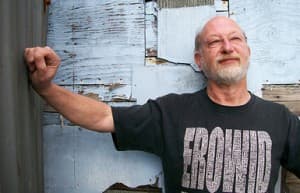
Dr. Dennis Mckenna is one of the most warm hearted human beings on this planet and his work is pioneering the field of Plant Medicine. McKenna received his post-doctorate fellowships in the Lab of Clinical Pharmacology at the National Institute of Mental Health (NIMH), and in the Department of Neurology at the…
Stay with the full conversation.
Episode field notes
Show notes

“Psychedelics are not suppressed because they are dangerous to users; they’re suppressed because they provoke unconventional thought, which threatens any number of elites and institutions that would rather do our thinking for us.” ~ Dennis McKenna, The Brotherhood of the Screaming Abyss.
Dennis McKenna, 67, is a noted ethnopharmacologist, focusing on pharmacognosy, especially with psilocybin and ayahuasca. After travels to the Amazon, in search of the Sixties experience with his older brother, Terence, Dennis’ curiosity was piqued in a scientific way. He wanted to know how these plants worked.
In 1979, McKenna earned his Masters in Botanical Sciences at the University of Hawaii. With his continued studies in the Botanical Sciences, he earned his Ph.D. in 1984 at the University of British Columbia. He studied the botany, chemistry, and pharmacology of ayahuasca and oo-koo-he, two orally-active tryptamine-based hallucinogens used by the indigenous peoples in Northwest Amazon.
McKenna received post-doctorate fellowships in the Lab of Clinical Pharmacology at the National Institute of Mental Health (NIMH), and in the Department of Neurology at the Stanford University School of Medicine. He recently completed a project, funded by the Stanley Medical Research Institute, to study the Amazonian ethnomedicine for the treatment of schizophrenia and cognitive deficits.
In 1990, McKenna became director of ethnopharmacology at Shaman Pharmaceuticals. In 1993, he became senior research pharmacognisist for the Aveda Corporation. In 1993, he also founded and continues to serve as VP and board member of Heffter Research Institute, where they are researching use of psilocybin with cancer patients.
In 2001, he joined the faculty of the University of Minnesota’s Center for Spirituality and Healing and has since become a popular professor. He serves on the advisory board of The American Botanical Council and on the editorial board of Phytopharmacology.
McKenna’s authored four books and countless research papers. In 1976, he wrote the still popular, cult classic Psilocybin: Magic Mushroom Grower’s Guide.He can be seen in documentaries on the esoteric. He continues to lead expeditions to the Amazon to study the culture, shamanism and ayahuasca.

Far Out, Man
For anyone who’s been to Paonia, CO, it’s no surprise that the small mountain hippie town produced two of the most learned ethnopharmacology luminaries — the dynamic duo, brothers Dennis and his senior, Terence, now deceased. What began as a popular recreational experimentation in the Sixties counterculture opened the door to new realms of legitimate soul-searching, growth and healing. Dennis wrote about his accounts with his brother in his 2012 book, The Brotherhood of the Screaming Abyss. They discovered there was some power in the medicine! Thus began the McKenna’s pursuit in the mysteries of ethnopharmacology — Terence, artistically, and Dennis, scientifically. And the science and the beauty was out there, for both to report back on.
McKenna and his Heffter Institute studies are there for your perusal, by category — cancer distress, addiction, spirituality, neuroscience and the Heffter Review — on Heffter’s Visit heffter.org. But it may seem as though the medical community is oblivious to the healing properties of the truly magical mushrooms. Many of us on the outside whose bodies are too sensitive for big pharma poisons, await the day that we can break the ties that bind and discuss these truths and make them mainstream. Some under-grounders are paying attention.

Never Trust “The Man”
There is a revival, an underground movement to legitimize the use of these phytomedicines. The focus these days is more on self-discovery, self-actualization, and self-healing. We are sick and need real healing. We need to take over the reigns, clean ourselves and this mess, and put the “kind” back into the word “humankind.”
McKenna, in a 2014 Vice interview, McKenna discusses the dynamics of the cool brother duo, saying that they were “Big Picture People.”
“This inclination partly explains our early interest in metaphysics and philosophy. We were dissatisfied with the pat and shallow answers proffered by our Catholic faith, and with the priests who, with a few exceptions, responded angrily, or disingenuously, to our persistent questions.”
A recent New Yorker Magazine article featured the growing trend of ayahuasca in the US, attributing some of the rise to the work of the McKenna brothers. The reporter describes the new movement that is “characterized by wellness cravings, when many Americans are eager for things like mindfulness, detoxification, and organic produce, and are willing to suffer for our soulfulness.”
This is a good thing. The Age of Aquarius! Bring it on!
Perhaps even more poignant is that McKenna is trying to convey an important message about how necessary an Age of Aquarius is today. In a July 2016 interview with The Guardian newspaper, he says, “ … we have forgotten our connection to nature. We’ve come to the conclusion that we own nature, it exists for us to exploit, and we’re destroying it in the process. We’re destabilising (sic) all of these global mechanisms that keep the biosphere habitable by life.
“I think ayahuasca is waking up a lot of people and reminding them that, ‘No, that’s not the way it is. The plants are running the show, by sustaining life on Earth, if nothing else.’ There needs to be a global shift of consciousness …”
Let us just hope “The Man” does not make it illegal to save ourselves and our planet.
~The 411 & Source Links To Fascinating Other Stuff~:
University Of Minnesota page
The Brotherhood of the Screaming Abyss
Screaming Abyss Kickstarter
The Scientific Investigation of Ayahuasca: A Review of Past & Current Research Study PDF
Ayahuasca & Human Destiny by Dennis, 2008, profound today more than ever!
The New Yorker article
The Guardian article
Top 8 quotes by Dennis McKenna
Between Humans & Psychoactives
Journey of the Spirit (JotS) Ayahuasca Trip
We rely on listener support!!
If you value even one of our shows, become a member get exclusive early access to our recordings, extra bonus content for each of our episodes a chance to request guests you want us to bring on and so much more.
Read the conversation
Transcript
welcome to the human experience podcast the only podcast designed to fuse your left and right brain hemispheres and feed it the most entertaining and mentally engaging topics on the planet as we approach our ascent please make sure your frontal temporal and occipital lobes are in their full upright position as you take your seats consciousness relax your senses and allow us to take you on a journey we are the intimate
strangers thank you for listening [Music] say this word but just leave me alone that’s the messy to grow plants it’s great to talk to your plants yeah it gets a little weird when your plants start talking back to you more often the message is come closer let’s form a symbiosis let’s form a collaboration for mutual benefit what’s up folks wow what an amazing interview with the legend dr. Denis McKenna you know we get into some
really amazing topics and some necessary things in this conversation from the global ecosystem and how we’re affecting it and down to the base level of how psilocybin interacts with the brain we talked about the FDA studies that are occurring with psilocybin research so you guys are going to really enjoy this conversation thank you guys so much for listening don’t forget to get to our members area human xpcom slash members
sign up today so that you can hear all of our members only content thank you guys so much for listening [Music] you are listening to the human experience and are very honoured guests for today’s dr. Dennis McKenna Dennis my good sir thank you so much for being here it’s it’s so great to have you back on the show good well thank you for inviting me it’s a pleasure happy to be here so Dennis we’re doing this thing together which is completely new to the
show where I’m calling it a drink with dr. Dennis McKenna and I mean I don’t even drink rarely very rarely drink in front of me is a beer a drone beer I won’t drop the name just because I’m gonna open it now and if you could just do the same on your end already open it worked it out it for a while to get the mood stare completely understand okay let’s dive in – I want to talk about plants and how they affect our lives
there was a talk that you did called waking up the monkeys plant teachers and the rediscovery of nature where you outlined the fascinating interplay and similarities between plants and our own development as a species what our plant messenger molecules and in what ways do they share function and possible purpose with our own brains neurotransmitter okay so plants I say in that talk and I say many places plants substitute
biosynthesis for behavior and they can do that because they’re great chemists and because they’ve mastered this little neat trick called photosynthesis which is the ability to use sunlight to convert carbon dioxide and water very simple precursors into complex organic molecules and this is the mechanism by which energy is brought into the biosphere from the Sun and bounded into the biosphere in a useful way it’s essentially what revs the whole
engine of Gaia the engine of the biosphere you think of a planetary ecosystem itself as an ore and photosynthesis is the key that sustains life on earth but it doesn’t stop there because plants are able to make many molecules that are not necessarily universally required by all living things because they don’t occur in all of your things but they are useful for the plant they are basically the language of plants plants substitute biosynthesis
for behavior and they use these messenger molecules which we call secondary compounds as a way to interface with everything in their environment other plants one giant bacterium of soil other animals things that might want to eat them things and that would include us right insects the whole chemically mediated coevolution between plants and insects is highly complex especially for flowering plants so chemistry is the language of plants
and everything that the plants deal with in their environment is a reflection of symbiosis and coevolution this close relationship between different organisms easily for mutual benefit we all come from the same evolutionary precursors right we are our ancestry of plants ancestry everything else on earth goes way way back to some it’s called the loop of likely Universal common ancestor hmm and that’s some billions of years in
the past in fact there’s just an article out today that they pushed the probable origins of life back to three point seven five billion years they’re always changing that date they keep all their always say that because they’re finding doing new information and it’s always it’s always being pushed back trait an but when it comes to the relationship between us we’re the problematic primates you know if you seem and we
have these big hypertrophy brains the rum neurotransmitter those are messenger molecules in our Braves and they resemble in fact because they evolve from messenger molecules in plants so these neurotransmitter like compounds in plants work on the ecosystem level but we’ve taken those things that we actually take them in from our diet we adapt them to our own internal signal transduction processes which we which we can characterize this arrow transmission
this is a these are all molecularly mediated signal transduction processes that’s what holds my own together that’s what makes organisms work and that’s what they see Co systems work and it almost play solely so there’s a long drawn-out the answer to your very simple question okay so through this process of this idea of bringing out a symbiosis what effect does this have on the species that is cohabitating with the plan and what changes has it caused in
humans particularly with regard to our phenotype adaptation and on the genotypic level well okay so there’s symbiotic a signal transduction relationship with plants goes on at every level it has to do with plants communication with other plants with fungi bacteria and everything that it might encounter in its environment this is how plants regulate their relations with everything else in the ecosystem it’s how they optimize their relations
but then when it comes to us it gets a little more interesting because you know we have these neurotransmitters it’s what makes our brain function also you’ve by similar or even the same molecules in plants because it came out of the same evolutionary precursors and so the plants what they want to send a message to us they can actually do so at the neural cognitive level some wag once said you know if you grow plants it’s
great to talk to your plants it gets a little weird with your plants start talking back to you but that’s exactly what is going on in this evolutionary co-evolutionary relationship these messenger molecules are trying to send our species a message and the message has to do with the number of things primarily symbiosis you know these messenger molecules have various functions so they’re not strictly separate they’re kind of
overlapping the message can be stay away you know many of these plant compounds are toxic the message to anything in the environment is stay away from me a toxic I’m a bad I don’t know if you can say this word but yeah you know what just leave me alone that’s the messy war often the message is come closer let’s form a symbiosis let’s form a collaboration for mutual benefit and in the case of Cubans the collaboration is is something like this
you monkeys take care of me you cultivate me you protect me from the vicissitudes of natural selection nature red in tooth and claw I don’t have to compete anymore because you’re taking care of me so for the plant that’s a good deal why would we bother while we’re getting something from the plan that we value you know a medicine a food a dye some we tend to value plants because of some useful property that they have and that usually comes down to
chemistry in some ways you know even for example the appearance of a plant the beauty of a flower something like this we’re trapped to it and I don’t want to go all reductionist on you but in fact that’s about payments and that’s chemistry you know so plants use chemistry and chemical messengers to form these complex relationships with humans and a big part of the message is let’s form these alliances let’s for these symbiotic relationships even to
the extent that you have to wonder who is cultivating who here in Trudeau are the plants carrying out our agenda are we carrying out the plants in Jim I think that’s a real question but then other NASA does to come through when you have these psychedelic plants they’re trying to on some level I think these plant teachers you know this special category of plants that have these neurotransmitter like molecules that we consume for these psychedelic burn you
know it’s transcendent experiences in part the message is for one thing wake up this is a big part of the message to the monkeys wake up because you’re destabilizing the ecosystem and yours destabilizing the security of life on Earth you’ve got a re understand your relationship to nature so that’s one thing wake up the other thing is once you’ve woken up you know wise up right understand first of all the limitations of your knowledge
remember how little you know right that’s a very common message that comes through at least to me in psychedelic experiences remember how little you know there’s no room for arrogance here let me slow you down Dennis let me just tell you down cuz you’re segwaying for me that was that’s you know that I missed okay I’m gonna move into psychedelics right now so Terence your brother had food the gods and then you also talked about the psilocybin
compound the formation of religions and other frameworks of reality you actually drew some really astute comparisons between religions based around psychedelic or shamanistic practices can you can you talk about that a bit well here’s the thing one of the things that psychedelics can reliably do under the right circumstances is to trigger or generate what we think of as a mystical experience or a transcendent experience
you can equate that to a religious experience but it doesn’t have to happen within the context of some organized religion it is in fact and we’re now understanding this it is in fact that something that every person is capable of and they don’t have to be a member of an organized religion because in fact it is built into our neural architecture it’s built into the structure of our brains and the receptors that psychedelics interact with that’s a
particular subtype of serotonin receptors serotonin is a neurotransmitter these psychedelics interact with one of those subtypes of the serotonin 2a receptor they are all more or less similar in that they can all generate a mystical experience and it’s interesting because you know we can now actually study mystical experiences from a scientific point of view you know if used to be something that people would strive all of their lives to have
and it was rare we now know you know 20 25 milligrams of psilocybin in the right circumstances can reliably trigger a mystical experience in just about any schmuck you know you know if you see this you don’t have to practice you know asceticism for your whole life to get this it is something we’re capable of now when you have a mystical experience there are characteristics of it one of them is called oceanic boundlessness
this idea that we are all one we’re not separate we’re not separate from other people we’re not separate from any other living things the idea that we’re bounded but we’re you know egos separate from everything else that’s a delusion it’s not really the way it is so that’s one thing another thing that comes out of mystical experiences is what some people have called biophilia which is in the innate discovery and love for living
things you know I mean it’s built into our sensibility generally we have an inbuilt love or life for living things I affiliate you know it’s uh you know it’s the litter of puppies syndrome right I mean what can be cuter right but you know maybe the best of tarantulas not so much but you know there’s still a element of beauty there and appreciation and then the other thing is what people called animism is a perception animism
is the idea that essentially everything is intelligent everything is conscious in a certain way you know even rocks even you know their intelligence is something that permeates nature it’s not separate from nature it is nature and that’s the other thing pantheism the idea that there’s not an external divine entity that created the universe the universe is the divine entity the universe is God if you want to use a loaded term like God yeah these
are common perceptions of psychedelic experiences and I would venture to say of the indigenous worldview which very often are informed by psychedelics I mean that strikes me as highly intriguing that ease you know indigenous populations are consuming these plants that elicit these experiences that make them feel more connected to each other it make them feel more connected to living things that’s highly interesting right EE is it interesting but it can
even be study using these substances you know because what they do in some sense they lower the gating mechanisms you know much of what our brain does is filtered information out because there’s so much coming in and in order to construct the model of reality that we have happened you could call it a hallucination if you liked but it’s a model of reality and in order to construct a model that makes sense it has to filter most of
what you’re getting out you know so marrow physiologist call it sensory Goethe I’m temporarily disable that and that’s very useful so Dennis what about what about the opposite I mean what if someone ingests a psychedelic compound like psilocybin and they have a difficult experience and or like a dark experience or a negative experience what happens then I mean that that is also very likely right well yes it does happen but I think
that’s a question of your own preparedness and your own expectations and people say the most difficult experiences are often the most valuable experiences you know whether it’s a psychedelic or some other life experience if it challenges you that’s where the opportunity to learn opens up and really benefit from that if your experiences are always about you know happy hippies and unicorns and rainbows and fuzzy bunnies that’s great but
you’re not necessarily gonna learn a whole lot from that you will enjoy it but will you earn so that challenging experiences are actually the most useful and that’s where preparedness and these key variables that we call set and setting come in try you want to optimize your setting I mean that’s kind of a no-brainer right you want to have an optimal situation where you’re taking these things set is more complicated because set is your mindset and that
goes do what your expectations are what your intentions are if you need and really your whole life experiences has to do with what you are what you bring to it because this encounter with the plant teacher is a dialogue you know and you’re having a dialogue it’s something that is an intelligence or at least it presents itself as intelligence and you’re an intelligence too so you have two minds that are somehow communicating
with each other not necessarily language right I find that when I have a major life issue or problem there’s a few ayahuasca sessions that I had where there was something deeply traumatic going on in my life with some family related stuff I was this tipping point where if the plant pushed me it’s even a little bit into the sort of dark realm it would have broken my sight and I mean thankfully that didn’t happen but I find that when
I’m having life problems I tend to kind of avoid using these compounds and I’m more keen on let’s have a good time with it and learn as much as we can from it when things are going well I mean I know that there are some people who kind of go towards micro dosing and you’re talking about LSD to solve issues to solve complex problems I think there’s a sort of Renaissance happening with the usage of psychedelics it’s really
intriguing I mean there’s there’s so much happening in the world of the regulations and the FDA studies and what you guys are doing at the hefter Institute what Maps is doing but actually what we were talking about do you think that plants are trying to give us a warning is that communication happening to help us avert some sort of massive disaster that’s happening on the planet well yes I I do believe this I think exactly that’s what’s happening this is
why something like ayahuasca in the last 10 years 20 years has suddenly gone from something that was in the Amazon nobody not that many people knew about it or cared or even had any idea what this was suddenly it’s gone on to the global stage it’s like it’s almost like the plant teachers are trying to get us to wake up to the environmental disasters that we’re facing because of our unconsciousness right because of our
separation from nature and our failure to understand that we are destabilizing these homeostatic mechanisms again signal transduction we’re destabilizing these things and we’re approaching a point where they can’t be reversed you know the planet tends to go to homeostasis like everything else it strives for equilibrium we’re upsetting those mechanisms in serious ways and at a certain point we reach a tipping point where we will find it they
cannot be reversed I mean the planet as a whole life as a whole is tremendously resilient but there is a limit to this ever before an evolution has a species been able to manipulate planetary processes through our technologies to the point where these systems are seriously threatened our impact on the ecology has always been local up to now but now it’s not it’s global so we have to get very smart about how we deploy
these technology often I say in my lectures we’re extremely clever there’s no doubt about that what we’re not is wise we have to bring our wisdom and our cleverness into harmony with each other so that yes we can manipulate all of these technologies that are potentially very dangerous we have to be smart enough to use them wisely and with clarity of beneficial purposes this is one of the main lessons that I think the
plan teachers are transmitting to us you know and they’re getting increasingly hysterical right because we’re not listening and so people are going people go to South America or wherever and they take ayahuasca and many many people come back with this sort of renewed perspective on all this and literally away I don’t remember a time where I was actually more scared for the planet and humanity then now the propaganda and
ian’s mainstream media is just so subversive that I can’t even turn my TV on anymore without hearing some mind-numbing thing makes me wonder where we’re gonna be in 10 years 20 years 30 years and obviously you know because we’re arming the planet in the way that we are and no one is paying attention no one is you know addressing this issue where where are we gonna live well I mean we haven’t done anything for our generation I mean what have we invented
the Internet I mean that’s the only notable thing that I can think of that we’ve done well but that’s a huge thing that’s a huge thing Xavier because essentially we’re exterior izing our nervous system on to global scale right that is what the internet is at some level it’s the human nervous system but now it’s routes the globe in the same way that you know geologists talk about different spheres right you talk about the geosphere the
hydrosphere the atmosphere these are all things that enshroud the planet well now we have to talk about the Aero sphere or the a cyber sphere I guess you could call it and what’s different about that is it’s a human invention it’s not something that evolved in the structure of the planet it came from us but then of course we also tame nature but I hear you I you know I am worried about this you know I am very dismayed with the
political situation and I just have come to the point where I think that politics is broken you know it’s not working anymore I’m very dismayed with the with the policies of the new administration but it’s it was headed in the wrong direction to begin with and it was like you know these people don’t get it they are easily dismantling the pathetic steps that we have taken over the last 10 or 20 years to restore things now they’re
busy reversing all those policies because they don’t realize that these things have consequences because the ecosystem works on a longer time scale than we do I mean the Trump administration for example is not looking past the next four years you know and hopefully that’ll be the longest that they have but you know but we have to start planning in terms of them as you say the next 20 years 50 years 500 years and the sad thing is
we’re not doing you know the the technology is there the technology is being invented every day I was just reading this article on Elon Musk and his solar energy proposition that basically a roof of these solar panels would cost less than a regular roof so we have the technology I don’t think there’s a big enough like wake-up call I don’t think your average human being is scared enough yet and hopefully it’s not too late how scared you have to be you
know in order to wake up I mean the Congress he’ll they’ll be standing up to their waist in water before they’re gonna wake up you know because they are deliberately denied they don’t like what science tells them so their reaction is to well let’s just be a denier this is not a solution this is idiocy facts don’t lie you know science is about collecting facts and I don’t care what the administration is there aren’t alternative facts you know
there are facts and then everything else is either opinions or lives and they’re deeply into lies and not so much into accepting facts so this is what this maze me about the impotence in a sense of political institutions to respond to this which is why I believe plant teachers really are the solution because they’re catalysts for global consciousness change I mean people say well what do you do what do I do I talk about my teachers and I I try to teach
people you know and create opportunities for people to have those encounters and learn from them facilitate the symbiosis basically and so part of the solution I think is to be a plant person you know grow plants trade plants people teach people how to use them you know propagate this messy it seems like that very much but what’s one person to do so this is what I do I talk about remember that movie water world where dirt was
like the new gold I mean hopefully we don’t we don’t get to that yeah yes you know dirt and plastic or the new gold okay Dennis it so we went off and thought change it but I I mean I think it’s important to discuss this stuff and create awareness about it because this is our home I think we have to be aware and conscious and if you’re not thinking about this where you’re at least recycling then you’re not doing anything
good for the planet that we live on I wanted to talk about the FDA approvals for psilocybin treat of anxiety depression in cancer patients I think the you so not Institute is in Phase three yes studies what is a phase three study entail what does that mean the approval of eating in drugs doesn’t have to be psychedelic any new drug if you want to get it approved in the US for clinical use you have to go through three phases
phase one is basically a safety study you know you’re not even asking if it’s efficacious you’re the same isn’t safe that’s usually done with a fairly small number of subjects but it’s a highly structured study then if it passes cluster on phase one and phase two slightly larger of subjects and you look at a specific therapeutic target does it work or depression does it work for PTSD if it passes muster on Phase two don’t
say okay it’s safe to a degree it’s it’s efficacious for whatever your therapeutic goal is then you get to Phase three much more expensive you’d have to do thousands of subjects you have to do it in several different centers usually these are universities or clinics and it is basically a base to on steroids you know where you’re assessing the drug for efficacy in a very large group you can show it works you can show it safe and
you can show it safe for a large sample once you pass phase three than the FDA you know will usually approve the drug as a prescription drug so if this study passes the Phase three trials then psilocybin would be removed from the schedule one classification of the Controlled Substances Act yes Wow it would have to be it would be given a different schedule probably – and it would then be available for clinical use clinicians properly qualified for it
probably you know doctors psychiatrists or whatever they would be able to use it and it would be available through prescription so that’s the goal and that’s what you’ve sown is doing that’s what maps is doing with MDMA same thing they’ve just started phase 3 trials they got permission from the FDA to do a phase 3 trial I think you Sona is working on permission to get phase 3 approval once they do they’ll be able to go ahead with that now that’s just in
the states that’s the framework that we have to work in here but something like ayahuasca is much more difficult to get through that approval process right well it’s a plan and it not only is it a plant but it’s at least two plants and the FDA likes molecules they like too many molecules that are you know absolutely if I as a medicine we know exactly what the composition is what the doses are and all that i osk is a much
looser kind of thing every formulation is different to a certain extent and although you can study plants under approve FDA protocols it’s more difficult you know because of the inherent variability of plant preparations and the sort of FDA’s not be that open to plants you know to develop prescription drugs but I’ve long been an advocate of you know why do we have to necessarily play the FDA game with something like ayahuasca it doesn’t
have to be done in this country it could be done in Peru for example where not only is it not illegal it’s been designated a national patrimony they’re good physicians in Peru and iOS did it comes out of the culture it’s a traditional innocent so here’s a perfect opportunity to develop something like ayahuasca with all of that indigenous you know history into a clinical medicine that that you can take in Peru or other countries that
approve iOS there are different ways to go forward you don’t have to do a three phase study only if you choose to do this with the FDA what’s up guys you have been listening to the human experience with Dennis McKenna dr. Dennis McKenna if you want to hear the rest of this interview where we get into the hardcore stuff of everything that we’re talking about and if you want to support our broadcast what we’re doing here you guys would not believe
the amount of overhead that we have to deal with on a monthly basis so if you want to help support our work get to the human xpcom slash members become a member get access to all our members content thank you guys so much for listening [Music]
Ideas worth returning to
Quotes
Five substantial excerpts from the published transcript, lightly edited for clarity without changing their meaning.
“One message people report from psychedelic experience is, first, ‘Wake up.’ Humanity is destabilizing ecosystems and the conditions that support life, so we must reconsider our relationship with nature. The second message is, ‘Wise up’: recognize the limitations of our knowledge and behavior rather than assuming intelligence alone will protect us from their consequences.”
From the conversation“Human beings are not truly separate from other living things. The idea that each ego is a bounded entity detached from everything else is a useful everyday impression, but not the whole biological reality. Mystical experiences can reveal biophilia—an innate affinity for life and a renewed awareness of belonging within the living world.”
From the conversation“Difficult psychedelic experiences do occur, and preparation and expectations matter. People often describe their hardest experiences as the most valuable because challenge creates an opportunity to learn. That is true beyond psychedelics as well: growth can emerge when we are able to meet difficulty without being overwhelmed by it.”
From the conversation“During periods of serious family trauma, I have sometimes avoided psychedelic compounds. I knew that being pushed even slightly further into a dark emotional state might have broken my stability. These substances are not automatically helpful in every circumstance; timing, psychological condition, support, and personal limits have to be taken seriously.”
From the conversation“One person cannot solve ecological collapse alone, but each of us can teach, speak, and create awareness. We may joke about a future in which soil becomes more valuable than gold, yet the underlying warning is serious. Talking about these issues matters because cultural understanding must change before collective behavior can change.”
From the conversation
About the guest
Dr. Dennis Mckenna
“Psychedelics are not suppressed because they are dangerous to users; they’re suppressed because they provoke unconventional thought, which threatens any number of elites and institutions that would rather do our thinking for us.” ~ Dennis McKenna, The Brotherhood of the Screaming Abyss.
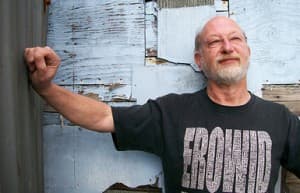
Episode 123 – A Drink With Dr. Dennis Mckenna: Plants, Ecology, Ayahusca
October 23, 2018 · 34:59
Episode 153 – Carlos Tanner – Healing Trauma/PTSD – Plant Medicine, Ayahuasca
December 26, 2019 · 1:08:44
Episode 89 – James W. Jesso – Psilocybin, Plant Medicine, Deconstructing the Ego & Surrender
March 13, 2017 · 38:36
EPISODE 199: Dr. David Nichols — Psychedelics, Consciousness & the Chemistry of the Mind
October 20, 2026 · 1:12:11
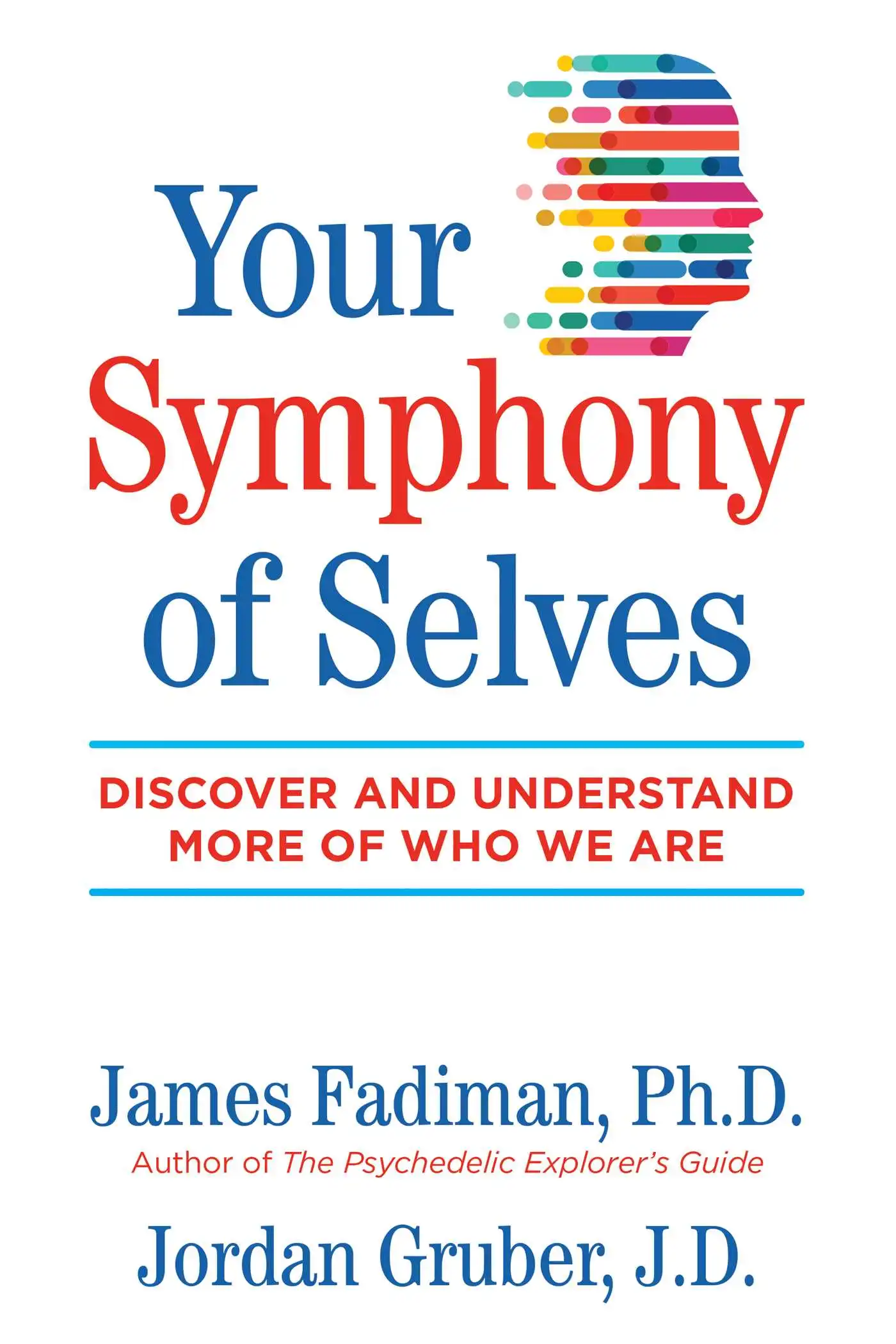
Episode 194 Dr. James Fadiman – You Are Not One Self: Microdosing, Multiplicity and the Mind
September 4, 2026 · 1:14:38
Independent conversations
Help make the next one possible.
Membership sustains ambitious, unhurried interviews and keeps the complete archive open to curious listeners everywhere.
Become a member