The Human Experience · Episode
Episode 8 – Lance Ferguson – Skywatch
A conversation with Lance Ferguson
For thousands of years astrologers have closely watched the starry firmament and followed the cycles of the Sun, Moon and planets as they danced across the heavens.

Stay with the full conversation.
Episode field notes
Show notes
For thousands of years astrologers have closely watched the starry firmament and followed the cycles of the Sun, Moon and planets as they danced across the heavens.
They noticed how the comings and goings of people and events here on Earth were described by the cycles of the planets and their connections with each other. Skywatch is a report on the astrology of the day—the energy that is on the street for everybody—all over the Earth. The pattern changes quickly. Some days are better than others. Following the Skywatch will alert you to these shifts in energy and mood in your personal and business concerns. And help you have good timing in life.
Lance Ferguson has been in the Astrology field since 1975.
Astrology consists of several pseudoscientific systems of divination[1] based on the premise that there is a relationship between astronomical phenomena and events in the human world. Many cultures have attached importance to astronomical events, and the Indians, Chinese, and Mayans developed elaborate systems for predicting terrestrial events from celestial observations. In the West, astrology most often consists of a system of horoscopes purporting to explain aspects of a person’s personality and predict future events in their life based on the positions of the sun, moon, and other celestial objects at the time of their birth. The majority of professional astrologers rely on such systems.
Throughout most of its history, astrology was considered a scholarly tradition. It was accepted in political and academic contexts, and was connected with other studies, such as astronomy, alchemy, meteorology, and medicine.At the end of the 17th century, new scientific concepts in astronomy and physics (such as heliocentrism and Newtonian mechanics) called astrology into question. Astrology thus lost its academic and theoretical standing, and common belief in astrology has largely declined.[4] Astrology has been rejected by the scientific community as a pseudoscience, having no validity or explanatory power for describing the universe. Among other issues, there is no proposed mechanism of action by which the positions and motions of stars and planets could affect people and events on Earth that does not contradict well understood basic aspects of biology and physics.[5]:249[6] Scientific testing of astrology has found no evidence to support any of the premises or purported effects outlined in astrological traditions. In one study, participating astrologers attempting to match natal charts with profiles generated by a psychological inventory produced results not significantly at variance with random chance.
Astrology has been dated to at least the 2nd millennium BCE, with roots in calendrical systems used to predict seasonal shifts and to interpret celestial cycles as signs of divine communications.[8] A form of astrology was practised in the first dynasty of Mesopotamia (1950–1651 BCE). Chinese astrology was elaborated in the Zhou dynasty (1046–256 BCE). Hellenistic astrology after 332 BCE mixed Babylonian astrology with Egyptian Decanic astrology in Alexandria, creating horoscopic astrology. Alexander the Great’s conquest of Asia allowed astrology to spread to Ancient Greece and Rome. In Rome, astrology was associated with Chaldean wisdom. After the conquest of Alexandria in the 7th century, astrology was taken up by Islamic scholars, and Hellenistic texts were translated into Arabic and Persian. In the 12th century, Arabic texts were imported to Europe and translated into Latin, helping to initiate the European Renaissance, when major astronomers including Tycho Brahe, Johannes Kepler and Galileo practised as court astrologers. Astrological references appear in literature in the works of poets such as Dante Alighieri and Geoffrey Chaucer, and of playwrights such as Christopher Marlowe and William Shakespeare.
Check him and his lovely wife Leslie at skywatch astrology here:
Find the raw unedited transcript for the show here: https://thehumanxp.com/lance-ferguson-skywatch-astrology-transcript/
Read the conversation
Transcript
happy solstice my intergalactic brothers and sisters this is the human experience coming at you almost live hope you guys are looking forward to paying your respects to the solar deity of your choosing we’re coast to coast in to the New Year with Lance Ferguson of Skywatch astrology the timing of this episode couldn’t be more perfect since we’re about to reset our counting mechanisms to measure a big circle around the Sun
yet again just want to give a big thank you to all the guests who graced us with their presence for 2014 don’t forget to check our main page from some updates we’re still up on twitter check us out there our youtube channel will be up early next year and the guest list is looking better and better so very excited I love you guys thank you for listening we will see you in 2015 I’ve got Lance Ferguson of sky watch astrology in the studio Lance
how’s it going man welcome to the human experience hey thank you guys appreciate you bringing me off not a problem man so you know I I know a little bit about astrology and just curious if you could just kind of breakdown briefly what what is astrology good all right basically what your astrology birth chart is is the picture of the sky at the time date you were born and what it does is it shows us what planets are in what signs
and everybody’s got a chart like a fingerprint and it’s got it’s like in your chart yes you’re a Virgo but you have the moon in Scorpio well that tells me something else so each little part of the chart gives us an idea about the part of our personality our talents and gifts and some of the things that yes there’s not no so the chart is kind of like a record of kind of like our soul went away and definitely everyone always has more good
things in their chart than they think hmm so so there are these astrological alignments at the mo my birth and these alignments influenced my life that they tell us they tell us that you’re either an eagle or a fish ah they tell us your nature they don’t tell us what you’re going to be good as a swimmer or a flyer but some people are better as the fisherman’s to be a betters Eagles the chart will show that it will show your gifts your talents
what you choose to do with it that’s up to you ecology chart this is hey man you you’d be a great horseback rider but if you never want to get on a horse it’s very helpful I was really in a bad place in my life in 1975 and and I got my chart read and it was like that she was telling me things about myself abilities I had that I kind of thought about but never tried it really helped me realize hey I’ve got more talents than I thought
and when I do reduce reveal that’s what I see is that more people most people have more gifts than they use nostalgia will take me right there to them so from what I might I understand there are four elements earth water air fire mm-hmm and so each each sign has an element that’s associated with it that’s correct and if you’re an earth sign bird right Taurus and Capricorn or the other you may notice you get along better with the
earth signs so people asked about compatibility well earth signs are all practical grounded do you have earth so a Virgo is earth so Taurus and Capricorn get along with you really water signs cancer Pisces Scorpio they’ll talk the same emotional language they get along in Aries Libra Aquarius – all air signs talkers label are fire signs Aries Leo sand yeah let’s go do it yeah so there is the idea of yes that each sign has an element to us knowing
it like you’re you’re a Virgo your earth we’re grounded we could tell you a lot about you – for me every part every sign rules the part of your body ergo rules your lower back live lower back problems yeah a bit virgo has rules your upper intestines which means you’re very sensitive to what you eat not all signs are like that and the thing about the chart is what’s good to see is nobody’s alike a little difference yeah so and that’s fine but
if you realize people are different you have different tastes different feelings you have a lot of gifts in your chart that suggests other lifetimes that’s another thing about astrology we tend to think in certain ways that you get gifts from other lifetimes that there’s reincarnation that’s one of the theories five part of astrology not everybody agrees and you had the chart for instance if somebody who is a prophet or
a teacher in the past lifetimes a very good shark of being a professor cool interesting so over over at sky watch you guys have a sort of daily blast of what is it a daily transit is that what it’s called yeah the thing is when you look at the newspaper astrology it’s about your son there are 10 planets in your time the Sun is one so the astrology in the newspapers doesn’t do anything what sky watch is is what’s the astrology of the day is it a full moon
is it a new moon or the planets happy like right now open the sky the planet of rebellion and the planet of death a locked up like this it happens once in 120 years look at the news people tell each other on the left this wasn’t the case four years ago that wasn’t an and designee of sky watching it’s literally very simple for thousands of years astrologers have watched up in the sky watch the patterns and they look on the earth and see what happens
instance when the moon meets Venus up in the sky everybody’s happy they want bonbons in chocolate they want to make love when the moon meets Mars in the sky Marcin fire so it’s really been a process of and Skywatch will help you every day knowing like certain days things are really squirrely didn’t you said it’s time everybody’s going through this here in the stock market and so every morning you could go to sky watch
and go okay there’s a real good astrological pair of planets in the morning and there’s a real crappy I call it quacks in the afternoon watch what happens you’ll see that moods change so sky watch is kind of a recording of the daily energy of the sky we all of them very interesting so so then so there are certain alignments that are beneficial and others that are kind of negate experience what what do you what do you have that like do you do
notice world events that correspond with certain astrological alignments is that what you’re saying yes in other words when there’s violence in the sky and stylized Mars is the planet of violence so when he’s conflicting with other planets who watch down on the earth and all of a sudden you know the violence level goes up you can’t predict everything but you can see the energy of the day the mood and and and when there are stress days
the people that are on the edge so to speak are the ones that break but every day just seeing there’s a cycle of rhythm of energy in the students College I’ve been riding it for 26 years all professional astrologers look at the sky launch because we with that without this this is your chart without this which is really complicated I can’t tell you what’s gonna happen to your help you so with the sky watch I can I could say hey
oh yeah there’s a good day on Friday to do something go go for it and I’ll say on Saturday there’s real trouble in the sky on Saturday or of one of the days watch what happens your car didn’t start your neighbors are cranky and if you read it every day you’ll see it unfold in life so what you’re looking at is a chart of where the Stars and the planets were at the time of my birth and then you’re aligning it to the sky
watches are two separate things correct there’s there’s this the sky watch which is what’s happening on a daily kind of basis like the transits and the moon is is trying Uranus or something and then and there’s your natal chart right okay so so through the natal chart we can we can find out more about who a person is what their likes dislikes are what they might be good at what they kind of aren’t good at so their personality
traits so so then the sky watch is a separate thing so the sky watch is a sort of daily kind of blast of what’s happening on a daily basis right yes yes and it’s also about the cycles we go through okay in other words we see things in the sky watch that last occurred in 1930 well that’s when all the dictators came to power oh what’s happening now and so by watching patterns and I know they say I’m complicated to y’all but two astrologers
we just watch patterns of the planets the angles they make the signs they go through and the cycles keep repeating themselves and so by watching oh and this last happened people were violent you can’t say who and where but we know there’s that energy flying to the star so what are some of the patterns that you’ve noticed lately we’re all in a pattern of it’s time to let go of things that poisonous that there is the planet
of change up in the sky Uranus is in an angle a 90-degree which means it’s challenging Pluto the planet of death and extremism so for astrologer it says hey it’s time for all of us to clean up our act whether it’s the garage whether it’s our phone book whether it’s on diet and if you don’t know things you know get out of control and this is a time when people that have lost their minds go crazy you know should be hmm
this has been going on for three years fortunately it’ll start to end next year and other things will occur next year there’s things in the sky the planet of good luck line up with a plan of change or the planet of healing next year these are rare occurrences they suggest time when things go better the witness you know sometimes you invest a dollar and healing and you get a nickel back well then I’m going to show you there’s tons up ahead you the
best of nickel in the healing you’re going to dollar back they’re better times to do things and that’s what Skywatch is about it cycles of time okay yeah I am sorry yes very good I know but I was just gonna ask I was gonna say that you know I talked to my friends sometimes and they mentioned mercury being retrograde and yeah I hear that one a lot so I’m just I’m kind of curious to what that means exactly in other words what happens is three times
a year is the earth in its orbit swings by it appears up in the sky the mercury goes backwards for three weeks Mercury’s the planet the rules details communications to winds where a planet looks to be going backwards the details are long schedules change the winds change nobody when starting at January 21 will be the next it’ll go to February 11 happens three times a year it’s a good time to go back and review things and to look at what you’re doing
but it’ll be a time of confusion delays yeah mercury retrograde I’ll explain it on the sky watch every when it comes around bring it up you’ll see it so so then so Venus being the planet of love I guess right is that what that is and so so Venus when it’s in the sky and is is there a special alignment for kind of love is that does that happen often it’s going to happen big time in 215 yes when the planet of love meets Mars the planet
of sex it’s going to have it three times next well the thing is we look at Venus she’s going to meet the planet of good luck up in the sky next year three times generally this will be days when jackpots will be hit in Vegas when everybody will be like ooh I’m feeling really good I want to buy something and so by watching yeah Venus is sweet and next year Venus will go retrograde of mercury hmm and for 40 days people will fall in
love with the wrong people so wait when exactly does that happen just I can write that let’s see that I’ll have to show you do your thing I want to say August to early September ATS go look at the book I was reading I was reading this article it’s the title is millionaire’s don’t have astrologers billionaires do and it talks about how JPMorgan was scheduled to be on the Titanic and pulled out at the last minute because his astrologer told him
not to so do you find do you find that some of your clients are on the higher end of things and do you notice that these people who have money are making this like big business decisions based on what they read at Sky Watch yes one of my clients is a friend of Reagan’s President Reagan and she saw Reagan used an astrologer to keep him upright when he was having bad days and most of my clients are wealthy rich people do use
it they get the charts Princeton see if you’ve got a lawyer get his chart is he is he on a good roll yeah we haven’t talked about time in our line once I have your chart then I can say well gee hi there next year the planet of good luck is going to be in Virgo so next year you go I mean there’s more happening but your charts gonna go happy if you were my lawyer next year I would Bank on me and so I chill get the chart the woman is
one couple of women actually they’ll get the chart of their lawyers their husband their boyfriends what cycles are they going through and even to find out if they’re like them even sorts of people are sort of compatible or sort of anger so yeah you’d be surprised I guess the the client I can talk about I can’t tell you about most of them the Georgia foggy area I can tell you about she used to own the Rams she was a client of mine for 18 years
and she’s the one who was next to Regan and she saw house ecology was used she was a super Scorpio she was a dear woman and so the next 18 years of the last 18 years of her life I helped her with timing buying selling real estate moving the team Wow so there are there are auspicious days and and there are specific just moments I mean that’s that’s kind of what astrology is sort of the math behind creating this sort of
timing for making good decisions yes there are better times they’re better times in the sky but and each other says are better times to doing your own personal chart takes a lot of work and that’s why we charge for is the sky watch I’ll give you for free if you want to watch it every day but it does make a difference there are better days than others and if you just watch it everyday you’ll get them tripped up and I will
say this astrology is not for everybody I don’t believe there’s one size fits all some people don’t get it it doesn’t make them happy it doesn’t help them to me astrology something it helps me understand me when I see my chart they go oh man old Taurus I’m real stubborn that’s true that’s who I am that’s who I am um you’re a Virgo you’re picky I’ll tell you what you’re really critical about things you can be very picky that’s who
you are when people say are we compatible I don’t know do you want to be with somebody’s flicky you could be picky – and they’re not like that what if he picks what you like oh never thought that see then a Taurus some people like stubborn old people who don’t change much so every sign has its own gifts and its own weaknesses and so what we try and do is if I make you aware of God you’ve got all these gifts over here it’ll help you
get away from worrying about the things you can’t control the things you don’t want you know there’s there’s a have used something have you heard of something called the for effect I just want to play devil’s advocate just for a second here it’s uh it’s it’s also called the Burnham Barnum effect to the PT Barnum effect it basically just says that when you assign vague vague interpretations if you keep things vague enough that
they kind of fit for everyone like hmm you have a need for people to like and admire you you have a tendency to be critical of yourself I mean that’s pretty much anyone so I mean what do you what is your response to that if you really get into your chart it’s very particular I can get much more particularly with you I’m just opening the door if you ever get a reading from a real astrologer we put this live done probably 5000 nobody has ever sent one
back nobody the only crack i her add was one woman said this isn’t me and her daughter came in and said yeah it is you don’t want claim it so if you get a real reading from astrologer I’ll bet a hundred bucks and get you right between the eyes he talks about who you really are and I do readings and never meet the people I get their chart like this I never talked to him I never see them sit down a record a one-hour cassette with
our CD and tell them about their life and timings come back a year later and oh it was right on not me I’m not trying to claim fame it’s really astrology here’s a real subject but it’s complicated and that’s what it’s hard for most people to understand okay so what are what are some of the different types of ik astrology I know there’s Vedic Astrology and yes sir yes Chinese astrology huh so yeah it’s alec tools you know some tools are metric some are
American they’re totally different things is French there’s English Vedic Astrology is totally different from standard American astrology or the other time stalls when you see okay so differences what are what are some of the things that you use in a natal chart what is something that comes out to you right away what is something that you look at first patterns what do we look at first there’s so much there like in your chart what I realized is
virgos are very shy kind easygoing people another part of your chart is Scorpio and Scorpio kicks ass and there’s a part of you deep inside that is like I hope to be your friend because I don’t want to be your enemy I know a lot about you from our guys you’re very sensitive dealings don’t like to talk about them a lot and when you really get bored into something you get into it not everybody’s like that see one of the
problems is you think well everybody’s picking no no no if you understand yourself better Indian relief you realize hey I’m smarter than that I’m by picking this leaves me to make good decisions but not everybody is like everybody else that’s the whole thing with compatibility people realize hey you’re really different yep do you want to and do you want to agree whether or not it’s very helpful for understanding pain like things that happen to you in
childhood and subconscious program hmm could you could you tell us more about that understanding ourselves how does you know looking at planetary alignments and our natal chart and looking at the sky watch how does how would someone go about understanding themselves more because one thing they’ve been all these riders and I have library full of books who have watched every person who has planets in their chart and so they’ve
written detailed accounts of what it means when you have these placements huh like in your chart what it says is you have a very unusual father role it’s very good yet he wasn’t there is that the truth yeah that’s spot-on your mother your mother was the power and she was unusual she was liberal might even say crazy she was one of a time and that I don’t know my mom she’s not crazy I know yeah that’s that’s right on yeah yeah okay
these are the beginnings one thing as you can see kind of like the family input into you and they’re in a system your son okay I’m Roberto this my son on one side of your son sits Jupiter good luck on the other side of your sense it’s a turn word so here you are caught between it’s optimism conservativism huh yeah yeah see I know that’s phenomenal i I want to know more I mean I don’t want to make this show just about me
this is you wanted your tiny face like I’d give you a full on reading I’ll be glad to your planet of love is in Leo what’s that mean you’re loyal you’re real romantic you like romantic flavors not everybody does a lot of people are not romantic at all okay and the lock is not loyal you’re loyal oh yeah yeah yeah yeah scene you think everybody’s that way they’re not they’re not and so the chart tells us to like you’re okay you have mercury in Libra
which means at times you have trouble making decisions in other words your planet everybody’s got a planet of thinking what sign is yours in the scales well Javier what do you want to do well I could do this could you there I could do this could do that okay well um interesting that’s interesting now what I would tell you what that is go talk to your friend and listen to yourself and you’ll know what you think right is you have these words I know I
know there’s all kinds of information here it’s like I the way I learned astrology I just got all the books I have 200 of them in the library and nobody knows at all that’s a thing astrology is a symbolic language it’s like looking at Picasso’s Guernica 50 people will have 50 different ideas and what’s in that thing but they’re all be right same thing with your chart each astrologer is his own way of looking at it in interpreting it but basically
they’re going to tell you the same thing so I love why does why does the time and place of where you’re born effect reading so much is it because there is a planetary energy kind of happening no because we want to know exactly where the planets were at – right right so that’s what the computers give more so at the time and place were born we took a camera click and we already know the zodiac is a circle and we just look and watch where the planets are on
the circle interesting the time tells us your Rising Sun your ascendant yeah I don’t know that for you cuz I don’t like you know what your birth time is I think who’s around 6:00 p.m. you need to know exactly and you look on your birth certificate to do this if your birthday if your birth time is 6 p.m. that would tend to say your rising sign is Pisces which would mean you have very sensitive feet and have a thing about shoes I only
wear one or two period you have a lot of thing about you know that’s mind blowing I don’t like wearing shoes I wear sandals pretty much all the time and I [Music] see little and help things as told you can tell you the weak side of your your system and stuff like that like you’re fairly sensitive to poisons chemicals bad drugs you’re somebody I’d go totally homeopathic herbs try that all first before I ever let you go to a doctor and
take hard drugs you want to yeah yeah yeah that’s spot-on so so what are what are some of the other things that we can use I mean there’s there’s a rising sign can you tell us more can you go into more of the specifics of how you do reading how do I do the reading sit down basically you know see where all the planets are sometimes there are connections that I go to the books and see what other authors say and then I usually go out and drive the back roads
and let brains think about it and about a day or two later I come in and sit down and record a CD and tell people this is what’s in their chart takes me a little while to list there’s so much complicated and I’m trying to sit on a tourist I’m trying to make it simple for you so that it isn’t complicated it takes me a little while to think through it literate I’ve been doing charts but since 79 how did you how did you move
into doing this I was about ready to commit suicide this woman read my chart and it blew my mind and I realized okay I have other things to do in the world I got her books started studying four years later I was a television man in Tulsa Oklahoma I quit and dropped out and started being an astrologer it just it came to me it was like this is what I should do are there specific elements that go well together give us the breakdown well basically we were
going through that before earth signs all are practical grounded to talk in real world so Virgo Taurus Capricorn water signs are all emotional it’s like they want to cry at movies they want let their emotions out well other emotional signs cancer Pisces Scorpio hey great hey great and notice who your friends are who’s your best friend you know you know his birthdays do anybody’s birthday what was your mother’s birthday
my mom’s birthday is March 4th she’s a Pisces she’s a real sweet she’s got a real goodness about her I sees his Tinkerbell she has the thing about shoes – that’s where you get it from her Pisces a real imaginative creative dancers we also sometimes can be victims okay so there’s there’s also a Sun and a moon sign right so what is how does the Sun Sign affect who a person is the Sun is your ego the Sun is who you are I’m a
Taurus I’m a truck the moon is who’s inside who’s driving it the moon is your emotions your feelings very important it’s it’s like maybe the moon is even more important than the Sun but the Sun is your ego what really turns you on like as a Virgo what turns you on is analysis you’re ruled by mercury you’re ruled by thinking so you’re always going to be thinking moving things around brain is cooking other signs like water
signs you’re feeling all the time like oh they have all these damn oh they watch TV in a crying of emotions so basically if your air you’re compatible with air signs Gemini Libra Aquarius fire signs incompatible we’re at war there’s a you know astrology uses a heliocentric model of kind of interpretation which means that the Sun is the center and all the planets is there is are there constellations that affect readings as well or no it’s just
using the planets to wait yeah there is the Stars back there have a strange effect but basically we’re dealing with the planets and our solar system this is us and even Pluto we call Pluto a planet so do you do yourself do you believe in destiny or do you feel that we have freewill and we’re able to make these choices it seems like using astrology it kind of tells me who I am but how how does it how does wait which planets are
in the sky when I’m born affect my life like how does that an imprint work it’s like if you’re born well it’s like you’re being born in Eagle if you’re born an eagle will you fly it’s up to the eagle as a Virgo your your chart says you’re gonna analyze things you could analyze betting schedules you could be a veterinarian or a architect analyze other things the chart just says you have gifts this is your nature okay it’s your nature to think about things a
lot not so with a lot of other people that’s again where everybody thinks who they are is what everybody else is ah know so the chart says okay you were born a fast runner you can catch a baseball you’re really good in French you don’t have to do any of those things but everybody’s got gifts and if you’re aware of them usually what I find is people go right to them and go god I’ve been looking for this all my life do what I’m good at so
you help people do that you help find what people are good at and then you and that’s what your wings do that’s part of it and also these are the things that stop you it may be a fear it may be you’re afraid of things all kinds of things are blocks and astrology lets us see into the psychological side just like I was talking about your family I can go way into that um yeah so it’s it’s a reading from the outside that
lets you know your strengths your weaknesses and says you’re what you want to do it’s for you we’ll all the way interesting so let’s let’s go back to you know how your day-to-day works so you you get up you go to person’s time and a place and of birth and you get you get their kind of chart and you you you is there are the interpretive quality is there a intuitive kind of feeling that you get towards your readings or is it
all based on math and alignments and it starts out all based on logic and based on when you have a moon in Scorpio there are they’ve been watching this placement that’s in your chart for two thousand years and every time they’ve seen this they’ve written down what it means so I go into the books and I go what does this mean and it tells me how Tana things after you’ve done 20 years of reading you get another you get a little more
vidas stuff and your instinct kicks in a little bit more than the logic but basically no it’s logical it’s like if you have this in your toe I go to the book open it up and says well when one bit when many people have had this this is what they all did there we go and it both sides your moon is Scorpio you could be the best friend somebody ever had and when you get angry at somebody look you know that’s who you are now what you choose to do with it
are there other aspects to rare readings something that you find incredibly rare in a in a chart that you haven’t ever seen but yes and you describe that Oh like the chart of Apple Computer it’s great oh you can do charts you can do charts on companies as well and animals and horses and anything that starts buying a house buying a car getting married buying stock yeah anything that is born as a chart the chart is a symbolic picture of the energy involved
at that moment so sometimes you see a chart and this is what’s interesting it’s all lucky all good things there in jail my students used to ask me where do I have a good chart what I saw was people who had the luckiest charts usually were in jail the people were the hardest charts with hard things in them yes they were some of the most successful so see you can’t pick out what people are going to do with their energy it’s all up to them but you
definitely can see that some people have Arturo than others some people have got it easy hmm very interesting very interesting so you know I’m looking at this guy watch website right now it says that the moon is in Scorpio and it makes one stop during the workday its rendezvous is realistic and sometimes cruel Saturn how how do you guys how to assemble this stuff like hey can you go into the meanings of what what is the
void of course what does that mean that means the moon is the thing that rules your instincts there are certain times when it is disconnected from other planets and it’s just walking around she’s what around stoned in the bar and dead know what she’s doing during that time your instincts won’t be very good you’ll be like I don’t know what I think I don’t know what I feel what happens every now and then every two or three days
sometimes it’s long sometimes it’s short it’s just one of the other factors that’s in the sky watch each of the planets he has a personality the Sun is the king the moon is mama Mercury’s the communicator Venus is the lever Mars is the warrior Jupiter’s the philosopher Cylons a builder Uranus is the rebel Neptune is the spiritual and Pluto is the killer so each each planet has a personality that allows us to talk about so so there are 12 both houses and
each each house is another aspect of a person’s chart you know each house can determine can you tell us more about the houses sure there’s 12 pieces of pie those are the houses each house is a part of your life the first house is your personality the second your money the third your brothers and sisters if you have the planet of war Mars in the third house you probably argue with your brothers and sisters so the houses tell
us where this energy first comes out in their life like in your chart I see love in the house of friends so I have a feeling that you have a really good friendships and their friends are really maybe more important to you than your family hmm that’s partially true I mean I like it kind of you know the thing with astrology is I’m not trying to tell you who you are I’m trying to say this is your leaning this is your gift this is
your instincts you may not like them for reasons you may but just to know what it is so the houses are pieces of your life like the seventh house is house of partnerships well if you have Neptune in there the planet of confusion guess what happens in life you’re kind of confused about who supplies us if you have the planet Jupiter in there oh you marry somebody who’s real if you have the moon in there you marry somebody for Mother’s you lose mother
see enemy the houses give us direction where the energy in your life goes to you I know planets signs houses there are 34 basic facts in astrology I’ve taught it for a long time you have to learn those 34 things before you even begin to study stalks that’s what usually stops okay what what else can you tell us about I mean teach us like show us show us how to UM if you’ve never had your chart done it’s a good idea you could go on the web even and
get free without do it get your birth time though for sure to get your birth time accurate because it makes a difference it helps us accurately know exactly where your planets are if you’re ready to make a big move or a big thing in your life timing is what I really am the specialist and that’s really what I do with the people who have all the money is they want to know what time to travel we’re time to buy and sell does it say
they’ll be successful no it just says if you’ve got a song to sing here’s the day to sing it right and that’s what astrology is good as understanding your cycles what you’re going through now what’s ahead of you so you can plan for it and understanding where your strengths and weaknesses not yeah I was just saying okay in your chart you’ve had a real kind of heavy soldering transit or timing in your life over this last year heavier than usual could have
been the death of people that have been sickness but you’ve come through an unusually difficult couple of years you say okay it’s going to go away and I could say to you well next year all kinds of good things are gonna happen and there’s different cycles moving all the time but it’s that kind of an ideas and now I can say you could say to you hey it’s not your fault it’s just a cycle you went through there was something to learn from it
not easily what you did and it passes and I think that’s one of the greatest gifts of astrology is you’ll go through hard times that they’ll come and they’ll go you’ll go through confusing times in your life at times astrology is real good at pointing that outside okay things you will squirrely right now it’s not forever and it’s trying to teach you something and when it’s dawn with the dawn I tend to look at my horoscope when I’m having a bad
day can i I usually like a horoscope and you know just to confirm or try to figure out like why am I having such a shitty day today and say you know I am wondering you know there’s there there does seem to be an aspect of okay there there’s an alignment here so this this makes sense like this is who I am and you know we have your Sky Watch which tells you what’s going on so it tells you kind of the mood of things but and
so what I’m getting is you know it’s more about understanding yourself making and giving yourself enough information to make the right choices right yes and like if you’re a Salesman this is real really there are days and people will want to say yes much more than no and there are days and people will say no and no and no even if you’re trying to give it away and if you’ll and the only way I can prove this to you is read the sky watch
every day and watch what happens moods change particularly if you have children they act out but particularly if you deal with the public because Sky Watch really is the mood of the herd it’s the mood of what’s going on on the streets and so it’s helpful at least to know okay there’s a real dangerous day coming car wreck city take it easy not saying don’t drive your car just be aware that the possibility for trouble goes up on certain days like a biorhythm
what are what are some of the other things that you guys are doing over at Sky Watch that makes your website different from some of the other places that readings I two things one is the sky watch which is the day-to-day thing and then I also published a date book it talks about the best days of the entire year so if you said I want to take a vacation in the summer just a book would tell you the best days when do the
Mercury retrograde czar when the Venus retrograde czar so that you could avoid that and so it gives you kind of a planner okay here are the good days go to the bed on that down for instance don’t go to the doctor on bad days on quack days they’re not there yeah that’s the thing of the sky watch because it’s the mood of the world when there’s good days call everybody though see people good energies on the streets well
there’s a quack day no that’s when people are in a bad mood the nurse is gone the doctor Slade you don’t see him right and things are much more difficult I know it sounds so far-fetched but if you watch it you’ll see that it’s true there is a high and a low highs and lows some days a real mellow some days are not interesting so I’m you know I’m looking at looking at the date book here that you’re mentioning and it does you
know it does go into these sort of operating instructed instructions for how to deal with you know the year that’s coming up what what else do you have to say to people about what we can do to kind of improve our lives and and really understand ourselves you’re going down deep now Betty that’s the moon in Scorpio there are many kinds of healing and we all need some of it particularly with you’ve gone through any kind of
childhood trauma astrology is one kind hypnotherapy really helped me and I am for all different kinds of therapy some work for some people some for others hypnotherapy was one of the best things I would get during past life readings where I walk down the steps and there I was teaching astrology and each was like what no wonder I get all this stuff made total sense to me um but trying to know understand yourself and what you were programmed to do now
that’s the thing is we’re all programmed in a way the chart gives us a pretty good idea of the pieces and helps us kind of understand ourselves there’s nothing wrong with the programming is the only thing that’s wrong with it is we don’t know what we’re doing we don’t understand God doesn’t make mistakes and be the line I would use but you need to understand what’s your story right what’s the difference between a kiss day
and a ‘quack day all right on a kiss day the moon and Venus are talking to each other kiss moves you’re cool you need on a quack day the Moon and Mars fighting planet there’s third angles to each other whenever planets are 90 degrees apart at noon on the clock to three o’clock that’s a square when planets are like this or against each other they challenge each other and there’s an energy it’s like fight on the school ground suddenly happens or all of
a sudden you get a headache what is going on that’s a wow that’s what I call I’m simplifying instead of saying a square semi-square I’m you instead of using all the astrological terms I’m just saying a kiss trying sex to all these your good things quack square send me spree opposition these are bad things or stressful not bad but stressful I’m trying to simplify for everybody so you don’t have to know astrology to be able to use it so what
what’s coming up for 2015 that you can kind of give us insight on there’s going to be a lot this idea of real explosive violent energy that we have now it’s going to continue through March not every day not every week but we’re in a period of really difficult change the second half of 2015 contains real positive connections between good luck and change which means second half of 15 is really good time move start a new top
and the planet of good luck will line up in harmony with Pluto the planet of healings this will be a very good time to start as diets change your help to be really positive for health stuff so there’s there’s a couple of real positive and you say what happened to same fluids me well you know sometimes you start something works sometimes you start something yes this will help you start things where it can work so it’s
about organizing your life and and this this newsletter this blast that you have does that so it gives you an idea of like what’s happening with all these transits and squares and and and gives you a timing and a sense of doing that yes it’s really timing and what I say in the date book is open your calendar up and mark the day’s K&Q is wet okay so now you say you got to go to the doctor go on the kiss day go on the day when
everything is harmonious when there’s a quack day try not do anything you know try and stay cool don’t go to the dentist and you’ll notice the conflict in your life anyway so what this is it’s a timing guide and if you’ve got a whole year then you say well you know I want to take a vacation so you look down there you go oh look at this here’s three weeks in a row they’re really good let’s go then interesting let’s have you know have you noticed any
correlation between sort of these these esoteric events and and what you’re seeing on your on your charts such as like 9/11 like what was what was something that came up on you know these global worldwide days where where everyone was kind of paying attention have you noticed any pattern there sometimes sometimes not on 9/11 it was a very good day to do anything that’s why there was just this I wrote the script yes it’s very good day to bake cookies
it’s a very good day to be successful in something now I don’t have the chart of those sons of a gun I don’t have the chart you know the earth so I can really can’t do their astrology but they hit on a day when something should work the other things like the violent thing that’s going on now yeah that is these two planets Uranus and Pluto square each other’s last happened in 1930 it indicates when it occurs there’s always been a period of social
and economic turmoil on the earth as above so below is the way we look at it because we see conflict up there but if they learn there to go bang people hidden each other and when there’s kisses up there Apple computers Claus Owen this kiss is up there a race horse that wins is born yeah yeah really fabulous children have been born lately who are not like our parents or us at all there’s a whole new set of kids coming up who have the most amazing
astrology very different from us they’re gonna have great talents and abilities way beyond anything we’ve done change hell it’s more about that just the cycles of the planet my granddaughter she has the planet that rules the force Pluto in his home sign at her chart this happens once in 250 years she is the most incredible person with this willpower this ability to do things she’s one of a whole group all the kids born from 85 to 1994 1985 to
1994 had this placement in a child some of them are killers because this is the sign clearly rules death they’re going to be the killers and they’re also going to be the healers great great value is their grow older and Odin’s and so we do see certain like generations like I’m a boomer Pluto and Leo and then there’s the next group that comes along with a whole set of planets that are different and then different and then different
and the kids now they’re really different and we were ever from our parents way car do you notice a pattern changing in the type of people who are asking for readings get more open usually the Baptist I don’t tell people what I do a lot of people in the old days real negative to me and astrology but now if I find more and more people being open and to say let’s see what it is no I find your work pretty intriguing man is there anything
else that you kind of want to get out there we’re approaching the end here no other than want you to give me your dig up your birth time and your birthplace send it on down and let me do a one-hour CD I record everything on CD I used to be a radio guy now let me just go around your chart and show you the good things in them stuff that’s in your chart to give you a taste of it and everybody else it’s like if you feel that you know you’re different you need
to do things different astrology might be one way to really understand like if you feel like I’m just crazy I just gotta go do something else what’s what’s going on it it’s called he’s one way to start also strange medical things not all of them of seeing but there’s a lot of information about medical stuff parts of your body and stress can’t see death in a chart I’ll say that people always want to know if somebody died now what you
can see is stress might put them in the hospital but that means I’m killing the moment but it is if you’ve had questions about your life questions about what you’re good at questions about your timing there is one thing that can give you some some new things to think about and another perspective on this very cool so where can you please find your website and how can they get access to your work sky watch astrology calm
watch the songs are nice and easy my things up there if you want to send me an email I put up a brand new piece of coffee every morning just when you’re reading your coffee check it out and see what it says
Ideas worth returning to
Quotes
Five substantial excerpts from the published transcript, lightly edited for clarity without changing their meaning.
“Astrology studies repeating planetary cycles and interprets earlier events as patterns for the present. I read current configurations as a time to release what has become poisonous. That is a symbolic framework rather than a demonstrated causal mechanism, and it should support reflection rather than deterministic predictions about specific people or events.”
From the conversation“Mercury retrograde occurs several times a year and is traditionally interpreted as a period for review, along with possible confusion or delay. Whether or not planets cause those experiences, scheduling a recurring pause to revisit decisions can be useful. The reflective practice is more defensible than claiming every inconvenience has one celestial cause.”
From the conversation“I can prepare an astrological reading without meeting the person and later hear that it felt accurate. I regard that as evidence for astrology, though personal validation is vulnerable to broad statements, selective memory, and interpretation. The subject is complicated, and confidence should grow only with methods that can distinguish accuracy from those effects.”
From the conversation“Everyone has capacities that may remain unused: physical coordination, language, analysis, care, or another gift. A reading can act as permission to recognize what someone already senses. The durable value is not dependence on a chart; it is helping a person identify strengths and obstacles, then test them in life.”
From the conversation“Astrology combines planets, signs, and houses into a symbolic grammar. The houses are interpreted as areas of life toward which energy is directed. Learning the basic components is necessary before making elaborate claims, just as vocabulary and syntax come before interpreting a complex text.”
From the conversation
About the guest
Lance Ferguson
For thousands of years astrologers have closely watched the starry firmament and followed the cycles of the Sun, Moon and planets as they danced across the heavens.
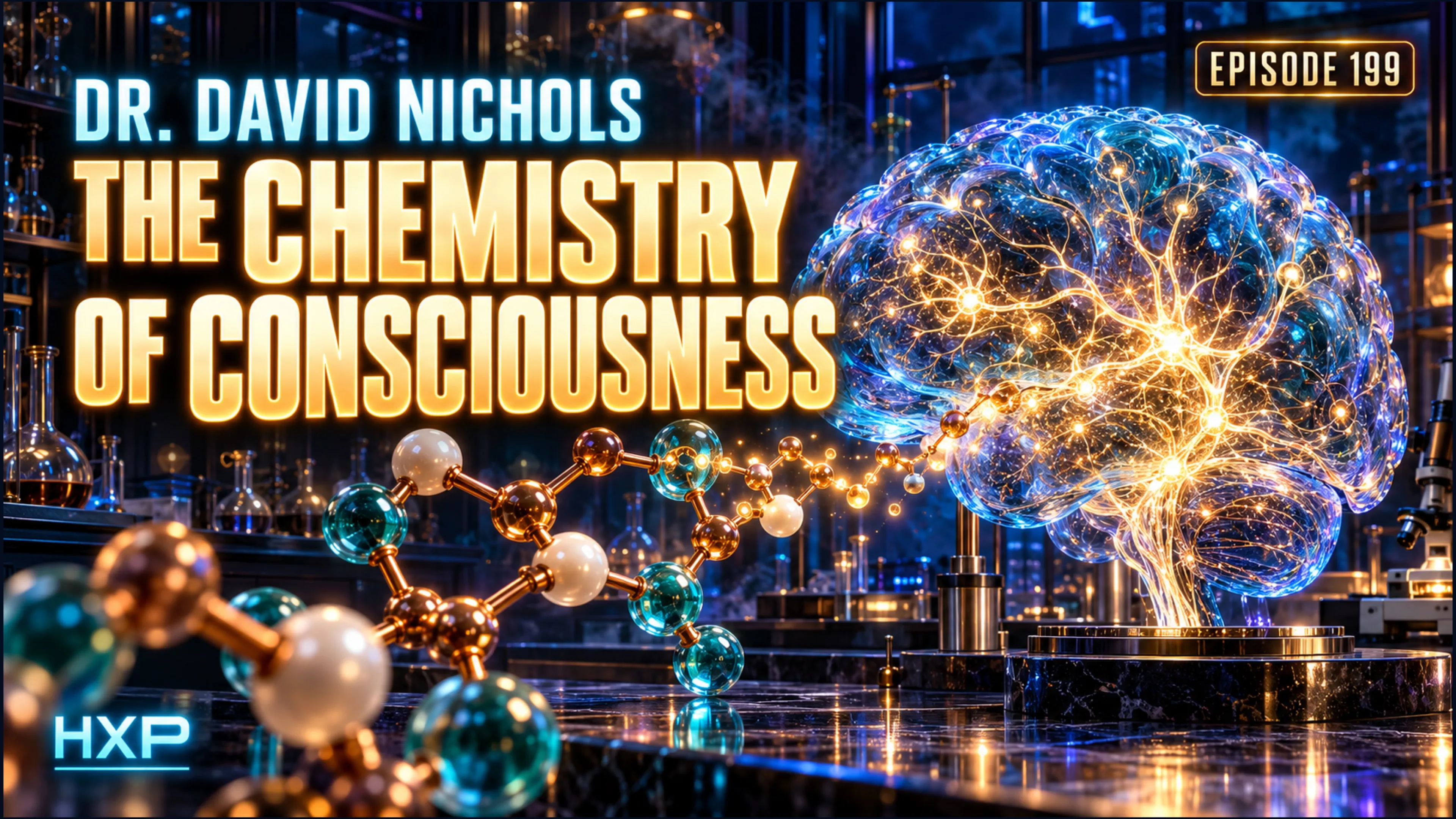
EPISODE 199: Dr. David Nichols — Psychedelics, Consciousness & the Chemistry of the Mind
October 20, 2026 · 1:12:11
EPISODE 198: Cindy Gallop — Make Love Not Porn: Rethinking Sex, Consent & Connection
October 13, 2026 · 58:43
EPISODE 197 – Dr. Judson Brewer: The Anxiety Trap. How to Break the Loop of Worry and Stress
October 6, 2026 · 59:15

Episode 196: Waqas Ahmed — Polymathy, AI & the Future of Human Creativity
September 28, 2026 · 1:04:41
Episode 195: Dr. Satchin Panda — Circadian Rhythm, Sleep & Meal Timing
September 21, 2026 · 1:09:04
Independent conversations
Help make the next one possible.
Membership sustains ambitious, unhurried interviews and keeps the complete archive open to curious listeners everywhere.
Become a member