

The Human Experience · Episode
Episode 5 – Dr. Roger Nelson – Global Consciousness Project
A conversation with Dr. Roger Nelson
Roger D. Nelson is the director of the Global Consciousness Project (GCP), an international, multi-laboratory collaboration founded in 1997 to study collective consciousness. From 1980 to 2002, he was Coordinator of Research at the Princeton Engineering Anomalies Research (PEAR) laboratory at Princeton University.

Stay with the full conversation.
Episode field notes
Show notes
Roger D. Nelson is the director of the Global Consciousness Project (GCP), an international, multi-laboratory collaboration founded in 1997 to study collective consciousness.
From 1980 to 2002, he was Coordinator of Research at the Princeton Engineering Anomalies Research (PEAR) laboratory at Princeton University. His professional focus is the study of consciousness and intention and the role of mind in the physical world. His work integrates science and spirituality, including research that is directly focused on numinous communal experiences.
Building on years of laboratory experiments studying the effects of human intention on sensitive engineering equipment, Nelson began using random event generator (REG) technology in the field to study effects of special states of group consciousness. This led to the GC P, a globally distributed network of REGs around the world sending data continuously over the Internet to a server in Princeton, NJ. The network is designed to register indications of a hypothesized global consciousness responding to major world events such as 9/11/2001, the beginnings of war, or New Year’s Eve.
Nelson’s professional degrees are in experimental cognitive psychology. His work in design and analysis is supplemented by a background in physics, statistical methods, and multi-media production. Until his retirement in 2002, he served as the coordinator of experimental work in the Princeton Engineering Anomalies Research Lab (PEAR), directed by Robert Jahn in the department of Mechanical and Aerospace Engineering, School of Engineering/Applied Science, Princeton University.
Find his work here: http://noosphere.princeton.edu/index.html
Read the conversation
Transcript
if we can really understand what dr. Nelson is telling us I think that this episode would have delivered the message that mitosis but due to sound difficulties and everything involved with reconstructing the audio I really did we did have some issues and some problems with that so hopefully you guys enjoy what we’ve done here and dr. Nelson was very gracious at this time and this was a really fun episode to do so thank you and enjoy this one dr.
Roger Nelson is the director of the global consciousness project an international multilateral collaboration founded in 1997 to study collective consciousness from 1980 to 2000 – he was the coordinator of research at Princeton in engineering anomalies research laboratory at Princeton University his professional focus is the study of consciousness and intention and the role of the mind in the physical world his work integrate science spirituality and
includes research that is directly focused on numinous communal experiences Roger welcome to the human experience and honored to have you here thank you very much the human experience is where it’s where it’s really at right yeah that’s that’s what we try to do here anyway I think that I’ve been following the global consciousness dot for for a while and I think it’s really interesting what you guys are doing but let’s let’s start with you know you how
did you how did you get into this how I mean where did you how did you decide to follow you know consciousness and how it affects our lives I think it’s really probably best regarded as it kind of as a series of what some people call coincidences or and others call synchronicities I’ve been lucky to to be able to work that questions and issues and tasks that I find personally very interesting which means I’ve never had
to work they say yeah I started out as a teenager looking for books on martial arts but it was in Nebraska where there were no books on martial arts but I found one on yoga and that got me started it was many years before I really got into the research that I’m now doing but I have to say I think there’s a kind of a series of meaningful meetings and serendipitous occasions that led me to be engaged in what I personally think is about the most
interesting kind of work you can imagine I am a conventionally trained psychologist with its specializations and so neural physiology and perception and that sort of thing but yeah I don’t want to demean or denigrate that stuff but it’s no longer interesting to me because I think human consciousness has so much that we don’t understand and so much that’s important for us to understand that it’s nice to be able to work at the edges of what we know huh
very very interesting so I mean just looking at your your sort of your page or landing page the behavior of our network of random sources is correlated with interconnected human consciousness on a global scale what is this what does this mean so we have we have you have these random event sort of the random number generators sort of all over the planet and I mean how do they how do they work well I can I should give you a
brief description of how the physical random number generator works but they’re probably the more important thing is what it means to have interconnected consciousness okay start with the the physical devices they’re baked they’re electronic and they’re based on a quantum process this called tunneling tunneling amounts to electrons passing through barriers that they’re not expected to they’re kind of what we do is set it up things like
diodes and transistors which are switches that allow the electrons to flow one direction we set it up with the reverse bias on the and the current flow in other words we set it up so there’s pressure against the barrier where the electrons should not be able to flow we’re trying to send them backwards through this Junction that allows them to go only forward and what happens is that by some process that’s called tunneling electron tunneling a few of
them wind up on the other side of the barrier and a fashion is completely unpredictable and that provides us with a tiny voltage that we amplify and sample and when we discover that tiny voltage is a little higher meaning more electrons penetrated we call that a 1 and if it’s lower we call it a zero and that produces ultimately of quite fast relative to how I’m describing it that produces a completely unpredictable sequence of ones and zeros and we gather
those in batches of in the global consciousness project we gather them in batches of 200 as if you were throwing coins 200 at a time and Counting how many heads there are so we write down in the computer files the sum of the 200 bits that are gathered every second at each of the nodes all around the world so you’re basically flipping at a went on an elemental level it sounds like that’s right the coin is being flipped
on a completely unpredictable elemental level and what computer scientists refer to in the result of this quantum coin flip is a bit it’s either a 1 or a 0 and there every call that everything the whole system is designed so that there will be 50/50 ones and zeroes exactly half on average so there’s a nice distribution and we try to push that distribution in the laboratory experiments and in the global consciousness experiment we are
actually asking the question if just plain consciousness when it’s integrated coherent when large numbers of people are sharing a moment in history I’m an emotional event see if you present this information with through with a dot and the dog has different colors ok and it measures the coherence in so so people are say that people are thinking or feeling does it measure what they’re like how they’re feeling if it is connected in some way is that is that a
good question no I mean in the physical sense there’s no connection that anybody can just describe well we have is a correlation between moments historically important moments where a lot of people are paying attention and changes in the data in the in the network of you know 200 bit samples that were taking from this random data stream this is a correlation between the emotion on the part of the large numbers of humans in a
coherent state sharing their reactions the correlation between that and some changes in our data which happened also there’d be correlations between these the behavior of devices that are separated by thousands of miles so you’ve seen there’s some kind of correlation trends personally almost between the collective intention of all this emotional or whatever consciousness in output there is going to have an effect on this diode
that’s the prediction that we make and that’s and the evidence suggests that that is indeed happening well you think about it in very personal very small scale terms if you meet somebody who is just you might say your soul mate and you have an immediate kind of connection it doesn’t take long before you’ve got what a match to kind of coherent resonant connection and we call that love so people fall in love and they create something new which is a kind of
combination the two people and I think what we’re seeing in the in you know the mass consciousness in the world is something similar that but on a grand scale where millions of people are are participating in a kind of connection driven by something from outside like an emergency or tragedy or a giant celebration they’re driven to share in a synchronized way the same kinds of emotions so it’s like we all fall in love with with each other without
knowing that it’s completely unplanned well so we are sort of all connected is what we are Westham is representing let’s go let’s go back to what the random event generators look like are they just computers or their little boxes or how does that work yeah they’re little boxes that are connected to computers that are oh they in the old days I don’t know if people still say this it’s smaller than a pack of cigarettes sometimes I’m pretty much
happier than a breadbox a breadbox unless that’s weak in tiny lobes so no it’s about two inches one of them that we use a lot is two inches square and about five eighths of an inch thick it connects through a serial port to a computer that runs special software custom software that just collects the data that we’re the bits that we were talking about forms them into trials of and writes the sum of 200 bits every second to a computer file that computer
is connected to the Internet and every five minutes after it’s gathered a batch of five minutes worth of data it sends a packet those data to Princeton where they gets recorded in or archived on our main you know server and the data then from all of the we call them eggs by the way Hey it’s leftover from my son calling this network we’re building a kind of electoral diagram like a EEG for the earth all right yeah guy yet instead
of a human we called an electric diagram and that acronym is eg G right well I mean I may accidentally say egg in any case all the devices report their data from wherever in the world and it’s time synchronized so the same second the data from the same second are lined up in the archive of data so we can pull out data anytime and it distributed the project to compare with what’s going on in the world without without getting too messy
on the science side of things how did you guys go about jumping from the conception of this or how you had the initial conception of this idea and then breaking it down to actually involve the diodes or is that kind of just a standard for random generation how did this whole process start as far as getting to the point is right now from its conception if you’re talking about the random number generators that’s a fairly important technology and computer
science and lots of applications are in in cryptography or in you know cryptographic encoding of material so nobody can read it that depends on having true random curved random hips great sequences issues for a lot of other I’m getting back from itself yeah the connections a bit choppy let’s just we’ll move through it and I’ll edit out whatever I can or all cleaned up so much done Kent okay so these random number generators are used also in like
if you wanted to test the then test a car frame yeah this is actually a true application you even might want and you know don’t want to put wheels on it and a motor in it and drive it around what you want to do is put it in a shaker that has kind of random shaking so they use ready enough for all kinds of things like that and it’s used for a lot of purposes in science and we just use it because we believe and we’re not with at
Princeton we’re not the first to do this kind of thing but for any generation well you know we set a standard for engineering approach to it yeah we so we ask whether people intentionally can change the behavior of a random number generator reasonably wanted to use a random number generator was because it is yes by definition something whose future isn’t known the future is simply not predictable or not known and that
means it could be changed from what it might have been does that make sense yes yeah so the since we’re dealing with something subtle the interaction of human consciousness with physical systems this seemed like a very good way of approaching the problem we set up situations where this unpredictable sequence was on full unrolling in time and ask people to change the expected average from to something a little bit different to higher numbers or lower
numbers so honey how many trials have you guys actually conducted like with these experiments that you guys are doing if we’re talking about the intention experiments I guess it would be in many millions in in the global consciousness project which is a little different because it doesn’t have somebody trying to change the thing address this correlation with big events in the world there are I think now something like 30
gigabytes of data which is 200 bits every second for across like 50 or 60 and nodes for 15 years I mean how many gigabytes it’s like yeah I guess we can think of it it’s like 30 billion 200 bit trials time so it’s 30 billion times 200 that’s a lot of trials you might say so I mean Princeton is it seems like a pretty prestigious place to to do this stuff at I guess you were working with the anomaly’s research pair what were
you what were you guys doing over there you guys were doing the remote perception research we were doing basically three things the remote perception research which we referred to some you often as Precog and it remote perception because we actually set it up so the target that a person was trying to the sky the tribe wasn’t even picked yet but that’s a little bit of detail so remote viewing the yeah the remote is same as what people refer to as a remote
viewing basically and we just can’t focused a lot of attention on doing it pre cognitively so that didn’t work oh yeah surprising so – you were able to see you were able to assign these random kind of people – how do I even explain as I were you I can sorry you have a volunteer generally speaking there are people who are interested so they’re not just completely random people a volunteer comes in and says I’d like to try the experiment your remote
perception experiment and we say okay you can sit down in this room and describe what you envision there’s a little bit more lead up to it than that relax and just allow yourself to envision where this other person it’s somebody that is known but we tried both with known partners and not known so you didn’t try to envision where that person is tomorrow at 2:00 o’clock p.m. and so just lean back relax and describe that
and and then after you’ve done that make some sketches talk into a tape recorder or whatever answer this series of 30 yes or no questions and the question would be something like is it outside is it dark are there sharp corners there people and and so on and we use the answers to that’s what we call binary descriptor list to calculate a score or against what a random score would be and we were able to show that people produce much
better descriptions and including in this descriptor list then they should be able to write something so did you get any kind of feedback from Princeton like how did they take to all this stuff I mean as far as coming from and they say and you hear about all the different right it’s a it’s an interesting question and the truth is that there was a kind of a variety of responses there were people who thought it was a terrible thing that the university would
allow such work to be done on the premises and it was blemishing the name and so forth and there other people are saying Bravo it’s nice to push the envelope and it’s a and I regarded Princeton University as being you know a place where academic freedom and you know a kind of respect for the integrity of people or doing research and so forth and that that was a prominent part of the place and it was I mean we we had we
had to fend off some attack from from critics and naysayers but the the guy who actually set this up and gets a tremendous amount of credit for putting what I personally think was way too much of his valuable time into defending against those kinds of attack so in other words we it was there was some of each and I would like to add one note to that it turns out that the the higher the the level of standing you might say
people like Nobel Prize winners were likely to come in and say that’s pretty interesting that’s more where as kind of run-of-the-mill guys that are trying to be fair you know there is there’s a guy named Milton Rothman he wrote wrote an article in this skeptical Inquirer and he said that the pair the parents too was and it considered an embarrassment to science I mean that’s the I couldn’t I couldn’t believe that he said that but
it is I mean I guess it is this skeptical inquirer so look dr. Nelson this is the the the this goes to an interesting point is you’ve seen this firsthand is where you have the old-school materialist Sciences butting heads with the emerging informations coming out of quantum physics that says that there’s you know likely more to reality on a hyperdimensional level and how do you see this kind of amalgamation of the hard and now it seems like almost
spiritual aspects to quantum physics now that they’re gonna converge you know with the data that you guys are even put forth I think there is a there’s a clear movement and the direction of who integrating across disciplines and across territories that used to be forbidden in other words there are more people now and the bright ones they’re really good ones are the ones that are you know leading the pack anyway they’re the ones that are opening
up or I think then the pedestrian people over I don’t want to be mean but the truth is that the people with really a creative imagination can see first that if we’re not destroying science than when it’s not an embarrassment to any institution to allow creative well-done scientific research in an area that hasn’t been done before very well it’s not an embarrassment instead it’s a credit to an institution and I think you
know honestly I think probably more people are looking at it that way now and people like what was his name Rothman Milton like Milton Rothman yeah I don’t know him or or his work but it’s I think he’s talking about his own feelings not about a fact in the in a gritty institution like Princeton University so so just some people that would I mean it did receive a lot of criticism it like it is called pseudoscience I mean I don’t want to
spend too much time like criticizing it but there was you know there was a lot of criticism that was going towards the the pair is that why it closed is that why you moved over to the the GCP or no no I retired in 2002 but I had started the GCP in 1997 so and I like doing it so I kept on doing that my wife says you’re not retired because there’s a fair amount of interest in in this material but yeah there was there there
has been and if you look in certain places like skeptical inquirer you’re going to find nothing but negativity right and if at Wikipedia and freeze on anything related anomalies research parapsychology psychic research near-death experiences any of that stuff that’s at the edge they there is a dedicated cadre of editors so-called who know it’s all who dedicate their lives and they’re apparently considerable amount of free time to
trashing anything that gets written about people or projects in these what they think of as fringe areas I think we’ll see and you know in another five or ten years or maybe it’ll be fifty years but we’ll see that it’ll shift it’s sorry some kind of a noticeable shift will definitely occurring it seems I think so it but it’s real slow when you have people with a very strong commitment to a point of view it’s really hard to change them
so there are aphorisms about that dr. Nelson I have I have to ask you you know another another researcher out in Cambridge Rupert Sheldrake and his work with Norfolk residents concepts of you guys collaborate at all with the global consciousness project or how does how do you feel that if you are familiar with those works I am yeah how does this fit into a bigger picture because it seems like these are almost the this melting
pot of the two ideas is just astounding rooper is a friend of mine so you have to take that into consideration but I I have I I really I think he’s one of the most creative and productive and scientist researchers on the planet yeah he gets a lot of criticism too but he doesn’t back off from what he thinks is a is the right way to go and no we haven’t done what you’ve much normally called collaboration but we talk about
and this the kinds of things that interest us both and there’s a tremendous amount of parallel I a long time ago I said Rupert yeah I think I kind of think we need something like morphic resonance to explain this like thinner connection that’s happening at an unconscious level among humans and and he said well I’m not sure I see a biological imperative which add I was a really cool answer but I suspect you might say well maybe there
may were beginning to see a biological imperative because I think at some level we have recognized that what’s happening on this planet is being pushed in certain directions by human beings whether the climate deniers wish to believe it or not we have a tremendous influence and and not only I have to say a great part of it is destructive and so we really need we have a biological imperative if we want to survive and have any elephants left on the planet in
you know in the in the near future we have to come to kind of you know an ability to respect each other and collaborate rather than try to steal everybody’s stuff well even from like a development or you know inheritance type of aspect you see books like the 99 to 100 monkey and these different effects are being happened that are that are occurring on non-physical reality that seems like and there seems to be some kind of purpose for this linkage on
perhaps an unconscious level in the logo so to speak and we’re seeing in these biological models with these these monkeys that were transferring skills from different islands after a certain amount of resident monkey yeah I yeah I hate to say this but there’s there that’s been criticized to that research nevertheless it’s a trick terrific metaphor and it may be true and the but the more basic truth that you speak is that
there is a change in what’s happening on this planet talk about some of the Paris psychological exercises that you guys were conducting I think that would be interesting like telekinesis and like kind of changing stuff with your mind which which sounds intriguing to me yeah you have a specific question I just want me to go I I would just would like to know like what do you guys were doing over at you know pair I guess it was we
that was part of pear pears research right yes the part the first major experiment was we won we called an RTG experiment it’s insane it uses a random number generator we call it a random event generator it basically the experiment for an individual was to sit down with the machine on the table no wires or any other kind of connections and numbers come up and which were numbers that were sums of two hundred bits in other words numbers like 100 107
94 101 and so forth with an instruction to try to get more high numbers in one condition or low numbers in a different condition and then in a third condition they should let the machine do what it does normally we call that high low and baseline and over years and years probably I think 12 years was the last summary paper we found we you know gathered strong evidence in statistical terms that well it was not a large
effect people could do this and completely control they can experiment and environment so in other words the intentions that people had registered somehow in the data produced by these random number devices there was a connection between the mind and the material the mind and the machine and it was like I said it was a small effect so small that I’d like to make sure people know that we don’t expect it anytime soon to be using it
for changing your television channel open your garage doors yeah until a little more about what what you guys would consider just statistically significant as far as just like a certain p-value or what was the actual and bio stats behind it well there is a kind of widely accepted so-called statistical significant p-value which is 0.05 now there’s five-and-twenty but our experiment was designed more by doing more so we aggregated many dozens and
altom utley hundreds of replications of a basic permit some of them would have a significant deviation some of them would not some one would go backwards but the bottom line was an accumulation at something on the order of depending on which subset you’re looking at anywhere from three or four Sigma meaning probabilities like one in 10,000 up to 10 to the minus 10 which is billion won in the billion probability that would be
happening by chance so in other words I’m not really trying to you know claim claim significance on the basis of one experiment but on a long series of repetitions of the same experiment with modifications to learn more about things like distance whether people were doing it remotely or in the same room with the machine gender whether women do it better than men and groups whether two could do it better than one and a lot of
other questions like that some physical some psychological it turns out the physical things don’t matter much but if a psychological things do and you know so I’m you know it’s a long longer answer to the question well how did we decide on significance it’s basically we’re trying to learn something then just prove something we didn’t wanted to yeah there is there was an article that while I was doing the research for this conversation that I
found it was conducted through Washington State University where they had they had two people sitting in different rooms one of them was wearing like a sort of helmet with wires in it and the other person was using a remote control to play a video game one person the other person in the other room was watching the video game take place the other person was in the other room with watching nothing he just had the kind of
controller and so the two people the the person watching the game was supposed to send the other person a sort of mental intention thought of what to do next in the game and it kind of proved it kind of proved that there was this sort of morphogenetic field connection some some sort of something that was happening between these two people yeah i’m i think those experiments are brilliant there’s several different investigations
have been done of that kind of thing and what it amounts to is is remote correlation of brain activity and it it’s been demonstrated and i’d say something like a half a dozen different laboratories it’s quite remarkable and it’s a-you know it’s one of the many other pieces of evidence that human consciousness does not live inside the skull it lives in the world in a larger world like a receiver for some kind of transmission well some people would say
it’s a mean that’s a model that you know it’s it’s a sort of nice description but it probably isn’t what’s really happening probably like for example some of the more recent sophisticated modeling has is based on something a little bit like quantum entanglement where basically there’s no Oh separation in the first place of the of the minds that are involved in an experiment like that so what they are doing is always correlated in some sense
and but the experimental situation is designed to let us see the correlation is designed in a sense to amplify a certain aspect of the correlation the so it becomes visible that’s what we do in the global consciousness project – I think people human beings are all over the world are always interacting at some very deep level it’s quite profound but there’s basically very little synchronization of that most of the time
and consequently it’s not visible doesn’t have much of a effect but if we all are you know listening the terrible news of 9/11 or if we’re all waiting for midnight five minutes away to lift the glass or grab our honey and give a hug you know that that is a that’s a powerful synchronizer these kinds of events celebrations and things that people have is there good good doctrine what what is considered of this significant event you know that I know
that um we kind of talked about having the time wave zero and he was basing off the II Ching and he was basing off novelty but what is what is novelty what is this significant event like what is the barometer for the specific or what is the what is what is this you have an event are you asking how do I choose or how does the global consciousness choose an event to analyze yeah and is there almost like a severity to an event
perhaps on the significance of it does that get demonstrated within the models sometimes there’s two or thereabouts the most important ones are that a very large number of people be involved be engaged by whatever the event is and it can be either by positive kind of event like New Year’s or the comb mail in India where 20 million people come to bathe in the Ganges awful at once or it can be a tragedy like the bombing of
just a few days ago in Nigeria a suicide bomber blew himself up with in a class in a you know an assembly hall with hundreds of kids around and that killed maybe 50 or 60 of the kids and and damaged more that kind of event may not be known to huge numbers of people in the world but it becomes known by way of you know a meeting internet right in the internet and I think it it causes it brings a whole lot of people into a
feeling of something like compassion for and sadness and maybe anger but it there’s a lot of shared emotion so lots of people if there’s millions of people involved I think we’re likely to it’s something we’re likely to consider to be a global event and we’ll set a formal prediction for that event and then do the analysis later when the data come in obviously appreciate or is it at the same time or is it after the fact
sometimes well well for things like bombings we don’t we can’t make any prediction about we don’t know anything about it until it happens and so the the event is identified and said after the event occurred but the analysis is done that is the data are examined only after that hypothesis test has been registered in our you know you know what we call the hypothesis ridges registry is there is there a sort of trend that you guys
have have noticed that the the GCP is there more coherence than normal or is it getting worse or a you know it’s it’s a I love the question I don’t have a very good answer for but I I can tell you a couple of things that you know from the data one is that there are long-term trends in the data without regard to their it to any events and and I don’t know whether this is a fair characterization but it could be that something about the way the world is
that corresponds or maybe are correlates with long-term trends in a positive direction or negative direction for example we started in 1997 and there were deaths two or three 1998 really I’m sorry and really not until the beginning of 1999 with a stable network so there was a and learn my colleagues did a comparison or kind of correlation between presidential approval ratings and the long-term trends and GCP data so it was kind of flat and wandering in a
random way for a couple of years and then around that I was in one for late 2001 and it started a downward trend that continued for I think um pretty close to eight years seven or eight years and then it did a reverse and started an upward trend and by the way that downward trend it’s not so easy to do this kind of analysis that can be done it was a it had a significant slope was significantly persistent and steep yeah it was the trend and these there
may have been things in the world at first under that then presidential approval rating happened to be corresponding that long downward trend was during one presidential to terms and then the upswing was in the first part of well might as well name names Obama’s presidency but I’m not saying that we should atribute it there because another person did a similar kind of analysis and found that the a DOL the dollar index is a measure of
how the dollar is you know monetarily ranked against other currencies right that is a trends which correspond very nicely also to the global consciousness project trends so take your pick and now you know there could be a dozen other thing or maybe combinations of many things that could that could be found to correlate and might actually have something to do with it I wouldn’t be yes quite so interested in this work if
I weren’t willing to speculate there is such a thing as a global consciousness you know something that we we have no way of communicating with or or even perceiving but we might be able to see some effects of it and if if there were such a thing I think it might delight in and you know like a fan what baffling us with trends that we don’t understand you know like oh and then another way to think of that is maybe it believes like
the rest of us like all of us do in changing environments and changing attitudes and moods and so forth so it might feel real good sometimes and not so great sometimes what do you feel is gonna happen though in the near future when it let’s say the data from the global consciousness project comes out and it’s it’s even satisfying just from pure numbers like if the validity is there on a scientific basis quantum physics continues basically showcases
that there is some kind of transpersonal Norfolk resident field what do you anticipate happening in the future becoming commonplace yeah yeah I wish I could say I think it will so that’s something really positive will and will happen in my lifetime but I’m pretty old so you guys are hopefully very young and you will see some very you will see some gathering of intelligence on the planet my notion when I started this project 15
years ago was that there is there should be something like TRD Shannon’s notion would not a sphere yeah which is the sheath of intelligence for the earth we very desperately need a kind of protective shell or surround of intelligence for this planet because we’re wearing it as it is we need to govern ourselves and we need to collaborate and I and coalesce as a kind of intelligence for the earth which is what and they are said poetically but
also persuasively I think is the destiny of human evolution you know we’ve gone you know from single cells to complicated you know insects and birds and animals to humans that think and he said that while we imagine sometimes were the pinnacle of evolution there is another stage that’s easy to envision and that of combination humans into a larger scale working and definitely does kind of manage things so that we have we
have safe and beautiful productive home on this planet Wow very interesting can we can we just talk about white Hawk eco-village because it I just want a piece of land there it seems like a pretty cool place um is this something you started just a bunch of people kind of living together or it was actually started by not by me but I guess I could say that my son Greg was one of the people who started he and another yeah
he worked together with several people some there’s a who owned the land and inherited the farm 120 acres and rather than have it having it built into a shopping center he wanted to build something like an eco village and got together with others and ready much time I was blown another bat and so they proceeded to build begin an eco village that’s called white Hawk and I don’t know how you came across it but I am actually building a house there too
oh cool yeah just digging into the research and I saw that you were affiliated with it or I wasn’t sure and looks like a really cool place to kind of be so other than having a really cool beard and probably one of the coolest jobs on the planet dr. Nelson I think you’re a pretty interesting character you have a really really cool story and I know I know that your your your use in your words you’re old but um I mean we yeah I mean I think
I definitely think that this work it has a long way to go and we I mean this and we’re just kind of touching it and I think it’s apparent from all the critics and the naysayers and and people who kind of you know like talk badly about what’s going on I think that you know after sometime it’ll become self apparent that we are connected that we do experience things on a global scale so that’s that’s kind of what we’re trying to do here at the human
experience we’re trying to bring awareness to that so there’s like a birthing process going on right now it seems I really think that that’s right that’s a beautiful metaphor for what’s happening because because you know there there’s always something new coming on anybody who believes that we’ve reached the end of the trail is just wrong and and I think I’d like to also say people that don’t actually know what they’re
talking about typically are wrong a lot of the people who are critical of research like happens in professional parapsychology don’t do their homework and it’s it’s kind of a sad thing that they nevertheless wind up being listened to by people I had like the editors at Wikipedia but I don’t want to complain about that I’d rather just get on with the business of learning as much as we can while we’re able to you know keep on
doing these kinds of experiments I think we are it’s a gift that we are able in in this day and age and this is by the way only possible in the last two or three decades they have to do something like the global consciousness project it required the internet and you guys may be too young to even know we’re not that young no it’s okay no no yeah I had the the privilege of watching this birth i watch the internet evil I was at
Princeton University which is one of the original artha knowed a lot of that was going on I watched the first connections between Firestone library and the compare what was called the computer center happening you know it’s like now I can go to the library and log into my my accounts at the computer center and crank up the APL and some analysis Wow that’s that was like in the late eighties and early nineties but anyway
it’s it is really the we talk about exponential growth there is no telling what will be what it will look like in even five years you know how long ago did the iPod iPhone take storm the planet you know yeah you know places in Africa which where there is no internet connection but you can you can connect anyway because you got a phone it’s really complexity upon complexity it seems yeah it’s beautiful so we have I think you said it very well
we’ve got a long way to go there’s a tremendous amount to learn you scratch the surface and and hope to I guess one of the things I personally am you know one of the things I try to do is present a enough material to interest some other people in doing the same kind of work and and there are there are people all around I’m also very much interested in fostering as much as I can the kind of interconnection of interconnections you
guys are a group I don’t know how many people are in that are already you know connected to the human XP act but it’s probably a large number on the other hand there are a bunch of organization you’ve never heard of who also have a large number of people were doing that they were working there in the same you know it’s fields plowing the same fields planning the same seeds and then nurturing the growth so we’re just waiting for that can learn in some of us
yeah one of my pet notions is and it seems I’m too out straight to do this myself is to find a little you know somehow foster a group whose mission is to connect all the groups you know provide information to everybody about everybody else that’s it that’s a very important role that you know if you look through different types of the more hermetic hermetic aspects of society from previous ages and they talk about different archetypes and there’s there’s
something to be said for that that archetype or that that that pinpoint linchpin connector that gets all these different pieces together you know I wish I had enough time and energy to do more with it but I am GCP I have a I get a lot of incoming from people like you and people like the circle of life in Italy and the in the Hungarian group doing the same kind of things there’s just there there we are all over the place and
pretty soon I think this will happen within I think within a few years that there will be just a kind of coalescence tremendous growth toward each other where people are no longer thinking only in terms of what I’m doing and how I want to be first or I think my poor my project is very important to realizing that I don’t need to be first I just need to be there and connect with the other folks who are on the same path
doctor doctor else can I give you an idea for one of these first convergences last week we had two weeks ago our last kiss we had Tom Schroeder and he was working with Rick Doblin from the Maps Institute and they seem to be going kind of on this fringe that fringe but that you know they’re going on from the psychedelic standpoint exploring that kind of realm and do you think that’s a convergence that perhaps the global
consciousness project and people studying perhaps psychedelics and getting people to actually getting scientists almost to perhaps use substances to explore these spaces and these ideas in a scientific manner do do I think that’s possible or desirable yes there there’s a long and honorable history in spite of what some of the historians say too that you know people like Terrence Terrence McKenna Baba Ram Dass and you know less both all kinds of
hippies they started making connections that other people weren’t doing I think it was partly driven by some of the you know the psychedelic experiences so dr. Nelson last one last question and and we’ll wrap this up have you other than this product I know that you’re kind of strictly a scientist and you like the order and things but have you personally experienced anything spiritual or like an out-of-body experience or anything like that have
you had anything like that happen to you oh never no no I’m I have I I mentioned this series of meaningful coincidences I actually have a chapter in a book that I am writing this called design by coincidence what I mean by that is that lots of what happens in my life and I think it may be more true of others than they are able to see is a lot of what happens is driven by really what what from another perspective should be
called chance but when you have one after another after another chance occurrences that you know come together in such a way that it’s unavoidable that you make a certain decision or go in a certain direction then there’s something in spiritual about that I think and I’ve heard I’ve experienced a tremendous amount of that yeah what I am and I am where I am exactly because of that there’s a profound understanding that I
have within my personal history you know I’ve had all kinds of little littler incidents – like driving down a snowy road and hearing on the radio a song that was telling me she’s alright there’s no problem it looked like there was difficulty but it’s overcome it it’s alright and then finding out later that a friend of mine had skidded off the road into the ditch didn’t get hurt and and so forth I mean the song was telling me
just don’t don’t word and that sounds kind of mundane but it’s not mundane when you experience it yeah yeah doctor do you have any questions to wrap this up or yeah is there what’s going on next for the global consciousness project there’s anything else we can look forward to or perhaps I can say we can direct our listeners to well the shameless plug in yeah that’s the site that people should use is HTTP colon slash slash global – mind dot org there
are other addresses that will get you there but most of them wind up going to the primary server which is on a slow a low bandwidth connection and so people get disappointed and and also that a overload night my the primary server so global my dashboard I think I global – mind org or they can just Google a global consciousness project and they will land on your pages all right they will land on my page but probably the
primer server or the slow one okay yeah we had just a quick anecdote here if we close off we had our last interview I got I got a email noticed that the server was overloaded because 70,000 people were clicking our podcast link and so so thanks guys for for you know putting me in that situation it’s definitely one of those it’s a good problem so dr. Nelson and it’s is really you’re a really cool guy man I definitely want to buy you a beer or
whatever it is you’re drinking on these days but thank you yeah I think that would be really cool thank you some locally but thank you for lending us you know your time and and your knowledge and very very cool to have you on here really enjoy that yeah thank you it’s a very great pleasure to talk with you guys for a number of reasons one you you’re prepared you actually paid attention to it you know what the questions might be number two
you are obviously in the business of bringing people together and informing people about in a sense who we are there’s a lot to be known and we need people like you to you know spread the words spread the actually beautiful understanding and what I what means to be human well that actually that means allows I don’t want to belabor everything but I’m they remind me of a Terence Mckenna podcast I was listening to recently
retox but you need civilization needs Scouts and every every generation the civilization and the status quo they come against these Scouts who are supposed to look over the right to say that we’re Scouts but there there seems to be a role for this specific type what you’re doing in your field and what other people are doing in their fields and you know this isn’t this is an important task the hand and just because the the the general population doesn’t
see it that way we got at this point because of it so for sure Terence Mckenna was a scout and so you got thank you I’ll definitely take that compliment any day thank you so much this is this has been the human experience I’m Xavier and dr. G thank you thanks so much guys for listening we will catch you guys next time
Ideas worth returning to
Quotes
Five substantial excerpts from the published transcript, lightly edited for clarity without changing their meaning.
“A random-number generator is useful in consciousness experiments because its next output is, by design, unpredictable. Researchers can then ask whether focused attention correlates with a departure from expected randomness. The method creates a measurable target, though any small effect must survive controls, replication, and statistical scrutiny.”
From the conversation“Selecting a ‘significant’ global event is methodologically difficult. Severity, number of people affected, media attention, and emotional intensity do not always align. If events are chosen after seeing the data, bias becomes almost unavoidable, so criteria should be defined before analysis whenever possible.”
From the conversation“If a global consciousness exists, we cannot communicate with or perceive it directly; at most, we might infer effects. I sometimes imagine it playfully baffling us with patterns, but that is speculation. The scientific question is whether the observed trends are reliable enough to require an explanation beyond chance and analysis choices.”
From the conversation“The Global Consciousness Project became possible only when the internet allowed instruments around the world to report data into one system. Watching that network emerge at Princeton showed how new infrastructure can make an old philosophical question experimentally approachable, even when the interpretation remains controversial.”
From the conversation“Many organizations unknown to one another work in parallel, cultivating similar questions and values. Cultural change may therefore be less like one movement leading everyone and more like separate groups plowing related fields, planting seeds, and preparing conditions for a shift none of them controls alone.”
From the conversation
About the guest
Dr. Roger Nelson
Roger D. Nelson is the director of the Global Consciousness Project (GCP), an international, multi-laboratory collaboration founded in 1997 to study collective consciousness.
EPISODE 199: Dr. David Nichols — Psychedelics, Consciousness & the Chemistry of the Mind
October 20, 2026 · 1:12:11

HXP SHORTS: #001 – Deconstructing Death: What Happens When We Die?
September 14, 2026 · 11:37
Episode 194 Dr. James Fadiman – You Are Not One Self: Microdosing, Multiplicity and the Mind
September 4, 2026 · 1:14:38
Episode 193 – Kingsley L. Dennis, Ph.D. on AI, The Threshold, and Reclaiming the Human Soul
August 30, 2026 · 58:59
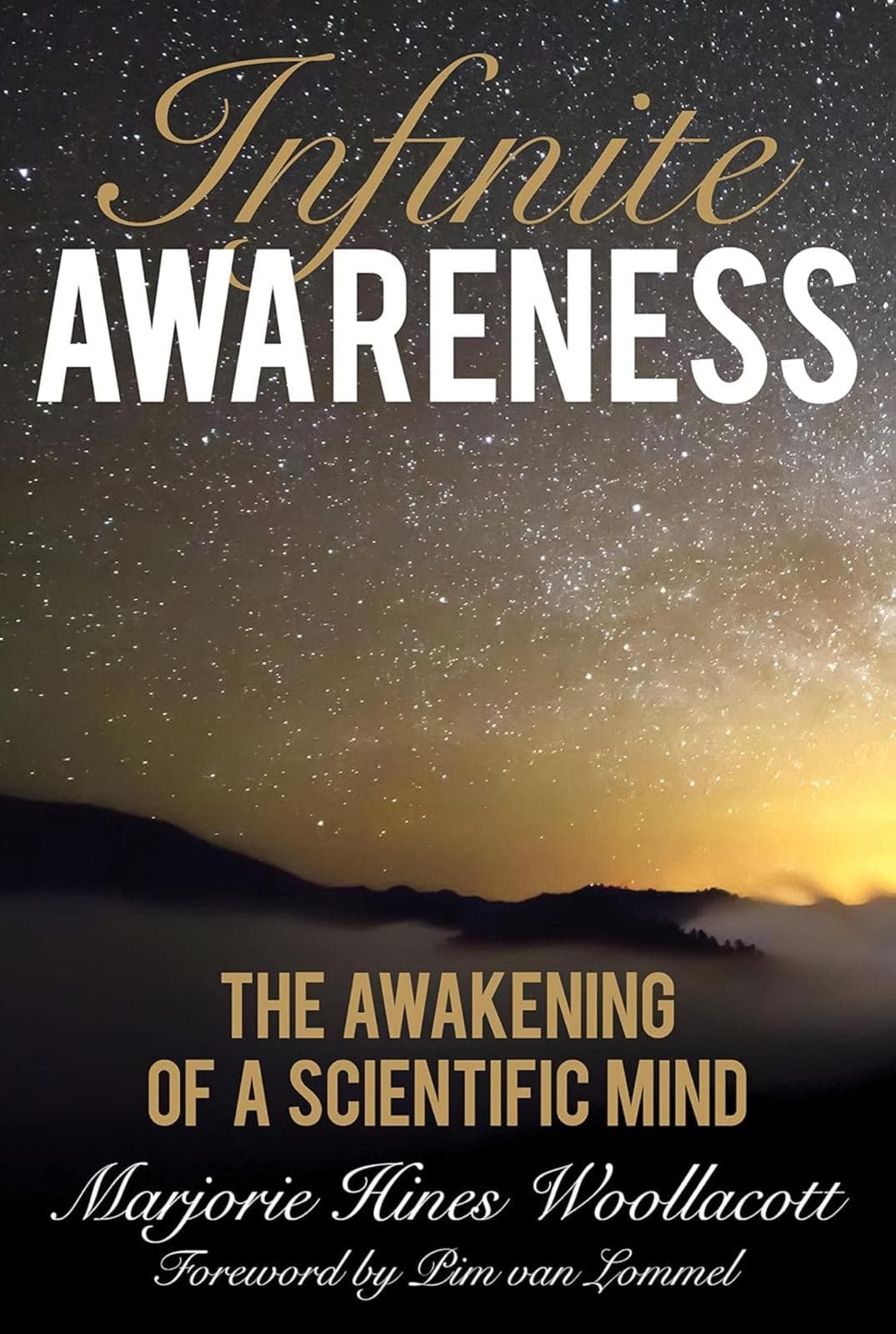
Episode 191 – Marjorie Woollacott – Infinite Awareness – Consciousness Beyond Biology
August 28, 2025
Independent conversations
Help make the next one possible.
Membership sustains ambitious, unhurried interviews and keeps the complete archive open to curious listeners everywhere.
Become a member