

The Human Experience · Episode
Episode 10 – Brian Foster – The Case for Reincarnation
A conversation with Brian Foster
In this episode we talked to Brian foster about spiritism and his book “The Case for Reincarnation” Spiritism is a spiritualistic doctrine codified in the 19th century by the French educator Allan Kardec, proposed to the study of “the nature, origin, and destiny of spirits, and their relation with the corporeal world”.
Stay with the full conversation.
Episode field notes
Show notes
In this episode we talked to Brian foster about spiritism and his book “The Case for Reincarnation”
 Spiritism is a spiritualistic doctrine codified in the 19th century by the French educator Allan Kardec, proposed to the study of “the nature, origin, and destiny of spirits, and their relation with the corporeal world”.
From his book “The Case for Reincarnation”:
“You have lived multiple lives. At times you have been rich, poor, a servant and a slave. Maybe even a King or a Queen, at the least a member of the minor nobility. Many famous people in the past have believed in reincarnation, such as Thomas Edison and Sir Arthur Conan Doyle. They both believed in the spirit world and made attempts to communicate with the world beyond. There is a realm, a universe greater than ours and it is filled with intelligences that we can only wonder at. There are spirits around the earth who are actively helping and guiding us in our planning and during our actual incarnations.
There are too many unexplained phenomena for there to be nothing after death. How do some people have past life memories? Why do children remember past lives and then lose the ability after a certain age? How can some people know the future? And more importantly, why do you have premonitions that come true? How could you know what could happen with such certainty?
Reincarnation is a tenet in many religions, such as Hinduism and Buddhism, and is frequently mentioned as parts of varied sects of Christianity and Judaism. It is the concept whereby we have a spirit, in which we retain our central personalities and memories, while in the spirit world, but lose our memories while in a physical form.”
Find Brian’s work @: http://nwspiritism.com/
Read the conversation
Transcript
hey guys so this was a very challenging episode for me the call quality was complete rubbish from echoes to pops and clicks and other mysterious noises luckily in a past incarnation far away I did have some experience in sound engineering and production so I was able to clean it up as much as I possibly could there was a part of the episode that wasn’t salvageable only about ten minutes or so it’s not too bad it did take me about
five hours to get it to this level so obviously this will never happen again and huge lesson learned for me personally can’t win them all please enjoy what’s left of this episode so yeah I’m starting I’m starting to get the idea of what this involves so spiritism is more of a doctrine or a way of living perceiving the world exactly it’s it’s it’s trying to and it’s knowing that you have to grow your spiritual side it’s knowing that you
can’t be too materialistic I mean you have to be enough to be successful in this world etc you have to love and care for other people it and know that you have to grow yourself and also help others as you can because that’s really what it takes because we are all of us here going our destiny is to be a pure high spirit which is you know you have to have love to everyone not just your immediate family but everyone and you
know everyone who is alive and that’s not easy I mean I’m not anywhere near that of course but I mean that’s where we need to be what every every ideology says this you know we’re ascending into this space or something that’s higher than this realm what what is awaiting us you know what is this thing sure so there’s this great further your listeners out there actually on YouTube there’s this great movie called no soul
are it’s in Portuguese but has subtitles and in a book psychographed by chico xavier Andre Louise was a doctor in the early 9th late 19th century early 20th century and he saw we got this whole book about his whole journey when he died yeah spent some time in the lower zone which is like on earth and then he he was helped to go to a heavenly are also called a celestial city called no soul are and this is one of the first levels of a heaven type now
the bad news is when you’re in heaven it’s not the Elysian Fields you’re not you’re not there doing nothing you actually you actually are still learning and working and helping other people and so even in the spirits book when back in eighteen fifties when I wrote the book they say well they ask spirits what’s heaven like well heaven is you keep working because really hell would be eternal leisure and doing nothing so you
always are learning and working and in fact one of the stories that of Geraldine Oh Geraldo said was he was talking to Chico and this is when she was still alive and his his mother who communicates Chico many times his mother he was talking to his mother as her spirit and his sister had just died awhile ago and his his sister was did not believe in spiritism she was about Catholic and hurt his mother said okay you know don’t worry gonna go a little
colony you’re gonna rest you know you don’t worry about anything just you know recover from your time on earth and then his sister said well but mom goes what happens to spiritus and she goes well for spirit just they put you to work right away so that was you know that’s what happens so when you ever to recomm eunuch ation with these slick spirits how do you get in direct communication if you do what is your process I have no direct
communication I have I have the spiritual aptitude of a fencepost so so I mean for me all this has been my own reading rationality in my own experience but my I’ve been in mediums meeting meetings and I follow there was just a lot of great YouTube videos by people in Brazil which is that really the center and the growing center of spiritism right now there’s actually five percent of the people in Brazil are Spiritist so that’s how I get the
information by looking at the videos and there’s also videos available in English from people come here and give lectures and so forth so if we could just rewind just a little bit and talk go back to reincarnation here so what are what are some of the main lessons that you see that people are need to learn or have to learn or can learn I think I think the main I think the main lesson is to is is the fact is that don’t not be so
materialistic I mean this and this is hard especially in this culture I mean this culture is all about materialism and that’s probably a bit of exaggeration but is it be less selfish less self-centered and try to help other people you know don’t gossip about people help them you know if someone needs you at work help them out you know try and understand what’s important what’s important about this life is is love and helping others it’s not about
amassing ya new car a new dress or whatever so do you find that there is an ascension so there’s a level of incarnation so a person could be a sort of like medium level incarnation then you get to a point where you’re in a final incarnation and then you ascent so what I’ve what I believe is that you reincarnate I’m centuries in the centuries and centuries and we are on a planet of of atonement which means the planet Earth right now is a place where
you go to learn to to how to improve yourself from your past wrongs the earth at some point in time will come become a planet regeneration and then you will still reincarnate but you’ll reincarnate and you’ll learn you’ll learn things more in a more calm sensitive situation here when we reincarnate in earth earth earth is you know life people said well this is a horrible place you know there’s bad things happen to you there’s
a lot of suffering and that is because that is what it should be it’s it’s a place to learn from your mistakes and if you’ve done bad things in the past bad things will happen to you so yes sir at one point in time we will stop reincarnating that will happen but that you know for anybody here on earth that’s a long time from now but there’s no big deal because we’re all immortal it will you know all come ok so you talk about I read your book
you talked about these various force centers and you go through like the Crown Center and I guess they would be chakras right yes yeah that’s really yeah the Hindus had it correct it’s really the chakras most of the centres it’s it’s how you’re you’re made up of three elements right its ear your physical body your pair of spirit which is a pair of spread you can look out like like a futuristic space suit which just kind of covers your body but it’s
transparent and then you’re all your experiences all your memories come through your perispirit and it’s connected to your spirit your spirit will retain everything you have you’ll have a memory of everything you’ve done in this life past lives wherever and then your para spirit is a task to all the different forest centers all the different chakras I think he brought up something interesting that I was I was gonna bring up later but I’ll just say
it now why don’t why don’t we remember our past lives I mean that seems like it would be a pretty big deal as far as learning goes I mean if I could remember all the mistakes that I made in my last life and I’ve yet what helps your own yeah let’s be it be less prone to to making it again so there’s a there’s a couple reasons for this and but first I’d like to say is that they do have some ties your previous lives and
there’s two things that you have you have your your conscience and your instincts so you’re within each of us is is it’s a set of divine laws we know in our in our conscience what’s right and wrong but do we listen to it but that’s why you should listen your conscience your conscience has a set of laws and it also has a set of previous experience of how you interpret these laws and your instinct to say you know you’re going to down a dark alley or
whatever that instinct has been own through multiple multiple lifetimes thousands of years now why don’t we have our art complete past memories there’s a couple of reasons on that one is is we can’t look at being here on earth as we’re trying to learn scientific things we’re trying to learn ok you know how we’re going to do differential equations how we’re going to you know you know learn a new computer program all that is
probably better learned in the spirit world where they’re very technically you know they’re more advanced than we are we are here really or learn to to meld our emotions Mellor change our attitude you know modify our beliefs and through that we we go through more emotional experiences and they don’t want our past they want us to go through these experiences so our past does not influence our are our ability to change
and transform because of the experiences we’re going here now the other thing is the spirit world wants people to reconcile so you may be born into a family that you did something bad to you you may have stolen money from that family you may have had a bad marriage for something else or you may have been a spurned lover then you may be born in the family as that person’s sister or the person you stole money from that
person’s son so then you can reconcile with that family and if people knew what they done to each other in the past that could be very difficult than to regain that love and trust that’s an interesting take on it hmm I’m still a little bit skeptical here I I just I just find the whole idea of the as you term at the serial incarnations the linear incarnations it’s a bit hard to follow just because I mean if if time is is time moves pretty slow man and if
I man if I am only existing in this one incarnation right now it’s it’s gonna take me a lot of Earth years to get to a point where I can ascend and get off the planet essentially and what what what’s in it for me for being so selfless not – yeah that’s a good question because I mean you can make the decision you know you don’t have to become selfless you could you know you can stay in this in this pattern of you know
reading carnie on the planet mattone for long as you want 4000 thousands of years and yes you’re your first comment is yes it’s going to take a long long time so what’s in it what’s in it for you is well first of all in when people you know the reports we’ve had like from Andre Louis Han on the celestial city when you when you ascend I mean you are surrounded by love and caring in you just you know you are lighter you’re less dense you you feel
better it’s like I try to tell people it’s like you know I have you ever worked in a place where you just love everybody you work with I mean and those in those in those experiences are so rare right there last maybe a couple years or whatever but you just love going to work you like the people you work with you wanted to hang out with them that’s really kind of what and you’re doing what you really love what you’re passionate about right that’s
that’s your reward so how do you explain dis incarnate it’s like the like ghosts and paranormal phenomenon people that that seem to be stuck on this sort of alternate dimension right I mean until first of all it means to say this the whole thing about talking about ghosts and spirits it is kind of amazing because you know you think back and you know here we are in this culture and we’ve all looked back at the you know
the more primitive cultures where they believe in ghosts and spirits like oh those people know nothing but now Here I am saying I’ve read all this and we were really you know the spirit world is all around us so it means that’s strange in itself but yes the spirit world is around us and there’s many people there’s there’s like there’s more than three levels but but roughly there’s there’s the the abyss which is like a purgatory or and it’s not really
hell because he’ll means permanent but it’s it’s for people who have been real criminals they go and they exist at that level and there’s other levels around the earth that where people exist with other people like them it’s it’s the law of affinity that’s really where you go is the law of affinity so what is the law of affinity you are going to associate with people like you so if you’re a if you’re a you know a pickpocket and
you’re a petty thief you will probably associate with other people like that and then if you know if you and so that those people do not ascend they’re not ready to ascend because they still they still you know are have emotions where they want to have vengeance on people they wanted to they want to take advantage of people so those people will be in the in the lower zone or the Umbro with a what they say in Portuguese where they’ll still be on
earth around the earth or a little bit below it learning the fact that this is not a great place to be and it’s not supposed to be a great place to be because at eventually they will come to the to the point in time where they will decide well you know what this isn’t how I want to be I don’t want to be mean to other people and then they will be helped by the spirit guides who they this this people from no soul are in the
celestial cities constantly are on earth trying to help other people not just physical people in Carnot’s but discarnates ass and and become better how do we know these aren’t like false light constructs or how do we know that this is they have a specific agenda and I don’t I mean ghost ghost to me just seemed like a tape loop like like an imprint that in time-space that’s kind of stuck there you know because of the frequency of experience that a person’s
having so intense like if a person is murdered or something in a house somewhere because of the intensity of that experience it’s sort of imprinted in that space do you know do you know what I mean Brian but I know exactly what you mean and you I read about this all the time in books by chico xavier under Louise a lot of these people are stuck on earth because they are stuck in this memory and time and it plays over and over again and if and especially
they’ll get in type where the Holy One is they’ll attach themselves to people too because they vengeance on that person because that person did something wrong to them and they’ll replay that vengeance on them over and over again so it’s exactly as you described as many spirits here that are into into this infinite loop where they have this one thought now there’s other spirits here that you know they’re they don’t believe in the afterlife they
think it’s when they die they die and then they stay when they die they stay asleep those people are help they’re brought into the colonies and help to be awakened so they because you are what your mind tells you are in the spirit world right you when you die you look the way you want to look you appear the way you want to appear so your thoughts have power who set this whole thing in motion is there like a god behind in
spiritism or is there a source what is this yeah it’s it’s all what they say in spiritism is is God created everything he created the set of divine laws and there is no such thing as a miracle that everything happens according to the laws of God and that the very very high spirits are the ones that communicate to God and bring down his orders and his messages to us interesting so how long how long is the the time I guess you
would say between choosing planning your life out choosing your new body out how long do you spend in that space of the afterlife so it varies varies widely there’s there I was just read about people who spent you know like ten thousand years in the lower zone and didn’t want to improve but usually it’s what I read it’s about 25 to 30 years sometimes as low as 17 years that you go from one life you spend time in the spirit world you will go to classes you
will learn what you need to do you’ll you’ll plan your next life out and then you’ll come back well Einstein eat your heart out theory of relativity exists in the lower spirit realms I mean wow man I mean if I spent 10,000 years in a lower spirit realm I I couldn’t even kill myself because I was already dead that’s right I’m just stop there’s that does seem like now actually that does seem like a yes but I mean there there are some notable
figures that were spiritus Carl Jung I think he talks can you go into synchronicity a little bit and your opinion on sure so Carl Jung he didn’t he wasn’t a Spiritist he’s believed in spiritism and he believed in synchronicity and one of the examples of that is when he was talking to a woman a patient who had this this you know she had this logic yes that was the scarab yes so when when when she said well what kind of bug would you happens because
all the you know Jill her scarab then all sudden this beetle that looked just like a scarab came in at the and at that precise moment and that’s what he called about synchronicity is that there aren’t coincidence as there’s you know there’s events that are planned and he even said this he said yeah there’s events that are planned in your life and the plan for your life is for you to become better spiritually and and that’s
exactly what the doctor and spiritual some also says is that when you find out your life you’re gonna plan out a series of events and you know those will happen so you mean like synchronicities that kind of guide where you’re you’re headed yes way or like guide markers kind of warning signs yes I mean those that mean who you married it could be one sign the children you have the job you lost the job you made I mean the fact that the
fact that the bank had worked for went broke I mean that must have been planned so then what what is the marker for deciding when a lesson is learned is there is there an energetic connection like if for example if I get married to a person that I’ve been married to before in previous lives and we’re supposed to learn a specific lesson do does that marriage kind of dissolve after that that lesson is learned do people exit and enter your lives through
your various lessons here’s like a finite number of lessons or something like that you know those are all good questions I don’t really know answer to that I believe that if let’s like marriage for a second is once you are you have a you know spiritual soul mate you can be with them many lives and but that doesn’t mean you’re there forever but I think that there there are lessons let’s say as an example a like I had kidney stones right and so
that uh suffering that I’m sure I I deserved for something now what did I learn from that you know I learned about suffering and so forth I I don’t know what I I was false learned I know it ended so that means that lesson ended at some point in time I know I you know I went I got married I had I had a first marriage that wasn’t very well I know when that ended I believe that that was a marker of going into my second marriage and I learned from what I did
wrong and what I did right on my first marriage so I do think there are things you can it but I think it’s really up to you to examine your own life and determine that I can tell you a you know a set of guideposts that would you know that are right in the middle of the road that tells you is there a is there a point where you’re in the afterlife and you decide oh well I just don’t want to reincarnate again you know I’m done
learning here let’s let’s move on have you ever noticed her encountered that yes I’ve seen that I’ve read about that where people make and Susan I I don’t want to reincarnate now for the lower people on earth they have no choice eight they don’t plan the ring carnations the higher spheres plan them for them but once you get to a celestial city you can make a decision not to reincarnate but what that means is you don’t progress because unless you learn
what you need to learn you won’t progress so you’ll say at that level or as long as you want they’re not going to force you to reincarnate what what happens to suicide deaths people who choose to commit suicide how how does that work so I mean that is you know I always thought you know I was like Roman history and always thought that suicide in many cases could be a very honorable thing right I didn’t see anything wrong
in it but with spiritual what I have learned is that you’re given this body you’re you’re assigned to this series of events and yet you’re trying to exit your college early so what happens is that when you are a suicide is that when you die you stay in the lower zones and tell the time of when you would have naturally died and when you were planned to die and there’s also a group called and there’s more people committing suicide
in you know of because Andrew Lewis the one who wrote the book no Salar and some other books he when he died he went to the lower zone and wandered around in miserable and people come up to him other spirits that call call him suicide was not a suicide when he went to no Salar and he recovered and they said oh you’re a suicide goes I’m not a suicide I I died on the operating table and go well you’re an unconscious suicide you
know you didn’t take care of yourself you drank he actually died of syphilis at that point in time you know you did a very unsafe thing so recall that an unconscious suicide so if you think of all the people using drugs smoking too much whatever there’s a lot of people dying that are labels unconscious suicide and unfortunately they will spend some time in the lower zone before they are helped to to get out of that so
something you got to almost want to ascend yes you have yes no you’re right no I mean yes you have to be you have to have that attitude where I want to learn to be you know care about everyone else care about people as much as I care about myself love other people and and want to serve I mean it’s all you know it’s just taken right from the New Testament where you know those who serve so what is the difficulty in this
process do you think for most people or souls would have you it seems like everyone’s getting stuck in the traps and in the game they’re not ascending I mean but it is difficult right I mean just think about you know all of us here and how difficult it is to really care about other people I mean you walk down the street you walk down the street and you see this bombing and you think it’s all bum and you know I hope he doesn’t
even look at me I mean and I I mean everyone’s like that right are you see are are you see someone who dresses funny fine I’m never like that I’m sure I’m trying to change my thoughts write his thoughts really have power and it’s like okay I’m all that poor guy you know he’s probably had a you know he’s going through a difficult lesson though I mean it’s it’s it’s difficult not being self-centered and selfish yeah you talk about thoughts as
mental telegrams in your book which is kind of interesting to me so so you’re saying that that what I’m thinking can project out I mean I I kind of already feel this way anyway but yeah for the sake of our listeners that my thoughts are projecting out and people pick up and receive these thoughts as well or Rica Munich ating on other levels yes I mean I believe that’s trooping we’re all like radio transmission towers or
thoughts go out we buy in one of the books domains of mediumship manuel was who was Chico’s spirit guide wrote a foreword to the book and we all have unique IDs it’s like we’re all I have IP addresses so that’s why our thoughts are you know other spirits know what we’re thinking and where we’re at at any given time because our thoughts go out we also receive thoughts there’s also the thing where they did a study I know if you saw
that in the book were when though they had random number generators throughout the throughout the world yeah we interviewed Roger Nelson yeah and that interesting we’re we’re you know all of a sudden things changed a little bit because of you know people were thinking the same thing right I mean definitely definitely intriguing stuff I just I kind of want to know more about reincarnation why why we have to reincarnate to learn the
lessons in the first place I mean I would rather I mean nothing against earth earth does seem kind of like I don’t know man I just it’s alright I’m I’m okay with you know being on a different planet or just being floating around in space somewhere I’m cool with that so I just you know the whole idea of reincarnation I end and then you know you’re the idea of only reincarnating linearly that hurts my feelings man I take that personally like I I can’t even
imagine that I just uh that that’s gonna take a while for me to kind of absorb yep and so this is why every being currently you think about first of all think about the power of a high spirit think of the power of Jesus when he was on the sermon of the mount fall so in the spirits book they what they say is that when Jesus talked to people in the spirit of the mount he actually put in mental images in their mind that’s why
so many people went to his sermons that’s why so many people stayed even though they were probably hungry tired and thirsty I mean think of the power this this high spirit had to change people to you know get people do anything he wanted to to heal people etc now think of someone like me or you or anyone else in the audience who would have that same power so I mean if you had that power and you saw some beautiful woman in the bar you
know would you take advantage of that say you love me or you know you would know what the stock market’s gonna do I mean think of the power so thinking about those things actually Jesus was a well renowned pickup artist as ever so you have to you have to look at us you know it’s like how a samurai sword was made you’re right we had 10,000 hits right in with the steel you had to take all the blemishes out so it would be hard steel right yet to be a
perfect diamond that’s what we go through and reincarnation every blemish every flaw we have is going to be fixed over time and and I’m sorry to say but it’s going to be a long long time but we are in mortal so at the end of it won’t be that long it will but it will be a long time for us to have all our blemishes and our flaws removed I want to get I want to get back to the to the Jesus kind of parables for a second our listeners can take a drink
now I wanted to you know so he’s it’s pretty even even other like religions say that you know Islam and some of the ascended masters in the Hindu culture they they revered Jesus and I say that he was an also known ascended master so what happened so like Jesus is he is he done like this he is he ascended do we have to become end up becoming a Jesus to get to the next stage what is the process is there all there’s a hierarchy
of this it seems yeah there is a hierarchy and Jesus is he is like the governor of our planet now there’s other planets with other people like Jesus and control of other planets in in in our solar system there’s a kind of our our area of the nebula there are people there are spirits who are in charge of that area the nebula there so your ascend you send to a point where you get to control your own planet and basically
is what your arm or our in it but then galaxy or a Silver Star galaxy but so I’m not sure that everyone is scented to that level because ah I’m thinking this is just me no one else thinks this but it’s a lot like a company where there’s different there’s different routes so essentially not everybody has to become president of a company you can become a very good technical guru right you can become you know the head of accounting
so I think there are different ways to ascend and to become a you know a very high level spirit than then becoming in charge of a planet and in that type of thing so you can kind of plan it the residents of a planet confer some kind of energy to an earth earthling if it’s that kind of reciprocity to the process if you can become a planet is there is there tyre to perhaps like worshipping certain planets or things like that no
not that I know of as far as worshipping different plans I think that you can you know long as you you know worship God more so you know the goodness in you I mean you know of course that’s another thing I want to make sure people know is that you don’t have to be religious to ascend I mean as long as you’re caring and loving and an honorable person you will you know you don’t have to be a member of any religion to to ascend so
you have like a Jesus character who is has dominion over the earth and he seems to be on Team Jehovah or team Yahweh or this this and this demi urge or whatever you want to call it this entity where do so there must be others as this were like a satan comes into play or are there other beings that have a soul and in this process has this word so there are there’s no such thing as satan per se there are spirits that have that have
stayed in the the abyss for for long periods of times but they will they each each area of hers has its own like little mini areas and little government so even the lower zone has some organization and it’s like it’s like we are here on earth is like the the prisoners are you know in charge of the prison so but there’s only Jesus Jesus has all the power so the the you know there’s no such thing that I know of us fallen angels that be that we’re saying
it’s more spirits that just stayed in the abyss and became became powerful within their own little spheres of influence within that area within the lower zone but even they eventually will get you know we’ll get to call and and understand that that’s not how they want to be and they will rise up and become better spirits it’s like a spiritual Australia yes yeah we are a spiritual Australia yes because we’re a plan of
atonement I mean we you know we’re not we’re not people that you really want to be with you know we’re not not civilized we’re all pretty immature spirits here and we’re all going through class and in there and I think you know I believe that Jesus looks at us like we’re kindergarteners and they think oh look at the they don’t know they’re you know the third you know watch them you know what’s you’ve got you’ve got a second book that
you’ve written here if we could talk about that a little bit explore your destiny and can you go into that and how what drove you to to write it so explore your destiny truly so I thought reincarnation was the you know the foundation of you know it’s more centered on you what you can do explore your destiny really goes through what is the spirit world about what’s the organization of it what are the different levels of the of the spirit
world what are the you know it’s the whole process I mean there’s I believe there’s a lot of answers in there of you know why we’re here what’s the future of the earth that people have been looking for their whole lives now you know it’s certainly free for people to be skeptical and not believe it but I think there’s a group of answers here of you know why is there so bad you know and how is it gonna get better and I
think it’s you know the answers are in spiritism because we are you know we will stop becoming a planet of atonement at some point in time and we will be a planet of regeneration which will be a better plan in a much nicer place to live on I mean don’t get me wrong Brian I I definitely have experienced events like this in my life where it it definitely feels like I’m experienced something that experiencing something that I’ve I’ve you know it’s a feeling
it’s an intuitive kind of feeling where I feel like I’m supposed to learn a lesson here and you know experience the specific thing and accompanying that will be synchronicities and and I and I will see like numbers and and things around me kind of line up so I mean there is there is something to this I just I don’t I don’t know there there’s something I there’s I just need a little bit more there’s another piece that of
knowledge that I’m looking for here and somehow I’m not finding it yeah well I understand it’s it’s it’s not easy and it’s each of us have to you know decide for ourselves and we should obviously have to skeptical the end and be rational about what we believe right so we’re we’re approaching the end here is there is there anything that you’d like to kind of any advice that you’d like to give people who are going to be
reincarnating eventually I mean I think one of the great things about reincarnation is that when you get older I mean is you know kind of our culture as well you got to leave off your dreams and not you know not you know fantasize about what you want to be when you grow up it’s that type of thing um all that is I encourage people to keep that think about what do you want to do in the spirit world what do you want to do in
your next life is it’s because it’s you know your life you are immortal you you will live forever you will outlive the Sun so don’t don’t give up what you want to be don’t give up that vision of the future and don’t give up improving yourself yeah I like that you know there’s a lot of people kind of talk about kind of what they want to know what their past lives were I kind of find it fascinating to figure out what your future lives are gonna be like
future life regression or something yeah so I mean I definitely think there there is something to be learned here there is this this movement of people who want to know more about you know what we’re doing here what our purpose is why we’re here how we got here we’re here is to begin with and and I agree I think I think I think being positive and and making the right choices and having a sense of you know nobility and being
honorable those are all positive qualities those are all good things dr. gg’s you want to add something in here it just went to ass but I like what specific experiences that have you had that pretty much confirmed that this was reality for you like what perhaps synchronicities or what kind of sealed the deal on it is there something that’s going on in your life personally or that you’ve been experiencing or you think
that you are going through as this spirit but what spirit are you yeah I mean I think I think that the main thing that’s cause of us was was you know my wife has early calling future events and then the fact that we went to went to real this summer we were part of the Sierra for a spiritual center that’s a spiritual center in in cat eight it’s a barrio of neighborhood of Rio de Janeiro and just being where I went to a mediums meeting
they talked to other spirits there which was interesting but I think one of the things that was amazing was we went to a spiritual healing center and in that in that healing center they you know the spirits go behind that the person that helps you and you know and I tell you my back’s been hurting for years and years my back’s better you know my my wife got got herself better now was that positive thinking I think a lot of it is and
because we do you know we are should be our own physicians but I keep seeing things you know time after time were we’re little things like like that make a difference and make me believe what what happens during a mediumship session that I mean I’ve never experienced that or seen that so I’m interested so we were at a mediums meeting and it was a median they invited us in and it’s a meeting for obsessed spirits and so we
were we weren’t on the table we were I was around the table and so what spirits would come through Ana’s and and talk through one of the mediums and and like this one lady was saying I Oh help me I’m I’m burning my you know my my skin hurts my wrist hurts you know they’re not my terrible husband did this to me and then the husband came and said well you know I shouldn’t have done this tour but and it was all about making the two
spirits forgive each other so because it just like you were talking about where people are in this infinite loop these people were in this loop it must because the way he was talking it was must have been bad probably the 1920s down Rio de Janeiro because he said you know women were more kind of we were owned them and so forth and if they’re trying to get these two spirits to forgive each other and the whole purpose of the meeting was to get
the spirits to talk to each other and to learn to let go of revenge and hatred no very very changing so so the you guys conduct these meetings so that you can heal spirits that are already in this dis incarnate type state it’s not exactly that’s what spirit doesn’t they they hold meetings that to help spirits that hold meetings you know like chico they’ll have meetings then like for people who have lost loved ones to get
messages from loved ones and everything and and all this is you know is you should never do this for profit you never do this for money it’s it’s a gift from god and you you do this to help other people you don’t find this activity dangerous at all I mean is there any chance of possession like well that’s what that’s a good question and that’s why you when you have these meetings and if you like in spiritus groups you should never ask people like
getting on their Ouija board and start doing this yourself what we what you should do is you have it at the same time like one let’s say you know Friday nights at 8 p.m. you have your spirituous meeting at that time because then the spirits the spirit guides will come and they’ll actually protect your area and they will regulate the spirits that are allowed into that room and they will actually be around that spirit and
have them you know help talk through a physical medium and they will protect you against any other spirits that come around so they’re kind of hold this space almost shamanic ly and that you know yep yeah they’ll hold the space to protect the space they actually have you know different methods to keep other spirits out so they can control it they will select the spirits that need help they’ll bring those spirits into the
room at that point in time and then you know they’ll be there to be given assistance have you ever seen anyone kind of lift off a table or anything spooky kind of like that no I did talk to this one guy who who is able to see spirits hmm and he he says that in spiritism they also afterwards they give after they have a talk they give passes I don’t know if you know what passes our butts that’s where the your universal fluid goes
through you who person given the passes to the person who’s receiving it and it helps you get your vital fluids help to get your balance and he’ll actually see the spirits go around and he says they move like automatons like robots really fast and in like perfect movements and those up move people around and so forth it was very interesting i I went recently I was up in New York City and visited some friends of mine and they
were you know they’re very they’re not religious these particular guys that I was hanging out with and they were messing around with a Ouija board that they were just you know brought out for fun and they told me a story that happened in the in the apartment that they ran that I could see it in their eyes like they did not want to play with whatever they manifested in that space there was some kind of like ancient Hebrew entity they looked up the word
that was spelled out and it was pretty horrifying they said and they just they never wanted to play with that again so yeah I mean I would cause you know cautious people not to do that that’s why you you you know you make it so you have it the same night in the spirit world you know the higher spirits will protect you and you know you do it for people’s good not for fun and games Wow intention the intention is super impaired yes it’s like yes so Brian is
there is there a place that people can find out more about spiritism your website yes yeah my website is NW spiritism dot-com and I’ve got links all a lot of other sites and actually free PDFs for spirits books and and so on and so forth so I certainly invite people to check it out I think it will I think it helps give you an attitude it helps you look at your life from 50,000 feet instead of at 0 feet level it helps to
look through your life like a I go through these good things and bad things but it will be over soon I’ll learn and it thanks you it makes you more calm what are you working on now what’s coming up for you what’s on right now I’m I’m working on a book or I’m taking stories of NDEs near death experiences and I’m interpreting by what spiritism says so that’s my next book cool man have to have you yeah yeah we’ll look forward to that one
all Bryan’s it’s been a pleasure having you on man thank you for for talking about spiritism it kind of you know got me interested a little bit hopefully the listeners will look up your work a little bit more other than that dr. G got anything else to say man no thanks again Brian really appreciate it well thank you I really appreciate it I’m sorry look I missed the first time and I apologize again oh no worries man alright guys this is Xavier this is the
human experience we’re getting out of here
Ideas worth returning to
Quotes
Five substantial excerpts from the published transcript, lightly edited for clarity without changing their meaning.
“In the spiritual model I follow, earthly life is less about acquiring technical information than about learning to regulate emotion, revise beliefs, and change attitudes. The spirit world is described as intellectually advanced, while incarnation supplies the friction through which moral and emotional development occurs. This is a faith framework, not a scientific finding.”
From the conversation“The tradition teaches that less-developed spirits do not choose every reincarnation, while more-developed ones may decline to return but then cease progressing. Reincarnation is therefore framed not as punishment but as curriculum. People are free to doubt that cosmology; its ethical purpose is to portray growth as continuing beyond one lifetime.”
From the conversation“My work maps a spirit world with different levels, purposes, and a proposed future for Earth. I believe that map answers questions people have asked throughout life. Skepticism remains entirely legitimate because the account depends on spiritual testimony rather than publicly repeatable evidence.”
From the conversation“If consciousness is immortal, the horizon of self-development becomes larger than one career or one lifetime. Within that belief, do not surrender the person you hope to become. The practical message survives even without accepting reincarnation: a long view can keep a temporary failure from becoming a final identity.”
From the conversation“At a spiritual center in a neighborhood of Rio de Janeiro, I attended mediumship meetings and a healing session. I interpreted what happened through belief in spirits and experienced it as meaningful. Personal relief or amazement can justify further inquiry, but it cannot by itself establish the mechanism behind the experience.”
From the conversation
About the guest
Brian Foster
In this episode we talked to Brian foster about spiritism and his book “The Case for Reincarnation”

Episode #186- Positively Angela – The 7 Hermetic Principles & Living a Better Life
December 20, 2022 · 1:26:56
Episode #185 – Brad Klausen & Chance Gardner – Esoteric Egypt, Pineal Gland Activation, Kundalini, and more
December 14, 2022 · 1:50:21
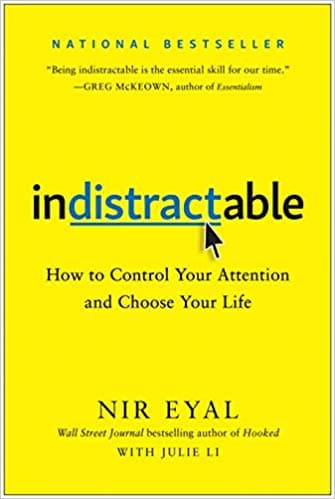
Ep#162 – Willpower, Focus, Attention, Optimizing Your Life & Becoming Indistractable w/ Nir Eyal
February 28, 2020 · 1:06:39

Episode 196: Waqas Ahmed — Polymathy, AI & the Future of Human Creativity
September 28, 2026 · 1:04:41

HXP SHORTS: #001 – Deconstructing Death: What Happens When We Die?
September 14, 2026 · 11:37
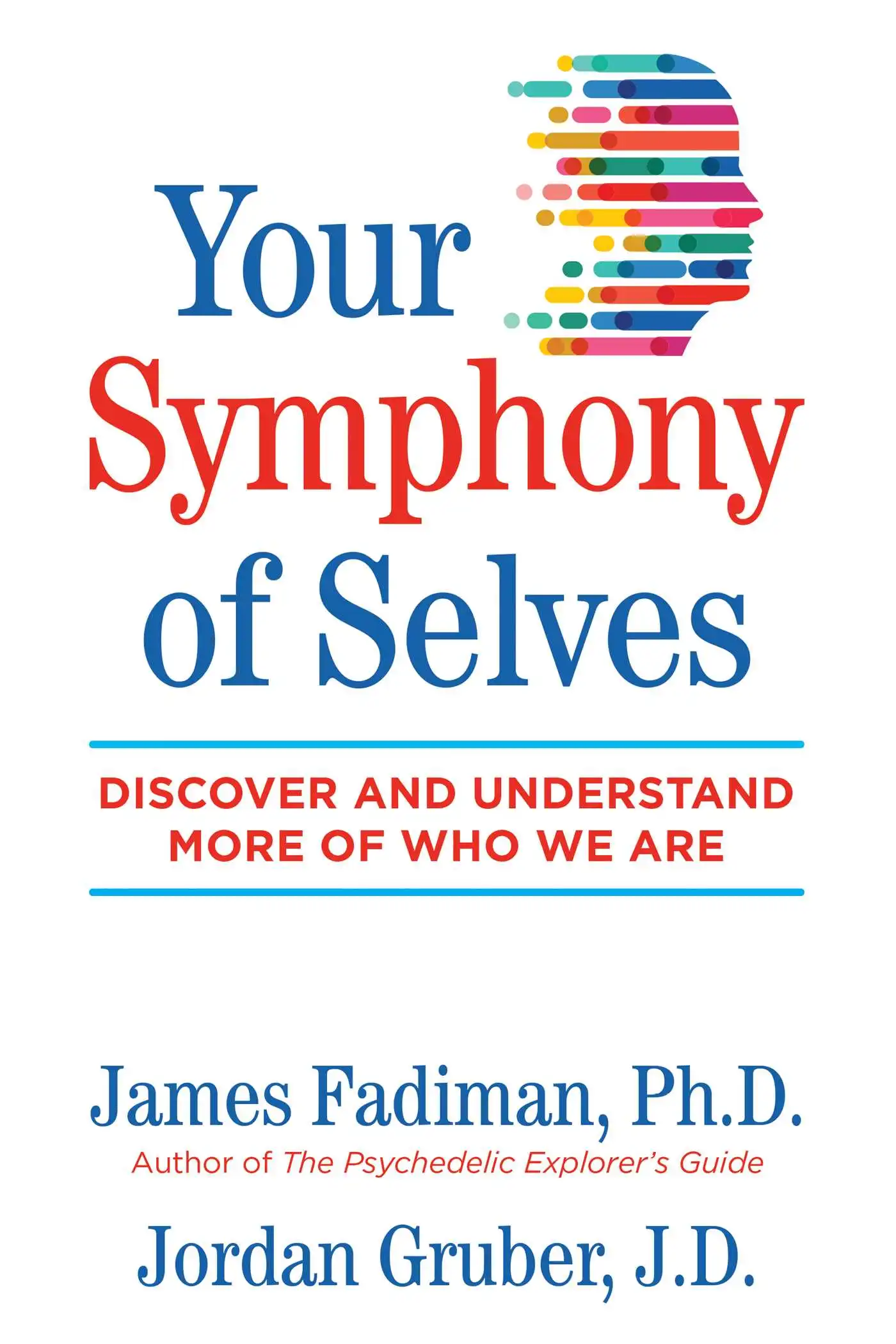
Episode 194 Dr. James Fadiman – You Are Not One Self: Microdosing, Multiplicity and the Mind
September 4, 2026 · 1:14:38
Independent conversations
Help make the next one possible.
Membership sustains ambitious, unhurried interviews and keeps the complete archive open to curious listeners everywhere.
Become a member