

The Human Experience · Episode
Episode 72 – Oliver Burkeman – The Antidote
A conversation with Oliver Burkeman
Oliver Burkeman is an award-winning feature writer for The Guardian and the author of The Antidote: Happiness for People Who Can’t Stand Positive Thinking, published by Faber & Faber in 2012.
Stay with the full conversation.
Episode field notes
Show notes
Oliver Burkeman is an award-winning feature writer for The Guardian and the author of The Antidote: Happiness for People Who Can’t Stand Positive Thinking, published by Faber & Faber in 2012. He lives in New York City.
Oliver joined The Guardian in 2000, working primarily on magazine features and as a columnist. His most widely read journalism is his weekly column on psychology, productivity and the science of happiness, entitled This Column Will Change Your Life. (A collection of these columns was published in the UK in 2011, entitled Help!: How To Become Slightly Happier and Get a Bit More Done.) His other reporting has taken him to the extreme north of Canada (to investigate the battle for natural resources under the Arctic Sea); to the slums outside Nairobi (to report on the real-world effects of celebrity anti-poverty campaigns); and to rural Sweden (to report on the rise and rise of the IKEA empire). He has interviewed a wide range of high-profile figures, including Bill Clinton, Al Gore, Jimmy Carter, David Cameron, Dolly Parton, 50 Cent, and Larry David.
Oliver has spoken extensively – on themes such as the problems with overfocusing on goals, the upsides of uncertainty in business, finding time for creative work, and ancient Stoicism as a philosophy for modern life – at events including: the 99U Conference at Lincoln Center in New York; the Edinburgh International Book Festival; the World Knowledge Forum in Seoul, South Korea; the creativity conference Adobe MAX in Los Angeles; and The Guardian ’s Masterclass series and at the School Of Life in London. His radio appearances have included NPR’s All Things Considered, BBC Radio 4’s Today program, and WNYC’s The Leonard Lopate Show, and he is working on two BBC radio programs on psychology to be broadcast in 2016.
Oliver has written for The New York Times, The Wall Street Journal, The New Republic, New Philosopher, Salon, Slate, Newsweek/The Daily Beast, and Esquire. He writes a monthly column in Psychologies magazine, published in the UK.
Oliver holds an MA in Social and Political Sciences from Cambridge University. He grew up in York, in the north of England, where it rains a lot.
The Antidote: Happiness for People Who Can’t Stand Positive Thinking , his latest book, is an exploration of the upsides of uncertainty, pessimism, failure and insecurity – part philosophical investigation, part first-person travelogue. (The research included a grueling silent meditation retreat, and a trip to one of Mexico City’s most dangerous neighborhoods.) The Antidote introduces a disparate group of people – psychologists, terrorism experts, spiritual teachers, and business consultants – who share a single, surprising way of thinking about life. They argue that ‘positive thinking’, relentless optimism, and a fixation on ambitious goal-setting often aren’t the solution, but part of the problem – and that there is an alternative, ‘negative path’ to happiness and success that involves embracing the very things we spend our lives trying to avoid. The Antidote was an Amazon Editors’ Pick for Best Books of November 2012, and extracts or related op-eds have featured in The New York Times, The Wall Street Journal, Salon and Slate. In a starred review, Kirkus Reviews called it “a fascinating, wide-ranging exploration of negativity, positivity, failure, success and what it means to be happy,” with “the potential to effect genuine, lasting changes.”The Los Angeles Times described it as “deeply insightful and entertaining.”
The Antidote: Happiness for People Who Can’t Stand Positive Thinking:
Success through failure, calm through embracing anxiety―a totally original approach to self-help
Self-help books don’t seem to work. Few of the many advantages of modern life seem capable of lifting our collective mood. Wealth―even if you can get it―doesn’t necessarily lead to happiness. Romance, family life, and work often bring as much stress as joy. We can’t even agree on what “happiness” means. So are we engaged in a futile pursuit? Or are we just going about it the wrong way?
Looking both east and west, in bulletins from the past and from far afield, Oliver Burkeman introduces us to an unusual group of people who share a single, surprising way of thinking about life. Whether experimental psychologists, terrorism experts, Buddhists, hardheaded business consultants, Greek philosophers, or modern-day gurus, they argue that in our personal lives, and in society at large, it’s our constant effort to be happy that is making us miserable. And that there is an alternative path to happiness and success that involves embracing failure, pessimism, insecurity, and uncertainty―the very things we spend our lives trying to avoid. Thought-provoking, counterintuitive, and ultimately uplifting,The Antidote is the intelligent person’s guide to understanding the much-misunderstood idea of happiness.

click to purchase
In this episode we spoke to Oliver Burkeman in which we covered the self help industry, guru worship, social media mis-haps and much much more – this is a hilariously fun packed episode.
This conversation will challenge your ideas regarding positive thinking.
Find Oliver and his work Visit oliverburkeman.com.
Find Oliver’s work at The Guardian Visit theguardian.com
on Twitter:@oliverburkeman
We rely on listener support to keep this show AD FREE – If you value even one of our shows, help us sustain and scale the show up; Become a member for 5$/mo (a cup of coffee) or Donate.
Read the complete recording
Transcript
Existing transcript, with its original wording and timestamps. Automated transcripts may contain errors.
Find the moment
Search this conversation
Search 559 passages and 8,842 spoken words.
Welcome to the Human Experience Podcast. The only podcast designed to fuse your left and right brain hemispheres and feed it the most entertaining and mentally engaging topics on the planet.
As we approach our ascent, please make sure your frontal, temporal and occipital lobes are in their full upright position.
As you take your seat of consciousness, relax your senses and allow us to take you on a journey.
We are the intimate strangers. Thank you for listening.
What's up, guys? Xavier Katana here with our latest episode with Mr. Oliver Berkman.
His book is called The Antidote, Happiness for Those Who Can't Stand Positive Thinking.
Yeah, this is much different than our usual. I really just had this desire to cover the other
side of the coin with this one. In this episode, we dig into the self-help culture. We explore some
of the guru worship that happens within that industry. We also dove into some of the absurdly
hilarious things people do on social media. So I think you guys will find this episode hugely
comical. It was massively cathartic for me to do. I feel like our world has become so
technologically driven that we've lost touch of some of the things that connect us as real
human beings. Oliver has a tremendous amount of experience interviewing some very, very big names
such as Jerry Seinfeld and 50 Cent, among others. Please pick up a copy of his book,
The Antidote. You can find us on Twitter, YouTube, Facebook, all at TheHumanXP. We survive on your
support. So if you value what we're doing here, get to TheHumanXP.com slash donate,
buy us a cup of coffee or dinner for all the work that we pour into this show. So much respect to
anyone who does that for us. As usual, and without much further ado, this is Mr. Oliver Berkman,
The Antidote. Thank you guys so much for listening.
The human experience is unlocking the keys to happiness. My name is Xavier Katana. My guest
today is Mr. Oliver Berkman. His book is called The Antidote, Happiness for People Who Can't
Stand Positive Thinking. Oliver, my good sir, welcome to HXP. Thank you very much for the
find your book title hilarious in the best way possible. Are you just the most cynical person
on the planet to write this book? Or what happened here?
I hope not. I mean, I guess that's for others to judge. But I'm coming at this from the perspective
that there's kind of something very, very wrong with the culture of positive thinking, the idea
that you can sort of just forcibly think your way to happiness and success
and that setting ambitious goals and relentlessly driving after them
is always the right way forward, etc.
But I'm also rejecting something that I associate much more with my native Britain,
which is a kind of resignation that says, you know, you can't have those things.
There's no route to happiness, no route to success.
I want to say that it's a different one
and that if you're the kind of person who's prone to a certain amount of pessimism or, let's say, skepticism rather than cynicism,
that might actually be really useful and great.
And you don't need to transform yourself into a person who is grinning in a slightly scary manic fashion all day long.
But it's not cynicism.
I mean, I think I've tried in a lot of the writing I've done on this psychology and things like that in general to steer that course,
You know, to be totally open about mocking all the stuff that I think is useless, but not to pretend that there isn't some really great value there as well.
Yeah. Yeah. You know, I was so excited just to get into your book that I skipped over.
This is your second book that you've written.
Yeah. The first is a collection of columns. So that was kind of easy to write because I'd already written them.
You work for The Guardian. You write for The Guardian on a regular basis.
That's right. I have a weekly column on these related areas, you know, psychology, productivity, science of happiness, this kind of thing.
I have this right. Just looking at my notes, you did your master's in social and political sciences over at Cambridge.
That's right. Yes.
So, OK, so getting back to the book, I mean, just establishing your credentials there.
I understand the need for a book like this.
I mean, I understand that the current trend in our society culture is moving towards this sort of be happy all the time.
Happiness is this sort of goal.
Mindfulness, there's just this whole, it's almost trendy.
You know, even for myself, there's a lot of, I guess I can be immensely cynical at times.
So in the book, you talk about just trying too hard to be happy.
I mean, what does that mean?
Well, I guess it's useful to give a sort of a working definition of positive thinking here, maybe.
Because, you know, on the one hand, not every single happiness guru gets condemned by me as a positive thinker.
On the other hand, a lot of people who think that they would never fall for the pseudoscience or whatever,
they may also, as I was, I think, be guilty of a certain kind of positive thinking.
What I mean is not optimism.
I don't mean there's something wrong if you get out of bed in the morning feeling great.
That's wonderful. Keep doing it.
But this idea that we can successfully just use our conscious will to control our emotions, our thoughts, and outcomes in the external world, that you can sort of, in a very simple way, achieve dominance and mastery over your human psychology and get rid of all the stuff that you don't want and just create all the outcomes that you do want.
And what I try to do at the beginning of the book, I do spend some time just like mocking terrible positive thinking.
I confess it.
But I then try to be more constructive in the rest of the book and explore this idea that I call the negative path to happiness,
which is a whole family of different approaches, including some stuff from Buddhism and meditation, including Stoicism, which is all very popular these days.
Again, that was that was the next thing that I was going to get into.
I mean, are you do you consider yourself a Stoic or do you practice that or?
these approaches they're all very different but what unites them all is this idea that we could
usefully learn to get more friendly towards and tolerant of the negative emotions in us you know
the thinking in us that is is not always exactly as we'd want it the idea that if you you know
meet with opposition to your goals and end up in a different place than you'd planned that might
not be a bad thing so just this general attitude that says let's just be more open to everything
rises instead of this actually really stressful and not very happy way of being which is constantly
trying to eliminate the negative it's a very exhausting way to feel that you have to keep
replenishing your reserves of relentless good cheer and much more i think open and actually
practical for for getting things done to have a more resilient capacious attitude so stoicism i
mean i i don't think i can claim to call myself a stoic all the way through because there is a lot
philosophy that I don't practice that I some bits that I kind of disagree with but the bit
that I took from it that was so powerful and really sums up I guess some of what I'm trying
to say is this idea of negative visualization or the premeditation of evils to give it its cool
title which is this idea that a lot of the time instead of trying to persuade yourself that
everything's just going to go fantastically or persuade other people you know um there's real
merit in uh in soberly thinking through actually how badly things could go what the worst case
scenario could be in any given circumstance and and really going forward into the risky future
absolutely open to the idea that it might all go disastrously wrong but with a real sense of
actually, you know, the ground floor to that, how far things really could go wrong. Because what you
find, obviously, in almost all cases, is that this, we sort of go through life panicking and fearing
things that have an almost zero, and in some cases, zero chance of actually happening.
Right, okay. So, I mean, I think the few fascinating things that I find about, you know,
what you're doing in this book and your, and your work is that, you know, you're looking at,
you, you spend a lot of time looking at the science of, of quote happiness, and you're
looking at the psychology of it and, and productivity. And, but also you, you spend
some time to kind of question, uh, the, the tenants of, of the people in the self-help industry.
and kind of the way that people tend to worship these people that are in that industry.
Yeah, sure.
And I think it divides into two.
There are kind of charlatans.
There are people who I want to criticize fairly openly and say that on some level,
I'm not accusing them of criminal offenses, but on some level it is a con.
of strange built-in dynamic to a lot of self-help such that if it really did
its job, they would put themselves out of business.
Exactly.
Which is actually true of quite a few different industries.
But the special thing about self-help then is that when it doesn't work, especially with positive thinking, the ideology tells you that you're not thinking positively enough.
Your problem is you're not doing it enough.
So you go back and get more replenishment from the same people, the same seminars, the same books.
And I think the parallel I make somewhere is, you know, if you bought a TV from a specific manufacturer and it broke and you did it again and it broke again, like you'd stop buying TVs from that manufacturer.
Whereas there's a tendency within the way the logic of positive thinking to keep of going back to the same methods and the same gurus convinced that it's you and that if you can only think a bit more positively, you know, all this this promise will be will be granted to you.
And then I think there's a lot more in the world of positive thinking and a bit more broadly positive psychology that is not dishonest or ill-meant.
It's just that it doesn't allow enough of the side of the coin, the emotional coin that is negativity and feeling sad and feeling inadequate and feeling insecure.
And actually, you know, learning to get friendly with those feelings is a kind of a superpower, I think.
Definitely.
I relate to this a lot and I kind of want to bounce back to the way that you view these people that, and you called it a con.
I agree with you.
There is a sense of if they were doing their jobs, if they were actually coming through, you would no longer need them, right?
Yeah, right.
So you nailed it by saying that and I need you to dig deeper into this.
I mean, why this phenomenon? Why do we, why as human beings, why do we feel like we need to
give our power, surrender our power into a person who may or may not be able to hand us something
that we can't kind of garner ourselves? It's a really good way of way of putting it. I think
that we all of us, to some degree, feel inadequate or not up to the task, or we secretly think we're
the only person who's winging it and we don't realize that as I often try to say in my writing
you know that basically everybody is winging it all the time and in that situation you can go in
one of several different ways and one of those ways is to sort of yeah as you say hand over all
your power to someone who seems very persuasively to not have any of those issues so that you you
know so that you don't need to feel those negative feelings anymore and it's you know and not to
exaggerate but it's a it's a minor version of why people join certain kinds of cult and uh
certain kinds of terrifyingly extreme political organization it's like it makes things simple
and somebody else is taking responsibility for everything you do and that is one uh way of
dealing with uh emotions that you that you don't want to confront i think basically everything that
goes wrong in life is because we're thinking and feeling things that we don't want to acknowledge
And if you can just gently, to a certain degree, learn to acknowledge them instead, I think you become, you're just twice as powerful and in a much better situation.
So I do think that, I mean, I went to one of these particularly ridiculous motivational seminars where one of the people, this is not something I mentioned so much in the book, this particular speaker, because I was focusing on others.
But like, you know, there's somebody there who goes around these things selling software that enables you to completely beat the stock market, to get all these advantages that apparently top secret, you know, the star investors have and that will enable you to get these kind of like insane returns automatically from his software that costs several thousand dollars to subscribe to.
this is an old point many people have made it but like he would not be there selling it for two or
three thousand dollars if it did what it said you know if he could if he could sit back and become a
multi uh millionaire uh using that method he would not feel the need to be on the road uh 300 days a
year trying to sell software to other people precisely yeah you're ringing there's so many
bells that are ringing for me right now just through all this because when i look at the the
there is a sense of it's very amorphous, you know, it's very transitory and it's very just far away.
And then when you grasp it, when you start to grasp it, just as you said, you need to, you continually have to go back for more.
You know, whether it's like a Facebook feed that the person runs and, oh, okay, well, you know, I just read this amazing article.
it you apply it for a couple days and then you you have to go back and read another article or
whatever it may be right and i mean it just it's such an interesting phenomenon that was it was
just snake oil you know you were just called a snake oil salesman yeah i'm gonna say i think
there's really important little distinction that's worth making as well though which is that you know
to some extent all of us who are in the writing and speaking and podcasting business like we'd
like people to keep coming back for our stuff. That's just the way of the world.
I think there is also something very specific about kind of mood boosting, right? There's this
idea of getting motivated is a kind of really complicated and thorny one when you get into it
because we tend to think that if we want to achieve amazing things, what we really need to do is kind
of psych ourselves up and get motivated and really then just like, you know, go out and kick ass.
always try to argue and I say at one point in the book I think you know if you want to do something
risky scary amazing then like that's a challenge because you need to take the actions associated
with it but if you tell yourself you've got to feel like doing it first that's actually you know
that's not helping that's adding a new uh hurdle because we most of us have the ability to control
our physical movements we can sit down open the laptop start typing email the person whatever it
may be. But the desire to make yourself feel like everything's fantastic is actually much harder
because our brains and our emotional lives are such complicated things. And so for me, both in
the message in the book, but also something that helped me write the book and has helped me a lot
ever since is just this insight that, you know, you don't need to feel like doing something in
order to do it. You can be okay with your grumpy, grouchy inner dialogue and the fact that you don't
want to be doing something and you don't need to try and squelch that and go to war with it
you can just feel it and by the way at the same time take some actions that that move you towards
your your objectives so in a way i think you can see the whole motivational culture as this thing
like yeah it's this kind of quest for a short-lived little shot in the arm and yeah a couple of days
later you need another one maybe just don't get hooked to that at all and let the the motivated
feeling and the unmotivated feeling come and go like the weather and and meanwhile take some
action i mean it's easier said than done but i think it's much more effective than uh than the
alternative i have this sort of philosophy i guess and and it what i call it is the message versus the
messenger theory so the way that i look at it is let's let's just steve jobs he his message was
profound to change the world. But as him as a messenger, I mean, I didn't know the guy,
but the stories about him and surrounding him is that he was kind of a dick. And what I've noticed
is that there are people who like to talk a lot and they like to really hear themselves speak.
and when they're giving these speeches, it's very adrenaline-fueled.
It's almost like a church gathering where they're doing these special spells,
except it's a motivational course, and it pumps you up and it gets you driven,
and all these neurochemicals are firing off in your brain, but eventually it just fades.
Getting back into your book here, you talk about insecurity being this sort of power source.
Insecurity can be a way to look at things differently.
Let's get into that.
Yeah, sure.
I mean, I was really inspired and affected in my life by reading a very thin book by Alan Watts,
the great 60s, 70s sort of counterculture philosopher guy called The Wisdom of Insecurity.
in which he, it's very sort of abstract and philosophical, but really packs a punch.
And it's this basic idea that we all feel totally insecure these days.
It's kind of a joke because he's writing in 1951, but it totally applies today even more so.
On every level, people feel economically insecure, the world feels sort of geopolitically insecure, the climate.
No matter the level you choose, we spend a lot of our lives feeling insecure.
he makes the argument that a big part of the cause of that, and maybe the whole cause of it,
ironically, is our attempts to feel secure, and that it's only by constantly struggling for this
feeling of safety that we sort of expose ourselves to this constant awareness of how we're not
completely safe. There's a quote that goes around on the internet, attributed, I think,
to Helen Keller about how security is mainly an illusion. You know, if
you really want to get kind of existential and depressing about it, like anything could happen for real tomorrow.
Very, very bad things could.
And, you know, depending on your religious beliefs, probably they're definitely going to happen eventually.
If you just give your life long enough, it's going to stop.
So there's kind of an argument for doing what you possibly can to open to that kind of flux.
and to say that building these walls to try to feel safe inside is, A, not very successful usually,
and B, just creates a greater sense of being exposed to the slings and arrows of the world.
I don't mean you shouldn't have an emergency fund of savings.
You should take precautions, sure, but this idea in life that feeling safe is what you're shooting for.
leads a lot of people astray and actually leads them to feel more and more unsafe because
same dynamic as with other aspects of sort of positivity or whatever is you're
you're constantly made aware of all the ways in which you're still not yet
completely completely safe if that makes sense so that's why I think sort of
learning to embrace insecurity a bit is is is so powerful because you're going to feel it
anyway and you might as well not feel it in the really extreme way that comes from
spending your life trying to feel safe does that make any sense yeah no of course yeah it it does
really to me it does and i really honestly don't know how my listeners are going to react to this
conversation but i was i was speaking to a friend of mine last night and i mentioned that that you
were going to be on the show and they just they just they were crying laughing just because
you know, they, I, I can be extremely cynical at times, even though, you know, I'm doing this show
that is meant to really help people. And we, we explore the depths of being human, which is why
another, another reason I just wanted to look at the other side of the coin. For me, it just,
it comes down to really exploring all angles. Why not, why not bring you on the show and kind of
deconstruct in a way where, you know, you're not, you're not selling some seminar that you're not
offering some coaching course that, you know, that you're going to be running soon?
Yeah, no, yes, I, I got to get on that. I think that, you know, it's, it's, it's two different
things again, right? It's the, it's, I keep saying that, but you know, it's like, it's,
there are people you should ignore because it's pseudoscience and it doesn't work. But then
there's also a kind of just like a, a widened lens, you know, it's not a, it's, it's not that
everything you previously thought was completely wrong. It's that there's this other side
to the yin and yang. And in fact, by the end of writing this book, I started off
talking about happiness, and the subtitle has the word happiness in it. By the end,
I began to wonder, and I write about this, whether it really makes any sense to think about happiness
as the goal that we're aiming for here,
as opposed to meaning and meaningfulness.
And I think that when you reframe it as meaningfulness,
you can begin to see that this is a meaningful life
is surely one that has the highs and the lows,
that is sort of present for the whole crazy catastrophe
of being a human life on the planet,
sort of careful and closed thing where like I'm gonna get it exactly right and
I'm gonna be a success every step of the way it's like no it's messy and it's so
much better for being messy there's a there's a self-help writer Susan Jeffers
she died a couple of years ago who wrote the book called feel the fear and do it
anyway which sounds a bit like the kind of title I might make jokes about but
a good piece of wisdom, I think, feel the fear and do it anyway, rather than eliminate your fear,
kill your fear and be fearless. And she wrote another book about uncertainty. And she made
this point in it that, you know, if somebody could hand you a list of everything that was
going to happen to you in the rest of your life from tomorrow to the end of your life,
like you, you, most people, I think when they really thought about it, wouldn't want to receive
that list. And the real kicker is you wouldn't even want to receive it if every single item on
because the moment you knew for certain what was going to be happening every day of your life
to the end of your life it will be a little bit like you know death basically it will be like
your life was over the juice was gone and so I feel like being really open to what might happen
and to the fact that that's going to be a roller coaster and that there's going to be like real
lows as well as real highs it just feels much more much more like a life on your deathbed you
with real sort of pride and joy?
I mean, I think essentially we're all just at the base of everything.
We are all just human beings.
And we're going to have bad days.
We're going to feel like crap.
You know, it's going to be hard.
And not everything is going to be rosy, peachy, and beautiful.
And, you know, I do meditate.
I practice meditation.
I meditate every day.
help sometimes, but, you know, I, I tend to cycle through, you know, varying emotional states and
at least I'm aware of them. You know, I'm aware of, I'm, I'm aware that I, I get super depressed
occasionally and I'm aware of my highs and my lows, you know, and I'm not, and I'm not,
and I'm not trying to fight either of them. I, I'm okay with them. And it just feels like,
you know the the culture that we've we are seeing grow more and more kind of trendy and popular is
do yoga meditate have mindfulness attend my seminar and i will show you how to take control
of your life you will have control of your life again right and i think that you know yeah and i
think that control thing i mean this is a lesson i've had to learn and i'm still learning in life
if I don't want to pretend I'm some perfect paragon.
But, like, I am not at all sure that control and dominance is a helpful way of thinking at all.
I'm increasingly drawn to things like the, you know, Joseph Campbell, the great scholar of mythology,
who said that, I'll gobble the quote, but it's something like, you know,
You have to put aside or let go of the life you had planned in order to live the life that is waiting for you.
There's something about control that keeps us very small.
Because obviously, if you're going to plan and control and execute a perfect life from where you're standing now, that is limited to your perspective now.
You can't know what the possibilities are beyond your current perspective.
And that sort of idea of getting out of your own way, or as someone else I know puts it, you know, think of yourself as the super in an apartment building, not the owner of the apartment building.
Like, think of yourself as the person whose job it is to, like, keep the thing running and be open and let things happen and then just, like, see where it goes and be able to respond in the best ways to where it goes.
I think there's an awful lot in that.
Something else that springs to mind, tell me if I'm going on too much.
No, no, please, go on.
There's a psychoanalyst, a Jungian psychoanalyst in the tradition of Carl Jung called James Hollis, who I've really since writing the book that I've discovered his stuff.
So he's not in there.
But he says somewhere that the question we should be asking about life choices, choices in, you know, work, romance, whatever, is not, is this choice going to make me happier or less happy?
Because that is a very tricky thing for all the reasons we've been discussing.
You know, we don't even know.
But instead, to ask the question, will this choice, this path in life make me larger or smaller?
Will it enlarge me or diminish me?
I find this incredibly powerful because if you say to yourself, okay, I'm going to go for growth, I'm going to go for enlargement, and I'm going to go for getting bigger rather than getting smaller, there are all sorts of choices that might just be really scary.
They might not sound like they're going to make you happier necessarily, but they are going to be sort of like stepping into life in a way that is much more, you know, I don't know, just feels like more like worth doing than than this very sort of careful pinched path of like, I'm going to try really hard always to be feeling happy.
so yeah i mean there was a there was an article that you wrote called facebook and twitter the
art of unfriending or unfollowing people oh yeah and you kind of break it's just such an outstanding
article you kind of break down how unfriending someone on facebook is like a sort of snub
and do you even give a sort of example can you explain this to us because i i am going to butcher
Well, I mean, I think the main point I was trying to get at there is, and this was one that I think Ambrose Bierce had made like centuries ago, was that like we don't have an acceptable social mechanism in society for like being deintroduced from people.
And he was suggesting, you know, hundreds of years ago or hundreds of years ago
that there should be a way of formally deciding no longer to be an acquaintance with someone.
Otherwise, you just collect an infinite number of people, and they might not all be right for you.
And obviously, that's a thousand times more of an issue in the world of social media, because we can sort of develop these thousands of supposed friends.
and I think just generally
actually in the world
not even just friendship, we're kind of bad
at endings, we're bad at
saying
actually it's right for this thing to
come to an end now and that could be anything
from the big stuff
like a relationship
and now I read
according to the newspapers that
write about millennials
I can't count
ever to have been one myself but
is um you know just just vanishing from relationships is apparently uh uh as more
and more ghosting yeah right we don't have good rituals for ending things could be as big as a
relationship could be as small as just like when is it okay to stop reading a book that you started
reading and you decided actually you know what i'm going to abandon this and i think defriending
gets in there somewhere but you know it's difficult stuff i i i'm aware that there are
some people on Twitter who have some system set up, some app or something, so that they
are told when people unfollow them.
And I'm just like, why would you love to do that?
It's like a daily reminder.
I mean, I'm aware, keeping half an eye on my follower count, that it climbs on average,
but it definitely climbs and falls.
There's certainly people deciding they're sick of me on a regular basis.
I find this absolutely hilarious, man. I just, it seems like an exchange, like a currency. So
even recently, I started to do this experiment where, you know, on my Facebook account, I just
stopped liking other people's stuff. And not that I didn't like it or that I did, I just didn't care
enough to click like anymore. I just didn't feel like doing it. And so I just, I simply wanted to
measure what the effect would be on my my friend count and also whether people liked what I posted
or not and it was it was I mean it was completely unsurprising it was the suddenly I'm losing
friends and no one is liking any of my posts so it's almost like it's almost like this it's a
currency it doesn't doesn't matter what the content of what you're posting is it's just simply
oh okay you know this person liked my thing so i'm gonna go out of my way and make sure that i
you know i pay them back in this electronic you know way and just and make sure that i like their
stuff as well yeah i think likes are a really fascinating phenomenon right because you know
firstly there's this whole problem of how do you show support to somebody who's saying something
sad or negative like you don't want to like a post where somebody tells you that they lost a loved
one because it's like not a good thing but um but you might want to sort of show support and there's
this constant debate is facebook going to introduce ways of uh ways of doing this so that first of all
creates a kind of positivity bias in what people post i think um and then secondly yeah it's just
sort of transactional uh and then facebook's algorithm responds in really weird ways so like
if a friend of mine has a baby and posts the pictures on facebook of course i'm going to like
those photos because I want to say, you know, I'm really pleased for you. I'm thinking of you.
And that's all great. But then Facebook then decides that all I want to see in my Facebook
feed is pictures of people's babies, which might not have been the case. So, you know, there's,
it's a, it's obviously, it's a metric that's being used for commercial purposes. And in that sense,
I mean, I'm not anti-social media at all. I'm pretty much addicted to Twitter, but, um, but it,
But there is a sort of an erosion of the meaning of friendship, I think.
Added on, you get this phenomenon of how Facebook feeds are like the highlight reels of people's lives.
So if you judge yourself subconsciously by them, you'll end up concluding that your life is much worse.
Because everyone you follow seems to only be announcing new jobs, great vacations, getting engaged.
And, uh, and you don't, they don't post about the days and they're just feeling kind of blah.
So, um, so there's lots of strange phenomena emotionally that go on with, uh, with social
media.
There's a form of kind of humble bragging, you know, it's like, oh, I just bought this
brand new Maserati.
I paid $200,000 for it.
And you're just, you're disgusted.
You're nauseated.
You know, you're, you're, you don't even make six figures a year and you're, and this person
is posting, you know, pictures of their Maserati.
you know, it does being on social media, it does affect kind of just your psychology. I mean,
if you're, and, and how can you not compare yourself to another person's life? How can you
not compare? Just it's, it's human nature to just automatically do that. You know, I find it amusing.
And I think it was Terrence McKenna who just said that, that you should be an anthropologist of your
own culture, you know, and just that you can learn so much by doing that. And, and I find our culture
truly fascinating and there's there's a part in your book called the museum of failure and um yeah
it just it you know the sub subheading is just the case for embracing your errors how would we go
about just embracing failing well big question i mean the the fun part of doing that chapter was
that i got to go to this place in uh in michigan which is a a giant it's a commercial operation
consumer products and it exists so that product designers can go and and research things they're
planning and see how it compares to other products that that didn't make it so there's like tens and
tens of thousands of just like ridiculous things like microwavable scrap pre-scrambled eggs in a
tube that you're supposed to take so you can eat them uh in the car on the way to work and um
There was a brand of cola called Breakfast Cola that was specifically designed to try to get you to drink it for breakfast.
All this kind of stuff.
You mean like failed inventions?
Failed consumer products.
So supermarket products.
Failed products that you would have seen on the shelves at the supermarket, but then they were withdrawn after a few weeks or months because nobody was buying them.
And the fascinating thing about this place is that it didn't start as a collection of failures.
It just started as a research library of like they went out and bought every new thing that came to the supermarket.
it and uh it's just a fact that because the vast majority of products that are brought to launch in
that space um fail it's just the law of how it works that naturally over time this um this place
would become a collection of of failed products and what that sort of shows you is that failure
is kind of the default mode um you know i believe it's certainly true that like most restaurants
fail and you can even if you want to get grand and existential about it you could see like
evolution as a process of progressive failure because you know the vast majority something
like 99% of all species that have ever existed are extinct now like that's how it works we
wouldn't be here if that mechanism didn't kick in so it's kind of a little bit insane when you
when you think about that to try to avoid failure at all costs, because there is clearly something
very closely connected between failure and progress. And it's pretty simple, I think,
you know, if you've got the courage to try stuff, knowing that it might go wrong, then you try bold
stuff. I think there's a very close connection that you see in all this, right, between failure
and progress, that you are only going to make grand successes by being exposed to the risk
of fairly serious failure. Otherwise, the alternative is this very safe, very cautious
middle ground where you don't risk too much, don't lose too much, don't achieve too much.
So I think this is an idea that's got a lot of followers now. I don't think I'm the only person
and saying, you know, it's good to embrace failure.
But I think it's a really powerful way to think.
It relates also to that stuff about fixed versus growth mindsets
that I'm sure you know about and have encountered.
Yeah.
To comment on, you know, what you just said about failure,
and I agree.
I mean, I think some of my greatest ideas
have come through just massively failing
And the idea of just trying, as you said, just trying something that is immensely large and failing in a huge way.
I think that and we hear a lot about the success stories of various companies and entrepreneurs.
And I think there's a sort of misperception about this sort of overnight success.
That is such a huge myth that I think we need to focus on eliminating because, you know, there's the actual curve is, you know, fail, fail, fail, fail, fail for at least a year and a half.
And then, you know, maybe you hit that success point.
Right.
But I was going
happen. The universe will align, the stars will come together, and it will just appear in your lap
as if hard work is not part of this at all. And so I just want to hear your representation of
how you kind of viewed The Secret. Well, I mean, my main response is don't get me started.
um i that is uh the secret is a is a book that i have not uh held back from uh being being rude
about i i don't feel too bad about that because i think that the people involved with that now
have so much money that uh they can they can take a few uh they can afford it take a few knocks yeah
exactly but i mean yeah right you're completely right i it is constantly unclear in these um
discussions of what's called the law of attraction exactly what is being said if you're saying that
sitting and visualizing and envisaging success is a substitute for doing anything about it
then that seems to me just clearly obviously stupid and wrong and if people out there do it
and it works for them then i don't want to stop them but but i just that has no uh there's no
contact point in my understanding of the world for that. Sometimes what people will say is,
no, it's not that. It's about cultivating a certain mindset that will help motivate the
right kinds of actions. And in that case, I'm a little bit more open to that. I think that can
sometimes help. But the same goes for that as what I was saying about motivational,
the usual way we talk about motivation. I actually think that thinking that you've got
to divert an enormous amount of your energy to cultivating the right mindset and to feeling like
you're in a state of welcoming success and affluence and whatever it might be. This is a
huge distraction from action. And it means that on any day that you wake up and you're just not
feeling it, you're probably not going to take any action. Whereas if your attitude towards your
inner emotions is one more tolerant of the different weather patterns that come and go,
then you might well wake up one day not feeling it, which could be for any reason, right?
You know, slept badly or, you know, and still take action that day because you have not made the action dependent on the specific mindset.
And so I actually think it can really hold people back.
Finally, I don't know if you want to go into this, but there is a sort of really weird and quite unpleasant moral implication sometimes
kind of way of thinking, which is that, you know, if you are poor, that must be your fault. If you
have a terminal illness, that must be your fault. You know, you're responsible for your reality.
And it's always only your individual responsibility for anything that goes wrong. And I think that
that is a very unhealthy way to organize a society, you know, that we have no compassion
for people in those situations. We have no social structural ways of helping or a social safety net
to kind of, you know, I think that's a very sort of unhelpfully individualistic way of
thinking about human flourishing.
I mean, it's a billion dollar industry, you know, and these people that are, you know,
kind of selling us this idea that we can simply be rich, which they're actually becoming rich
by selling us this idea.
Right, exactly.
Or, I don't know, I really, I just, it's, it's, it's,
It's frustrating and I really just want to grab someone and just kind of say, no, it takes hard work and deliberate practice and science.
Yeah, right, right.
And also, it's also a question of looking at who's giving you advice, right?
Because I mean, I suppose what I do is in some sense give advice.
I've got to confess that.
But I hope that I've spent enough time talking to the people whose ideas I'm trying to communicate and studying the research that I'm trying to communicate.
Quite often you will read about self-help gurus, I don't need to name any names, whose life story goes like this.
They hit rock bottom very early in their lives.
They consider themselves to be terrible losers in their late teens or something like that.
or they struggle with alcohol or something like that,
which is no shame in facing up to things that go wrong in life like that at all.
But then they decide as an immediate response,
the way to deal with the situation they're in is to become a self-help guru
and start advising other people.
So I'm always on the lookout for, you know,
I want to read self-help books by 90-year-old guys rather than that
because I want to know that the advice that I'm hearing has been put to the practice,
that it's not actually just being used in the same way that the people around the secret
might be using the secret to make the money that they say you can get by following the secret.
So do that same kind of, pull that same kind of trick, if you see what I mean.
Yeah, yeah, I get it.
Oliver, this conversation has flown by, man.
recovered and and it was just a just a fun conversation actually for me and it was very
cathartic because it was just in your work and i think it's it's good to examine your all angles
and kind of just step back from whatever you may be involved in and look at what you're doing and
that self-actualization that self-awareness i mean how can it how can that be you know a negative
negative thing. Right. And I'm totally agreeing with you. I think that, you know, there's no
shame in pointing out like, why am I interested in writing about topics like this? Why do you do
this podcast? Why do people listen to this podcast? Like people who are interested in this stuff,
they're not the people, and there's no shame in this at all. They're not the people who started
out thinking like, well, my life's completely fine. I've got no problems and I'll just keep
going along with no change. Those people never get interested in this kind of stuff. It comes
partly from negative emotions and pain and issues that you have, problems you want to surmount.
And it's totally fine to be a person who has problems as long as you sort of take a conscious
attitude towards them and try to be a decent and compassionate person towards other people's
problems. And this idea that is in parts of self-help culture that you just have to start
by pretending that everything's perfect.
Just, yeah, well, as you can tell,
it gets me exercised.
Through your professional career,
you've actually, you've met
a lot of different celebrities
from, you know, Al Gore to 50 Cent.
First of all, how did that go about?
I mean, how did you get to the point
where you're meeting these people?
And then, I mean, what did you gain from that?
Like, how did that affect you?
Well, I did that.
And to the extent that I still do it,
as an interviewer and a feature writer for The Guardian.
So, you know, often it'll be like we have an opportunity to interview this person
and some of the time it'll be me who's chosen to go do it
or someone will make a sort of vigorous campaign for it to be me
and to try to display my editor as I did with Bill Clinton, for example.
I was like, you know, I want that opportunity.
It's been great.
privileged thing. And, um, I think that one of the most interesting things that, that
one can do in those situations is to try, you know, to ask one question that these people
haven't heard a million times before. And when you do manage that, which is not all the time,
but you do get a sort of connection. And I think, you know, this sounds like a cliche,
but one of the things you realize is that people in those very high profile situations struggle
with a lot of the same things that all of us struggle with.
Some people, armchair psychologists, might say they struggle with them more,
and that's why they become celebrities,
because they have a craving for a sort of attention that the rest of us don't.
So they're not kind of paragons of perfection,
but that's kind of great to realize that
and to know that they are flawed
and struggle with the same kinds of challenges.
And occasionally I got genuinely good bits of productivity advice from them,
like Jerry Seinfeld, for example, who gave me this great idea of thinking about creative work
using the metaphor of athletics, that you're not an artist so much as you're an athlete.
This involves small amounts of progressive training on a daily basis,
his comedy still goes to stand-up clubs in New Jersey where he doesn't need to go at all for the
money or for the fame but just you know it's like going to the weights room or going to the treadmill
and that was very powerful but mainly it's just this idea like oh you know okay they kind of
celebrities they're just like us like it says in Us Weekly magazine. I mean and that you know and
And, you know, as the way you spoke about kind of Jerry Seinfeld,
you can really feel the difference of someone who is kind of bullshitting
you. And I mean, I think we've crossed the paradigm of, I feel like our bullshit detectors
are just at maximum. Like we're getting better at just knowing, or at least, I mean, maybe that's my
perception. It could be completely off base. I mean, there may be some people who just have no
idea, but, you know, I, I want, I would like to think that the paradigm is shifting and that when
someone is bullshitting us sooner or later, we eventually figure that out. We find that out,
you know, either their, their actions don't line up to, you know, their words or, you know,
something is going on that reveals who they truly are in that same kind of regard. There are people
who that, you know, we can take away from and that do walk, talk, and kind of follow
up with what they're saying and doing.
Yeah, absolutely.
It's always the same thing, you know, be willing to call bullshit, but also be open to the
idea that there's value there.
And the same applies, I think, to the world of self-help, right?
I mean, don't fall for useless pseudoscientific rubbish.
but on the other hand and this has been if anything more of a challenge for me
like things like keeping a gratitude diary which is kind of an embarrassing thing in the social
circles I come from to be like oh yeah I keep a gratitude diary it's like gratitude journal but
like it works it's worth doing the science is there and so being willing to take that kind of
advice even when it feels kind of embarrassing is just as important as being willing to call people
out, I think. Yeah. Absolutely. Oliver, I really enjoyed this conversation, man. Where can people
find your work? Is it just oliverberkman.com? That is my website. You can put my name into
the search box at theguardian.com for a lot of stuff I've done there. And I'm Oliver Berkman
on Twitter. And the book, as you said, is The Antidote. Awesome. Guys, you have been listening
to The Human Experience. My name is Xavier Katana. The book is called The Antidote by
Oliver Berkman. Go pick up a copy. It's a fascinating read. We are going to get out of
here. Thank you guys so much for tuning in and listening.
About the guest
Oliver Burkeman
Oliver Burkeman is an award-winning feature writer for The Guardian and the author of The Antidote: Happiness for People Who Can’t Stand Positive Thinking, published by Faber & Faber in 2012. He lives in New York City.

Episode 171 – Surfing Monster Waves, Mastering Fear & Flow State w/ Laird Hamilton
July 6, 2020 · 46:18

Episode 196: Waqas Ahmed — Polymathy, AI & the Future of Human Creativity
September 28, 2026 · 1:04:41
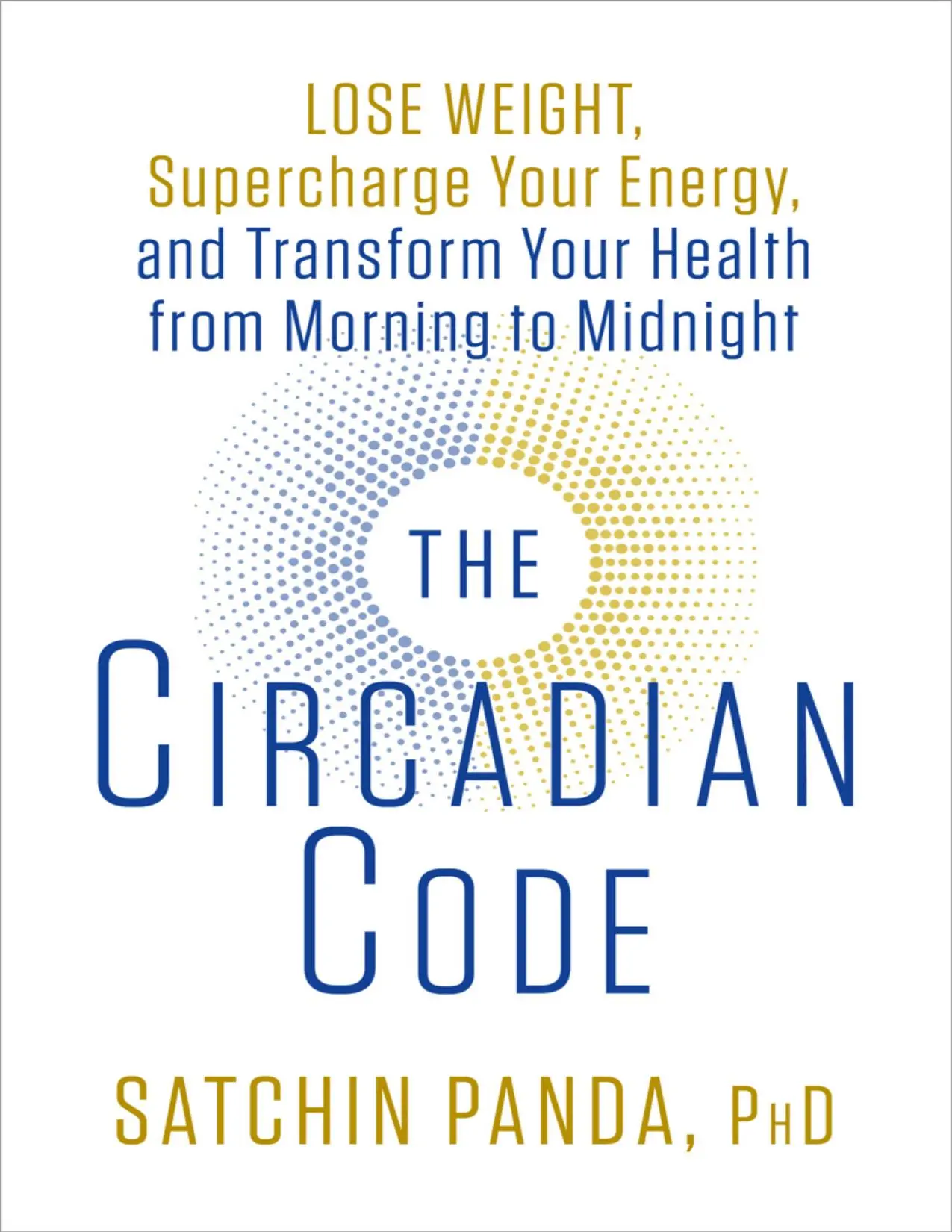
Episode 195: Dr. Satchin Panda — Circadian Rhythm, Sleep & Meal Timing
September 21, 2026 · 1:09:04
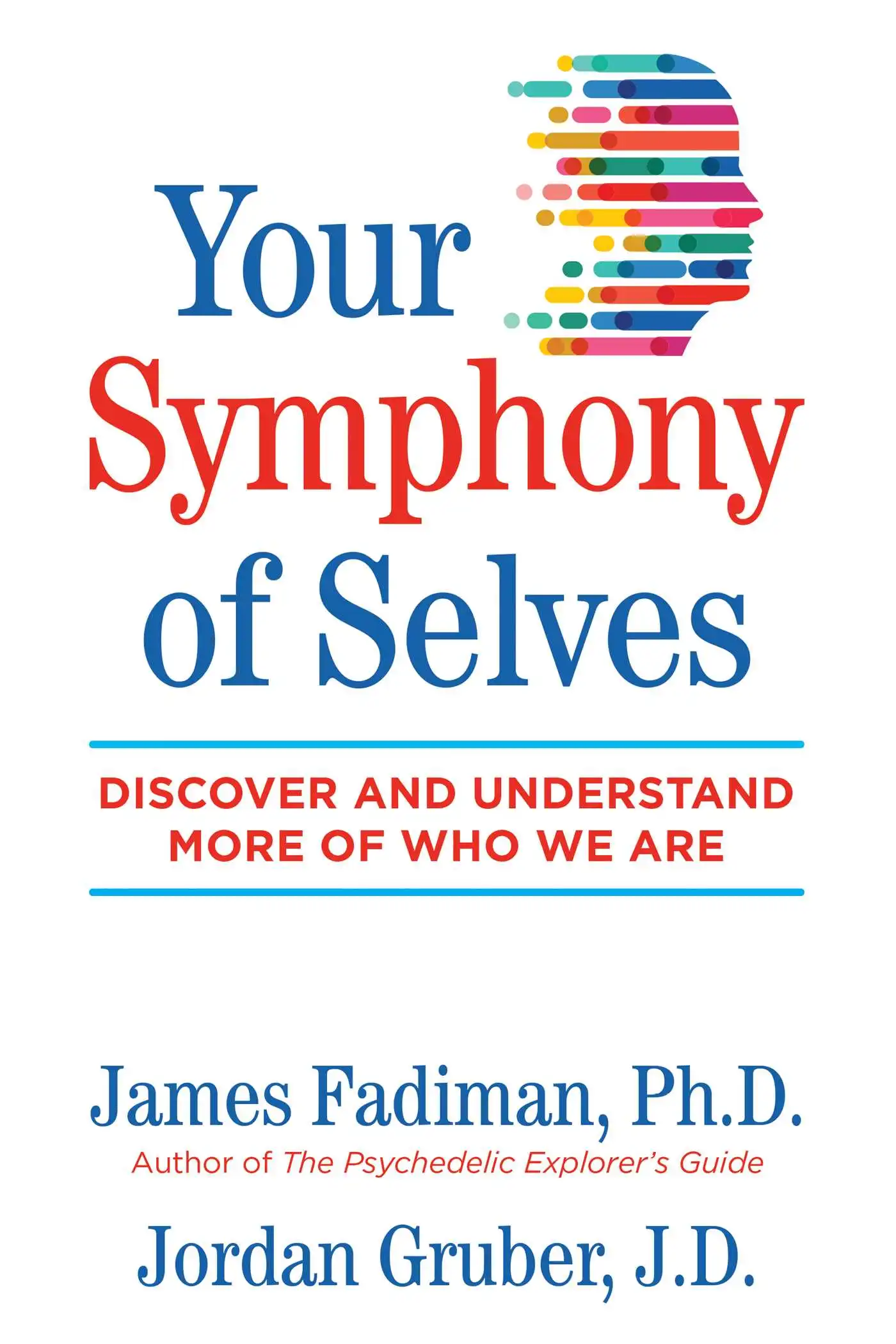
Episode 194 Dr. James Fadiman – You Are Not One Self: Microdosing, Multiplicity and the Mind
September 4, 2026 · 1:14:38
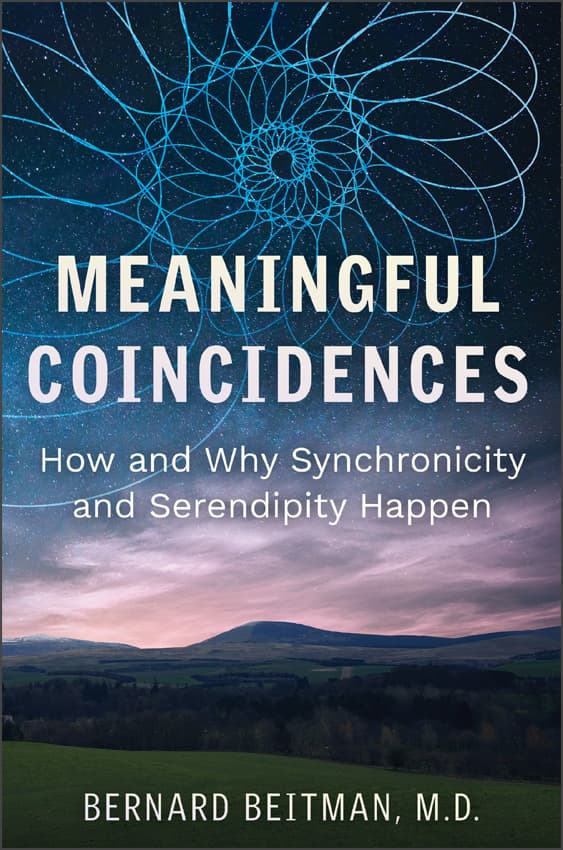
Episode #189 – Dr. Bernard Beitman – The Science of Synchronicity and Meaningful Coincidence
January 6, 2023 · 1:14:27
Independent conversations
Help make the next one possible.
Membership sustains ambitious, unhurried interviews and keeps the complete archive open to curious listeners everywhere.
Become a member