The Human Experience · Episode
Episode 167 – The Science of Astrology, Our Destiny in Data w/ Dr. Alexander Boxer
A conversation with Dr. Alexander Boxer
Alexander Boxer is a data scientist and author who revels in the ways that ancient and modern science can both be used to provide insights into our lives. Alexander has a PhD in Physics from MIT, a master’s degree in the History of Science from Oxford, and a bachelors in Classical Language from Yale.
Stay with the full conversation.
Episode field notes
Show notes
Alexander Boxer has a PhD in Physics from MIT, a master’s degree in the History of Science from Oxford, and a bachelors in Classical Language from Yale. His work has appeared in the Nature Physics journal, and he was also a field agent for Atlas Obscura.

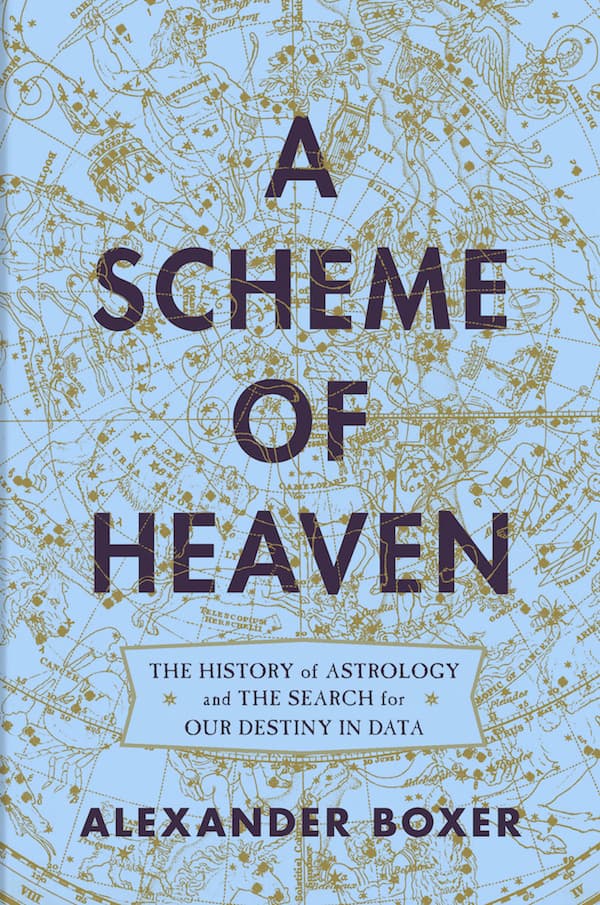
Alexander is the author of A Scheme of Heaven, a book in which he looks back at the history of astrology, merging his love for numbers and past events with his desire to learn more about how we try to predict the future, both in the past, and right now.
FIND Alex and his work here: www.alexanderboxer.com
Huge thanks to Alexander for making the time to be on the show!
Has our show helped change your life? DONATE :
Find our full network: www.allmylinks.com/thehumanxp
Read the complete recording
Transcript
Existing transcript, with its original wording and timestamps. Automated transcripts may contain errors.
do welcome to the human experience podcast the only podcast designed to fuse your left and right brain hemispheres and feed it the most entertaining and mentally engaging topics on the planet as we approach our ascent please make sure your frontal temporal and occipital lobes are in their full upright position as you take your seat of consciousness relax your senses and allow us to take you on a journey we are the intimate strangers thank you for listening certainly do appreciate your contributions and allows us to make the show better for you our listeners but word of mouth is how we gross or if you're able to recommend the show to your friends your family that is the highest compliment that you can give us let's cut to the chase tonight we're gonna be looking at the science of astrology we're gonna be getting into whether or not our destiny is printed in the heavens above with one of the most credentialed authors that we've had on this show so please go grab a drink sit back and enjoy this conversation the human experience is in session my name is xavier katana my guest for tonight is dr alexander boxer alex is a data scientist and author who revels in the ways that ancient and modern science can both be used to provide insights into our lives alexander has a phd in physics from mit a master's degree in the history of science from oxford and a bachelor's in classical language from yale his work has appeared in nature physics journal and he was also a field agent for atlas obscura alexander is the author of scheme of heaven a book in which he takes a look back at the history of astrology merging his love for numbers and past events with a desire to learn more about how we can predict the future both in both in the past and right now alex it's a pleasure thank you for making the time to do this welcome to hxp of course it's a thrill to be here yeah alex i mean i'm i'm so thoroughly impressed by your credentials i it's one of the main reasons i think i brought you onto this program because you know how does a person go from a you know a physics degree in at mit to writing a book about astrology well well first let me say that uh i'm pleased that you brought up my credentials and i'm pleased that you're impressed by my credentials but one of the themes throughout my book is that it's important to answer these questions for yourself and a lot of this book was my own personal journey of wanting to know more about astrology and what astrology really is i've always been interested in history i've always been interested in numbers i've always been interested in the history of science and so in a way astrology was sort of a natural topic because i think in order to tell the story properly you need to have that sort of eclectic background in ancient and also uh mathematics and numbers i look at astrologers as the original data scientist that's one of the arguments i make in the book that there's uh that those of us who are involved in making predictive models today are actually whether they like to admit it or not part of a much longer tradition of gathering data looking at data and trying to make sense of it and i started to feel this you know kind of a deep sympathy towards the people who were almost single-handedly for for for hundreds if not thousands of years doing this uh and and those were the astrologers and i just wanted to know more about it and the more i read about it the more i came to the question of if you really want to know about astrology who do you ask what books do you read books by modern astrologers do you read books by astronomers historians and i i found that i just had a bunch of questions that none of these books were answering and sort of true to this idea that you know you don't need to you don't need to listen to other people to make up your mind although you know it's always good to get as many opinions as possible i i just dove into it myself and i i hope that i i wrote something that that's informative that takes a totally different approach uh and that is is also fun and i really hope that all of your readers whether you're interested in astrology intrigued by astrology whether you don't like astrology at all you think it's bunk there's something in here for for everyone sure i mean was there a part of you that wanted to legitimize astrology as a science in some way i mean because i i find that you know i mean there it seems like there are two veins of thought or thinking here you know when a person thinks about astrology i think they either dismiss it completely or you know they're they're sort of all about it you know and especially i think especially recently people are digging into you know more about the connection of the stars and the placement of the stars at the time of our birth and i mean more of the younger crowd the millennial crowd but you know i mean was there a part of you that that wanted to you know make make this recognized as a science so let me answer that question in two ways or maybe i'll break it up historically so one as far as astrology as as let's call the science is concerned i had no particular opinion it seems uh you know i come from a scientific background uh astrology is the arch pseudoscience there's just nothing more heretical you can do than than even bring it up in conversation sure and to me as sort of a contrarian that almost made it kind of interesting to to study uh what sort of occurred to me however was that a lot of the predictive models that we make today are let's say no better than than astrology you don't even have to have a particularly long memory to just even remember the 2016 election where you know all of these fancy mathematical models had a particular candidate winning with 70 80 sometimes high 90 probability that of course did not happen there was the financial crisis and the housing collapse of 2008 which all of the fanciest models said you would never happen house prices would never go down so so part of me was fascinated by this idea that we're part of this long tradition of making um let's say very dubious but very complicated mathematical models and why are we so attracted or why do we put so much faith in these sorts of numbers and these sorts of models so uh i have no particular uh and and let me just put my cards on the table uh i don't believe in astrology i'm not an astrologer and in my investigations of sort of looking at this stuff but there was nothing in in particular i found that changed that opinion on the other hand i have i wanted to maybe develop a deeper respect for the astrologers the astrologers of the past who really were sort of pushing forward the field of let's just call it data science back at a time when you know it was the idea that you could describe the world uh with numbers has always been i think a much more controversial view than than we moderns give it credit for and i think the fact that nowadays we are so you know we unthinkingly put trust in numbers speaks to the success of that that revolution where we've come to realize that numbers really are very powerful in describing um you know who we are and where we are so uh uh you know part of it is let's just say that there there's nothing crazy about the idea of astrology um it's a perfectly plausible premise or at least it seems so to me there's you know i don't uh it really rubs me the wrong way when people just totally dismiss it out of hand right it seems interesting and what it also seemed to me was that people really haven't studied astrology from an empirical point of view all of the arguments that you traditionally hear against astrology are sort of theoretical well astrology has to be garbage because you know there's no there's no way we could describe about how it could work we know that there's no forces that are raised that are coming from planets etcetera and you know from a scientific point of view i i find that a very weak argument that there's many things that people have said that could never be true which you know ended up uh you know being true so the idea that um we should dismiss it because the arguments the theoretical arguments against it are are what they are um yes that's it's a compelling argument it's an important argument but it's not the whole story and and part of me as a numbers guy wanted to just look at the numbers and realistically a lot of that's never really been done because it's very hard to do you need a lot of data you need a lot of uh fairly precise birth data and just a lot of information of the sort that is is really now sort of becoming accessible but even now is very hard to get to get a hold of and so part of the book was was an attempt to you know put aside all the arguments for and against and let's just look at the data okay fair enough i love that i mean two one of the points that you made about you know the planetary bodies and their effects on us maybe i mean if you just look at the moon it's it's right there and look at the effect that it has on the tide i mean the earth is mostly water the humans are mostly water so how can you say you know there is not some effect that planets in the heavens have some effect on us but you know what i want to do is if we can alex is if we can define what does it mean when someone is giving you your horoscope or when someone is saying you know your sign is this what how can we define you know what they're doing with those couple things so maybe i'm i'm setting a template for answering questions in a long way but let me just say that again because of my interest in history and because astrology is so old i i'm very suspicious of let's say answers that they answered in a particular way i want to know what do those words mean let's say as a function of time what did they originally mean and so that was one of the most fun or one of the more fun things about the book was even tracking down what the word horoscope means so uh you know today we might refer to a horoscope as simply the one paragraph little blurb you what you might read in you know in a magazine or on a website i'm a taurus and you know maybe i'd read a blurb about what i should be you know how i should be setting my mind or my intentions for the week and that would be a horoscope but uh historically a horoscope would refer to um you know uh not only the interpretations but it would be a chart of the heavens as they appeared at a specific moment in time as viewed from a specific place and this is actually where the title of my book comes from my book is called the scheme of heaven and so a horoscope was occasionally and colorfully referred to as a scheme of heaven a scheme being a graphical blueprint but i love the sort of play of words that you know there's also the scheme and how you're supposed to interpret this numerical and graphical information but if you track the word even further back uh the word horoscope is a greek word and it means the you know the hour watcher or or really the moment watcher and you know the greeks have these these different concepts of time you know there's there's horror and then there's chronos like chronology and horror is really referring to sort of a season or or a moment and so somebody's watching these moments uh come and and a horoscope uh could refer to the individual astrologer they're sometimes referred to as horoscopes in the ancient texts um it could refer to the the instruments that are uh essentially tracking the motions of the sky those are horoscopic instruments or it could refer to you know the writing down the where the planets were at that given time and what's quite interesting is that in the context of traditional astrology you divide the sky above you into what are called the 12 houses of heaven and the most important one which uh modern people probably are also aware of is the ascendant this is the part of the sky which shows you know the stars planets or you know sun the moon when they're rising just above your eastern horizon well uh you know so in in english that's called the ascendant but what's fascinating is that uh the ancient greek term that is the horoscope so really from an astrological point of view i would say the horoscope is the part of the sky uh which is on your eastern horizon and that was considered to be from a from let's say a cosmic ray point of view the most important these were the ones that had the strongest influence on you huh that's fascinating i love your thoroughness and you know how you're looking at the breakdown of words and what they mean the origins of them was there you know was there a specific place or type of astrology that you that was a focal point for you um you know i mean there are different systems of astrology depending on where you go right absolutely and and so one of the astrology is such a huge topic uh which is again you know i think one of the challenges of of writing a book about astrology is you're not what do you say but what do you leave out and so the way i structured my book is that it's sort of it's structured really around a set of very basic questions that that i had about astrology you know things like when did astrology first arise how many you know horoscopes can there possibly be you know basic questions like this and i then divided the book up historically where i sort of go back to let's say uh the earliest time where astrologers have tried to answer this question and for me one of the reasons i've always liked the history of science is one i think history is fascinating but two i've always felt that i couldn't i could only understand a scientific concept if i kind of understood where it comes where it came from how it how it evolved and and what let's say the original uh you know people who produce some sort of difficult complicated concept what question were they trying to answer usually it's a simple question that people were trying to answer that that led to something a little bit more complicated but one thing i do in the very beginning of the book is is i recuse myself from uh from from hindu and chinese astrology it's just not uh i believe in being true to the source material and i just because of my background i feel like i have uh an access to the ancient astrological texts most of which are in greek uh many of them are in latin and you know they're just something that you know if i have a question i can go directly to the source that's definitely something i could i i could not do with um indian or chinese astrology even though particularly with the case of indian astrology there's there's a tremendous amount of of cross fertilization and overlap but um i really wanted to focus the book on on i guess what's oftentimes called western astrology which starts in ancient babylonia uh really comes of age in in let's say hellenistic the hellenistic greek speaking world we're talking like uh you know where alexandria and egypt i think what was sort of a surprise to me was really how much astrology as we know it today really found its form in in roman times and how much of it really owes its character to the roman empire and then of course it then spreads out uh ends up you know having a tremendous flowering in you know arab and persian speaking lands and then comes back into europe and you know then of course has a tremendous transformation really around the 20th century where it sort of changes into the more mystical form that that i imagine most people know it as today okay very fascinating i really like that you know you sort of uh step back from an area that you thought you weren't as well versed in and focused you know more of where you could access information directly as you said um you know i'm curious to know you know people people tend to make stories of their lives you know we and we want to sort of discern as much as possible you know love money and i think you know we're looking to predict the future in some way right so we want to know kind of how it matters to me how is this important to you know my life and what i'm doing which is probably why a person reads their horoscope you know in the first place maybe it's some sort of narcissistic tendency that they also have as well but you know you know where does this come from when we you know when we're looking at the sky um humans are pattern making machines right so how did you how did we start to reduce the stars in the sky into a system that we could understand and then used as a predictive factor of of our lives so these are great questions i don't know if i have the answer but you know merely what i try to do in the book is to just to denote this and this is also speaks very much to um my starting point for the book uh i am a data scientist and and i am very interested in how you use numbers and and figures to tell a story if i've done my job correctly then i can really make a persuasive case that you know somebody ought to do x y or or z by you know showing a really compelling graph or or showing some numbers and we take this for granted nowadays it's almost through the rhetorical trump card when you're when you're debating or making an argument you show us you show statistics or you show um you know a numerical fact and i kind of was just interested in this idea that uh we sort of take for granted today the the storytelling power of numbers but that really wasn't always the case and that really looking back uh it's it's sort of astrologers for both good and for ill who are pioneering this idea of making a persuasive story with numbers and you know this is this idea that well there's certain questions that that i'm interested in you know you're interested in uh you know what what what's in store for me my family my love life my financial life and it's totally not obvious why the planet should have anything to do with that but somehow if you if you weave it in the right way it can be a very very compelling story you can tell that ah don't you remember that period in the in in the past where something happened well you know uh jupiter was was you know in the third house or or something or or maybe more uh you know maybe maybe a more familiar example would be you know don't you just think that that scorpios are nuts they're just crazy we all know it and you know this this sort of you know inherent pattern making where you know uh i i'm interested in the idea that yes like people people like to see patterns and and and by the way one example i have in my book is computers uh are bad are can it's called over fitting but a lot of these models that people make they they they latch onto a pattern whether the pattern is meaningful or not and and so you know if you're if you're training uh let's say a computer vision model to see dogs or cats and you train it um too much let's say it'll start to see dogs and cats everywhere even in things that are not a dog or a cat and so this idea of when is a pattern a pattern and when are you deceiving yourself i think is a is a question that is at the core of astrology and is something that has by no means gone away in fact as we use numbers more and more in in our politics in our you know in our day-to-day lives all these algorithms that are telling us do this do that i recommend this i recommend that um you know we we need to we need to be responsible let's say data consumers all of us are data consumers now and and recognize how easy it is to to see patterns where there's not and so the the science but also the art of you know determining what what's really a pattern and and and what's not is something that i find fascinating and again astrology is the the pioneer here yeah i mean i i find it truly fascinating i and i it is really interesting i mean you talk about how we can look at past events and where the planets were in the sky to confirm different stories that were told uh you mentioned uh the biblical eclipse in the ninth plague and and i mean this tells you i mean you can match up you know was there an eclipse at this time and you know does this story connect right yes and so from a storytelling point of view you know at some point all stories are are valid you know they they bring new ideas into your mind they bring new connections into your mind um and and so one thing that i was so excited by in the book is i uh you know the book is told historically and is really about the science of moments um you know being in particular time at a particular place and so each of my chapters focus on focuses on a particular moment in time and place that was important to the the story i wanted to tell and so what i wanted to do is that for each of those moments i wanted to show what the configuration of the stars and planets were at that time and at that place and um and so i do this for for every chapter and by the way the and so that which is to say that i make a scheme of the heavens for uh each of these chapters for the time and place and the way i do this by the way is i adopt the style of one of my favorite ancient astronomical instruments which is an astrolabe and so i i use this sort of beautiful ancient way to to show this and so the question then becomes how early in time can you actually know uh what the stars and planets look like and you know because not only do the records get poor but also you know there are just certain unknowns primarily about actually the uneven slowing down of the earth's rotation which can be another topic of conversation but it's actually very tricky to to know um deep into the past what the what the stars and planets looked like and this is why eclipses are so important because those are moments where we know from our astronomical computations when they happened and so if there is a historical record that matches up then we can say ah that happened at this precise data this precise time now it turns out that this sounds nice but there's really not that many there's or rather the the historical record of eclipses doesn't go back maybe as far as maybe i wanted it to go it goes back pretty far um you know the babylonians in particular have this incredible record of astronomical data including eclipses that goes back to about 700 bc it's extraordinary but um i then sort of flipped the question around and i asked myself all right well we know when all these eclipses occurred and we know which part of the earth they could have been seen over could i just choose a particularly impressive eclipse and say that it's very likely that that would have been seen at the time and it turned out that as i was looking through uh nasa by the way puts out this really wonderful um they call it the the canon of solar eclipses it's got this wonderful name and it's you know thousands of years of eclipses with their maps and and um you can look through it and it turns out there's this a very very intense solar eclipse that happened over egypt in the 14th century bc and in fact it happened at a very specific date in in in the year 1338 bc and it it basically and by by impressive i mean that of all the solar eclipses that have happened over the last several thousand years it was the it was the twelfth largest in magnitude exactly what that means i can go into but let's just say that this was a big eclipse a big solar eclipse i don't know how many of your listeners saw the the solar eclipse of 2017 but yeah this this was a you know the path of totality and the duration of totality would have been very impressive and this would have happened all over ancient egypt and what was so fascinating is that the and again you know these these things you know the ancient egyptian chronologies are a little unclear or you know the dating of them is always a little bit of uncertainty to it but by the best chronologies that we have the pharaoh who was pharaoh at this time was a pharaoh named akhenaten and akhenaten is uh extremely famous from a historical point of view because well one the the art that's from his time is radically different and the art and the reason that art is radically different is because he made a radical break with egyptian tradition and in he actually adopted a new religion one that was not going to be based on many gods but was going to be based on just one god and in particular this god was the sun and this was you know such a tremendous discovery when it was made you know when when these sort of archaeological ruins were discovered and in particular there was this wonderful book by sigmund freud called moses and monotheism and it's it's this wonderful book it's short um and it's just one of those books that i i remember reading it and like every page blew my mind and i didn't agree with i don't agree with everything that he says but it's just one of those books that's just amazing to read because your head explodes reading it but he makes this he makes this argument that uh you know uh well really moses um you know of course is it must be an egyptian why because well his name's an egyptian name you know moses you know a lot of the pharaohs you know have names like you know tut moses or you know uh moses um is just an egyptian name and he says yes uh you know moses was an egyptian and he goes even further and says not only that he was probably a a priest follower of this pharaoh akhenaten and when akhenaten's revolution religious revolution failed this this egyptian moses uh leads uh he always carries on the monotheistic revolution and he leads the you know the israelite people and he sort of founds this new religion namely the the jewish religion and and by the way i thought this is a fun example for tonight because of this is of course the second night of passover in the history of the exodus so again the way that um you know and if anyone uh you know goes to their their passover seder right you know the obligation is to tell the story of the exodus so you know here we are talking about the exodus just because um we're thinking talking about astrology and eclipses and and eclipses now looking at the chronology however um this eclipse that i'm interested in happens really right before akhenaten's death it doesn't quite fit in with freud's story and it occurred to me that there's probably like there's this much more interesting story right that uh wouldn't it make even more sense that this radical pharaoh this pharaoh who doesn't know joseph as it said in the bible is akhenaten that essentially freud has it exactly right but totally backwards at the same time that yes these events are happening at this time and what do we know about this time we know that this revolution uh was a disaster there's you know that that as soon as akhenaten dies um the egyptians cannot go back to the old ways fast enough and i think that like what kind of signal would it send if you have let's say this sort of uh you know crazy megalomaniacal pharaoh worshiping the sun and all of a sudden you have this incredible dark solar eclipse would would how would you interpret that at the time um you know would you see this as a sign that you know he had he had angered the old gods would you see it as a sign that you know there's of course so many ways you can interpret it and let's not forget the interpretation that maybe nobody saw it because it was cloudy that day again you just don't know there's no records or maybe there is a record and that is just kept in the let's say the folk memory as the ninth plague the plague of darkness amongst what is widely considered to be sort of a um a very dark time in egyptian history sort of a a collapse let's say you know that as this radical pharaoh is is rushed off the scene you know there's a lot of chaos and would not this be sort of the perfect moment for the let's say the historical backdrop of the story of of the exodus so i try to speculate as little as possible in the book i really wanted to focus on the facts but i just couldn't help myself with this eclipse because it was just such a fascinating find to me that um isn't it just great that you know here you can look at the astronomical data and immediately be sucked into this you know wild story this wonderful story that what maybe this does connect with things that are just so deeply important in how we see ourselves and our history and you know again that's just the larger theme of astrology itself yeah i mean yeah it's so fascinating to me just to learn about all this but i mean i i enjoy absorbing as much information as i can about everything possible so i mean but i mean you talk you talk about chrono craters am i saying that correctly yeah okay so i mean if we're looking at the different spans of time certainly this depends heavily on you know the ability to track records but did you did you were you able to connect you know did you see any patterns in repeating events disasters whatever it may be i mean did you notice that and also you know what if you could go into what a chrono crater is and and how you use that to you know determine i think you you start to mention how the days of the week link to the planets so let's get into those two things please so astrology's such a fun topic isn't it because you can just go in so many different directions at once and i i want to answer this question in 20 different ways at once so let me answer your question about do these things correlate with disasters etc etc and the answer is of course they do but let me return to that um so a corona crater is it's it's a greek word that means um and i love this it means time lord um so i don't know how many of your your your followers are doctor who fans like i am but you know let's say it's the ancient greek word for a time lord um now earlier i spoke about the word horoscope and i mentioned how in ancient greek you actually have these two notions of time hora being one of them which is like a moment kronos is the other one and and we're familiar with chronos from the word chronology and by the way we're familiar with the word krator ruler from words like democracy which is the rule of the people so uh a chrono crater would be uh you know a time ruler or a time lord um he's sort of the you know the astrological concept of a of a ruler this idea that there's a planet or a star or a or maybe a configuration of planets or stars that's influencing or ruling over a specific moment or a specific uh place or a specific you know field of life let's say and um so one uh you know and of course as as you mentioned the idea of tracking the corona you know which planet or star or configuration is ruling at a given moment was the job of the the astrologers these people who are tracking the horoscopic moments and this is essentially the beginning of a lot of science certainly the beginning of a lot of uh you know data-driven numerical science because you know the there's a demand to know this stuff accurately because of course you know it's complicated and and the idea being that you know you might get it wrong if you're if you're slightly off so um you know how do the chrono crowders uh you know the example how do they influence our lives to this day well one example i give is of course in the names of the days of the week so um of course our week you know sunday monday tuesday wednesday thursday friday um it's clear from an english point of view that maybe two of the days have something to do with the planets sunday and and monday the the day sunday the day of the sun monday the day of the moon but you know if you speak a romance language like spanish or french or italian you know that the rest of the days of the week of course are following the same pattern that um you know they're all named after planets and in fact um i i would this idea of an astrological week becomes the de facto week in the roman empire and again this is it's really in in roman times where astrology really hits its stride and really spreads around the world you know quite extraordinarily and i make the claim that why do we even have a seven day week today well uh you know the the jews and the christians liked a seven day week but you know there's no particular reason to have a seven day week uh it's it's one of the time intervals that we have that's actually not based in a natural cycle we have months which are you know originally based around the moon you know even the word month has the word moon in it right we have the year which is supposed to track the sun and we have other units of time you know days uh but the week is actually an incredible invention because it is anyone can tell you the day of the week you don't need mathematicians astronomers priests to tell you when a week begins and ends whereas in lunar um calendars you need somebody and like the ancient hebrew calendar you need somebody to make the determination that a month has begun and and traditionally at least in in the hebrew calendar this would be done um this would be done by priests and and so you know you if you're living far from the the center you don't know when a month has actually begun it's hard to tell time this way whereas the week is a very i would say it's a very liberating and democratic invention because anyone can tell you the day of the week now where am i going you don't need a seven-day week the egyptians had a 10-day week the romans had an eight-day week but at some point they adopted a seven-day week and they adopted it because two of the trendier creeds in the roman empire namely christianity and astrology both wanted a seven day week and so you end up with this seven day week which has the name of the week the day the name of the day of the week is the chrono crowder of that day and there's actually a fun system for why they jump around in the order they do um because it's actually the system was to order them in the order of the planets by hour so there's a table in my book and again uh i really hope that your um your audience your your listeners will go out and buy a copy of the book a scheme of heaven there's just there's just so many fun factoids like this in there but if you go through the um uh the 24 hours of the day seven days a week and you order them after the planets one day you know one after the other you end up with the strange system that we have where it jumps from the sun uh to the moon to uh you know to to to mars to mercury to jupiter and venus which is the order of the week that we have and again your spanish speakers will know this um and it's because you're ordering the planets you're in the hours in order and it causes the day of the week to jump like that but this is a this is a system that the romans um had adopted and um we have it to this day it's the foundation for the week in um in in all of the western languages and of course now the the western week is is globally recognized so it's a weird way in which astrology has left its imprint on our everyday life now you're asking me about let's say do these chrono craters uh you know correlate with you know this that is that the other thing right that's of course the job of the astrologer to try and tease this apart and so um you know one thing i look at in my book is um one of the most famous let's say ruling configurations which um is supposed to govern world events and these are the successive conjunctions of jupiter and saturn the two biggest visible planets in the sky now it turns out um for those of you who are interested this year 2020 is a jupiter saturn conjunction year um in fact jupiter and saturn will come into their point of closest conjunction interestingly enough on the exact day of the winter solstice this year december 21st is uh when and they will come into conjunction in the zodiac sign of aquarius now this theory that these jupiter saturn conjunctions and they happen about every 20 years um are supposed to herald sort of major world upheavals and this you know and and not only that the sort of the nature of the p of people is supposed to be kind of colored by what zodiac sign they're in so i thought it's um you know a fun little thing to point out that um the jupiter saturn conjunction was also thought to be associated with plagues and in fact um the black plague the most famous and deadly plague of world history is at least as far as we know wiped out one-third of europe in the 1300s it was blamed on a jupiter con saturn conjunction which also occurred in the zodiac sign of aquarius that conjunction had occurred in 1345 and this was considered the scientific consensus at the time it was the medical faculty of paris who in fact published this treatise saying that it was this conjunction that was responsible for the plague and that the plague would not subside until you know the the the planets had uh separated themselves far enough for this you know for this conjunction or this configuration to subside and so i think it's fun to point out that uh the same jupiter saturn conjunction in aquarius that was considered responsible for the black death is also happening right now in our time of coronavirus wow but again because back to the question of how do you determine if something like this is a coincidence or not and so um actually there's a fun chapter in my book which i devote directly to this and a lot of it comes down to um so actually there's actually this fascinating story again i love astrology because you just get to tease apart so many fascinating stories but um this was an analysis that was actually done by none other than let's say america's if not history's most famous husband and wife cryptology team and this is uh william friedman and elizabeth friedman now these names aren't necessarily super well known but but william friedman in particular was the united states most premier code breaker in world war one and world war ii he's the one who broke the the japanese diplomatic ciphers that you know lit up that um we essentially were able to read japan's ciphers through much of world war ii um and so he's uh for reasons you know that i think have a lot to do with glamour alan turing is sort of the the the more famous version he's the english equivalent william friedman is leading the effort here in the united states and he oversees the creation of um after world war he oversees the creation of what's then the nsa the national security administration um so william friedman though uh had actually gotten his code breaking start uh he and his and his future wife when they were hired by a very eccentric millionaire um who was convinced that there was a secret code in the sonnets and plays of shakespeare and this was actually a very popular theory uh in the late 1800s early 1900s and it's still popular today in certain circles and the idea being that there were actually clues in shakespeare's plays often times in the printing of different letters and then if you took these letters um together they spelled out secret messages and so he hired william friedman who i think at the time he had just graduated college as a plant scientist to uh this is how he got his start in cryptology and he sort of became almost the father of modern cryptology but he started with this problem of are there secret codes in the plays of william shakespeare now he ultimately concluded that we're not but he wrote this he and his wife wrote this book uh after they had retired from their their long career of code breaking for the united states where they go back to this question and they sort of go through these these uh it's a it's a it's a form of cipher called steganography which is the art of hiding a secret in plain sight so whether you hide a secret message in a painting or a secret message in a play so stechenography by the way is still an active uh uh field in in in the cryptologic world but we'll leave that aside and and and he comes up with this thing and he says well the problem with all these let's say hidden codes is that the people who claim to see them are not applying their rules rigorously right you can't um you know in the case of the shakespeare cipher you can't like say skip a letter here or or add a letter there or or it's spelled incorrectly but you you you know shakespeare's name spelled like weirdly with no vowels you know you can't sort of squint and look at it has to be consistent sure and that was his rule number one and rule number two was um you can't by applying the same rules come up with two different and oftentimes mutually exclusive answers and so he famously would take some of these um proposed ciphers and use them in different plays and show that um you know he could he could read whatever message he wanted in the play to say not only was um say francis bacon the real author of shakespeare's plays but so was there a roosevelt or gertrude stein or even william friedman himself he could essentially use these rules to read whatever he wanted so um we try the same thing with the jupiter saturn conjunctions right so one they they sort of fail on both counts so so one so actually so right let me give you a great example um it turns out the last nine consecutive jupiter saturn conjunctions have all corresponded with um all the us presidents who have either been assassinated died in office or suffered a let's say a near-death mishap so you know you think about abraham lincoln mckinley garfield jfk all of these uh you know assassinations sort of line up with the jupiter saturn conjunction because again they happen roughly every 20 years now um and so i have this chart in my book but now the problem is when is you know how do you determine what lines up because of course there's a lot of wiggle room right it doesn't have to line up exactly right like uh you know the the conjunction before the death of kennedy would have happened in in 1961 but kennedy is assassinated in 63. so you know you sort of end up with these scenarios where like it's a it's sort of a harbinger of bad news but but how long is the the sort of sell-by date and then you know um the last jupiter saturn conjunction was in the year 2000 uh you know george w bush was not assassinated or but he but he did choke on a pretzel and he almost died so again if you you can bend the rules um but um let's but for rule number two is you know can you find other equally plausible correlations that line up with these things and of course for something that happens every 20 years uh the answer is of course you can come with all sorts of stories many of which are mutually contradictory of things that let's say line up with these conjunctions and and so the point being is that if you can do that it sort of undermines the significance of any one correlation so the one that i thought was the most fun uh also because it aligns exactly with the dates of jupiter saturn conjunctions is that every time there's every year there's a jupiter saturn conjunction and in this precise year i'm not talking about a year advance or a year behind i'm talking about the precise year the new york yankees win the pennant so we'll see what happens uh one we'll see if baseball's even canceled this year but two you know maybe maybe i will scratch my head if indeed the yankees uh um actually make it to the world series this year but yes we can if they do then i will say well of course it was because of the conjunction i mean it's absolutely incredible and i'm i'm so glad that you took it there because i think that is my favorite part in your book is the jupiter and of astrology as well as just the jupiter saturn conjunction and how that kind of time scale correlates to these different events in human history and what we can learn from from those things um i want to talk about the possession of the equinoxes because this is another measure of time that is crucial to understanding where the stars are and also how we determine whether there's two different ways of reading astrology right so the the solar astrology and sidereel right so i mean yes okay so uh how did how did the procession of the equinoxes and uh ptolemy how did how did those few things connect into how astrology was interpreted later so um so we talked about the jupiter saturn conjunctions right and those happen every 20 years now they happen in specific patterns of the zodiac in periods that are about 200 years they go through this whole cycle in like about 800 years so you're talking about these fascinating long time periods but there's no time period in astrology longer than the pre-session of the equinoxes and that is about 26 000 years and so what we're talking about really is the age of aquarius this is related to the procession of the equinoxes so you have an astrological age which um lasts about uh two thousand twenty one hundred years now what does this even mean and you hit the nail on the head that there's actually this sort of fundamental split in what sort of astrology you want is the most important thing in your astrology the sun right is it are we are we setting our zodiac signs by the you know spring equinox and this is how it's tradition so it's usually done today you know that the the the zodiac is usually begins in aries and we say that aries begins with the spring equinox you know capricorn is the winter solstice etc um but it didn't used to be that way of course um in ancient times the this was all done by the constellations from which the zodiac signs take their name and so what's going on is that we know that the earth is spinning once a day around its axis it's also spinning once a year around the sun but like a like a wobbly top it's also sort of uh you know wobbling around as it's doing these motions it's wobbling very slowly such that you know um like polaris the north star isn't always exactly above the earth's axis rotation it moves over thousands of years now from an astrological point of view this comes into play because uh if you were to ask what constellation is the sun in on the day of the spring equinox well it turns out that today on the precise day of spring equinox when there's exactly 12 hours of night 12 hours a day the sun is located in the zodiac constellation of pisces pisces the fish now um and and and if you were to ask this question year after year it would be pisces pisces pisces but it turns out that over long time scales where the sun is on the precise day of spring equinox is actually traveling through all of this all of the stars in the sky or all the zodiac constellations in fact the reason we have the zodiac constellations is because these are the cons these are the stars that the sun touches in its yearly orbit so they're significant because they interact with the sun or the the sun travels through them and so that does that once a year but over this longer time frame and i know this is complicated but over the longer time frame where it is on the spring equinox is changing so this led to this uh so two things one it's really astounding how early this was discovered this was discovered in you know maybe the year uh 1 130 bc and the astronomer who's credited with discovering this is you know the greece's most famous astronomer hipparchus and if you think about it how can you even you know you need this baseline of hundreds of years worth of precise astronomical measurements to even know that there's a small thousand year motion of the stars and so this sort of just is a testament to how carefully ancient astronomers were keeping records i think it's also a testament to you know hipparchus's sort of leap of genius because i would think if you looked at your predecessor's uh numbers and saw that they were sort of systematically off you had two choices one you could just assume that they were wrong and that they weren't very careful or you could assume as he did that actually this is a real effect um that this is these are actually moving these stars are actually sort of moving very slowly in in this sort of configuration as they're seen on the equinox now um so so right this this introduces what i consider to be uh astrology's first existential crisis what are you going to do when people realized very early on that um you know these constellations that people had associated with spring summer winter etc um were not permanent you know aries this this the spring sign uh or aries the spring constellation isn't always the sun isn't necessarily in it in spring um you know it's been moving uh significantly so you have this split then between zodiac constellations which refer to the signs or sorry today constellations would refer to the stars and then the zodiac sign which is a much more abstract concept which is measuring let's say space as determined by by the sun in its um apparent motion around the earth starting from the seasons now what i find interesting is that this didn't really lead to an existential crisis in astrology that astrologers adopted what we know as the solar zodiac this idea that that we're going to have this divorce between our zodiac signs and our zodiac constellations happen very early so people will argue about it today but there was really no argument in you know in the ancient world they they said no the sun is the important thing the seasons are the important thing if you are an aries it's because you know you're born in spring um now in a sense people um you know sidereal or star-based astrology plays a fairly minor role in history now that's not true in indian astrology but that's another story that i'm going to leave to one side but what i would say is that sidereal astrology star-based astrology um sort of comes back into fashion uh in the 20th century and again astrology in the 20th century is a very different animal than than astrology had been in the past and it's because people realized that there was this concept of this changing of uh astrological ages and that we were about to complete the age of pisces and enter into the age of aquarius now similar to jupiter saturn conjunctions there's one common theme here and the common theme here is that in every age people are convinced that they live on the precipice of an important change and an important dawning of a new age now in the 20th century you know you it could possibly be argued that um right the the the sun as it's traveling around the you know because of the procession of the economies was going to transfer from the constellation of pisces into the constellation of aquarius and so they developed this fascinating theory which you don't see in ancient astrology where um the constellation that the sun is in during this precessionary motion over thousands of years actually determines the character of the age and so you get this wonderful theory of how you know thousands of years ago we were in the age of taurus and this is sort of corresponds with the sort of bull worshiping civilizations that um as the precession moves uh into the spring equinox moves into aries the constellation um the ram and that this is actually uh signifying the the hebrew covenant the covenant of abraham you know where the ram is you know abraham ends up sacrificing a ram instead of isaac this is somehow indicative of the of the jewish the advent of the jewish covenant then of course for the last 2000 years we've been in the age of pisces and of course the fish is a christian symbol and and it sort of makes sense that this was the principle sort of spiritual step along humans humanity sort of spiritual evolution was the christian gospels again this is a story that's told um sort of in the late 1800s and then increasingly in the in the 20th century and but what's what people love about this story isn't the past what people love about the story is the idea that we are on the cusp of a new age and that this age was going to be the age of aquarius and that you know all of these sort of dark things uh of our past you know war ignorance etc we were about to enter a more spiritually enlightened age and you know this idea you know really uh you know colors uh you know so much of the the the sort of transcendental movements of the the you know 20th century and today and the whole idea i mean the term new age is of course not not new nothing is there's nothing new under the sun as they as they say um but you know the the idea of the new age um absolutely takes its idea from from this astrological idea that you know the sun will enter into aquarius the constellation not the zodiac sign um and this will bring you know sort of a new a new sort of set of spiritual um covenant between you know man and nature etc now it has often been pointed out um carl sagan used to point this out repeatedly that you you know the age of aquarius you can't really pick and choose right like the age of aquarius is a is a star-based notion a sidereal astrology notion whereas you know the horoscopes you read in the paper or sun-based astrology you know you can't you know you gotta you gotta have one or the other they're actually sort of incompatible because again uh the zodiac sign is very different from the zodiac constellation uh and it's true and i agree with this you kind of have to choose you know just for the sake of consistent you have to choose one of the other now one of the fun things i do in my book is um using sort of basic astronomy you know and recession and and sort of some i i myself try to compute when the age of aquarius will begin um you know again just trying to compute when the sun will uh on the moment of spring enter into the constellation of aquarius and so i'm actually trying to pull up the precise date that i computed again this is this computation was mainly just as a lark just for fun but it sort of shows you some of the things you have to think about when you're talking about these things but uh let's see uh let's let's say let's see sorry i'm on one page off um okay august 8th 22 52 which is a sunday so of all of the uh of all of the uh estimates or predictions for when the age of aquarius will be will begin that's mine august 8th 22 52. take that one to the bank huh i mean there's there's so much information here and i think that's one of the things that i love about your book is that you sort of weave it all into a coherent story that you give you know a pattern and and you you make it make sense you know it's it's easier to understand when you can track the historical significance of all of these you know connections and patterns that we like to make so much and and then look at you know how it was used as a science and who was using it and how they developed it what i found curious was that you said at the beginning i mean forgive me if i misquote you but you said that you started this as a skeptic and it didn't change your opinion either way about astrology as a science even though you went through all this data you found the connections you wrote about it but it didn't it didn't alter your opinion about its usefulness as a science um okay so let me you know again just to put all my cards on on the table i you know began this simply as an exercise in in in i find this topic fascinating and you know i think like a lot of your listeners i have a deep seated um you know wonder and a wonder in the universe is you know one of my motivations and i've always liked um you know reading metaphysical texts and just kind of wanting to know what else is out there now um but i think and again you know somebody who i admire carl sagan you know phrases it very well that there's this like weird marriage that you that that you need of wonder and skepticism and you know maybe it's because i'm a contrarian i don't i don't want to take anyone's opinion just because they say so i just wanted to look at this but um you know i yeah maybe my default would be that it seems unlikely but i wanted to look at it and just see for myself and i'm deeply sympathetic to people who look at astrology and people who look at the stars and and feel this sense that you know what does it take to be in phase with the universe what does it take to be in phase with ourselves and the people around us we all experience this all the time that sometimes we connect and sometimes we don't and and what what is it about that now i think these are really deep and super interesting questions and there's no reason not to look at them um but uh right i think astrology is one of these things where everything about it is fascinating and yet um maybe to to put it in a particular way i think astrology is one of these things that is somehow uh less than the sum of its parts that all of the parts of astrology in their own sense many of them are true right is there a seasonal core you know correlation between um you know our lives and what we do yes of course there definitely is uh is there a seasonal correlation even between certain professions and and and um you know and and the seasons and the answer is absolutely yes uh do you know does the sun influence does the moon influence us yes absolutely are the planets and their positions influencing us that i see no evidence of but you know again these questions of how do we look at the world how do we look at our place in the world how do we use numbers and data to look at that and in particular how should we be wary of using numbers and data poorly or misusing numbers and data to tell us stories that we don't know if you are interested i think in the deeper questions i'm very much um you know moved by the the very ancient expression uh you know ours longa vita brevis art is long life is short art not as in like in the art you'd see the museum but the but what you need to learn the craft you need to learn is long and your life is short and why waste time um you know on on things which are not bearing fruit so um i want to experience wonder in the universe but i want to i don't want to also you have to have this skepticism because otherwise you're falling for anything but just because you have a skepticism doesn't diminish your wonder in fact i think it trains your wonder because then when something over jumps that hurdle of your skepticism you're prepared to just be deeply deeply moved and to find this true wonder and i think that for me writing this book was such a labor of love because all of these questions all of these historical characters all of these topics and how you analyze them i just think are so fascinating and i love to be able to spend time doing it and i hope that all of your listeners again whether you're deeply into astrology or whether you think it's bunk you will take the time to wade through this book and and and i hope that that just sort of love and sense of fun and sense of wonder will will come across too yeah i mean i i really appreciate that answer because i in the same regard hold some level of skepticism about how much how planet in the sky can affect my life because then it says you know are we are we connected to this system of fate you know it and and then if we are you know then it begs the question that perhaps i'm not in control of my life in some way right so you know i i am a little bit puzzled by this and i take you know grain of salt with with all things so something that you do in the book was that you looked at different judges and you looked at used uh statistical inference tests and you looked at their zodiac signs and their personalities what did you find out what was the conclusion of looking at you know these zodiac signs and these judges was there i mean clearly there was a pattern right i mean what did you notice so one thing i think is fun about astrology is um it's you know it's one of the few opportunities that people have to actually examine their beliefs in a rigorous way and um you know because i i maintain you know peop people especially you know scientific people they they look down on astrology because it's just a superstition or there's nothing behind it but i maintain that uh most people hold most of their opinions based on nothing but more than just a belief and you hear this every day when you all have to do is have a conversation about politics or economics and you know it's just based on it's just based on opinion it's not based on fact whereas you know astrology there's actually mathematical ways you can answer these questions and so one of the questions to me was is there a correlation between having a particular profession or a particular personality type and and having a certain zodiac sign a certain sun sign and now what's fun about this is that you can simply collect the dates and what i wanted to teach in the book is that there's a a very basic statistical test that you can do to to to look at whether or not this is a meaningful correlation so um with the case of the the supreme court justices i was like well okay historically traditionally libras are associated with judges you know it's got the scales and this is true both in modern times and in ancient times and so if you simply look at the supreme court justices and plot out uh make a a bar chart or what's called a histogram of um their zodiac signs you can see uh there's a strong preponderance not of libras but of pisces and so the question is what does this mean and so what i sort of try to walk through in the book is that although it looks like there's a uh a preponderance of pisces from a statistical point of view it's not it actually um is exactly what you know in alignment with what you expect if you just rolled a 12-sided die i don't know how many of you listeners uh you play dungeons and dragons or whatnot but your traditional 12-sided die that you get at a game store a result like the one i show for the supreme court justices is perfectly normal however that doesn't mean that's the end of the story using the same test right we can ask what about other professions and so i was a little bit surprised to discover this but it turns out and again i think it's important for people to you know especially uh let's say people who are uh category knee-jerk opposed to astrology there are actually professions where there is a very statistically significant correlation with zodiac sign and whether you're a member of that profession and it turns out that this is uh seen most frequently in professional sports and so i gave an example of the most extreme case which is professional hockey where there's under any statistical test you could ever use an undeniable uh preference for um capricorns and and and aquarii and pisces and you are uh i just had a daughter she's a sagittarius if you're a sagittarius you will probably never play professional hockey so my you know that's probably not in the stars for for my daughter now the question is why is this the case now this has been studied for decades and and the answer is that well uh professional hockey relies on you know competitive you know feeder youth leagues and that those youth leagues um all had at least traditionally cut-off dates of january 1. and and what this meant was it caused a huge skew of um children who because you know who were born around january 1 or shortly thereafter because you would be playing on the same team as people who could be born in december but you'd be like a year older almost a full year older than them and so if you're if you're playing you know in a in a children's league or youth league uh you know that extra physical size and coordination makes all the difference and and then it just feeds on and you can actually see this uh across actually many professional sports and so it's just a kind of fun thing of what happens when you actually look at the data you don't know what you're going to find and sometimes the results can surprise you and that i think is um you know a cool source of wonder you just don't know what you're going to find and no reason to have prejudgments let's say prejudices yeah i mean i think that's that's so crucial because i would rather you know just from a scientific perspective i think i would rather stay skeptical about whether something is valid or not and then be pleasantly surprised that it is and you know when i find that then versus you know buying into something in an empty way or buying in to something in a level of belief or you know or something like that um you know i'm we're running out of time but um you know if we could wrap this all together you know i mean i love that you took on such a scientific perspective when looking at this book and putting all the data together that you did and um it really paid off the work that you did at mit and the physics and studying all that but how can we sort of wrap this together for anyone listening that might be curious about astrology and if if we could do that please so the story i wanted to tell was i wanted to recast astrology not as some you know off to the side pseudoscience i wanted to recast it as history's most ambitious mathematical puzzle and that people have been working on it for thousands of years and they're what they're really working on is um how do we use numbers how do we use numerical data to tell us to to to understand who we are and where we are and that if you have any love of um of history and you like my heroes are copernicus and galileo and these these characters from the scientific revolution astrology was the engine that is driving all of this and there's no shame in describing this it's actually we something we should celebrate because we're all part of this human story or to use the name of your podcast the human experience and that i just think that these characters from the past and these ideas from the past are so important and so wonderful and the the implications they have for us today are so present and so real because if anything we are using numbers to inform our lives more than we ever have and we're essentially living let's say in almost in this astrological moment once again so uh it you know it's it behooves us to you know be understand where we came from that there's that this isn't the new moment that we're actually part of this deeper tradition and that there's uh you know so much so much wonder there uh driving it all that you know we need not we need not stop here yeah and you know as you said there's nothing new under the sun and if if anything you're gonna find out i mean you're gonna find out that it's it's happened before so it's most likely it's gonna happen again and i mean i think that's where it all connects in and and that's why i thought your book was so interesting and i do highly recommend that people check this book out alex where can people go to find more about your work where can people go to find the book so the book is uh sold anywhere books are sold so amazon.com barnes noble your local bookstore uh i please buy it by buy two buy three uh get it for the whole the whole family um as for myself uh you know i i have a very sparse social media profile which is i have none at all but i do have a website alexboxer.com where uh i talk about some of these things and in particular i have actually a um an interactive horoscopic astrolabe uh the only one on the internet you can plug in your birthday you can plug in any date that you wish you can also just animate it and watch the planets dance in time it's hypnotic it's mesmerizing and it um ties in very deeply with stuff that's in the books that's alexboxer.com and again the name of the book is a scheme of heaven the history of astrology and the search for our destiny and data you can get it anywhere amazon barnes and noble any more books are sold perfect guys you heard it here i mean what an amazing show and the book is called a scheme of heaven and with my guest dr alexander boxer the history of astrology and the search for our destiny and data i highly recommend this book it was a really great read and definitely check out alex's website the astrolabe definitely interesting thank you guys so much for listening thank you guys so much for being here i truly appreciate each and every one of you we will be back next week with a new episode thank you so much good night
About the guest
Dr. Alexander Boxer
Alexander Boxer has a PhD in Physics from MIT, a master’s degree in the History of Science from Oxford, and a bachelors in Classical Language from Yale. His work has appeared in the Nature Physics journal, and he was also a field agent for Atlas Obscura.
EPISODE 199: Dr. David Nichols — Psychedelics, Consciousness & the Chemistry of the Mind
October 20, 2026 · 1:12:11

Episode 196: Waqas Ahmed — Polymathy, AI & the Future of Human Creativity
September 28, 2026 · 1:04:41
Episode 195: Dr. Satchin Panda — Circadian Rhythm, Sleep & Meal Timing
September 21, 2026 · 1:09:04
HXP SHORTS: #001 – Deconstructing Death: What Happens When We Die?
September 14, 2026 · 11:37
Episode 194 Dr. James Fadiman – You Are Not One Self: Microdosing, Multiplicity and the Mind
September 4, 2026 · 1:14:38
Episode #186- Positively Angela – The 7 Hermetic Principles & Living a Better Life
December 20, 2022 · 1:26:56
Independent conversations
Help make the next one possible.
Membership sustains ambitious, unhurried interviews and keeps the complete archive open to curious listeners everywhere.
Become a member