The Human Experience · Episode
Episode 6 – Brad Burge – MAPS
A conversation with Brad Burge
Brad Burge earned his B.A. in Communication and Psychology from Stanford University in 2005 and his M.A. in Communication from the University of California, San Diego in 2009. His graduate work focused on the political, scientific, and cultural changes required to make illicit drugs into legitimate medicines.
Stay with the full conversation.
Episode field notes
Show notes
 Brad Burge earned his B.A. in Communication and Psychology from Stanford University in 2005 and his M.A. in Communication from the University of California, San Diego in 2009. His graduate work focused on the political, scientific, and cultural changes required to make illicit drugs into legitimate medicines.
He has also interned for the Drug Policy Alliance and has a longstanding interest in drug policy reform and activism. He began working with MAPS as an intern in 2009, joining the staff in January 2011. Brad is also a consultant, writer, and editor for organizations and individuals working in psychedelic and medical marijuana research, drug policy, and psychedelic therapy. He believes in the importance of communication for sharing knowledge and building community, and is committed to helping people develop honest and responsible relationships with themselves, each other, and their pharmacological tools.
He has also interned for the Drug Policy Alliance and has a longstanding interest in drug policy reform and activism. He began working with MAPS as an intern in 2009, joining the staff in January 2011. Brad is also a consultant, writer, and editor for organizations and individuals working in psychedelic and medical marijuana research, drug policy, and psychedelic therapy. He believes in the importance of communication for sharing knowledge and building community, and is committed to helping people develop honest and responsible relationships with themselves, each other, and their pharmacological tools.
Founded in 1986, the Multidisciplinary Association for Psychedelic Studies (MAPS) is a 501(c)(3) non-profit research and educational organization that develops medical, legal, and cultural contexts for people to benefit from the careful uses of psychedelics and marijuana.
Our Work
We further our mission by:
Developing psychedelics and marijuana into prescription medicines
Training therapists and working to establish a network of treatment centers
Supporting scientific research into spirituality, creativity, and neuroscience
Educating the public honestly about the risks and benefits of psychedelics and marijuana.
Our Vision
We envision a world where psychedelics and marijuana are safely and legally available for beneficial uses, and where research is governed by rigorous scientific evaluation of their risks and benefits.
Our Values
- Transparency — Information is shared openly and clearly. Communications are respectful, honest, and forthright.
- Passion and Perseverance — We persist in the face of challenges. We have a sense of urgency about our work, and know that it’s a long-term effort.
- Intelligent Risk — Our decisions are informed by research. We try new things and learn from our mistakes.
- Trust and Accountability — We value integrity and honesty, and embrace high standards.
Find more on MAPS here: www.maps.org
Read the conversation
Transcript
enjoy this episode it was fun Brad Burge is the director of communications at the Maps Institute he earned his bachelors and communications in psychology from Stanford University in 2005 and his master’s in communication from the University of California in 2009 his graduate work focused on the political scientific and cultural change required to make illicit drugs into legitimate medicines he has a long-standing interest in drug policy reform and
activism Brad let’s get right into a man how how did you find yourself working with the maps Institute uh well I really enjoy and appreciate on the one hand having a lot to do and maps is certainly doing that and you know I’ve always had an interest in science and in psychology I studied psychology as an undergraduate at Stanford that was my first major and then I also studied communication when I was an undergraduate and so being able
to communicate about psychological and psychiatric research brings those two parts of my interests together that’s just sort of the sort of default the mainstream reason my academic and intellectual interests in psychology and communication communicating about science to a large public and especially important science is a very valuable and important thing to do I think and then you know for you know psychedelics in particular and medical marijuana I also
have a personal connection there I am a medical marijuana patient and that experience of getting my first medical marijuana card living in California that experience of transitioning from using an illegal drug to a legitimate medicine just really showed me the power of what a legal treatment could mean how that can remove paranoia and help you be safer help you get better access to medicine so that experience of being a
medical marijuana patient you know really owed me that you know the legal status of something it’s really important can you just describe what the Maps Institute is for the people who may not know well Maps is a essentially we’re a nonprofit pharmaceutical company that’s primarily how we function right now the difference between maps and other pharmaceutical companies is one we’re not trying to make a profit we function
entirely through donations at this point people who want to see the research happen you know we’re all so different in the sense that we’re developing a very different kind of treatment we’re not developing drugs that people have to be hooked on for the rest of their lives to take every day and then still never get better but rather we’re developing treatments through psychedelics that people only have to use a couple of
times two or three times so that’s the main focus of our work is developing the medical applications for psychedelics and marijuana in addition to that we also do a lot of public education about the real risks and benefits of psychedelics in marijuana when they are used carefully and responsibly since there’s been so much propaganda and misinformation circulated over the last hundred years really over marijuana in the last 60
years or so over psychedelics so we’re trying to counteract a lot of that in addition to doing the research there seems to be this legal number of this dark legal penumbra around discussing these issues and even in doing this podcast it the judgment is that here are two guys just kind of discussing what it feels like to do drugs yeah that’s that’s some at that point you make about this critique of well are you just talking about drugs or are you just a
drug addict or is that is that all you’re interested in you know that’s part of what we’re trying to dismantle we’re trying to sort of change how people think about that and stop just dismissing this category of drugs psychedelics and marijuana as as drugs with with no other use than abuse whereas people are you know seemingly arbitrarily at least culturally assigning other drugs that are far more harmful prescription opiates and other
painkillers Alka all nicotine all of these things that are legal drugs and those are somehow okay so there’s clearly an arbitrary or historical distinction that we learned to make and maps is trying to collapse that distinction by showing hey you know it’s not about these drugs are bad and these drugs are good it’s about how we’re using the drugs and what we’re doing with them whether they’re being helpful there or they’re being harmful
so Maps was founded in 1986 map stands for the multidisciplinary Association for psychedelic studies which is definitely a mouthful and sounds really boring and that’s really the point is we feel psychedelics are exciting and enough in and of themselves and they don’t need a whole lot of hoopla surrounding them to get attention so we maps as a nonprofit organization doing legitimate research was started in 1986 in order to restore psychedelics back to
scientific therapy to scientific research and therapy you know prior a lot of people don’t notice actually is that before they were criminalized in the late 1970’s and early 1980s psychedelics including LSD and MDMA were actually widely used in therapy by psychiatrists and therapists for things like couples counseling anxiety even post-traumatic stress disorder but no research had been done so by the time these drugs escaped into the club scene
and started being used and abused on a widespread basis that research stopped primarily because funding evaporated and suddenly it was a very taboo to talk about it so Maps is is is working to get those substances back into a legitimate mainstream conversation so being able to talk about them openly in a way that we’re doing here you know today on your show yeah I agree completely I really think it is very important that we have
these types of open discussions and educate ourselves others and society my next question has to do with the history of psychedelic research and what is the the first account of people using drugs and psychedelics to treat these types of disorders well the very first accounts were all the way back in the 1950s Humphry Osmond was one of the early Western discoverers that is you know people not in these indigenous contexts
and more colonial context to bring these substances into sort of the western context to introduce writers and artists and then later a much wider public including therapists to the use of things like psilocybin and LSD so it was all the way back in the 1950s and 1960s through the 1970s one South American psychiatrist claudio Naranjo was a chilean psychiatrist he’s still around and travels and gives lectures he wrote a book called healing with intact adjust
recently republished in English by maps that was about the healing use of substances related to MDMA and also ibogaine to treat psychiatric disorders so including a lot of firsthand case accounts from neuron hos patients in the 1970s about therapeutic uses those of those substances another one was stanislav grof who’s a psychiatrist a one of the founders of transpersonal psychology so this idea that our consciousness is our our mental
illnesses and our awareness are shaped not just by the events that happen to us during our lifetime but also the events that happen to us before birth and after our death and that psychology and psychiatry should consider these more spiritual dimensions when they’re treating mental illness stan grof back in the 1970s was also treating thousands of patients using LSD and doing it legally you know this was before LSD was was
criminalized so there are some widespread first hand case accounts from therapists and psychiatrists who used these drugs and developed expertise in them before they were criminalized since then there’s been a a massive freeze on the legal use of those substances when they were made illegal a lot of people went underground and continued practicing at the risk of course of their licenses and their legal freedom and a lot of people just stopped so now
the research that we’re doing is hoping to make it legal once again for therapists to use those in their practice yeah that’s pretty intriguing that people would have to go underground for various treatments and the research that you guys are conducting so what is the the current scope of the Maps Institute PTSD is our lead indication right now you know we can talk all day in general terms about how psychedelics can be generally helpful for people and
some people have had those experiences and they’ve been helped by psychedelics and they understand right off the bat millions of people in fact but there’s a lot of other people who haven’t experienced that for whatever reason because they’re illegal or because they’re just not interested or because they’ve heard exaggerated claims about their wrists have not tried psychedelics themselves so so for those people it’s not the stories it’s not this general
talking about it that that really matters what really matters is scientific research and that’s what’s going to matter and changing a lot of minds and opening up people who could possibly benefit from the use of these substances and also for moving through the FDA which is the only way that these drugs are going to be approved for illegal prescription use you know just as a side note before I describe what we’re doing with MDMA and PTSD is that
this this this clinical research this prescription approval of MDMA and LSD and marijuana that Maps is working towards it’s not our final and goal our end goal is to open up any number of contexts where people can use psychedelics in marijuana beneficial purposes not just to heal from mental illness but also for spiritual uses and rend and recreational uses and for enhancing creativity but always in safe and legal contexts right
so with MDMA this is kind of a doorway it’s a it’s a stepping stone to a much wider acceptance of psychedelic research and psychedelic therapy in this sense PTSD of course is a well maybe not of course I think people haven’t heard about it enough but PTSD is a is an epidemic right now not just the the many thousands of veterans who are coming back from abroad suffering from PTSD but also the millions of people who have
experienced sexual assault or violent crime or natural disasters or anything that causes the these kinds of lasting traumatic responses this has happened to millions of people in the United States alone many people are trying to find better approaches to treating PTSD and for a lot of people in fact for a significant minority at least 1/3 of patients with PTSD they don’t respond to the existing therapies so over 1/3 of
people with PTSD just just don’t get better despite medication despite psychotherapy and PTSD is becoming more and more widely recognized I think because of the veterans issues because of the response to the war in Iraq and Afghanistan because of the incredibly justjust just terrifying suicide rate among veterans where we’ve had more veterans commit suicide than have actually died in combat in the Middle East in the last 10 years and that’s
just and that’s just just just horrifying yeah so where is the war really happening it’s not abroad well it’s right here because this is where people are dying also so you know PTSD is this major issue it’s a it’s a it’s a you know really pressing cultural problem and there’s a great deal of reason to believe previously anecdotally and now through scientific clinical research that MDMA combined with psychotherapy can be a
lasting lasting treatment for PTSD so currently the approved treatments for PTSD the approved drugs for PTSD are SSRI as their strategic their selective serotonin reuptake inhibitors Prozac and paxil again for a third of people those don’t work and the results even in the fda-approved clinical trials for those did show significant efficacy but the margin was very small so people did get better but only marginally barely enough
for prescription approvable in fact with MDMA combined with psychotherapy the treatment approach we’re looking at only administers that to people a couple of times so two or three times is the course of treatment in our studies whereas for Prozac and paxil obviously people have to take those every day often for the rest of their lives and they still don’t get better is there a more lasting effect of the use of MDMA to treat PTSD versus a pharmaceutical
drug yeah yeah that’s exactly what we’re finding and it’s it’s a totally different approach from the conventional pharmaceutical approach where people are getting these drugs every day our first completed pilot study that was in South Carolina and 19 subjects found that 83% of those in the study who received mdma-assisted psychotherapy no longer qualified for PTSD after just two treatments now to sort of highlight what
that means is that that means that so 83% of those 19 subjects received two sessions of mdma-assisted psychotherapy after those two sessions they no longer qualify for PTSD so they wouldn’t have gotten into the study if they’d have had that level of PTSD after the treatment so that’s compared with 25% of those who just received two therapy sessions so exactly the same therapy without the MDMA so we’ve got 25% vs. 83% the difference being made up
for presumably because of the double-blind nature of the trial that difference was because of the MDMA being present so these subjects also they’re not just everyday PTSD subjects these are people who had had PTSD for an average of 19 years so some much longer than that so two decades three decades even worth of PTSD and they tried other treatments and they hadn’t worked for them so they enrolled in the study and 83% of them
didn’t have PTSD after just two treatments and that’s not exaggerating that is what the study results show you can check out the results in the Journal of psychopharmacology that’s a man yeah and then the following year we did a a follow up of the subject so in most most clinical studies including the ones for Prozac and paxil they only evaluated people after a few months following treatment we followed people for an
average of three point eight years so almost four years after their second treatment and we found that over that period of time those results that 83% reduction or that 83% elimination of PTSD had been sustained on average for those people during that time two subjects relapsed so they developed PTSD symptoms again we got permission from the FDA to give those subjects one additional session at mdma-assisted psychotherapy again and so we did that
and we found that their PTSD symptoms had dropped down below the qualifying level again so some people just might take more or those symptoms might come back but still we’re only talking two or possibly three sessions of mdma-assisted psychotherapy to eliminate work or dramatically reduce PTSD symptoms in people who’ve had PTSD for an average of two decades yeah I was um I was speaking to a friend of mine in preparation for
this interview he served in the military and he tried came back was diagnosed with PTSD he tried pharmaceutical drugs they didn’t work he resorted to using psilocybin on his own and he noticed a remarkable difference he actually noticed an improvement and you know his his ability to deal with with being back in the world so how that leads me to the next my next question I how do we remove this this social stigma I mean the
research is there and and are you guys moving towards doing more controlled studies is MDMA I mean MDMA is the main focus but I know that there are other psychedelics like LSD and ayahuasca and ibogaine and there there are clinics that that you can go to to treat addiction disorders so I mean there’s it there’s a large kind of you know scope of drugs here that you can use to treat these these illnesses I guess it’s really exciting yeah we’re
we’re trying to find out exactly what those which drugs are best for which for which conditions but you know again like I said our broader mission is to open up all sorts of uses for these compounds you know MDMA might be good combined with psychotherapy for one thing but not for another LSD like why is it it’s a different drug with different effects and used in psychotherapy is probably useful for different things so the
research that we’re doing is trying to parse that out and also to establish a really firm evidence base for what are the real risks of these drugs so that we can adequately inform people who might choose to use them on their own like your veteran friend so you know the the vision the vision that was put forward by maps founder Rick Doblin when he started when he started Maps back in 1986 and I know you’ve spoken with Tom
Schroeder yeah yeah the author of acid test and probably heard a little bit you know about Rick and his character and his vision and his drive to bring these psychedelics back into mainstream practice and in fact to become a psychedelic therapist himself which is his goal and so what we’re focused on is is moving MDMA through this clinical trial process and if we continue to get these really astounding results and we have four currently
ongoing phase two studies to build on those results and we’re starting to get some preliminary looks at the data and it’s looking really exciting that the end you know we’re on schedule to deliver some really serious clinical trial results to the FDA at the end of 2021 so in about seven years we’re gonna have an evaluation from the FDA of the clinical trials that have been completed deciding whether to make MDMA a legal
prescription drug now what that means in practice is not that people are going to be able to get a prescription from their doctor and take MDMA and go home and call them in the morning kind of situation really not not at all it’s going to be administered much more like you could look at the model of methadone clinics which are not legal in a lot of places still because of you know drug fears and prohibitions in this education
but you can look at methadone clinics or ibogaine clinics as you mentioned which are available for drug addiction not in the United States but in Mexico and other countries is that there will be clinics where people come in and they meet the therapist and they receive the therapy there so psychedelic therapy clinics where therapists and psychiatrists can administer legally approved prescription psychedelics combined with psychotherapy so people
will stay the night at these clinics and they’ll go home the next day maybe somebody will come and pick them up there will be aftercare provided you know massage meditation bodywork you know walking additional psychotherapy sessions all of the things that make psychedelic therapy really stick all of those services will be provided there at the psychedelic therapy center so once those are open we’ll be able to use any sort of psychedelics that are
approved in those in those clinics and that should you know proliferate across the country and you know make it available for the people who need it you know Terence Mckenna said something like that these these other drugs are he termed quote conspiracy drugs like TV tobacco caffeine sugar alcohol and he said that we need to go back to the drugs that first made human beings like strong and he was referring to food of the gods
where he talked about these sort of proto humans with small brains that were or kind of finding these mushrooms growing out of the feces of the the local cattle there and he claimed that the by by eating these these little fungus shrooms that it would have enhanced their their eyesight their sexual enjoyment and thereby would have led to them sort of enhancing their genetic evolution so he says that he says that by you know it’s it’s an
urgent necessity for the legalization of these drugs do you do you see you know there’s Terence Mckenna is is a big name and Timothy Leary there there doesn’t seem to be anyone like that that is sort of using philosophy and and kind of talking to us anymore I mean I know I know Rick Rick Doblin just seems like more of an activist then and then a philosopher so I asked various to to know you know do you see any is there a reason for that
separation I don’t see a reason for the separation I think we definitely need both in the sense that we need the guiding metaphors that come from philosophy and storytelling and we also need the hard scientific evidence so that we can implement it into concrete policy so that we can actually make these tools of a you know I think there’s a tendency for philosophy to go off on its own track and you know those metaphors that it
provides for how to understand psychedelic experiences or altered states of consciousness is extremely valuable and the stories that we get from people like Terence Mckenna and the people who report their experiences they’re their own psychedelic experiences are very valuable because they help explore the outer dimensions of of consciousness which is a scientific investigation and is something we have a right as humans to
explore but on the other side these states of mind and these philosophies and these stories have been relegated to a counterculture unfortunately because of both decades of disruption by forces that don’t agree with the philosophy and also by deliberate or not deliberate that is by unintentional the unintentional sidelining of the counterculture itself so every time we have a group that comes out and and proclaims that it is a countercultural
group that it is fighting the status quo you know it’s a it’s a different approach to change than working within the mainstream and using the tools of as they say the system to to change the system itself there’s there’s not a profit there’s no profit and a cure right so I can’t I can’t continue to take PACs vilified if I’m no longer depressed because I had a therapy session on MDMA so I mean there’s there’s nothing really it in it for
these large pharmaceutical companies if if we’re actually being cured you know of of our ailments I was reading about this this ketamine infusion therapy have you heard of this yeah yeah yeah ketamine it’s a legal it’s illegal dissociative anesthetic that has some psychedelic effects yeah it was in there’s actually a clinic in LA that uses this therapy treatment to treat problems such as complex regional pain syndrome
and it even affects depression I mean there’s there’s so many positive uses to these these substances that we’ve we’ve already written off and demonized and with our draconian laws I mean and I guess this is why maps is so important to what we’re doing is you guys are actually putting the research to get and getting the information out there you know as I mentioned we have these phase two studies of mdma-assisted psychotherapy also just just last week
or rather two weeks ago the publication of some qualitative long-term results from our LSD assisted psychotherapy study in Switzerland which was completed last year those results were published in the Journal of psychopharmacology as well so we have results from that showing sustained reductions and anxiety and better quality of life in subjects with anxiety associated with advanced stage illness that participated in that
study so we have the MDMA studies the LSD results we’re also working on some observational studies of ibogaine and ayahuasca assisted therapy for addiction and there’s there’s other organizations the heffter Research Institute is sponsoring really excellent psilocybin research looking at psilocybin treatment for nicotine addiction psilocybin assisted psychotherapy for anxiety associated with life threatening illness so there’s a lot of great work going on
with psilocybin as well so the field is I think just opening up in a really really exciting way you know and even you know most excitingly you know really is watching this field you know for me watching this field coming together watching a new scientific legitimate field coming together where people are literally coming out of the shadows are coming from their own professions neuroscientists and hospice workers and marriage counselors and artists and just
just psychiatrists pharmacologists people are coming from all ends of the spectrum saying hey you know I have an interest in psychedelic therapy now that this is a mainstream conversation so watching all of these different people come from these different fields to build this you know new growing field of psychedelic therapy and psychedelic science is some is really cool there’s a lot of neat opportunities for students
and other people with an interest in the field to kind of find their niche what are some of the dangers associated with using this in a clinical setting versus a recreational setting and how do you treat or react or respond to someone having an adverse reaction to what they’re experiencing or feeling mmm yeah seeing what is happening with psychedelics and therapy in a clinical setting kind of changes how you might think about what it means to have a
difficult psychedelic experience often in these recreational settings these less controlled settings first of all people don’t know what they’re getting you never know what you’re putting into your system unless you’ve done some sort of a scientific test testing kits are available but they’re not 100% reliable and most people don’t use them so in those settings you don’t know what you’re using and then also in those settings you lack support so a difficult
situation where you lose your self-consciousness or you lose your self-awareness you can get into a very dangerous situation you can either overdose because you don’t know the dosage or what you’re taking or you can lower your boundaries and people can get into compromising dangerous situations that’s the main danger in those in those situations but you know if you get into a stiff occult psychological state which is to say a challenging one where fears
come up or difficult emotions come up and you’re in a comfortable setting with adequate water and snacks and and comfort and very comforting compassionate trained therapists around you those difficult situations can actually be transformed into very therapeutic ones with psychedelics often the reason for a difficult Ariane’s is because unprocessed emotional trauma or memories is coming up and of course if you’re in an
uncontrolled setting that can be very dangerous but if you’re in a therapists office and you’re prepared for the experience in fact you’re expecting it and you know that you’re going to have adequate support then that’s actually a fantastic opportunity too to deal with those those those those issues as they come up what an interesting phenomenon that you know we can we can kind of use these substances to heal our psyche and
and and you know there’s this noticeable change and no longer you’re dependent on this this pharmaceutical drug and and feeding that machine how close is your relationship to mr. Devlin and how closely do you guys work together I talked with him most days unless he was traveling he’s he’s off to the UK actually he’s just on a flight to the UK for this weekend maps is leading with Rick’s assistants a therapist training
for clinicians who are going to be working on our mdma-assisted psychotherapy research so therapists from all over the world about 30 of them are coming to receive training not actually using the MDMA but to go through the therapeutic approach and to learn about the pharmacology and the risks so that’s happening this weekend and as part of our growing clinical trial program it’s pretty exciting have you heard of Francis Crick he he came up
with the DNA helix um pretty sure he he was he said that he was under the influence of of LSD when he discovered the double helix structure of DNA which is pretty interesting yeah I’ve heard he he attributes the discovery to an experience that he had while under the influence of LSD so at least my understanding was there wasn’t it he didn’t sort of like envision it right there during the LSD experience but sort of connections he had made
sort of led him down the line to to to discover it but that admission was you know really spectacular you know you know we’ve also had Steve Jobs come out and say that that LSD was quote you know one of the most important unquote experiences of his life you know I think so it’s it’s really great when people can come out publicly and talk about their scientific discoveries and talk about psychedelics role in their own
creative process it’s it’s it’s you know something that you know the millions of middle-aged people now who have tried LSD in their lives most of them already know but can’t talk about because it’s illegal but it’s also a story that many of us have to hear and as far as a psychedelic sand creativity you know maps right now and most of the clinical research worldwide right now is focused on clinical applications so taking people with a diagnosed illness
and treating it because those people are the most in need historically the drugs and the treatments that have percieved been perceived as most risky our society has been most willing to give to the people who are most at risk so people who are dying people who have severe PTSD these are very sympathetic groups of people that we’ve therefore gotten permission to administer these these drugs too there seems to be an interesting amount of religious
organizations that were able to challenge their the respective legislation on the legality of these substances and are able to use substances like ayahuasca to to perform their their religious ceremonies how what is your what is your opinion about those groups yeah it’s not the first time the US government has allowed the religious use of a psychedelic the Native American church also has legal permission to use peyote
the active component of which is mescaline in their own religious ceremonies so religious use is another area that’s expanding again not just therapeutic use but but also creative use and also this religious use all of these are areas that we want to see opening up and hopefully this clinical research will shift the public conversation enough so that we can do research into those areas as well have you I know that you
guys are focusing mainly on MDMA right now so what what are some of the the negative effects that you’ve seen in your clinical trials so this would basically be the list of potential negative side effects that we’re going to see on the prescription bottle when it’s finally approved so there have been over 800 people subjects already treated in our clinical trials using MDMA and in all of those all of those applications
all those administrations of MDMA we’ve only had one serious adverse event a serious adverse event is the sort of clinical trial speak for the worst case scenario the worst case thing that we would expect to see happen given how much MDMA people are receiving and the fact that they’ve been pre-screened and so forth in the worst case scenario the single serious adverse event that we had was a middle-aged man who had an
elevated heart rate during the session so high that the medical monitor their on staff was not sure that he was safe and so he was taking to the emergency room and evaluated and then released later that same day so that’s the worst we’ve had is a case of a dangerously elevated heartbeat so in those trials something that’s important to remember is all of those subjects have been pre-screened so anybody receiving MDMA in those clinical trials has already
been evaluated for a family history of serious heart problems are serious and there a lot chuckle problems and things like that so for different people the risks vary but for MDMA the most common side effects or as I said an elevated heart rate elevated blood pressure and possibly an anxiety reaction people can feel very anxious all of that is only during the effects of MDMA there’s also some report of a decrease in certain kinds of brain
activity serotonin in particular just a few days after the use of MDMA but that’s all restored to normal in two to four weeks after treatment so that’s the worst we tend to expect from MDMA the risks change very much when it’s used in large quantities or used in recreational settings or when not enough water is being consumed or went too much water is being consumed or when people otherwise just aren’t regulating their their
temperature and fluid intake so again that difference between the controlled setting with screen subjects and the recreational setting is very great how does a person become a licensed therapist with with mob’s well in our clinical trials we just find therapists and we train them and we enroll them as investigators in our studies we only have a few studies going on right now five or six total if you include our therapists training study where we
administer MDMA to healthy volunteers as part of their training but all of these people are there they’re hand selected to be therapists in our studies based on their training and experience so mdma-assisted psychotherapy isn’t just just just any old psychotherapy and then given them dma and we talked for a while it’s a it’s a it’s what’s called a non directive form of psychotherapy we’ve developed a training manual an actual
manual for people to administer this form of psychotherapy it’s available on our website at maps org anybody can download our treatment manual and see how this therapy is being administered and a non-directive therapy is just this kind of therapy where it’s it’s open-ended the therapist isn’t telling the subject to go a certain way psychotherapists isn’t isn’t interpreting the patient’s experience in any way they’re just being reflecting
boards for the subjects as they work through their trauma yeah so all that’s available online it’s um it’s you know a different process now during the clinical trials then it will be once MDMA is approved once MDMA is approved as a prescription drug then any physician will be able to prescribe it and then anybody with a therapeutic license under the supervision of somebody with a medical degree a prescribing license will be able to
actually sit with the subject or in that case the patient and administer the therapy yeah that sounds like it would be a really positive thing for humanity as a whole I hope so there is a lot of people not just in this country but but you know in other countries where PTSD is also an epidemic where where it could be really or it could be really valuable yeah that’s a really good point man we’re approaching the end here
what do you have anything else that you want to want to add I know this is is more of an awareness kind of thing where we’re we’re discussing what Maps is doing and putting it on the map yeah yeah just that you know I’m you know a lot of people ask you know how they can help and how they can get involved and you know what they can do at this stage you know one is definitely you know like Francis Crick did like Steve Jobs did
you know like a lot of people are doing is it’s important to talk about your experience openly you know and not then really not be afraid you know if you if you have the privilege to live in a culture to live in a place where you can talk openly about your experience than do of course a lot of people don’t and a lot of people are still under of long they can’t talk about their beneficial experiences because of their ethnicity or because of their economic
location or because of where they live in the world so so for them then talking openly about it isn’t quite an option yet but what they can do is educate themselves check out maps org we’ve got a newsletter that I send out every month with all the latest research multimedia news articles so the email newsletter definitely has a great way to you know stay up to date we have a lot of stuff we have LSD studies and MDMA studies
ayahuasca studies ibogaine studies we have a marijuana study we’re right now waiting right now for a final decision from the state of Colorado and whether maps is going to get our first ever government grant for two million dollars for our medical marijuana research for PTSD that’s something we haven’t really discussed much because MDMA is so exciting but you know marijuana as a treatment for PTSD is very much not like
MDMA psychotherapy for PTSD in the sense that we’re not trying to you know completely eliminate PTSD symptoms rather just help people deal with the symptoms to cope with the symptoms you know on an everyday basis so we’re waiting on that grant decision if we get that funding we’ll have all the funding we need for that study although we’ll still need to find a way to actually get the marijuana from the federal government so that’s a really
fascinating story and people should check out the email newsletter and follow along as we try to start the very first clinical research to make marijuana prescription drug yeah I mean it’s it’s really exciting I know there’s there’s a very broad scope of things here and and there are a lot of just a lot of drugs that I guess that can be classified as helpful to to repairing and treating PTSD I know you guys are working with MDMA I find ayahuasca is
really interesting do you think there’s yeah is there a large difference in your mind between synthetic synthetic drugs that treat PTSD and the not the natural drugs that treat PTSD I think the distinction isn’t between synthetic and natural I think that’s a too easy distinction because synthetic drugs can be beneficial or some things and other natural substances can be useful for other things the difference really is that with synthetic drugs
you’re just getting single isolated chemicals which can themselves have beneficial effects as we’re seeing with the MDMA research and as we see with LSD research LSD is also a synthetic chemical although it’s derived from a natural compound just like MDMA so first of all there’s the synthesis process that makes it hard to distinguish natural from synthetic you can get synthetic molecules derived from organic sources for example the other thing is
that with natural compounds you tend to have much more than a single molecule involved with ayahuasca it’s a complex mixture of different chemicals largely DMT but which can be synthesized but ultra but also occurs endogenously in mammals including humans so that’s a complex mixture of things ibogaine some treatments use the isolated or synthetic ibogaine hydrochloride others use the more complex plant mixture so you get
different effects in different combinations depending on natural and setec natural and synthetic but I think there’s no way to just say natural is good and synthetic is bad I think that’s really just as harmful and just as misinformed as saying psychedelics are good and opiates or bad or vice versa right you know it’s just what are we using it for how carefully are we using it and what are we intending thanks Brad I do appreciate your time and sometimes
these conversations can be a little bit difficult to have because of the legal gray area that they exist in where can people find out more about what you guys are doing well we’ve got brand new website actually cleaner look if you find any bugs let us know we’re still working on it mass org and ApS o RG email newsletter there we’re also on Facebook at facebook.com slash maps and DMA were also on
Ideas worth returning to
Quotes
Five substantial excerpts from the published transcript, lightly edited for clarity without changing their meaning.
“Stan Grof helped found transpersonal psychology, which considers whether consciousness and mental health are shaped by dimensions beyond ordinary biography. His framework included prenatal, spiritual, and afterlife interpretations. Those claims extend beyond conventional psychiatry, but his clinical work challenged treatment models that excluded meaning and extraordinary experience entirely.”
From the conversation“A substantial portion of people with PTSD do not recover through existing medication and psychotherapy. Wars in Iraq and Afghanistan made the condition and the veteran suicide crisis more visible. That unmet need is why researchers pursued MDMA-assisted psychotherapy—not because an experimental treatment was already proven, but because current care left too many people suffering.”
From the conversation“Altered states are valuable objects of scientific inquiry and part of the human right to explore consciousness. Yet decades of prohibition and cultural conflict pushed these experiences into a counterculture. Reintegrating them responsibly requires evidence, open discussion, and clear risk education rather than either romanticization or suppression.”
From the conversation“Therapists entering MDMA-assisted psychotherapy research received training in the therapeutic approach, pharmacology, and risks without taking MDMA themselves. Clinical expansion depends on more than access to a drug. Practitioners need a shared protocol, supervision, and the ability to support difficult experiences before, during, and after a session.”
From the conversation“Not everyone can speak publicly about a beneficial psychedelic experience. Law, ethnicity, employment, economics, and geography may make disclosure dangerous. People who cannot safely tell their stories can still educate themselves through credible resources and support research without sacrificing privacy.”
From the conversation
About the guest
Brad Burge
Brad Burge earned his B.A. in Communication and Psychology from Stanford University in 2005 and his M.A. in Communication from the University of California, San Diego in 2009. His graduate work focused on the political, scientific, and cultural changes required to make illicit drugs into legitimate medicines.
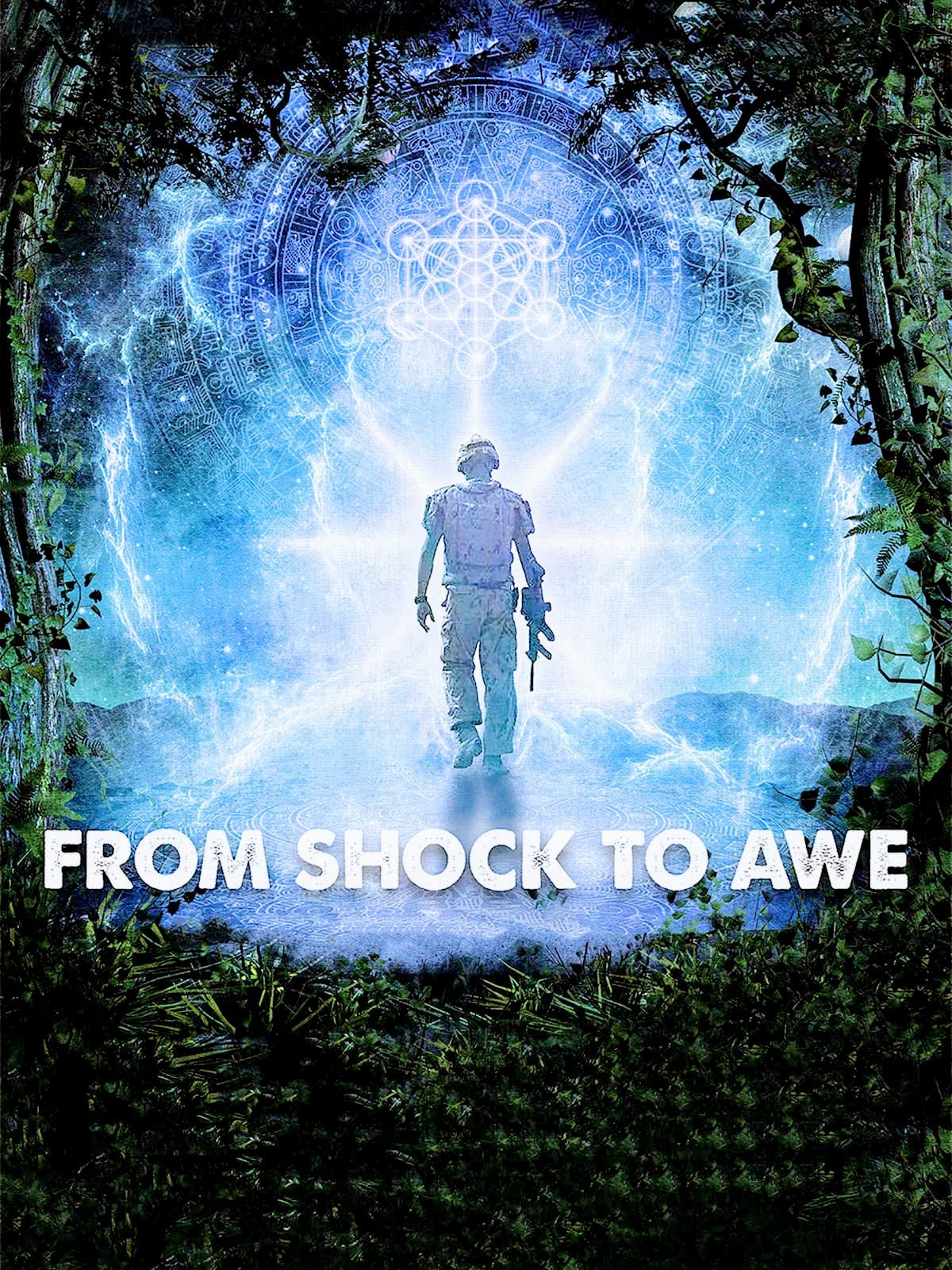
Episode 160 – Plant Medicine, Ayahuasca, Healing Trauma/PTSD From Shock to Awe w/ Matt Kahl
February 13, 2020 · 1:03:33
Episode 163 – Medicinal Mycology, Neurogenesis, Psychedelics, Kundalini Awakening w/ Clint Ginn
March 14, 2020 · 1:04:32
Episode 153 – Carlos Tanner – Healing Trauma/PTSD – Plant Medicine, Ayahuasca
December 26, 2019 · 1:08:44
Episode 147 – Dr. Christopher Bache – Navigating the Mind of The Universe
October 17, 2019 · 1:08:35
Episode 134 – Dr. Richard Louis Miller – The Healing Power of Psychedelic Medicine
July 4, 2019 · 1:04:32
Episode 98 – Hamilton Morris on Chemistry, obscure compounds and working with VICELAND
June 26, 2017 · 31:32
Independent conversations
Help make the next one possible.
Membership sustains ambitious, unhurried interviews and keeps the complete archive open to curious listeners everywhere.
Become a member