

The Human Experience · Episode
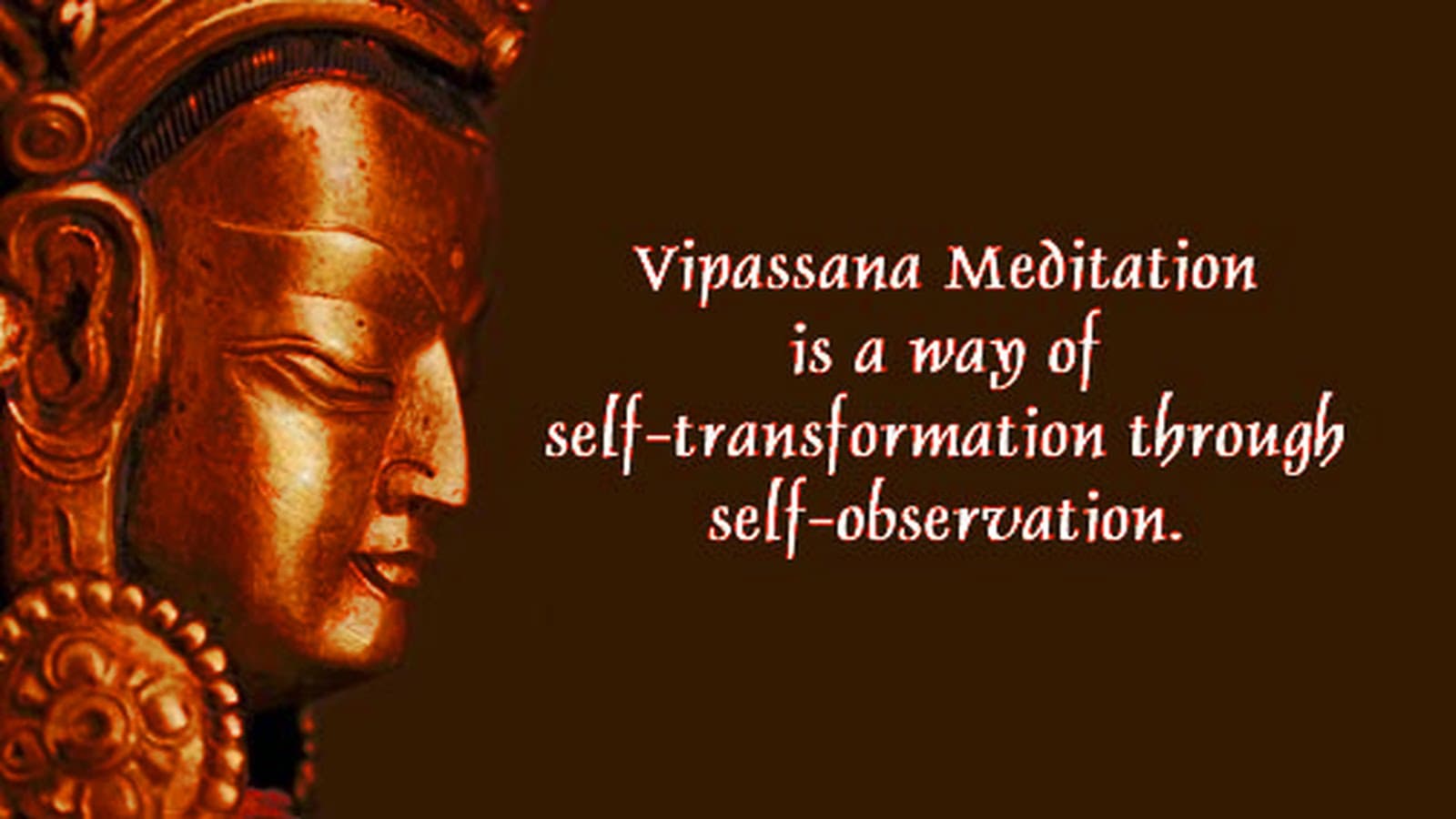
Episode 7 – Paul Linn – Vipassana Meditation
A conversation with Paul Linn
Paul L. Linn MA, LMHC has been teaching and offering therapy to groups and individuals in numerous forms for 32 years. He attended graduate school at the California Institute of Integral Studies, after training in Gestalt and body centered psychotherapy.
Stay with the full conversation.
Episode field notes
Show notes
Paul L. Linn MA, LMHC has been teaching and offering therapy to groups and individuals in numerous forms for 32 years.
 He attended graduate school at the California Institute of Integral Studies, after training in Gestalt and body centered psychotherapy. Paul has a long standing interest in dharma studies and an extensive training practice in the insight meditation tradition visit site.
For the last 20 years he has been guiding meditation groups and residentials. The TsomT system developed as a dynamic synthesis of therapeutic and meditative methods. In combination, the streams that feed this synthesis emerge as an engaged, practical and immediate opportunity for relief from what can be ailing within the human/existential condition, while simultaneously inviting realization of the creative wonder that abides within all that is occuring.
Vipassanā (Pāli) or vipaśyanā (विपश्यना, Sanskrit; Chn. 觀 guān; Tib. ལྷག་མཐོང་, lhaktong; Wyl. lhag mthong) in the Buddhist tradition means insight into the true nature of reality,[1][2] namely as the Three marks of existence: impermanence, suffering or unsatisfactoriness, and the realisation of non-self.
Vipassanā-meditation is a modern Theravada practice, reintroduced by Ledi Sayadaw and Mogok Sayadaw and popularized by Mahasi Sayadaw,[3][4][5] S. N. Goenka and the Vipassana movement, [6] in which mindfulness of breathing and of thoughts, feelings and actions are being used to gain insight in the true nature of reality. Due to the popularity of Vipassanā-meditation, the mindfulness of breathing has gained further popularity in the west as mindfulness.[6]
Vipassanā is a Pali word from the Sanskrit prefix “vi-” and verbal root paś. It is often translated as “insight” or “clear-seeing,” though, the “in-” prefix may be misleading; “vi” in Indo-Aryan languages is equivalent to the Latin “dis.” The “vi” in vipassanā may then mean to see into, see through or to see ‘in a special way.’[2] Alternatively, the “vi” can function as an intensive, and thus vipassanā may mean “seeing deeply.”[citation needed]
A synonym for “Vipassanā” is paccakkha (Pāli; Sanskrit: pratyakṣa), “before the eyes,” which refers to direct experiential perception. Thus, the type of seeing denoted by “vipassanā” is that of direct perception, as opposed to knowledge derived from reasoning or argument.[citation needed]
In Tibetan, vipashyana is lhagthong (wylie: lhag mthong). The term “lhag” means “higher”, “superior”, “greater”; the term “thong” is “view” or “to see”. So together, lhagthong may be rendered into English as “superior seeing”, “great vision” or “supreme wisdom.” This may be interpreted as a “superior manner of seeing”, and also as “seeing that which is the essential nature.” Its nature is a lucidity—a clarity of mind.[7]
Henepola Gunaratana defined Vipassanā as:
Looking into something with clarity and precision, seeing each component as distinct and separate, and piercing all the way through so as to perceive the most fundamental reality of that thing” [2]
Find paul’s work here:
and here:
http://www.floridavipassana.org/
Read the conversation
Transcript
hey guys another episode of the human experience here this was pretty good Paul has been teaching for a long time like thirty two years so a lot of my questions about the pasta were answered after this interview and there’s a centering calm feeling that Paul kind of carries with him when you’re talking to him so hopefully you guys enjoy this one I know that the years wrapping up here and there’s only should have one more
episode for 2014 kind of feels weird to say that it’s almost 2015 so yeah we’re you know the podcast is doing really well we are completely booked until March of next year anyway I’m gonna just shut up and let this episode well hopefully you guys enjoy it thanks for listening we’re here with Paul Lin of the the pasta society and Paul just like to take a moment to welcome to welcoming you to the human experience Paul welcome thank you thank
you very much it’s good to have you here man I think meditation is is definitely an important part to our everyday experience and you know what the possible the pasta sounds like another word to people you know another Sanskrit kind of word that I should probably know the meaning to what is it so what does it mean actually it’s a it’s a Pali word Pali is similar to Sanskrit only it was the language of the common people
whereas Sanskrit was more for the higher class or higher echelon people and the word Vipassana it’s got different translations but I think the most effective translation in my view is it means insight it means to see clearly hmm yeah that’s that’s really intriguing you tell us more so what is what is um what is the pasta involve well the pasta I mean it’s it’s a in one sense it’s a meditation technique or set of technique
in another sense it’s it’s a way of really understanding of perceiving life and you know the the point of the meditation is to open our understanding to really open our mind open our heart to reality and you know this has to occur in a way that’s you know experiential it has to be direct and in order to come to that in most cases a practice or a method you might say is helpful for many people I mean some people just get lucky and they kind of
wake up and see clearly you know through [Music] sometimes there’s a trauma and people will see clearly you know beyond the conditioned mind in that circumstance some people have this experience you know when they’re dying other people you know go into nature and they’ll experience a deep connection that opens them you know beyond their typical ordinary perception but for you know you might say handy daily use meditation
comes in extremely well and it’s very very simple practice I’d like to just make a differentiation between what sometimes is called mindfulness because sometimes will pass and it’s also translated as mindfulness mindfulness meditation in concentration concentration is something that happens you know for all of us to varying degrees as we live our lives in concentration is definitely part of a pasta but the point of concentration if
we were able to concentrate our mind would be to direct that concentration into clearly seeing things as they really are is the way it’s often spoken in the teachings to see things as they really are not as we think they are not as we believe they are and not as we’ve been told they are but as they really are interesting so so it seems like Western culture is a bit behind in regards to meditation versus Eastern culture why do you think that these
these systems are kind of starting to pervade our culture here in Western society mm-hmm one thing is because it’s it’s so effective I mean you know it’s it’s such a buzzword nowadays meditation and mindfulness the National Institutes of Health is spending more money right now as we sit here studying meditation than anything else in the history of that institution it’s an amazing process it’s primarily based at the University of
Wisconsin in Madison and what that’s going to do eventually I think is going to take meditation it’s going to just blow it wide open and and and pull off sort of the you know religious connotations even the spiritual connotations it’s going to bring it right to this level of deep and profound practicality and I think that’s one of the things that’s really really intriguing about it is that interest education medicine as it enters the arts
this you know I just hear more and more and more all the time about all these different ways that people are applying meditation applying mindfulness now because it works it really it helps people in so many different ways hmm so do you do you think that attend a course is something that you would recommend to everyone or is it suited for some people and not others let me just give a little background that particular course that 10-day
course that is that that’s a style of a pasta if you and I went into Burma right now we would find somewhere between 30 and 40 or more very potent you know powerful lineages of the pasta meditation and all of these would be styled slightly differently that particular 10-day course that is taught worldwide in the tradition of SN Goenka who recently passed away is a beautiful course it’s a very effective course and yeah I would recommend it to just about
everybody it is intensive and it’s nice to know what you’re getting into and be committed and they ask you if you come on that kind of course they say look you know basically you know this is what we’re doing and you’re not going to know what it’s like to get into it of course but you know you know what they’re looking for serious committed people to come and do that I remember when I did my first course back in the 80s I didn’t really know what I
was getting into and there were these very good-looking actors that showed up from New York City and they were watching us almost like we would like specimens they kind of like we’re looking at us and we were having dinner and they were watching us and they were they were they were very sort of attractive people dressed very well and they were watching us with big eyes and then eventually they just disappeared and I think they probably said you know
what this isn’t for us I mean I don’t know that’s just my imagination but you know for me like many people that that practice is very very intensive and it works very very well one of the downsides of that is it does have a lot of concentration in it and and so there’s a recommendation to keep up that practice if you’re going to utilize that because for me there was a kind of a split between that style of a pasta that
concentration practice and the rest of my life I have these wonderful experiences in the meditation and I get very concentrated and focused and then I come out and be you know pretty much as neurotic as ever when I engaged in the rest of my life and it took some years to really kind of in a way sort of bring these these different you know aspects of my experience together such that the mindfulness and some of the effects of
the mindfulness were actually you know directly translating into my life in a more complete and whole way yeah yeah I you know during the research for this interviews kind of watching the Goenka videos and on YouTube and he mentions these subtle realities that in first you kind of start focusing on your your breath and your watching your breathing and then he mentions these sort of subtle realities that start to surface
what are some of those subtle realities that he’s talking about yeah they’re really not that subtle I mean he might be talking about something that I don’t know about but things like calmness and tranquillity and contentment and equanimity you know these kinds of qualities are there in all of us and what happens when you sit down and and meditate and begin to actually release yourself from you know a lot of excessive thinking most of
us probably think a lot more than we need to you know our minds get very habituated into conceptualizing and and viewing life through our concepts and ideas and as you settle down beneath that you sort of go you know underneath or behind your cerebral cortex and just kind of relax and settle down you actually start to experience these subtle things and there and there and there they’re pretty direct and they’re pretty
easy to get in touch with as long as your life isn’t so chaotic and and stressed that you know when you sit down that’s all you really experience for a while until that that dissipates beyond that you know it’s certainly in the way that Goenka talks about the the possibilities for human realization he’s really even talking about these sort of realms of existence that this is hard to kind of talk about like is this in the
body or is this something that happens when you you’re you’re done and you leave the body who knows for sure I don’t it’s it’s conjecture but you know for me there’s there’s no point in ruling these things out nor if I had at the same time if I haven’t experienced it then there’s not a lot of value I think in clinging to it is you know this is the truth so I haven’t seen it then it’s not really the truth but things like loving kindness and
compassion sympathetic joy these qualities you know like for example loving kindness would be really feeling love for all things and all beings when your heart just really opens up compassion would be you know the most intelligent and true and fundamental response to suffering and difficulty sympathetic joy would be like somebody wins the lotto and instead of like I go God 9 nothing good happens to me yeah I like actually feel like really good for
that other person’s good fortune like I’d really just like hop on that you know wave of goodness there and happiness and I experienced that and then equanimity which is really emphasized a lot in that but style of apana is this balance this capacity to be with what’s happening in a nonreactive and open responsive way and that really is a very very subtle and ever-deepening thing to really find what it means to not just feel balance
physically but feel balance mentally emotionally and then in a way to even transcend your perceptions of balance such that for example the time of the buddha there was a a story about you know how he he meditated with his teachers anyone as far as he could with them and then he said look my mind is still afflicted I still have suffering like how do I deal with this and I said ah you know you can’t really take that out you know you can’t really fix that
just hang out with us you got it real quick you learn the method just study here stay you know a lot of students want to learn is just stay here he said no I gotta go I mean I need to find an ultimate truth of release from this angst that I feel as subtle as it may be so he kept meditating and then he found this meditation he called it he called it V then I’m not Oda they then I mean sensation not Oda means extinction its
extinction this is really interesting to me very subtle distinction elimination of all feeling Pleasant unpleasant neutral there’s three kinds of feeling in Buddhist psychology pleasant unpleasant and neutral and all of our emotions would be classified in those three feelings they use the word mental feeling in a be Dharma Buddhist psychology but imagine most of us feel very conditioned by feeling you know if it feels good we like it if it doesn’t
feel good if it doesn’t feel good enough we start to not like it you know adjust adjust adjust adjust as one fellow that went on one of those 10-day retreats very smart guy medical doctor or you know very open minded guy in many ways he never stopped and did the technique the whole 10 days he’s going like this and he never stopped and he didn’t get anything out of it and he went away very judgmental he said that was a waste of
time that’s like well of course it was a waste of time you didn’t do it you know you didn’t stop but you know that would be like agitation based on a lot of you know difficult feeling that he was having I guess so this Vaden on the road hog which would be just a very deep state of transcendent absorptive spacious freedom Wow still in the body Xavier still in the body but even on their order now nobody’s apparently at that time the
Buddha had found this so he had to name it you know yeah they actually come up with those those words I mean he went further than that like in terms of experience subtleties there was like at that time there was a word for the atom was called a kelapa kalapa was a pali word for the atom he said he saw something more subtle in his meditation than the atom and so you had a name that he called it ithaca lapa which is a more
would be like the quark I guess or something but just even more subtle so you know our what happens when we settle down as we begin to see an experiment I use the words see I mean directly experience we begin to directly experience things much more intimately much more subtly much more closely and it it seems to me at least that that deepening is infinite that it’s not it’s it doesn’t have a limit to it that that waking up or realizing our potential is
not like a state that we arrive at and it’s done it’s an expansive opening into infinity Wow so there there does seem to be an aspect of putting your body and your mind into this sort of uncomfortable state how how does that kind of relate to what what you’re talking about well hopefully not not too much in the sense that you know if you sit down to actually begin some say formal meditation because the point really of
this formal meditation would be to open you up so you could see that that awareness is ongoing it’s the context of our life and that and that the the formal meditation begins as something that helps you realize that it’s possible to actually live meditatively more and more of the time and what that means is to actually be relatively free from affliction living and doing all the things that we do so when it comes to you know this is sort
of discomfort that some people will experience when they both first it down well if your life internally you’re externally is untidy you know if you’re if you you know your diets not good if if you you know have an exercise if you haven’t taken care of yourself then you’re probably going to be uncomfortable for a little while until you settle down and hopefully get past some of that surface tension some of that surface stress can peel off but as
far as sitting down and sticking your legs up in a full Lotus that’s pretty dumb unless you know what you’re doing and your hips are opened up in your knees it’s a nice posture if you know how to do it and it works but you know in goenka’s courses you have to sit on the floor and there wasn’t any walking meditation and it’s pretty intensive you know you sit for an hour and they asked you not to move at all and it was
incredibly painful until you begin to open up and get through some of that surface tension and not usually takes in a ten-day course you know most people by the six seventh day they’re really starting to open up eighth ninth day and it’s like whoa you know like whole new world of experience is available there and then the tenth day comes and you start talking everybody and everybody’s full of energy and they’re you know if
they know each other they’re kissing and hugging if they don’t know each other they might be kissing and hugging and you know it’s you know it’s pretty cool you never might see these people again but you know you feel extremely intimate because you’ve shared this very very deep you know experience of silence and meditation so you know that discomfort the Buddha said the first noble truth of these Noble Truths or truths of
existence he said is soft and what does that mean it it means that that life is has an element of unreliability about it you know that everything that’s happening here is is transient and changing and if your minds attach to that which changes you suffer right here and so that’s where the real pain comes from that’s where the the misunderstanding is and that that’s that that’s the perception or that’s the conditioning that hopefully the
meditation can help help alleviate why do you think that the breath is so important to understanding meditation yeah because it’s an object that’s there all the time you don’t have to manufacture it you don’t have to imagine it the other thing about it is that it’s both a physical and mental process in other words obviously you know breathing is what in part keeps our body alive so it’s a physical process but also it’s a
mental process in that our state of mind our emotional state influences our breathing and so if you start observing your breathing and I’m talking about like the natural breathing not doing like breathing exercises we breathe a certain way like a pranayama that’s that’s okay too but that’s different what happens is you start to actually your mind starts to actually be seen through the breathing you experience your state of mind you experience your
emotional state there when your state of mind changes you say your mind becomes more calm your breath is changing so there’s a there’s a linkage there the other thing that’s helpful about the breathing is that from a psychological perspective you know we could just say to use a simple model there’s a there’s a conscious of subconscious and an unconscious mind and the unconscious in this sense is you know everything we’re
not yet conscious of so that would be and some people’s – super conscious mind as well the gate or the door between the conscious and the unconscious can be softened and opened by attending to the breathing and that’s pretty interesting because what tends to happen then is you know and this is what people have a hard time with at first sometimes if they’ve got a lot of stuff unresolved inside sit down start to pay attention to their
breathing and they don’t get calm right away they actually get kind of like they feel stuff coming up because the breath is actually helping their mind open and so whatever is there is going to start to surface if the person has a lot of fear in there they have a lot of sadness maybe they have a lot of confusion doubt that’ll just start to surface and they’ll start to see that and if they if they understand how to practice meditation correctly they’re
responding to that by opening by being curious and interested rather than bailing out and going and having an ice cream and watching television right what do you what do you say to people who have deep rooted traumas that attend these courses well it can be challenging if you have a if you have a lot of trauma and you come on a meditation retreat sometimes you’re gonna have a hard time unless you have good good guidance and oftentimes folks are going
to benefit from from psychotherapy who have trauma if they’ve got a lot of unresolved things meditation is really good for some things it’s not particularly the greatest thing for trauma unless the person has a real stability of mind I had a fellow once who came and he was of really had profound epilepsy very very sort of bad grand mal seizures and he was a really interesting guy he was a martial artist and he took himself off the medication
while he was in the in the course in the meditation and he let himself go through the experience I don’t know whether this was good or not but he let himself go through the experience and he said it was fine he was okay with it I I was nervous and this guy was like you know an unusual human being in the sense that he was he was like a real warrior and I was like okay you know I’m gonna hang with you I’m gonna watch this I’m gonna
learn from you but you’re really doing something unusual here psychological trauma emotional trauma it can be tricky and so I think what has to happen there is you know you got a kind of person needs to make sure they’re getting proper guidance perhaps they are ready to perhaps not meditate quite as intensively and I had a good friend that at one point years ago I did three months continuously of the meditation and I had a guy as a
roommate and and this guy would do a three-month course every year so he’d been on he was up to like his tenth year like that means like three months out of 12 he’s in intensive meditation the whole 12 three months and he’s like on his 10th retreat and and he and I were like roommates not that we were you know talking cuz it’s silent and at the end of that like we were like two and a half months into that and the teachers told
him to stop meditating and I asked him about that after the course was always said what was that about he said well he was really really really really badly abused as a child and he started to encounter some of that material and they told him to just ease off just take it easy just go for walks just go into the woods you know walk around don’t meditate intensive Lee and I think they made a choice there because they felt
perhaps this wasn’t the best way to approach this you know that if you have a lot of trauma in your life that came from say early childhood with parents or with caregivers who weren’t treating you correctly number one those experiences won’t tend to come up so much in meditation they might but but what they’ll do is they’ll come up in intimate relationships and the best place to heal those experiences in in is in a corrective intimate relationship
therapeutically meditation can help kind of soften you and make it available but in terms of actually working the experience through oftentimes the therapeutic relationship is very helpful for that and necessary it’s very very interesting so I’m trying to formulate my next question here why do you think that this type of activity affects evolution so much i I understand that there is a conscious we have a conscious mind and
a subconscious mind and it almost seems like the two are at war or in competition or something so how does how does Vipassana allow you to recognize these things is it is it the aspect of cancelling out all of these external influences like your phone and the internet and information that the only reason for that is that most of us wouldn’t get all that settled if if we kept being attentive to those things if you want to get to a more sensitive
undefended and open space you know with let’s just say now the body might process a meditative setting a quiet meditative setting is very helpful for that as far as this conflict yeah you’re pointing to something that’s it’s really kind of fascinating Freud once said that the best thing you can have is ordinary typical human sadness like that’s as good as it gets and he didn’t you know as much as he had insights into the
unconscious mind some wonderful insights he he he didn’t get to the transcendent understanding of things as exhibited by that statement the best you can get is ordinary human sadness so just go with it know the the the the the the rub or the conflict between what we want and what we actually have is profound it’s a extremely subtle and not-so-subtle thing so I’m not I’m not trying to sort of just take what you said and pull it into this one little
configuration here of what we want contrasted to what we have the illusion is that we can have a happiness through our senses and through contact with this world of things that will ultimately satisfy us and it never does because all these things in this world are constantly changing my relationships my objects my comfortable mind states my emotions these things that I’m not talking about this in a pejorative way these things by nature
come and go so part of the resolution of this of this you might say rub between what we want and what we actually have is you when you begin to see the nature of experience this is where insight happens most people if you say what’s going on they can tell you they can say well I’m thinking about my car and I’ve got to change the oil and now I’m gonna go and have dinner with my friend and try to get to bed early I got to go to
work tomorrow I can tell you what’s in their mind how you feel they might be able to tell you how they feel how’s your body they can tell you about that they’re aware of the content of their experience and they can describe that when you meditate what happens is you go inside that content you begin to see the process of experience and this is where all experience is the same you see the actual process of everything the process
of your thoughts your emotions your sensations your breathing your perceptions you even see the process of consciousness itself and what this process is is change is transformation everything is becoming something other than what it was the moment before this second this millisecond this instant is dissolving never to happen again in exactly the way it just happened boom / boom / boom / and so when we’ve been to actually see this experientially this
this grass being clean this friction in the mind this conflict you mentioned releases the mind released just a little bit or might release a lot or in some cases is kind of rare it totally releases completely releases and doesn’t come back boom and in that what’s happening then is a human being is experiencing and is absorbed and is established in the two nature of their mind the true nature of the mind is liberation freedom from suffering wow
that is really interesting man it you know I just I have a roommate and she recently attended a 10-day course and was through through my research I I found I guess there was this Indian guy who we took the course and he started experiencing the sensation of sort of disconnecting from his body like he would try to feel his finger and his finger was no longer there and he was he was starting he said that he was starting to feel like he was completely
outside of his body and he was kind of watching the experience happened from like above himself mm-hmm is that something that is common or it’s not we all common it happens spontaneously sometimes to people where they were you you can a couple of things can happen the body can dissolve meaning like the sensation of the body becomes so subtle that it’s just the body just sort of disappears that’s not necessarily out of
the body it’s but it’s a very different experience of the body it’s it’s really actually seeing the body for what it really is and or experiencing as it really is which is its ephemeral it’s changing there’s literally more space between the molecules that supposedly make up this form than there are molecules I mean literally scientifically true out of the bodies a little bit different like sometimes people will go outside the body and
they’ll be experiencing the body sitting there and they’ll be up on the ceiling they’ll look down on it there’s nothing really special about that it’s just for some people that it it lets you know that you’re not just your body that’s kind of cool and in some cases it’ll actually dissipate a fair amount of fear of dying if you have that in you it’s like well like it happened to me once I was doing yoga and I just lay
down to do like a corpse pose and I just just went outside the body and I was looking down it was like wow cool and then I got like nervous I felt nervousness come up and I was like gravity like I was back in the body was like it never happened to me before then I relaxed I went cool now some people who actually practice that that’s that’s like not part of a traditional apana Buddhist meditation they pretty much consider that sort of like
extrasensory phenomena and don’t really put a lot of emphasis they just kind of say well just observe that okay what happened there well you’re seeing the nature of things right you’ve seen that things come and go okay that came and went okay no big deal it’s the same process everything comes and goes the mind sometimes wants to make something special out of this dat or the other thing that is a prison in a way because
if I say this is special then I’m excluding these other things when I begin to really open up everything is equally special that’s really really cool to me that’s like justice finally hmm so is it’s not just that we have negative thoughts that we’re trying to eliminate but also we it’s it’s both it’s all the qualities of thought it’s any thought so so then is it that you’re you become sort of more pure by by disconnecting the the attachment that
you have the assignment that you have to thought well actually what happens is isn’t so much like a disconnection from thinking or even necessarily a diminishment in thinking although that sometimes happens it’s seeing thoughts clearly for what they really are and as you see the thoughts are by nature they’re just it’s just energy really constantly transforming then your mind spontaneously this isn’t something that happens to
effort it’s happened spontaneously your mind stops being is attached to thoughts therefore then it doesn’t quite so much matter whether there’s thoughts are not thoughts people who sit and this is a very common misconception they said in what they want to try to do is get quiet well everything that you’re going for generally it means you’re threatened by the opposite so if I’m trying to go for a peaceful mind then I’m going to be
threatened by confusion and chaos think about if a sec if I’m if I’m very attached to my youth I’m threatened by old age attached to heterosexuality threatened by homosexuality attached to vegetarianism threatened by meat eaters attached to meat-eating threatened by vegetarians attached to Republican debt and by the Democrats goes on and on and on when you begin to actually see the nature of experience and that means
thoughts as well naturally the mine opens and doesn’t continue to be as attached that’s how it works this effort to be not attached is another kind of attachment or people who say I’m gonna try not to be identified with anything now they’re busy trying to be not identified with anything so identified with not identified it’s a sort of a cat chasing its tail or a mobius strip it just goes round and round and round that’s actually what the Buddha called
that he called that samsara he called that perpetual wandering it’s the human being wandering in the mind wandering in the place to this place at that place seeking what seeking the strange but seeking actually hopefully the end of wandering Wow Bob Dylan had a blind for that he called it nodirectionhome that’s cool so is there is there an aspect I mean what makes you pause on meditation so much different than the other
meditations that we see or what we hear about hmm not really that much the foundation of of all meditation really is awareness itself I actually back in the 70s began with Transcendental Meditation which is like a mantra and it worked great I mean I get really blissed-out and very happy but I was still quite unintegrated and you know fairly neurotic in other places and but I was having some wonderful experiences relaxing you know calmness
happiness things like that the pasta has a wonderful gift in that at least as I understand it and teach it it opens up at full integrative you might say framework for your whole life and the mindfulness or awareness itself is the context of our life and as you begin to see this experientially then you know what we would call ordinary human awareness like I mentioned that before like what are you doing oh I’m sitting in my room talking to Xavier we’re doing
the podcast you know what time is it’s 9:00 that and so forth that’s ordinary awareness meditative awareness is inside ordinary awareness it’s hiding inside ordinaire awareness meditative awareness –is seeing things observing things without interfering with them so it’s right here and everybody experiences this to some extent meditative awareness as this meditative awareness wakes up it starts to permeate more and more of your
life and it has wonderful health benefits distressing benefits and of course it has the benefit of bringing insight and that’s what transforms our life that’s where real happiness comes from it comes from insight it doesn’t come from getting what we want it doesn’t come from things it doesn’t come from even states of mind and states of body those those can make you happy to some extent but they all change insight insight is what really brings happiness
you know Goenka said that he made an analogy about a tree he said that by by looking at our root issues and going down into the roots because a tree can’t be healthy unless you treat its roots and and everything else so he said that by going down and addressing the root issues of our of our problems like really looking at the roots of our of what causes suffering what causes all these uncomfortable feelings that’s where the real transformative change
occurs do you agree with that oh absolutely absolutely no question and in the classic teachings and that goink is very very classical I mean he’s a staunch true Hindu by birth who was awakened through the meditation but said I’ll keep my religion even though this you know Buddhist meditation because you’re not supposed to shift if you’re a Hindu you don’t jump out and become a Buddhist that’s like bad yeah I can imagine you don’t do that but yeah greed
hatred and delusion greed wanting what I don’t have hatred not wanting what I do have delusion being confused about it those three forces are rooted in ignorance ignorance not meaning like I’m stupid necessarily though I could be ignorance means ignoring the truth of the way things really are not seeing not experiencing things as they really are experiencing things through this lens of conditioned thought and perceptions so
right away we could when I say this you could think oh well the thing is I got to get rid of the thoughts you’re not gonna get rid of the thoughts the harder you might try to get rid of the thoughts the more you’re going to be at conflict thoughts may dissipate or they may not dissipate the important thing is to begin to see the nature of the thinking so you see the nature of that greed hatred and delusion and you see you know
what I used to call these things defilements these are incredibly interesting forces that do generate suffering when they’re not seeing when they when they’re seeing clearly they come they appear and they dissipate so what do I have some people is they start to sit and let’s say they have a lot of wanting in their mind a lot of greed they start to see that clearly and they start to see that unfolding they start to see that dissipate and all of a
sudden they’re happy and they’re smiling sitting there watching their mind full of wanting because their minds not reacting suddenly it’s amazing or they have a lot of hatred it may have a lot of anger or a lot of confusion that’s that’s probably the hardest for people I think if it isn’t fear its confusion when they start to experience confusion really experience that doubt uncertainty which is a kind of fear that’s where it
starts to become very tricky and people will sometimes want to stop that want to not meditate you know they want to pull away because it’s it can be very frightening you know you can you can start to feel very very lost even and to have proper guidance at those times it’s incredibly important because you can you probably unless you have some kind of affliction where you’re going to go off and take drugs or something and you know
harm yourself you’re going to be okay but you can get spun out because as you as you go into your experience really deeply it’s like surgery do you think it’s dangerous for a person to leave a course early it depends on what motivates them to leave you know if they if they were feeling very violent and they left the course it could be a little tricky they could go off and maybe do something really unskillful so you know generally though what will
happen is the intensity of the meditation you know in the pain that they’re experiencing is usually what drives people to want to leave and then they’ll just go back into their habits and not that much bad things will happen you know but they won’t they won’t continue to progress they’ll come away sometimes like my friend the doctor I mean he was okay but he he came away with so much more he was very sort of what’s the word subtly
judgmental human being he was very cynical had a cynicism about him and I think maybe the course and his experience of it the fact that he didn’t do it strengthened a certain amount of cynicism in his mind for a while and you know these nothing really lasts so even if a person goes on a bender you know it’s it’s it’s gonna sort out and in time hopefully the issue would be if somebody had some real you know psychological disturbance and they left
the course early you know that would be a little bit tricky you know it’d be it could be a little bit like the analogy would be somebody goes into intensive psychotherapy and an inpatient setting and then they decide to pull out halfway through when they’re really engaged with some very painful material that probably wouldn’t be the best idea right so so I was looking at your your your history and I noticed that you are a
transpersonal psychologist yes how did you does this kind of go hand in hand with what you’re doing with transpersonal psychology and meditation kind of a parallel there or two separate entities now they’re very very complementary you know the psychology you know the the forward edge of psychology is in this interface with the wisdom traditions and you know Buddhism is a wisdom tradition it’s not just a religion but this
interface is where the transpersonal you know wakes up it’s it’s where psychology opens into spirituality really and so for me it’s been a very natural blend a very you know easy blend and it turns out that you know a fair number of people that I see in therapy will at one point or now they’re engage in some meditation and some will do it quite intensively and really integrated into their life and some people come in
through meditation and then they see the need for some therapy and so they’ll do some therapy as well but they they just complement they just braid really really beautifully together it’s it’s very easy I find an almost seamless huh very cool man we’re we’re approaching the end here is there anything that you wanted to kind of get out any messages or suggestions to people who are looking into the pasta and and find it interesting yeah thank
you that’s a wonderful offer you make there to to just and I’d emphasize you know the opportunity to experience it directly reading about it is interesting there’s a lot of great books and more and more all the time but I would say you know actually having you know setting aside some time to not just maybe sit for 10 or 15 minutes but to actually you know do a course of meditation that’s where you really can see what meditation can offer is that
even if it’s just a weekend and you and you stop and you give yourself to that case in point you know my I have two children there ones in mid-20s and the others of early 20s the the youngest one is a third-year college student and he he came on the last retreat that I taught and he kind of came out of the blue he said I want to come on this I said really it great I said can I ask you why he said well you’ve been doing
it for 40 years there must be something to it and number two he said I I want to slow down I want to give myself a chance to shift he had a really profound experience and he said I want to do more of it he hasn’t read much about it and then every now and then you know he’ll ask me a question he goes dad what about that third mark of existence could we talk about that he’ll pull out something from the you know the teachings but
mostly he’s just been enjoying the experience of it and and that’s what I would recommend to people is that you know they really give themselves a chance to taste it directly through through an actual you know period of time where they practice it and that’s I think you know it’s like I listen to other people play the piano I might like the piano play the piano myself but when I really start to experience it through my own direct plane and I know
what it is right is there a website that people can find more information about you sure two websites that there’s the Vipassana website it’s WWF Florida papasan org and then there’s a website that I have for psychotherapy it’s w WT e some DTS om t calm and that means transpersonal somatic therapy that’s the that’s the therapy that I practice very very cool man thank you so much for doing this I really think that the pasta
does have something to it and we can we can learn a lot by just looking at ourselves and with that I’m gonna wish you guys a good holiday and it’s Xavier and it’s a human experience we will catch you guys next time thank you so much David appreciate it thanks Paul [Music] [Music] [Music] [Music] [Music] [Music] [Music] [Music] [Music] [Music]
Ideas worth returning to
Quotes
Five substantial excerpts from the published transcript, lightly edited for clarity without changing their meaning.
“We normally encounter life through concepts and ideas. As the mind settles beneath that constant interpretation, subtler aspects of direct experience become available. They are not necessarily difficult to contact; the greater obstacle is a life so chaotic and stressed that sitting still reveals only accumulated agitation.”
From the conversation“Observe natural breathing rather than deliberately controlling it. As attention becomes steady, the breath begins to display the mind: emotion and thought alter rhythm, depth, and tension. Watching those changes makes mental state tangible without requiring an abstract explanation.”
From the conversation“We search among relationships, possessions, moods, and emotions for something that will satisfy us permanently, but these experiences change by nature. Insight begins when impermanence is seen directly rather than accepted as a doctrine. The friction between demanding permanence and living in change can then begin to relax.”
From the conversation“When grasping and conflict are observed experientially, the mind may release a little or a great deal. In rare accounts, the release becomes complete and does not return. Buddhist practice calls the true nature of mind liberation: freedom not from having experiences, but from the compulsive grasping that turns them into suffering.”
From the conversation“Ordinary awareness knows that I am sitting in a room, speaking on a podcast, at a particular time. Meditative awareness is already inside that ordinary consciousness. It observes experience without immediately interfering, judging, or manipulating. Practice does not import a foreign faculty; it helps an existing capacity wake up.”
From the conversation
About the guest
Paul Linn
He attended graduate school at the California Institute of Integral Studies, after training in Gestalt and body centered psychotherapy. Paul has a long standing interest in dharma studies and an extensive training practice in the insight meditation tradition visit site.
Episode 61 – Vishen Lakhiani – Conquering Fear, Defying Limitations, Living your best life.
June 12, 2016 · 1:10:28
Episode 2 – Robert Bruce – Out of Body Experiences, Energy, Astral Dynamics
September 18, 2014 · 2:33:23

Episode #186- Positively Angela – The 7 Hermetic Principles & Living a Better Life
December 20, 2022 · 1:26:56

Episode #185 – Brad Klausen & Chance Gardner – Esoteric Egypt, Pineal Gland Activation, Kundalini, and more
December 14, 2022 · 1:50:21

Episode 171 – Surfing Monster Waves, Mastering Fear & Flow State w/ Laird Hamilton
July 6, 2020 · 46:18

Episode 170 – Unlock your Superhuman Memory & Learning w/ Mattias Ribbing
June 9, 2020 · 1:08:44
Independent conversations
Help make the next one possible.
Membership sustains ambitious, unhurried interviews and keeps the complete archive open to curious listeners everywhere.
Become a member