
The Human Experience · Episode
Episode 40 – Dr. Rick Strassman – DMT: The Spirit Molecule
A conversation with Dr. Rick Strassman
RICK STRASSMAN M.D. holds degrees from Stanford University and Albert Einstein College of Medicine of Yeshiva University. He took his internship and general psychiatry residency at the University of California, Davis, Medical Center in Sacramento and he spent ten years as a tenured professor at the University of…
Stay with the full conversation.
Episode field notes
Show notes
RICK STRASSMAN M.D. holds degrees from Stanford University and Albert Einstein College of Medicine of Yeshiva University. He took his internship and general psychiatry residency at the University of California, Davis, Medical Center in Sacramento and he spent ten years as a tenured professor at the University of Mexico he performed the first new human studies with psychedelic drugs in the US in over 20 years. His research involved the powerful naturally-occurring compound, DMT – N,N-dimethyltryptamine. Led to this substance through his earlier study of the pineal gland as a potential biological locus for spiritual experiences, he administered several hundred doses of DMT to approximately 60 volunteers between 1990 and 1995. He wrote about this research in the popular book, DMT: The Spirit Molecule, which has sold over 100,000 copies, has been translated into 12 languages, and is now available as an audio-book. It also inspired an independent documentary by the same name, picked up by Warner Bros distributing in Fall, 2011. With three distinguished collaborators, he co-authored Inner Paths to Outer Space, which looks more carefully at the common “other worlds” experience that volunteers frequently reported during his research.
Rick Strassman was born in Los Angeles, California in 1952. He attended public schools in southern California’s San Fernando Valley, and graduated from Ulysses S. Grant High School in Van Nuys in 1969. As an undergraduate, he majored in zoology at Pomona College in Claremont California for two years before transferring to Stanford University, where he graduated with departmental honors in biological sciences in 1973. During summers in college he worked for RedKen Laboratories, developing cosmetics and a line of hair dyes, and also performed laboratory research at Stanford, on the development of the chicken embryo’s nervous system. He attended the Albert Einstein College of Medicine of Yeshiva University in the Bronx, New York, where he obtained his medical degree with honors in 1977.
Dr. Strassman took his internship and general psychiatry residency at the University of California, Davis, Medical Center in Sacramento, and received the Sandoz Award for outstanding graduating resident in 1981. After graduating, he worked for a year in Fairbanks, Alaska in community mental health and private psychiatric practice. From 1982-1983, he obtained fellowship training in clinical psychopharmacology research at the University of California, San Diego’s Veteran’s Administration Medical Center. He then served on the clinical faculty in the department of psychiatry at UC Davis Medical Center, before taking a full-time academic position in the department of psychiatry at the University of New Mexico School of Medicine in Albuquerque in 1984.
At UNM, Dr. Strassman performed clinical research investigating the function of the pineal hormone melatonin in which his research group documented the first known role of melatonin in humans. He also began the first new US government approved and funded clinical research with psychedelic drugs in over twenty years. Before leaving the University in 1995, he attained the rank of tenured Associate Professor of Psychiatry, and received the UNM General Clinical Research Center’s Research Scientist Award.
In 1984, he received lay ordination in a Western Buddhist order, and co-founded, and for several years administered, a lay Buddhist meditation group associated with the same order. Dr. Strassman underwent a four-year personal psychoanalysis in New Mexico between 1986 and 1990.
He has published nearly thirty peer-reviewed scientific papers, and has served as a reviewer for several psychiatric research journals. He has been a consultant to the US Food and Drug Administration, National Institute on Drug Abuse, Veteran’s Administration Hospitals, Social Security Administration, and other state and local agencies. In 2007 he founded, with Steve Barker and Andrew Stone, the Cottonwood Research Foundation (www.cottonwoodresearch.org).
From 1996 to 2000, while living in the Pacific Northwest of the United States, Dr. Strassman worked in community mental health centers for Washington State in Bellingham and Port Townsend. For the next four years, he had a solo private practice in Taos, New Mexico. After two years working on the edge of the Navajo Reservation in Gallup NM, he returned to northern New Mexico in 2006, where he served at a mental health center in Espanola. Since mid-2008, he has been writing full-time.
He currently is Clinical Associate Professor of Psychiatry at the University of New Mexico School of Medicine.
Since 1996, Dr. Strassman has been exploring models for the DMT effect focusing primarily on the Old Testament concept of prophecy. Prophecy is a spiritual experience which takes into account the apparently external, free-standing nature of the DMT “worlds,” in which one’s sense of self is highly preserved and interactive. The Old Testament concept of prophecy provides an alternative to other models that borrow more heavily from Eastern religious systems, and those of Latin American shamanism. The notion of prophecy also deals directly with ethical and moral concerns, adding a crucial element to our ability to understand and integrate the content of the psychedelic experience.
Dr. Strassman is currently Clinical Associate Professor of Psychiatry at the University of New Mexico School of Medicine. He is also President and co-founder of the Cottonwood Research Foundation, which is dedicated to consciousness research.
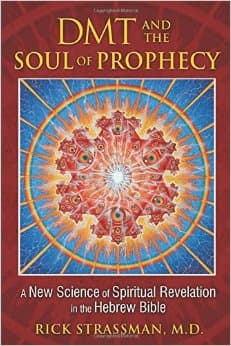
In this episode we talk to Dr. Strassman about his new book DMT and The Soul of Prophecy. We discuss the implications of his research – some of the struggle it took him to get the research done and we cover what it may mean for DMT to serve as the biological basis for spiritual experience.

From Dr. Strassman’s Website: In this book, I tackle the major unresolved issue with which I was left after finishing my DMT project nearly 20 years ago. This was to find a model that fit the data from our volunteers’ reports of the drug state. This ultimately led me to the Old Testament (Hebrew Bible) where the notion of a “prophetic state of consciousness” began taking shape. At the same time, in order to make sense of the Hebrew Bible, I turned to the classic medieval Jewish philosophers like Maimonides, who proposed rather sophisticated metaphysical/spiritual mechanisms for the prophetic experience. Thus, to the extent that the prophetic and DMT states resembled each other, I could propose metaphysical and spiritual mechanisms in common in addition to shared biological mechanisms.
“DMT: The Spirit Molecule,” is now available onNetflix, Amazon and iTunes. Nearly 5 years in the making, the film condenses over 80 hours of interview footage with cutting-edge computer-generated imagery to capture critical elements of the DMT experience.
Find Rick Strassman Here: www.rickstrassman.com
Huge thanks to Dr. Strassman for making time to be on the show.
Read the conversation
Transcript
Welcome to the human experience podcast the only podcast designed to fuse your left and right brain hemispheres and feed it the most entertaining and mentally engaging topics on the planet as we approach our scent please make sure your frontal temporal and occipital lobes are in their full upright position as you take your seat of consciousness relax your senses and allow us to take you on a journey we are the intimate
strangers thank you for listening what’s up guys this is a phenomenal conversation with dr. Rick Strassman the author of DMT the spirit molecule in it we get into some of the cultural ramifications of the usage of mt mt we talked about the stigma behind the usage of this compound you will enjoy this episode it was our second time with dr. Strassmann on the show so we thoroughly enjoyed his presence please pick up a copy of his book DMT the spirit molecule
and dmt the soul prophecy also get to us on Facebook and Twitter you can do that at the human XP thank you guys so much for listening if you like what we’re doing get to our support us page the human xpcom / donate and show us your support thanks guys so much you will enjoy this episode the human experience is activating the DMT in your brain as we speak to our guest dr. Rick Strassman dr. strassman welcome back to atrix
peace her it’s a pleasure well thanks it’s nice to be on your show so dr. Strasser and I think I think the last time that we spoke was actually exactly a year from now we we spoke in June of 2015 and we covered your second book soul prophecy I mean in the last year what would you say in a cultural regard hi and I’m diving right in here but what would you say in a cultural regard how do you think the perception of dmt DMT containing substances I you
ask how do you think the perception of that has changed in mainstream culture well I think when it comes to DMT within the scientific community even you know pure DMT within the lay community it’s still sort of a sleeper you know relative to ayahuasca in particular and you know relative to other drugs like you know silicide bin which are getting a lot of air time within the research community and LSD is beginning to get
some attention within the academic world as well you know DMT there hasn’t been a lot of you know Newton you know new scientific research with DMT you there’s a Hungarian group which is exploring the relationship between DMT and the sigma receptor which is a unique receptor in the brain but it’s still kind of esoteric uh you know so you know people aren’t you’re really talking about you know DMT like they are you know the
other drugs you know that may change a colleague a junior colleague of mine a young guy from Britain who lives in Japan and isn’t is an academic in Japan he and I just day in paper that actually just came out today in his final form and it is a model for the continuous infusion of pure DMT you know to keep people in that state for an extended period of time asking quite a few hits on the journal in which it appeared frontiers in pharmacology you so that
may stir the pot some with you know DMT you know ayahuasca is increasingly you know popular uh you know uh no celebrities are you know taking it talking about it you know Chelsea Handler I you know had an episode on ayahuasca on her show so Lindsay Lohan also has been you know talking about her ayahuasca experiences in a positive light to with respect to my work it’s been kind of a lukewarm reception because of my attempts to bridge the
world of the Hebrew Bible with the psychedelic worlds and they’re still and probably will always continue to be a fair amount of friction between those with an interest in the psychedelic state and the psychedelic drugs and the well at least you know their view or their perspective or their understanding of traditional Western religions like Judaism which is the the entity who’s your sacred book spiritual book I’ve tried to relate to the DMT experience
but you you you kind of are known for breaking the door open on the DMP research I mean you you you kind of bridged that that gap that people and people recognize your work as as revolutionary in in regards to DMT the spirit molecule I mean that’s that’s kind of all I hear about when I hear about DMT right and you know my current work or the work I’ve been applying myself to for the last gosh almost 20 years now is to you know take the DMT
story further it kind of addresses the reason people take you know psychedelics I mean a lot of people take these drugs and want these kinds of experiences for enjoyment for pleasure to increase their artistic or emotional appreciation of things but there will always be a fairly large minority of people that are interested in the spiritual properties of these drugs and the estates that they provide entrance to and my work kind of
takes it into you know the realm of the Hebrew Bible as opposed to the most you know common religious your metaphors or religious models which are in Buddhism and Latin American shamanism I mean why did you if I can ask why did you go there and why did you take it into this Judaism aspect I mean why why why go from from DMT the spirit molecule to DMT the soul prophecy well I kind of you know began the DMT work from a Buddhist
spiritual model I had been you know steeped in Zen practice and study for over 20 years and I was expecting a particular type of religious or spiritual experience as a result of DMT administration consistent with the Buddhist enlightenment experience you know ken show or Satori and that state is one of emptiness there’s no words there’s no your physical sensations there’s no content there’s no visions there’s no feelings there’s no concepts
there’s a unification of one’s personality or a obliteration or merging or you know unification of one’s individual personality with the ground of all being which could be you know verbalized or expressed as the white light the you know expression in in Buddhism is emptiness or no sunyata you know so that was you know those were the kinds of experiences that both myself and the volunteers were expecting I mean I came or was coming from a
Buddhist background and most of my volunteers also had some experience with Eastern religions Eastern religious practices but the states which the higher dose of DMT occasion was anything you know but like the Enlightenment state it was you know full of content feelings ideas it was it was a densely populated world of light where you people interacted with the you know contents that they encountered in that state the personality was maintained
their interactions you know there were questions and answers there was healing and harming all kinds of things which were really extremely at you know extremely acting of the opposite end of what both i and the volunteers were expecting yes oh that was one reason I started looking for other models I’m very curious about this I mean it seems very interesting because DMT has has such a profound difference between its its other other drugs I mean it and and
as you said I mean there there seems to be a whole world a whole a content world of material of interaction of something I mean just to mean just to ask you directly do you do you believe that we could be maybe moving into an alternate dimension as we ingest this compound I think that’s obviously the most important question or at least one of the most important questions that’s raised by the DMT experience are the contents of the visions real or are they
just a hallucination and I just don’t think we can not decide but I think we need to keep our minds open to any and all possibilities you know when I concluded the first book on DMT the spirit molecule I propose that perhaps DMT changed the receiving characteristics of the mind brain complex and allowed us to perceive normally in visible worlds like dark matter or parallel universes you know so it’s conceivable that one could develop
a camera let’s say that could peer into dark matter take pictures in that and compare perhaps the contents of dark matter with the contents of the DMT experience but even if you know that were I impossible it’s quite a long ways in the future and it might explain the you know mechanisms you know by which we could perceive usually invisible worlds but it wouldn’t necessarily address you know some of the larger questions like
why are things configured in doesn’t matter you know why doesn’t giving DMT because grow an extra you know knows or you know something like that you know so it seems that the your presence of DMT e in the human body as a naturally occurring compound and the effects of DMT seem to indicate that there’s a your reason for DMT you know being in the human body which is to you know provide access or a means of you know contacting
these normally you know imperceptible worlds and comprehensible worlds you know they could well you know um they could you know I eat the experience or you know the content of that state could be you know simply you know projection or a drug-induced hallucination but that you know brings meet you know to one of the other features of the DMT state that led me towards looking at the Hebrew Bible as a good model and that is the unerring or
the unusual sense of reality that people return with after experiencing a high dose of DMT they you know feel as if the experience what they perceived in a state was as real or more real than everyday reality and the Buddhist model and even you know the other two models that I brought to bear the you know psychoanalytic and the yo psychopharmacology models all three of them proposed the basic and reality of the DMT world so you know that was
another reason that I wasn’t quite you know satisfied with you know the Buddhist model well on the latin-american shamanic model you know proposes you know the reality of the of the world’s one encounters on ayahuasca which contains DMT but you know there isn’t really much of a you know moral your background which one could really you know kind of rely on within Latin American shamanism there’s a connection I mean there’s all of these states I
mean if we’re go if we’re meditating these out-of-body States near-death experiences and I mean can you clarify this for me if I mean is this true the the myth that says that there is there’s a sort of DMT release the moment of death does I mean have we measured that have we been able to analyze that is that real is that a true thing no it still is a it’s it you know still occupies the position of vennard of an urban
as there were uh you know I speculated my you know DMT book that perhaps the stress of the dying by a process might be sufficient to increase the you know natural production of DMT but we still don’t know that I also speculate in the book that the time of birth is also associated with of you know with with the increased production of DMT you know but we don’t know that either you know there is a study in Eastern Europe and
hungry which is being planned and you know to look at concentrations of DMT in the blood of the fetus end of the umbilical cord at birth and the placenta and you don’t also look at the expression of the gene which is responsible or yeah well um will the expression of the gene responsible for the enzyme that makes DMT in the placenta as well yeah I think within a year or you know so we will know you know some more about if there is
increased production of DMT at the time of birth you know there’s a group in ann arbor michigan as well which is looking at you know DMT in experimental death you know giving animals a you know killing stimulus as it were and you know then you’re looking at the presence of DMT in the brain and yes so far those studies you haven’t you know come up with anything definitive yet you know but to the extent you know that the
birth process or the Orient the death process shares any features with the DMT experience it makes you know sense on that there’s an underlying you know common process to the extent that they resemble each other it’s interesting it’s it really is truly interesting the whole the research that you’ve done and and what’s come out of it and and more so I think from a cultural regard to you know the people who are kind of ingesting this compound
coming back and with these reports of meeting entities and and and encountering this you know this other space this other dimensional space it it’s it’s fascinating it’s it truly it’s remarkable that a this compound exists and be that it exists in naturally occurring in our bodies so I mean the only thing that we’re doing drinking ayahuasca is preventing the breakdown from it breaking down in our stomach while while we drink this tea right well
it’s a combination of factors uh because ayahuasca contains DMT you know if he just were taking the inhibitors of DMT break down they wouldn’t give you an ayahuasca experience it’s the combination of the two plants one contains DMT and the other will prevent it’s your breakdown in the gut and allow it to be orally active it’s you know like an oral DMT experience all right it is a ma it’s quite a bit slower last longer one can work with the experience
to a lot greater extent that than you can with a smoked or the injected form would you be able to put it on a scale I mean if there’s if an ayahuasca experience is a for then then smoking DMT maybe you know seven or an eight and then intravenously would be a ten I mean is there is there of variance in the type of experience that you have when you’re when you’re when you’re ingesting it in different ways i think that with
DMT anyway it’s a pretty clear-cut pharmacology the amount in your blood determines the intensity of the effect you know so if you can you know get enough into your bloodstream through smoking you know um you know by way of the lungs into the blood you know rather than directly into the blood like injecting it I think the smoked and the injected intensity you know can be quite you know similar to each other they can both get you on you
know to attend and I think also even with I’m the even with ayahuasca if you can attain the same levels in your blood of DMT which would be attained with smoking or injecting it you would have the a comparable level of intensity the problem with uh you know drinking that much ayahuasca is the side effects from the mao inhibitors the beta carbons might just be too much you know to be able to reach those kinds of levels but
but still you know I’ve heard or there’s plenty of reports of people who drink DMT who described experiences as intense as Folsom as complicated articulated comprehensive as anything one encounters with a smoked or injected form yeah you know I really want to address the cultural stigma that is that is behind and what what were you even talking about right now because I mean what does DMT scheduled as it’s a scalar schedule
one right so obviously there is there is something happening here that that can we can learn from and from my understanding of a schedule 1 substance there’s there’s no use or beneficial use for a schedule 1 compound so I mean why do you think I mean there’s we I mean there seems to be this vast spiritual learning that is that we’re capable of by ingesting compound and yet people are afraid because it’s labeled a schedule 1
because because the government has declared it illegal and people are afraid to talk about it I mean when you know when I post this episode it it’s going to be labeled a draw episode and it just that that stigma that cultural idea bothers me and why do you think why do you think that is occurring why do you think that our society is still plagued with this idea of not being able to accept DMT as a resource yeah you know a few years ago I there was a New
York psychiatrist named Gerald Clurman who coined the phrase I a pharmacological Calvinism and you know I think there is you know some resistance against or in response to experiencing pleasure from drugs as opposed to experiencing pleasure from hard work or through religious grace or through your family life you know so the whole you know notion of you know pharmacological Calvinism is you only use you know drugs to cure illness well you don’t use them
to enhance wellness or creativity or for spiritual benefits or even for experiencing pleasure so I think it has to do you know something with the puritanical strain which exists in most you know societies I think also you know I also think that there are legitimate concerns about keeping fees you know drugs under your some your regulatory you know short leash as it were I you know they can be abused and they can be dangerous either in the wrong hands are
taken by the wrong people you you don’t need to be pretty stable hell the prepared your supervise then you’ll follow it up if you’re giving them you need to know what you’re doing you know so I think with the burgeoning of you know clinical research you know human studies which have taken place you know since you know my study began or was completed you know that you know that you know well well that there is a a rethinking of the placement of these you
know drugs into schedule one the three criteria for putting a dragon to schedule number one is that it can’t be used safely even under medical supervision and you know that’s not turning out to be the case at all because of all of these studies with these drugs for therapy and for understanding brain function and so on on the other is that the you don’t have got you know no known medical use but that also you know doesn’t really hold
any water anymore because of all of the you know positive studies that are coming out with respect to you know the treatment of OCD come you know the treatment of autism post-traumatic stress your substance abuse alcoholism tobacco abuse you know depression those kinds of things you know so the main criterion which still remains is that the drugs are highly abusable you know so the criteria you know two of the three criteria you know really aren’t in
effect anymore so I think there’s going to you know need to be you know the creation of a new schedule as much as anything which acknowledges the abuse ability of these drugs you know it amend it acknowledges you know that you know not everybody ought to be able to prescribe them that you need to be trained certified supervised and administering them and you have to be you know screened quite you know carefully if you’re going to be taking
them and I don’t think that you know necessarily is going to keep them in the hands of the elite but it would at least provide some it you know it provides them oversight and you know people are going to be taking whatever drugs they want and you know whatever circumstances you know that they feel like butt and you know if you could conceive of a new schedule where these you know drugs could be taken for any number of reasons for therapy for
spirituality for creativity and you know in specialized you know centers let’s say with specially trained individuals it would it would provide an option you know for the use of these drugs in a you know wider arena that is currently the case and it’s remarkable because at you know in any in any corner at any corner of any major city you could fight you can buy alcohol you can buy cigarettes alcohol turns people into complete
idiots and it’s just the most vile substance available and yet it’s readily available to anyone and everyone and I mean it I just feel like the system is so completely backwards and we’ve been we’ve been so programmed and so stigmatized by the quote war on drugs which have in my opinion has been an abject failure and and just and and classifying people who who explore who decide that they wish to explore these compounds I mean let’s take ayahuasca
for example the people that I know who drink ayahuasca have reported remarkable changes in their lives they are completely different people by drinking this tea this combination of this maoi and dmt and I mean how is that how is it possible that someone can realize that alcohol is a poison that they can move into a healthy lifestyle that they can change their work habits that they can find new ideas I mean even even Albert Creek the the guy who
visualized the DNA molecule admittedly he was on he was micro dosing LSD at the time that he visualized it right so so I mean it’s it’s just it’s astounding to me that we all this legislation is in place and the system is is designed to scare people away and and so easily are our people kind of labeled drug addicts drug users so outside of my rant just you there’s there’s what is the connection between the pineal gland and
dmt um well you know before we move into the pineal you know maybe I could at least make my standard pitch for the value of um of Education others hearing changed you know people’s hope you know points of view you know like your show and you know like what the you know the advocacy organizations out there doing you know CSP and maps and after and the Beckley foundation you know they’re all working you know hard to educate and
also you know they’re supporting research you know so if you can educate people about these drugs and you could support research which demonstrates that number you know the number one they’re safe and number two you know can be helpful in any number of you know circumstances then I think you know that the wheels will you know gradually you know shift direction and they’ll be a more you know open-minded approach but still I don’t think you know wholesale
user or you know or more widespread availability is especially going to be helpful you know marijuana at least house you know normally used is a mild intoxicant so I think it’s widespread availability isn’t going to cause the kinds of your problems that might occur if there were for example the widespread availability of LSD or DMT where anybody could just you know go into a store you demonstrate your legal agent buy it yeah you know so
it’s a you know nuanced a you know situation are where you know case by case you know there are scheduled one drugs and their schedule and drugs you know there’s heroin there’s marijuana there’s LSD there’s damn tea you know those are all scheduled on drugs but you know well and you know k 2 is a Schedule one drug you know so I think one needs to be you know discriminating in you know looking at each case well so the
pineal gland yeah it’s a very interesting little organ in the middle of the brain and I have speculated a long time ago gosh 30 years plus now you know that there was a relationship between spiritual experiences which are you felt to occur yes objectively in the anatomical location of the pineal you know which is you know just below the the the you know fontanel that the you know soft spot which occurs in infants and then you know seals up is you grow
as you get older you know that’s always been experienced as you know the location subjectively of you know the ultimate spiritual experience it’s also the anatomic location of the pineal gland you know so I you know proposed a number of years ago that perhaps the pineal gland at certain times produced you know DMT which wouldn’t be eight the you know psychedelic like your properties of those spiritual experiences and you know that had been
speculated about within the context of esoteric and physiology is out there like the chacras in Cibola on the Yosef you wrote yeah you know so it was a speculation which I included in my DMT book and actually three years ago you know the research your group in Ann Arbor that I mentioned was able you know to know to determine that there you know was DMT in the pineal gland of living rodents ah that’s a paper that came out about three years
ago now you know so it is the case that in certain situations you know DM key is produced in the pineal you know but that still you know shouldn’t overpower the you know that what’s been known for quite a long time since the 50s almost or the early 60s is you know the DMT as you made in the in the lung of well of every mammal that’s been investigated to date you know so it you could be you know that the lung is responsible for
most of the DMT which is you know circulating most of the time and that the pineal may produce is you know DMT only at specific yes at specific moments that’s interesting I you know there is it it’s interesting to me because I you know I’ll take this little bit personal here and and there’s there’s a there’s an organization church that I belonged to that uses ayahuasca as its sacrament I’m not going to drop its name either
you know what I’m talking about or you don’t I have had total 23 ayahuasca experiences and um in it I’ve been drinking the tea for about two years it’s completely altered my being Who I am it I am a completely different person in a positive way I don’t drink I don’t do drugs I there’s so many things so many positive effects that I just stood so what I what I really want to kind of ask you about is the last in last the
most powerful perience that i’ve i’ve ever had drinking the tea there was there was a point in which I I encountered an intelligence it and it was I don’t know how to describe it to you other than it was just the most profound the most deep I mean in an ayahuasca experience there’s the ability to kind of move around so you can choose what you decide to look at and what you’re not looking at and when I it felt as if I cross this
sort of barrier and the moment that I did it was like it was like boom there was there was this sort of massive intelligence that just and it just said we are here we’ve been here for thousands of years for thousands of generations we’ve we’ve influenced your society I mean it it was almost like having alien contact I know this sounds the sounds were absurd but it was it was the most powerful thing I’ve ever experienced and is there any translation
that you can kind of offer well I think that’s one of the advantages of the Hebrew Bible to be honest it describes things like that it describes a experience which feels as real or more real than anything else it describes encounters with super powerful and intelligent beings who are usually invisible with whom we interact and who influence our lives and our world and history and biology in all manner of ways and it also establishes a you know
a theological hierarchy and a moral scaffolding that you can use in interacting with these beings asking them questions understanding their answers and then bringing back that information in a communicable way and yeah yeah I mean there was there was definitely an exchange of information and I mean I don’t want to get too deep into this just because it’s highly personal for me but you know there there was there was a there was a remarkable
feeling or profoundness that I felt after the experience in which I felt connected to all things and there was a beauty there was a true sense of joy just the wonder that I felt through that experience and the interconnectedness that I felt through just simply being alive just simply being able to breathe air that that renewed my sense of life that renewed my sense of purpose and so I mean and and if you look at if you
look at the state of ayahuasca tourism and the people the people who are failing there there’s Western medicine is failing to cure mental these mental diseases and you know which is why you see organizations like maps and the Hepner institute and the Beckley foundation which are creating doors for us to move through so that we can heal PTSD and these these psychological disorders that have plagued our Western culture stigmatized society for
generations now well you know you’re speaking about you know the good effects of you know psychedelics and in this particular case ayahuasca you know but I think it’s important that one you know not gild the lily as it were these you know drugs can’t be misused by either people taking them or people giving them you know Albert Hofmann was a Swiss German who discovered or invented LSD and one of his best friends was a German
soul was a you know former German soldier who served in world war one named Ernst younger who was a poster child for you know the Nazis and and even though he’s passed away continues to be an inspiration for any number of you know neo-nazi groups annual albert hofmann and nursing younger used to take LSD together um you know several times and you know you kind of wonder what they thought about or talked about or you know hatched in the
process and I’ve seen people become you’re horribly sadistic and abusive who take psychedelics and I’ve seen people you know give you know psychedelics to mess with people you know so I I think your experiences and you know those of the you know research subjects who are experiencing benefit you know they’d be speak the importance of you know set in setting the you know the intention and the background of the you know people
taking the drugs and the physical environment and your the set of you know those giving them you know they’re you know desires and intense for it you know you know forgiving you know the medications is it to heal or is it a harm is it for therapy is it to have you know sex with somebody you know so you know I like to think of these you know drugs as tools and very strong tools you know like you don’t nuclear power you
know way you know it can you know produce electricity to power a hospital or it can you know blow up you know a big you know city and kill hundreds of thousands of people yes so I i think you know these are very powerful drugs which both can be extremely useful but also can be just as destructive if there if father misapplied yeah absolutely and I you know I really think you know I agree with you it there there should be a
cautionary note for you know anyone and I I have heard stories about these these people who are you know on on this sort of sexual conquest while you know they’re they’re handing out psychedelics which is just horrible but essentially I think we the people who are studying these compounds and truly believe in them i think we are explorers and i think essentially we are looking for answers we were trying to find we’re
looking to answers of life’s mystery and I think the one of the most intriguing compounds on the planet happens to be DMT and you know there there there is this sort of sense of knowledge that that comes from from ingesting this compound well we clearly are more open to the reception of you know novel information you know novel perceptions so yeah I think we need to be able to you know determine to be able to you know tell if what we’re learning seeing
feeling is helpful or true or not you know so I think it’s good to have some benchmarks that we can use in determining lets you say the friendliness or the you know unfriendliness of the beings that we’re encountering you know the validity or the utility of what they’re telling us they’re not telling us so that’s why I think it’s good to have some benchmarks and if we’re looking at these drugs as aiding spiritual development then it’s
good to have some spiritual benchmarks with which to kind of compare and contrast and judge you know the merit of the things that were being exposed to any that could be Buddhism it could be Judaism it could be Islam it could be Hinduism you know a Christianity any number of things but you know it needs to be a why does it have to be associated with any religion I mean I don’t understand that that’s what I mean that’s what I don’t I don’t
really understand why it went from DMT the spirit molecule to DMP the soul prophecy and and suddenly I mean it seems like religion to me is is a very large problem here on this planet and I mean and suddenly you’re it seems like dr. Osmond if I can be you know completely direct and honest and radically kind of forward with you is you you seem to go from you know this this this open state where you were exploring to this structured state of ok
I’m going to connect this to Judy Judaism why why did you why did you decide to do that well there’s a couple of answers I or responses I guess to you know in a way I think I’ve expanded the conversation enormously you know rather than shrunk it my initial approach was the purely scientific model the brain on drugs or you know Freudian you know psychoanalytic psychology the clinical research model so by you know taking it
out of those particular frameworks into the more spiritual you know it’s called this I mean I coined the phrase spirit molecule what does spirit actually mean that means spirit can mean things which are you know normally invisible but I think spirit or spiritual can also point to the highest qualities of the human being that you know the highest concepts the highest emotions the highest work the highest prayer all those things you
know so I think rather way no it’s interesting when my book first came out the DMT book actually you know in you know 2001 I there was a book review in on in a deep in a defunct magazine called shaman’s drum and the reviewer you know said it shouldn’t be called the spirit molecule it should be called the dream molecule which you know I kind of you know took umbrage with because I felt it was more of a spiritual kind of experience but I
think in your retrospect you know um um that the reviewer it was onto something because I was still working within the brain only model and even with my theory about dark matter and parallel universes it was still sort of you know you know bottom-up approach like our brain changes and then is able to you perceive things and that’s just you know how it is yes so I’ve you know taken it from a more bottom up approach to a more you
know top-down approach that the spiritual you know world is real and it influences us and we can be more receptive to it if our brain chemistry is changed which then kind of takes you into the territory of well you know how do you optimize that as well as you know trying to understand some you know mechanisms you know by which um you know by which new that could happen so the in a way of optimizing it is by looking toward systems of thought which have
also addressed spiritual questions you know things which aren’t you know um which are not you know normally visible and which influence our everyday life behind the scenes as it were you know that were able to make you know contact with every so often through the altered states which are you know made available you know to us through either drugs or prayer fasting those kinds of things you know so I think it’s you know um when you
were talking about religion being a problem I think it’s really important to distinguish between two different kinds of religion and you know there’s you know one religion or one you know definition of I’m of religion which Spinoza and I you know call a superstition you know the religion of the masses which is what is imposed on the masses by the clerics who demand or you know who are interested in power and money and you know that is the more kind
of you know superstitious religion which mostly has been created and is you know sustained as a means of you know political control you know the other religion though is you know is what I know they used to call you know the religion of the elite and one comes to the religion of the elite or an adult religion or amateur religion you know through the observation of nature through you know understanding and probing into the nature of reality and
then being you know being a puzzled by and looking you know for or you know some answers to the questions that come as a result of a careful investigation of both you know nature which includes us our mind and and our human relationships and you know the well the medievalists used to prescribe a you know course of study which was you know necessary before one could actually begin to study religion you know things like first really being able to you know
to master mathematics and grammar in physics natural science astronomy you know philosophy those kinds of things you know those were the requirements to be able to then begin exploring you know the mysteries which would be you know revealed you know through religious and spiritual study and you know that clearly isn’t the kind of religion than most people you know think of but you know that’s the kind of religion that I think one ought to you
know consider when attempting to make in a sense of and integrate the you know full you know spectrum of the spiritual you know your perceptions and ideas which you come to us as a result of a big you know psychedelic experience yeah I understand and you know just just to to wrap that that segment up I just I can’t believe I’m doing this what I’m going to just to quote Karl Marx a religion is the sigh of the oppressed
creature the heart of a heartless world and the soul of Solace conditions it is the opium of the people and that that quote is floated around for a while I mean people call it the opiate of the masses but I think I understand the difference of what you’re saying I think there’s and I agree you know and I’ve read Spinoza enough to know you know the difference between okay there’s a religion that that is designed to to
control and oppress human beings to control them it is the opiate of the masses as mr. Marx kind of tells us and there’s a there’s another which I would I would regard as more esoteric as more occult more hidden and that is designed to kind of bring us into the spiritually aware States and that is designed to better our lives and in a way that were not indoctrinated uh right and I think you know um when it comes to you know
looking at spiritual you know texts you know it isn’t like you there a cookbook or a John Grisham novel you know they can take you know years uh to crack like you know for example you know the book of Genesis which I’ve been you know reading real carefully you know it took me like a year to read the book of Genesis and really understand what it was you know trying to say you know like it isn’t that the universe was created in you
know 100 and whatever you know 68 hours but that there were stages in the evolution of the universe from the Big Bang up to the present day you know seven stages and you know that’s a special number special way of dividing you know things you know so you really you know need a scorecard or a you know I’m a program a number of programs to be able to you know tell what is actually you know being described and I guess that’s what you’re talking about with
the esoteric model you know that you really need to be able to you know dig below the surface of the text and the words to understand which uh what’s you know being said yeah certainly and you know which is you know one of the points that I like to make in my new book the soil prophecy is you know that you know the text at least in the case of the Hebrew Bible is a prophetic text which was transmitted received in a prophetic
state of consciousness which I think I you know demonstrate pretty convincingly you shares a lot of you know features you know with the dmt state you know so if that’s the case you know then the closer that you are to being in a prophetic state the more the text can you know resonate with your own mind and you can understand deeper layers you know so that’s you know one of the I’m sure bound to be controversial you know
suggestions that you know kind of grows out of my book is if if you are in a slightly altered state brought about by the psychedelics which overlaps or you share some you know features with a prophetic state you know then the text begins to make you know more sense than it normally would so dr. stress- also try it you don the next time go ahead well the next time you’re drinking ayahuasca uh and you can get home and you’re still kind of altered
you know open up your king james bible and you know read the first couple of chapters of you know genesis and you know see if it makes any more sense than it you did before I’ll keep that in mind I mean um dr. strassman we’re approaching or right at the end here and you know I just want to ask you this one last question I your your what you’re 64 65 years old now 64 okay so you’re 64 years old you I think I think your
research has is I mean you’ve defined your legacy the dmt the spirit molecule is known by anyone who who is studying these compounds is there has there been any point in your career in your life and and i’m sure you’ll you have a long life ahead of you but i mean is is there anything that you kind of would go back and change go back and alter go back and you know just just make different is there anything that you would tell your
younger self while you were researching these compounds anything different well man I’ll tell you I think I I think I was always at the you know the edge of my capacities um yeah you know I was thinking well you know maybe I could have had more psychotherapy oh and we found enough help me make some better decisions oh man earlier it may have helped me make some you know better decisions about staff or about the exact
grants that I wrote but uh you know I think I was operating on you know I have you know maximal horsepower every cylinder has been firing pretty much for most of my life I don’t think I could have done anything different you know if I were a different person let’s say my parents were different or I grew up in a different place or encounter different people in my life then I may have done things differently but uh f you know it
also may have been the case that i never got interested in this field so i think all things taken into account uh you know I think I’ve really met I’ve you know really optimized my gifts and my good luck fair enough sir fair enough i appreciate appreciate the answer dr. strassman where can where can people find your work where can they get to your website yeah you know if anybody’s interested in contacting me you’re buying books from
me directly which else and subscribe I’ve been sign they can get in contact with me you see my public appearances any planned events at Rick Strassman calm yeah or you can just you know google my name and my web site comes up uh you know quite readily yeah okay we’ll definitely make that available for people alright guys this is another episode of the human experience thank you guys so much for listening dr. Strassman thank you so much for being
here sir I really appreciate your work in your time we will see you guys next week you
About the guest
Dr. Rick Strassman
RICK STRASSMAN M.D. holds degrees from Stanford University and Albert Einstein College of Medicine of Yeshiva University. He took his internship and general psychiatry residency at the University of California, Davis, Medical Center in Sacramento and he spent ten years as a tenured professor at the University of Mexico he performed the first new human studies with psychedelic drugs in the US in over 20 years. His research involved the powerful naturally-occurring compound, DMT – N,N-dimethyltryptamine. Led to this substance through his earlier study of the pineal gland as a potential biological locus for spiritual experiences, he administered several hundred doses of DMT to approximately 60 volunteers between 1990 and 1995. He wrote about this research in the popular book, DMT: The Spirit Molecule, which has sold over 100,000 copies, has been translated into 12 languages, and is now available as an audio-book. It also inspired an independent documentary by the same name, picked up by Warner Bros distributing in Fall, 2011. With three distinguished collaborators, he co-authored Inner Paths to Outer Space, which looks more carefully at the common “other worlds” experience that volunteers frequently reported during his research.
Episode 135 – Dr. Peter Sjöstedt-H – Metaphysics, Science, Consciousness and Psychedelics
July 11, 2019 · 1:02:09
EPISODE 199: Dr. David Nichols — Psychedelics, Consciousness & the Chemistry of the Mind
October 20, 2026 · 1:12:11
Episode 194 Dr. James Fadiman – You Are Not One Self: Microdosing, Multiplicity and the Mind
September 4, 2026 · 1:14:38
Episode 134 – Dr. Richard Louis Miller – The Healing Power of Psychedelic Medicine
July 4, 2019 · 1:04:32
Episode 98 – Hamilton Morris on Chemistry, obscure compounds and working with VICELAND
June 26, 2017 · 31:32
Episode #186- Positively Angela – The 7 Hermetic Principles & Living a Better Life
December 20, 2022 · 1:26:56
Independent conversations
Help make the next one possible.
Membership sustains ambitious, unhurried interviews and keeps the complete archive open to curious listeners everywhere.
Become a member