

The Human Experience · Episode
Episode 29 – Dennis Mckenna Ph.D.
A conversation with Dennis Mckenna Ph.D.
Dennis Mckenna P.hD. has been doing research in the field of ethnopharmacology for over 30 years. He is a researcher, scientist, author, lecturer and founding board member of ethnopharmacology at the Hefter Research Institute. Dr. McKenna received his Master’s degree in botany at the University of Hawaii in 1979.
Stay with the full conversation.
Episode field notes
Show notes
Dennis Mckenna P.hD. has been doing research in the field of ethnopharmacology for over 30 years. He is a researcher, scientist, author, lecturer and founding board member of ethnopharmacology at the Hefter Research Institute.

Dr. McKenna received his Master’s degree in botany at the University of Hawaii in 1979. He received his doctorate in botanical sciences in 1984 from the University of British Columbia, where he wrote his dissertation entitled: “Monoamine oxidase inhibitors in Amazonian hallucinogenic plants: ethnobotanical, phytochemical, and pharmacological investigations”.
Dr. McKenna then received post-doctoral research fellowships in the Laboratory of Clinical Pharmacology, National Institute of Mental Health, and in the Department of Neurology, Stanford University School of Medicine.
Dennis and his brother, Terrence Mckenna, through their work, research, science and exploration have forever changed the way we view plant medicine for society and the world.
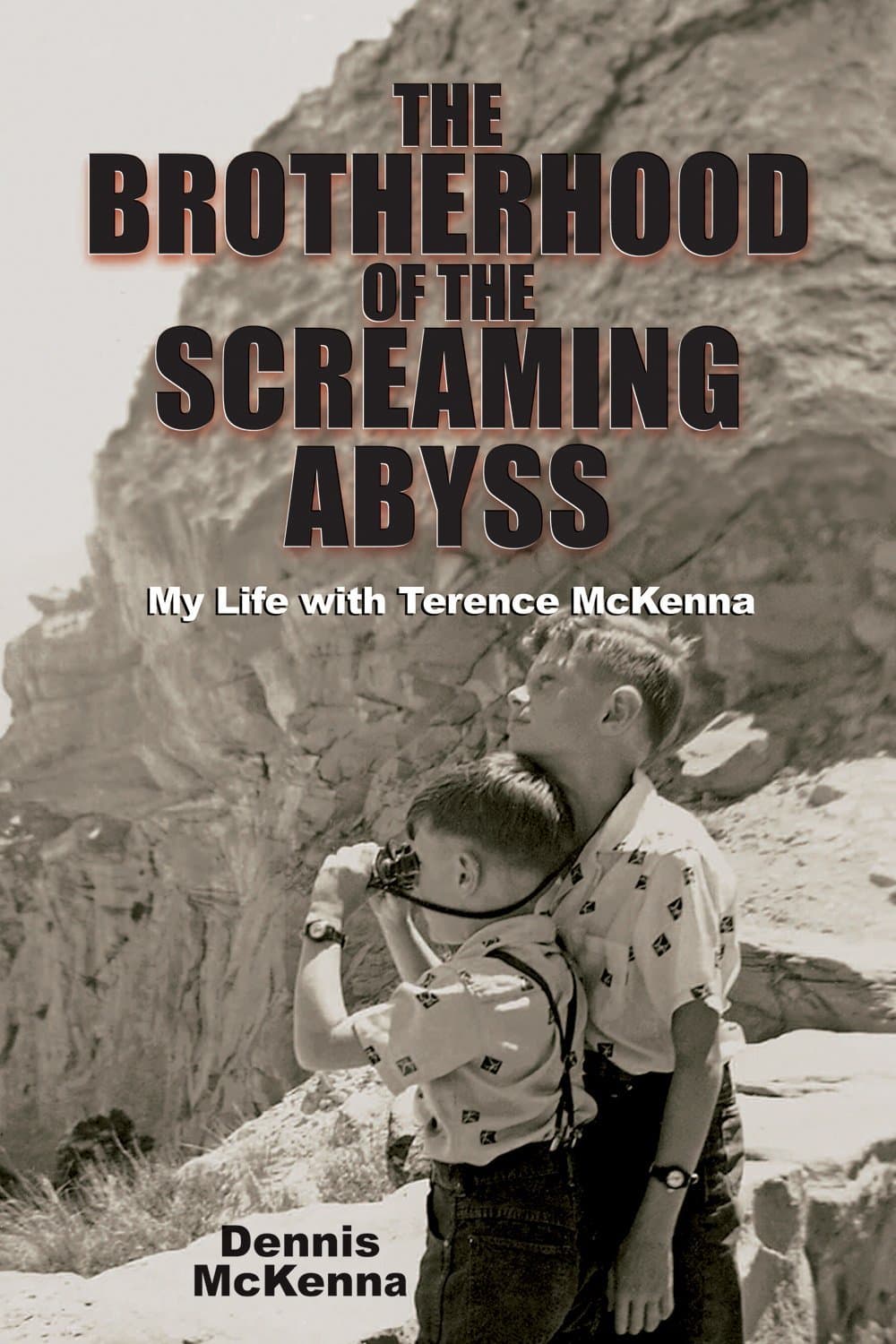
Dr. McKenna’s memoir, The Brotherhood of the Screaming Abyss about his and his brother Terence’s life and journeys together, was published in 2012. A compelling account of the Mckenna Brothers, their lives their journeys and their adventures.

In this episode, we dive through Dr. Mckenna’s perspective; sharing the story of his life and his thoughts of some of the things regarding his brother Terrence Mckenna’s work. We discuss the nature of reality, psychedelic experiences and how these medicines are transforming and shaping plant medicine as we know it.
Find Dennis Mckenna & buy his book here:www.brotherhoodofthescreamingabyss.com
Value our content? Support our show by becoming a member:
Read the conversation
Transcript
what’s up guys such an amazing episode here with dr. Dennis McKenna we spent some time just going through his life and the life of his brother and their adventures or misadventures I really enjoyed this conversation so hopefully you do too please pick up a copy of dr. McKenna’s book you can find the link to that below if you enjoy what we’re doing at HSP please donate it helps us cover the server costs please also subscribe
to our YouTube channel follow us on Twitter at the human XP and if you’re on stitcher and iTunes thank you so much for listening amazing episode thanks guys [Music] the human experience is joining the Brotherhood of the screaming abyss as we welcome my guest mr. Dennis McKenna mr. McKenna it’s an honor to have you here sir welcome to hxp Thank You Savior it’s a pleasure to be here sir you are in the Holy Trinity of psychedelic researchers
for me to interview so yeah I really appreciate it I for the people that don’t know what you do or who you are can you just give us a brief introduction well I I’m an earth no pharmacologist and that’s a person who studies basically the use of medicinal plants or you know in indigenous cultures not necessarily restricted to that but that’s kind of a thumbnail definition and as you probably already know and your listeners already know my own
specialty in that area has been psychedelic plants and fungi especially ayahuasca I’ve worked I did my PhD thesis on on the chemistry and botany and pharmacology of ayahuasca so that makes me a thud I am a doctor but I don’t care you can call me mr. doesn’t matter I’m informal but so that’s that’s been what I’ve been studying and been passionate about really for well over 30 years because you know if your listeners are familiar with my story of my the
story of my brother and me then you know that we first went to South America in search of exotic hallucinogens in 1971 so I’ve been at this a long time we went down there not you know thinking that we knew what we were looking for thinking that we knew a lot more than we actually did and you know and really we had not clue what we were getting into but I guess that’s how you know real adventures happened I mean if you if if
what you expect happens then it’s not really an adventure yeah yeah I definitely like to get into your trip down there a bit more later in the conversation but to start things off how did you become first become interested in the properties of psychedelic compounds whereas they’re a single event that turned you on to them or was it more of a gradual thing well it was it was it was not a single event exactly but you know I I grew up in the 60s and
you know my teenage years coincided exactly with the 60s I was I was 10 in 19 in 1960 and I was 20 and in night in in 1970 so you know and that was the era of the counterculture so Terence and I were both quite immersed in the counterculture in some ways we were certainly fascinated by by psychedelics and Terence was four years older than me living in Berkeley at the time and going to school so and I was still stuck in
this small town in Colorado kind of waiting for you know postcards from the edge in a sense I mean i felt quite hard done by that terrence got to be at the center of the of the cultural fur bat and i was you know still isolated but he would come home at Christmas time and then the summers and so on and and bring stories of what was going on out in the wider world and bring bring drugs actually the starti started with
cannabis I got my first introduction to cannabis in 1966 and then when and then in 1960 seven which was kind of a banner year in the in the counter cultural movement the Summer of Love in San Francisco I went to Berkeley with a friend of mine and we stayed at Terrance’s place various places around the Bay Area for some weeks and that’s when we had our first encounter with LSD or my first encounter and I guess the the thing that really
got us interested in this to the point where we dedicated our lives to it was was our early encounters with DMT DMT was not around much it was actually quite rare in those days but you could get it Terrace was able to get it by working the matrix and different connections or whatever and when TMT got on our radar we were just astounded both of us and we decided that you know this is too big to ignore we’d had LSD we’d had mescaline and we
had things like that there were no mushrooms around in those days but we had those two and they were interesting but DMT was a seemed of a whole other magnitude a whole other order of strangeness and you know as I I told people many times it wasn’t simply the the most interesting drug that we’d ever encountered it was the most interesting thing that we’d ever encountered you know in our entire lives and and so we we thought well you know we we’ve got to
go after this this is a true mystery so we I mean I guess we imbued with a bit of romanticism we were both young in those days we were you know restless and we wanted to push the envelope in whatever ways we could so when we encountered DMT and then later when we learned that it’s a component of many of these indigenous psychedelics used in South America we thought well you know we’ve got to go we’ve got to go after it so that’s what led us to go
there in 1971 and if you’ve read The Invisible if you’ve read true loose Nations which is my brother wrote about our trip down there or the Brotherhood of the screaming abyss which I wrote recently as a memoir of our whole life but the expedition to lot rarer plays a big part of it you know and then and then also the other book that deals with it is the invisible landscape which was our attempt to that would came out first
actually and that was our attempt to in some ways rationalize or explain not very well what had happened to us down there and what what ideas and concepts we came back with which were you know a number of peculiar notions about time and the nature of reality and and many other things yeah definitely do you still use it psychedelic compounds yes yes I do I take ayahuasca on a pretty regular basis usually I go to South America to
do that so yeah ayahuasca you know at the time it wasn’t really in our purview at all but later when I returned to South America ten years later in 1981 that ayahuasca was the was the focus of my thesis research and so I got to know about ayahuasca you know within a traditional cultural context at that time and it’s been an important teacher and medicine for me ever since it’s it’s it’s a it’s an ally for sure that and
mushrooms which which I still do take not as much as ayahuasca but enough to check in you know I haven’t I haven’t really left these things behind so I guess that means I’m hard-headed didn’t haven’t got the message yet or you know or the dialogue is ongoing I mean I still learned from these experiences and you know yes was there was there a pivotal moment in which you decided to make a sort of scientific career out of this and move
beyond a casual spiritual interest uh yeah yeah I would say so well I again the experiment at luxury or was really pivotal in that you know when we went to lecture era in search of this this orally active form of DMT called Kouhei which was a preparation used by the way Toto Indians primarily we went we had experienced DMT in in the Bayer in Berkeley in the 60s but I don’t know if you know how it’s taken it it smoked
the freebase is smoked and when you do it that way it’s astonishing it’s overwhelming but it’s also very short you know only lasts maybe 20 minutes at the outside and it’s very hard to bring anything back from it other than the fact that yeah it was astonishing and amazing and moving but you can’t say much more about it and so we we had this idea that if we could spend a longer time in that dimension we might be able to learn more
about it and bring more information back that was useful so when we had learned about when we stumbled on this paper by our Ixchel teas who was the famous harvard ethno botanist well-known and in those circles is kind of the father of ethnobotany and the world’s expert at the time on hallucinogenic plants we stumbled on this paper that he wrote called the rola as orally active howís Imogen and Verona is a genus of trees in the Nutmeg family
not that that matters but in a genus of trees that they extract the the the SAP essentially they extract the SAP from these trees which are loaded with DMT and five methoxy DMT and in some tribes like the yanomamö tribe they prepare them as snuffs so they you know they gripe they pout they dry the the resins down they drive the SAP down mix it with ashes powder it and they take it as a snuff this other preparation was not
that it was it was it was made from rola resin but instead of powdering it into a fine powder they actually made a paste out of it which was which was then orally ingested in the form of little little pills or little bonuses of this sticky resin now the reason that’s important is the DMT is not orally active you have to which is why you have to take it as a snuff or in the case of synthetic DMT it’s usually smoked in a
freebase form because if you take it orally it’s destroyed by enzymes in the gut called monoamine oxidase inhibitors and these are there in order to protect from exactly this kind of thing you know toxic amines in the diet it’s probably an evolutionary reflection of that that that has grown up but if you go around the gut if you take it as a snuff for you taking it by smoking it it doesn’t go through that so it’s active but it’s
still very short acting so the oral activity prolongs it because you’ve got you change what they call the pharmacokinetics of it it takes instead of 10 or 15 minutes it takes four or five hours to – you know to metabolize so it’s a very different experience and and much more you know much more of a learning experience in some way and that’s the basis of ayahuasca that’s the basic formulation of ayahuasca is a combination of two plants one of which
contains DMT the other contains a group of alkaloids called beta-carboline that are very strong inhibitors of this enzyme monoamine oxidase so if you boil these two things up together and take it it becomes a little it becomes a strong hallucinogenic brew if you if you took the DMT plant by itself and drank it nothing would happen because it would be destroyed by Mao so I mean have you have you ever questioned your sanity at all
through this I mean I know that some of these experiences are pretty intense all the time some would say I’m I’m wacko now but yeah I mean I guess if you mean during the experiences yeah yeah definitely there are moments when you begin to wonder if you’re losing it for sure if they’re if they’re extremely intense I have at times but you know as you do it you sort of get a little more accustomed to it even though even though the
experiences are astonishing and very intense you do you know you learn you learn to navigate in the territory and you kind of know what to what to expect you know so you’re the focus rarely becomes on you know the two the two major concerns one am I going to am I ever coming back and two am I going to die you know and well so far so good it’s I have neither died nor lost it completely and you know there there are things you can do to kind of keep your
Center I guess keep your balance in these altered states and experience helps you know IIIi don’t know exactly if your audience is is sophisticated about psychedelics are knowledgeable about it or not so I would say they are okay that’s good so so so they will they will know about they will know about the importance of sentence setting right yes and the M dos there are basically three key variables with psychedelics set setting and dose
and the setting is is the setting it’s it’s where you do it the circumstances that you that you do it under and you know to assure a good outcome of a trip you have to pay a lot of attention to the right setting once you have the setting appropriate you know and depending on what you want it could be various things but you know the important thing is that there be a structure to it and I think that’s that’s really an important aspect of the
role of ritual in in these experiences it helps guide it it helps it provides a you know a context in which it can happen I mean you you can take psychedelics outside of a group setting you can take it without a shaman all these things you can just lock yourself in a room and do it by yourself and that’s fine but that’s gonna be a different kind of experience than if it’s a if it takes place in a ritual context with music and with the shaman
sort of guiding the situation so setting is important and then the set is the other important variable and that’s that’s basically what you bring to it who you are every thing you’ve learned up to that point what you expect to get out of this your intention for taking it you know it calls for some some introspection and some thinking about why am I doing this and and what are what what benefit do I hope to you know realize from having
this experience and of course the more you know about virtually everything the more you will get out of it you know kind of just like any other experience you know that the more you know the richer the richer life is so you know my brother told me for example before I had taken LSD said wait until you have read psychology and alchemy by CG young before you take LSD you know you’ll learn a lot more you’ll appreciate a lot more if you’ve read
that book well of course I ignored him I mean I took LSD you know but later I read psychology and now Camille I I could see what he was saying you know I mean it made a certain amount of sense if you haven’t read that book it’s it’s well worth looking into it’s it’s it’s really a very psychedelic book yeah yeah you know there’s there’s kind of an interesting relationship between you and your brother kind of a rivalry I mean
would you say that there is it seemed like at the beginning of it he kind of tormented you a lot I mean you wrote about this in your book yes well I don’t think any more than other siblings do I mean siblings you know we were we were just far enough apart actually it’s probably good we were four years apart in age you know so we were so close that we were constantly together or constantly in competition but it did happen I don’t think that our sibling
rivalries were any worse than anybody else’s I I think it’s a totally normal thing his creativity of imagination you know in terms of thinking of exotic and novel ways to make my life miserable that may have been a little different than most normal people he was very creative that way you know but but I got I got my my hits in too you know I I mean I don’t know if you have if you’ve had seemed siblings if you have a younger brother
you probably know how this goes on you know so yeah that was that was early odd but then later you know we sort of evolved out of all that and we became friends and and colleagues really and sort of fellow explorers on this path you know terrence introduced me up to a lot of these things but i wasn’t only a follower you know I brought my own sort of chops to it and and that was that was really a big factor in terms of I think
our you know our evolving beyond this this simple sibling rivalry you know was the fact that he found he found that I was into some cool stuff too it wasn’t just him and he could appreciate it and I could certainly appreciate what he was doing so we we discovered mutual interests and and this all happened you know around the time that I was you know in our you know maybe the period from the time that I was about eight to
twelve or so and then when I was twelve Terrence left you know he was he finished high school in California so you know much of my life I was essentially an only child with you know my brother on the west coast and oddly enough when he was on the west coast you know we got along a lot better I mean it it you know it worked out that way was there was there ever something that you felt like Terrence just couldn’t understand or anything that he
challenged got challenged with in what you know in regards you know in regards to I don’t know psychedelics or just something that he was maybe working on that he felt that he just didn’t couldn’t get a grasp on well I guess the one thing maybe that that would fit that his you know when when we came back from LA era he he at Lotterer he was downloaded or uh you know channeled this whole idea about the time wave which you
know if there was an artifact of any kind or an insight or a discovery that came out of our misadventure a lot sure era the time wave was certainly one of those things and it was a mathematical system based on the each King that purported to describe the structure of time yeah he was getting into novelty theory and time we zero there all of all of those things you know and later in life when he was working on this I think
he you know I mean I in some ways I’m a critic of the time Wi-Fi I was always very skeptical about it whether it really described those things whether you even could describe those things I was willing to accept the premise that you know the basic premise that time did have a structure and that novelty does exist a bit aggresses you know into reality this is this is pure white heady in metaphysics basically I disagreed
with him that I think the basic idea was sound but I disagreed with him that the notion that the time wave really described the structure of time and that you know given that it could be used to predict events and as it turned out it wasn’t you know it wasn’t so good for that nothing really happened in 2012 nothing really happened in 2012 and and 2012 was just one of several dates that was the whole conundrum with the time wave zero
how do you lay those that energy wave across time where do you postulate the beginning and the end point it’s hard to know there’s no mathematical way to evaluate novelty and this was an attempt to do that but my criticism of his approach was that it was always based on just subjective interpretation you know I mean I had to two problems with the time wave one was he was the only person who could who could interpret it right
because because the interpretation was subjective and he was unable to state what would disprove it you know what would be the the criterion or the piece of evidence that would completely sort of invalidate the theory and he would never go there he would never he was unable to define it and theories if if they want to you know if they want to qualify for that name a theory has to state what disproves it what what will
overturn it or at least not you know in science which is kind of the game we’re playing here you know you never prove theories you can only disprove them you know there’s no because theories are not settled matters I mean if you look at cosmology for example or physics you know Einstein’s theories of relativity are pretty accepted they are they come as close you know as possible to approve in theory and left and the scientific community that thinks
about these things is pretty comfortable with Einstein’s general a special theory of relativity but you always have to keep the door open that next week or tomorrow or a hundred years from now we’ll make a discovery that will completely overturn those theories you know or make it necessary to modify them in a radical way so that they’re not really those theories anymore that science is it’s best you know science develops theories they develop
models and hypotheses about the way the world works about certain phenomena and then if it’s honest with itself which you know it often is because science is a whole lot of things it doesn’t it doesn’t happen in a pure vacuum as perhaps ideally it should but assuming that it does so science develops models it develops hypotheses and then and then you try like hell to disprove them you know that’s the way it works you try to
say what does this theory not explain mm-hmm and that was the problem with the time wave he could not articulate what would invalidate the theory so it’s not a theory it is it’s an idea it’s a model but is the model supported by evidence probably not you know and and eventually you know I mean there were various you know ways that you could examine the theory to try to figure out if there was something there but a lot of it in him
in his case had to do with the endpoint and finally he got around to defining this endpoint as December 21st 2012 for various reasons it wasn’t only that it happened to coincide with the end of the Mayan calendar I mean that was that actually came a bit later after he had postulated an endpoint close to that date but not exactly that date so you know after looking at cycles of multiple billions of years he figured well you know we’re
within a few days of this very important date so let’s you know that’s a probably it right the Mayans had this intuition from a completely different perspective you know but as we now know three years later actually not much happened on December 21st 2012 yeah much to everyone’s disappointment you know I mean I I was hoping believe me but I wasn’t really expecting much what did you what did you think would happen I mean what would you call that all the
speculations you know I mean if you just base it on the time way the idea was that this ingression of novelty you know into the continuum of would just accelerate to a point where you actually where the density of novelty was was so high that you were essentially in a singularity you know we we didn’t know what would happen it would be some sort of collapse really of the space-time continuum it’s it’s it’s what happened
when when you come to the end of time I mean you know but who knows cuz well it’s never it’s never happened yeah and in that sense it probably never will happen so you know it was it’s very difficult to predict the end of the world you know it’s almost always you’re gonna be disappointed or if you do or if you do don’t give a specific date well is it open as possible yeah exactly and in that sense in that sense I think that
the theory is valid in a certain sense I think you don’t need the time wave I think we all share a certain sense that things are accelerating and they’re getting stranger and stranger and you know I mean all you have to do is look around you know and if you try and think back how the world is today versus how it was even even 10 or 15 years ago things are much stranger and they do you know events do seem to be accelerating now whatever that means
whether that’s an effect of the internet and the instantaneous communication that we have whether you know the global network is is in some way you know becoming conscious is is waking up to itself that was that was one of the scenarios that we tossed around as to what happened maybe that’s happening you know I don’t know I don’t know I I do think in a sense that you know in broad conception overall the theory was right in that you
know this the novelty the density of novelty is increasing but to you know to to tie it to a specific date I think that was an error and it doesn’t work that way novelty does not ingress into the continuum in that way you know there are events which are certainly novel and Terence was fond of talking about you know the example was the detonation of the atomic bomb over Hiroshima that was certainly a novel event but what about all the events that had to
happen in order to lead up to that they were much quieter but they were key events ranging from the you know the point when Einstein thinking about the nature of space-time and and so on thought up the equations that that postulated that it would be possible to build an atomic bomb or something like that convert matter into energy and then all the research with the Manhattan Project the research on on nuclear fission that went on with
Oppenheimer and Fermi s group in Chicago these were all novel events too but nobody noticed because they were happening in the background and then when the bomb finally exploded that was the novel event but you know it was certainly a novel event but it wasn’t the novel of him so his idea was that the novelty kind of explodes into history you know and and my idea is sort of that it leaks into history and you know nobody notices until until you go
down and the basement is flooded do you know that kind of thing if that makes sense yeah yeah it really does you know your your experiment up Lohr era was probably the one of the most interesting things I’ve ever read can you get a little bit more into that I mean you’re trying to create a fourth dimensional superconductive thing with mushrooms and ayahuasca and other things how does that occur how does that occur well you know
you’re you’re going into an area where it’s difficult to discuss it and not that I don’t want to discuss it but that’s one reason that I wrote my book was so that I wouldn’t have to keep explaining okay because it’s hard to explain it it’s hard to reconstruct it because it was so confusing at the time you know and and so I wrote the book so that I would have a an opportunity to sit down without people having any expectation and explain to myself what
happened or reflect on it and try to unpack it and split it you know and so I have like they’re about three or four chapters in the book that is basically about all of that stuff because you know there’s no doubt that our trip to Luxur and our attempt to do this thing whatever it was was a pivotal occurrence in both of our life Sabine I mean Terrence and my life in some way can be defined as prelature era and post luxury Wow and we were only 20
I was 20 he was 24 when he went to watch your era so most of it has been post luxury era and a lot of it has been reflecting on you know I mean our lives have been lived out in the light of that just very peculiar adventure that experience that we that we sort of you know we got in way over our heads I mean I mean we had no idea really what we were getting into you know so I I don’t want to get into it because it’s hard
it’s hard to explain people have to read the book yeah we’ll just we’ll just get people to go read the book yeah yeah I mean why but why why the Brotherhood of the screaming abyss where’d that come from all that I can tell you well the Brotherhood of the screaming abyss harkens back to our common interest in science fiction when we were teenagers and one of the writers that we were fascinated by was HP Lovecraft and I
don’t know if you’re familiar with Lovecraft but he was a horror writer and that in the 20s and he was always talking about you know the the you know the the the Unspeakables gibbering horrors from beyond the stars and and all this stuff you know I mean I mean the beauty of and the genius of Lovecraft is that he wrote this extremely scary science fiction novels science fiction horror I mean I would say he’s probably that the inventor of
that genre a science fiction horror and a lot of it was about aliens and other dimensions and all that but it was always you know the gibbering abysus of cosmic space he never actually described very clearly what these things were he left that to your imagination you know but so when we were when we were going to South America in quest of in quest of this secret you know which we thought was this exotic Watoto hallucinogen but actually there
was a secret but that wasn’t it you know as we found out later but we we described ourselves as the Brotherhood of the screaming abyss basically and in in in a nod to HP Lovecraft it was it was tongue in cheek right I mean we we didn’t really take it that seriously but we I mean we took it seriously but we also had a certain sense of humor about it and that was that was it do you think do you think the 21st century needs people like Terence
Mckenna figure a figure heading this movement the psychedelic movement well obviously not you know because he’s been gone for 15 years you know which is amazing when I stopped to reflect on that it was 15 years ago this month that he passed on you know and the psychedelic movement is more active and vibrant today than it ever was in his day you know but I would say also that it it does need Terence and it has Terence you know I mean he’s
got this he’s achieved this kind of immortality you know with all of his writings and all of his talks on the web and so on they’re all still out there and and there is timely today as they ever were that’s the amazing thing I get so many young people telling me how much of an influence on their thinking that he was you know and they always say oh and you too of course but actually it’s Terence you know it’s just five he woke up a lot of young
people and still does because because he was you know he was really at the height of his career like in the early 90s maybe 92 93 94 he was really out there a lot of the folks that come up to me or people that sign up for my classes they were you know they were they were in diapers at that point you know but or you know quite young so as they grew up and became adolescence and then young young adults they discovered Terrence’s ideas and
writings and they were influential on on them and and so many people have told me you know ever I feel like everything I’ve learned I owe to Terence so so that’s a wonderful thing yeah yeah this is this is kind of a big question and if if at all possible in could you put into words what is what is your belief about the shape or truth of our reality well you know I can always take the scientific cop-out you know which is which is you know always a safe
place to retreat to when you don’t know the answer but the answer is we don’t know the answer you know I mean science is great because you can always say well you know we could suspend judgment and that is the the essence of the scientific stamps you can always say we do not have enough data to really answer this question more data you know more data is needed to resolve this question and of course in the way that science is
practiced these days you quickly follow up oh yes we need more data and and by the way we need more funding and we need you know all the things that science runs on these days but it’s okay to say that we have an incomplete picture of reality you know which we do if you just looked around science is very very good at dissecting and defining very small segments of reality but it’s not so good at putting everything together into a
whole picture a coherent picture of reality and then you have the problem also which is one thing that psychedelics certainly teach you they they teach you a lot of things but one thing they clearly teach you is that really we are immersed in the hallucination all the time you know if consciousness itself is a reflection of a neurochemical brain state of some kind and you know is it real is is what we see on psychedelics
real versus what we see in quote-unquote normal consciousness real I think neither one is that real you know both of them are aspects of this model of reality that we create that our brain creates and it’s it’s necessary for it to do that otherwise we you know it would be a bloomin buzzing confusion a lot of what the brain does is it takes the raw data muff experience you know which which physics tells us if we believe our instruments that external
reality doesn’t look anything like we experience reality everything is energy and vibrations of you know it’s a quantum it’s a it’s it’s a quantum state well that’s not how we experience reality most of the time you know most of the time even on psychedelics reality has a certain coherence to it so I think the answer is again the answer is we don’t totally know but I I think that very much the you know the the we we live inside of a hallucination that our
brains create or you know we’re the producers directors and the stars of our own movie you know and we call it the reality story and everyone has their own but they’re close enough that you know there’s something called consensus reality but you know it’s still a collective hallucination in some ways nobody knows what the fundamental nature of reality is because whatever it is whatever comes to us from the outside comes to us
through this sensory neural gated system if you will its filtered and it makes sense I mean it’s filtered and and reconstructed so that it does make sense this is a lot of what the brain does hmm am I making sense yeah yeah absolutely yeah I mean so this is this is you know this is one reason psychedelics are so interested and and particularly DMT I think because in certain cases DMT kind of lets you step out of that framework
and you get to look at reality in in the raw if you will it’s like you can it’s like you can turn the circuit board over you know and see how this thing is wired this reality machine you know and then and you see oh okay this is how it works right normally you don’t get to do that you don’t get to look at the nuts and bolts of it so DMT gives you a few minutes where you can actually look at reality unfiltered which is why it’s so you know
so overwhelming and so fascinating you can actually see the machinery that’s generating this reality hallucinate should you do you think that these shamanic type experiences hallucinations have an objective reality do they kind of coincide with what we experience here I think that this is the $64,000 question I think that we cannot really answer that question and and I’m not even sure it’s the right question you know in other words when you start
bandying about these terms like is it real is it not real is it inside is it outside and are there other dimensions that you can access or is this all just a hallucination you know these are all charged terms and they encourage fuzzy thinking I mean I’m not sure it’s possible to think clearly about those four for me to say well okay you take ayahuasca and I see you know these places these entities of all that and people say well it’s just a
hallucination or is this just a hallucination and the key word there is just right because what’s implied there is well if it’s just a hallucination it has no value and it has no reality right but I submit to you that what we experience in normal waking consciousness that’s also just a hallucination you know it but it is but you know we need to get the word just out of it because yes it’s a hallucination it is what it is it does
have value it’s something you experience so you know this is basically this is phenomenology which says you know we take phenomena on their on their face you know there may be nothing behind a phenomenon but we experience so you know a shaman goes into these altered states encounters all of these entities and and gets information and travels in these worlds and so on and for that person he he entered he or she interacts with
those entities in those places as though they were real you know and so they may as well be real right I mean that that’s the that’s the thing you know if it looks like a duck and walks like a duck and quacks like a duck it’s it’s probably a duck you know and it’s that idea doesn’t really provide any perspective on it to say well it’s just a hallucination because every moment of waking consciousness is a dream it is a hallucination do you
think that culturally we are moving towards a better attitude towards psychedelic compounds oh yeah I don’t think there’s any question that we are I mean what’s happened in the last five years for various reasons I think both scientific discoveries and you know the rising popularity of ayahuasca the whole ayahuasca tourism thing the media the fact that you know good science is being done on on some of these compounds and
we’re seeing that they do have benefits you know I mean they they have benefits in the medical sense that can satisfy you know the hardest knows more most reductionist person who may not be sympathetic to you know all this wolf stuff but it’s hard to argue that okay this person took psilocybin and you know stopped smoking there or something like that and there’s evidence accumulating that they have definite benefits for
people and so so that’s kind of the admission price if if psychedelics are going to be respectable you’ve got to show that they’re good for something you know not just to have you know these experiences again that there’s nothing wrong with those experience that’s that’s a reflection of our culture’s tendency to devalue these things to say well there’s there’s no legitimacy there’s no value in an inner experience you know now of course Eastern the
Eastern mind Eastern philosophy would say there is nothing but inner experience and you know but I think in the West I think if you can say these these compounds have uses they have applications they can be used to treat PTSD they can be used to interrupt a dick they can be used for you know and help people with existential anxiety at the end of life all of these different medical applications that we’re seeing emerge so then it’s like okay well
they’re respectable they’re it’s okay they’re not so terrible you know and in the meantime we’ve you know a lot of the reason this is coming out is because we’ve had you know 40 years to get used to them 40 years to learn about that well since they you know I mean even longer but but in the sense that you know there was a big backlash against them at the end of the 60s and nobody knew what they were they were complete
and they were completely terrifying so to the governments and the reason they were terrifying to the governments is that they didn’t understand them and people would take them and they would have all these unconventional ideas you know which governments don’t like like maybe I don’t want to spend the rest of my life working in a cubicle for example or maybe I don’t want to go over to Vietnam and kill these people you know
why should I so psychedelics were dangerous in that era and they still are for much the same reason you know not that they’re dangerous drugs they give you dangerous ideas and ideas that don’t conform with the you know the accepted norms of what’s what are always threatening to government’s institutions governments and religions especially I would say and you know it was it was the the impulse to control and try and stuff
the genie back in the box in the bottle that led to this prohibition it was a kind of a yeah I mean it was unfortunate because it also shut down all the research that was going on at that time which was quite promising so you know then it took 30 or 40 years to circle all the way back and see this research activated yeah now that’s happening so yeah I think that attitudes societal attitudes are definitely much more positive these days yeah I know you’re
connected with the Hector Research Institute and the there’s the Maps Institute which is they’re both making large progress in this realm I mean we’re we’re approaching the end here and so I’ve got an interesting question I mean is there is there anything that you would kind of go back in time and tell your younger self well tell my younger self oh gosh I don’t know it’s hard to know that’s a tough one I’m not sure no I I don’t really have I
don’t really have regrets I guess if I was gonna tell myself my younger self anything I would I would say in terms of my academic and professional interests you know it sounds odd for me to say it but I would say be more specialized you know one of my problem is as an academic is I’m so interdisciplinary that I don’t fit in anywhere and you know I’ve worked in neuroscience and I’ve done postdocs in neuroscience but then the question is
well you’re a botanist what are you doing in neuroscience and then the botanist say well you know you’re a pharmacologist what are you doing in botany and so in a way my interests have been so diverse that I have never really specialized but in some ways I feel like maybe I could have been more effective if I had specialized if I become a medicinal chemist or a psychiatrist or something like that maybe I didn’t have the discipline to go
through that and and and reach those points but I mean it’s a tricky thing I you know I have friends I have colleagues in the Heffner Institute and elsewhere who you know they have gone through that they have but they’ve always kept their interest in psychedelics kind of on the back burners but they never lose it you know but to go through these professions and acquire the you know the professional status that you have to
have you know institutions do their best to brainwash you and you know by the time you get through it you’ve forgotten about why you start you know you’ve forgotten about the motivations that led you to undertake this and and then you know you’re just boring and it hasn’t happened to be but it hasn’t it hasn’t been good for my professional advancement either particularly so but I you know I have no regrets I I feel privileged to be part of the Hefner
Institute and I worked with great colleagues so you know life is what it is I appreciate that answer what what so what does the future hold for you sir I mean what is there any new project or avenues of research that you’re kind of getting into yeah various things I have been doing a lot of retreats in South America lately with ayahuasca where I basically I work with the center there yeah that it’s it’s not an ayahuasca center exactly but I mean
they do other things as well it’s kind of a tourist Lodge kind of thing but they do do they allow ayahuasca retreats maybe once or twice a year and I’ve found a shaman that they introduced me to that I really like this guy and I like working with them so I’ve been bringing people down there to have these retreats and it’s very interesting and rewarding to see people come down and have these amazing transformative experiences and the
Impulse be the scientist my impulse is well that that would be enough but being a scientist my impulses let’s do some science around this let’s do some some clinical studies the thing with ayahuasca is you you know for various reasons you you probably are not going to see clinical studies with ayahuasca done in the States because it doesn’t fit into the paradigm you could do it with MDMA you could do it with suicide band you can do these things they the
FDA is okay with synthetic substances they’re not so receptive to plant preparations and ayahuasca is quintessentially an herbal medicine so it’s hard to do clinical studies in the States for various reasons because of this I mean for one thing there’s you know it’s it’s the same Kevin Durham that faces cannabis research there is no authorized source of ayahuasca you know there isn’t a government licensed ayahuasca grower you know so you can’t
get the material you know and it’s kind of like cannabis where you know the only legitimate source of cannabis medicine is is National Institute on Drug Abuse they control the supply for clinical studies and generally the weed that they have is pretty much garbage you know so it’s hard to carry out you know a good study and what I’ve been saying is well why do we need to work within that fda box why don’t we just go to Peru and do
these clinical studies so in the in the future and probably in the fairly near future that’s what we’re going to do we have a perfect venue to do it we have a very good practitioner we have connections with medical people in Peru and also we’ve got hefter and all that so I think we’re going to do some clinical studies down there in the next few years you know one of the problems is what are we going to screen for what
are what are we going to look to treat yeah and of the spectrum of possible you know therapeutic targets and there is no ideal one you know it’s hard to decide is it going to be addiction is it going to be PTSD is it going to be you know hospice end-of-life I mean these are what Hefner’s investigating now but how do you shift that down to Peru and and do a different medicine and is it even necessary you know so yes we’ll see how
it out what the outcome is in a couple of years well mr. McKenna I really appreciate you making the time where can people find your work they can buy the book off Amazon brother you know the Brotherhood of the screaming abyss and then they have a website of the same name without the be so just Brotherhood of the screaming at viscom you can order the book there and and give a signed copy so that’s that’s useful I don’t
charge for the signature yeah you can just order the book from there or you can get it off Amazon I have to my inventory on Amazon is getting low I intend to send another bunch to them so there should be there should be plenty on Amazon that those two things are the easiest way to to get my book and the rest of it is just out there you know put my name into YouTube and all kinds of stuff comes up well you heard it here
guys thank you so much for listening this is the human experience my name is Xavier and my guest mr. Dennis McKenna thank you so much for being here Dennis it was a pleasure we will see you guys next week Thanks
Ideas worth returning to
Quotes
Five substantial excerpts from the published transcript, lightly edited for clarity without changing their meaning.
“Predicting the end of the world is difficult because there is no prior example to study, and a dated prediction is almost certain to disappoint. Apocalyptic theories may still express a valid intuition that an era or way of thinking is ending, but symbolic transition should not be confused with a literal calendar deadline.”
From the conversation“When evidence is insufficient, ‘we do not know’ is not a failure or a scientific escape hatch. Suspending judgment is the essence of the scientific stance. It preserves multiple possibilities until better data can distinguish among them, rather than filling uncertainty with whichever explanation is most emotionally satisfying.”
From the conversation“The brain transforms raw sensory information into a coherent world. Physics describes fields, energy, vibration, and quantum states that look nothing like ordinary experience, yet perception gives us stable objects and usable space. Even under psychedelics, experience usually retains some organization because the brain continues constructing a reality we can inhabit.”
From the conversation“Calling an altered state a hallucination does not make it valueless. Phenomenology begins by taking experience seriously as experience, without first deciding what exists behind it. A shaman’s vision may not prove an external spirit world, but it remains a real event in consciousness with psychological, cultural, and sometimes practical consequences.”
From the conversation“Western culture often discounts inner experience unless it produces an external application. Clinical research is changing that by studying psychedelics for PTSD, addiction, and end-of-life anxiety. Medical usefulness can open institutional doors, but the value of an experience should not be reduced entirely to whether it qualifies as a treatment.”
From the conversation
About the guest
Dennis Mckenna Ph.D.
Dennis Mckenna P.hD. has been doing research in the field of ethnopharmacology for over 30 years. He is a researcher, scientist, author, lecturer and founding board member of ethnopharmacology at the Hefter Research Institute.
EPISODE 199: Dr. David Nichols — Psychedelics, Consciousness & the Chemistry of the Mind
October 20, 2026 · 1:12:11

Episode 194 Dr. James Fadiman – You Are Not One Self: Microdosing, Multiplicity and the Mind
September 4, 2026 · 1:14:38
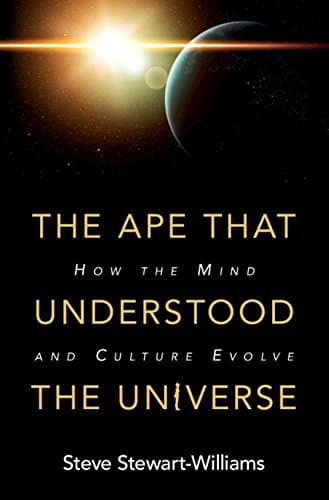
Episode 130 – Dr. Steve Stewart-Williams, The Ape That Understood The Universe
May 30, 2019 · 54:37

HXP SHORTS: #001 – Deconstructing Death: What Happens When We Die?
September 14, 2026 · 11:37
Episode #186- Positively Angela – The 7 Hermetic Principles & Living a Better Life
December 20, 2022 · 1:26:56
Episode #185 – Brad Klausen & Chance Gardner – Esoteric Egypt, Pineal Gland Activation, Kundalini, and more
December 14, 2022 · 1:50:21
Independent conversations
Help make the next one possible.
Membership sustains ambitious, unhurried interviews and keeps the complete archive open to curious listeners everywhere.
Become a member