

The Human Experience · Episode
Episode 131 – Dr. Robert Glover, No More Mr. Nice Guy
A conversation with Dr. Robert Glover
Dr. Robert Glover is an author and therapist who helps men trapped in the “Nice Guy Syndrome” to find their way out and to become empowered and integrated into their lives.
Stay with the full conversation.
Episode field notes
Show notes

In this episode we spoke to Dr. Robert Glover on Relationships, Love, Being your authentic self and so much more.
You will love this episode!
Find Steve here: www.drglover.com
We rely on listener support to keep this show AD FREE – If you value even one of our shows, help us sustain and scale the show up; Become a member for 5$/mo (a cup of coffee) or Donate.
Read the complete recording
Transcript
Existing transcript, with its original wording and timestamps. Automated transcripts may contain errors.
Find the moment
Search this conversation
Search 769 passages and 11,787 spoken words.
Welcome to the Human Experience Podcast. The only podcast designed to fuse your left and right brain hemispheres and feed it the most entertaining and mentally engaging topics on the planet.
As we approach our ascent, please make sure your frontal, temporal and occipital lobes are in their full upright position. As you take your seat of consciousness, relax your senses and allow us to take you on a journey.
We are the intimate strangers. Thank you for listening.
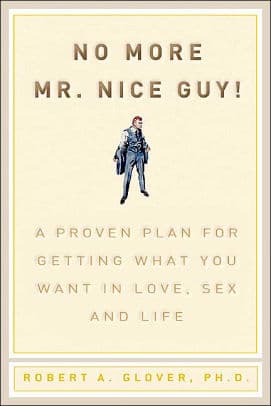
He's written a book called No More Mr. Nice Guy.
We're going to get into the realms of relationships, love, and much more.
Dr. Glover, welcome to HXP.
Xavier, thanks for the invitation.
So, Dr. Glover, I think a great way to kick this show off is if you could paint a picture of your background, give us an idea of what your education is.
I think that would be a great way to start this conversation.
um yeah in terms of background education i i originally started out to be a minister i grew
up in a very fundamental christian church and uh got my first two degrees in religion and then um
my my freshman year of college i took a psychology 101 class and just fell in love so from there on
out i pretty much shaped everything i did uh to work with people and then eventually got my phd
and marriage and family therapy.
I don't know, about 30 plus years ago.
It's been a little while.
So that's my basic education.
Okay, okay.
So Dr. Glover, I want to be radically honest with you.
As we were promoting this episode about a week this week,
I was told not to take this interview.
And I'm wondering, have we gotten so sensitive as a society
that we can no longer discuss these types of issues
without it becoming some charged gender-based thing?
I was reading your book, I didn't get the sense that what you were teaching men is toxically
masculine or any of those things. In the book, what I found, my experience of it, was that you're
actually teaching men how to be more honest with themselves. And in fact, you even dedicate the
introduction of your book to many of women that helped you. You say without their help that it
wouldn't have been possible. So, you know, can you touch on why your material may be perceived
in this light and because you work with men and women equally in your practice right well
historically yes pretty much i i pretty much work with men now for probably about the last 15 years
has pretty much just been with men um but yeah for for 25 plus years i was a marriage and family
therapist so i was working with couples and and women individually and so you know it's a good
question. And, you know, when the book was published about 17 years ago by Barnes and Noble,
I think they actually kind of hope there might be a little bit of controversy or blowback.
And it never really happened. You know, they thought, well, maybe that'll sell books.
And it's understandable that if somebody just looked at the title, you know, no more Mr. Nice
Guy, they might think, well, you know, why is somebody writing a book teaching men to be not
nice? There's already enough not nice men out there. And when the book came out, the word
not even in our mainstream. And it's not by talking no more Mr. Nice Guy, it's not at all
anti-female or anti-women. In fact, women are my biggest cheerleaders for it because I get
emails all the time saying, thank you, my husband, my boyfriend read your book, or
I want to give him your book, that kind of thing. Because really, it is just about men learning to
be honest, authentic, trustable. It has nothing to do with becoming manipulative or toxic or
harmful in any way. Right. I mean, I found that you're just teaching people how to be more
authentic with themselves and others and the people closest to them. So I felt this concern
was a little bit over colored. I felt like the people that were saying that hadn't really read
your book yet. So I appreciate you addressing that for us right out of the gate. Let's get into
the book itself. Let's get into nice guy syndrome. You know, you talk about this in your book,
and you talk about how this afflicts many men when it comes to forming relationships in their lives.
Why, what is it, what is a nice guy? Okay, well, let me, you know, kind of continuing with
my personal history and how that weaves into it. You know, I tell people I'm a recovering nice guy
and I was, I'm, I'm a combination that, you know, I talk about in the book and there's lots of
different unique combinations of what creates what I call a nice guy. But, but basically a nice guy
is a person. It could be a man or a woman. Women read the book all the time and say, Hey, I got,
I got a lot out of it, but it's a person who doesn't believe he is okay just the way he is.
And this is the result, from my point of view, of inaccurately internalized belief systems very early in life based on external events.
And so the nice guy from a very early age is trying to become what he thinks other people want him to be in order to get loved and get his needs met and have a good life.
And trying to hide things about himself that he thinks other people might react negatively to.
so that that's just kind of you know the little snapshot of the nice guy and that that is you know
I tell people the book is autobiographical I just use other people's stories to tell my own
because I was trained to to be a nice guy to hide my needs and wants to take care of other people
to be a pleaser to be a fixer to take care of other people and a couple years into my second
marriage my my now ex-wife said hey you know everybody thinks you're a nice guy you can be
guy, but you're really not. You can be really passive aggressive. You can be really hurtful.
You can be mean to me. You can blow up when I'm least expecting it. And she said,
you need to go get some therapy. And I thought, well, you're the one that's angry all the time.
You know, maybe you should go get therapy. And actually she was. So I went and I went into
therapy. I joined a men's group, started working with a therapist. And my goal was to find out why
me being a nice guy didn't make my wife appreciate me more, didn't make her more loving, more
and it didn't make her happy.
And luckily, I got in with some good therapists and some good work
and learned about setting boundaries, making my needs a priority, being honest,
learning how to connect with other men,
learning how to break those cycles of codependency.
And so what happened then was in my practice as a marriage and family therapist,
couples were coming to me,
and a lot of the guys were saying the exact same thing that I was saying.
they're talking about their wives or their girlfriends and say, I'm a nice guy. I'm one
of the nicest guys you'll ever meet. I treat her better than her ex. I'm raising her kids.
I try to make her happy. I give to her all the time. It's never enough. She's never happy.
She never wants to have sex anymore. When's it going to be my turn? So I started an every other
Wednesday, no more Mr. Nice Guy men's group. And I just started writing some chapters, lessons,
whatever, about just what I was discovering in my own work. And just kind of by looking at the
and I kept handing these out every other week when we met and soon they these guys and their
wives and girlfriends were saying you know Robert you need to write a book you need to go on Oprah
there's lots of nice guys out there and people need to know about it so over a period of about
six seven years I wrote the book took about three years to get it published because a lot of
publishing companies said their marketing department said men won't won't buy self-help books
But that's been 17 years ago and sales go up every year.
So so that that's how the book came to be.
And that's kind of how my work with men and nice guys came to be.
It started out working on me.
You know, what I was doing wasn't working.
And I went to figure out why.
Yeah, I mean, I'm glad you mentioned the bigger picture because there is that.
You start the book by saying that there have been decades of this dramatic social change that has happened in our society.
What exactly has happened in the traditional family dynamic that has changed the way men behave?
Behave? Is that the right word?
The way that men are.
It goes deeper than behavior.
It goes down really to core paradigm, roadmap, how people see themselves in the world.
And that's what dictates our behavior, of course, is our emotional roadmap of the world and how we fit into it.
And we all have them.
paradigms. Most of us don't know it. Most of us think that whatever our mind tells us must be
true because we all believe whatever our mind tells us. But what we don't realize is we've all
stored up a lot of emotional belief systems in a very primitive part of our brain at a very young
age based on inaccurately interpreting the experiences around us. You know, dad's upset,
mom's crying, parents are fighting, parents, you know, are critical or perfectionistic. And we
internalize that that's telling a story about us all children do that and then all children develop
a roadmap or a paradigm to try to negotiate that world experience that they're having with very few
life skills because they're little kids and and so some grow up trying to be pleasers some grow
up being perfectionist some grew up angry some grew up oppositionally defiant and rejecting all
authority,
Some grow up using sex to get their value and identity. Some grow up using money. It can take lots of different forms.
And just one of the forms that I saw a lot of – and I see it a lot in women as well. In fact, this kind of codependency – I never used the word in the book.
But that's really what we're talking about is a codependency that I'm not okay as I am. I have to get my value externally from other people.
And I think nice girls were around long before nice guys.
So I think for me the biggest thing that's really had the effect on men in this way, in terms of developing this kind of paradigm, has probably been the absence of fathers from the home.
You know, if you go back 100 years ago, 150 years ago easily, boys grew up, you know, in an agrarian farming society.
And they they worked with their dads. They worked with their cousins and their uncles and their grandfathers.
And they were around men and connecting with men.
That just really doesn't happen anymore.
A lot of boys grow up without their father even there in single parent families or with stepdads or dad is working.
You know, at very minimum, dad leaves home every day to go do something that the boy never sees and then returns home, you know, tired and just wants to watch TV.
Those are stereotypes.
But what I think has happened is that there's not been a masculine presence in a lot of boys' lives,
and they've mainly been influenced by a feminine presence, primarily raised by their mothers, going to preschool, primarily women, going to elementary school, primarily female teachers.
and one thing that i often say is that in in most western society a little boy
moving from third grade to fourth grade not only has to learn his reading writing and arithmetic
but also how to please a woman how to make this female teacher happy he's already been learning
how to make his mother happy and then there's no no masculine initiation whatsoever into an adult
masculine world. And I know those words, masculine and feminine, are kind of hot topics, but we don't
have to make them a hot topic. We all have masculine and feminine tendencies, and there's
nothing wrong with masculine, there's nothing wrong with feminine. There can be a healthy
masculine and a healthy feminine, and there can be a toxic masculine and a toxic feminine.
And I think a lot of the toxic masculine has to do with the result of not having healthy masculine
boys as they grow up. So, I mean, it equates down to something that simple, just not having
an adequate role model that represents a masculine figure in a guy's life. I mean,
this is where it stems from? Well, that's, I think, a big piece. I mean, a lot of other factors,
I believe, have entered into that. But if you think about it, if you're a little boy growing up
and dad's hardly around, or if he is, it's not a pleasant experience to be around him,
you know, that means you either kind of tend to isolate yourself and or try to figure out how to
please women, because those are kind of the main people in your life that you have to figure out
how to please. And what happens for a lot of guys, and also temperament fits into this.
I'm a fairly easygoing guy in a lot of ways. My mother, she's 84 now, you know, pretty much every
with, my mother has at some point announced to the woman that, you know, Bobby never did like
conflict and I didn't, and I still don't. So part of that's even just temperament. Um, but a big
part of this was I grew up trying to be different from other men because my father, my mother
trained me to be different from my father. Um, and trying to figure out, okay, what is this
feminine view of the world that I have to fit into if I'm going to get love and get my needs met?
and um and what happens is in a lot of guys just never grow up and meet any kind of real challenge
in their life and never have any healthy sense of themselves as a man as as as a masculine person
yeah yeah that really rings a bell with me i mean it and i've got your book in front of me right now
and i'm just i'm just taking a look at it and i mean some of some of these traits that you say
that happen as men become to be honest with themselves you know they start to accept themselves
They use their mistakes as valuable learning tools.
They stop seeking the approval of others.
They experience loving and intimate relationships.
They face their fears.
They develop integrity and honesty.
They set boundaries.
I mean, there's a litany of positive things that start to happen when you recover from what you term as nice guy syndrome.
What does being integrated mean, what you use this term in the book?
That's a good question.
And, you know, I don't know that I have, okay, here's what it is.
Here's what it looks like.
You know, you know, one, two, three, here's how you get there.
But it really is, you know, it involves, you know, being authentic, being yourself, making
your needs a priority, learning to soothe your anxiety so you can act with integrity
rather than just, you know, doing whatever's easiest or whatever's most expedient.
It really involves becoming a person you can trust, a what you see is what you get kind
of guy.
and I know in my workshops and seminars and you know in interviews like this some of the feedback
I frequently get is you know Robert you're so authentic you're so real and I promise you I would
not have been accused of being authentic 25 years ago nobody would have ever said that to me because
I wasn't I you know I was the chameleon I was you know kind of licking my finger and holding it up
to see which way the wind was blowing to see what I needed to be or do or say to not rock the boat
to not upset anybody, to not get a negative reaction, to may not thought badly of.
And those are not good qualities.
But that was what was leading my life.
And now I can make a decision based on what feels right to me, what's most important with
my core values.
I can act on that even if I receive resistance from people around me.
I can be honest.
I can be transparent.
I can tell the truth.
I do tell the truth.
And kind of one of my mantras is nothing hidden, nothing half-assed.
do it. I'm going to do it. I'm going to do it in the open. And, and, you know, there's just that
authenticity about it. Yeah, I resonate with that so much. I mean, I think authenticity now is so
valuable. I feel like there is this air of people and they put this, I don't know, it's like a wall
or a facade. I mean, you can get onto social media and you see this all the time. I mean,
people don't put their problems on social media. You know, it's, it's always this color of the
perfect. Come join it. Come, I don't know, worship. I don't know what it is. So, you know, I want to
talk about the stages of becoming a nice guy. How does this evolve in a person? You talk about,
you know, this creation of a survival mechanism, toxic shame and abandonment. I think that I
reversed those. So how does that work? Well, you hit the nail. You've got the right components
there. You know, in terms of my perspective, and actually, you know, I finished writing the book
well over 20 years ago, and I've continued to work on me, and I've continued to work with,
you know, thousands of men and women around this dynamic. So I keep evolving in terms of
how I view the context. I think there's two things that really fit into this creation of
the nice guy you know and and we'll just say temperament being a thing that you know we're
going to naturally develop according to our temperament our our dna inheritance um and so
you know two boys two kids in the same family might have pretty similar experiences and then
of course birth order and gender and other things are going to play into it but based on just their
their emotional inheritance or emotional wiring they might create totally different roadmaps in
unusual to see when I work with a nice guy, it's not unusual for them to have had a sibling
that was oppositionally defiant. You know, they were the one that just blatantly resisted every
rule in the family, you know, just cut off their own nose to spike their face. And then the nice
guys at the other extreme of hiding all their wants and needs, never rocking the boat, never
be a moment's problem. And so that, that, that internal temperament can have a big play in this,
but then where it begins to get you know we'll use the word toxic for for the the developing child
is is when they begin to experience things that feel like an abandonment and for a child
all children abandonment feels like death because it is because children are cannot survive on their
own they can't take care of themselves so anything that feels that is disruptive of their schedule
their needs don't get met in a timely judicious way where there's any kind of real abandonment
parents disappearing not being there anger it's interesting as a marriage and family therapist
I'd work with couples and maybe you know they couldn't get a babysitter for their kids so
they'd bring in their you know their three-month-old or you know the three-year-old and just kind of
set them down while they did the couples therapy. And it's funny, the kids are barometers of the
tension between the parents. Like if it was a three month old, it might just be there sleeping,
you know, in his little carry thing. And then as soon as there's tension between mom and dad,
the kid wakes up and starts crying. Or if it's a three year old, they're on the floor coloring.
And as soon as there's tension that they crawl up in one of the parents laps and start kind of
being needy and showing them. So children are just like, they're sensitive weather. Dogs are too.
If you have a dog in your house and you start fighting, the dog will get anxious.
Most pack tribe type
animals really absorb the anxiety of the people or the other animals in their environment.
And so two things really play into this for the developing child.
One is that abandonment can trigger anxiety, which I did not talk as much about in the book, which I've come to see more since I finished the book.
But the other is this concept that is called toxic shame.
And it took me a long time to understand toxic shame.
remember, um, in my second marriage, my wife was reading a book by John Bradshaw around shame and
she's reading it to me and she said, this is you, this is you. And she kind of read the passage.
I thought, well, I don't, that doesn't sound at all like me. That sounds a lot like you.
And, and I, and, and really I actually read the book and I thought, I don't, I don't even get
this concept of what is this toxic shame, let alone see it in myself. And then I did, I began
to do some work and I realized most of what I did in life was, was guarding or protect, protecting
I'm not okay. Not just I do things that aren't okay. I'm not okay. I'm not lovable. I'm defective.
I'm broken. And I can't let anybody see that. So pretty much everything nice guys are doing
based on these, again, inaccurately internalized beliefs that they internalize in a very primitive,
immature brain based on these experiences that feel like abandonment, that feel like death,
that trigger their anxiety in childhood. And, you know, this doesn't have to be a wildly,
abusive family. Every child has some experiences they internalize in terms of shame and anxiety.
So then what the child starts doing is trying to manage both the shame and the anxiety. And so they
manage the shame by trying to be good and hide what they perceive to be bad. They manage the
anxiety by, you know, constantly reading their environment. What do I have to do or what do I
have to avoid doing to not trigger negative reactions that make me anxious. And then these
little children grow up to be adults that are hiding parts of themselves, trying to, you know,
kind of wear this suit of clothes that say, you know, I'm good, I'm good, I'm capable, I'm
competent, I'm lovable. And then also trying to manage the people and situations outside of them
to not feel so much anxiety on the inside of them. Sure. Yeah, that's a resounding answer. I love
areas that you mentioned about nice guys is approval seeking. There is this aspect of them
where they're trying to please everyone, but they end up pleasing no one, including themselves.
So you wrote about how they use this value seeking mechanism to convince themselves that they are
lovable or desirable. In this context, what are some of the value seeking mechanisms? And if you
could offer some examples of what a nice guy might used to exhibit this behavior?
Well, probably the, I would say number one thing that they do to seek approval is to hide their
needs. And when I work with nice guys and start working around making their needs a priority,
I mean, I get this deer in the head, like, look, oh no, that'll make me bad. If you know,
people know that I have needs, which if you think about it, that's, that's pretty skewed.
but but nice guys will believe that they're bad for having needs they're going to get in trouble
if they have needs people can be mad at them if they have needs so that's a real real strong
manifestation so one of the things they do is they create what i call covert contracts where
they start giving to everybody else if i give to you without you having to ask then you'll give to
me without me having to ask so they hide their needs they even even often stay unconscious to
their own needs themselves. When I start working with nice guys around their, you know, what they
need, what they want in life, how to live a life that's true to their deepest sense of self and
calling, you know, I'll give them a legal pad to just start writing things they can do to start
meeting their needs and getting their wants met. And I've had guys just sit there and stare at the
page like they have no clue of what this looks like. So that means they got to go out and start
getting approval for other people. And, and again, that, that approval seeking might be,
I'm needless and wantless, or I'll take really good care of you. Uh, it might be, you know,
look at me, I'm smart or look at me, you know, I, I have a good job or I make good money or look at
me. I'm different from other men. That's a huge one for nice guys. I'm not like those toxic masculine
guys. I'm, I'm, you know, I'm, I'm a good guy. Uh, you know, nowadays the term for that is
virtue signaling. That term didn't exist much, I don't think, when I wrote the book either.
But that's what nice guys do. They virtue signal. Look at me. I'm a good guy. I'm different from
those bad men. I'm not toxic. I don't have a sexual agenda. I'll treat you well. And when it
comes to women, I'll listen to you talk about your problems. I'll help you fix your problems.
I'll do things for you. Like me, like me, like me. And it does get most manifested typically
specifically in their interpersonal relationships and especially with the opposite sex.
I mean, it doesn't end up working out for any of the people involved in these situations, does it?
No, and especially, let me just go a little bit more to the covert contracts because this is where
it doesn't work out for anybody. Nice guys, and again, I've even kind of clarified this more since
I wrote the book. This is even a little bit more clear than what you'll see in the book.
nice guys tend to operate from three fundamental covert contract now the covert contract
is called that because it's covert it's hidden it's unconscious often from the nice guy himself
often the behaviors are not even in his own conscious awareness and these three covert
contracts are all an if then proposition if i do this then this will happen and and the nice guy is
convinced this paradigm, this roadmap should work. And it should work in all situations. And in a
minute, I'm going to say why it makes them often not so nice and why it doesn't work for other
people. So the three covert contracts, number one is if I'm a good guy, then I will be liked and
loved. Now, number one, what's a good guy? And who's keeping score? The nice guy is always the
one keeping score. And if he thinks, well, I'm a good guy. I'm different from other men. Or I
or, you know, you know, blah, blah, blah, blah, whatever in his mind thinks makes him a good guy.
Then he believes other people should like him and love him. Now, of course, not everybody's
going to like or love us. It just doesn't happen in this world. But what that can lead to then is
all of these lead to a lot of resentment, but they also lead to a lot of manipulation.
So one of the things and I've read like articles about this of women have really nailed this
where a guy has treated them really well.
You know, the whole proverbial,
listen to him talk about the problems,
done nice things for them.
And then he has an expectation
that the woman should like him
and want to be his girlfriend
and of course have sex with him.
And it becomes this, you know,
this manipulative agenda.
And, you know, so I've read articles
written by women talking about
how they see that behavior for what it is.
It's this expectation and agenda.
So there's one covert contract.
covert contract I mentioned before is if I meet your needs without you having to ask,
then you will meet my needs without me having to ask. Now, the problem is, is the nice guy
is meeting what he perceives to be the other person's needs. Actually, the nice guy usually
gives what he needs to give, not so much what the other person needs to receive, because often all
the well-meaning help we give other people as nice guys, the people don't need it. They're not
They don't need us to jump in and be the white knight, knight in shining armor and come save them or rescue them from their own drama or calamity.
So there's that.
And then there's also, again, the resentment that builds up.
Well, I've done this for you and I did this for you and I did this for you.
You don't give back.
You don't give to me.
And so there's that real resentment.
But the other person never knew there was a contract.
They just thought you were being nice.
You were just being available.
And so now all of a sudden, well, you didn't give to me.
having victim pukes and being passive aggressive and, you know, and going on the attack or
withdrawing and having a pity party.
And but even the bigger problem, as I said, nice guys, because they're uncomfortable with
their own needs.
If a person does try to meet their needs, often the nice guy won't let them.
I've had a number of the significant women in my life tell me, you are really difficult
to give to.
And they're right, because there's that part of me that feels really uncomfortable if
me, whether it's praise, whether it's affection, whether it's a gift.
So that covert contract doesn't work for the nice guy or the people in his or her life.
And then the third covert contract is if I do everything right, then I will have a smooth,
problem-free life.
Now, this doesn't work for a number of reasons.
Number one, where is the rule book that says how to do everything right?
Now, I know through the centuries, a few people have pitched those rule books.
But even those rule books usually say everybody falls short of this standard.
Nobody gets it right.
And so there's this, well, I've done everything right.
You know, I've been the good guy.
You know, I didn't do this.
I've done that.
You know, then, you know, why are you making why are you mad at me?
Why are you making my life difficult?
Why aren't you making my life better?
So the nice guys believe that life really can be smooth and problem free.
But that's not the universe we live in.
We live in a chaotic universe and a chaotic world.
And so nice guys are in this very almost childlike infantile way.
You know, if I do everything right, you know, just like the daddy will never get mad or mommy will never cry or
yell at me. They carry that into adulthood. And again, the core piece that really comes out of these covert contracts, besides they're not getting their needs met or getting the connection they really want, but the bigger piece is all the resentment that stores up inside of them and comes out in a lot of not nice ways.
Yeah. So, you know, through this covert concept idea, then the person ends up becoming bitter because both people end up building resentment because first the nice guy that's creating this covert contract and then the other person, whoever they're with, they have no idea this contract even exists. There's no communication there. Right. So when it doesn't come to fruition, I mean, it just makes no sense.
I mean, is this problematic because of a lack of communication?
I mean, what can people do to not – I mean, how can we communicate better so that we're not creating these ideas of these contracts covertly in our minds?
Well, you know, it's okay to have reciprocal arrangements with people in which everybody gets their needs met.
In fact, that's what mature people do.
In fact, that's my definition of a mature grownup is somebody that is consciously taking responsibility for their own needs and creating what I call cooperative reciprocal relationships with other people and professionals and groups and institutions in which everybody benefits from it.
But that's all overt, and that's the difference.
Is it the covert contract?
In this case, the nice guy has hidden the fact that he even has needs or wants
and then has hidden the contract of what he's going to give to get.
It's always a manipulative giving to get.
And to make it overt, it just means speaking out loud what it is we want.
And I know one of the first things that I really went to work on
when I started working on my nice guy issues.
The first one was being honest.
And the second one was probably starting to make my needs a priority
where I started actually asking for what I wanted in very clear ways.
You know, just as simple as, can you do this for me?
I would appreciate it if you could do this.
And with no strings attached, no bargains, just being clear.
Can you help me with this?
And it's so simple, but yet it is such a transformational switch.
from I'm going to be oblivious to my needs and wants,
I'm going to communicate them unconsciously and indirectly,
expect you to read my mind, and expect you to give to me,
even though I'm not very good at letting you actually give to me,
and then I'm going to be upset at you for not doing a better job.
It's so much better to just say, can you do this for me?
And if they can't, then you find somebody else that can.
If you actually need assistance, a lot of things we, of course, can do for ourselves,
But the healthiest, maturest people have a multitude, 20, 30, 50, 100 cooperative reciprocal systems in their life, all filled with people, professionals, groups that are available to help that person get what they need in life.
and healthy people are constantly evaluating those, creating new ones, re-evaluating or
getting rid of the ones that don't work anymore.
But it's inviting people, groups, institutions, professionals into our life that are available
to help us get our needs met.
Now, that's a real conscious process.
That begins with saying, I have needs and they are important.
And I'm an adult now.
And it's up to me to take responsibility for them.
And so I'm going to openly ask, you know, recruit basically people, professionals, institutions and groups to help me get my needs met.
Yeah, I mean, it seems, like you said, so simple of an idea. And just being clear in your communication with the people that you have these expectations from, instead of trying to cover these needs or wants up, I mean, just communicate what you want to the person that you're wanting it from and be in the open about it, right?
Yeah.
And for example, you and I have formed what I would call a cooperative reciprocal relationship.
Both of us, hopefully, are going to get something of value out of this time we spend together.
And there's been communication between us leading up to this of, you know, you've asked
for certain things.
I've said this.
We've done that.
You know, there's been, you know, there's been communication back and forth in that process.
And then we both acted on faith when we began this interview that it would be a positive experience for both of us, that we would both get benefit out of it.
And that now that the people listening to it, in a sense, we've got this cooperative reciprocal relationship with them, that they're getting value out of it as well.
And they may keep listening to your podcast.
They may go out and buy my book.
And so it's all out there in the open.
And this is what mature people do.
They form lots of these kind of cooperative reciprocal systems.
So it's just an aspect of growing up and becoming a man.
Becoming an adult.
Yeah, man or woman.
Man or woman.
It's becoming an adult.
And again, that's my definition of a grown up adult.
A mature adult is somebody who takes full responsibility for getting their needs met.
Okay.
So, I mean, clearly women can do this as well, right?
Of course.
Of course.
women do this? Well, that I'm not sure it's really all that different. Now, you know, we could
probably dig down deeper into are there some different basic needs that a masculine kind of
oriented person and feminine oriented person have? And but but for example, when I was a marriage
therapist, I often told the couples I was working with the best gift you can give your relationship
is to have good same sex friends. So the men need to spend time with guys doing whatever,
Women need to spend time with women doing whatever makes them happy.
But that's filling their bucket, right?
Forming those cooperative reciprocal systems.
And then they both bring that fullness back to the relationship instead of expecting their partner to be like their only system that's there in place to help them meet their needs.
So it may look different for men and women.
And, you know, one of the things that to me that is beautiful, that that we've really come to see that certain aspects of gender are fairly fluid.
And and, you know, you can't make a rule up that all men are this way or all women this way.
And so the ways that most of us get our needs met now, it's really kind of cool because it doesn't matter if you're a guy or a girl, man or a woman that that culturally,
we now have a lot more opportunity for people to really dive in to whatever makes them the happiest,
whatever fulfills them, whatever their sweet spot is. And, you know, it might, you know,
kind of in the bigger picture, it may look a little different for men than it does for women.
But on the individual basis, I think what's most important is that the individual person values
what is important to them and then consciously goes about creating that to the best of their
to me. I mean, in the book you talk about when it comes to another person's needs, a nice guy is
prone to wanting to fix whatever is wrong in their partner by a way of caretaking. What is caretaking?
What does the nice guy get out of it? And how does caretaking compare with just caring for someone
truly? Yeah, just truly caring versus caretaking. Kind of how I simply define it is caring is giving
need to receive. Caretaking is giving what we need to give. And there's always those strings
attached. And it usually, for most nice guys, the number one string is to be appreciated.
Oh, they're going to thank me. They're going to be glad I did that. They're going to think well
of me. And if we take it far enough down that ladder, it's eventually, especially with a woman,
oh, she's going to want to have sex with me. She's going to want to be my partner and be sexual with
And so that caretaking, it is toxic in so many ways because we are giving to get.
It's manipulative by nature, even if it's just wanting to be appreciated.
But it's also fundamentally dismissive of other people.
It's like saying, oh, I don't think you are capable of figuring out what you most need to fill your bucket, to have your own good life, to resolve your problems or your struggles in life.
You need me.
You need me to tell you what you should do.
You need me to help you.
You need me to step in and fix it, you know, pay off your debt or help you move or, you know, get your car fixed.
And then you're going to appreciate me for that.
And then you're going to treat me well.
Never be mad at me.
Never be upset at me.
Never point out any of my faults.
Those are, you know, again, back to the covert contracts.
So that whole caretaking thing, you know, really is so toxic because not only is it dismissive and condescending of other people and kind of self-righteous if you think about it, it doesn't help other people and it doesn't get you what you want.
I mean, the person caretaking, usually all they end up with is a person that keeps having problems that keep needing fixed.
And then the caretaker gets resentful because I've done all this to help fix you.
your problems haven't gone away and now we have this smooth, calm life and you love me in the way I want to be loved.
Yeah, I mean it seems so simple.
You know, like if you just give for the desire of giving and you want to do that without any strings attached, it's going to work out for you.
Yeah, and it doesn't matter if it works out.
I mean it's as simple as, for example, if you drive quite a bit and you drive in traffic.
You know, a lot of times you'll see situations where somebody needs to move over a lane or they need to pull into traffic but is not moving. And you may just create a little space and let them move in.
Now if you get pissy if they don't give you the wave, the thank you wave, that was a covert contract.
That was caretaking.
But if you just did it because it makes the world a little better place and it's kind of the golden rule, you'd appreciate if somebody did that to you.
There's no strings attached.
There's no energy around it.
It's just a little space you created to let somebody else's life flow a little bit better.
And we can do that through life.
Then our giving really becomes pure.
And there are no hooks to it.
There's no energy attached to it.
And our walking the planet in that way just makes the world a better place.
And maybe it even helps that person have a little better day.
And maybe down the road they even think, oh, yeah, I'll let that person in.
And maybe there's a snowball effect that maybe traffic just got better for several people today.
Yeah, I mean there's going to be bumps in the road.
That's just part of life.
those you talk about reclaiming personal power how do we start to do that for ourselves
well it's really what we've been talking about in terms of of recognizing that you have needs
and your needs are important and you're not bad and you know and that people want to help you get
your needs met that that was a big revelation to me oh you mean people want to help me meet my
needs yeah they they really do especially if you can be really clear about them and and especially
some sort of reciprocal relationship where everybody's getting something of value out of it's
not a giving to get but but it's where everybody values that context and that connection and and
really again this is what what adults do it once they actually become true adults and so that's
where our power comes from and um you know i i developed this concept of the cooperative
reciprocal relationships after i finished writing the book but i know in my life it's been
You know, it sounds kind of simple, but I actually, when I do workshops, I have people,
we get a big piece of paper and kind of do a little bit of a mind map where they, I have
them start with, okay, let's just make you, you know, draw you and then draw a bunch of
two-ended arrows, the arrow pointing away from you and pointing back to you, and then
a bunch of circles around you.
And in those circles, we start by just writing what cooperative reciprocal relationships
do you have?
Well, I've got these friends and I've got my personal trainer and I've got my dentist
and I've got my church group. And OK, those are groups. Those are reciprocal relationships that
we have that help empower us. Right. We get something out of it. And the other side of the
arrow is getting something out of it. The second part is then that I'll have the people. All right,
let's do a second page where let's start listing some reciprocal relationships you need to
consciously create. OK, I need to get a therapist. I need to get an attorney. I need a new accountant
need to find you know a meetup group that will you know they go hiking with so we actually all
right what are things that would help empower us and and make our life feel fuller and more complete
and then go to work on on on creating those in our life and then the third part of the assignment
i'll have people list the cooperative relationships cooperative reciprocal relationships they have
that maybe aren't so cooperative or reciprocal anymore maybe the ones that aren't really serving
anybody all that well or they're real one-sided and maybe reevaluate those, maybe go back and
renegotiate them or maybe prune them off and find others that served better. And all three of these
stages are an important part of that empowerment. And because here's the thing, what I find that
for children, at least my theory of child development, if the parents are actually
doing this kind of thing they're they're being differentiated they're making their needs a
priority they're filling their bucket up they have lots of cooperative reciprocal relationships
and and and they and they're the husband and wife or the mother and father or the man and woman or
the woman and woman man and man whatever um you know if each to each other there's just one more
important cooperative reciprocal relationship but it's not like okay you're my wife therefore you
should do this you should meet all these needs or you're my husband therefore you should do all you
along to me. You should meet these needs. They're both filling their bucket up with a lot of
cooperative reciprocal systems. And then they have children. And if they can be attentive to
their children and meet the children's needs in timely, judicious, and consistent ways,
child development theory says that out of that, children internalize an emotional belief
that I'm lovable, my needs are important, and the world is like my family. I can go out in the world
and the world's going to operate in this same kind of way.
Now, can you imagine if we just take that, and we're adults now,
we can't go back and recreate our childhood,
but we can now start meeting our own needs in timely, judicious, and consistent ways,
and I believe we will internalize the same emotional belief
that we store up in our very deep parts of our brain that says,
I'm lovable, my needs are important, and I can go out into the world
and expect that I will be loved and get my needs met. Sure, sure. You know, I want to talk about
forming intimate relationships. You talk about how nice guys, they struggle to get the kind of
love that they want. And you describe them as, quote, bad enders. And also, you say that they're
in measures and avoiders. What do these terms mean? What are we talking about?
Well, we all grow up and unconsciously co-create, recreate familiar relationship systems with the intimate people in our life.
I can't remember who I'm quoting, but it's from a book on codependency I read years ago.
But this person wrote, we all tend to co-create relationships with people who have some of the worst traits of both of our parents.
and and the other person is doing the same thing with us as well and and the reason for that is
is whatever relationship skills or survival mechanisms we developed in childhood to cope
with our mother and our father because that's all that's what we know right that's how we know how
to do a relationship we will kind of energetically attract or go out and find people that let us
co-create what feels familiar and do what we learn to do as kids. Now, it's logical in an
emotional kind of way, but it's not real logical in terms of people really getting what they want.
And the other people are, everybody's doing that. So that means whoever we pair up with,
whether you're a nice guy or not or whatever, you are going to co-create emotional relational
systems with other people where both of you are reenacting your childhood trauma, your childhood
wounds, your childhood abandonment, and using your childhood survival mechanisms on each other.
Now, with nice guys, a lot of times that it often plays out that playing that caretaker role of the
fixer is that they go out and they, you know, find a partner that seems to need their help and
they're fixing. And it's kind of the covert contracts all play into that. And for the nice
guy, it's kind of like, oh, if I can, you know, she's got these good traits that I like. And if
I can just help her fix these other things over here, it's kind of like she's the diamond in the
rough that I'll polish up. And then she'll become this amazing person who will bless my life. And,
you know, I'll be happy and everything will work well. But that actually never happens. All that
ever happens is is everybody involved just doubles down on on hanging on to their you know their
their survival mechanisms and their defense mechanisms and their guarding systems and their
you know and mighty management systems and and it's kind of like that that's why then it doesn't
work and we blame everything on the other person and we move on thinking well i you know the next
person won't be so crazy you know the next person will be different and and then we just tend to go
out and co-create the same. And then there's this tendency, and you can see it culturally, where
now all the women are getting bitter about all the men, and all the men are bitter about all the
women. And it's kind of like we're blaming everybody else. But the truth is, we've all
gone out and co-created these systems because, unfortunately, they feel familiar. And the human
brain likes things that feel familiar. And we like traveling the same neural pathways,
even if kind of that familiar territory is a ghetto it's the ghetto we know and so we're
you know we're going to keep just hanging out in the old neighborhood and that's you know an
emotional metaphor for how we do relationship and um and and fortunately you know a good marriage
therapist a good relationship therapist if people are open to it can help people use this dynamic
to become conscious of their childhood woundings their childhood abandonments their internalized
systems as children and use them to start working on them, cleaning them out, developing a more
mature adulthood. And as a relationship therapist, I've often referred to intimate relationships as
powerful personal growth machines. If we're conscious of we're going to recreate what feels
familiar, therefore we're recreating what feels bad. We're just going to do that. Now, since I
mainly work with men now but I'd say the same thing to women I tell guys hey
whatever your male brain thinks a woman is going to do for you in a relationship is wrong.
And I would say the same thing to a woman.
Whatever your female brain thinks a guy is going to do for you in a relationship is wrong.
Now, what I think we can expect is that whoever we get with, whoever we get with, is going to challenge us, is going to trigger us, is going to bring up old stuff.
And if we are willing to be conscious and work and bring in good help to help,
I mean, not do this by ourselves, like don't try this at home, you know, get help to do this.
I mean, I'm in my third marriage.
We've been married almost three years.
My wife sees a psychologist, a therapist regularly.
I've got a coach.
I'm in a men's program.
And we both use our relationship and then our professionals that we've brought in
We use them to help us clean out our stuff.
My wife's got all of her baggage from her childhood.
You know, her triggers and defense mechanisms trigger my stuff from my childhood.
Then I trigger her back.
But, you know, it's a nice, beautiful dance if we don't take it all so personally and have some help from the outside to use it as a way of cleaning this stuff out instead of just getting to the point where we can't stand each other because they drive us crazy.
crazy in the exact ways we invited them into our life to drive us crazy. We just didn't know it.
Yeah. And it's amazing. I've got friends that are women in the audience and they're
championing your work. I mean, they're the most vocal about this saying, like, wow,
this really makes sense. This really connects for me. So it's not a one-sided argument. I don't see
the toxic masculinity anywhere. I see a person that's talking about how to create a healthy
dynamic between men and women. It makes a lot of sense to me. Well, I think we have the potential
to be a lot happier if we can kind of get away from blaming the opposite sex for all of our
discomfort or struggles. And one of the things that I encourage people to do, and I do this all
the time with myself is whenever I'm triggered by anything in relationship, whether it be with my
wife, a good friend, any relationship, if I'm triggered emotionally, I try to ask myself,
what is my emotional reaction telling me about me? We want to all think my emotional reaction
is all about them. They caused it. It's their fault. They're being that way. That's why I'm
having this reaction to them. But that's not really true. It's our story. And the example
that I give is, you know, okay, say you and two friends go to hear a comedian. You go to a comedy
show and you're sitting next to each other and the comedian's doing his shtick or her shtick.
And the friend on your left is just busting a gut, dying laughing, crying, rolling out of his seat,
just, you know, he can't get enough. And the friend on your right is like looking all pissed
off and he's all offended. And he goes, I'm not taking this anymore. I'm leaving. I don't need to
sit and listen to this. And maybe you're sitting there and, you know, you don't really know what's
so funny about it on one hand, but you're not really particularly offended by it on the other
hand. So who's right, right? Whose response is the right response? Well, everybody's having their
own response the comedian is not the cause of the response the comedian's just doing what the
comedian does and three different people are having three different responses is their story
okay that's going to happen in every one of our relationships and if every time we have a strong
emotional response even one of attraction right even one that that you know of arousal or lust
we can still ask ourselves what story is this telling me about me because probably the people
that trigger attraction and lust in us probably are also recreating an old story as well.
And so we can ask that question whenever we're having strong reactions in any context.
Yeah, it's amazing.
It's resoundingly accurate.
And I've got a question from the audience.
Geek Ditz, I hope I'm saying that right.
She asks, how do you ask your partner how to lighten their load?
so like you want to help your partner and you want to help lighten their load sure um okay um
you can ask them that you know it you know and i'm i'm going to share stuff kind of in a sterile
environment here but it's relationships or anything but a sterile environment you know you can say
you know you look like you're down today or you look like you are you know got a lot on your mind
or you look like, you know, you're struggling.
You know, it doesn't matter.
Just share what your perception is and say, is there anything up?
Is there anything you want to talk about?
Is there anything I can do?
Can I help?
And everything's out in the open.
It's clear.
You know, you're not just trying to read into what it is, jumping in, trying to fix it,
trying to get it back to good, back to calm.
You're actually checking in with them and you're sharing what your experience is of them.
the response you might get might be all the way from, you know, they're mad at us about something
or they've got just a lot on their minds. They've got a lot of things and they're checking out boxes
in their head of what they've got to get done. Or maybe, you know, they had a call earlier in
their day with their mother or a sibling and, and, you know, they're still feeling kind of
agitated around that. I mean, just guessing, I, uh, you know, I, I'm a professional helper
And I usually guess wrong in my intimate relationships.
So I've learned to just ask.
I remember I had one girlfriend, and I'm really sensitive to people's moods and emotions.
And, you know, probably partly it's my temperament, partly, you know, my training from childhood.
But, you know, if she would seem kind of agitated or short or, you know, blah, blah, blah, sometimes I'd say, are you okay?
Is everything all right?
And often her response was, you haven't done anything wrong.
not everything's about you or she she'd say you know there's only room for one girl in this
relationship stop being so sensitive you know and and it it was like because i was anxious about her
seemingly you know i didn't project my anxiety is anything wrong did i do anything wrong do i need
to fix anything that's my stuff is how my stuff shows up and um and and you know i i appreciated
her for just being that direct with me it's not always all about you okay good that's nice to know
It's nice to know you can be in a bad mood and I didn't cause it.
That's a relief.
And then you can kind of like, all right, is there anything I can do to help?
Do you need anything?
Do you need to talk?
Can I help out in any way that will make your day feel better?
And then it's not to fix.
It's just because you really do want to help the person you love have a better day.
Yeah, for sure.
Dr. Glover, I've really enjoyed this whole conversation.
I've got one more question for you and then we'll start to wrap up.
book with a chapter called Getting the Life You Want. So what does this mean? What encompasses
getting the life that we want? How do we build to that?
Well, I think if we take a lot of things that we've been talking about today,
there's been a pretty good capsule. You really, really, really did a very good job of going into
the book and pulling out the key points of it. And I'm praising you, so then you'll think I'm a
good guy, by the way. So, and by the way, if we can laugh about our patterns as well, it does help a
lot. You know, just to be playful with it. We don't have to be serious about all the ways we're
fucked up, but you know, it helps to lighten up a little. So, you know, this whole thing for me
is being conscious of making your needs a priority. And that's a good thing. That's a good thing to
ask yourself, what do I want? What's important to me? What feels right to me? What am I passionate
sweet spots in life? What fulfills me? You know, where do I get into the flow? To be able to ask
those questions and to be very conscious in that process. And then to very consciously create
situations and contexts and cooperative, you know, reciprocal relationships that help you live in
that way. You know, if you prefer to be single, honor that and be single. If you prefer to be in
relationship, honor that, be in relationship. You know, if, if, if mom or dad, you know,
want you to go to MIT and become an engineer, but you know, you, you want to write poetry or,
you know, playing a rock band, honor that. It's called differentiation. It's the ability to ask
yourself, what do I want? What feels right to me? And then hold onto that. Even if there's
pressure from outside of you, you know, to, to, to change back to what, you know, family or church
or culture wants from you and not giving into the pressure between your own ears, the anxiety,
the neurotic guilt that says you shouldn't be doing that. You're in trouble. You know,
you're going to let your mother down. You're going to let dad down. You're going to go to hell,
you know, whatever the voices are in your head. So that's what mature differentiated people do.
That's how they empower themselves. That's how they live the life they want on their terms.
And it doesn't mean that life will always be smooth and life will always be easy. We may
actually choose some pretty challenging paths to take. But, you know, it'd be nice to, you know,
be on our deadbed about to take our final breath and look back and kind of like the song said,
I did it my way. It feels good. I, you know, I wouldn't change a thing. And, you know, we got
to get up every day and live that way. We can't wait till, oh, you know, once I get out of this
relationship or once
I get this girlfriend or once I move out from my parents or once I get my degree or once I make enough money, we've got to get up every day and live from that place of passion.
I tell people, do everything you do with passion and stop doing anything you're not doing with passion.
And get up – I think if you live that way every day, life gets really, really interesting.
Yeah, for sure. Dr. Glover, I really, really enjoyed this conversation.
pretty good job wrapping the book together as tightly as we could in about an hour. Is there
anything that you want to say or cover that we didn't cover yet? Now, Xavier, you did a hell of
a job. I mean, the fact that we got down to covert contracts, how nice guys develop, how it manifests
in the world, how it brings pain to others and why nice guys aren't always so nice, and what a nice
guy can consciously start doing differently. Now, just the one thing I'll add, and I say this in the
I tell nice guys, I tell anybody, if you're going to make a significant adjustment in life,
is don't try to do it alone.
Nice guys didn't develop into their nice guy syndrome in a social vacuum,
and you're not going to work out of it in a social vacuum.
Go get help.
Go get a coach.
Go get a therapist.
Join a men's group.
I mean, if you were going to quit drinking or quit doing drugs or quit gambling,
you'd go join a 12-step group.
You'd go get a support system.
You wouldn't go it alone.
so whatever we're trying to do in life that's going to require you know significant adjustment
from us is is go find good people to help you do this like i said i'm i'm 63 years old and you know
i've got a men's coach i've got a men's program i don't try to go this alone i've tried many times
in life and it just doesn't work so well so and and and through that process um let me just kind
to wrap it up with this. My publisher put out kind of, it wasn't a revised edition. It was just
kind of a cleaned up edition of No More Mr. Nice Guy about two years ago. They just went in and
corrected whatever errors and typos were there. But I got to write a forward to it of what I'd
experienced in the 15 years since the book was published, both in my own life and in my work
with Nice Guys. And the main thing that I really wanted to put the spotlight on that I concluded
it in that forward, that recovering from nice guy syndrome is not about becoming a different
person or a better person.
It's about becoming more us.
It's about learning to embrace us, who we are, just as we are, love us just as we are
who we are.
And so that's what, you know, I'll just, you know, wrap this up with is that no matter
what direction we're going in life, work at being you, the you that you were born to be,
think you got to become better, different, just become more you. Dr. Glover, I love it. Where can
where can people find your work, more of your work? Well, then go to my website, drglover.com.
This is drglover.com. The website has my books, it has my classes, it has my workshops and seminars,
other things that I have available. Or if they just Google No More Mr. Nice Guy or Google
Robert Glover I come up in the top several spaces for both of those searches sounds awesome guys
the book is called no more mr. nice guy my guest that was with us today dr. Robert Glover go pick
up this book whether you're a man or a woman I think it's really important to read about this
maybe you have a man in your life that is operating on covert contracts and and you you want to give
them a gift do that for them that will do it for us here at HXP guys we will certainly be back with
live broadcast for you next week. If you're not subscribed to us on YouTube, please get over there.
Search for the Human Experience Podcast. Subscribe. Click the bell so you get notified when we go live.
If you're listening to the podcast version of this, a theme that I'm getting a lot from people
is that they have had no idea that we existed, even though we've interviewed so many people.
So please get over to iTunes. Leave us a review, and hopefully that will help us stay relevant and
People can discover what we do.
One of the biggest compliments that you can give us is just sharing our work,
sharing it with the people that you care about.
So thank you guys so much for listening.
Without your presence, this show would not be possible.
We will see you guys next week.
About the guest
Dr. Robert Glover
In this episode we spoke to Dr. Robert Glover on Relationships, Love, Being your authentic self and so much more.

Episode 163 – Medicinal Mycology, Neurogenesis, Psychedelics, Kundalini Awakening w/ Clint Ginn
March 14, 2020 · 1:04:32
Ep#162 – Willpower, Focus, Attention, Optimizing Your Life & Becoming Indistractable w/ Nir Eyal
February 28, 2020 · 1:06:39
Episode 150 – Dr. Bruce Lipton – The Biology of Belief – Empowering Your Life
November 26, 2019 · 1:30:11

Episode 171 – Surfing Monster Waves, Mastering Fear & Flow State w/ Laird Hamilton
July 6, 2020 · 46:18

Episode 143 – Dr. Joe Vitale – Reality Creation, Law of Attraction, Relationships, Overcoming Fear
September 12, 2019 · 1:05:46

Episode 196: Waqas Ahmed — Polymathy, AI & the Future of Human Creativity
September 28, 2026 · 1:04:41
Independent conversations
Help make the next one possible.
Membership sustains ambitious, unhurried interviews and keeps the complete archive open to curious listeners everywhere.
Become a member