

The Human Experience · Episode
Episode 119 – Dr. Moran Cerf – Neuroscience, Philosophy, Physics
A conversation with Dr. Moran Cerf
Moran Cerf Ph.D. is a professor of neuroscience and business at the Kellogg School of Management and the neuroscience program at Northwestern university. He studies patients undergoing brain surgery to examine behavior, emotion, decision making and dreams.

Stay with the full conversation.
Episode field notes
Show notes
Moran Cerf Ph.D. is a professor of neuroscience and business at the Kellogg School of Management and the neuroscience program at Northwestern university. He studies patients undergoing brain-surgery to examine behavior, emotion, decision making and dreams. This is done by directly recording the activity of individual nerve cells using electrodes implanted in the patient’s brain for clinical purposes. Dr. Cerf is a also a member of the institute on complex systems. Dr. Cerf holds a Ph.D in neuroscience from Caltech, as well as an MA in Philosophy and a B.Sc in Physics from Tel-Aviv University.

Cerf’s research uses methods from neuroscience to understand the underlying mechanisms of our psychology. His works address questions such as: “How are conscious percepts formed in our brain?”, “How can we control our emotions?” and “Which brain mechanisms determine if we find content interesting and engaging?”. Recently, his focus has been on the neural mechanisms that underlie decision-making, thereby offering a new perspective on predicting future choices and investigating how much free will we have in our decisions.
Dr. Cerf holds multiple patents and his works have been published in wide-circulation academic journals such asNature, as well as popular science journals such as Scientific American Mind, Wired, New Scientist and more. Additionally, his work has been portrayed in numerous media and cultural outlets such as CNN, BBC, Bloomberg, NPR, Time, MSNBC, and dozens of others. He has been featured in venues such as the Venice Art Biennial and China’s Art, Science and Technolgoy association, and has contributed to magazines such as Forbes, The Atlantic, Inc., and others.
He has made much of his research accessible to the general public via his public talks at TED, PopTech, Google Zeitgeist, DLD and other venues, gathering millions of views and a large following.
He was the beneficiary of several awards and grants for his work, including the Instructional improvement grant, and the prestigious president scholarship for excellent Ph.D. He was recently named one of the “40 leading professors below 40”.
Prior to his academic career, Dr. Cerf spent nearly a decade in industry, holding positions in computers security (as a hacker), pharmaceutical, telecom, Fashion, software development, and innovations development.
Additionally, Dr. Cerf is the Alfred P. Sloan professor at theAmerican Film Institute (AFI), where he teaches an annual screenwriting class on science in films, and is a consultant to various Hollywood films and TV shows.
He is left handed.
In this episode we spoke to Dr. Moran Cerf about the cutting edge research his team is conducting on the brain and its practical uses. This is an information loaded episode that will ask you to explore the future of human consciousness and how technology impacts the brain
This conversation will inform, entertain and enthrall you.
Find Moran and his work Visit neuro-hacks.com.
We rely on listener support to keep this show AD FREE – If you value even one of our shows, help us sustain and scale the show up; Become a member for 5$/mo (a cup of coffee) or Donate.
Read the conversation
Transcript
what’s up folks this is a hugely informative science packed episode with dr. Mullen Cerf his specialty is in the field of neuroscience and the work him and his team are conducting is quite literally at the razor’s edge of where science is and how are we are connecting technology to what the brain is capable of this episode is full of a huge amount of information we probably covered a 10-week course in the span of an hour or
so so definitely take your time listen to it I have a feeling that dr. Milan’s work will be gaining some huge momentum soon and really changing the way we look at the brain so I think you guys will really enjoy this episode please get to neuro – hacks comm to find more information about what dr. Cerf and his team are up to find us on Twitter at the human XP get to our Facebook page also at the human XP there’s a library of
content on both of those feeds that we put a massive amount of work into curating for you guys if you guys like what we’re doing it show us some love by helping cover bandwidth and server costs you can do that by getting to the main page the human experiment as usual guys this is an information packed episode that I think you will really truly enjoy thank you guys so much for listening [Music] human experience is diving back into
hacking the brain and human performance as we speak to our guest mr. Mohan Cerf Moe on my good sir welcome to hxp thank you so much Moe on you have such an interesting history you grew up in Israel in the 80s and you were recruited into the Intelligence Unit of the Israeli army when you’re 18 right yes ah that’s that’s fascinating and you you hold a PhD in neuroscience a master’s in philosophy in a bachelors in physics
exactly yeah so I mean how did how did this evolve for you how did you go from being a hacker to going into science and neuroscience and studying philosophy and and what you’re doing now so I was a kid of the 80s and what’s common to a lot of kids of the 80s is that we grew up with computers when I was a young kid computers had only a few options and you just learned how to control and navigate those few options and then as we get
more complex started computers so suddenly there was one more component and we learned how to toy with that and it got to the point when I was a teenager that we just understood computers the same way the people who designed them did as in we knew how to toy with them and I think this meant that we could change things and navigate and manipulate things in the same way so when I was a kid it was mostly adding one more life to the game of King Congo
and increasing your scoring pong but it translated in the same way to being able to also change passwords and change the content of some files remotely and when internet started becoming a thing we already had some knowledge on how it could and should work so it evolved with that so hacking wasn’t ever a big word that seemed too complex to understand it just seemed like what we do so this is how I evolved the Israeli army
is maybe the kind of breeding place for a lot of Technology in Israel so it’s not surprising that age 18 every Israeli kid goes to the army and the ones who care about technology and computers end up often being recruited to do either intelligence where you find tons of people exactly like you that cared about the same things you did as a kid and now you’re together and it amplifies your skills and your interest and your
abilities right so after spending over three years with people like you when you leave it’s kind of intuitive that you go and open a company that uses those skills and tries to do the same thing as a civilian and and the narrative continues pretty easily and letting self to having multiple startup companies that are the kind of way that Israel is growing its technology infrastructure and also going to academic holds that benefit from the
same thing yeah and I mean what would okay so then what would be the parallels of hacking a computer and your current neuroscience research so there’s some similarities that I like to draw between hacking computers and looking at the brain namely the idea of the black box holding information that you have to penetrate from the outside so hacking a computer means you control some of the inputs that go into it and you observe
the outputs and you try to use those in and out to understand the middle component the black box that’s inside you can control what inputs you’ve sent to our website you can see what happens and you try to understand how the website was built this is in many ways how neuroscientists also look at the brain you do something to the person you see what they say and what they respond to and try to understand how their brain
works it’s it’s remarkable that we are doing something because the equivalent of neuroscience in the brain would be that you have maybe a thermostat something with measured temperature that you put next to the outside of a computer then you try to use this thermostat to learn what is a the Internet or what is a you know what is a computer code but somehow even though our tools our thermostats in the same way the thermos let’s look
at computers for the brain we still somehow managed to learn something about the brain ok so let’s I mean let’s dig in what I mean what are you guys learning about the brain so I think the last decade or even the last five years have shown us so many things that challenge our understanding of ourselves that what I focus on right now mostly is looking at the internals of our character and personality and explaining what they are
and lend itself to looking at people’s memories people’s emotions people’s dreams and people’s decision making process so those are the four things that we wanna understand and ideally what we wanna do is wanna see how the VA decides what to do what memo is manipulate on navigate or influenced your choice what to do how emotions translate to a choice that is not necessarily entirely under your control and ultimately can we predict what
you’re gonna do in the future before you even know about it and then can we change that between the moment your brain knows and the moment you know very interesting so I mean we’re talking about are we talking about predictive programming here are we talking about kind of influencing choice are we or we’re just we’re just discovering the determining factors of what how we which we choose things so I’ll give you examples from both so one
example would be a as simple as we suggested a choice that’s very very trivial like what to have for lunch so you’re about to go to a restaurant and have lunch and the waiter asks you if you want pasta or salad and you dig into your brain and you made a choice and you say say pasta and the question is when did you make this choice who knew what to choose what parameters did you use to actually make a decision and could I a no before you
said the word pasta that you’re gonna say pasta how soon before you said it could I have known and even more so could I have gone into your brain and change something that would make you say salad then the answer to all of those is that we can know before you know that it’s sitting in your brain that we can know sometimes seconds before you know and even before you feel it made the answer sometimes before even asked to the question I can already
assign some abilities to what you’re going to choose later and we can actually if we know fine off what you’re gonna choose we can change things and make you choose otherwise and this ties to a bigger picture which is some choices that you make are really bad for you and after you made them you’re unhappy so we can actually help you learn which choices you’re happy with and which ones you’re not well let me let me just
address what you said about making choices and I mean so so is this a sort of deterministic thing that you’re kind of are you are you judging the principles of free will or are you are you simply analyzing neural pathways at up to a point or brain waves to a point where you’re able to predict what a person is going to choose based on certain things so the concept of a will has been on the table for centuries millennia philosophers for decades have
been asking question about freewill and while we cannot give you the answer that you look for whether or not humans have free will we can definitely challenge one concept which is the concept of the real-time nests of freewill that is you think that you made a choice when you made a choice and we know that the choice was made may be freely but seconds before you knew about the choice so you made the choice to take the pasta
and if I asked you when you would say when I said pasta and we can go into your brain and no fractions of a second before you said passed out it it’s kind of blurring there and that and that you’re about to say pasta in a second interesting and then and then you mentioned the choices that are good and bad for us I mean how do so the choices that make us happy the choices that make us sad so I mean what can we talk about
that a bit so let’s take simple ones let’s take things that actually hurt you like smoking so there’s smokers out there and they say if you ask them I don’t want to smoke I wish I didn’t want to but I’m interested in that and it’s rewarding and it’s a attracting me and I just cannot stop so this is a choice the person says I shouldn’t do but I do another question is it’s the same brain that says I don’t want to do that
and the brain that says stop doing that and do that so the question is can we amplify the side of the brain that wants to stop at the expense of the one that wants to do and help that one win over the other and the answer is we can we can go there and we can essentially help you control yourself better and that’s a profound thing because control is is not a it’s a physiological thing it’s something that’s in us and we can now
manipulate things and help you get access to yourself in a better way yeah it’s a very profound thing so I mean let’s let’s get deeper with that how are we how are we able to do this I mean what what actual technologies are we using when we discover and use this so in our brain there are mechanisms that are in charge of experiences feeling things going through thoughts and just being exposed to them and there are ones
that are more controlling things they’re kind of feedbacks and inputs inside their brain so if you want to simplify it as much as possible you can think about the front part of your brain as a part of your brain that is responsible for self-control and for regulation of other parts of the brain so I’ll give an example in the world of emotions for instance and then we can talk about the world of smoking so emotions are
something that is in our brain but we don’t really have control over it it kind of happens to us like you don’t say you know someone that I love is sick I think I should be said now let’s activate sadness sadness starts happening and you say okay I was set for 10 minutes let’s stop sadness and move on let’s it’s kind of happening to you and you’re exposed to it it dawns on you as if it’s something that you wanted but
it’s your brain making things that you are just witnessing right and the question is can we control it can we stop the sadness if we want to or can we stop the anger we want to or can we increase the happiness is is there any way for us to access those mechanisms that are in our own brain so how come the brain that’s ours isn’t letting us control everything so we know that you can actually change some by giving them different inputs we know
that the sadness isn’t coming from nowhere it’s usually based on memories and thoughts that you experience you get inputs that fit into your brain and your brain responds by sadness so the other question is can we change the inputs or the connections or something that will make you feel less sad and the answer is yes we do it in a very crude way but we’re already learning how it works and what we do is we basically stick
electrodes if you want I’m saying it is if it’s metaphorically but we actually do it in a very clear way we stick electrodes people’s brain in areas of the brain that correspond or correlate nicely with emotions and feelings and then we also put another electrodes in the part of the brain in the front of it that has to do with emotion regulation and we essentially tell a patient here’s your emotions manifested by a sound that
we play to you in the womb we want it to make the sound disappear doing that involves teaching yourself how to make yourself less said even though nothing changed in the world whatever bad things made you said are still there but try to learn how to control your sadness and the person tries various techniques and I can tell you a few of them that work and a few they don’t work but somehow they learn to control this sound in the
womb that is just a direct implementation of their experience of sadness and in doing so they actually minimize their sadness and essentially they learned how to access this part of the brain that normally they just expose to a not controlling now this is example of emotion we do the same thing with what you see that’s out in the world how much you want this a additional cigarette and so on basically teaching you how to control yourself better wow
this is amazing ok there’s so there’s so much information that I want to kind of want to dig into here so from what I’m hearing you you’re conducting experiments where you put people in a room where you hook up electrodes into certain regions regions of their brain in which they they control they adjust or control somehow somehow what the way their brain is functioning so that they feel less sad my understanding is correctly yes let’s
explain the technical part which is by itself I think remarkable and then and then suddenly the just learning to control your emotions which is remarkable it’s gonna sound even less remarkable because of the magnitude of the first path so what we do is we partner with neurosurgeons who work with patients who undergo brain surgery for clinical purposes so imagine that you have epilepsy which means part of your brain a small cell or set of
cells in your brain for some reason start speaking by themselves with no reason and they make the entire brain go into an earthquake of speaking without any provocation which effectively means that you lose your consciousness you fall down you shake and for a while you’re not there then it could be really risky this is epilepsy the solution for that for most patients our medications that help minimize the activity in their
brains in the areas that are affected by it so they have no seizures small number of people don’t respond well to medications and for them the only solution is to open your brain and find the exact part of the brain that starts the problem starts the seizure the focus of the onset of the seizure and take this part out so now the surgeons bring the patient they open their brain and they stick electrodes inside in the areas of the brain that they think are
suspected to be the source of the problem and then those wires are connected to a computer and the patient sits there awake for a period of sometimes two weeks while their brain is exposed and there’s wires inside their head waiting to have seizure and the idea is that in the course of those two weeks that they’re there at some point they’re going to have a seizure and because we now have electrodes inside their head we could actually monitor the
seizure as it happens and trace the parts of the brain that started the seizure and know exactly which part is responsible for it and then after two weeks after you had a few of those seizures and we’re certain that we know what part of the brain is causing the problem the surgeons gonna take the electrodes out she’s gonna resect the part of the brain that causes the problem close everything and send you back home seizure-free so you’re gonna be fixed
all of this is the clinical part that happens regularly in many places all over the globe when there’s patients who have epilepsy and need to have it fixed what we do is we piggyback on this surgery we show up to the place and we tell the patient you know you’re gonna be here now for two weeks with open brain and electrodes inside with coding your brain activity and all I do is just wait to have a seizure which will happen
at some point but in between there’s gonna be days and days where nothing happens do you mind letting us ask your question show you movies redo stories talk to you about your feelings decisions in emotions and memories anything you can tell us about yourself while we have electrodes in your brain so we can actually learn how the brains of humans work from the inside so this is like hacking into a computer but also having access to the motherboard
we have electrodes deep inside the motherboard and we see how the processing happens from the inside and the patients are always very eager to participate they’re sitting there for days and days with us and we conduct a series of studies on them that all ask simple questions with profound answers so we make the person actually choose pasta or salad but now we can see the cells in his or her brain that come to life seconds before they say pasta and
now we know she’s about to say pasta in two seconds so sorry talking about to pre-fund frontal cortex or what region are the of the brain or are we focusing on here so based on the problem patients have we change our electrode locations every time so if the problem seems to come and show itself or the source of the epilepsy seems to emerge mostly in the middle font area we’ll put electrodes around this area it seems to be the case that
most of the times we get a certain set of areas that repeat themselves because both that’s often where the seizure on sets are but also those are the areas that you can actually take out so if the patient comes and they have a problem in any of the brain that’s going to make them lose their battle to speak if you take it out even though it the problematic area we want to the surgery because you cannot just take it out and have them work the same way so
only certain patients actually get to go through this procedure and those are the ones that have the epilepsy in locations that we can indeed work with okay okay so I mean in your TED talk to you you talk you describe an experiment with a woman watching video clips with these electrodes embedded in her brain kind of like you’re discussing now I mean is there any certain experiment that I mean was remarkable to you or kind of was
game-changing for you that that was expanded your research so to me there are two studies that to me were the most interesting ones out of the variety of studies we ran with those patients one is the simplest study we could have imagined but the results were remarkable and those study where we took the patient and we showed her a variety of images one after the other so she sees a picture of President Obama then a picture of an Apple computer then a
picture of the Eiffel Tower in Paris and just a series of pictures with no particular order or no particular content that’s kind of weave them together just random things and while she sees those pictures we monitor her brain until we find a cell in her brain that comes to life becomes very active when she looks at picture number one let’s say a picture of the Eiffel Tower so now we see picture of the Eiffel Tower front of our eyes cell number
fifty fires and then we show the picture again cell fires again we take it out cell stops firing what we learned first is that if we showed this woman any picture of the Eiffel Tower or even said the word Eiffel Tower or just sprayed a smell that reminds of the Eiffel Tower the same cell fires because this cell codes the concept that thought the idea of the Eiffel Tower and doesn’t respond to a specific picture this is what it
means for your brain to think of the Eiffel Tower so this was already markable with what I think was the most valuable version of the studies we did was when we told the woman we’re gonna now put in one of your eyes a picture of the Eiffel Tower you’re gonna see it now in front of your wires and we asked you to make still that codes the Eiffel Tower not work as in a you’re gonna see a picture your brain is gonna know what it is and
we ask it to somehow suppress a thought inside your head such that you won’t think about the thing that is part of your eyes it’s like not thinking of the white bear only that the white bear is in front of you and to make it easier for this woman we basically use the electrodes that’s in her brain to generate a sound dome that corresponds to the activity of these cells so essentially we show this woman how much she is thinking of the white bear so
when she sees the white bear the thought of sound the woman when she doesn’t say their silence so we kind of take the cell in her brain and big make it something that is visible for her she can actually see her thoughts in action and now we tell her you’re gonna see the white bill or the Eiffel Tower in this example then you’re gonna hear the sound of course that correspond to it try to find a way to suppress the sound
essentially to make yourself not see the Eiffel Tower in front of your eyes and the patients finds techniques that allows her to essentially learn how to not see things that are out there and this is remarkable as a result by itself but to me it’s more profound because it suggests that the reality that our brain experiences is filtered by our senses and we can actually teach our brain to not see things that are there or to see
things that are not there with very little training so we think of the world is there and we just get exposed to it but now we know that the wall that’s out there is just a proposal and we can choose whether to see it as it is or not I find this remarkable so you are you’re actually on the cutting edge of this this research and it’s very groundbreaking can you can you describe a little bit about I mean how do you sewn in on one specific cell that is
sending a signal it’s a tiring tiring process of showing so we stick about 60 to 100 electrodes in a person’s brain in the area where they actually have a problem that we hope to capture so we have about 100 at best cells that we’re going to listen to there’s billions and billions of cells in your head so we working at a fraction of what your brain can do and then we start showing you pictures and we show you picture after
picture after picture for many many many minutes and we just hope that at some point one of them is going to trigger one of those cells and surprisingly the yield is actually not too small we do find every now and then a few of those hundred cells respond to a few of those hundred pictures and I should say that we’re not just fishing in a lake with no idea what we’re looking for we kind of know where the electrodes are and what
this part of the brain is responsible for so we try to target this thing so if we put the letters in the brain if if I were to simplify it if we put electrodes in the brain in the area of the brain that’s responsible for seeing faces we would try to show you mostly pictures of faces or not just like landmarks or objects hoping that we’re gonna capture one of the cells that cares about faces if we put electrodes in the part of your
brain it has to do with memories we would ask you first what things are memorable for you and we want to show you things that are relevant for you so we kind of get you to help us find things this is what’s the market ball about humans they can tell you what they want and you can do that there’s a wired video where you talk about how the brain is the puppeteer and we are simply the agents what what would what were you
saying what do you mean by it by that so here’s the meaning and I’ll even convince you that it’s 2 4 of us what I mean by that is that things that we do and say sometimes booing and happening in our brain before we choose to say them or think them and when they come out of our mouth we immediately own them and we say yes of course I wanted it but if I could go inside your brain and change something you would maybe say the
opposite and you would still own that so we’re not really the main person that we should believe we should believe the person inside who made a choice so here is like translating that into something more practical imagine that you go to mouth to a pharmacy store and you’re choosing to buy toothpaste and there are two options there’s Colgate on the left and crest on the right and you’re now making a choice then you spend five minutes making this
choice you look at the package and you look at the price and you look at the color and the promotion and everything and in the end you say definitely Colgate and you put it in your basket and you’re starting to walk through the aisles doors the checkout and you made a choice if I stopped you and I asked you why you chose called me will tell me I liked the taste and I liked the price was a bit cheaper and the package was
beautiful and whatever and so you’re gonna give me this would seem to you like it’s your answer now imagine that on the way to the checkout I snuck into your basket and we placed your toothpaste with the other one you chose Colgate I put Crestor you get it to the checkout and somehow react lessly you don’t notice that you bought the one who didn’t want you pay for it when you go home and when you get home your friend says hey did you get toothpaste
you said you gonna buy any say of course and you look at there and there’s Craster and the guy asked your where you chose crest why the reality is that if enough time passed for the multimeter choice to the moment you have to explain the choice sometimes we forget metaphorically but also neurologically the choice that was made and we explain the reality that we’re confronted with as if it was our choice and you’re going
to start explaining why crest is better than Colgate and why the price was better and what the packaging you’re gonna tell a different story just because this is the reality that you’re facing right now not even remembering that when you had the choice you made a different choice so we don’t want to feel like we are out of control we want to feel like we are in control of our choices and making decisions absolutely and we always explain so our brain
what’s unique to our brain and it makes sense why it’s that case is that we always come up with an answer whatever in reality we are experiencing right now we give it a story then we take the past and we take what we remember about memories and we use that to create a narrative that explains us and it doesn’t really matter to us if the original construct isn’t entirely – we might actually be mistaken but it’s still the reality that you cannot weave
into a story you don’t really know how it was to be four year old anymore all you have is some residues of residues of memories that you take right now and explain your story right now as if it was the store that you were when you were four year old okay okay I’m starting to get the picture here of what you guys are doing have you noticed a difference between people who study meditation and maybe a difference between people who have
healthy minds versus unhealthy minds so it’s interesting we look at that in two angles and in they’re both interesting so meditation is something that I don’t practice myself but our work clearly lends itself to a altered state of consciousness so a lot of people who Carolyn tation come to us and say this reminds me of a or B and we try to use their understanding of how it works to explain our results and I think there’s
something to it there’s something to having a clear state to being more able to focus on single thoughts to even learn how to really see the world differently I think the people who practice meditation are saying that they are able to do what we train our patients to do which is learn to focus on some realities and not the others and see or unsee things I think this is this is something that ties to that generally I think that our work looks at the one
things in humans which is consciousness and consciousness has various levels in our lives it has the level of alertness that we have when we wake up in the morning versus the one that we experience when we are sleeping different same brain different states of consciousness we have the consciousness of a three-year-old three-month-old baby that’s the same bit person that you are when you’re 25 but somehow your brain changes and accordingly the
consciousness changes there’s the consciousness that you go to when you are going through meditation in other states of changes the consciousness of you and you’re drunk a consciousness of you when you’re under anesthesia yeah and all those cases are the same brain just in different states and you can be an entirely different person in your mind based in those states so what we’re trying to get always is to the kernel of what is
similar across all of those cases what is really you that doesn’t really change when you make a choice in the morning or in the evening when you’re sleeping or awake when you’re a psycho healthy under anesthesia or not and I think this is what I’m interested in look who is the real you who is the actual self here you’re looking at what is the actual self what comprises the the self of a human being yes and the idea behind
it one more summons on that is that the belief and we have is that if you touch this coal or this kernel because it relays its information to the other part of the brain that then executes them and believe that they are responsible if you come in between you can actually change people’s behavior you can take a smoker and make them not want to smoke you can take people and make them want to eat different things healthier you can make
a person who set the alarm to 6:00 a.m. who wakes up and then doesn’t want to be up at 6:00 a.m. be more to to the person who set the alarm to 6:00 a.m. so you know the conflict in our brain when we wake up between snoozing for five more minutes or being up like we plan to
these are all manifestations of their brain and maybe I should say one more thing one sentence but then you can ask me if you want more about that we also work with people who seem to be better at this self control and able to control themselves even better and also typically elite athletes so we work with elite athletes who basically get to a level that they’re say running for 10 miles and then they are tired but somehow they have this ability to keep
running even though their brain says I want to stop and somehow most of us stop when we cannot and they continue so we try to understand their brain and see what’s unique to a person whose brain is just even more under his or her control okay yeah yeah let’s let’s keep going with that so what do I mean what is the difference between someone who is an elite performer and let’s get into that human performance aspect fantastic so
what we seem to think then that’s a common belief among scientists right now is that there are positive brain that act exact like a muscle that is if they get more feedback and if they get more reward that says that what they do is working the strength and the connections and they become better at this particular task one of those parts is part of your brain that controls your pain and controls your endurance and controls your experiences of the world
and this is again this part of the brain that is remarkable and it’s the front of our brain it’s part of your brain that speaks backwards to emotions and to pain and to always and and to pretty much everything that our brain does without us being in control and somehow fits information into them so what we do is we partnered with a big kind of company that has access to athletes and we brought those athletes and they are known so they’re
famous elite athletes we brought them to the lab and we said okay we’re gonna play a little game with you so imagine an athlete say Kobe Bryant a remarkable basketball player that we didn’t study so I can mention him easily we’ll bring him and we say Kobe we’re gonna put you on a treadmill right now and we’re gonna measure everything that we can measure about you your blood levels your hormones in your body you’re a brain
activity your muscle movement everything we can measure and we ask it to walk on the treadmill and we’re gonna control the speed by which you’re gonna be on a treadmill and we’re gonna make it faster sometimes we’re gonna change the incline we’re gonna do all kinds of things to you and we ask you one thing no matter what please don’t stop walking or running just don’t stop you like a little you guys it’s sure no problem how long is it
gonna be we tell the guy you don’t know it’s gonna be maybe 10 minutes maybe 2 hours all you have to do is continue and what we do is we intentionally increase the speed and make it pretty much impossible so no matter how good Kobe Bryant is as an athlete we can find a speed that will exhaust him after a few minutes of running and and he would want to stop train and then he would run for say 10 minutes at this super fast speed
that we set for him and then you would say guys I’m really exhausted where am I gonna stop and we say no no continue we’re gonna tell you when to stop any guy says ok one more mile and then he says guys I’m really tired we’re never gonna stop and we say well continue we’re gonna tell you and essentially at some point he or she breaks I think they just say enough I’m stopping right the reality is that we actually wanted them
to do that we never intended to help them stop at all what we wanted to do is see at what point they would break and essentially and mostly how their brain looks just before they break and the reality is that you know when you and I start running I don’t know how good you are as an athlete but let’s say let’s give you the benefit of being a fantastic asset so you run a marathon 26 miles and you can do the then you’re exhausted but you can still
do that but then I tell you actually one more mallet on you say are you serious everything you can do let me say try then you try five more miles in it’s mile 31 your brain is still the same brain it says run but somehow there’s a part of your brain that now says no I want to stop when the same brain says no run and the other one says stop and there are in kind of conflict and maybe the conflict in the beginning is managed
so the part of the brain that says run is winning but at some point it’s gonna lose and the question is can we see this competition in your brain who is really you between those two and if we can see that can we bring you tomorrow and say ok so here do the same thing before run but you can look at your brain now and you’re gonna see when you get to the point that you got to yesterday when you were about to stop and when you get
there we’re gonna play a sound or turn a light on or somehow indicate to you know it’s your dare that we know that you’re in the moment where you’re about to quit and we just ask you now to stay for one more minute at this spot that yesterday you couldn’t be in and it doesn’t matter it might be that you yesterday you ran 31 miles today after five miles you got to this point but all I want is to you for you to get there and stay there a
little longer and this is actually training your self-control it’s training you to become better in controlling your pain or your endurance on your ability and it turns out that this is possible to take any person and make them better on that that domain we can also find people that just start great kids age 7 that just get to a point where they are feeling this desire to stop and they’re able to stay there longer than their
friends who are just stopping right away this might be a trait that our brain starts with but it also is a muscle that we can train so this is where we’re going right now so so that feedback you’re finding out that that feedback assists people in going further and pushing their limits further it helps and it helps in two ways it helps because suddenly you’re not alone like if you actually get a feeling that someone is with you and it also helps
because it feels like it’s a tangible task that you can manage so it feels that one more minute is always possible you know if you run a 26-mile marathon maybe after my 15 you’re exhausted and you say I don’t think I can do it and I don’t think I can make it into 16 – 17 miles but when you somehow get to mile 26 and you’re maybe half a mile from the finish line you have this boost of power that says oh I can definitely get to the
end because it’s there and you can see it and and I think very few people in the world have stopped running at Mile 26.1 somehow people always finish when they get to the very end of the race in the same way I think that our athletes just by getting the feedback that tells them we know that you’re feeling this this pain we know that you want to stop but here it is one more minute from this point makes them somehow stay for one
more minute and and this is what you need to train this this is how muscles this is are we talking about the neuro plasticity in the brain then and we are we’re stretching that yes so so the explanation of that so we all we can see right now is the kind of the brain getting to this state because we do this study not with the patients but with regular athletes and so we don’t have electrodes inside our brain just on the
surface of their scalp so we can only see kind of activity and interfere from that what happened so we don’t really see the level of plasticity that we want to see but what I would suggest is that this is the case that the cells that are controlling the pain levels let’s let’s let’s simplify it as if the entire experience of running amounts to pain that says I want to stop when another part of the brain says continue somehow
the feedback from the controlling the pain structure he gets more strength and it amounts to more connections being created and more connections between those connections so every connection is a little bit stronger and also has more power things which is actually what you said plasticity just I’m trying to use a word that is not neuro scientifically but actually imagine a tree that has just one more root being created those
woods are actually the connections that the brain is absorbing all this very very and different domains of our work environment yeah it’s okay you know I’m very curious about this idea I mean we’re talking about altered states of consciousness and different brainwave states and I mean have you have you tried using LSD on patients and or psilocybin or MDMA and kind of seeing where their brain is with these experiments so I did not I feel
that the fact that we get to even access the brains of documents is already so unique and surprising that I’m not gonna dare ask for even more then you don’t want to push your limits any further but your your feedback is is hitting that buzzer your brain is telling you not to go for any further right but I do know that others do that so I have a few colleagues who do just that and where we have a lot of knowledge is on using the same readings with animals
so I focus on humans because I feel that what’s unique to us is that we can articulate what’s going on in our brain so we can learn a lot more from an experiment on a human then on a mouse but it’s not entirely true because on a mouse you can actually do a lot more things and you can actually scan a lot more brain cells and you can actually put electrodes in a variety of areas that that tell you not just what happens
at the end but also what bosses have have been involved in the making of a thought so you can learn a lot more and this is done so there are scientists who look at those altered states of consciousness it’s just that we don’t really know what it means to be a rat that is in a different set of consciousness we’re not sure that that what we call a human experience is what a rat calls a rat experience it’s very interesting ok so come on I want to play
a little bit of devil’s advocate a little bit of a thought experiment with you ok so if we if we kind of fast forward 20 years from now and you know we’re we’re understanding these behave the ways to kind of adjust be human behavior do you think do you think there would be you know this this sort of mechanism or device that we could create which controls human behavior so that let’s say in in regards to sort of an immoral behavior so let’s say that
someone or something has dictated that committing a certain crime we’re committing a certain action is bad and wrong do you think there could ever be a device that maybe is wearable or injectable maybe a microchip that you inject into your brain where which which would prevent human beings from committing these acts in 2020 in 15 five years from now so I’m thinking out loud on this talk so on the one hand controlling our brains externally is
something that I can merely frame in a way that’s gonna sound to you mundane very actually is happening all the time and there is a content and communication so when I speak to you right now I control your brain a little bit you choose to let me in but I start changing your brain I often give talks and someone asked me my thoughts about about drugs they say should I shouldn’t do drugs and I say maybe what’s behind our
question is but it changes my brain is it okay and I always say that everything changes our brain love changes our brain our bad breakup changes our brain and talking to me right now changes your brain I make you they create connections and in the same so in that sense people that are masters of communication are able to make you do things that you didn’t want to do they play with your emotions they control things and we
think that we are in control of our own brain this is kind of the puppet in the popliteal again we think that we are in control so we tell a story as if it was me listening and you speaking but the allottee is that there’s a little bit of an overlap here and I have some of me in your brain right now that I own I I can change something in your brain and you cannot stop me and saying goes when you talk to me so there is something about communication
that actually does what you said it just sounds less alarming but it actually has a very clear kind of you know a practical aspect to it which is the people we spend time next to and the interactions we choose to have in the communication which is to have and the surroundings we create is really important to what kind of brain one I have so if you want to be funny you should be next to funny people if you want to be interesting you should be
next interesting people because their brains rather on to yours not just if you say teach me how to be funny just by yours are influenced by the people around you exactly so this is this is not what you wanted to give you kind of asked me but they I know hey I was gonna say my questions yeah so so so taking it to the mall a science fictiony but actually potential reality controlling our brains we have it now a knowledge on ability to control people’s
brains regardless of their resistance I’ll give you example for one thing and and this could go badly so we know right now the term moments where your brain is less guarded and is more likely to be see like receiving information and responding to it without you being able to stop that and that’s a moment where if you think about it from the point of view of a hacker it’s a moment will you turn all your security is down and you just let every
hacker come in and that is our sleep when you go to bed we essentially are not there to stop things from from getting in right now our brain is not really listening at those moments so it’s pretty safe the gates are locked but we now know that our windows in your sleep where the brain is open it is listening it sounds that you make in the outside world actually penetrate the brain smells penetrated brain tactile experience penetrates the brain so we
know that actually there are moments where the guards are down and you’re listening so now we know that there are studies done in the last year and a half that show a person going to sleep and someone next to them spraying smells at the right moment it’s how to find this fight window but we now know how to do that so sprays smell at the right time oh we Spurs words into the ears at the right time and when they wake up they
actually make a choice that they think was theirs or to actually remember something that they think they put there and it turns out that it was this other person who planted that and that means that we can think of a world where you go to sleep and there’s a device next to your head that whispers the right words or sprays right smells in the right moment and you wake up thinking you always wanted to buy Colgate and it
turns out that it wasn’t you wanted it it was me putting it in your brain in your sleep this still is not it’s not science fiction because we tried it but it’s not science because we also fail as many times as we succeeded but it means that I think the audience and society needs to be aware of that and kind of keep an eye because once something succeeds even once it’s just a matter of finding the tools to fix it all the time and we know that the brain
is capable of doing that so now it’s a matter of who will find the perfect tool and the perfect thing that they can do and this is really alarming this means someone can you know have you go to sleep a Democrat and wake up Republican I mean this is about what happened but you know the level of like a Colgate and Christ must have mice maybe will happen so wow I mean I I feel like there’s so much information that we’re covering so
quickly and I appreciate your ability to speak so fast it cut her at all this is lasted we just call I know and so I mean okay so just just to review you know kind of everything that we’ve been talking about for the last 45 minutes or so um okay so our our brains are essentially mutable we can change we can change what our brains are doing and we can we can change our brains both in positive and negative ways so in a sense
I can influence you to do something that you weren’t maybe intending on doing by introducing a stimulus or something when you are in a susceptible state to influence your behavior my my own right track here so so then I mean what does on on a health perspective I mean what what is the research showing to help humans other than just you know quitting smoking I mean what would be the most remarkable advance that that you could say that it
could happen with with this with studies that you’re you’re doing so I’ll give you I’ll give you a three one-liners so you’ll get everything so one thing we can actually change your behavior in the way that we mentioned make you stop smoking make you eat healthier food make you choose when to wake up such that you wake up in a better state it make you everything that we can do that comes between you making a choice and we
helping you make a better one tomorrow that’s version one another thing we can do right now is you can actually go inside your head and find sections of the brain that are decaying that are not performing as well as they did before imagine someone with Alzheimer whose brain falls apart as they as the structures of the brain now basically they’re not doing what they supposed to as they get older we can now learn enough when you’re when you’re young how
these parts of the brain work to the point that we can really replicate all the performance of these sections that fall apart such that we know what inputs come in what outputs go out and win this part fall apart we essentially come back into your brain and we replace those parts with a chip or a system that basically all it knows is how to look at inputs and look at the outputs then replicate what this structure that is
now not working would have done this is another version fixed in the brain and the third one is actually connecting you to the world such that you will get a better understanding of the world and this is talking about human experience our human experience is limited to the things that our senses are able to sense so you know you right now see what you see in the world and you call this the world but we know that there’s a lot
more things out there that are just not captured by your eye because you I can only see certain amounts of colors and so you don’t see the Rays of cell phone beams that go from every pocket but right there right so we can now but your brain if if your eyes could pick that up your brain knows what to do with that so now we can think of enhancing the human experience not by taking your brain then changing it or by replacing faulty parts
but by actually fitting into the existing brain more information from the world that just tells you more about what’s out there making your experience so suddenly you will see a more you will smell more you will be able to fill in on molecules of dust that are on your body that right now are below the threshold of your tactile experience and you can actually see orders to watch dust in the room because I feel and the ultimate level that this can go
to is that we don’t have to just connect the world that’s out there by having more senses feed into the brain we can actually take things that have no sense to them and fit into the brain here’s what I mean by that when you drive your car to work and you’re a gas is your car is running empty about to have no gas we right now turn a little light in the car that says out of gas go get gas but this basically is a light that speaks to your
eye that speaks to your brain and helps you interpret this slide as I need to get more gas what if you connected this cow to your belly and from your belly to your brain so it will make you feel hungry when I was empty you’re gonna feel hungry or when your stock portfolio folds down you’re gonna feel pain that’s a fact slate expenses in the world into something that your brain recognizes because we know how pain works in the
brain what we need to do is take something in the world and plug it to the brain and have the prayer and feel the pain of the market or the emptiness of the car fall or anything that we anything that has a signal that we can right now recognize with our senses just by using our competitive aspects saying okay when this light turns on the car is empty need to get gas we can translate to a feeling that will know how to
respond to because our brain will just feel it fascinating wow that’s I mean it’s it’s truly mind-blowing I mean is is the human experience that kind of we can think about when it comes to you know scientists call this thing a human version 2.0 basically not just taking what Mother Nature gave us and saying okay we’re satisfied with that let’s make sure that this is working well and but actually taking okay well there’s
more things we want what about having humans fly it bats fly they have wings we know how to build wings it’s just that Mother Nature didn’t give us wings what if we built wings attach them to the body connected to our brain have our brain learn how to control them and suddenly we can fly so all of those things the evolution will spend millions of years creating if it even is advantageous but humans are now able to do it tomorrow right yeah so more on
shifting gears a little bit here yeah and this is kind of a personal question I I spent a lot of time using hemispheric synchronization where I mean I’m sure you know what this is right yeah okay so do you notice that there is an improvement with with people who use hemi-sync to kind of have their brain hemispheres communicate so I don’t know enough to give you the right answer because I worked almost entirely on the
opposite of that which is looking at people who don’t have a perfect synchronization I try to think what would be so okay so let me let me tell you what we do know and maybe I’ll try to think about it anything has to do with how the brain basically keeps time house synchronizes is something that we we spend a lot of time looking into and we know that we can toy with it and break it and we know what happens when we break that we know that we know that
if I if I have you you know tap on the table a like a pattern like say tap every every second one tap with both your fingers you’re gonna be pretty much perfectly accurate like your left index finger and your writing fingers how you’re going to tap at the same time there’s gonna be zero or almost no delay between the two fingers because your brain to begin with is perfectly synchronized and when you send the directive to the left finger and to the
right finger it happens in the same time but if you and I set in front of each other and try to tap one second at the time the table we’re gonna be far apart because there is no synchronicity between yours and my brain even though we’re talking and we communicate and everything there’s something that makes a brain an individual entity but this is current state right now your brain is yours my brain is mine and they’re far
apart and so and they’re not working together even though we have a method called communication to actually kind of create some residue of me in you and you in me but one of my colleagues who looks at consciousness in a very profound way not just try to explain the current set of consciousness but also the future suggests that there shouldn’t be a problem actually being a wire going straight from your brain to my brain and if you wire it in
the right place and the right time and we actually control the bandwidth such that communication really will flow from yours then we can have an hemispheric synchronization not between your left and right hemispheres but y’all right and my left then and it will actually not only enhance our ability to communicate and to you know really synchronize behaviors like tapping a finger every one second but potentially it will actually mean that some
information will leak from you to me and me to you such as we will share an experience together Wow one of his theories it is right now untestable but suggested a really profound idea is that when we would do that if we will find a way to really plug one brain to another but fully wired not just like using you know reading from one and then submitting the other what would happen is that immediately what will emerge is
a third entity that will be the sum of those two and it will think it’s one so the same way you think my left hemisphere and the right hemisphere are both me and there’s only one me and those two things are just sides of my brain it’s not like they left how the left side of the heart and the right of the help thinking that there’s too hot they think okay we’re part of a heart the same way your brain it thinks there’s one pain and you don’t got
hemispheric synchronicity as if you’re trying to kind of improve the connection of the munication between two sides of your own hemisphere once we plug our two brains the new character that will emerge we’ll think of it self as one and it will suddenly you know resist the idea of putting it into pieces it would resist the idea of actually cutting out the wire and toes another i’m the whole is me and if you cut the wire it would
feel as if you cut the connection between the two hemispheres now this is another speculation we can’t prove it but all of the theory that you created suggests that this will be a reality that if you take it’s almost like a new type of consciousness then exactly right it calls it a to type a new type of consciousness actually quantifies it nicely and speaks about what it would mean and going back to what we said a few minutes a minute ago it’s something
that is hard to try and test humans but we can actually imagine doing something like that in some a very very simplified version of a human like a warm called C elegans that has only 304 neurons then we not only know what each of those neurons do but we actually know how to read them and write in to another sale again so we can actually imagine doing something along the lines of what I just said is totally speculative in
science fictiony in the real world and see if this new C elegans that’s actually made out of – thinks that it’s won and suddenly has different ideas of what it means to hibernate or to walk left or right or to eat food suddenly things are gonna look different for her total futuristic and science fiction the idea but right now we can’t find any reason to also discard this idea because it makes sense from the neuroscientific
perspective Wow I wanna I’m I’m truly blown away by this conversation which we talked for and it’s been an hour almost an hour and I feel like we’ve covered so much information I just I mean it’s it’s no surprise that you’ve been given awards for your work and grants your work and you know I really I’m really curious to know you know where your work is gonna be in two three four or five even you know even a year from now where
you guys are gonna be let’s schedule to talk so since science now advances so fast and I told you about my work but about also the work of ten other people who all do something thing I think we should they make it like an annual gathering where we see what happened in the last year yeah I’m completely up for that so someone where can people find what you were doing I know you’re running C lab over there what’s the website for that I guess I’m the easiest
person to find people always ask me to have a business card and I just say look at my name and and there’s everything leads to the same place the lab that we put is called a neuro hack comm yeah so that’s that’s kind of combining the neuro side and the hacking side so neuro – hacks with s in the end comm is where we try to put everything we do but we’re always behind so this is at the podcast it’s easier okay so Nero Nero – hacks dot-com is where
everyone can find you exactly and yeah Milan thank you so much for you know lending us your time and and being here really really appreciate everything that you’re doing and and discussing it with us thank you it was lovely this is a human experience we are gonna get out of here thank you guys so much for listening we will see you guys next week [Music]
Ideas worth returning to
Quotes
Five substantial excerpts from the published transcript, lightly edited for clarity without changing their meaning.
“In neurofeedback, a sound can represent a person’s sadness. The person learns to make the sound disappear even though the external circumstances that caused the sadness have not changed. By trying different mental techniques, they learn to regulate the emotional state represented by the sound and gain direct experience of influencing their own response.”
From the conversation“Electrode placement changes with each patient and the location of the problem. If epilepsy appears to originate in a particular frontal or middle region, electrodes are placed around that area. The recording can sometimes reveal neural activity related to an action or word shortly before the person consciously reports deciding to produce it.”
From the conversation“When reality presents us with an outcome, we often explain it as though we chose it. We may defend one brand, price, or package even after evidence shows that our earlier choice was different. The mind constructs a story around the situation because we prefer to feel in control rather than recognize how easily our explanations follow events.”
From the conversation“The same brain supports different states of consciousness: waking alertness and sleep, infancy and adulthood, meditation, intoxication, and ordinary attention. As the brain changes across development or temporary states, conscious experience changes with it. Consciousness is therefore not one fixed condition but a range of ways the brain and person can experience reality.”
From the conversation“New sensory access could reveal more of the world already around us. You might see more, smell more, or feel particles on the skin that now fall below the threshold of touch. Extending perception would not necessarily create a new world; it would change which existing information becomes part of conscious experience.”
From the conversation
About the guest
Dr. Moran Cerf
Moran Cerf Ph.D. is a professor of neuroscience and business at the Kellogg School of Management and the neuroscience program at Northwestern university. He studies patients undergoing brain-surgery to examine behavior, emotion, decision making and dreams. This is done by directly recording the activity of individual nerve cells using electrodes implanted in the patient’s brain for clinical purposes. Dr. Cerf is a also a member of the institute on complex systems. Dr. Cerf holds a Ph.D in neuroscience from Caltech, as well as an MA in Philosophy and a B.Sc in Physics from Tel-Aviv University.
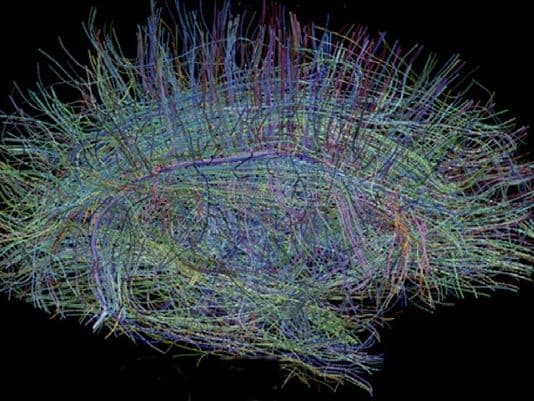
Episode 68 – Moran Cerf Ph.D. – The Razor’s Edge of Neuroscience
August 7, 2016 · 1:00:38

HXP SHORTS: #001 – Deconstructing Death: What Happens When We Die?
September 14, 2026 · 11:37

Episode #186- Positively Angela – The 7 Hermetic Principles & Living a Better Life
December 20, 2022 · 1:26:56

Episode #185 – Brad Klausen & Chance Gardner – Esoteric Egypt, Pineal Gland Activation, Kundalini, and more
December 14, 2022 · 1:50:21
EPISODE 199: Dr. David Nichols — Psychedelics, Consciousness & the Chemistry of the Mind
October 20, 2026 · 1:12:11

Episode 196: Waqas Ahmed — Polymathy, AI & the Future of Human Creativity
September 28, 2026 · 1:04:41
Independent conversations
Help make the next one possible.
Membership sustains ambitious, unhurried interviews and keeps the complete archive open to curious listeners everywhere.
Become a member