

The Human Experience · Episode
Episode 178 – Mark Manson – The Subtle Art of Not Giving a F*ck
A conversation with Mark Manson
Mark Manson is a bestselling author, blogger and internet entrepreneur. He specializes in “personal development advice that doesn’t suck”. He writes on how people can improve their emotional and dating lives, as well as social commentary and various life experiences.
Stay with the full conversation.
Episode field notes
Show notes
Mark Manson is a bestselling author, blogger and internet entrepreneur. He specializes in “personal development advice that doesn’t suck”. He writes on how people can improve their emotional and dating lives, as well as social commentary and various life experiences.
Manson has worked with thousands of people from more than 20 different countries. He’s addressed audiences from Sydney to New York to Vienna and everywhere in between. He’s talked people down from suicides, inspired marriages, and helped build first businesses. His writing is a different take on the self help genre. He calls it self help from a first-person perspective.
Manson has sold over 15,000 copies of his book “Models: Attract Women Through Honesty” and almost 400,000 people read his Visit markmanson.neteach month. He’s been published and quoted on CNN, Huffington Post, Business Insider, Yahoo! News, The Sydney Morning Herald and a variety of other publications. He is also the CEO and Founder of Infinity Squared Media LLC.

Click to purchase
In this episode we spoke to Mark Manson regarding his new book – we discussed various aspects of how happiness can be misunderstood and how to live a better life.
You will love this episode!
Find Mark and his work Visit markmanson.net.
We rely on listener support to keep this show AD FREE – If you value even one of our shows, help us sustain and scale the show up; Become a member for 5$/mo (a cup of coffee) or Donate.
Read the conversation
Transcript
welcome to the human experience podcast the only podcast designed to fuse your left and right brain hemispheres and feed it the most entertaining and mentally engaging topics on the planet as we approach our ascent please make sure your frontal temporal and occipital lobes are in their full upright position as you take your seats consciousness relax your senses and allow us to take you on a dip we are the intimate strangers thank you for listening the
human experiences in session my guest today is mr. mark manson mark my good sir welcome to hxp thanks for having me good to be here mark it’s it’s pretty interesting when your your career has shifted so much I mean you be short off as a blogger and now you’ve moved into this sort of entrepreneurship and you’ve written a a couple books out right yeah this is my second book but it’s the first with a publisher the book has a not-so-subtle
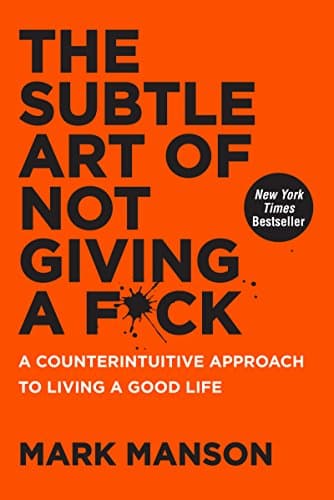
title it’s called the subtle art of not giving a fuck a counterintuitive approach to living a good life was was the self-help industry something that was I think you said this think that the self-help industry is pretty saturated when you say yeah it’s very crowded did you feel like you had to put this book out because because of that reason so I have a certain style of writing which is I tend to be very irreverent vulgar
incorporate a lot of humor into my work and I think on the one hand that that has helped me differentiate myself but I also think it’s it’s integral in some ways to to the topics that I write about yeah absolutely the the back flap of your your cover says in life we have a limited amount of fucks to give so you must choose your Fox wisely which is hilarious I mean but I mean let’s dig into that I mean how how do we choose our Fox wisely as you
say well essentially it’s what we’re talking about it is values and what the really what the book is about is our values like what are we choosing to find important what are we choosing is like the drivers and motivators in our lives and I think a lot of people don’t consciously decide those so there are very few people actually sit down and think about those like where they came from why they adopted them this book is very much designed that help
people ask those questions do you think I mean do you think that there’s a lot of snake oil going on in industry where people are kind of running seminars and they’re moving into coaching and kind of doing these different things to kind of lure people in yeah I think I think snake oil is kind of it’s a pretty strong word I I’m sure there’s some of that I think there’s a lot of good intentions that are misguided misguided
good intentions in this industry a lot of people who honestly believe that they are helping others and that they want to help others but it there’s a little bit of like a blind leading the blind yeah going back to your values what is what are those some of those core values that we can kind of identify with so the book makes an argument or things that are pretty simple and ordinary you know it’s a lot of a lot of our culture not just
self-help but a lot of our culture in general is built on this idea of doing incredible things having incredible experiences pursuing more more and more all the time and I wanted to make the argument that you know maybe a happy and stable life doesn’t come down to always achieving or having more maybe it comes down to simplifying and being satisfied with less and that’s a very uncomfortable idea for many people to consider hence why all the humor and the
fucks that are flying around basically it’s I make an argument for for the mundane it’s the stuff that really matters the stuff that really drives happiness and this isn’t just my opinion it’s research backs us up it’s it’s very mundane things good relationships with your family and friends having being good at something like working on something that you’re good at feeling as though you’re contributing through the people and community around you like it
it really doesn’t get much more complicated than that the second chapter of the book is called happy is a problem and how does how is happiness a problem the argument I make is that to be happy you need to have problem because happiness is a byproduct of solving or overcoming problems and and basically that that whole chapter in a very core message of the book is that struggle pain and struggle are necessary for happiness to exist and I think a lot
of people one of the first places that people get misguided is that they assume that happiness is a lack of problems it’s by just not having any struggles in their life or avoiding all the struggles in their life and and actually the opposite is true I mean you’ve had if we can bounce over to you know your career you’ve you started blogging pretty early on right yeah like 2007-2008 and and then you you gained a lot of traction in sort of the
dating approach kind of community right yeah how does a person move from kind of guiding people to become better at with women then to you know that what you’re doing now so what happened was I I started back in 2008 I read so I read the 4-hour workweek by Tim Ferriss time frame and and I was like sweet that sounds easy I’ll start a website and and I started a few websites and what I quickly learned is that making money
online is extremely difficult and requires an insane amount of work but one of those websites that created I created I tried to create a number of online businesses around my own interests and being a 24 year old single guy at the time I was like cool I’ll start a blog about dating and the first few years it was very is a very generic site you know it was the articles were things like oh three things to do on a first date you know or like how to get
her to call you back you know this shit that you would see on Cosmo basically and and the funny thing is that as the years went on I kind of I started to get a lot deep more personal with the stuff that I wrote about and as I did that people responded and a readership started to grow and by 2011 or 2012 to my surprise I discovered that a large percentage of my readers were actually women so I had I was writing this dating advice site
for men and whereas I had started out talking about like first dates and text messaging stuff but after a few years I’d kind of entered into this place of talking about identity self-worth honesty vulnerability all these like very kind of heavy psychological topics that I felt were being discussed in the men’s dating world or just by men in general that I felt like needed to be addressed and it started attracting a lot of women to it that’s surprising
yeah I was very surprised and I started actually sending so my first book is called models attract women through honesty and a lot of these women were telling me they’re like your date your advice is great not just for men but for for us too and so I actually started sending a number of women models and I was like can you read this and like tell me if it’s good so maybe if like if this makes sense and if this actually applies
to you and and so some women started reading it and they they all came back and they’re like yeah actually this is even though this was written for men it’s better dating advice than I’ve ever seen in any woman’s book and so I started asking myself oh my god well why the hell am I just writing for men so in 2013 early 2013 I rebranded the website relaunched everything to be gender-neutral and to just talk about life issues in general and the other
thing too the other thing that kind of drove it is that dating advice people who struggle on they’re in there with dating and relationships their perception of their problem is something very simple so their perception is like oh like men never call me back after the first date or you know women are they like to be my friend but they’re not sexually attracted but once you actually like start getting deep into the problem
it turns out that really it’s it’s a very problem underneath their dating problem is actually just a general life problem you know it’s their their lifestyle or their identity isn’t completely sorted out for themselves or that they have trust issues or they have a lot of sexual shame that they need to deal with and and the symptoms that the things that they thought were the actual problems are actually just symptoms of
some sort of deeper problems so I wanted to write about those deeper problems um and how they apply in life just in general yeah I mean it seems like that it happens a lot when I when there’s a problem it’sit’s something actually deeper rooted that is actually affecting you know kind of my life output I mean one of the one of the chapters in your book is just the value of suffering it’s called the value of suffering how does suffering help us is kind of a
general kind of question I make the argument in the book that pain exists for a reason I kind of go through this funny little biological summary of like why panics this you know if you think of something as simple as like stubbing your toe or like or when you’re a kid you touch a hot stove it hurts it hurts really bad and the reason it hurts is because it’s your biologies way of teaching you not to do that again it’s your biologies way of teaching you
how to to learn how to how to do something different in the future or how to adapt and the same is true for psychological pain you know whether it’s a breakup or a business failure or an insecurity or an anxiety what these things really are is that they’re their psychological feedback they’re a they are feedback coming from your brain telling you hey you need to look at this in a different way you need to try a different method or try a different
approach to whatever you’re doing and so in that sense it’s it’s actually pain is incredibly important and if we try to avoid it or forget it we are actually depriving ourselves of that ability to evolve and grow past it yeah there’s a great quote art that you say our lives hinge not on the ability to turn lemons into lemonade but learning to make lemons better it’s basically learning the art of resilience because and look optimism is great I think
people should be optimistic positive thinking and a lot of situations it’s good it’s good to like stay on the sunny side but I think and this is one problem I have with the cell like a lot of the self-help world is that life just sucks sometimes like there’s really no way around it you know it’s like if my dog dies there’s nothing good about that there’s no there’s no silver lining there’s no you know it’s it just hurts
and it sucks and a lot of things in life are like that and that I think that needs to be okay it needs to be okay to hurt because one like I said earlier like a lot of our biggest lessons and a lot of our strength comes from our ability to withstand a lot of this pain but um but to its we need to stay grounded in reality we need to stay realistic about what’s going on around us so that we can make good decisions for ourselves and I think a lot of
people when they get caught up on in kind of this like delusional level of positive thinking they start ignoring or denying the rip the reality around them yeah I agree 100% I mean you talk about how growth is an endlessly iterative process we don’t shift from being wrong to just being right it’s kind of something that just builds and you learn that I mean it’s what I say is we never go from being wrong that being right we
go from being wrong to be slightly less wrong at another way I put it in the book is that problems are never permanently solved because the solution to one problem is the genesis of the next problem you know so maybe I have money problems and I solve that by going and getting a job well the job creates new problems I the deal was politics at work I have a really frustrating commute every morning I have stress of the projects I’m assigned and and then my
solutions to those problems will create the next higher-level problems and so what I say is that the the key to a good life is not getting rid of your problems the key is actually just having very good problems and that process of solving one problem in creating a better higher-level problem it in my opinion that’s that process is actually what brings a sense of accomplishment and fulfillment to our lives yeah do you think that I mean when you
were when you were coming out with models and books like that I mean do you see do you think that you were kind of polarized in your perception to kind of the comedian did you feel like there were people either hated you or loved you early on for sure I mean back when models came out the majority of the men’s dating advice industry was it was still your classic kind of like pickup artist stuff it was like dude you gotta
like go bang a 10 and you know like show her this and say this to her and neg her and and stuff like that and so I knew when I when I was putting it out there that I was likely setting myself up for a lot of extremely harsh criticism but I I believe very strongly in the message of the book and and so initially it was very polarizing and I got called a lot of funny names by certain people in the industry and by a lot of guys in the
industry but I’ve been very happy that it seems that actually that book is influenced and altered the course of that industry I see not only is it one of the best-selling books in that industry now but it’s it’s a lot of the other companies and coaches that exist and then in industry I I think are saying a lot healthier stuff these days and then they did say five six years ago you’ve had some pretty bold posts like on just through your blog there’s one
called why everyone on the internet is an asshole and then you talk about how kind of the Internet warps perception let’s talk let’s talk about that a little bit like how how do you feel about the way the internet changes social behavior I’m absolutely fascinated this topic and I have been for a couple years now and and look like I think I’m not I’m definitely not anti I can’t be anti Internet like it gave me my career
but I think it’s just it’s interesting because as every new form of technology that comes out and makes our lives better in in so many different ways I think it also brings a new array of problems with it that we as a society or a culture have to like figure out how to surmount and I think the interesting thing about the Internet is that because it’s so globally connected and so anonymous it makes it extremely easy to
objectify not just people but opinions points of view perspectives and when you objectify a person’s perspective it’s it’s easy to just shit all over it and not not fear any repercussions or not have any sympathy for it and and so in many ways this amazing tool that has given us access to more information and you know anybody in the human race has ever had has also made it easier for us to indulge some of our worse instincts
and to be a more judgmental and close ourselves off one of the main points that you make in in this post is you talk about how confrontation has no negative social consequences and I yeah that’s obviously true I mean how it so I mean how how has it changed for you like moving from kind of this internet-based persona into kind of a real life thing it’s been interesting I mean I think one thing that kind of growing up so to
speak as a writer on the Internet is that it’s it’s really I feel like it’s really made me impervious to criticism there’s been a lot of funny just like small moments over the last couple years working with my editor my agent and people at Harper where though they’ll be like little things or like they’ll get really worried that like my ego is getting bruised like do you realize how many people have like told me to kill
myself you know through email over the last five years like no I it’s totally fine this is not a big deal so it’s weird it’s made me a made me jaded which I think has it’s both it’s it’s its pros and it’s cons on the one hand I think I’m much more impervious to maybe a lot of things that a lot of authors go through when they’re publishing their first book but on the other hand I think I’m more cynical I don’t wanna do a lot of authors which is
unfortunate okay I can definitely understand that I mean as as this show has kind of grown I mean it it’s like the hate mail that we get I just it just doesn’t affect me as much anymore just it after a while it just doesn’t get to you as much yeah and there’s a weird thing and I don’t know if you’ve experienced this but there’s a decent citizen on both sides of the spectrum which is the hate mail doesn’t bother me as much anymore but when I get those
emails where people are like oh my god you changed my life thank you so much you know like I still appreciate it but I feel desensitized you know like five years ago whenever I received an email like that it was like it made my old days yeah oh my god this is this is incredible but now it’s like sweet dude thanks good luck you know and it’s not even you know I’m not being honest they because it’s when you’re just bombarded with so many
messages really positive and negative from so many people that after a while it becomes hard to really invest a lot in in any of them absolutely I was I was actually just having this conversation with a friend of mine the other day and when we first started out when we would get an email saying something like you just said like that you know the show’s changed my life it made my day and now I mean not to take away from anyone who
sends me an email like that to us but it’s it’s not you know it doesn’t I’m grateful for it I’m happy for it but it just you know that that desensitization that occurs on both it does occur on both ends of the spectrum yeah where you talk about there was another post that you did called the pyramid scheme of positive thinking how does that oh yeah yeah yeah so the the articles is the staggering bullshit of the secret
right yeah that’s right it’s the that was the main article yeah yes and the pyramid scheme is the section of it I knew I knew I did this somewhere but I was like are you sure the articles not cold then it’s funny I actually just so I just did I just got off another call before I got on with you and I was talking to this guy and it he was an interviewing me he’s actually he’s a speaking agent and we were talking about
the positive thinking thing and he was saying that he like doesn’t take clients who do that sort of thing that mode that’s sort of like motivational speaking type stuff right and he said that he told me he said he literally had this conversation once with one of these like types of motor motivational speakers the motivational he said what what is your goal with doing speaking events like what is your goal to get across to the audience and the guy was
like well I want to inspire them to do great things in the world and because that the world all the world needs is is people to be more inspired and the speaking agent it was like well I actually think we should probably like figure out how to cure cancer or AIDS so why don’t you work on that and the guy was like oh but I can inspire people to cure cancer AIDS and the guy the guy was like okay so like but then what do these
people end up doing you know these these people in the audience usually turn around and they they decide that they want to be a coach and they want to go inspire people and so you get this kind of this really funny pyramid scheme of and this happens a lot in the online world of people who for instance people who will like teach a course they’ll create a course on the internet that teaches people how to create courses on
the internet and these people would take and then the people will take the course and the know go create courses on the internet teaching other people how to create courses on the internet and you see this in all sorts of different ways you know people I have met people who are life coaches who the majority of their clientele they’re teaching how to become life coaches and and it’s just this crazy thing that just it’s pervading everywhere and I
think and a lot of what enables it is this idea that simply feeling good is it’s good enough you know it’s like if I can just say a bunch of stuff that people in my audience will be like wow that feels great and then tell them to go tell other people it’ll just keep getting passed on and you know when I guess where I put my foot down both in the book and on my site is like no feeling good is not good enough like if you want to feel good just go like snort
some cocaine or something like it like there needs to be a higher standard to a good life than simply just feeling good all the time right yeah man I mean I really find it interesting I mean the industry is definitely intriguing to say it slightly I mean it it does feel like a pyramid scheme and it it seems like it kind of wraps you in and you know like you you need to keep going back for more it’s almost like a drug I find your
career fascinating because you you went from you know this sort of dating aspect to this it’s it’s not self-help but it is weird I mean where did this formula come from like what what else are you doing where do you say that your content is is hitting the most right now it tends to be so I jokingly say you know when I meet people in in real life and they they say like oh what do you do and I’m like oh I’m a writer and I go
what are you write I say I write self-help for people who hate self-help and it’s funny because so many people I meet are like I think I would love you know like I think I think the desire to improve your life is a pretty universal one I think everybody if they’re being honest with themselves like wants to have a better life and achieve more and be more successful and feel better about themselves but I also think there’s a
lot of people especially in the younger generations like you know say 35 and under who just kind of sense that a lot of this you know a lot of the self-help stuff from the 70s 80s and 90s then it’s kind of BS it’s not really not very authentic it sells well but it’s it’s cheesy and and so I think those are the people I’m hitting it’s like this is I’m offering a viable alternative all right it’s not just the same old cliches over and over
again so then you would say that that your content is hitting towards the self-help industry or is it still with the dating stuff oh it’s definitely self-help stuff I mean it’s at this point the dating relationship I think is a minority portion of my audience but um but yeah it’s weird it’s like a weird I felt help I mean it’s technically self-help but I kind of like go against the grain yeah in a lot of ways so there’s one thing that you just in my
notes is that you know you you started out and when you were when you were kind of starting out you you were approaching like these these agencies to publish your stuff like these online like huffing Huffington Post until like that and now they’re coming to you you’re being interviewed by by Forbes and CNN and advice and I mean how does how does that switch feel for you I mean at first it was a little bit of an ego boost
right like it’s it’s suddenly all these publications I was practically like begging like give my work to to get more exposure a few years ago you know a few years later that suddenly they’re knocking on my door so that always that feels nice like I think on anybody can relate to that it feels like a little little victory for yourself but it’s funny it’s funny to me it’s if I stand back and kind of remove my myself from
the equation I think it’s kind it’s a little bit representative of the weird place that the publishing industry is in because of the Internet it’s like you yeah yeah on the one hand anybody in start a blog and start publishing on the Internet and that’s great but the the truth is is that you know that you have to the people who control what gets spread around the most they still kind of haven’t have control and it and it’s
a situation of like the rich get richer so back when my articles weren’t read by many people you know like Huffington Post didn’t want have anything to do with me then suddenly I started having some hit articles and developed like a really big fan base and now it’s Huffington Post wants to publish any everything I write so it’s yeah it’s just it’s a weird dynamic and I don’t know how I feel like it there needs to be like I don’t know the publishing and
she needs to sort it itself out in a lot of ways and one of the ways is that there needs to kind of be a clear path again you go from like an unknown nobody to like getting your work disseminated pretty widely like right now it’s not very clear how that happens you just have to like try dozens of things and hope one of them work has that has has this whole process like affected your sense of I mean I and like you have a
hundred thousand readers five hundred thousand then a million and then two million and I mean you’re just has this affected your sense of success yeah it’s been weird and and this is actually one of the inspirations for the book is that I always dreamed of a lot of like a lot of this stuff that’s been happening to me the last couple of years it’s literally what I dreamed about when I was starting out like it might in
my mid-20s right and it’s interesting that it doesn’t feel the way you expect it to I mean it’s great I mean it it’s there’s no way I could ever complain about anything that’s gone on the last couple of years but it’s it’s weird because it doesn’t it doesn’t feel as good as you expect it to feel the benefits aren’t as good as you you expected them to be the problems are bigger than you expected them to be it complicates lives life in ways that you
didn’t expect and so sick experiencing a large success like that is it’s actually a very strange it’s a very good experience but it’s a very complicated experience and this kind of being the first like really big success in my life it was very disorienting at times it was very strange it kind of made me start asking like does it really matter like 2 million people read me or if it’s like a hundred thousand like does this really
met cuz at a certain point it just doesn’t even feel real anymore like the difference the difference between a half a million and two million like it doesn’t even feel real it’s it’s all just it’s just a digit you know and and so started really getting me to ask myself a lot of these questions about and I talked about in the book which it’s just like what actually matters here like what is what is actually driving my life and what should actually
drive my life and and it kind of put me into this like little mini existential crisis for a little while as I started writing the book and and that’s kind of a lot of like where this these ideas came from yeah I can I can imagine man I mean it’s it seems like I mean these are all pretty healthy questions I mean did you do you happen to kind of go stoic with this or I mean there’s a little bit of Buddhism in this to kind of label it
and I mean how how did you get to a point where you were like okay well you know the value of suffering and you know we kind of reframing positive positive thinking and I mean like like what was what was a driving factor was there any certain philosophy that you were kind of modeling well I was very big into Zen Buddhism when I was in college and I it’s interesting I kind of got away when I graduated it kind of got away from it
but like that’s like my roots is a Zen Buddhist background and going through my 20s I was very highly motivated by a lot a lot of very conventional goals you know it’s like I wanted to have a successful business I wanted to have I wanted to be own my own business so I want to have a lot of free time in one of the travel world I want to have you know they are amazing people and have amazing relationships and and it was kind of what I was talking
about at the beginning of the podcast so I had a lot of goals based on more more more get more succeed more have more do more and that was great and then what happened is I started achieving a lot of those goals you know so I I did I did travel the whole world and I did see all these amazing places and I did have a bunch of amazing experiences and I did build a successful business and I became a successful writer and and it left me
like I said in that kind of like that weird state of existential crisis or like Oh what does this all mean well you know what why none of this matters wonder what am i doing with my life and and actually I noticed that a lot of that Zen stuff came back started coming out you know I I always tell people that my writing is it’s my own form of therapy for myself like everything I write it’s not that like I know all the answers and I’m telling everybody else
what to do it’s it’s literally like I have the same question and so I’m trying to write my way out of it and so as I was writing all this stuff I noticed that the Zen stuff which is extremely similar to stoicism it’s all about you know Zen and then they all they talked about a lot about not knowing and how how to get comfortable in a place of not knowing and you know Buddhism itself is very big on you know life is a form of
suffering and you have to like detach yourself from your emotions and so all the stuffs are coming out again and and it’s funny because I guess I didn’t really realize how big of an influence it it actually had been on me until recently yeah it was there I mean was there any single kind of like mentor or someone that you’ve had influencing you through this process um not a specific person no I mean I’ve always had like
writers and artists that I’ve looked up to as like good examples of like this sort of stuff that I want to do but yeah there’s nobody I mean again the weird thing about internet publishing these days is like there’s no real nobody’s really figured it out yet you know we’re all still kind of grasping in the dark trying to figure out what what works like what’s gonna be sustainable yeah I mean who so then who was someone
that influenced you like kind of remotely so I mean there are some writers that I really looked up to a big fan a huge huge fan of David Foster Wallace and his particular ly his non-fiction work I think it’s just like I mean his fictions fantastic as well but it’s nonfiction work is staggeringly brilliant hunter is Thompson Alan Watts is a big one I don’t know if you’re a South Park fan but there’s a South Park episode called Simpsons did it and it’s
basically the entire South Park episode is like the kids keep coming up with these like crazy ideas and then it’s like every time they go out to start doing it it’s like oh no Simpsons did it episode 328 and the whole the whole episode is basically just a joke of like every unique idea the South Park creators have had the Simpsons already had it and I feel like that I feel like that like with Alan Watts it’s like any
like really powerful idea I feel like I have it’s like Alan Watts already wrote 50 years ago mark I really appreciate your time and what’s the next what’s kind of the next journey for you what’s the next step for you right now it’s I’m still kind of basking in the afterglow of this book release and finally winding down with the interviews I’m really looking forward to just getting back to the website getting back to the blog I’ve got a ton of ideas for
articles I want to write but I just haven’t had the time to write them and then I think you know probably after maybe a year like maybe end of next year I’ll get cracking on the next book so where can where can people find your mark Manson net and and the book is called the subtle art of not giving a fuck a counterintuitive approach to living a good life and it’s available everywhere aisle retailers Amazon everywhere awesome you said it forming
men thank you so much for your time Marc I really appreciate it man thanks exFAT me this is the human experience we will see you guys next week thank you guys so much for listening you
Ideas worth returning to
Quotes
Five substantial excerpts from the published transcript, lightly edited for clarity without changing their meaning.
“I encountered Tim Ferriss’s idea of the four-hour workweek and thought it sounded easy, so I started several websites. I quickly learned that making money online is extremely difficult and requires an enormous amount of work. I tried to build online businesses around my own interests, which sounded especially appealing to me as a single twenty-four-year-old.”
From the conversation“When people become caught up in a delusional level of positive thinking, they can start ignoring or denying the reality around them. Growth is an endlessly iterative process. We do not suddenly move from being wrong to being right; we move from being wrong to being slightly less wrong.”
From the conversation“A speaker said that he wanted to inspire people to do great things because the world needed more inspired people. His agent replied that he should work on curing cancer or AIDS instead. The speaker answered that he could inspire other people to cure those diseases, exposing the question of what inspiration accomplishes when it is separated from concrete action.”
From the conversation“The Internet has put publishing in a strange position. On one hand, anybody can start a blog and publish, which is wonderful. On the other hand, the people who control what gets distributed most widely still retain considerable control. The result can become another situation in which the rich get richer.”
From the conversation“I could never complain about what has happened during the last couple of years, but large success feels different from what you expect. The benefits are not as good as you imagined, the problems are larger, and success complicates life in unforeseen ways. It is a very good experience, but also a very complicated one.”
From the conversation
About the guest
Mark Manson
Mark Manson is a bestselling author, blogger and internet entrepreneur. He specializes in “personal development advice that doesn’t suck”. He writes on how people can improve their emotional and dating lives, as well as social commentary and various life experiences.
Episode 110 – Rob Bell on Success, Money vs Happiness, Creativity and Living in the moment
March 21, 2018 · 44:42
Episode 166 – Becoming the Architect of your Life, Building Atomic Habits w/ James Clear
April 3, 2020 · 1:05:55

Episode 157 – Conquering Fear, Addiction & Alcoholism, w/ Karla Juvonen
January 24, 2020 · 1:11:16
Episode 156 – Mantak Chia – How to Find Inner Balance, Connecting with your Purpose, Chi, Energy, Prana
January 17, 2020 · 59:08
Episode 102 – Kasper Van Der Meulen on Human Performance, Writing, Teaching and much more
August 22, 2017 · 1:06:59
Independent conversations
Help make the next one possible.
Membership sustains ambitious, unhurried interviews and keeps the complete archive open to curious listeners everywhere.
Become a member