

The Human Experience · Episode
Episode 42 – Will Johnson
A conversation with Will Johnson
Will Johnson received his BA, magna cum laude, in art and archaeology from Princeton University in 1968. After writing art criticism in New York for several years, he moved to the west coast, where he became a Buddhist practitioner in 1972 and trained as a Rolfer in 1976. Over the years he came to understand
Stay with the full conversation.
Episode field notes
Show notes
Will Johnson received his BA, magna cum laude, in art and archaeology from Princeton University in 1968. After writing art criticism in New York for several years, he moved to the west coast, where he became a Buddhist practitioner in 1972 and trained as a Rolfer in 1976. Over the years he came to understand that the body was the doorway, not the obstacle, to personal growth and spiritual transformation, and that the worlds of somatics and dharma practice each possessed a kind of missing link to the other’s path of inquiry. In 1995 he founded The Institute for Embodiment Training, a teaching school that combines the orientation of Western somatic therapy with Eastern meditational practices.

Editorial Reviews
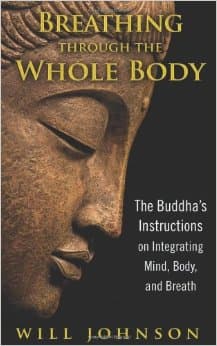
“Breathing Through the Whole Body is a beautiful book, somewhat meditative in and of itself. It examines each part of the deepening, explaining things like why our spine needs to be straight and why we focus on the breath. The overall purpose isn’t to look good but to find that inner quietness and rooted balance that will ultimately bring forth whole body breathing.” (Tami Brady, TCM Reviews)
“The book is written lovingly, offering compassionate explanations and poetically rendered practice exercises (Befriending Stillness, Drawing Down, The Breath of the Unfolding Fern). Very little effort is required to retrieve the gift that lies within its pages. It is a unique treasure.” (Anna Jedrziewski, Inannaworks.com)
“Will Johnson encourages readers to put together their whole spirit and gain a more complete control over their mind, emotions, and body. With exercises both physical, mental, and spiritual, Breathing Through the Whole Body is a strongly recommended pick for spirituality and Buddhist studies collections.” (James A. Cox, Midwest Book Review)
“The most profound healing gift of all is found within our very breath. Learn how the flow of breath is directly affected by chronic tensions in the body and in the mind. When breath starts flowing through more of the body, it becomes a direct agent of healing massaging and melting any areas of tension it touches. Experience the healing technique as taught 2500 years ago by the Buddha!” (What Women Must Know, October 2012)
“With simplicity and elegance, Will Johnson returns us to the original teachings of the Buddha on embodied spirituality, taking us deeper by teaching us a fuller and more subtle engagement with body and breath, leading directly to the expanse of liberation. This book will be treasured as a brilliant revelation of the spiritual possibilities of our own human mind.” (Reginald Ray, Ph.D., Buddhist teacher and author of Touching Enlightenment)
“I love every word! Thank you so much for bringing forth such a succinct and glowingly accurate account of the central role that body wisdom, somatic experiencing, plays in the process of awakening. It is a ‘how to do it’ book for all of us on this road to realizing our true nature.” (Robert Hall, Buddhist teacher and cofounder of the Lomi School)
From the Back Cover
SPIRITUALITY / WELLNESS
“With simplicity and elegance, Will Johnson returns us to the original teachings of the Buddha on embodied spirituality, taking us deeper by teaching us a fuller and more subtle engagement with body and breath, leading directly to the expanse of liberation. This book will be treasured as a brilliant revelation of the spiritual possibilities of our own human mind.”
–Reginald Ray, Ph.D., Buddhist teacher and author of Touching Enlightenment
Explaining how stillness in meditation refers not to a rigid and frozen body but to a quality of mind, Will Johnson examines the Buddha’s own words at the core of the Satipatthana Sutta: “As you breathe in, breathe in through the whole body; as you breathe out, breathe out through the whole body”–an instruction often overlooked in the majority of Buddhist schools. Exploring the Buddha’s complete series of steps for deepening awareness of the breath, he shows how to invite natural, responsive movement back into the posture of meditation by extending breath awareness beyond the nostrils, lungs, and abdomen to the entire body–a practice that unifies the breath, body, and mind into a single shared phenomenon.
Showing how the flow of breath is directly affected by chronic tensions in the body and in the mind, Johnson explains that when breath starts flowing through more and more of the body, it becomes a direct agent of healing, massaging and melting any areas of tension it touches and moves through, whether physical or emotional. By breathing through the whole body in accordance with the Buddha’s instructions on breath, the body becomes much more comfortable, the mind starts resolving its addiction to thinking, and meditative practice deepens much more rapidly, allowing the teachings of the Buddha to be directly glimpsed and revealed.
In this episode we talk about the role of the body in meditation. We cover some advanced meditation practices and we discuss how important meditation is for personal development.
Find Will here: http://www.embodiment.net/
A big thanks to Will for making the time to be on the show. Music used for intro: Youngsters – smile (sasha remix)
Read the conversation
Transcript
http://media.blubrry.com/the_human_experience/142.93.53.5/podcasts/willjohnson.mp3 Podcast: Download (Duration: 34:19 — 47.1MB) At the New England and humane handling brain hemispheres at entertaining and mentally invented telling me right now is an excellent frontotemporal occipital I at 74 at the things that is the authentic take you to the interest I think easily and what’s of folks this is our episode with Mr. Will Johnson he has written a book called reading through whole body Steve is a Princeton graduate highly educated he is the founder of the Institute for embodiment training in this episode we cover the various benefits to using meditation argue lives we cover some of the aspects of meditation you may not think about overall a very good episode purchase copy of Mr. Johnson’s book that is below follow us on you two Facebook and twitter at the human XP and give you so much for listening the human experiences balancing mind and body my guess night is Mr.
Will Johnson will my good sir welcome to the program thank you Xavier good to be here so I find your work very intriguing I know that you you went to Princeton and a nurse but what you tell our audience mean what is your how humans is what is your background yeah was if it’s good question of your the first thing to say right from the beginning I’m not a body person by person I came to all of this through will through getting in touch with effective how out of touch I was with my feeling presence was experience so in my early 20s you I went to university a major nerd history I was alert criticism in New York there was a lot of life and that ended up in California and one of the things that I knew that I needed to do was get back in touch with my body so started doing a different kinds of the Western body therapies and then I was led to take what I was experiencing from other was getting from the of those therapies into the Buddhist arena in a sense applying the you noticed basic principles of body to the process sitting meditation so that in a nutshell this kind of that the journey is better heart started out certainly was there was there a point in which you thought okay will does the direction I want to go with my life or any kind of event that led you towards this or did you always just kind of feel a connection to these Eastern philosophies how did you mean how did you make a decision to write about this yeah that you know what I would have to said have to go back to my early childhood I did have experiences I wrote about these experiences in the book called the selfish in the sacred mountain where from data from an early age and I have but essentially are fairly mystical experiences I would go to bed at night and I go through a very very physical process of dissolving and by that the other time I became aware of what was going on at felt like it was but is because the universe you know what it was just a childhood experience I have a lot but I parked it when a your became older I’ve got much more into your academics I forgot about all this and tell the never obviously let go because the evening University I started reading the Eastern religions I started you experimenting with different kinds of Buddhist practices and the suddenly I started rekindling some of those earlier experiences not again for me the whole Avenue in was through the body is a set I was so out of touch with that that actually kindling awareness of sensation physical presence was the real quite radical me so when you this started happening to put those two strands together the somatic background with the very very traditional dharma was just simply a natural fit and I had but it came with a feeling of rightness of a new this is what I had to keep exploring and I really like that through your work you are reconnecting the body I think that most people may think that meditation is up mind-based activity like I’m quieting my thoughts and not really ingenuity limitation Ali thinking about my posture or me night I don’t initially think okay well I should focus of my posture its railroad and I feel like it should be more of a mental thing but your work your work kind of focuses on how to bring the body back into this process is meditative process getting how how important do you would you say this is a critical but you know again I’m even expressing my bias that what I’m getting at is that you know meditation is often presented is just as you are suggesting an exercise or activity that we engage through our minds and in truth the profound practice of putting yourself into a sitting posture and staying in that posture for hours you know long days even opening to breath opening to body it is extraordinarily transformational in a however if we don’t have some is just least the basic the most basic understanding of how to set in such a way as it were not bracing ourselves were not you know tensing were not fighting the process can actually relax into it you know it makes an extraordinary amount of the “difference mostly what I’ve seen when I sit in front of a hall of sitting meditators most everybody is sitting very rigid very still hanging on for dear life and the common report for those people who are courageous enough to enter into long retreat a week 10 days a month that kind of thing that a lot of the experience is frankly awful cruisers so much pain that comes up your through the is simply through the way their you know they’re sitting so we can apply some basic and simple principles to artwork what I call the posture meditation been meditation has no choice but to begin that process open syndrome the you were swept along for the ride and I feel like my friends are heavy meditators there I I do people who are just like us I need to go meditate down in the shift is part of their lives and it’s integral to what they’re doing so mean how you inbreeding to the whole body you talk about finding a quiet place how mean in in every day I think I feel like I’m I’m surrounded by computers my cell phone is always on me how important is it to find this quiet place to go into yell it really depends ultimately with people wanting what people want from exposing themselves to I guess it could you cost of spiritual process luck weekend you work with in the crazy city life and just a very very mindful and make a way through life in a very unquiet place you know that you meant to me is important and yet that you often say this the dharma the Buddhist teachings it’s not fast food therapy that if people truly want the quality of transformation that the Buddha would that would imply is both her birthright and our destiny then it’s really really helpful to remove herself that times from the hustle and bustle from the other noise it go to go into retreat now is important as long retreat as an I do feel this is a very very important part of this process transformation for people who are sincere about wanting to experience us.
Seven days 10 days 21 days whatever it as important as it was to do that were also then going to want to do at the conclusion of that retreat where we’ve left the noises to go back into our life and just simply set up a daily practice and it might just simply be a quiet quarter” corner in our home were your children know not to bother us were briefed your left her devices out of the room so were not good be checking the unchecking them constantly and do practices in your every day it you know my preferences to get up in the morning if you have a job obviously get up early in the morning and you do practices deliver 20 minutes 30 minutes in our two hours overlong you can take this in the sense is kind of the formula for people want to enter into this would you say that consistency is is the most important when when practicing meditation you certainly important in the beginning so that you establish a you becomes more second nature that you get up in the morning you do sitting practices you can do nothing practices then you can go out in your life and you know spend jerk your day but you know this is no not something unfortunately that it you know it works well to dabble with that either you know you want to start plant if you start playing with the stuff you want to go all the way Trump ricochet very very wonderful led to betting that teacher when the quantity really Tibetan teachers came over here really understood the West had a saying once he so the spiritual path better not go anywhere near it all your party started beautiful way you know and videos it so you it’s like that’s a certainly up in a consistency is important you have sure that you know for me at this point if I miss morning practice I don’t do so well you know during the rest of the day gets it’s that the clear for me at a multitude us it is a part of your regular everyday routine you are you absolutely and you know is the Xavier right I don’t know if I consider myself particularly spiritual person or a noble person or whatever but I do these practices because they work and they help get me back in touch with that you know core dimension the simply feels right in this of course is what people like the proto-were us if you teachers like Rumi speak of has when we dissolve back into this fundamental in the place of the essential nature US ally starts working on that’s when the you know if we don’t feel like okay you know this insanity this craziness we call life yeah this is a good wave and I can ride otherwise for me if I miss you fineness a lot of practice over number of days for whatever reason so I that when I get you know back to it feels more like after around them been writing about writing that waves so yeah consistency is a wonderful thing yeah I mean there is in your in your book that you helped write the forbidden me you you you looked at Rumi’s most heretical work and you presented for the first time English why why did you feel like you need to do that it yet well it’s very interesting commune how that all came about is that in my early 20s I literally stumbled upon this very very potent gazing practice were two people sit down across from each other it’s eye gazing look into each other’s eyes hold the gaze start relaxing and letting go on allowing whatever wants to happen to happen there’s also to different surgeons that happened in a bodily energy different get in the states of Mein Kampf you know come up the visual field can go very unusual almost hallucinatory but it is a very very powerful practice now later on in my life I came to understand that was the practice that the 13th century you are in a mistake important originator the dance the whirling dervish roommate was doing in intensive retreat with his great friend print shaman so I got I got into room me that you know that way and then through that met this fellow know the origin on the of it is in his mid-80s that if anybody’s doorstep is the one that we can go to and say hey is because of you the Rumi came to the West really is never a T took on the job translating the wall of roomies spontaneously uttered pomes into English and never nine met after I wrote about the gazing practice and I’ve gone on and you know helped him with you notice some more of the translation books know Rumi is extraordinarily body oriented and look it’s very interesting uses another you know from story to share that you know if your listeners in the Rumi his family Frederick fled Afghanistan and you is over the universe was an unsafe placed in the ended up in corn your turkey can use one of those places that if he got a lot there were Christians there were Jews that were Muslims everybody got along and it sounds sounds like they not only got along but supported one another at Rumi’s funeral very another work because Islamic students but there was a huge Christian community in a huge Jewish community and they were asked what you doing here and the Christians would say you know when we listened to your master speak we understood the words of Jesus the Jews would say when we hear his sermons we know what Moses wants to do now in my case I honestly feel that was through my exposure to Rumi that I came to understand with the breathing practices of the Buddhist were all about especially the practice it culminates the instructions culminate in as you present present through the whole body can as you breathe out brains out through the whole body of roomies practices are deeply body oriented there was gazing there is obviously the dervish dancing it eating very very lightly and Rumi was a great breather there is so much in his work that’s about rested about breathing one wonderful home of roomies says it bringing breath to life is the essence of every religion in the cure for every illness let every breath you take cleanse the soul of its grief and pain so it can continue to burn brightly inside you and there was something about that that really helped me get the dynamism the coming to life the really bringing to life not just an objective observation a true bringing to life of you essential nature of through breath so you know Rumi is unity in the definitely you a huge supporter for me of mine in this practice was Buddhist practice gear I mean so when you let’s put through wind of it and go back to what you just mentioned about reading the nobody how we what is with that he mean you why it is it’s it’s very very interesting?
About of you know possibly mean by that statement is the culminating instruction on breathing through one of the most seminal Buddhist texts was words are described of historical Buddha you know himself it starts off with just without observation which is what most of the Buddhist world is involved in and you know simple observation mindfulness bringing we ordinarily aren’t aware of two awareness is so very important but the instructions do not stop there that they culminates in the statement of breathing through the whole body now every ninth grader whose the taken human anatomy now knows that you don’t be through the whole body would breathe through her nose and mouth oxygen goes and that goes into the lungs there’s this exchange into the blood it fuels the cells there is the the expelling of the yet gaseous waste products what is helpful to remind ourselves of his is that knowledge is frankly very recently acquired knowledge and I should of been better on the date psyched of his 17th-century 19th-century will we get people like Lavoisier and priestly finally you discover through your fledgling the science of chemistry what breath is actually about but for millennia of nobody would’ve said that what were doing when were breathing is retaking and oxygen expelling the you know gaseous waste know what gets interesting about this will couple of things what most Westerners
believed from the time of the early Greeks who were contemporaneous with the Buddha was that that we breathe is to cool the heat of the heart and this goes all the way through you know Western history even through the you know Leonardo and it’s fascinating because if you think about that there is the you can understand where that comes from sometimes when your observing breath for example if your observing breath entering and leaving the body at the nostrils feels kind of cool comedienne and warmer coming out just as though what it was doing was cooling the heat of the heart attend you keeping things the at you know a temperate level now the blue dog comes out of the Hindu a background and you know within the whole you know Hindu the cosmological system in their their spiritual practices we know of probably not as referring but not just to the breath but to the energetic presence the body and for me it’s a completely conceivable that the Buddha felt that as he would breathe in in these ways that were so deeply and profoundly relaxed what would start happening he could feel breath in the sense passing through actually through transmitted motions through the body through the entire body and stimulating the awareness of of the shimmer the truly sensational of presence the body what I mean by that sensations of these tiny minute pin prick… Sensation they a feeling presence the
exist everywhere on the body there oscillating it unimaginably rapid rates of arbitrary frequency and still we can feel that we can feel it as the suck this current the shimmer and there’s something about this practice of breathing through the whole body that stimulates the awareness of that through the entire body so you know that’s one of the things that I think is you was is going on at it is it more of an awareness that you are just aware of your whole body as well as breathing or mean them yet you awareness is the first part of it but ultimately awareness alone is not enough what has to happen is of a radical frankly kind of relaxation are letting go through the whole body and you what I’m getting at is that you luck we can move her awareness through the body’s was kindling the awareness sensations as is done in some the very powerful of Burmese forms of care of unpracticed and your that’s a very wonderful thing to do but you ultimately were not only just wanted to be aware of the entire body as the unified field of tactile that the flute feeling presence were wanting to let goal of the profound holding tensing racing that we encounter when we do actually give ourselves permission to feel with going on that are was going on you through the body in this again is where we get into this culmination of instruction to breeze through the whole body and very simply went talk
about this more details you like very simply to breathe through the whole body two things are necessary one we do we have to wake up the feeling presence of the entire body look at your most of us you live in what I call and that the quality of consciousness it passes normal in the world at large something wrong with that it’s where we live it’s just very incomplete and it’s a very disembodied consciousness where furthermore the most part we are lost in thought and out of touch oblivious with the feeling presence so the first thing we need to do is to awaken body weight and body is actual palpable feeling presence is how can we possibly breathe through the whole body for not even able to feel it and then the second part of this and this is arguably the most radical thing that I’m bringing to the Buddhist conversation in the question is this understanding that in a completely relaxed body and ultimately that’s were wanting to do with these practices were wanting to relax so deeply that we start letting call of some of the unnecessary tensions in the body the contract of ruts and patterns in the mind now for that to happen for that kind of extraordinary relaxation to occur as breath makes it is we briefly on it’s it’s almost like a wave moving through a body of water motion transmitted motion can start occurring through the entire body of every joint in the body and then go
from the you way down through the seat up in the through the top of the head and if these kinds of altogether natural amoeba like spontaneous emotions aren’t occurring we are bracing ourselves were holding and there’s no relaxation and the you know when when we forfeit the relaxation we stay stuck within the dimension of the mind that the practices are trying to show us that’s only your surface let’s go deeper it’s better down deeper and stemming very advanced conversation at I don’t like this is a beginner conversation but of I’m I’m curious to know how do you feel like transcendental meditation is somehow more beneficial or you know you’re your work is more about breath work and it seems like mean time magazine did a piece on this meditation it interesting how it’s kind permeating into a culture is the but when I hear about I don’t really care about breath work again I’d usually hear about just your TM or just kind of meditating we and so how important is his posture and would you say would you say that your your work is more about breath meditation or is it and what is it jealous it’s definitely breath and body but but let the you let me backtrack it really depends you know what you’re doing if you doing some something like TM are some Davidic meditations a very traditional interview in the West 20 minutes in the morning 20 minutes in the afternoon honestly I don’t think
for that short period of time posture is that critical of and even just a your sitting back in a comfortable chair is absolutely fine it’s important to remember that this whole wave of information and instructions coming from India from Asia from you some of the Indian circles from the Buddhist circles is really really knew over here in the West is definitely starting to make inroads primarily through the mindfulness of movement and that would be the you know observing breath what what I’m interested in is people exploring the operates sitting posture so it’s it’s not just breath it’s breath and body and what I’m getting at is that this upright sitting posture with your sitting crosslegged on of amount on the floor with your buttocks raised little higher in a newly bencher in a chair if you enter into this posture and big look frankly going to retreats were your perhaps your exploring sitting practices for anywhere from unity to 12 hours a day that’s what I’m primarily interested in because that of Woodruff you want to call it that of this sitting posture to the degree that we are playing with upright balance okay the work of so that the body can do to relaxing were not bracing that opens up her initiates of theories very deeply profound process of not just becoming more where not just to feeling better but it actually transforming what you experience yourself to be know that
it is that the culmination of the you know the Buddhist path and as you said that know this probably isn’t necessarily you know that your basic of an understanding in the retreats they teach I do I get some people who live there just in the sense starting out and they perhaps heard what I’m doing and they perhaps of her that maybe let’s start out with these instructions because other in the form you know a base of support it’s really can help you go deep your practice most together you know we refer to as the old Buddhist.exe you meant men and women who been really really engaged in very serious practice for a sometimes for decades and that you know it’s interesting that the you Xavier are often with them the you know what I get I’m thinking of women in particular at AER retrieved that that I taught in Santa Fe you have your last spring she been doing Zen practices for 30 years and at the end of the retreat she simply broke down and her expression was why why was this talk to me in a 30 years ago you and in some ways what I’m the universe of the people that I’m a your primarily directing this to people that really really really want to go to the depths of the what’s in the very center of the center there body and mind because we just have perhaps some inkling or maybe it’s blind luck or who knows that were on this path that we know that there’s something extraordinary in the
very center of our centers and is worth of you doing what we need to do to access what would you say to someone who is has never meditated before and perhaps is suffering from stress anxiety and how how would you get this person to sit down and meditate you know I I think that the basic mindfulness movement is probably going to be were most every Westerner is going to in should probably start we can start calling our mind relaxing the body of you the benefits is that are now you know quite well documented what may come out of that for some people is that we realize he this your calming the body and mind is great but will I’m I’m realizing there something more that this is exposing me to at that point in a people want to perhaps get more serious enter into nuclear retreat situation there and together so many schools in the teachers out there I would love to see people be able to go into sitting retreat where there’s some instruction on how to set comfortably secure not bracing and in agony through the you long hours of you know of retreat but basically that’ll probably be easy your progression for most of us here in the West as the dorm is coming to a short so I get those go back to my previous statement I mean the Institute for embodiment training years offers some workshops meantime looking at the website here right now and looks pretty cool what kind want to come and guess
middle of over the years I’ve done a fair bit of you mostly traveling in teaching yes we do some things here are the Institute for embodiment training is a lovely phrase for my wife’s and my your home you know we do gatherings here and occasionally there the residential gatherings as soon mostly though got your this point in my life a list onboard invitations to come in teaching the everything of his leave you with us because this is what our vision is for enough where actually in the process of moving our homes for sale our destination is the Costa Rica were better to open and twins nature than in the nature what I’m going to do there is to establish a small retreat cottage on a property where people can come down and enter into intensive self retreat maybe for up to 21 days for really really that you know working with these practices maybe for an hour every morning there will be instruction every other afternoon part of my background with the semantics is that I was early student of Ida Rolf and I bring role friends into the retreats that they teach to help of supporting finding that posture meditation you know maybe every second or third day in the afternoon I’ll do a hands-on session with the people my wife is a very very gifted to dream worker dreams get wildly wildly you sparked Kindle during retreat of the other afternoon she can work with those people but that is
probably that’s the next phase these different body training will be doing very interesting server will will I really appreciate your time is there a website where people can go to find your work yes the website is embodiment.net embodiment is DMT OTI M ENT.net and delete you know you find the different practices that we explore there’s always a regular schedule love you of upcoming that in the event seller going retreats it’s a it’s a nice the website think so this is the human experience my name is Xavier and we are getting it out here thank you guys so much for listening
Ideas worth returning to
Quotes
Five substantial excerpts from the published transcript, lightly edited for clarity without changing their meaning.
“In meditation halls, many people sit rigidly and hold themselves still through force. On long retreats, that posture can produce intense pain and make much of the experience miserable. Stillness is not automatically awareness. The way a person sits should support sensitivity and balance rather than turn meditation into endurance against the body.”
From the conversation“Rumi describes bringing breath to life as the essence of religion and asks that every breath cleanse grief so the inner flame can burn brightly. That image helped me understand breathing as dynamic participation, not detached observation. The practice is to bring the body and awareness more fully to life with each breath.”
From the conversation“Whole-body breathing awakens awareness of a subtle shimmer of sensation across the skin—tiny, rapidly changing points of feeling that create the palpable sense of being present in a body. Attention does not invent those sensations; it becomes quiet enough to notice a current that is ordinarily obscured.”
From the conversation“Ordinary consciousness is not wrong, but it is incomplete and often disembodied. We become lost in thought and oblivious to the body’s felt presence. Before speaking of breathing through the whole body, we first have to awaken the body as an immediate field of sensation rather than an object carried beneath the head.”
From the conversation“A stable sitting posture may place the hips slightly above the knees, whether on the floor, a bench, or a chair. During retreats involving many hours of practice, small imbalances become major sources of strain. Upright balance allows the body to remain responsive with less muscular force.”
From the conversation
About the guest
Will Johnson
Will Johnson received his BA, magna cum laude, in art and archaeology from Princeton University in 1968. After writing art criticism in New York for several years, he moved to the west coast, where he became a Buddhist practitioner in 1972 and trained as a Rolfer in 1976. Over the years he came to understand that the body was the doorway, not the obstacle, to personal growth and spiritual transformation, and that the worlds of somatics and dharma practice each possessed a kind of missing link to the other’s path of inquiry. In 1995 he founded The Institute for Embodiment Training, a teaching school that combines the orientation of Western somatic therapy with Eastern meditational practices.

HXP SHORTS: #001 – Deconstructing Death: What Happens When We Die?
September 14, 2026 · 11:37
Episode #189 – Dr. Bernard Beitman – The Science of Synchronicity and Meaningful Coincidence
January 6, 2023 · 1:14:27
Episode 143 – Dr. Joe Vitale – Reality Creation, Law of Attraction, Relationships, Overcoming Fear
September 12, 2019 · 1:05:46

Episode 127 – Graham Hancock on The Key to Earth’s Lost Civilization, America Before
May 13, 2019 · 1:31:15
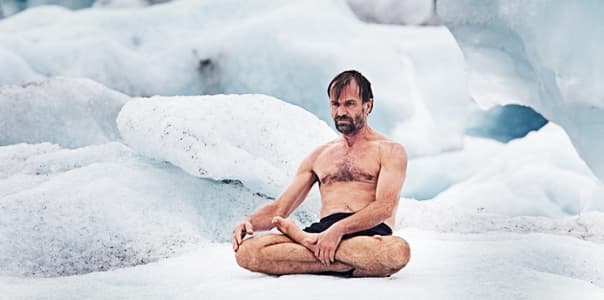
Episode 114 – Wim Hof on Breathing Techniques, Human Performance & Breaking World Records
May 28, 2018 · 42:15
Independent conversations
Help make the next one possible.
Membership sustains ambitious, unhurried interviews and keeps the complete archive open to curious listeners everywhere.
Become a member